
When you picture a heart attack, you likely imagine the dramatic scenes shown in movies and on television: a man suddenly clutching the left side of his chest and collapsing to the floor. Because popular culture has conditioned us to look for this specific, sudden presentation, millions of women miss the real, subtle signs their own bodies give them. For women over 60, a heart attack rarely looks like a Hollywood performance; instead, it often masquerades as everyday exhaustion, a touch of the flu, or ordinary aches and pains.
This widespread misunderstanding has serious consequences. According to the Centers for Disease Control and Prevention (CDC), over 60 million women in the United States currently live with some form of heart disease. Furthermore, heart disease remains the leading cause of death for women, responsible for approximately one in every five female deaths. Despite these staggering statistics, the CDC notes that only about 56 percent of U.S. women recognize heart disease as their number one health threat. By learning to identify the quieter, less conventional symptoms, you empower yourself to seek life-saving medical care before lasting damage occurs.
Understanding how your heart communicates distress is one of the most proactive steps you can take for your longevity. You know your body better than anyone else. When something feels fundamentally wrong, you need the knowledge to trust your instincts and take immediate action.
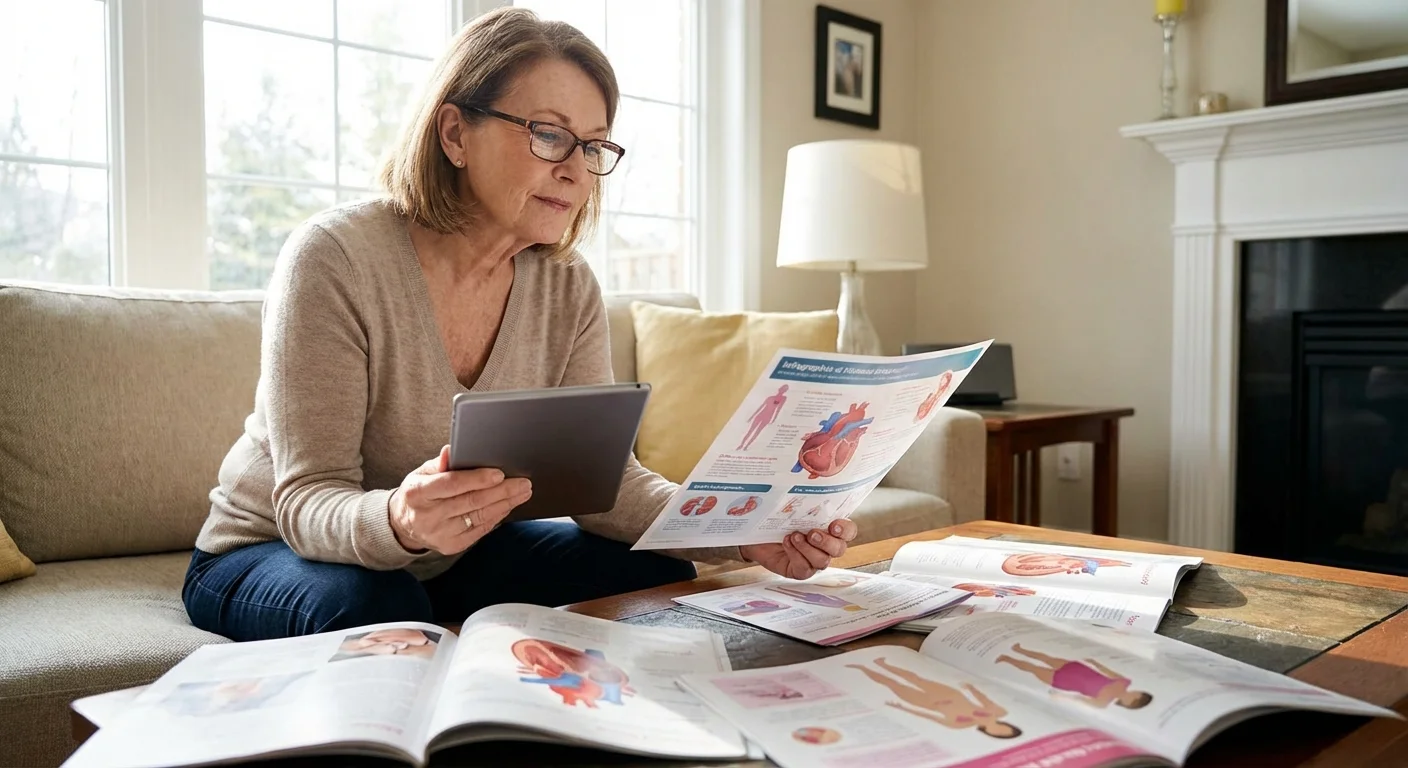
Why Heart Attacks Look Different for Women Over 60
To understand why you might miss the signs of a heart attack, you first need to understand how male and female hearts differ on a physiological level. Men frequently experience heart attacks caused by a sudden, complete blockage in one of the major coronary arteries. This massive, abrupt restriction of blood flow triggers the classic, crushing chest pain that most people associate with a cardiac event.
Women, particularly those over the age of 60, often experience a different mechanism of heart disease. The American Heart Association (AHA) reports that women are more likely to suffer from issues in the smaller blood vessels that branch off the main coronary arteries—a condition known as coronary microvascular disease. Instead of a single large plaque rupturing and creating a total roadblock, these tiny vessels can spasm, narrow, or suffer from plaque erosion over time. Because the blood flow diminishes gradually or in a more diffused manner throughout the heart muscle, the resulting pain is often less localized and less intense. The symptoms sneak up on you, broadcasting distress signals to other parts of your body.
Additionally, as you age, your body undergoes natural changes that further mask cardiac symptoms. After menopause, a drop in estrogen levels removes a layer of cardiovascular protection, making the arteries stiffer and less adaptable to stress. Many women also develop comorbidities like arthritis, acid reflux, or minor respiratory issues. When a heart attack triggers a dull ache in the shoulder or a bout of indigestion, you might logically attribute the discomfort to an old joint injury or a spicy meal rather than a failing heart. This tendency to rationalize symptoms is exactly why you must familiarize yourself with the five warning signs outlined below.








Leave a Reply