
Creating a Memory Garden: Plants That Trigger Nostalgia
As you navigate the enriching chapters of retirement, you often seek ways to connect with your past, find daily purpose, and cultivate joy. A memory garden offers a beautiful, tangible path to achieve all these goals. Imagine stepping into your own outdoor sanctuary, a space specifically designed to rekindle cherished moments from your childhood, your family life, or significant events. This unique type of garden goes beyond aesthetics, engaging your senses to transport you back in time, stimulating your mind, and providing a delightful hobby.
Creating a memory garden is an active pursuit, a form of nostalgia gardening, that allows you to curate a living album of your life. You select plants not just for their beauty, but for their ability to evoke powerful associations. Perhaps it is the unmistakable fragrance of a rose that reminds you of your grandmother’s prize-winning bushes, or the vibrant color of a marigold that brings back images of your first school garden. This personal project not only beautifies your surroundings but also provides meaningful engagement, social connection, and a sense of continuity. Discover how to create a memory garden for seniors, a space where every bloom and leaf tells a story.
Table of Contents
- The Power of Sensory Gardens: Awakening Your Past
- Planning Your Nostalgia Nook: Design and Layout
- Plants That Evoke Childhood Memories: A Guide to Selection
- Beyond Blooms: Incorporating Personal Mementos
- Making It Accessible and Enjoyable: Gardening for All Abilities
- Community and Connection: Sharing Your Memory Garden
- Maintaining Your Living Legacy: Simple Care Tips
- Budget-Friendly Gardening: Cultivating Memories Without Breaking the Bank
- Sharing Your Garden Story: Inspiring Others
The Power of Sensory Gardens: Awakening Your Past
Your senses hold a profound key to unlocking memories. Think about it: a specific song transports you to a high school dance, or the aroma of fresh-baked cookies brings your grandmother’s kitchen to life. This phenomenon, known as involuntary memory, occurs when a sensory input bypasses your conscious thought, directly accessing deeply stored experiences. A sensory garden for seniors leverages this power, intentionally cultivating plants and elements that stimulate sight, smell, touch, and even taste, to trigger vivid recollections.
Scientific studies consistently demonstrate the benefits of engaging with nature, particularly for older adults. Research published by organizations like the National Institute on Aging highlights how horticultural therapy improves cognitive function, reduces stress, and enhances overall well-being. When you actively participate in nostalgia gardening, you engage multiple brain regions, strengthening neural pathways and improving memory recall. The act of planting, tending, and observing your garden provides a continuous stream of sensory input, fostering a sense of purpose and combating feelings of loneliness.
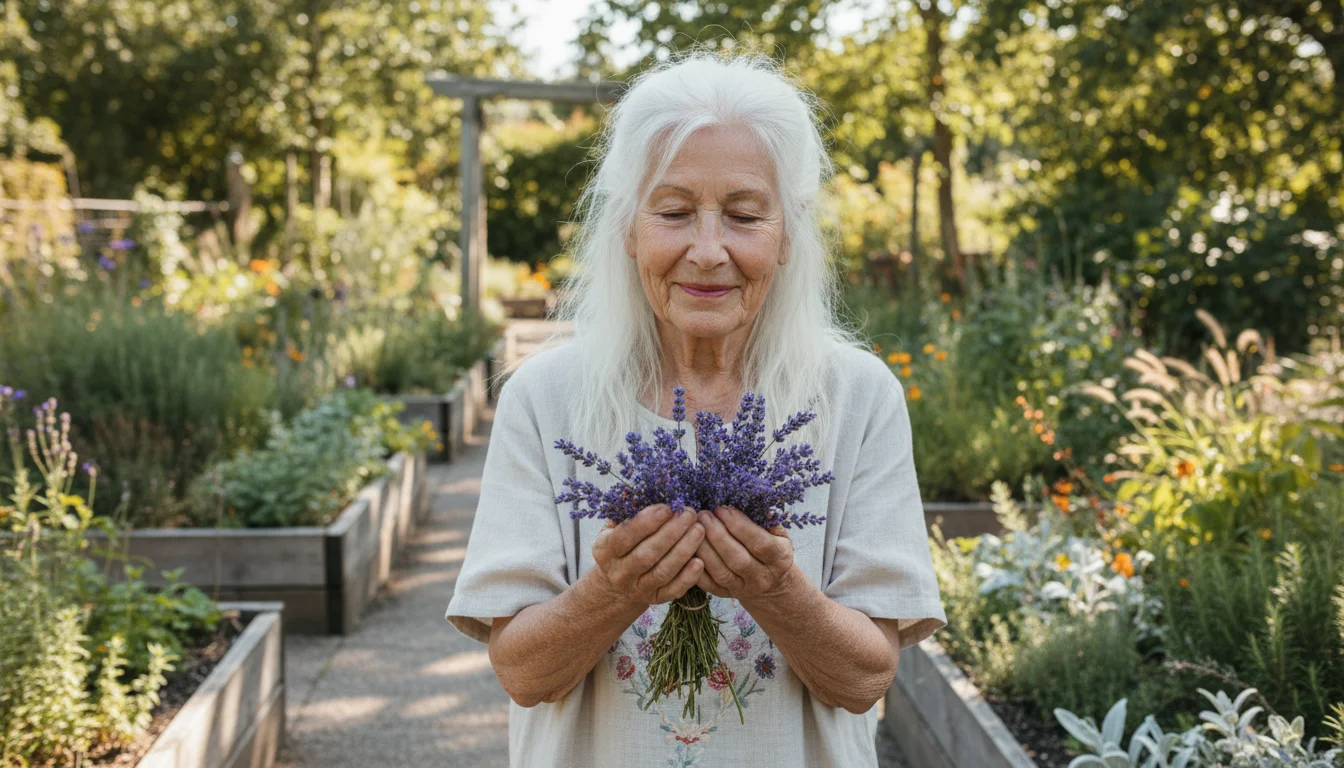
Imagine bending down to sniff a patch of lavender, and suddenly you are seven years old again, running through a field with your siblings. Or touching the velvety softness of a lamb’s ear plant, and remembering the texture of your childhood pet’s fur. These moments of connection to your past are not merely sentimental; they are deeply enriching, offering comfort, joy, and a renewed appreciation for your life’s journey. A memory garden becomes more than just a collection of plants; it transforms into a living biography, a tangible representation of your personal history, and a source of ongoing delight.

Planning Your Nostalgia Nook: Design and Layout
Creating your memory garden begins with thoughtful planning. Consider the space you have available, whether it is a small balcony, a patio, a raised bed, or a larger backyard plot. No matter the size, you can design a meaningful space. Begin by reflecting on the specific memories you wish to evoke. What smells, colors, or textures stand out from your past? Jot down a list of places, people, or events that bring you comfort and joy.

Next, think about the practical aspects. Sunlight is crucial for most plants. Observe your chosen area throughout the day to understand its light exposure. Consider accessibility. Will you need raised garden beds to avoid excessive bending, or wider paths for easier navigation with a walker or wheelchair? Organizations dedicated to promoting active aging often recommend incorporating comfortable seating areas within your garden, providing a place for rest, reflection, and enjoyment. You want this space to be inviting and easy to use, ensuring you can fully immerse yourself in its beauty without strain.
Layout plays a significant role in a sensory garden. You might group plants by their dominant sensory characteristic, for example, a fragrant corner with roses and lilacs, or a textural bed with lamb’s ear and ornamental grasses. Pathways should invite slow exploration, perhaps winding gently to reveal new plant “memories” around each turn. Consider incorporating a small water feature, such as a bird bath or a mini fountain, for the soothing sound of trickling water, adding another layer to your sensory experience. Remember, your memory garden is your personal story, so design it in a way that feels authentic and comforting to you.

Plants That Evoke Childhood Memories: A Guide to Selection
The heart of your memory garden lies in its plants, specifically those plants that evoke childhood memories. Select varieties renowned for their strong sensory appeal, whether through fragrance, vibrant colors, distinctive textures, or even their association with home-cooked meals. Here are some categories and specific examples to inspire your choices for your nostalgia gardening project:

Fragrant Favorites: Scents of Yesteryear
- Roses: Classic and timeless, the scent of a fragrant rose often triggers memories of grandmothers’ gardens, special occasions, or romantic moments. Choose heirloom varieties for the strongest, most authentic aromas.
- Lavender: This calming herb, with its distinctive purple blooms, frequently brings back memories of sachets, linen closets, or fields in bloom. Its soothing scent offers immediate relaxation.
- Lilacs: The intoxicating perfume of lilacs, particularly in spring, can powerfully transport you to childhood springs, neighborhood strolls, or blossoming backyards.
- Gardenias: Their rich, sweet, almost tropical fragrance often evokes images of corsages, formal events, or warm southern evenings.
- Sweet Alyssum: These delicate, low-growing flowers release a subtle honey-like scent, reminiscent of cottage gardens or cheerful groundcovers.
- Mint: The refreshing aroma of peppermint or spearmint might recall cool drinks, chewing gum, or even home remedies from your youth.
Vibrant Vistas: Colors and Forms of the Past
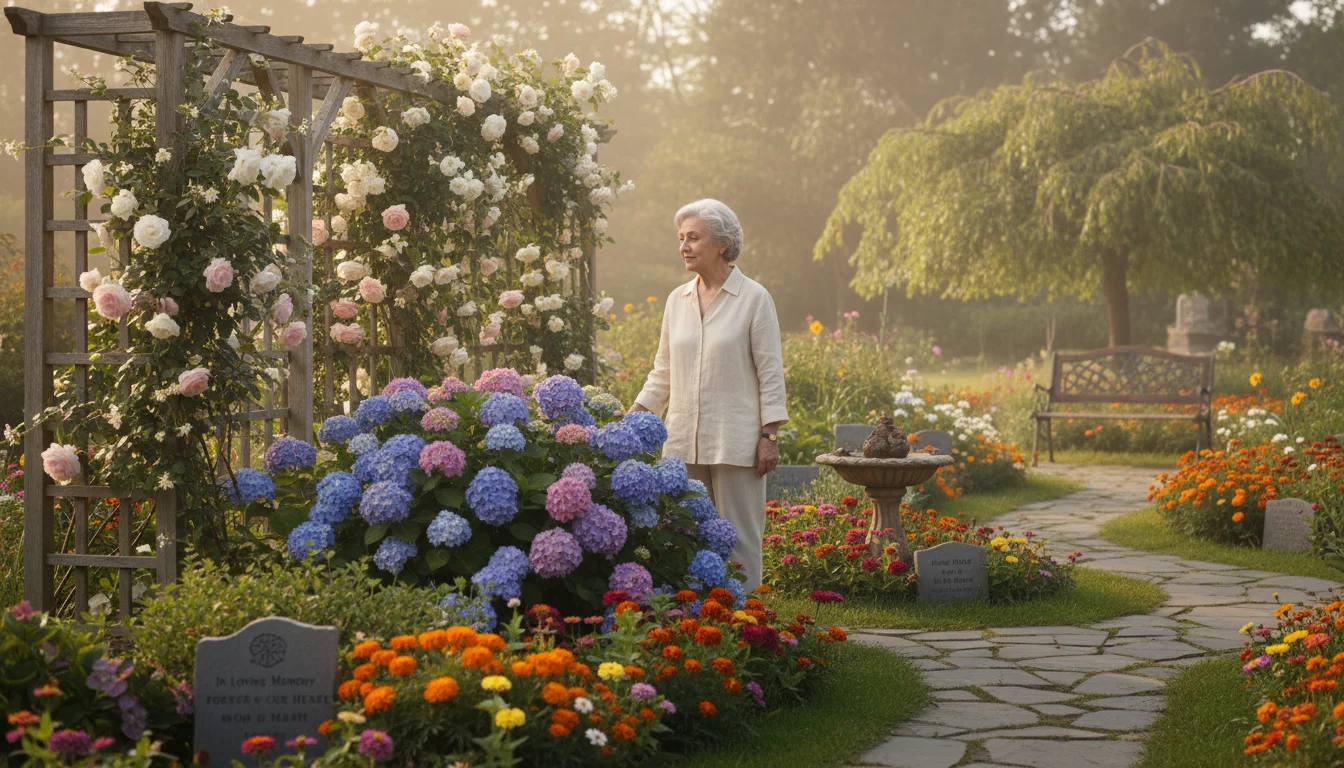
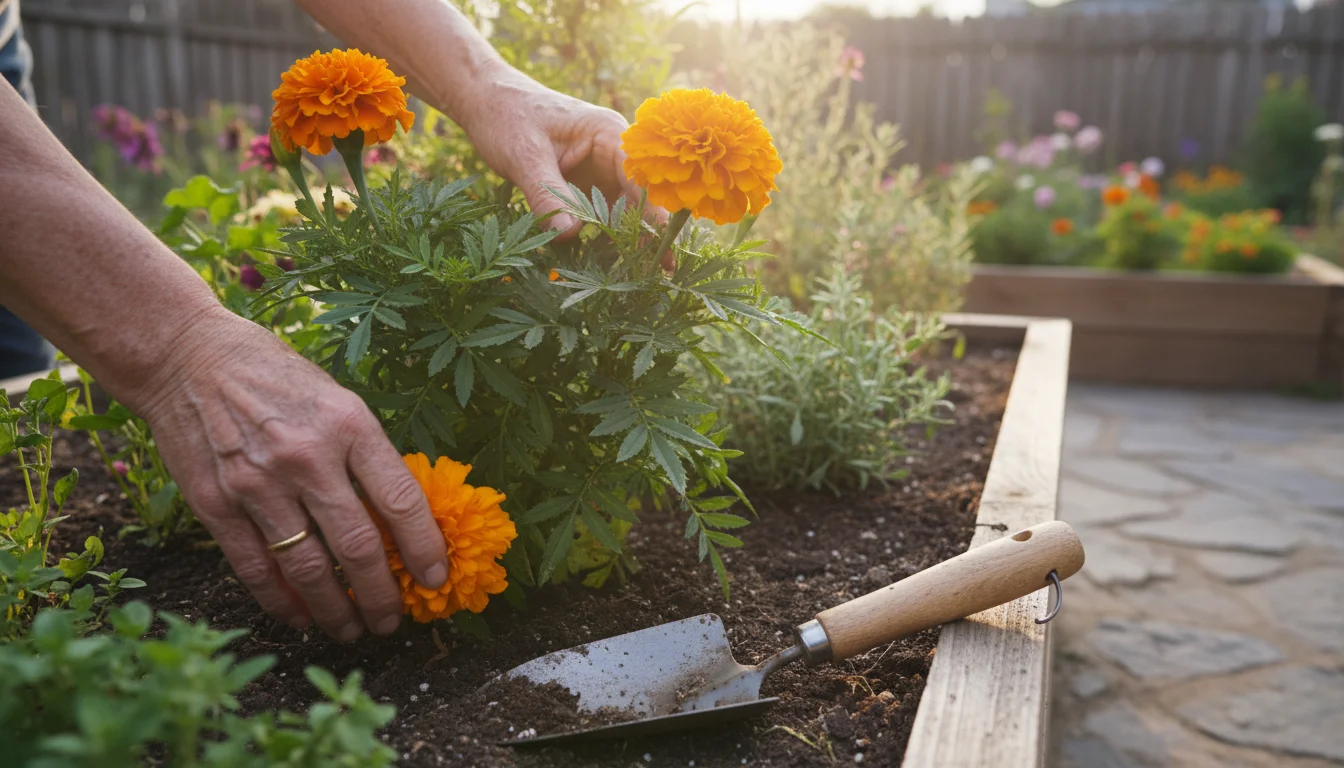
- Marigolds: Their bright orange and yellow hues often symbolize sunny days, school gardens, or simple summer pleasures. They are incredibly resilient and easy to grow.
- Zinnias: These cheerful, multi-colored blooms were popular in many gardens and frequently appear in vintage seed catalogs. They embody summer vibrancy and innocence.
- Hydrangeas: With their large, billowy flower heads in shades of blue, pink, and white, hydrangeas often adorned older homes and gardens, creating a sense of established beauty.
- Nasturtiums: Both edible and visually striking, their peppery leaves and bright flowers might remind you of adventurous childhood tastes or simple garden salads.
- Sweet Peas: These climbing vines offer delicate, fragrant flowers and evoke images of old-fashioned cottage gardens and gentle breezes.
- Sunflowers: Their towering presence and bold, sunny faces instantly bring back memories of summer, wide-open spaces, and perhaps even competing to grow the tallest one.

Tactile Treasures: Textures That Tell Stories
- Lamb’s Ear (Stachys byzantina): Its incredibly soft, fuzzy leaves are irresistible to touch. This texture often connects to comforting objects, soft blankets, or even the fur of a beloved pet.
- Fuzzy Leaf Geraniums: Some geranium varieties have velvety leaves that invite gentle stroking, offering a soothing sensory experience.
- Ferns: The intricate, delicate fronds of ferns, particularly maidenhair or sensitive ferns, can remind you of shaded woodlands, hidden nooks, or a sense of cool tranquility.
Edible Echoes: Tastes of Home
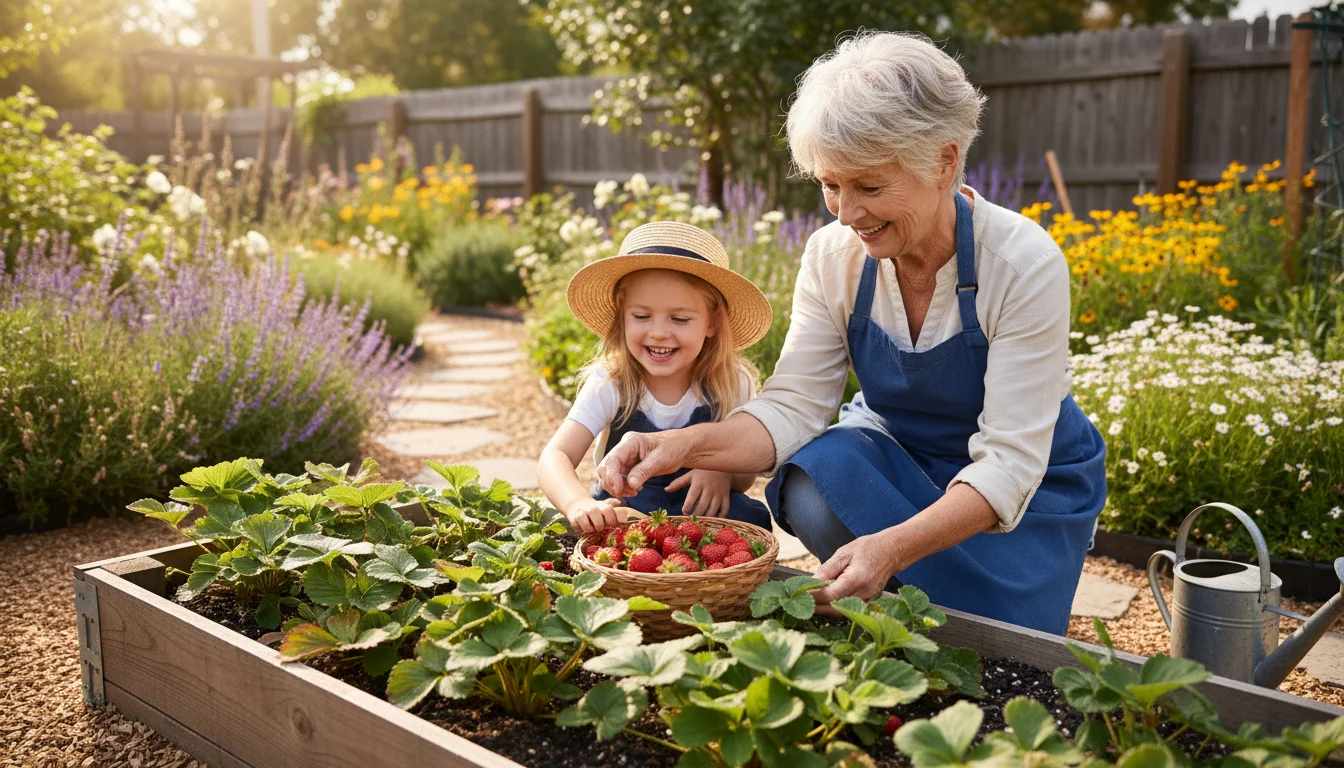
- Strawberries: The sweet taste of a freshly picked strawberry can immediately transport you to summer days, roadside stands, or family outings.
- Tomatoes: The robust scent of tomato vines and the juicy taste of a sun-warmed tomato often evoke memories of backyard vegetable patches and simple, delicious meals.
- Rhubarb: For many, the tartness of rhubarb brings back memories of pies, crumbles, or stewed fruit, often associated with grandmothers’ kitchens and homemade treats.
- Herbs (Parsley, Sage, Rosemary, Thyme): These culinary staples, with their distinct aromas and flavors, can trigger memories of family recipes, holiday meals, or special occasions shared around the table.
When selecting your plants, visit local nurseries or garden centers. Smell the flowers, touch the leaves, and visualize them in your own garden. This hands-on approach ensures you choose the plants that truly resonate with your personal history and enhance your nostalgia gardening experience.

Beyond Blooms: Incorporating Personal Mementos
While plants form the living core of your memory garden, you can enhance its evocative power by integrating personal mementos and meaningful objects. These elements add layers of narrative and visual interest, turning your garden into a truly immersive personal museum. Consider items that hold sentimental value, connecting directly to your past and the memories you wish to cultivate.
Old gardening tools, perhaps those once used by a parent or grandparent, can serve as charming, rustic decorations. A worn trowel or a beloved watering can placed thoughtfully among the plants immediately sparks a connection to those who came before you. You might also include photographs, laminated for protection against the elements, depicting family gatherings in gardens, childhood homes, or special trips. Place these near plants that relate to those specific memories.
Think about statues or figurines that recall a specific time or place. A whimsical gnome might remind you of a grandparent’s playful nature, or a small birdbath could mirror one from a childhood home. Old pieces of pottery, unusual stones collected on a memorable trip, or even vintage garden markers can contribute to the garden’s narrative. Be creative and look around your home for items that hold a story. These tangible links to your past help personalize the space even further, making your memory garden a unique reflection of your life.
Making It Accessible and Enjoyable: Gardening for All Abilities
Your memory garden should be a source of relaxation and enjoyment, not frustration. Addressing mobility and physical comfort is paramount, ensuring you can tend and appreciate your garden for years to come. Many seniors experience changes in flexibility, balance, or strength. Thoughtful design anticipates these needs, transforming potential challenges into manageable tasks.
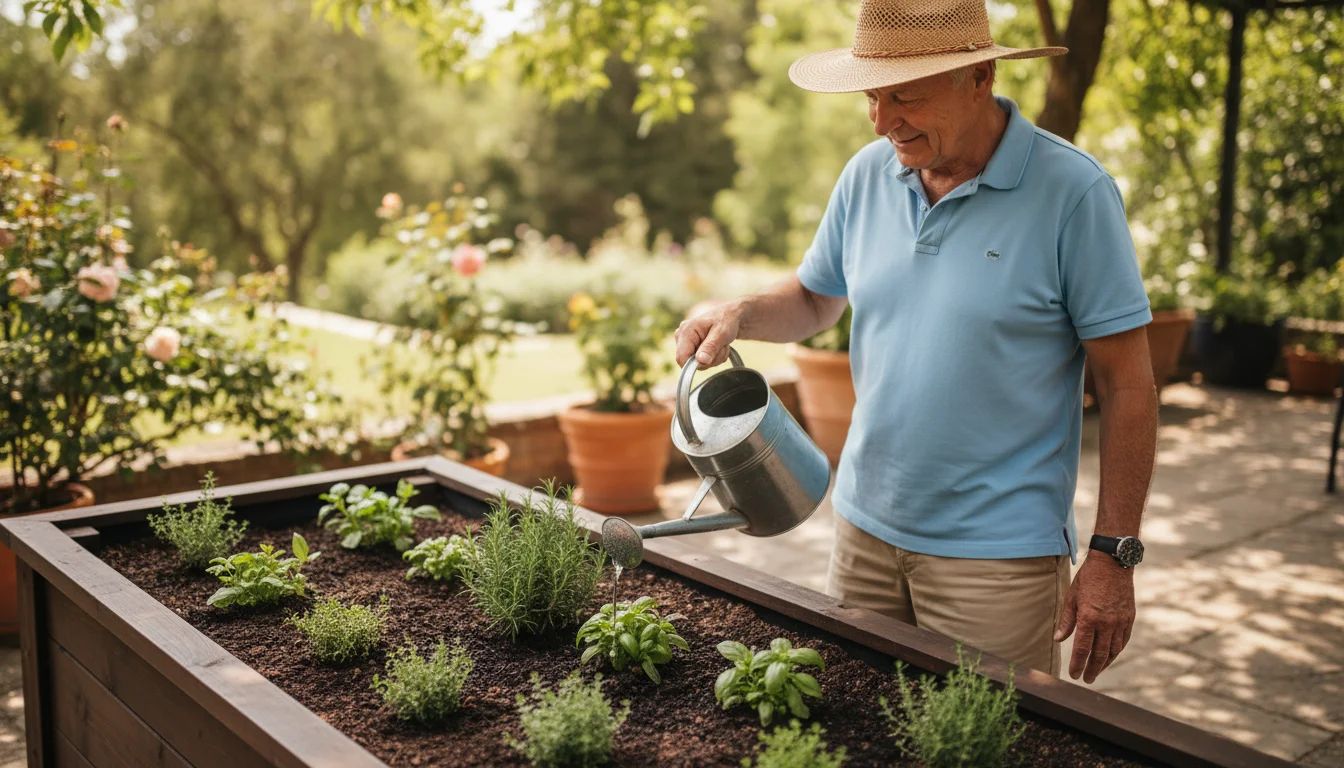
Raised garden beds stand out as an excellent solution. They bring the soil up to a comfortable working height, significantly reducing the need for bending, kneeling, or stooping. You can find raised beds in various materials, including wood, metal, or composite, and they come in diverse heights to suit your specific needs, whether you prefer to garden while standing or from a seated position. If you use a wheelchair or walker, ensure the bed height allows for easy access underneath or from the side.
Container gardening offers another highly adaptable approach. You can place pots and planters on elevated stands, tables, or even on rolling caddies, making it simple to move plants into optimal sunlight or bring them closer for easy tending. Select lightweight pots to make repositioning easier. Ergonomic gardening tools, featuring larger handles or extended grips, also reduce strain on your hands and wrists, making tasks like digging and weeding more comfortable.
Creating clear, wide pathways with stable, non-slip surfaces is essential for safe navigation. Avoid uneven stones or loose gravel that could cause tripping. Incorporate comfortable seating throughout your garden. Benches, chairs, or even a porch swing provide places to rest, enjoy the view, and simply soak in the sensory experience of your space. These considerations ensure your memory garden remains a cherished, accessible retreat, tailored to your abilities, and a place where you can relax and reconnect with your past.

Community and Connection: Sharing Your Memory Garden
While your memory garden serves as a deeply personal space, it also offers wonderful opportunities for community and connection. Sharing your garden and its stories strengthens bonds, fosters intergenerational learning, and combats the isolation many seniors sometimes experience. Consider how your special space can become a catalyst for shared joy and purpose.
Invite family members, particularly grandchildren, to participate in the garden’s creation and ongoing care. Planting seeds, watering plants, or simply exploring the fragrant blooms together creates new, shared memories. You can tell stories about the plants, explaining why each one holds significance for you. For instance, explaining that the lilac reminds you of your childhood home helps grandchildren connect your personal history with the tangible present. This direct engagement provides a rich educational experience for younger generations, deepening their understanding of family heritage and the natural world.
Your memory garden can also become a focal point for social gatherings. Host a small tea party among the blooms, or invite friends over for a casual afternoon visit. The garden provides a natural conversation starter, prompting guests to share their own plant-related memories. You might find common ground with neighbors who recall similar plants from their youth, fostering new friendships or strengthening existing ones. Horticultural experts often emphasize the social benefits of shared gardening projects, noting how they build community and provide meaningful interaction.
Consider joining or forming a small gardening club focused on memory gardens. You can exchange seeds, cuttings, and gardening tips, and share the unique stories behind your plant choices. This shared passion provides a supportive network, offering both practical advice and emotional connection. Your memory garden, while rooted in your personal past, blooms into a vibrant space for present-day community and connection, enriching your life and the lives of those around you.
Maintaining Your Living Legacy: Simple Care Tips
A memory garden, like any garden, requires ongoing care, but you can approach maintenance in a way that minimizes effort and maximizes enjoyment. The goal is to keep your living legacy thriving without becoming a burdensome chore. Smart planning and simple routines ensure your garden remains a source of relaxation, not stress.
Start with appropriate plant selection. Choose plants known to thrive in your local climate and soil conditions, and select varieties that are relatively low-maintenance. Many of the plants that evoke childhood memories, such as marigolds, zinnias, and various herbs, are quite resilient and forgiving. Consider native plants, which often require less water and fuss once established, as they are naturally adapted to the environment. This foundational step reduces your workload significantly from the outset.
Implement efficient watering practices. Drip irrigation systems or soaker hoses deliver water directly to the plant roots, minimizing waste and reducing the need for you to haul heavy watering cans. If you prefer manual watering, invest in a lightweight hose and nozzle that are easy to manage. Water deeply but less frequently to encourage strong root growth. Mulch is your best friend in a low-maintenance garden. A layer of organic mulch (like wood chips or straw) around your plants helps retain soil moisture, suppresses weeds, and regulates soil temperature, reducing the need for constant weeding and watering.
Regular, short bursts of activity are more effective and less tiring than infrequent, marathon gardening sessions. Spend 15-20 minutes a few times a week deadheading spent blooms, pulling a few weeds, or checking for pests. This consistent, gentle attention keeps your garden healthy and vibrant. If you find certain tasks too challenging, do not hesitate to ask for help from family, friends, or even a local garden service. Your memory garden is a place for joy and reflection, and managing its care should always support that purpose.
Budget-Friendly Gardening: Cultivating Memories Without Breaking the Bank
Creating a meaningful memory garden does not require a large financial investment. Many cost-effective strategies allow you to cultivate a beautiful and personal space while respecting your budget. Smart choices empower you to bring your vision to life without financial strain, making nostalgia gardening accessible to everyone.
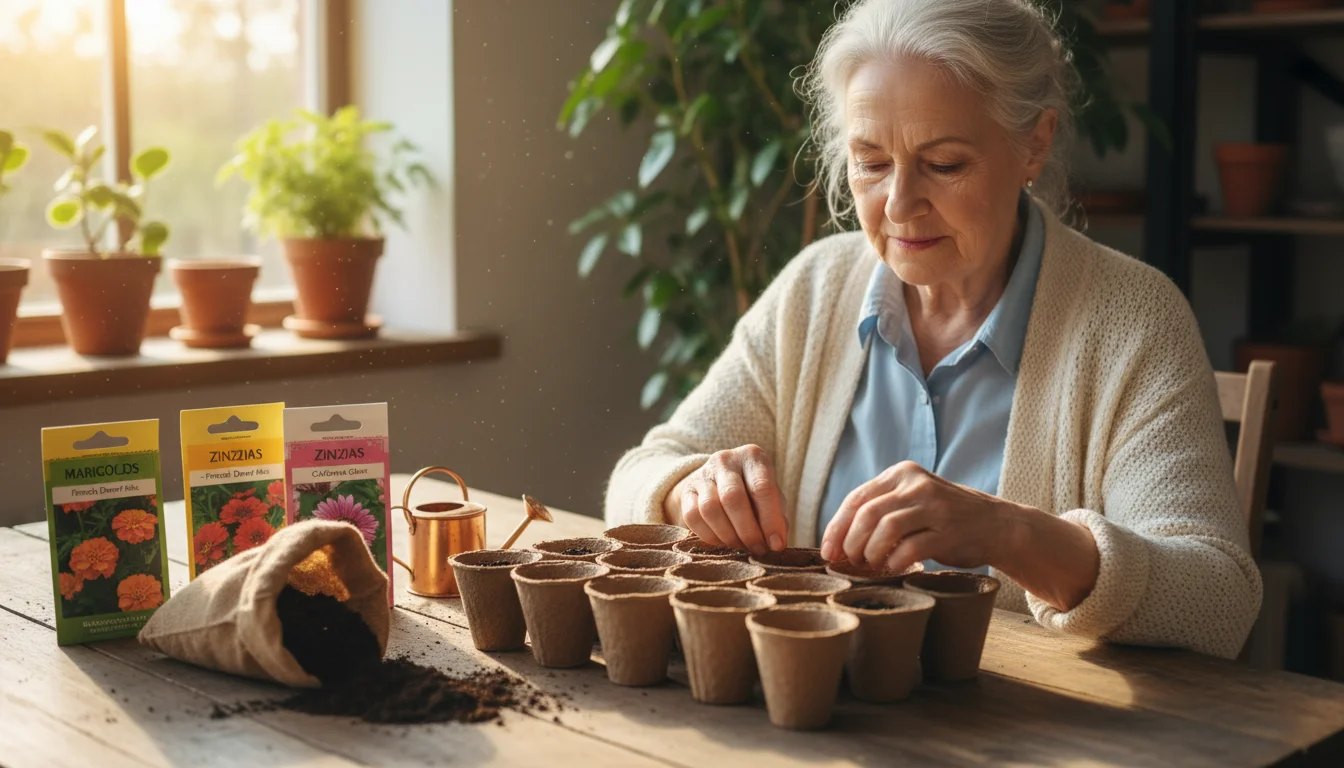
Starting from seed is often the most economical way to acquire plants. Seed packets cost only a few dollars and can yield dozens of plants. Many nostalgic favorites, such as marigolds, zinnias, sweet peas, and nasturtiums, are easy to grow directly from seed. You will also find immense satisfaction in nurturing a plant from its earliest stage. Another excellent option involves taking cuttings from existing plants. If friends, family, or neighbors have plants you admire, ask if you can take a cutting. Many shrubs, herbs, and flowering plants root easily, providing you with free plants. Similarly, local plant swaps or community garden events offer opportunities to trade plants and seeds with other enthusiasts.
Embrace DIY for containers and garden decor. Repurpose items you already own or find inexpensive treasures at thrift stores, garage sales, or even online marketplaces. Old tires can become colorful raised beds, vintage teacups can serve as charming succulent planters, and wooden pallets transform into vertical gardens. Get creative with what is available, and personalize your garden without spending a fortune on new items. Look for end-of-season sales at garden centers, where you can often find significant discounts on perennials, shrubs, and gardening supplies. Buy in bulk when possible for soil amendments or mulch, or share purchases with a friend to reduce individual costs.
Remember that the true value of your memory garden lies not in its monetary cost, but in the personal stories and joy it brings you. By being resourceful and strategic, you can create a richly evocative and deeply personal space that nourishes your soul and preserves your memories for years to come, all within a comfortable budget.

Sharing Your Garden Story: Inspiring Others
Your memory garden is more than just a collection of plants; it is a living narrative of your life, a testament to resilience, joy, and the power of connection. Sharing the story of your garden and the memories it evokes can inspire others in profound ways. You possess a unique perspective, and your journey can provide valuable insights and encouragement to fellow seniors and younger generations alike.
Consider documenting your garden’s progress through a simple journal, noting new blooms, visiting wildlife, and the memories each plant sparks. This personal record serves as a beautiful legacy for your family and a source of reflection for you. You might even create a small, informal “garden tour” for friends or family, explaining the significance of each plant or memento. These personal narratives humanize the gardening process, transforming it into a rich tapestry of experiences and emotions.
Community outreach offers another avenue for sharing. Offer to speak at a local senior center, a library, or a garden club about your experience creating a memory garden. Share your practical tips on plant selection, accessible design, or budget-friendly approaches. Your firsthand account can demystify the process for others, empowering them to embark on their own similar projects. Organizations like AARP consistently highlight the benefits of purposeful engagement and sharing wisdom within communities. Your garden, born from your personal past, becomes a bridge to the future, fostering connection and inspiring others to cultivate their own meaningful spaces.
Remember, your story holds immense value. By sharing the unique journey of your memory garden, you not only preserve your own cherished recollections but also plant seeds of inspiration in the hearts and minds of others. You demonstrate that retirement is a vibrant time for new passions, creative expression, and profound connection, making your memory garden a true legacy of living well.









Leave a Reply