
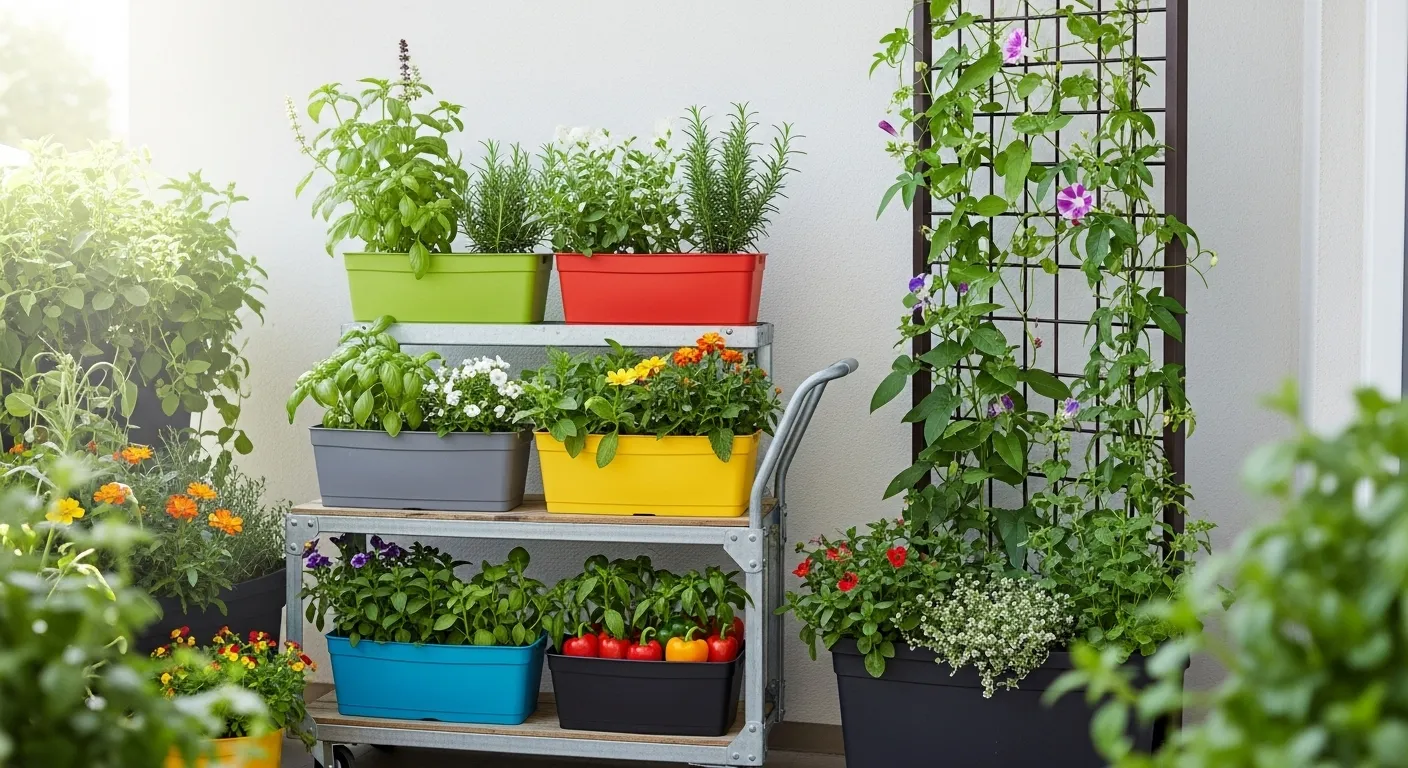
Do you miss the joy of tending to a garden but now live in a home with a smaller yard, a balcony, or even just a sunny window? The good news is that you don’t need a large plot of land to feel the soil between your fingers and watch something beautiful grow. Small space gardening is a wonderful and rewarding hobby that’s perfectly suited for apartment, condo, or patio living.
Container gardening for seniors offers immense benefits, from gentle physical activity to the simple pleasure of nurturing a plant. It’s an accessible way to brighten your home, grow your own fresh herbs, and connect with nature. These practical apartment gardening tips will help you create your own green oasis, no matter how much space you have.
Choose Your Containers Wisely
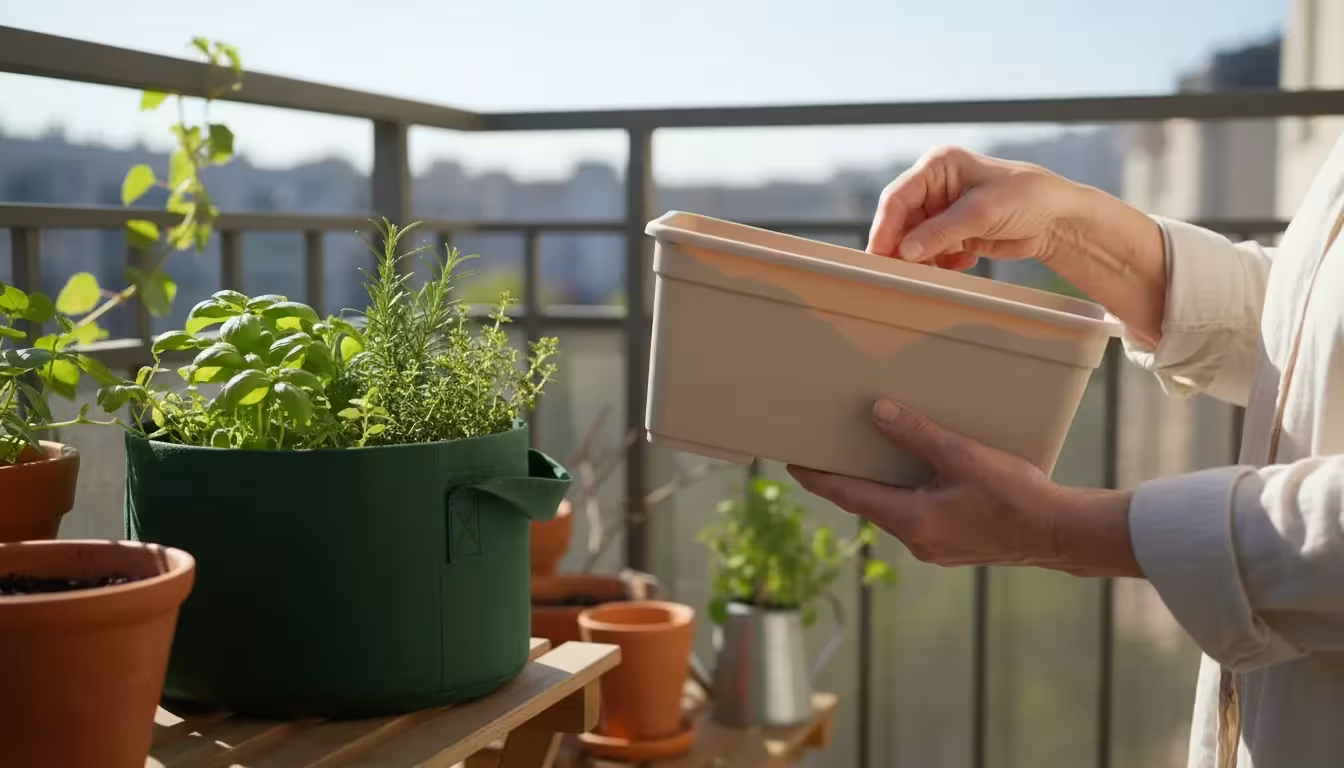
The ‘Why’: The right container is the foundation of successful small space gardening. For seniors, choosing pots that are lightweight and easy to move is crucial. Heavy ceramic or concrete pots can be difficult to lift and reposition, posing an unnecessary strain. Modern materials offer durability without the back-breaking weight.
The ‘How’:
– Look for Lightweight Materials: Opt for containers made from fiberglass, resin, or high-quality plastic. They mimic the look of traditional terracotta or stone but are significantly lighter. Fabric grow bags are another excellent, feather-light option.
– Ensure Proper Drainage: No matter the material, make sure every pot has drainage holes at the bottom. Without them, water will pool and cause root rot, which is a common reason for plant failure.
– Consider Self-Watering Planters: These containers have a built-in reservoir that provides a steady supply of moisture to the plant’s roots. This reduces the frequency of watering and takes the guesswork out of keeping your plants hydrated, which is especially helpful if you travel or have a busy schedule.
– Think About Wheels: For larger pots on a patio or balcony, placing them on a wheeled caddy or “plant dolly” before you fill them is a game-changer. This allows you to easily move them to follow the sun, bring them indoors during a frost, or simply rearrange your space.
Select the Right Plants for Your Space
The ‘Why’: Not all plants are suited for container life. Choosing varieties that thrive in pots will set you up for success and reduce frustration. Focusing on dwarf varieties, herbs, and compact flowers ensures your garden remains manageable and beautiful without quickly outgrowing its home.
The ‘How’:
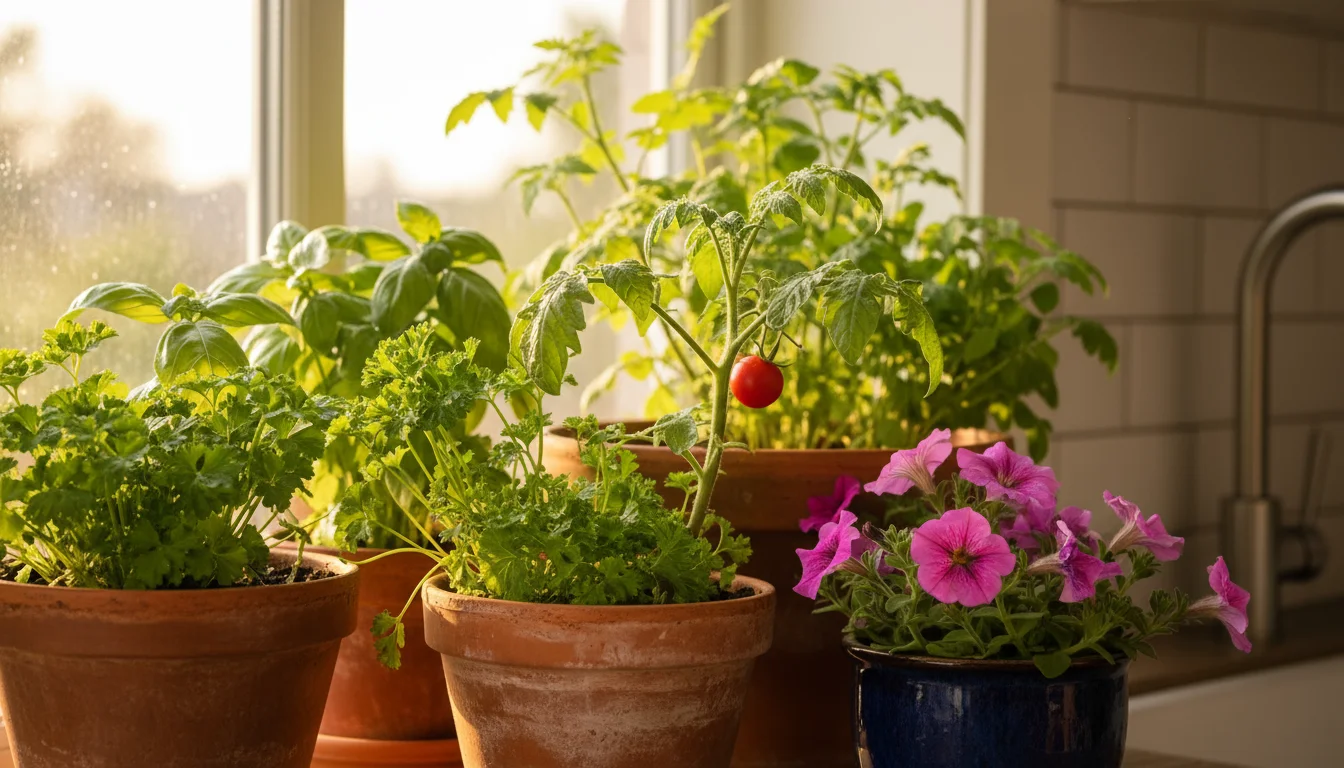
– Start with Herbs: An indoor or balcony herb garden is one of the most rewarding forms of urban gardening for seniors. Plants like basil, mint, parsley, rosemary, and chives are easy to grow and incredibly useful for cooking. They require minimal space and can thrive in a sunny windowsill.
– Look for “Dwarf” or “Patio” Varieties: Many popular vegetables, like tomatoes, peppers, and cucumbers, now come in compact varieties bred specifically for container gardening. Check the plant tags for words like “patio,” “dwarf,” “bush,” or “container.”
– Choose Easy-Care Flowers: For a splash of color, consider resilient flowers like geraniums, marigolds, zinnias, and impatiens. They are generally forgiving and provide long-lasting blooms. Succulents are another wonderful, low-maintenance option that requires infrequent watering.
Go Vertical to Maximize Your Space
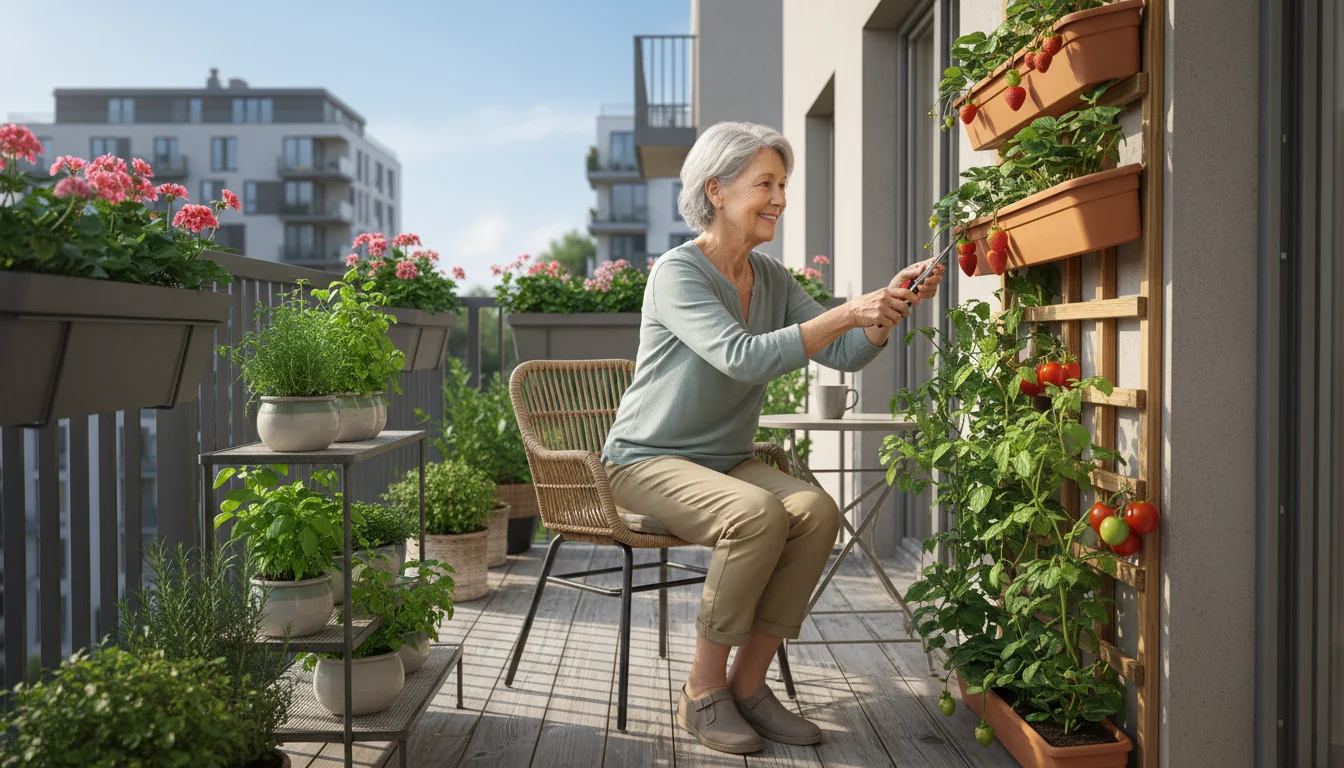
The ‘Why’: When you can’t spread out, the only way to go is up! Vertical gardening is a brilliant solution for apartment and balcony garden tips because it allows you to grow more in a small footprint. It also means less bending and stooping, making it a more ergonomic and comfortable way to garden.
The ‘How’:
– Use Wall Planters or Hanging Baskets: These are perfect for growing trailing plants, flowers, and even strawberries. They draw the eye upward and add a lush, green dimension to a bare wall or balcony railing.
– Install a Trellis: A simple wooden or metal trellis can support climbing plants like beans, peas, or flowering vines like clematis. Place it against a sunny wall inside a large rectangular planter.
– Try a Stacking Planter: These are tiered pots that stack on top of one another, creating a tower of plants. They are ideal for growing a variety of herbs or lettuces in a single, compact spot.
– Repurpose a Ladder: An old wooden stepladder can be a charming and functional plant stand. Simply place pots on each step for an instant, multi-level display.

Master Your Light Source
The ‘Why’: Understanding the sunlight your space receives is just as important as watering. Most vegetables and flowering plants need at least six hours of direct sunlight per day to thrive. Observing your light patterns before you buy plants will save you time, money, and disappointment.
The ‘How’:
– Track the Sun: Spend a day observing your balcony, patio, or window. Note how many hours of direct sunlight it receives and at what time of day. A south-facing balcony will get strong, all-day sun, while a north-facing one will be mostly shade. East-facing gets gentle morning sun, and west-facing gets intense afternoon sun.
– Match Plants to Light: Once you know your light conditions, you can choose the right plants. Sun-lovers like tomatoes, peppers, and geraniums need a south or west-facing spot. Shade-tolerant plants like lettuce, spinach, impatiens, and ferns will do well in north or east-facing locations.
– Consider Grow Lights: If you lack a sunny window but dream of an indoor herb garden, don’t despair. Simple, affordable LED grow lights can provide the full-spectrum light your plants need to flourish anywhere in your home.
Use Potting Mix, Not Garden Soil
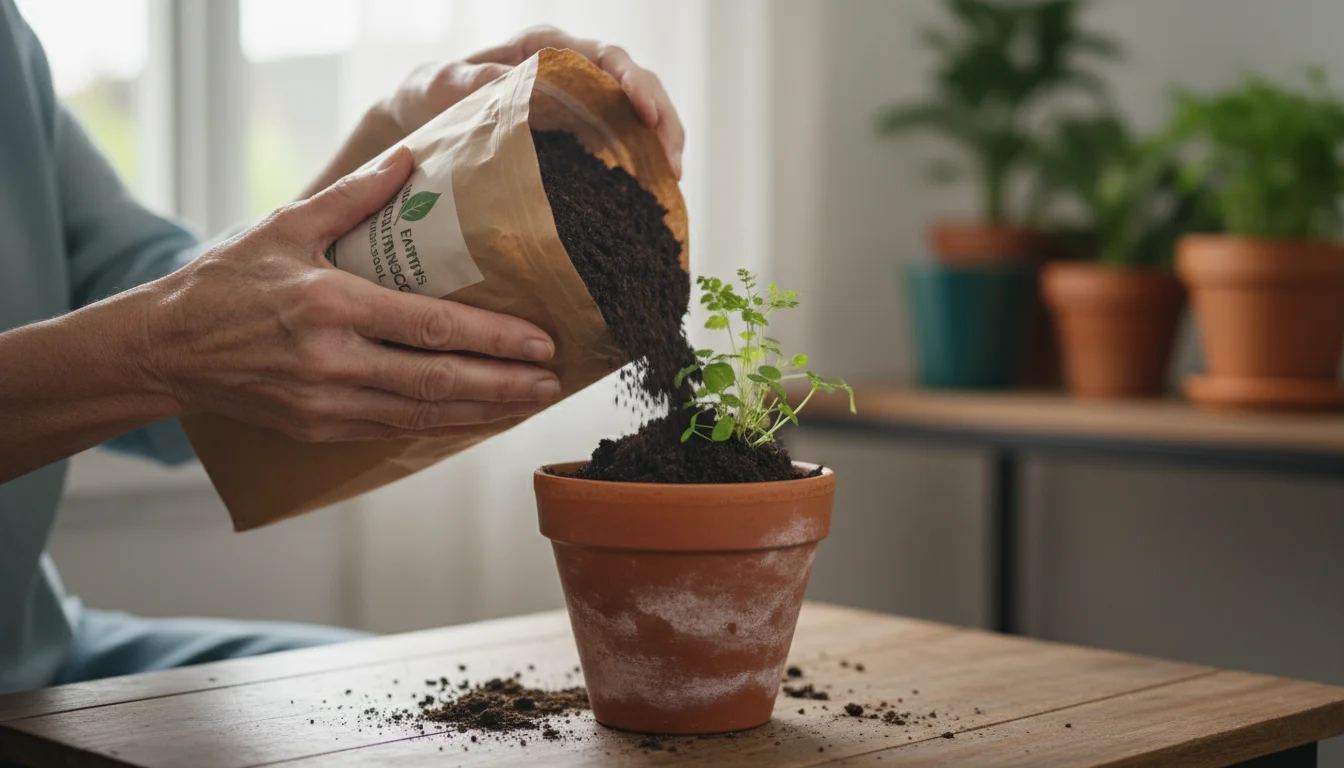
The ‘Why’: It might seem logical to use soil from the ground, but this is a common mistake in container gardening. Garden soil is heavy, compacts easily in pots, and can contain weed seeds and pests. A quality potting mix is specially formulated to provide the right balance of aeration, drainage, and nutrients for container-grown plants.
The ‘How’:
– Purchase a Quality Potting Mix: Look for bags labeled “potting mix” or “container mix” at your local garden center. These are lightweight, sterile, and designed for optimal root health.
– Choose the Right Type: There are specialized mixes for different plants, such as those for cacti and succulents (which have more sand for drainage) or seed starting mixes (which are very fine). An all-purpose potting mix is a great place to start for most flowers and vegetables.
– Keep it Light: When purchasing, check the weight of the bag. A lighter bag is easier to carry into your apartment or home. Many garden centers offer smaller bag sizes that are much more manageable.
Make Watering Simple and Strain-Free
The ‘Why’: Lugging a heavy watering can back and forth can be a chore, especially if you have many pots. Container plants also dry out faster than plants in the ground, so a consistent and easy watering routine is key. Simplifying this task makes gardening more enjoyable and less physically demanding.
The ‘How’:
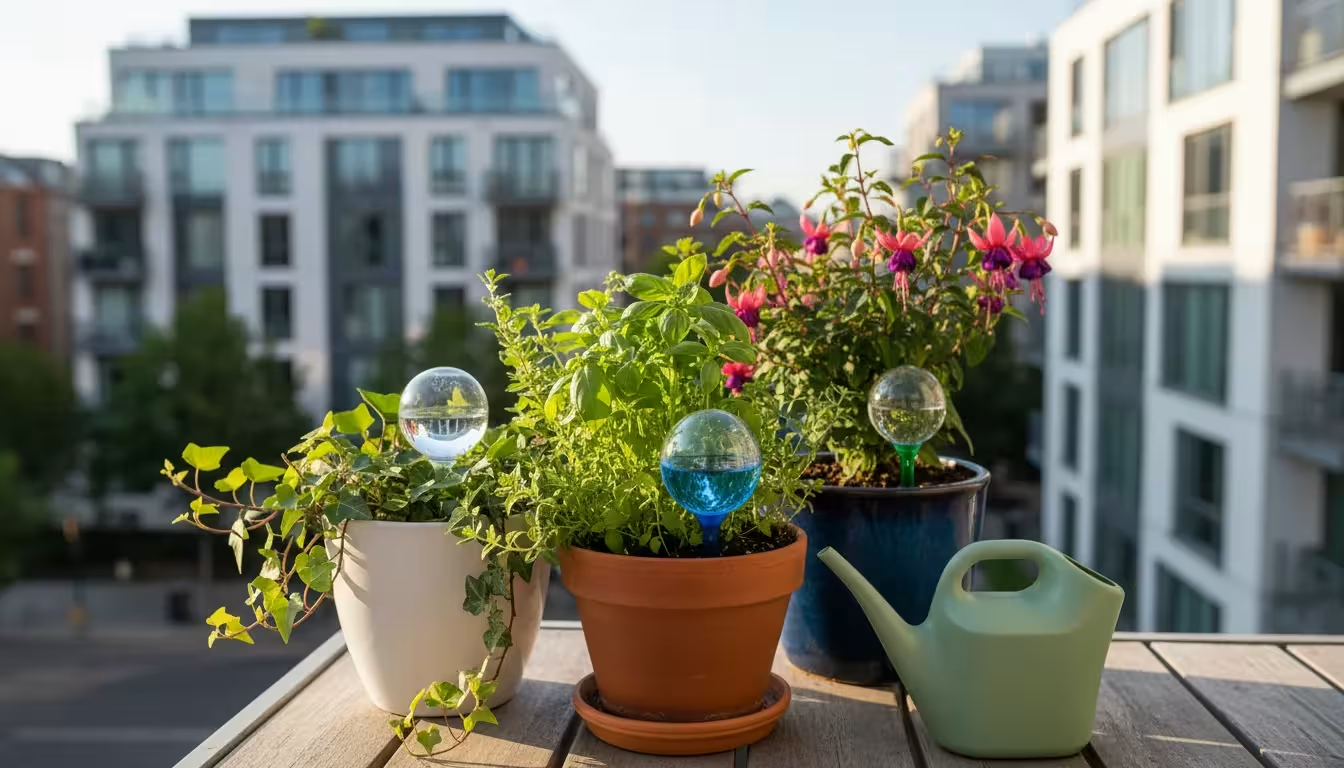
– Use a Lightweight Watering Can: Choose a smaller, plastic watering can with a long spout that can reach into the base of plants without you having to bend over too far.
– Try Watering Globes: These decorative glass or plastic bulbs can be filled with water and inserted into the soil. They release water slowly as the soil dries out, providing a steady supply for several days.
– Install a Drip Irrigation System: For a larger balcony garden, a simple drip irrigation kit can be a lifesaver. These systems connect to an outdoor faucet (or even a large water reservoir) and use a network of small tubes to deliver water directly to the base of each plant. Many can be put on an automatic timer.
– Check Soil Moisture: The best way to know when to water is to feel the soil. Stick your finger about an inch deep. If it feels dry, it’s time to water.
Create an Accessible Kitchen Herb Garden
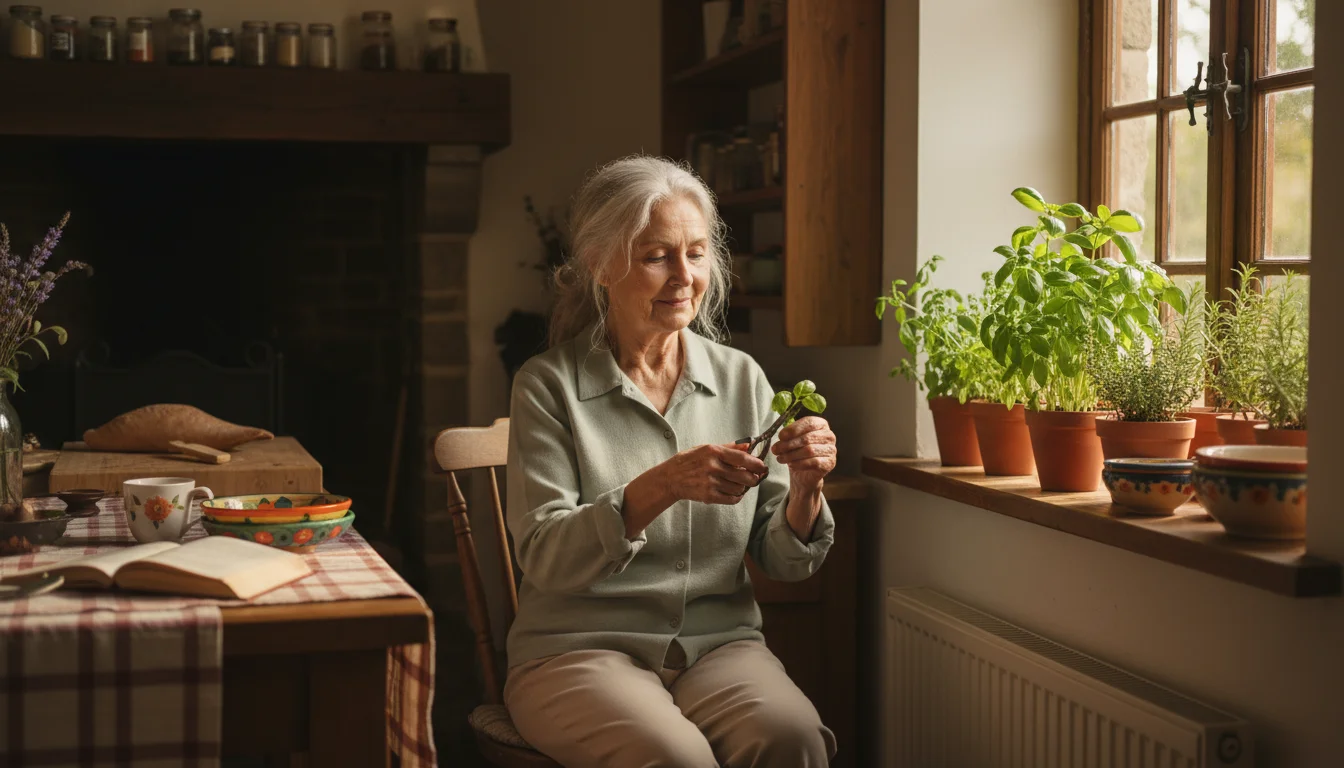
The ‘Why’: A kitchen herb garden is the epitome of practical and enjoyable urban gardening for seniors. It places fresh flavors right at your fingertips, encouraging healthy cooking and adding life to your kitchen. Because it’s indoors, it’s accessible year-round, regardless of the weather or your mobility.
The ‘How’:
– Find a Sunny Windowsill: The easiest way to start is by placing a few small pots of your favorite herbs on a sunny windowsill. A south-facing kitchen window is ideal.
– Use a Window Box: A rectangular window box can hold several different herbs and looks neat and tidy. Just be sure to place a tray underneath to catch any drips.
– Buy Starter Plants: While you can grow herbs from seed, it’s much easier to buy small starter plants from a grocery store or garden center. You can start harvesting from them almost immediately.
– Harvest Often: The more you trim your herbs, the more they will grow. Regular snipping encourages bushier, healthier plants and gives you a constant supply for your meals.
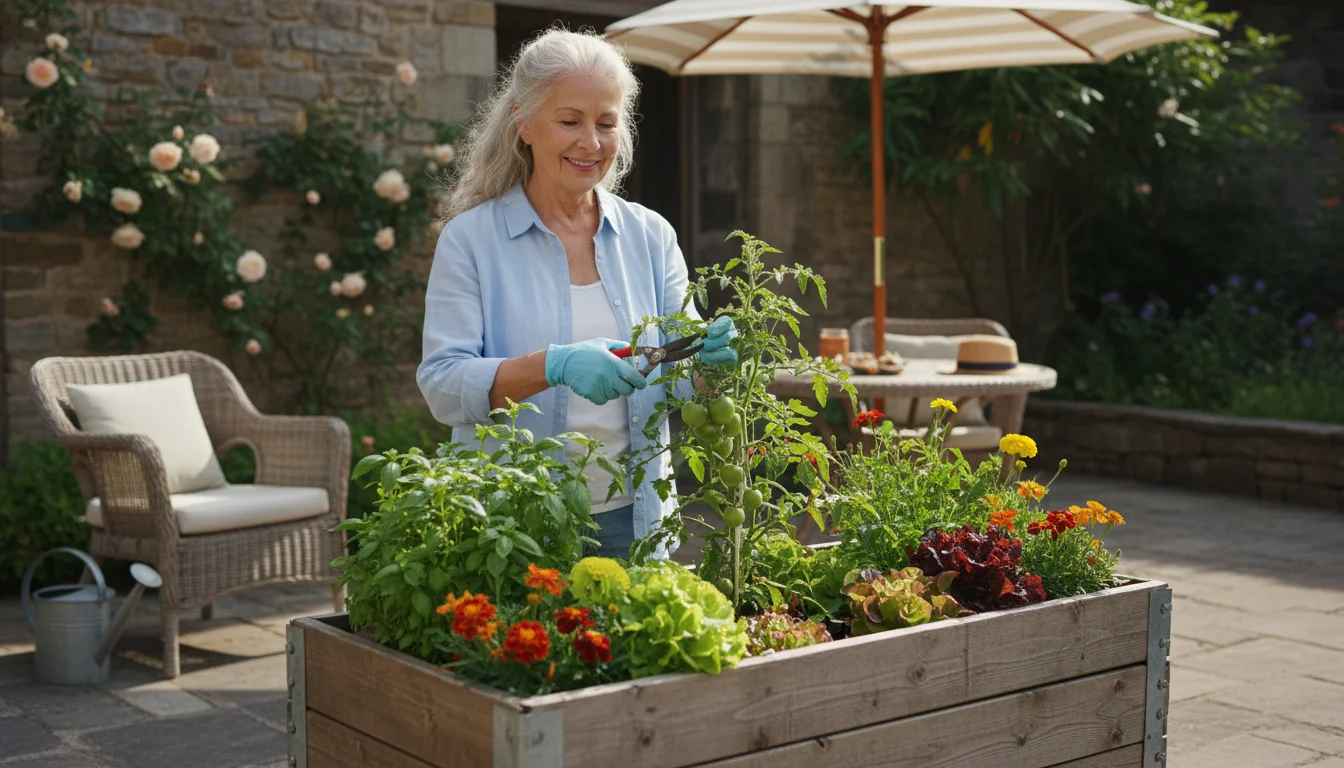
Embrace Raised Beds for Patios or Small Yards
The ‘Why’: If you have a small patio, balcony, or a tiny patch of yard, a raised garden bed can be a fantastic option. It elevates the gardening surface to a comfortable height, dramatically reducing the need for kneeling and bending. This makes it a perfect solution for anyone with back or knee concerns.
The ‘How’:
– Choose a Height That Works for You: Raised beds come in various heights, from a modest 6 inches to waist-high “elevated” garden tables. Choose one that allows you to sit on a stool or stand comfortably while you work.
– Select the Right Material: They are available in wood, galvanized metal, or durable composite materials. Many come in easy-to-assemble kits.
– Position it for Sun: Before you build and fill it, make sure you place your raised bed in the sunniest spot in your yard or on your patio to maximize what you can grow.
– Fill with Good Soil: You’ll need to fill the bed with a mixture of high-quality potting mix and compost. This gives your plants a nutrient-rich, well-draining environment to thrive in.
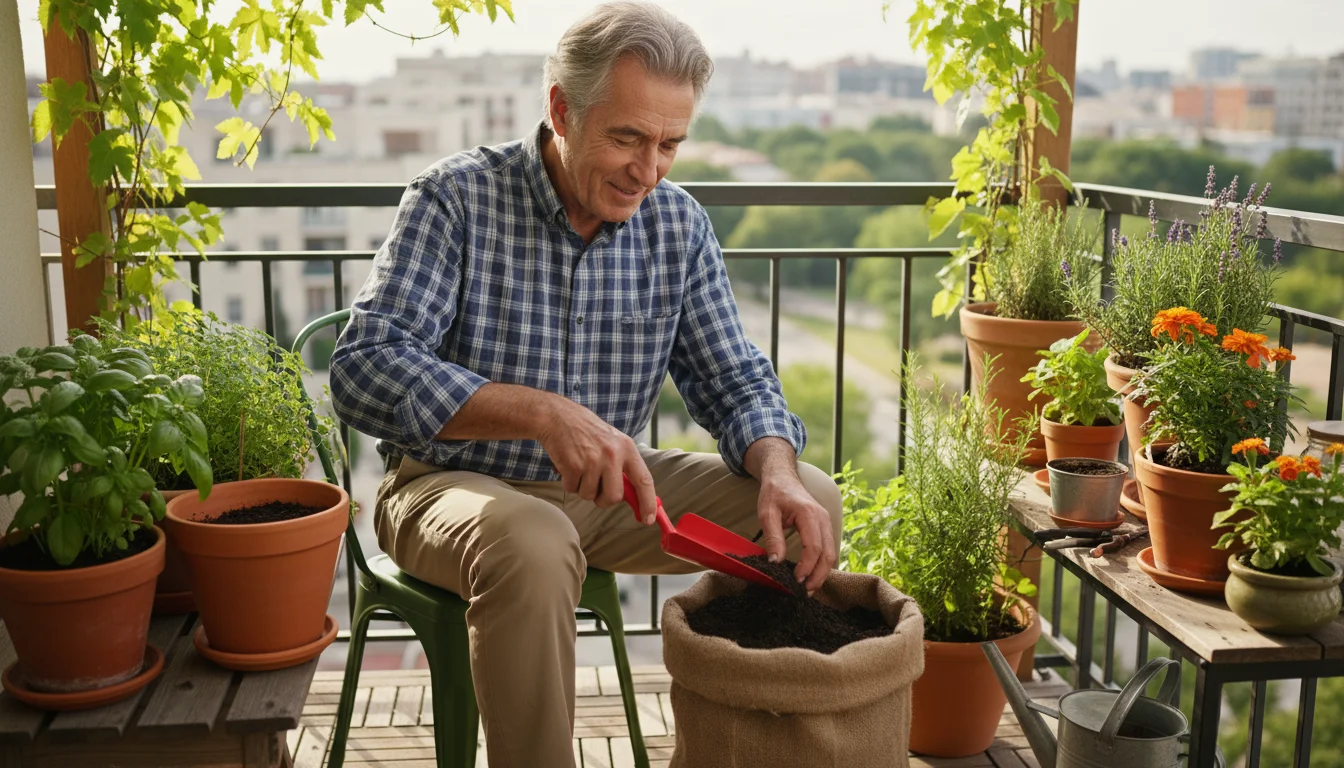
Invest in Ergonomic Gardening Tools
The ‘Why’: Using the right tools can make the difference between a pleasant hobby and a painful chore. Ergonomic tools are designed to reduce stress on your hands, wrists, and back. They provide better leverage and a more comfortable grip, allowing you to garden for longer with less fatigue.
The ‘How’:
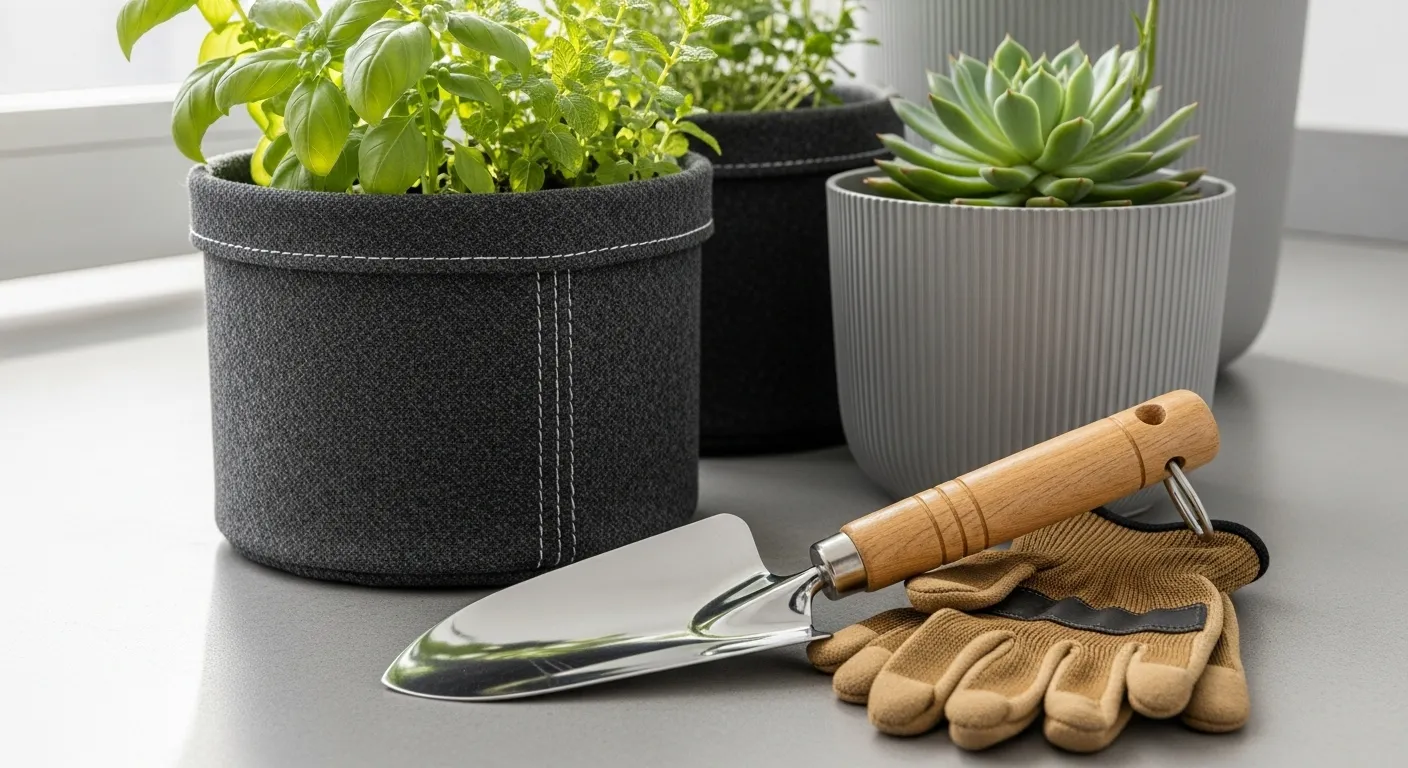
– Look for Cushioned Grips: Trowels, weeders, and cultivators with soft, non-slip handles are easier to hold and reduce hand strain.
– Consider Long-Handled Tools: If you have a raised bed or larger containers, long-handled trowels and cultivators can help you reach the back of the bed without overstretching.
– Use a Gardening Stool or Kneeler: A combination kneeler/stool is a must-have accessory. You can use it as a padded surface to kneel on, and its sturdy handles help you get back up easily. Flip it over, and it becomes a comfortable stool for seated gardening tasks.
– Find Lightweight Hoses: Coiling and uncoiling a heavy rubber hose is cumbersome. Look for lightweight, expandable hoses that are easy to manage and store.
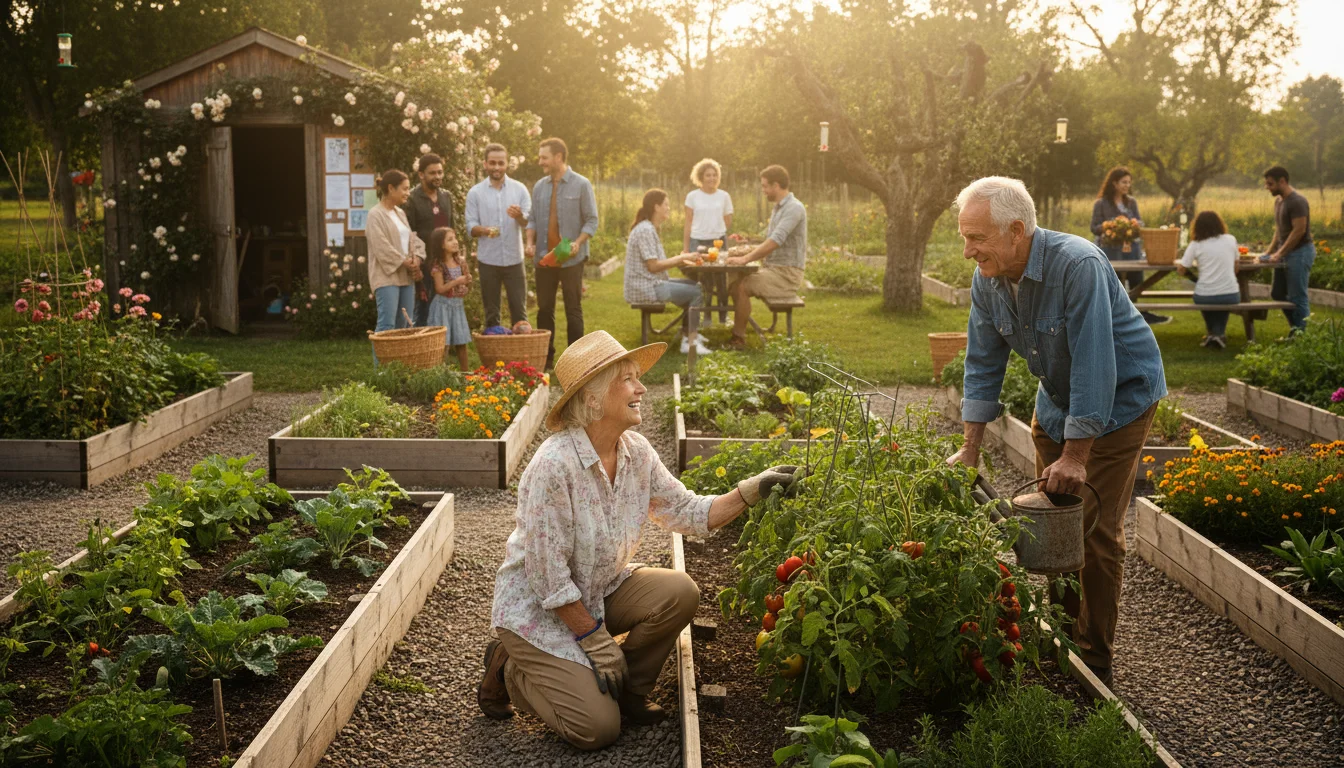
Connect With a Gardening Community
The ‘Why’: Gardening doesn’t have to be a solo activity. Sharing your passion with others is a wonderful way to learn new things, troubleshoot problems, and build social connections. A community provides support and inspiration, enriching the entire experience.
The ‘How’:
– Join a Local Garden Club: Many communities have clubs that welcome gardeners of all skill levels. They often feature guest speakers, plant swaps, and garden tours.
– Explore Online Forums: Websites and Facebook groups dedicated to container gardening or urban gardening are filled with friendly people who are happy to share advice and celebrate your successes. You can ask questions, post photos of your plants, and learn from the experiences of others.
– Visit a Community Garden: Even if you don’t have a plot, visiting a local community garden can be inspiring. You can chat with other gardeners and get great ideas for your own small space garden.
– Share Your Bounty: One of the greatest joys of gardening is sharing what you’ve grown. Give a pot of fresh herbs to a neighbor or share your extra cherry tomatoes with a friend. It’s a simple way to spread joy and connect with those around you.
Creating a garden in a small space is a journey of creativity and joy. It proves that you don’t need a sprawling yard to enjoy the simple, profound pleasures of nurturing life. By starting small, choosing the right plants and tools, and embracing the space you have, you can cultivate a beautiful and productive garden that enhances your home and lifts your spirits every day.
For expert guidance on senior health and finance, visit Centers for Disease Control and Prevention (CDC), Medicare.gov, National Institute of Mental Health (NIMH), National Institutes of Health (NIH) and Centers for Medicare & Medicaid Services (CMS).
|
Fact-Checked Content
Our editorial team reviews all content for accuracy and updates it regularly. Learn about our editorial process →
|





Leave a Reply