
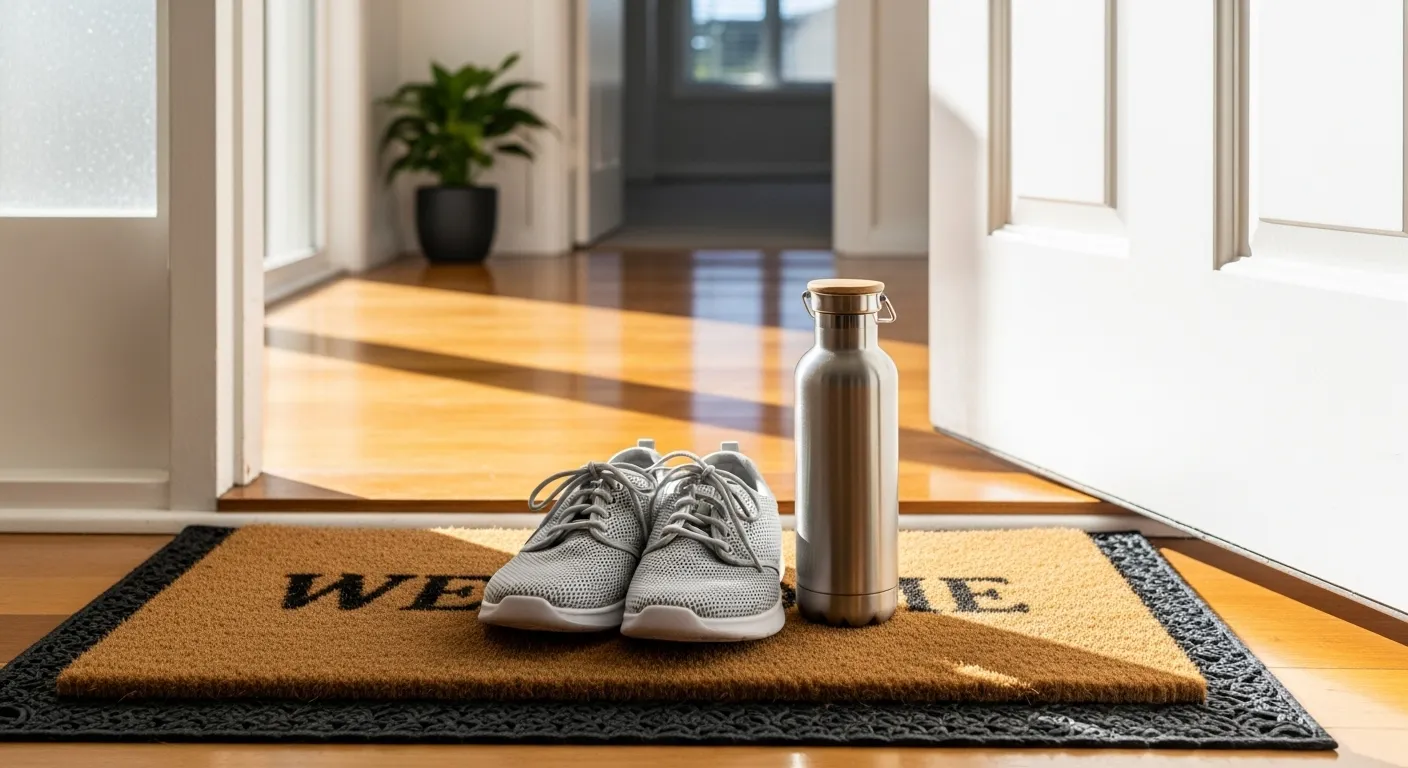
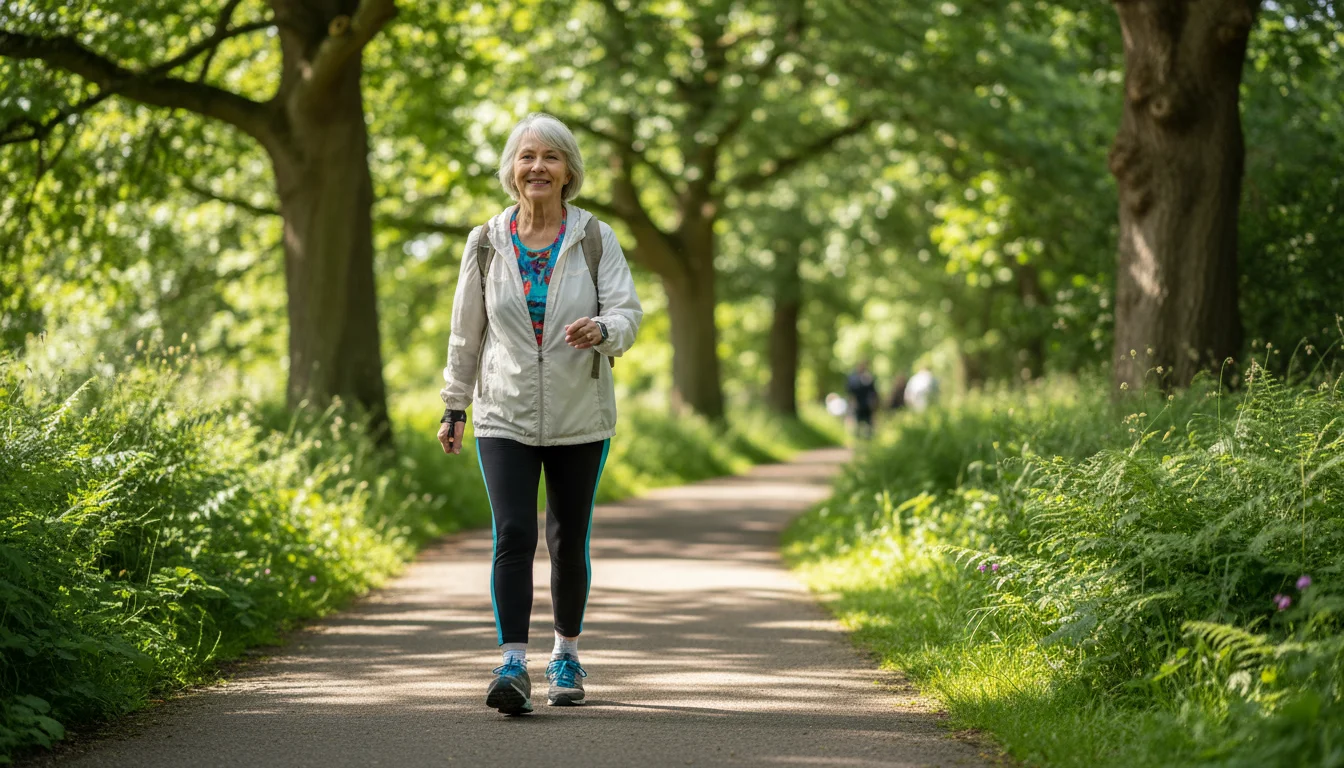
Introduction: Prioritizing Your Health with Every Step
As we age, maintaining our health and independence becomes more important than ever. We look for ways to stay active that are both effective and safe, allowing us to enjoy our golden years to the fullest. You may have heard the popular goal of walking 10,000 steps a day, a number that can feel daunting or even unattainable for many. The good news is that a growing body of research shows that significant health benefits can be achieved with a more manageable goal. For seniors, aiming for 5,000 or more steps a day can be a powerful and accessible way to improve physical, mental, and emotional well-being.
Walking is one of the most natural forms of human movement. It requires no special equipment, no expensive gym membership, and can be adapted to almost any fitness level. It is a low-impact activity, meaning it is gentle on your joints, which is a crucial consideration for older adults. By incorporating a consistent walking habit into your daily routines, you are taking a proactive step toward better heart health, stronger muscles, improved balance, and a sharper mind. This simple act of putting one foot in front of the other is a cornerstone of maintaining senior mobility and preserving the freedom to live life on your own terms.
This guide is designed to explore the many walking benefits specifically for seniors. We will cover how walking positively impacts your health, how to start a walking program safely, and how to make it a sustainable part of your life. Remember, the journey to better health is not a race; it is a steady walk, and every single step counts.

Understanding the Health Benefits (and Any Risks)

The Physical Rewards of a Daily Walk
The physical health benefits of walking are extensive and well-documented. By committing to a regular walking schedule, you are investing directly in your body’s longevity and resilience.
1. Improved Cardiovascular Health: Walking is an excellent aerobic exercise. It strengthens your heart muscle, allowing it to pump blood more efficiently throughout your body. This can lead to lower blood pressure, reduced levels of “bad” LDL cholesterol, and an overall lower risk of heart disease, stroke, and heart attack. Authoritative health information for seniors is provided by the National Institute on Aging (NIA) and the Centers for Disease Control and Prevention (CDC), both of which emphasize the importance of regular physical activity for heart health.
- Better Joint Health and Reduced Arthritis Pain: It may seem counterintuitive, but walking can actually help alleviate joint pain, especially for those with osteoarthritis. Movement helps lubricate the joints and strengthens the muscles surrounding them, which takes pressure off the joints themselves. Unlike high-impact exercises, walking’s gentle motion can help reduce stiffness and inflammation without causing further damage.
- Enhanced Bone Density: Osteoporosis, a condition that causes bones to become weak and brittle, is a major concern for seniors. Walking is a weight-bearing exercise, which means your bones have to work against gravity. This process stimulates bone-forming cells, helping to slow bone density loss and reduce the risk of fractures.
- Weight Management and Metabolism: A consistent walking routine burns calories, which can help you maintain a healthy weight or lose excess pounds. It also helps build lean muscle mass, and the more muscle you have, the more calories your body burns, even at rest. This can also play a key role in managing blood sugar levels and reducing the risk of type 2 diabetes.
- Improved Balance and Coordination: Fear of falling is a significant issue that can limit senior mobility. Walking helps improve lower-body strength and core stability, which are essential for good balance. Regular walking on varied, safe surfaces can help your body and brain work together more effectively, improving coordination and reducing your risk of a dangerous fall.

The Mental and Emotional Uplift
The benefits of walking extend far beyond the physical. A daily walk can be a wonderful tonic for your mind and spirit.
1. Mood Enhancement and Stress Reduction: Physical activity, including walking, prompts the release of endorphins—your body’s natural mood elevators. This can help reduce feelings of anxiety and depression. Walking, especially in a natural setting like a park, can be a meditative experience, calming the mind and providing a much-needed break from daily stressors. For mental health support, consult the National Institute of Mental Health (NIMH).
- Cognitive Function and Brain Health: Studies suggest a strong link between regular physical activity and a lower risk of cognitive decline. Walking increases blood flow to the brain, which can help improve memory, attention, and problem-solving skills. It may even help reduce the risk of developing dementia.
- Better Sleep: If you struggle with sleep, a daily walk could be the answer. Regular, moderate exercise can help regulate your sleep-wake cycle. A brisk walk in the morning or afternoon can help you feel more alert during the day and sleep more soundly at night. Just try to avoid vigorous walking too close to bedtime, as it may be overly stimulating for some.

Understanding the Potential Risks
While walking is one of the safest activities for seniors, it is important to be aware of potential risks. Safety should always be your first priority. The primary risk is falling, which can be caused by uneven surfaces, poor lighting, or loss of balance. Other risks include overexertion if you do too much too soon, muscle strains, or blisters from improper footwear. We will address how to mitigate these risks in the next section.
A Step-by-Step Guide to Walking Safely
Starting a new walking routine is exciting, but it is essential to approach it with a focus on safety and sustainability. This guide will help you begin your journey on the right foot.

Step 1: Always Consult Your Doctor First
Before you begin any new exercise program, including walking, it is crucial to speak with your doctor. They can assess your overall health, discuss any chronic conditions like heart disease or arthritis, and advise you on a safe starting point and pace. Your doctor can help you set realistic goals that are right for your individual circumstances.

Step 2: Invest in the Right Gear
You do not need expensive equipment, but a few key items will make your walks safer and more comfortable.
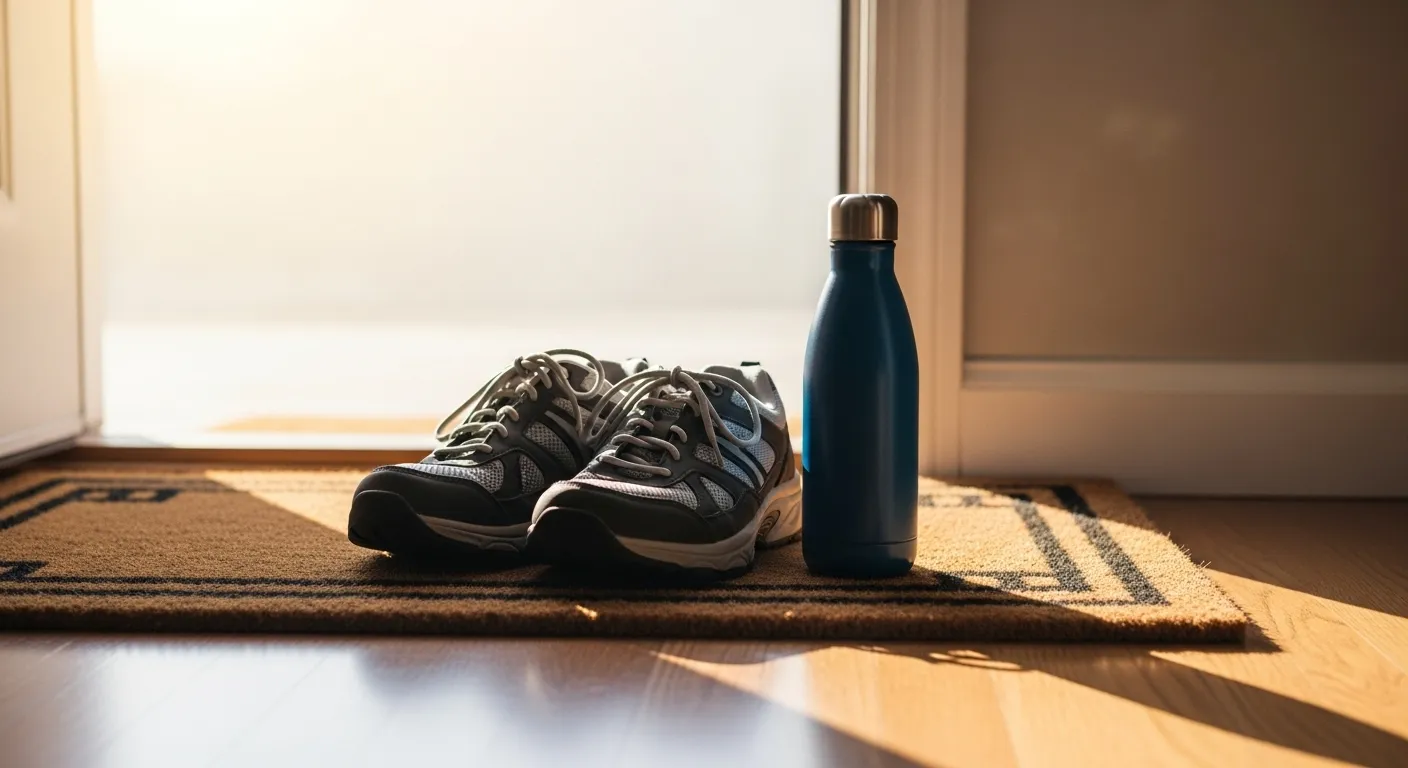
- Proper Footwear: This is your most important investment. Look for walking shoes that provide good arch support, have a cushioned sole to absorb impact, and offer a snug but not tight fit. Your heel should not slip when you walk. Go to a specialty shoe store where staff can help you find the perfect fit.
- Comfortable Clothing: Wear loose-fitting, breathable fabrics that allow you to move freely. Dress in layers so you can adjust to changing temperatures.
- Visibility: If you walk early in the morning or in the evening, wear bright colors or reflective clothing so that drivers can easily see you.
Step 3: Master Your Walking Form
Good posture can prevent strain and help you get the most out of your walk.
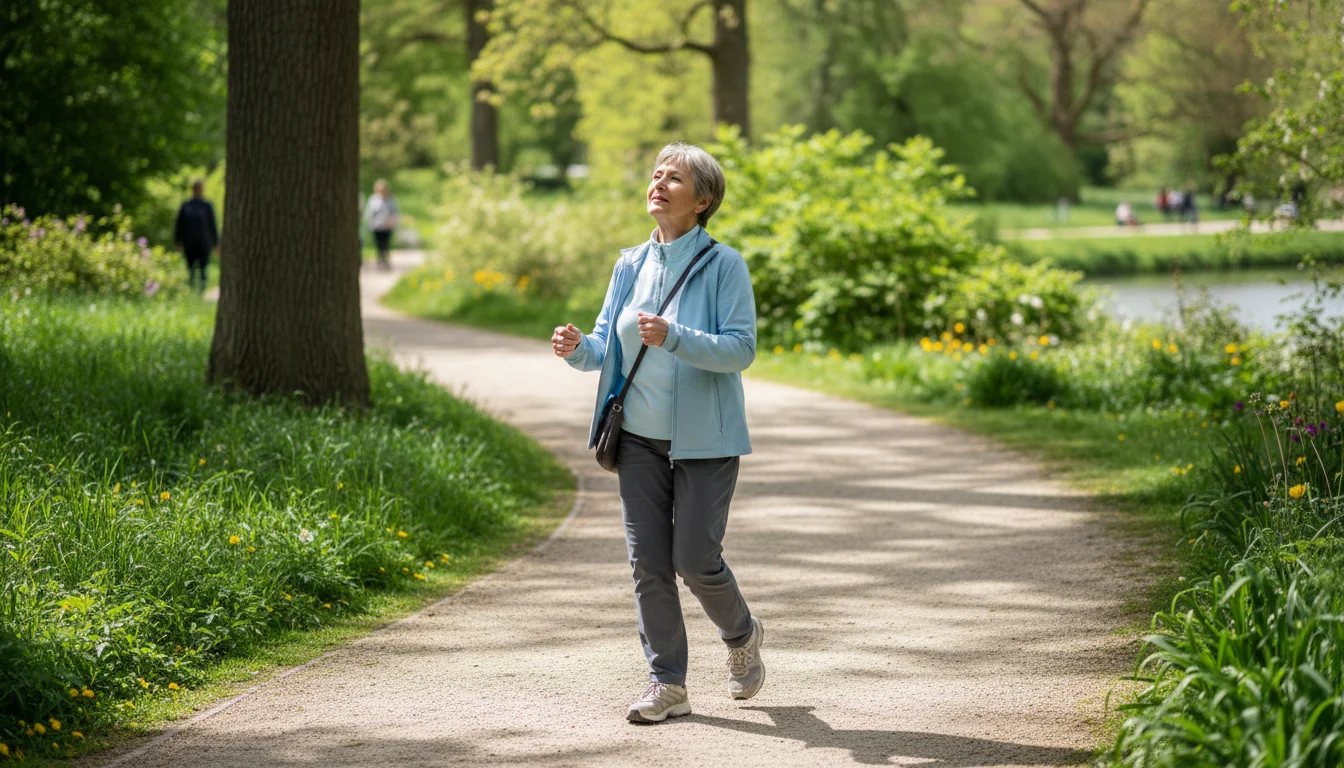
- Walk Tall: Keep your head up, looking forward, not at the ground. Your neck, shoulders, and back should be relaxed.
- Swing Your Arms: Bend your elbows at a 90-degree angle and swing your arms freely from your shoulders. This helps propel you forward and adds intensity.
- Engage Your Core: Gently tighten your abdominal muscles to support your spine.
- Heel-to-Toe: Strike the ground with your heel first, then roll through your foot to push off from your toes.

Step 4: Choose a Safe Environment
Where you walk matters. Look for locations that are safe and enjoyable.
- Smooth, Even Surfaces: A school track, a well-maintained park path, or an indoor shopping mall are excellent options to minimize the risk of tripping.
- Well-Lit Areas: Always walk in areas with good lighting, especially if visibility is low.
- Be Aware of Your Surroundings: Pay attention to traffic, cyclists, uneven sidewalks, and other potential hazards. It is often safer to walk with a friend.

Step 5: Warm Up and Cool Down
Never start a walk “cold.” A 5-minute warm-up prepares your muscles for activity. Try marching in place or walking slowly to start. After your walk, a 5-minute cool-down, followed by gentle stretching, helps prevent muscle soreness and improves flexibility. Hold each stretch for 20-30 seconds without bouncing.

Key Signs It’s Time to Consult a Doctor
Listening to your body is one of the most important aspects of staying safe while exercising. While minor aches or fatigue can be normal when starting a new routine, certain symptoms should never be ignored. It is essential to stop walking and seek professional medical advice immediately if you experience any of the following red flags.
Contact your doctor or seek emergency care if you experience:
- Chest Pain or Discomfort: This includes any feeling of pain, pressure, squeezing, or tightness in your chest, especially if it radiates to your arms, back, neck, jaw, or stomach. This could be a sign of a serious heart-related issue.
- Unusual Shortness of Breath: It is normal to breathe a little harder during exercise, but if you become so breathless that you cannot speak, or if the breathlessness comes on suddenly and feels severe, you need to stop and get help.
- Dizziness, Lightheadedness, or Fainting: Feeling dizzy or like you might pass out is a serious warning sign. It could indicate a problem with your blood pressure or heart.
- Sharp or Severe Joint Pain: A dull ache might be a sign of overdoing it, but sharp, stabbing, or persistent pain in your knees, hips, or ankles is not normal. Continuing to walk on an injured joint can cause significant damage.
- Swelling in Your Legs or Ankles: If you notice new or worsening swelling in your lower extremities after walking, it could be a sign of a circulatory issue or another underlying medical condition.
- Numbness or Tingling: Any persistent numbness or a “pins and needles” sensation in your feet or legs during or after a walk should be evaluated by a healthcare professional.
Remember, it is always better to be cautious. Your health and safety are paramount. Ignoring these warning signs can lead to serious complications. Your doctor is your partner in health and can help you determine the cause of the symptoms and advise you on how to proceed safely with your fitness goals.

Making It a Part of Your Daily Routine
The key to reaping the long-term walking benefits is consistency. The best way to stay consistent is to seamlessly integrate walking into your daily routines. The goal is to make walking a natural, almost automatic, part of your day rather than a chore.

Start Small and Build Gradually
If you are new to walking, do not try to hit 5,000 steps on your first day. Start with a 10-minute walk and see how you feel. The following week, you might increase it to 15 minutes or add a second 10-minute walk. A gentle, gradual increase is the safest and most sustainable approach. It allows your body to adapt and helps prevent burnout or injury.

Schedule Your Walks
Treat your walks like any other important appointment. Block out time in your daily calendar. For some, a brisk walk first thing in the morning is the perfect way to start the day. For others, an after-dinner stroll helps with digestion and relaxation. Find the time that works best for you and stick to it.

Break It Up
You do not have to get all your steps in at once. Three 10-minute walks throughout the day are just as effective as one 30-minute walk. This can make the goal feel much more manageable. Try a short walk after each meal. This not only breaks up the activity but also helps regulate your blood sugar.

Find a Walking Buddy
Walking with a friend, family member, or neighbor can make the experience more enjoyable and help keep you accountable. You are less likely to skip a walk if you know someone is counting on you. It also provides a wonderful opportunity for social connection, which is vital for emotional health.

Make It Interesting
Vary your routes to keep your walks from becoming monotonous. Explore different parks, neighborhoods, or walking trails in your area. Listening to music, a podcast, or an audiobook can also make the time fly by. The more you enjoy your walks, the more likely you are to continue them.

Track Your Progress
Using a simple pedometer, a fitness tracker, or a smartphone app to count your steps can be incredibly motivating. Seeing your progress over time provides a sense of accomplishment and encourages you to keep going. Celebrate your milestones, whether it is your first 5,000-step day or a full week of consistent walking.
Disclaimer: This article is for informational purposes only and does not constitute medical advice. The content is not intended to be a substitute for professional medical advice, diagnosis, or treatment. Always seek the advice of your physician or other qualified health provider with any questions you may have regarding a medical condition.

Frequently Asked Questions
1. Is 5,000 steps a day really enough to make a difference?
Absolutely. While 10,000 steps is a popular goal, research has shown that for older adults, benefits begin to accumulate at a much lower number. Studies indicate that increasing daily steps from a very low level to around 4,000-5,000 is associated with a significant reduction in mortality risk. The most important thing is to move more than you did before. For a sedentary person, reaching 5,000 steps is a fantastic achievement with real health rewards.
2. What if I have mobility issues and cannot reach 5,000 steps right away?
That is perfectly okay. The goal is progress, not perfection. If you have significant mobility challenges due to arthritis, a chronic condition, or recovery from surgery, start where you are. Even a 5-minute walk down the hallway is beneficial. You might consider using a cane or walker for stability. The key is to do what you can, safely. Your doctor or a physical therapist can help create a personalized plan to gradually and safely increase your senior mobility over time.
3. What are the best places to walk if the weather is bad?
Bad weather should not stop you from getting your steps in. Indoor shopping malls are a popular choice as they offer a flat, climate-controlled, and safe environment. Many malls have official or unofficial “mall walker” groups that meet in the mornings. Community recreation centers or local gyms often have indoor tracks available. Even walking laps around your own home can add up. The goal is to keep moving, no matter the location.
4. Does Medicare cover anything related to walking or fitness programs?
This is a great question. While Original Medicare (Part A and Part B) does not typically cover gym memberships, many Medicare Advantage (Part C) plans offer fitness benefits as an extra perk. Programs like SilverSneakers or Renew Active provide free or low-cost access to a network of gyms and fitness centers that may have indoor tracks or treadmills. It is important to check the specifics of your plan. For official information on insurance and medical coverage questions, always refer to Medicare.gov or contact your plan provider directly.
|
Fact-Checked Content
Our editorial team reviews all content for accuracy and updates it regularly. Learn about our editorial process →
|








Leave a Reply