
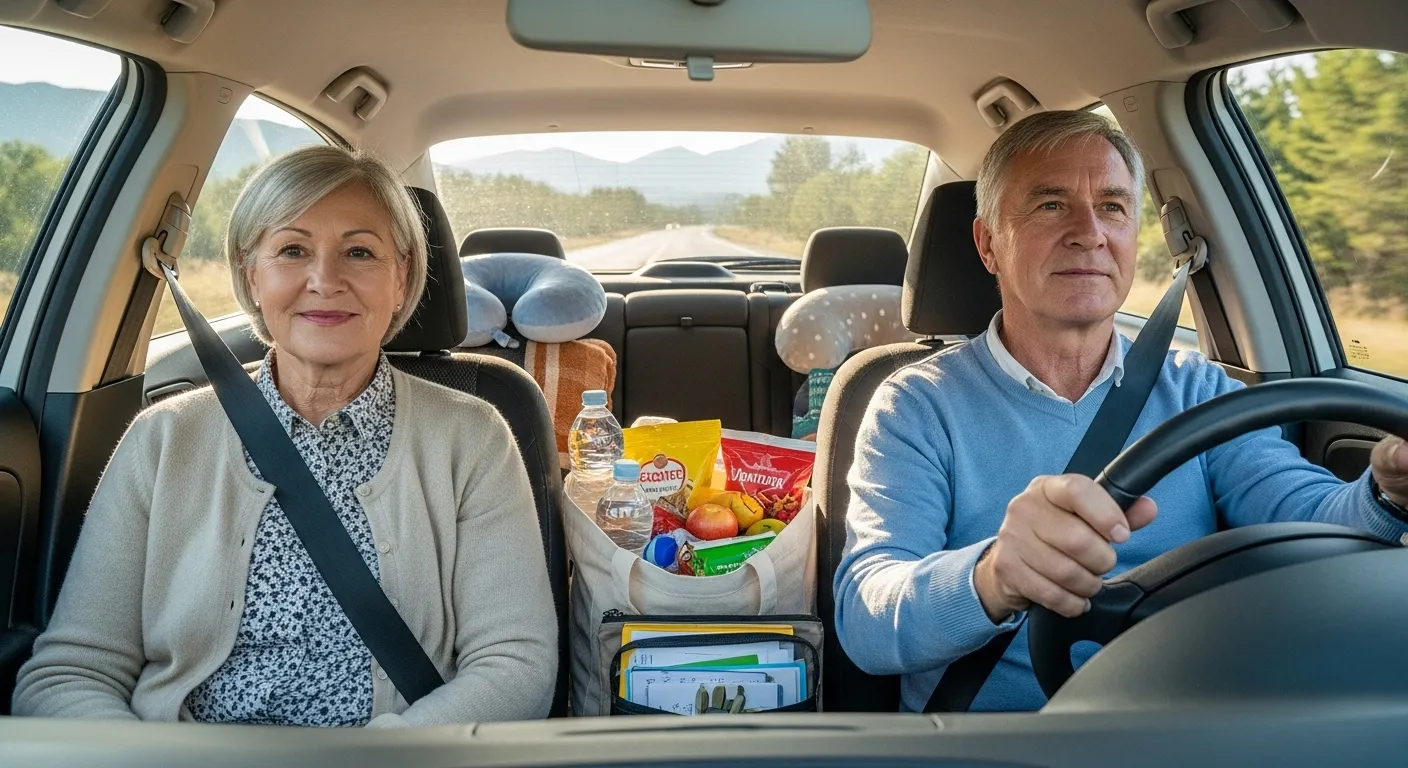
The open road is calling! A road trip is a fantastic way to explore new sights, revisit cherished places, and create lasting memories at your own pace. For retirees and seniors, the freedom of the car offers a comfortable and flexible way to travel. But a successful journey starts long before you turn the key in the ignition; it begins with thoughtful packing.
Feeling prepared can make the difference between a stressful trip and a relaxing adventure. This comprehensive senior road trip packing list is designed to help you think through every detail, from health essentials to in-car comfort. We’ve gathered our best packing tips for seniors to ensure your travels are safe, comfortable, and full of joy. Think of this as your ultimate senior travel checklist for the perfect getaway.

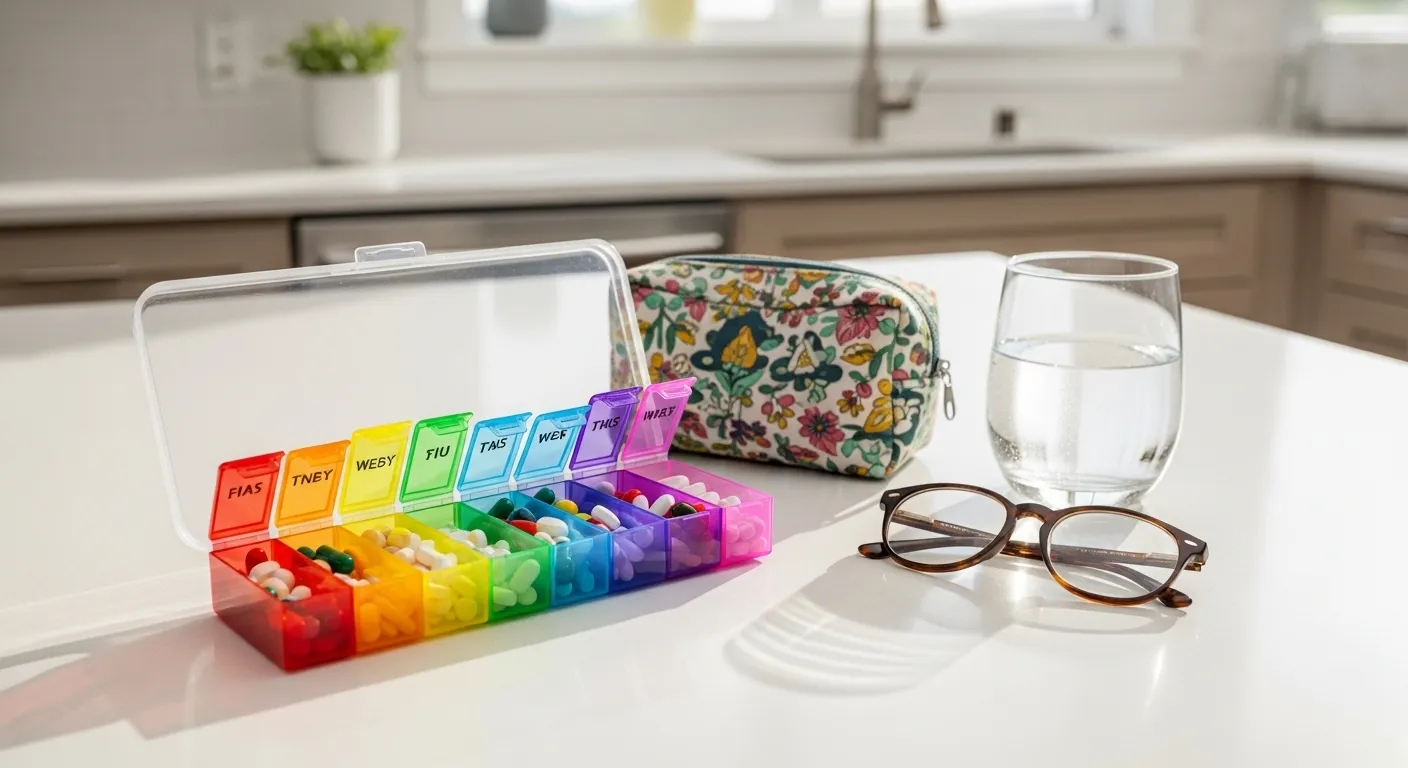
Organize Your Medications First
The ‘Why’: This is the most critical step in your preparation. Managing your health is paramount, and having your medications organized and accessible provides peace of mind. A simple mistake, like leaving a prescription behind or not having it handy when needed, can disrupt your trip and pose a health risk. Prioritizing this task ensures your health routine continues seamlessly, no matter where you are.
The ‘How’:
- A week or two before your trip, check your supply of all prescription and over-the-counter medications. Order refills if you’re running low.
- Use a daily pill organizer box to sort your doses for the entire trip. It’s wise to pack a few extra days’ worth of medication in case of unexpected travel delays.
- Keep all medications in their original prescription bottles if possible, especially if you are traveling across state lines. This avoids any confusion about the pills.
- Create a printed list of all your medications, including the name, dosage, and the reason you take it. Also, include your doctor’s name and phone number, and any known allergies. Keep a copy in your wallet and another in your luggage.
– Never pack your medications in the trunk. Keep this vital bag with you in the main part of the car, easily accessible at all times.
Assemble a Car Comfort Kit
The ‘Why’: Sitting for long periods can lead to stiffness, aches, and general discomfort. Creating a dedicated “comfort kit” that stays within arm’s reach can transform your experience in the car, making each leg of the journey more pleasant and reducing fatigue upon arrival.
The ‘How’:
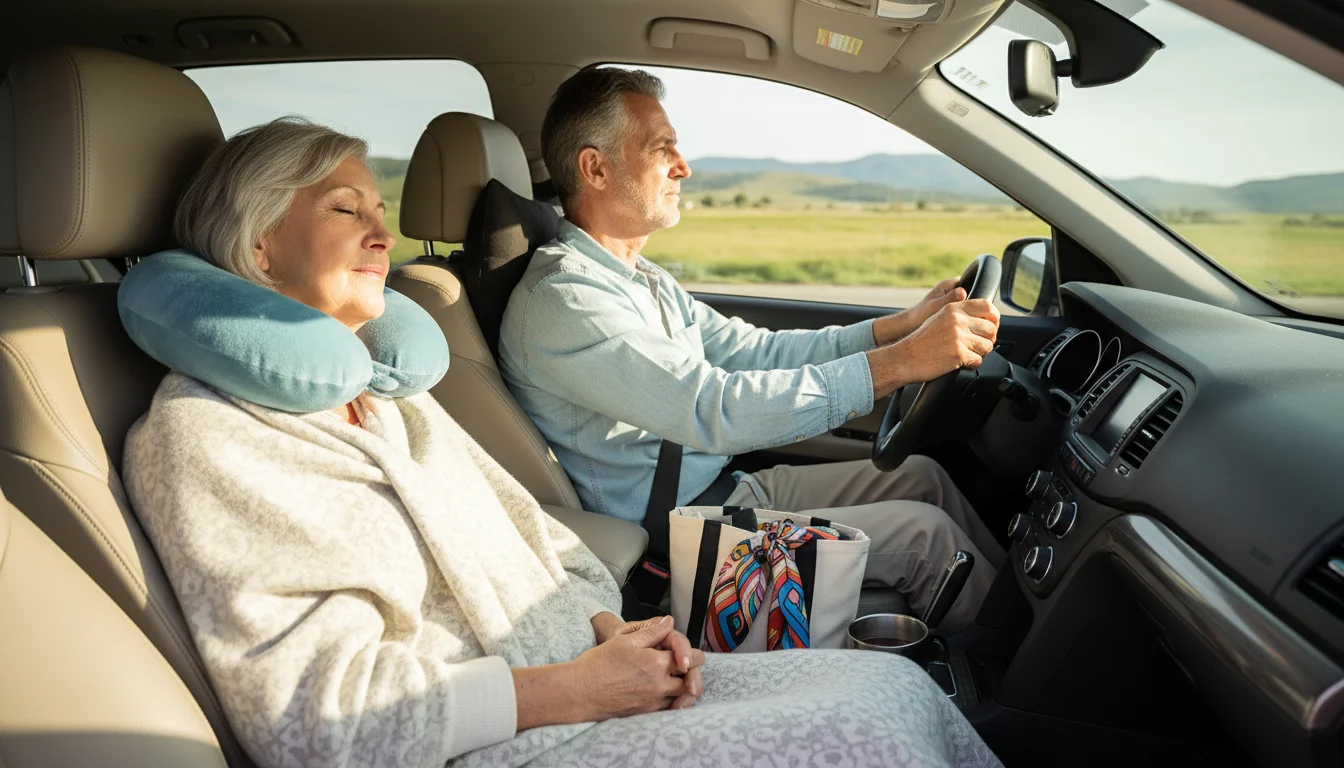
- Find a small tote bag or basket to keep between the front seats or on the back seat.
- Pack a supportive seat cushion or a lumbar pillow to help with back pain. A neck pillow is also excellent for napping comfortably as a passenger.
- Include a lightweight blanket or a large scarf. Car temperatures can fluctuate, and having a layer you can easily add or remove is a great comfort.
- Consider compression socks to promote circulation in your legs, especially on long driving days. Be sure to consult your doctor to see if they are right for you.
- Pack a small spray bottle with water or a refreshing face mist to feel revitalized during long stretches.
Prepare Your Important Documents Folder
The ‘Why’: Having all your essential paperwork in one organized, easy-to-find place is a cornerstone of smart travel. In an emergency, or even just for a routine hotel check-in, fumbling for documents adds unnecessary stress. A well-prepared folder ensures you have what you need, when you need it.
The ‘How’:
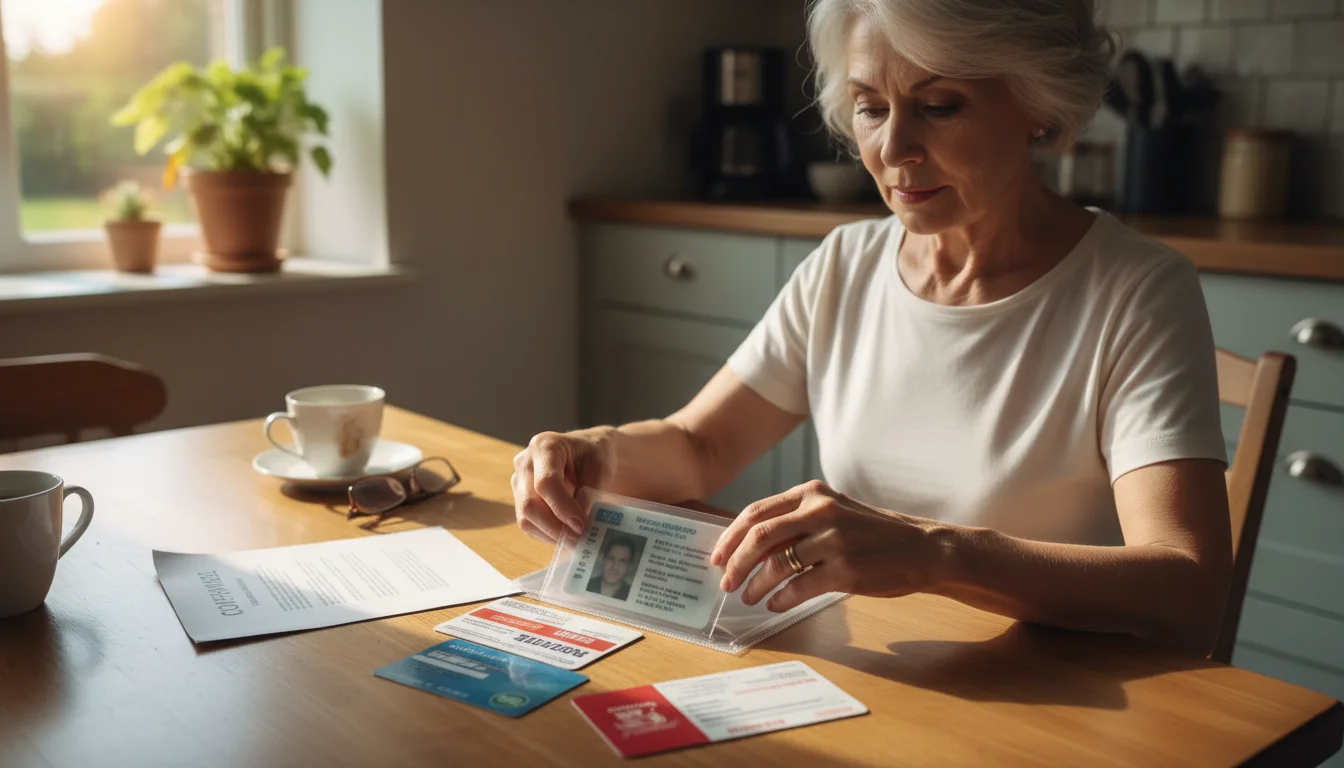
- Use a simple plastic or paper folder to hold everything.
- Include photocopies of your driver’s license, passport (if applicable), and credit cards. Keep these separate from the originals.
- Pack your health insurance cards, Medicare/Medicaid cards, and any supplemental travel insurance information.
- Add your auto club or roadside assistance card (like AAA) and your car insurance details.
- Print out hotel confirmations, tickets for attractions, and any important maps or directions as a backup to your phone.
- Don’t forget a list of emergency contacts, including family members and your primary care physician.
Pack an Easy-Access Snack and Hydration Bag
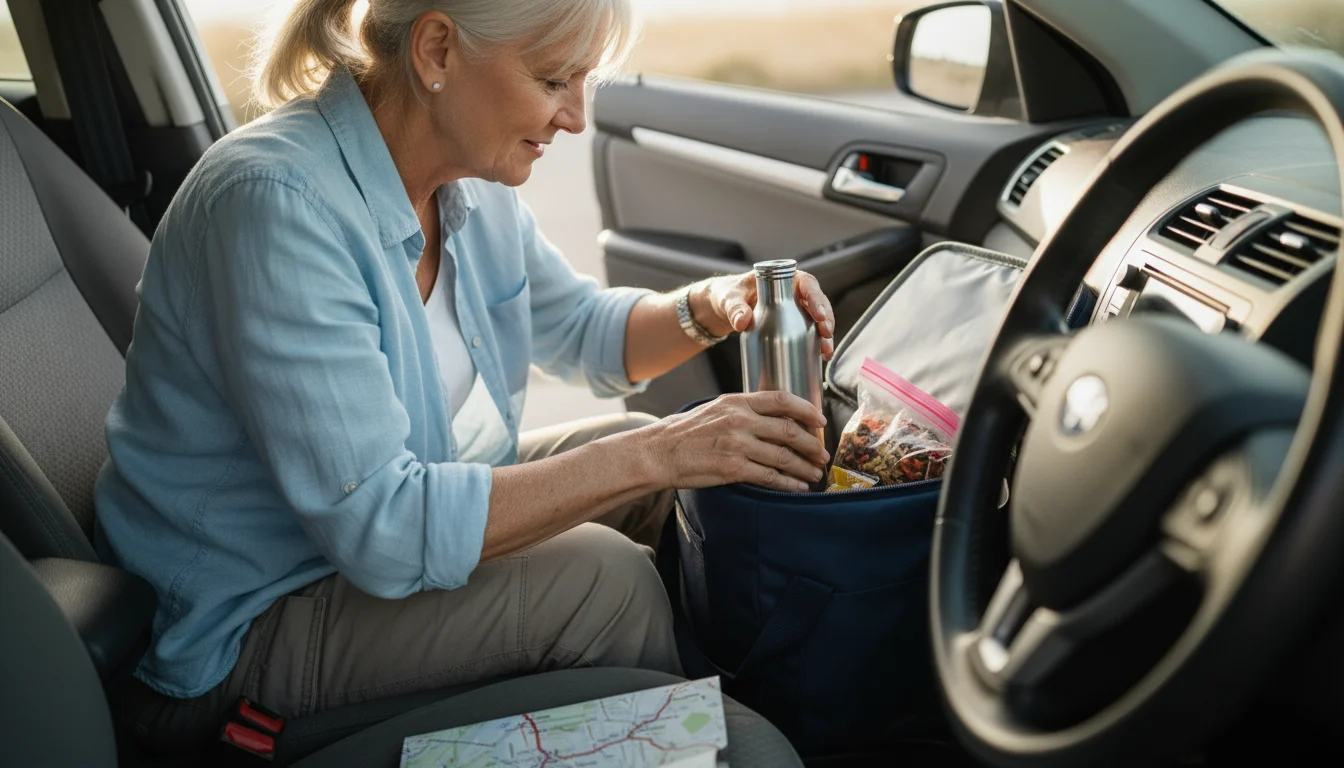
The ‘Why’: Relying solely on roadside restaurants can lead to unhealthy eating and inconvenient stops. Having your own supply of healthy snacks and drinks keeps your energy levels stable, helps you stay hydrated, and saves money. It also allows you to be more selective about when and where you stop for meals.
The ‘How’:
- Use a small, soft-sided cooler that can fit easily on the floor or seat.
- Pack plenty of water. Reusable water bottles with secure lids are a great choice to reduce waste and prevent spills.
- Choose snacks that are easy to eat in the car and aren’t too messy. Good options include granola bars, single-serving bags of nuts or trail mix, crackers, pretzels, and dried fruit.
- If you have space for a cooler with an ice pack, consider cheese sticks, yogurt tubes, or pre-cut vegetables like baby carrots and celery sticks.
- Remember to pack napkins, wet wipes, and a small trash bag to keep the car tidy.
Choose Comfortable, Layer-Friendly Clothing
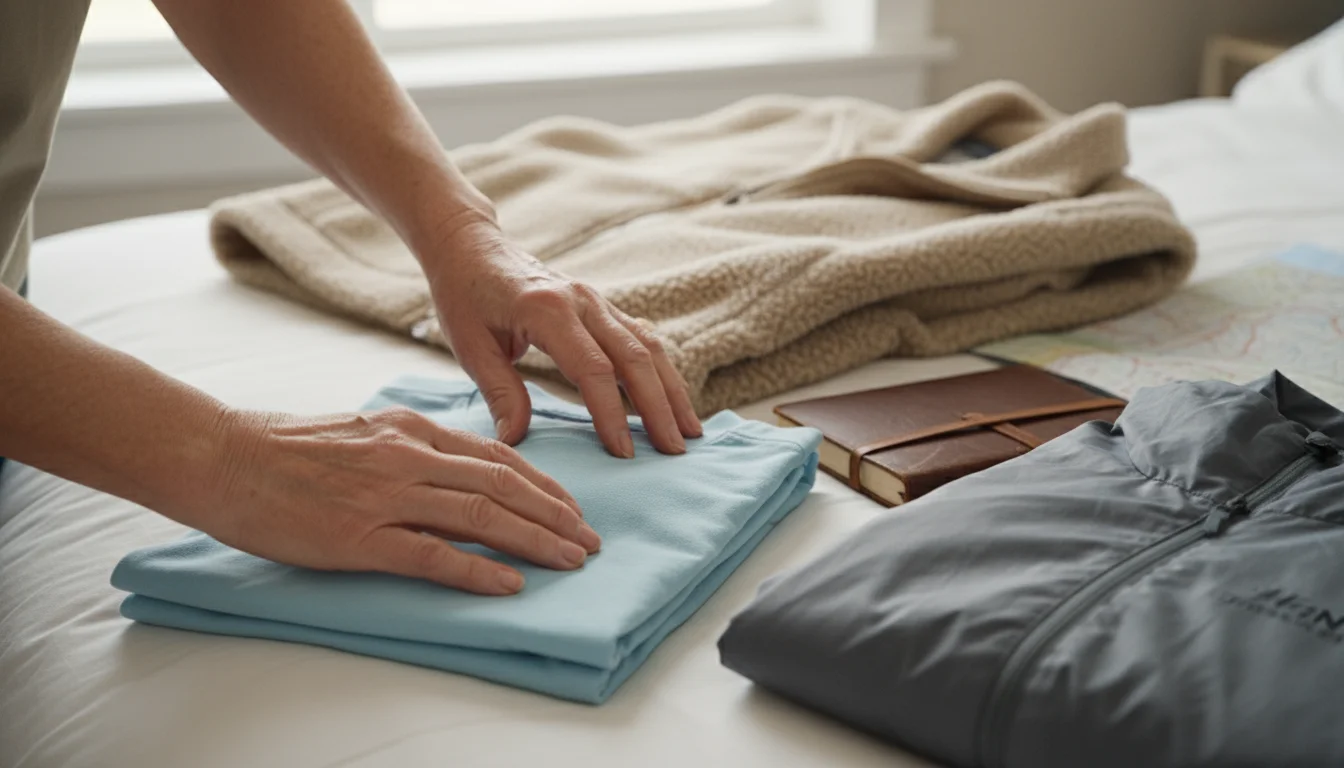
The ‘Why’: When it comes to travel packing for retirees, comfort is king. Restrictive clothing can make long hours in the car feel even longer. Packing versatile pieces that you can layer allows you to easily adapt to changing temperatures, from a cool morning start to a warm afternoon stop or an air-conditioned restaurant.
The ‘How’:
- Opt for soft, breathable fabrics like cotton, jersey, and fleece. Stretchy materials will provide the most comfort while seated.
- Pack items you can layer: t-shirts, long-sleeved shirts, a comfortable cardigan or zip-up fleece, and a lightweight, waterproof jacket.
- Choose pull-on pants with an elastic waist for maximum comfort during the drive.
- Pack clothing that resists wrinkling to make unpacking at your destination easier.
- Don’t overpack. Lay out your outfits for each day, and see if you can re-wear items like pants or sweaters to save space.

Curate a Practical Personal Care Kit
The ‘Why’: While hotels provide basic toiletries, they often don’t include the specific products that you’re used to or that your skin needs. A well-stocked personal care kit ensures you have all the comforts of home to feel fresh and cared for throughout your trip.
The ‘How’:
- Gather travel-sized versions of your favorite shampoo, conditioner, body wash, and lotion.
- Don’t forget essentials like your toothbrush, toothpaste, and dental floss.
- Pack items that combat the dry air of car and hotel rooms, such as a rich hand cream, lip balm with SPF, and lubricating eye drops.
- Sunscreen is a must, even inside the car, as UV rays can penetrate windows.
- Include a small bottle of hand sanitizer and a packet of disinfecting wipes for use at rest stops and restaurants.
Build a Simple First-Aid and Safety Kit
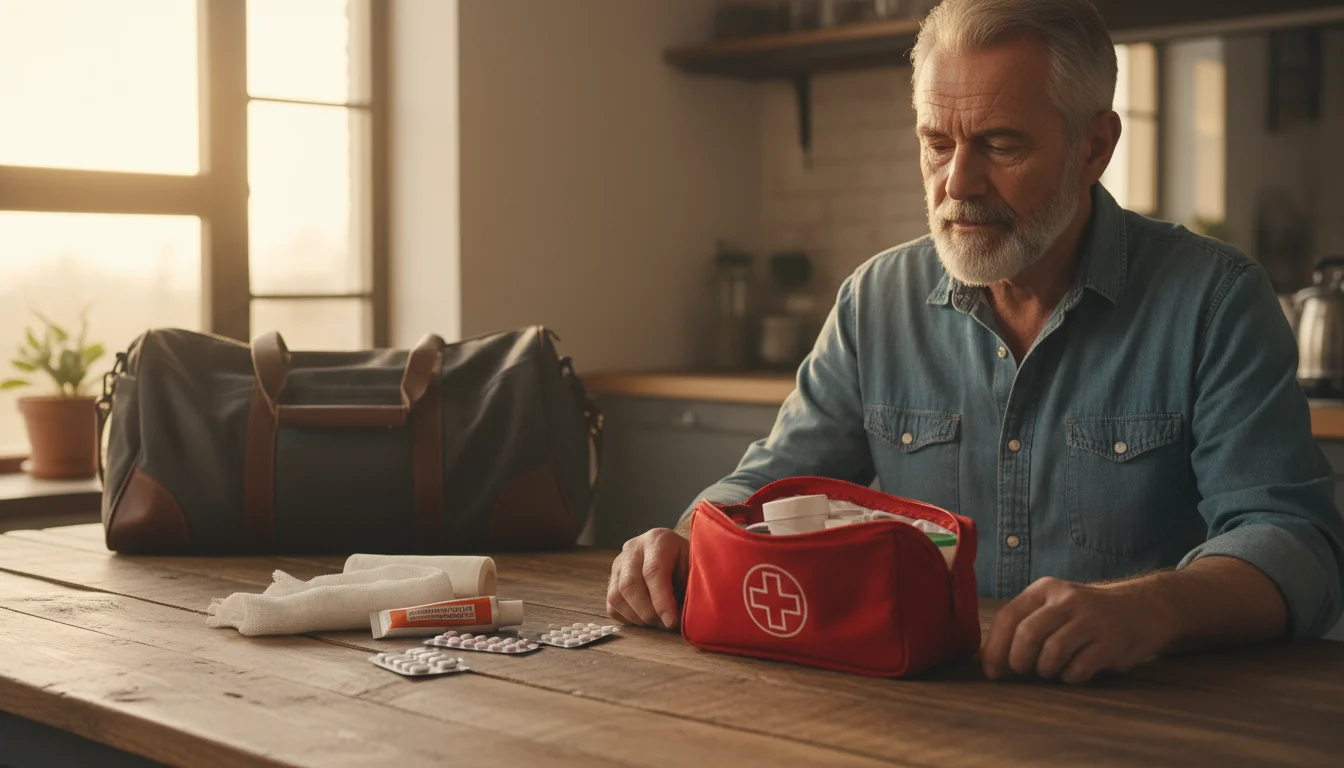
The ‘Why’: Minor scrapes, headaches, or an upset stomach can happen anywhere. Having a basic first-aid kit on hand means you can handle small issues immediately without having to search for a pharmacy. This is one of the most important road trip essentials for the elderly and anyone on the road.
The ‘How’:
- Start with a pre-made first-aid kit and customize it.
- Include adhesive bandages in various sizes, antiseptic wipes, antibiotic ointment, and gauze pads.
- Add common pain relievers (like acetaminophen or ibuprofen), antacids, and motion sickness medication if you’re prone to it.
- Pack any personal items like blister treatment if you plan on doing a lot of walking.
- In a separate safety kit for the car, include a powerful flashlight with fresh batteries, a blanket, and jumper cables.
Plan for Entertainment and Downtime
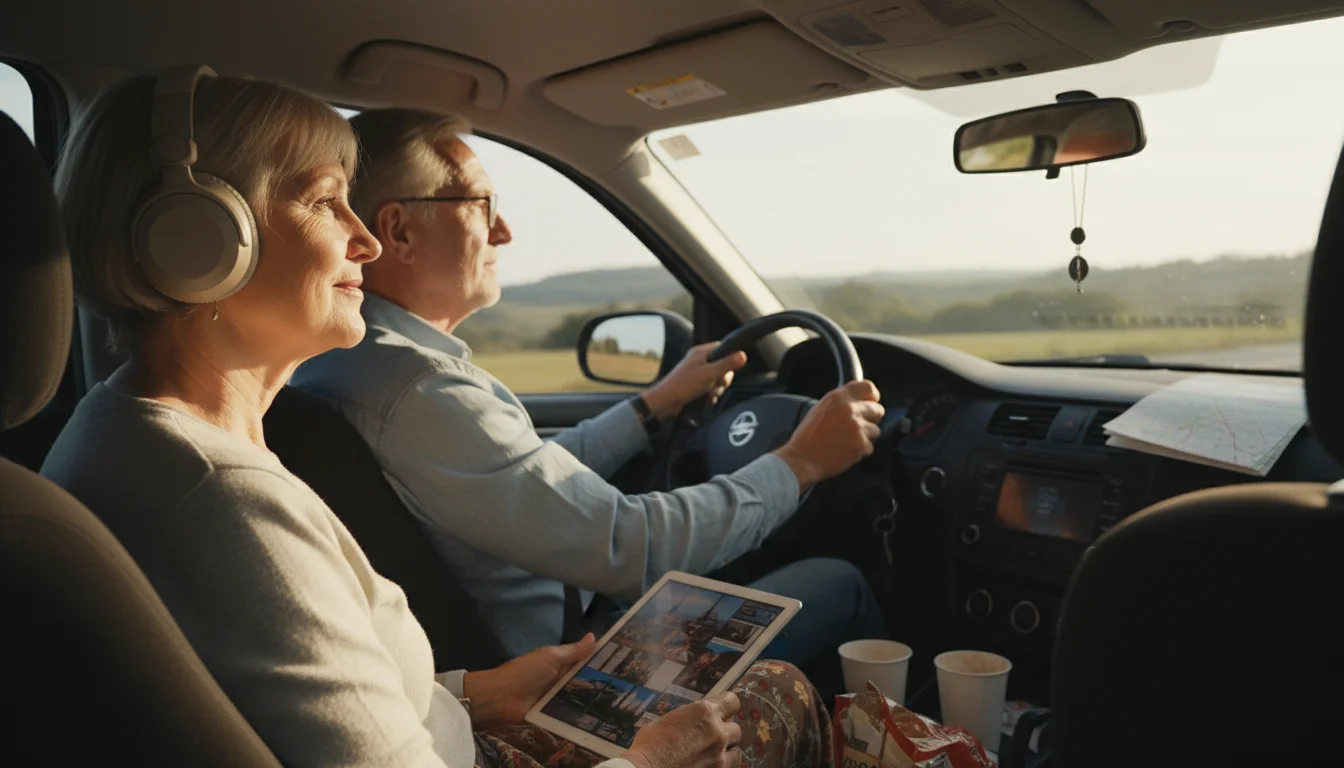
The ‘Why’: The miles can feel long without something to engage your mind. Planning for entertainment makes the drive itself part of the vacation, helping to pass the time and keep spirits high between destinations.
The ‘How’:
- Download audiobooks or podcasts to your smartphone or tablet before you leave home. A compelling story or interesting discussion is a wonderful driving companion.
- Create a playlist of your favorite music from different eras of your life. Music is a powerful tool for sparking conversation and memories.
- For passengers, a tablet pre-loaded with games, movies, or digital magazines can be a great diversion.
- Don’t underestimate the classics: a good book or a simple travel game like “I Spy” can be just as enjoyable.
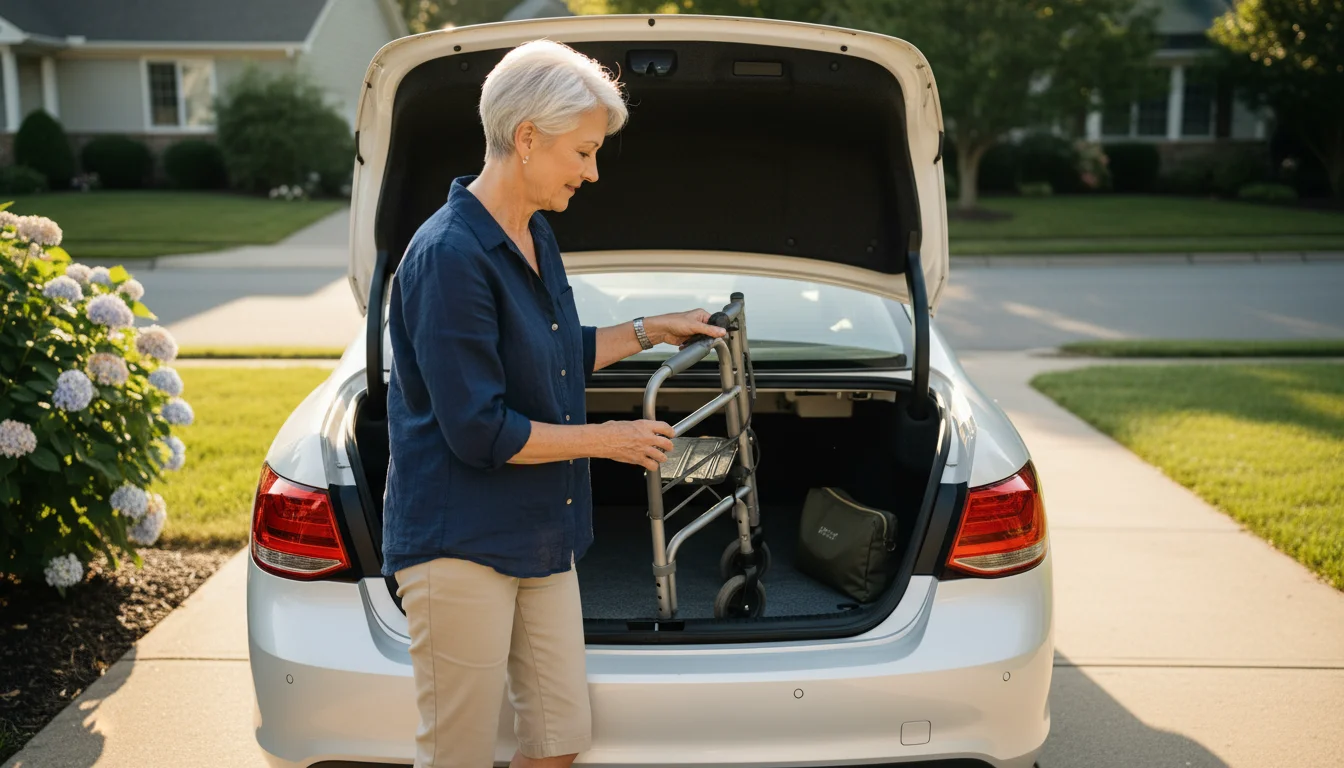
Remember Mobility Aids and Assistive Devices
The ‘Why’: Forgetting a crucial assistive device can severely limit your enjoyment and independence on a trip. Making a specific checklist for these items ensures you can navigate every part of your vacation with confidence and ease.
The ‘How’:
- If you use a cane, walker, or portable wheelchair, make sure it is one of the first things you plan space for in the car. A folding cane is an excellent, space-saving option.
- Pack spare batteries for hearing aids.
- Don’t forget your reading glasses, prescription glasses, and sunglasses. It’s wise to pack a backup pair if you have one.
- Remember to pack chargers for any electronic devices, including hearing aids, electric toothbrushes, or CPAP machines. An extension cord can also be very useful in hotel rooms where outlets aren’t conveniently located.
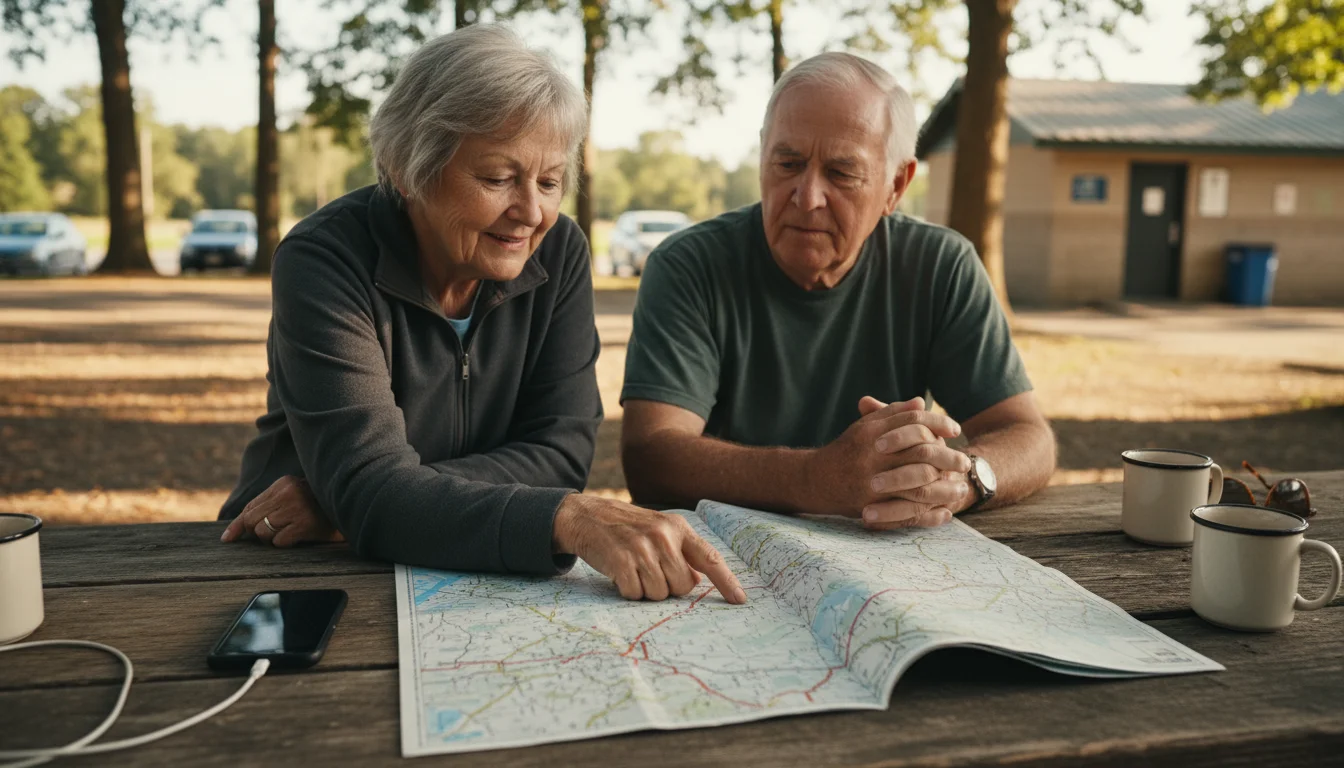
Prepare for Navigation and Communication
The ‘Why’: While most of us rely on smartphones for directions, technology can fail. Batteries die and cell service can be spotty in rural areas. Having a backup plan ensures you’ll never feel truly lost.
The ‘How’:
- Ensure your smartphone is fully charged before you leave. Bring a car charger that plugs into your vehicle’s power outlet or USB port. A portable power bank is another fantastic backup.
- Before you leave, look over your entire route. It helps to have a general sense of the major highways and towns you’ll be passing through.
- As a reliable, no-fail backup, purchase or print a physical road map or atlas of the areas you’ll be visiting. It can be a lifesaver and fun to trace your progress on paper.
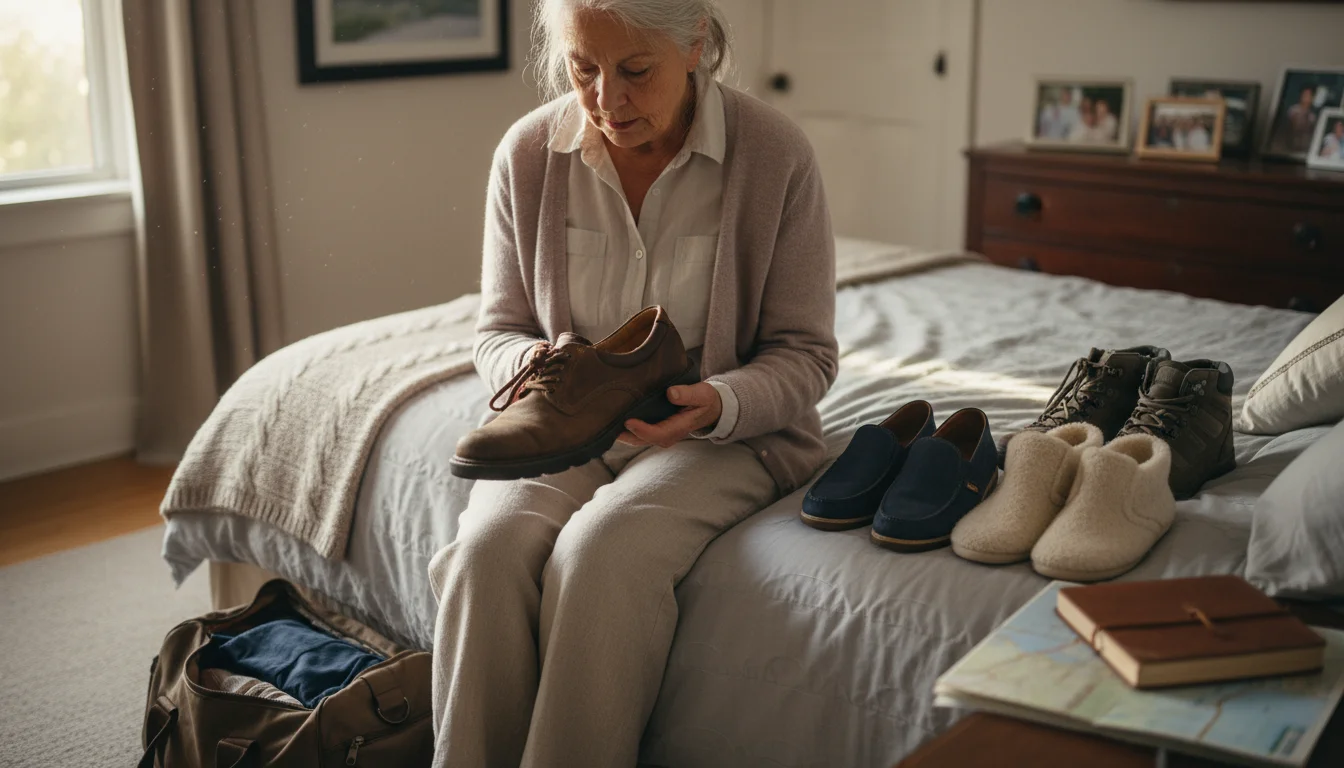
Pack Smart, Comfortable Footwear
The ‘Why’: The wrong shoes can lead to sore feet, blisters, and even a potential fall, quickly ruining an otherwise perfect day of exploring. Prioritizing supportive and comfortable footwear is essential for staying active and safe on your trip.
The ‘How’:
- Your primary pair of shoes should be supportive, broken-in walking shoes or sneakers with good arch support and non-slip soles.
- Pack a second pair of comfortable shoes to switch between, like a pair of loafers or another style of walking shoe.
- Include a pair of comfortable slippers or slip-on shoes for relaxing in the hotel room. This helps keep your room clean and gives your feet a rest.
- Avoid bringing new shoes that haven’t been broken in. A road trip is not the time to discover a shoe rubs your heel the wrong way.
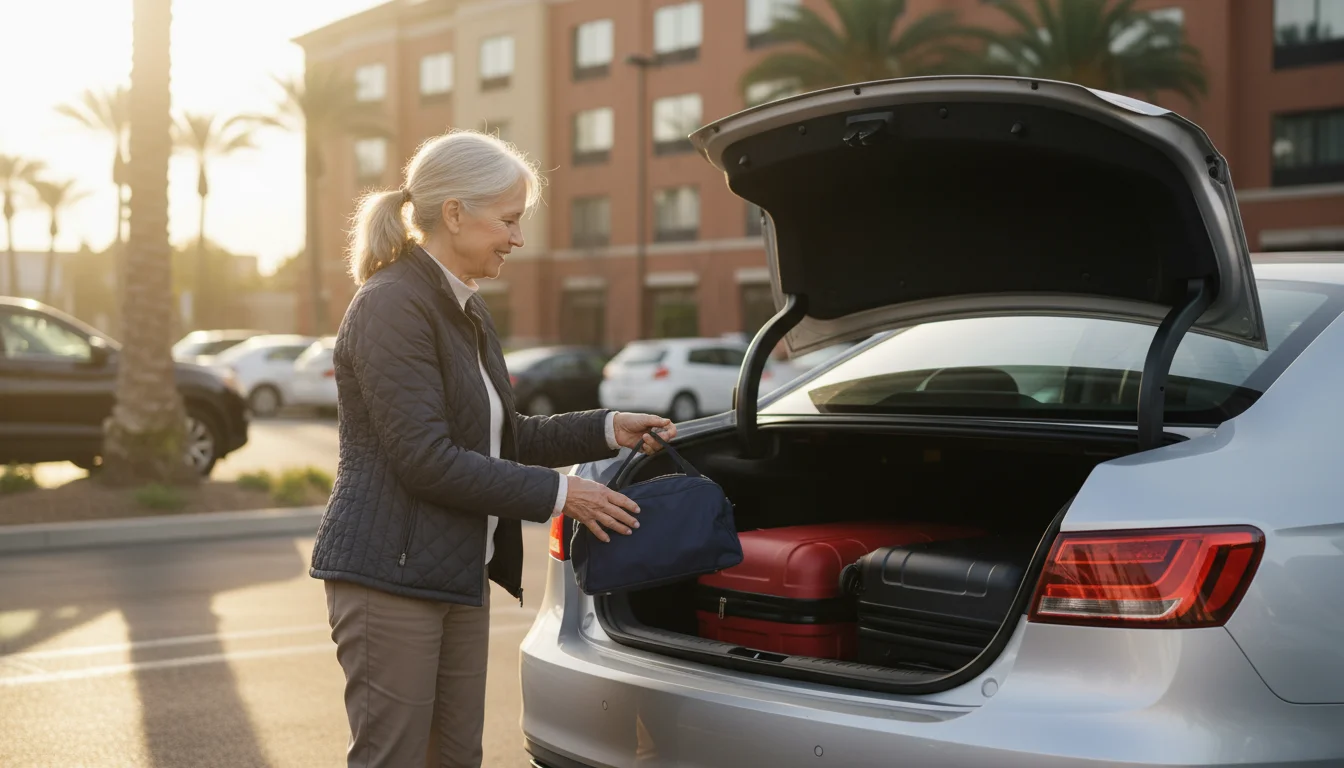
Use a “First Night” Bag
The ‘Why’: After a long day of driving, the last thing you want to do is haul all of your luggage into a hotel room for a single night’s stay. A “first night” bag simplifies your overnight stops, letting you get settled and relax much faster.
The ‘How’:
- Choose a small duffel bag or tote for this purpose.
- In it, pack everything you’ll need for just one night: a change of clothes (or just your pajamas), your toiletries bag, and your medications.
- Don’t forget charging cables for your phone and any other essential electronics you’ll need overnight.
- This way, you can leave your larger suitcases securely in the car and carry in just one small, manageable bag. It makes multi-day journeys with overnight stops significantly less work.
By taking the time to plan and pack with purpose, you are setting yourself up for a truly wonderful road trip. This journey is about more than just the destination; it’s about the freedom, the adventure, and the joy of the open road. Happy travels!
For expert guidance on senior health and finance, visit AARP, Alzheimer’s Association and American Heart Association.
|
Fact-Checked Content
Our editorial team reviews all content for accuracy and updates it regularly. Learn about our editorial process →
|








Leave a Reply