

Welcome! Your skin has been your companion through every chapter of your life, telling a unique story of sunny days, expressive smiles, and years of experience. As we age, our skin naturally changes, becoming more delicate, a little drier, and in need of some extra tender loving care. This is a normal part of life’s journey, and taking care of your skin is a wonderful way to support your overall health, comfort, and confidence.
Think of your skincare not as a chore, but as a daily ritual of self-care. A consistent and gentle aging skin care routine doesn’t need to be complicated or expensive. It’s about understanding what your skin needs now and responding with simple, kind, and effective habits.
In this guide, we’ll walk you through eight practical and expert-approved tips to help you protect and nourish your skin. Let’s explore these simple steps you can take to keep your skin feeling healthy, comfortable, and resilient for years to come.
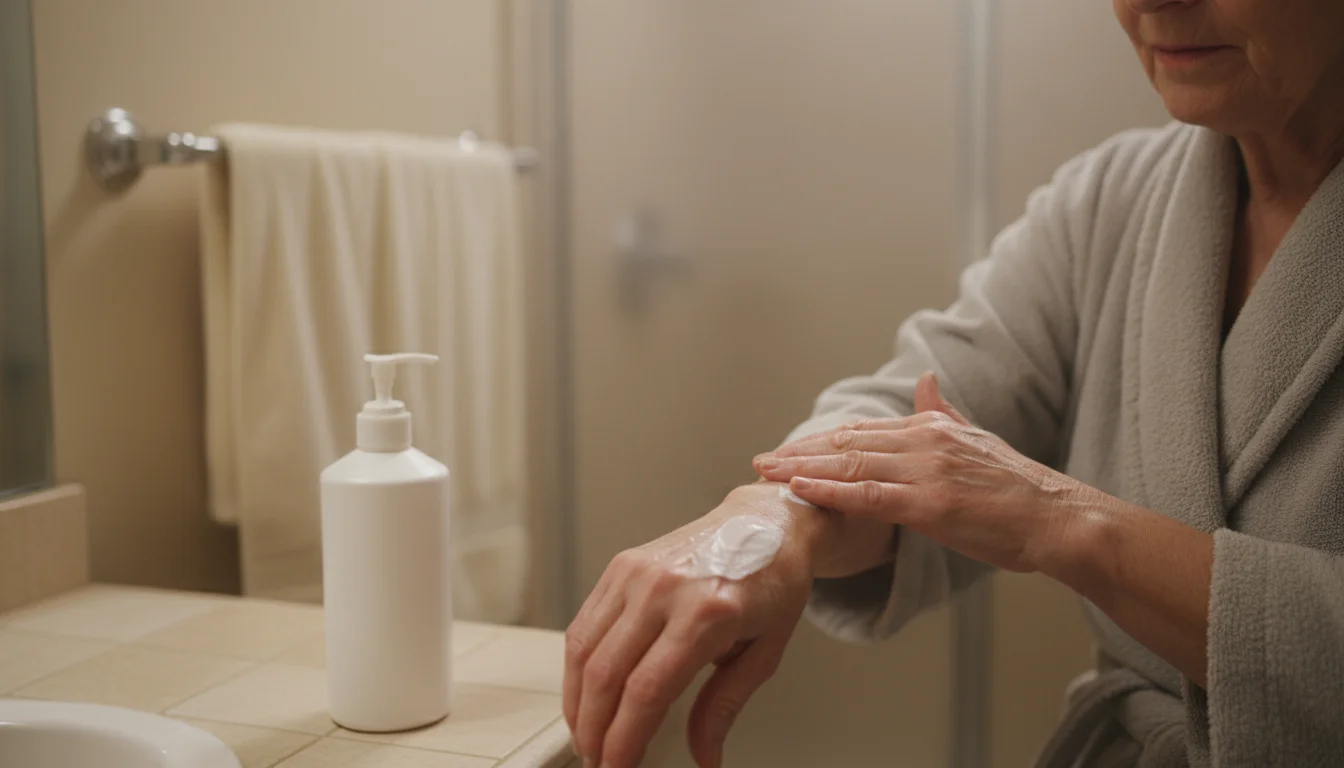
Tip 1: Moisturize Daily to Lock in Hydration
The ‘Why’: As we get older, the oil glands in our skin (called sebaceous glands) naturally become less active. This means your skin produces less of its own natural moisturizer, leading to dryness, flakiness, and sometimes, persistent itching. Dry skin is more than just a comfort issue; it can become fragile and more prone to cracking, which can open the door to irritation and infection. Daily moisturizing is a foundational step for senior skincare, helping to restore that protective barrier and keep your skin soft and supple.
The ‘How’:
- Timing is everything. The best time to apply moisturizer is right after a bath or shower when your skin is still slightly damp. This helps to trap the moisture on your skin’s surface before it can evaporate. Gently pat your skin dry with a soft towel, leaving it a little moist, then immediately apply your cream.
- Choose a cream, not a lotion. Lotions are often thinner and contain more water, which can evaporate quickly. Ointments and creams are thicker and more effective at creating a lasting protective barrier. Look for products in a tub or tube rather than a pump bottle.
- Go fragrance-free. Fragrances and perfumes can be irritating to sensitive, aging skin. Look for products labeled “fragrance-free” or “for sensitive skin.” Key ingredients to look for are ceramides, hyaluronic acid, and glycerin, which are excellent for hydration.
- Be thorough. Don’t just focus on your face. Pay special attention to areas that tend to get extra dry, like your hands, feet, elbows, and lower legs.
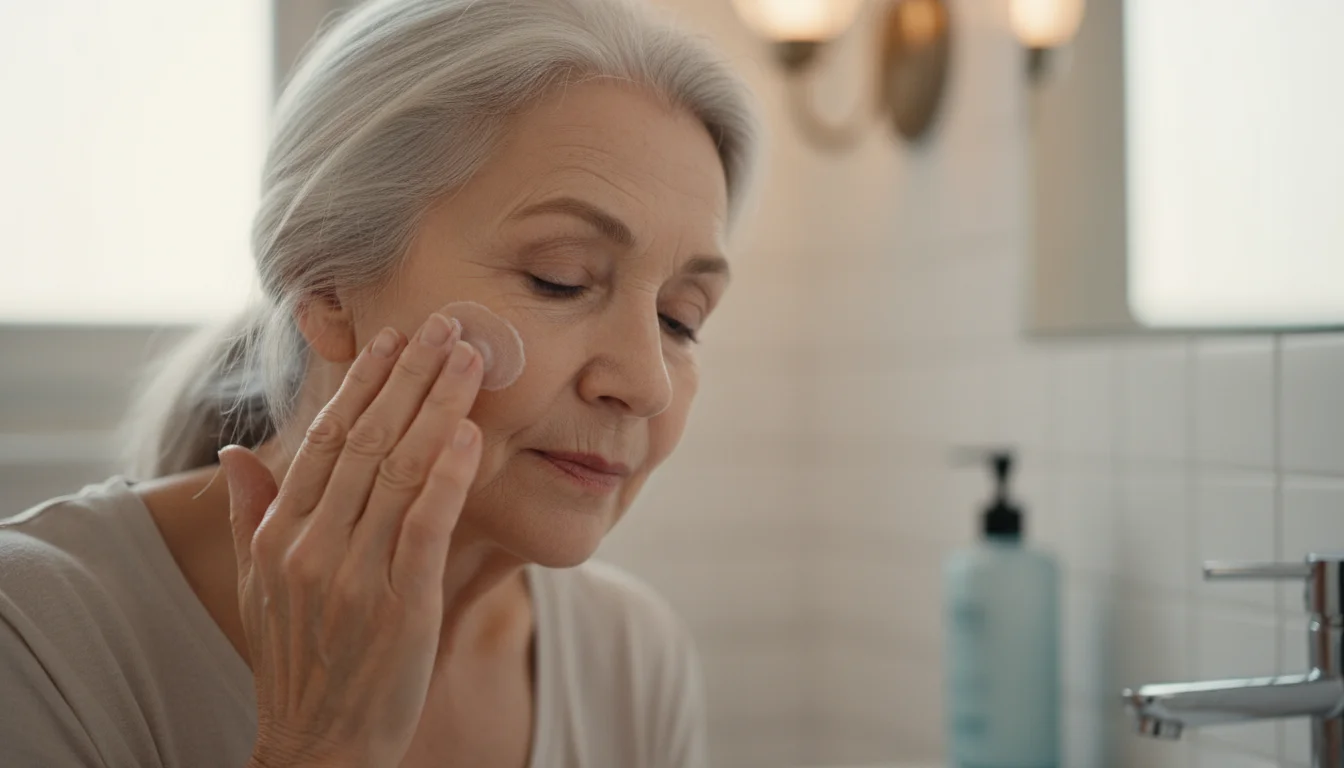
Tip 2: Cleanse with Care and Kindness
The ‘Why’: The top layer of your skin, known as the skin barrier, is your body’s first line of defense against the environment. With age, this barrier can weaken. Using harsh soaps (like many deodorant or bar soaps) can strip away the natural oils that hold this barrier together, leaving your skin vulnerable, dry, and irritated. Gentle cleansing is essential to clean your skin without causing damage.
The ‘How’:
- Turn down the heat. Hot water feels good, but it’s a major culprit in stripping natural oils from your skin. Opt for short, lukewarm baths or showers instead. Limiting bathing time to 5-10 minutes can make a big difference.
- Select a mild cleanser. Look for hydrating, soap-free cleansers. These are often labeled as “gentle skin cleanser” or “hydrating wash” and are typically creamy and non-foaming. Avoid products with alcohol or heavy fragrances.
- Pat, don’t rub. After washing, resist the urge to vigorously rub your skin with a towel. This friction can be abrasive to delicate skin. Instead, gently pat yourself dry with a soft, clean towel. This simple change in technique shows great kindness to your skin.
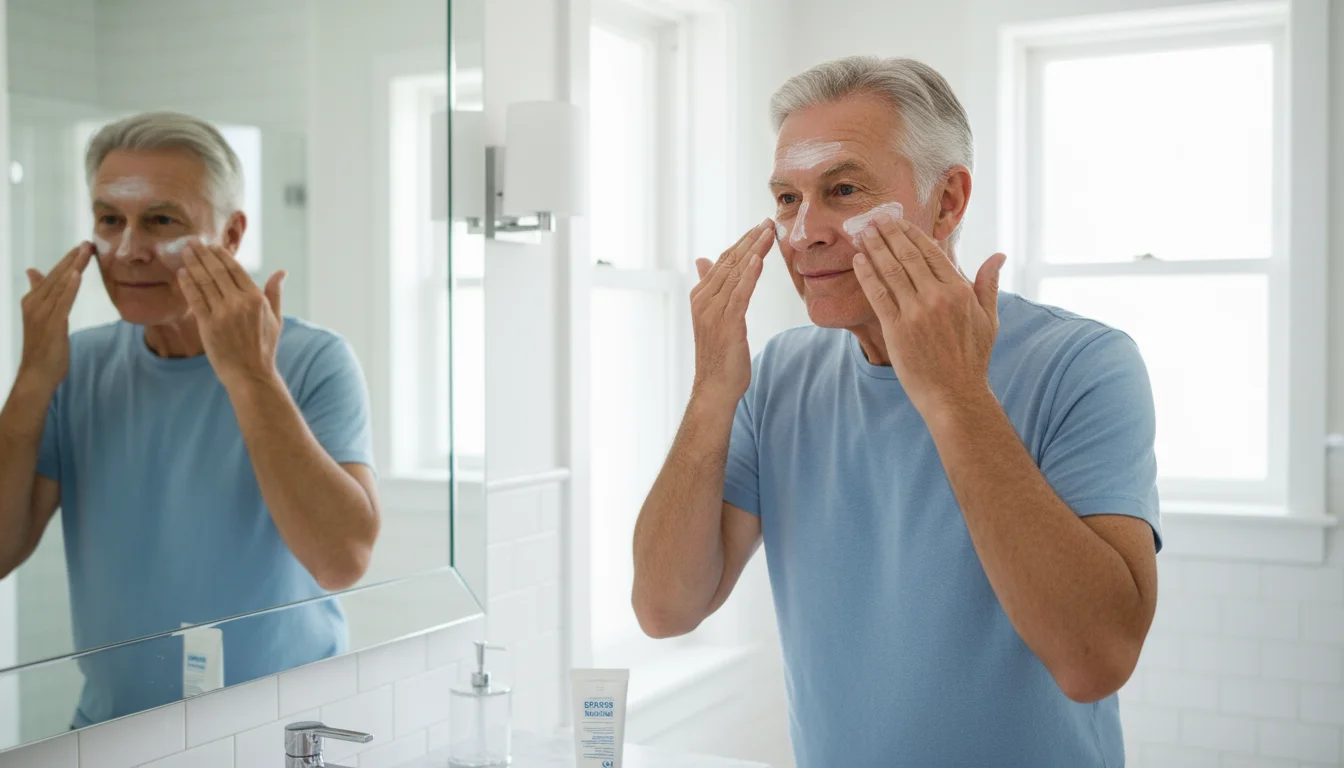
Tip 3: Embrace Sun Protection Every Single Day
The ‘Why’: This is arguably the single most important tip for long-term skin health. Decades of sun exposure add up, and the sun’s ultraviolet (UV) rays are the primary cause of skin cancer, including the most serious form, melanoma. For older adults, the risk is higher due to a lifetime of exposure. Beyond cancer risk, UV rays break down collagen and elastin, the fibers that keep skin firm, leading to more wrinkles, fine lines, and age spots. Effective skin protection for older adults is a daily necessity, not just for beach days.
The ‘How’:
- Use broad-spectrum sunscreen. Choose a sunscreen with an SPF of 30 or higher that is labeled “broad-spectrum.” This means it protects you from both UVA (aging) and UVB (burning) rays. Apply it generously to all exposed skin about 15-30 minutes before you go outside.
- Make it a habit. Apply sunscreen every morning as part of your routine, just like brushing your teeth. UV rays can penetrate clouds and windows, so you need protection even on cloudy days or during short car rides.
- Don’t forget key spots. It’s easy to miss areas like the tops of your ears, the back of your neck, your scalp (if you have thinning hair), and the tops of your hands and feet.
- Cover up. Sunscreen is just one part of the strategy. Wear a wide-brimmed hat, sunglasses that block UV rays, and lightweight, long-sleeved shirts and pants when you’re outdoors for extended periods. Seeking shade, especially between 10 a.m. and 4 p.m. when the sun is strongest, is also a smart move.

Tip 4: Hydrate Your Body to Hydrate Your Skin
The ‘Why’: What you put inside your body is just as important as what you put on your skin. Every cell in your body, including your skin cells, needs water to function properly. When you are dehydrated, it can make your skin appear dull, feel tight, and emphasize fine lines. Staying well-hydrated helps your skin remain more plump, resilient, and healthy from the inside out.
The ‘How’:
- Sip throughout the day. Don’t wait until you feel thirsty to drink. The sensation of thirst can diminish with age, so it’s not always a reliable indicator. Keep a reusable water bottle handy and take small sips all day long.
- Set reminders. If you tend to forget, try setting a timer on your phone or kitchen clock to remind you to drink a glass of water every hour or two.
- Eat your water. You can also boost your hydration by eating foods with high water content. Watermelon, cucumbers, oranges, strawberries, and soups are all excellent choices that contribute to your daily fluid intake.
- Be mindful of diuretics. Beverages containing caffeine (like coffee and some teas) and alcohol can cause your body to lose water. Enjoy them in moderation and be sure to balance them with plenty of plain water.

Tip 5: Become Familiar with Your Skin Through Self-Checks
The ‘Why’: Early detection is the best defense against skin cancer. Because the risk increases with age, it’s vital to be proactive. Regularly checking your own skin empowers you to notice any changes early on and bring them to a doctor’s attention. You are the person most familiar with your own skin, making you the first and best line of defense.
The ‘How’:
- Schedule a monthly check. Pick a day each month to perform a full-body skin check. Do it in a well-lit room in front of a full-length mirror. Use a hand mirror to check hard-to-see areas like your back, the back of your legs, and your scalp.
- Know the ABCDEs. When examining moles or spots, look for these warning signs of melanoma:
– Asymmetry: One half of the spot doesn’t match the other.
– Border: The edges are irregular, ragged, or blurred.
– Color: The color is not uniform and may include shades of brown, black, pink, red, or white.
– Diameter: The spot is larger than the size of a pencil eraser (about 6mm).
– Evolving: The mole is changing in size, shape, or color over time. Also, look for any new spots or any spot that itches, bleeds, or becomes painful.
– See a professional. In addition to your self-checks, it is highly recommended to have a full-body skin exam by a dermatologist once a year, or more often if you have a history of skin cancer.

Tip 6: Safeguard Against Easy Bruising and Skin Tears
The ‘Why’: You may have noticed that your skin bruises much more easily than it used to. This is very common. As skin thins and loses its fatty, protective layer, the small blood vessels just beneath the surface are more susceptible to breaking from a minor bump. Some medications, like blood thinners, can also contribute to this. Taking simple preventative measures can help avoid painful bruises and skin tears that can be slow to heal.
The ‘How’:
- Add a layer of protection. When doing activities where you might bump into things, like gardening or rearranging furniture, wearing long sleeves and pants can provide a simple physical barrier.
- Moisturize for resilience. Well-hydrated skin is more pliable and less likely to tear. This is another great reason to be diligent with your daily moisturizing routine.
- Arrange your home for safety. Take a look around your home and identify potential hazards. Make sure walkways are well-lit and clear of clutter. Consider adding soft padding to the sharp corners of tables and counters that are at hip or shin level.

Tip 7: Create a Skin-Friendly Environment with a Humidifier
The ‘Why’: The air inside our homes can be surprisingly dry, especially in the winter when the heat is on or in the summer with constant air conditioning. Dry air pulls moisture from wherever it can find it, including your skin. This can worsen dryness, trigger itching, and aggravate conditions like eczema. Using a humidifier adds moisture back into the air, creating a more comfortable and skin-friendly environment.
The ‘How’:
- Find the right balance. Aim for an indoor humidity level between 30% and 50%. You can buy an inexpensive device called a hygrometer at a hardware store to measure the humidity in your home.
- Place it strategically. The bedroom is the best place for a humidifier, as it will benefit your skin and your sinuses while you sleep for several hours.
- Keep it clean. This is very important. Humidifiers can grow mold and bacteria if not cleaned regularly. Follow the manufacturer’s instructions for cleaning, which usually involves a weekly rinse and disinfection with vinegar or a diluted bleach solution. Using distilled or demineralized water can also help reduce mineral buildup.

Tip 8: Nourish Your Skin with a Nutrient-Rich Diet
The ‘Why’: A healthy, radiant complexion starts on your plate. Your skin is a large, living organ that is constantly renewing itself, and it requires a steady supply of nutrients to do its job. A balanced diet rich in vitamins, antioxidants, and healthy fats provides the building blocks for strong, resilient skin. These nutritional anti-aging skin tips support your skin’s ability to repair damage and maintain its structure.
The ‘How’:
- Focus on colorful fruits and vegetables. These are packed with antioxidants. Vitamin C (found in oranges, strawberries, bell peppers) is crucial for building collagen. Vitamin A (in carrots, sweet potatoes, leafy greens) helps with skin cell turnover.
- Include healthy fats. Omega-3 fatty acids, found in fatty fish (like salmon), walnuts, and flaxseeds, help maintain the skin’s lipid barrier, keeping it hydrated and strong. Avocados are another great source of healthy fats and Vitamin E.
- Don’t forget protein and zinc. Protein is essential for tissue repair, and zinc (found in beans, nuts, and whole grains) plays a key role in healing and reducing inflammation.
- Embrace whole foods. The best approach is to eat a varied diet based on whole, unprocessed foods. This ensures you get a wide range of nutrients that work together to support not just your skin, but your entire body.
Caring for your skin as you age is a beautiful act of health and self-respect. By incorporating these gentle habits into your daily life, you are taking powerful steps to protect your body’s largest organ. Remember, consistency is more important than perfection. Start with one or two tips that feel most manageable for you and build from there.
A friendly reminder: This article is for informational purposes only. Always consult with your doctor or a board-certified dermatologist before making significant changes to your health routine or to address any specific skin concerns you may have. They can provide personalized advice that is right for you.
For expert guidance on senior health and finance, visit Social Security Administration (SSA), Consumer Financial Protection Bureau (CFPB) and Administration for Community Living (ACL).
|
Fact-Checked Content
Our editorial team reviews all content for accuracy and updates it regularly. Learn about our editorial process →
|









Leave a Reply