
How to Navigate Airport Security With Mobility Aids
Traveling opens your world to new experiences, connects you with loved ones, and offers opportunities for discovery. Many seniors, however, feel a twinge of anxiety when they consider airport security, especially if they use mobility aids. You might wonder if the process will be too difficult, too tiring, or too confusing. Rest assured, traveling with mobility devices is a common and manageable experience. Millions of seniors navigate airports successfully every year, and you can, too. This guide provides practical, actionable insights to help you prepare, understand the procedures, and move through the checkpoint with confidence and ease, ensuring your journey begins as smoothly as possible.
Table of Contents
- Planning Your Trip: Essential Preparations
- Understanding TSA Procedures for Mobility Aids
- Navigating Security with Specific Mobility Devices
- TSA Wheelchair Assistance and Special Services
- Packing Smart for a Smoother Security Experience
- During the Security Checkpoint: Tips for Success
- After Security: Relax and Prepare for Your Flight
- Embrace the Journey: Travel’s Rewards

Planning Your Trip: Essential Preparations
Successful travel, particularly when using mobility aids, begins long before you arrive at the airport. Thorough planning minimizes stress and maximizes your comfort. You take control of your journey by making informed decisions and communicating your needs upfront.

Book Early and Communicate Your Needs
When you book your flight, inform the airline about your mobility aid. Airlines often require advance notice to arrange wheelchair assistance, provide accessible seating, or make other necessary accommodations.
- When Booking: Indicate that you will travel with a wheelchair, walker, or other mobility device. Specify if your device is collapsible, foldable, or requires special handling.
- Type of Assistance: Clearly state if you need airport wheelchair assistance from the curb to the gate, or if you only need help getting on and off the aircraft.
- Special Seating: Request an aisle seat near the lavatory, or a bulkhead seat with more legroom, if that benefits your comfort and mobility during the flight.
- Airline Website: Many airlines offer dedicated sections on their websites for travelers with disabilities or special needs. Review these resources for specific policies and contact information. For example, Delta Airlines, United Airlines, and American Airlines all provide detailed information online regarding special assistance.
Pack Your Mobility Aid for Travel
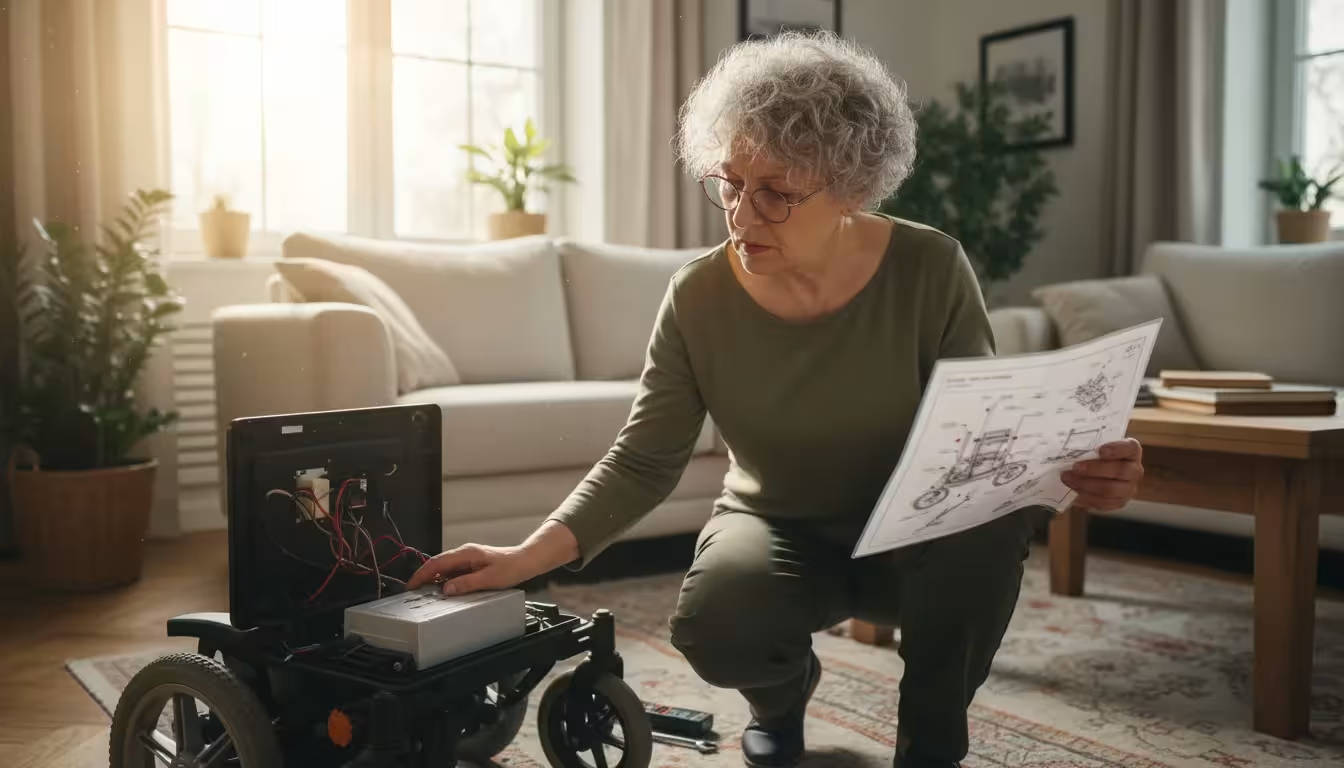
Consider how your mobility aid will travel. For example, some walkers fold easily and fit into overhead bins, while larger power wheelchairs might need to be checked at the gate.
- Labels and Identification: Attach clear identification tags to your mobility aid with your name, phone number, and flight information. Consider including a photo of yourself.
- Disassemble Instructions: If your mobility device has removable parts, such as cushions, footrests, or batteries, know how to remove and reattach them. Keep instructions with you, especially for powered devices.
- Battery Information: For power wheelchairs or scooters, understand the battery type (e.g., lithium-ion, gel cell, wet cell). Airlines have specific regulations for transporting batteries. You might need to disconnect the battery or cover its terminals to prevent short circuits. The Federal Aviation Administration, FAA, offers comprehensive guidelines on traveling with batteries.
Pre-Check and TSA Cares
Expedite your security experience by utilizing available resources.
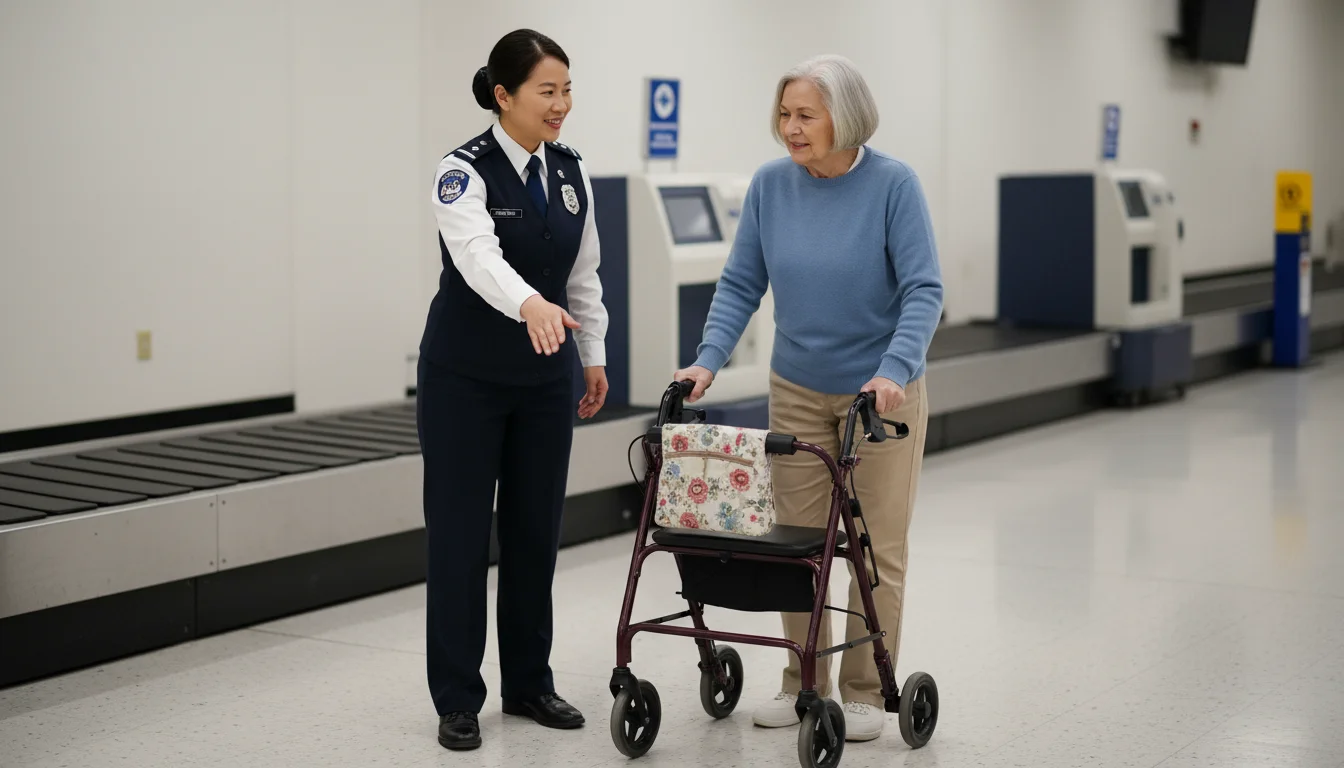
- TSA PreCheck: If you travel frequently, consider enrolling in TSA PreCheck. This program allows eligible travelers to go through an expedited security screening process, often without removing shoes, liquids, or light jackets. While you will still undergo screening for your mobility aid, PreCheck can reduce overall wait times.
- TSA Cares: For travelers with disabilities or medical conditions, TSA Cares is an excellent resource. This helpline provides travelers with disabilities, medical conditions, and other special circumstances with additional assistance during the security screening process. You can call them 72 hours before your trip to ask questions about screening policies and procedures, or to request a Passenger Support Specialist at the airport. You reach them at 1-855-787-2227.

Understanding TSA Procedures for Mobility Aids
Knowing what to expect empowers you at the security checkpoint. The Transportation Security Administration, TSA, aims to ensure safety for all travelers while also providing accommodations for individuals with mobility challenges. Their procedures prioritize security while respecting your dignity and needs.
General Screening Principles
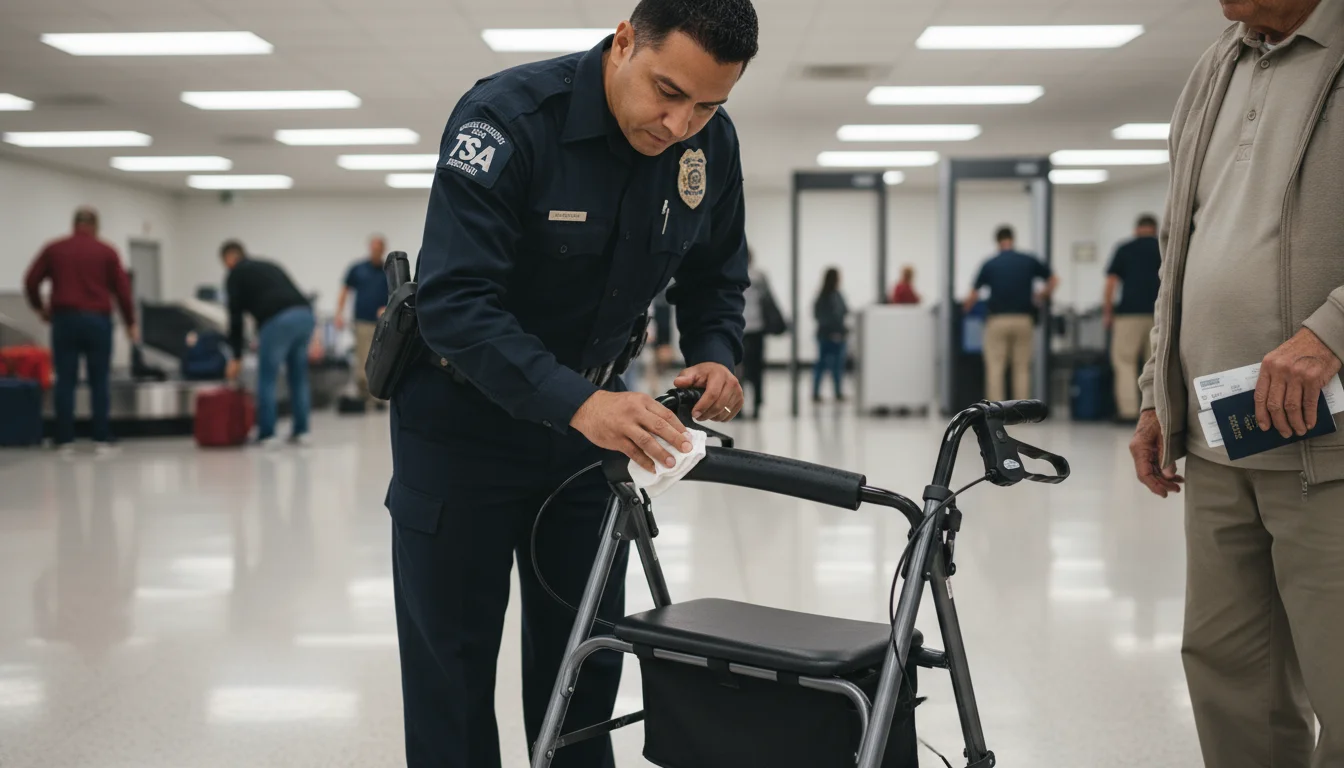
TSA officers screen all passengers and their belongings using various methods. For individuals with mobility aids, the process adapts to ensure thorough screening without requiring you to stand or walk if you cannot.
- Visual Inspection: Officers visually inspect your mobility aid for prohibited items or modifications.
- Physical Pat-Down: A pat-down may occur if you cannot go through a walk-through metal detector or advanced imaging technology, AIT, scanner. This pat-down is typically performed by an officer of the same gender in a private screening area if you prefer.
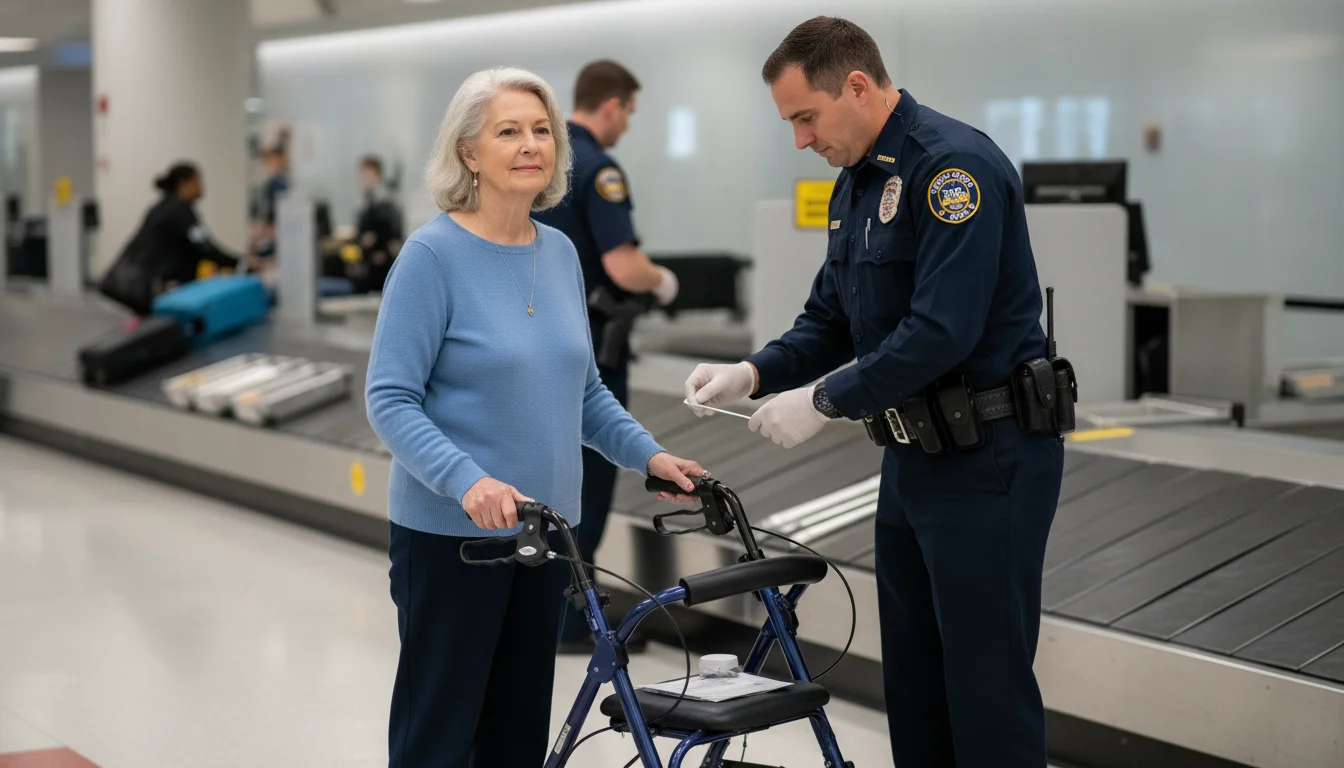
- Explosives Trace Detection, ETD: Officers may use ETD technology, which involves swabbing your hands and mobility aid with a small cotton cloth. The cloth then goes into a machine that detects trace amounts of explosives. This is a common part of screening for mobility devices.
Advanced Imaging Technology, AIT, and Metal Detectors
The primary screening methods for passengers are AIT scanners and walk-through metal detectors.
- AIT Scanners: These machines create a generic outline of your body to detect potential threats. If you can stand and raise your arms for a few seconds, you might use an AIT scanner.
- Walk-Through Metal Detectors: If you can walk through unaided or with minimal support, you may use a metal detector.
- Alternative Screening: If you cannot stand or walk through these devices, TSA officers will use alternative screening procedures, which typically involve a thorough pat-down and ETD screening of your person and your mobility aid. The TSA provides clear guidelines on screening individuals with disabilities and medical conditions on their official website. For example, you can find details at TSA.gov.
Communication is Key
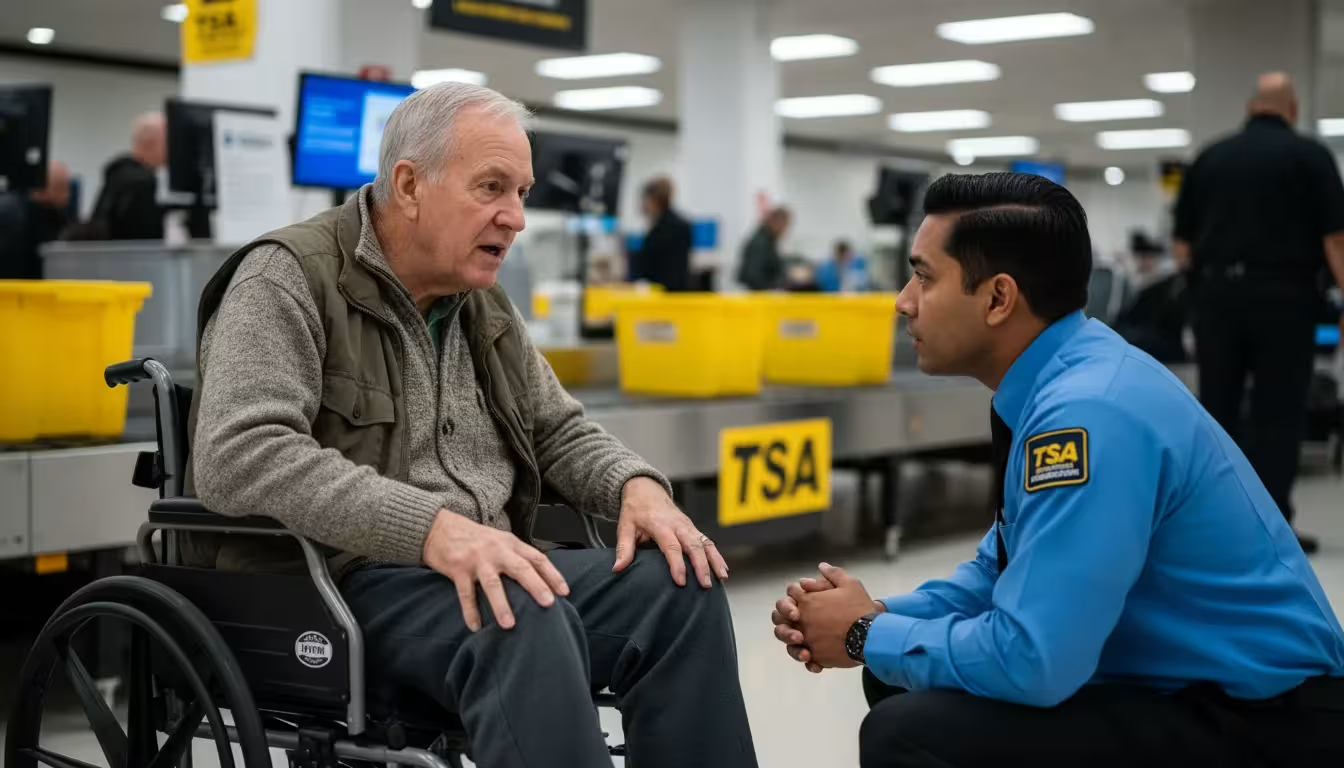
Open communication with TSA officers alleviates anxiety and ensures a smoother process.
- Inform Officers: When you approach the checkpoint, inform the TSA officer that you use a mobility aid.
- State Your Limitations: Clearly articulate any limitations you have, such as inability to stand, lift arms, or walk without assistance. For example, say “I cannot stand unassisted, I will need to remain seated in my wheelchair.”
- Ask Questions: If you are unsure about a procedure, ask the officer for clarification.
Navigating Security with Specific Mobility Devices
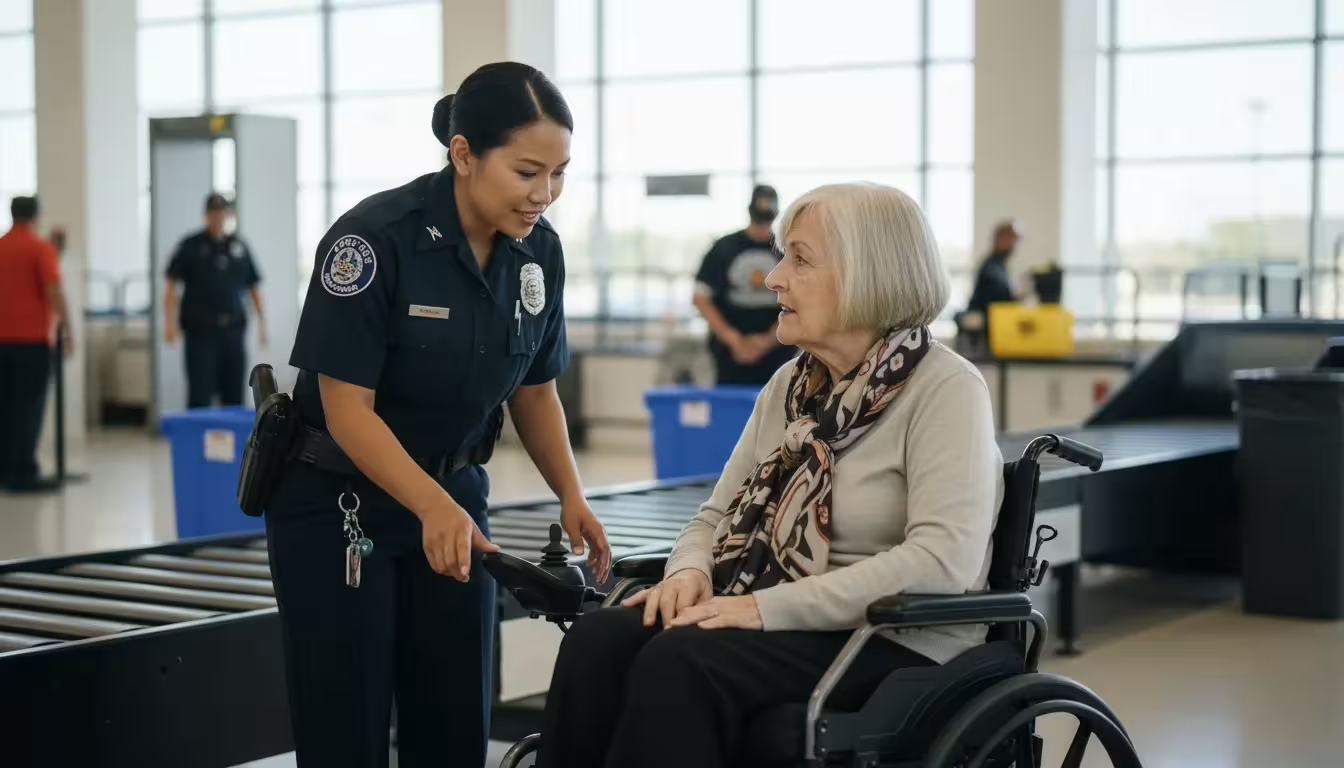
Each type of mobility aid has slightly different considerations at the security checkpoint. Understanding these specifics helps you prepare for what TSA officers will do.
Screening with Walkers and Canes
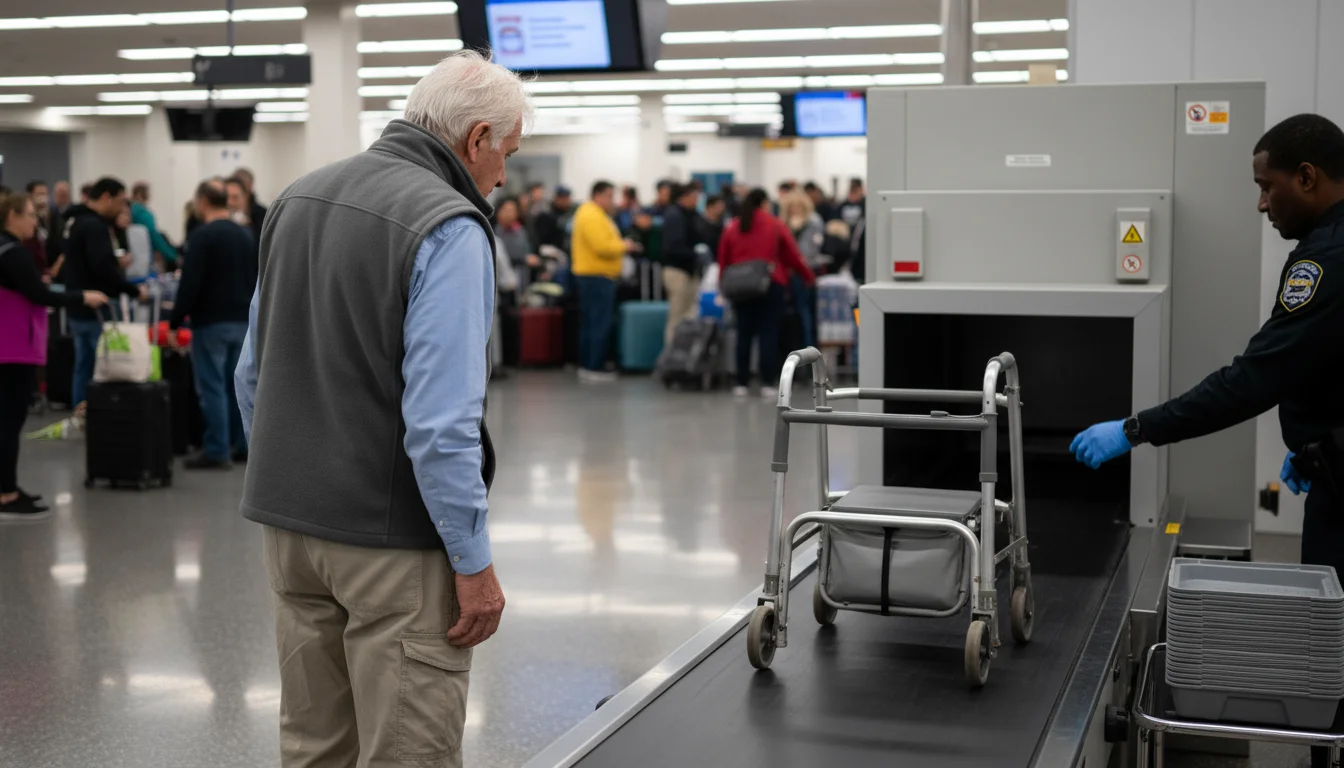
Walkers and canes are generally straightforward to screen.
- X-ray Screening: You will typically send your walker or cane through the X-ray machine like carry-on luggage. If it cannot fit, officers will visually inspect it and conduct ETD screening.
- Personal Screening: You will then proceed through the walk-through metal detector or AIT scanner. If you rely heavily on your walker for support, request to use it until you reach the scanning device, then ask for assistance.
- Collapsible Devices: If your walker folds, collapse it before sending it through the X-ray. This helps it fit more easily.
Screening with Manual Wheelchairs
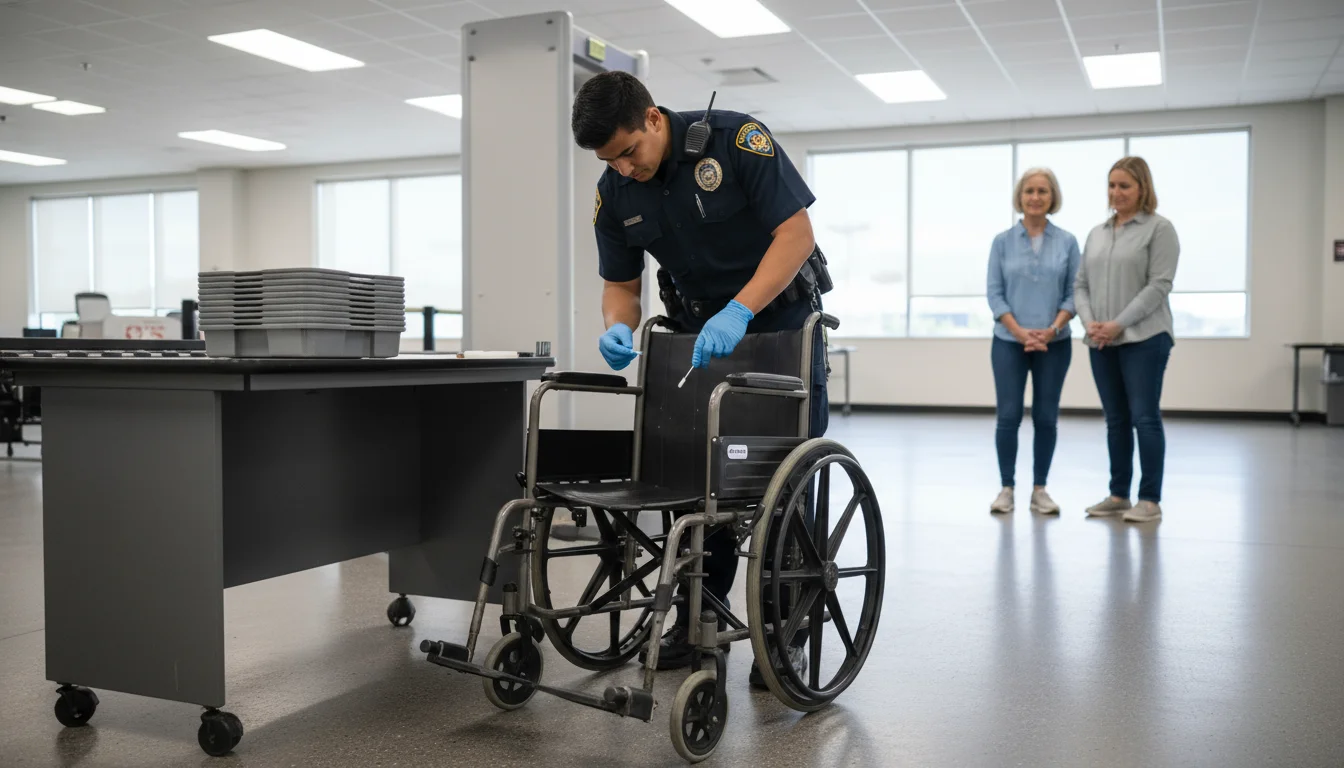
Manual wheelchairs are common and TSA officers are highly experienced in screening them.
- Personal Screening First: You will usually transfer out of your wheelchair for personal screening. If you can walk, you will proceed through the metal detector or AIT scanner. If you cannot, you will receive a pat-down.
- Chair Screening: After you transfer, officers thoroughly inspect your wheelchair. This includes a visual inspection, ETD swab of the chair’s surfaces, and possibly a pat-down of the chair itself.
- Assistance with Transfer: TSA officers do not assist with transferring you from your wheelchair. If you need assistance, ensure you have a travel companion or request airline wheelchair assistance personnel to help you.
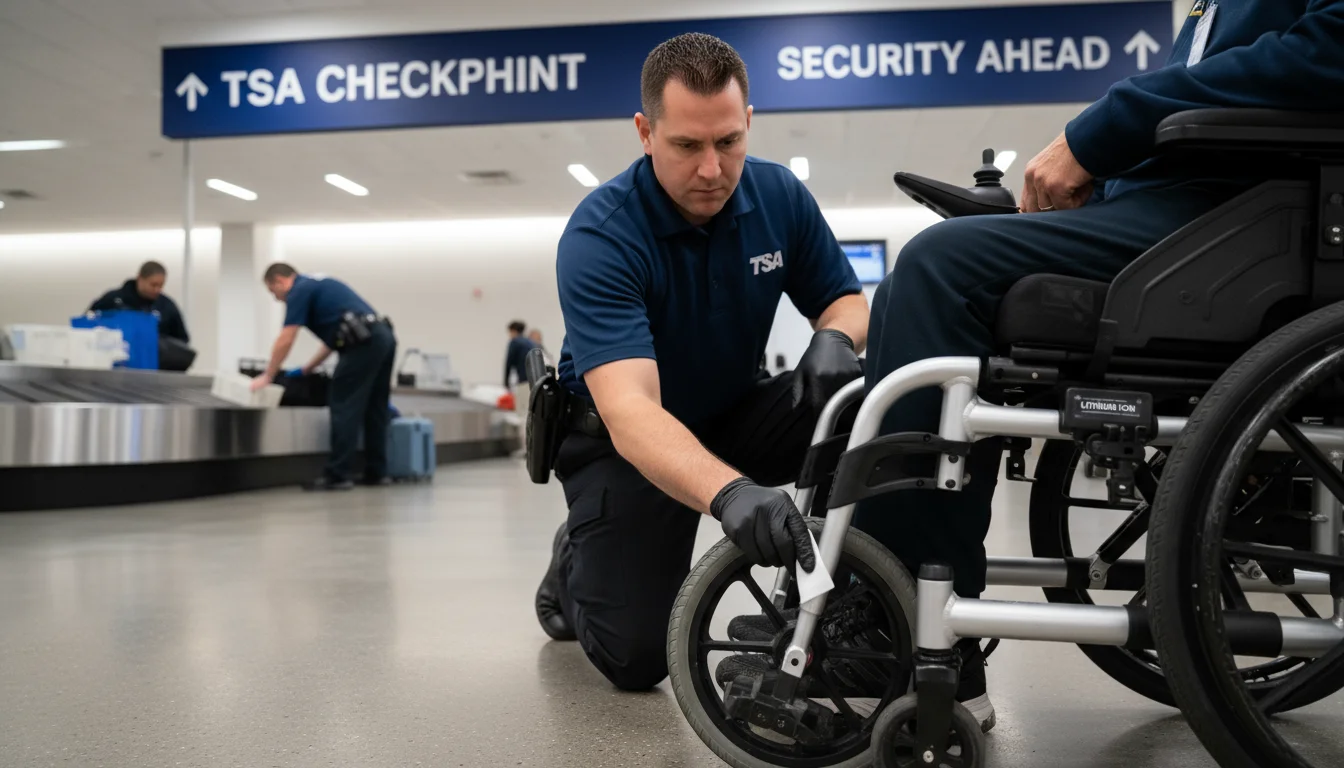
Screening with Power Wheelchairs and Scooters
Power wheelchairs and scooters require specific procedures due to their size and battery components.
- Remains Seated: If you use a power wheelchair or scooter, you will usually remain seated in your device during the initial screening.
- Pat-Down and ETD: Officers will conduct a thorough pat-down of your person while you are seated. They will also perform extensive ETD screening on your device, including wheels, armrests, and battery compartments.
- Battery Awareness: Be prepared to answer questions about your battery type. While you typically do not need to disconnect the battery at the checkpoint, officers might visually inspect it.
- Disassembly: If your scooter or power chair has removable parts, such as a basket or tiller, be prepared for officers to inspect those parts separately.
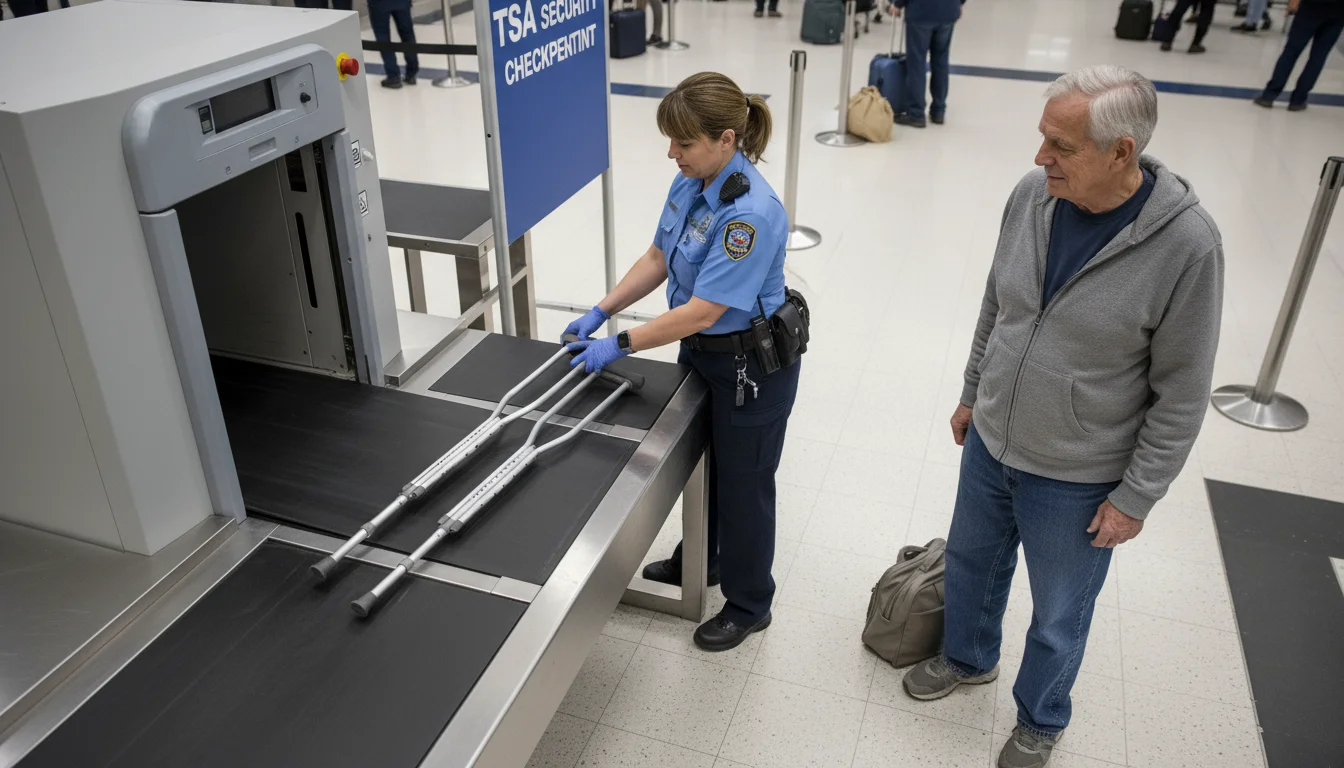
Crutches and Other Mobility Aids
Crutches, braces, and other medical support devices are also screened.
- X-ray or Visual Inspection: Crutches often go through the X-ray machine. If not, officers visually inspect and swab them.
- Medical Devices: Inform officers about any internal or external medical devices that might alarm a metal detector or be sensitive to AIT scanners, such as pacemakers, artificial joints, or insulin pumps. You can carry a doctor’s note, but it is not required.
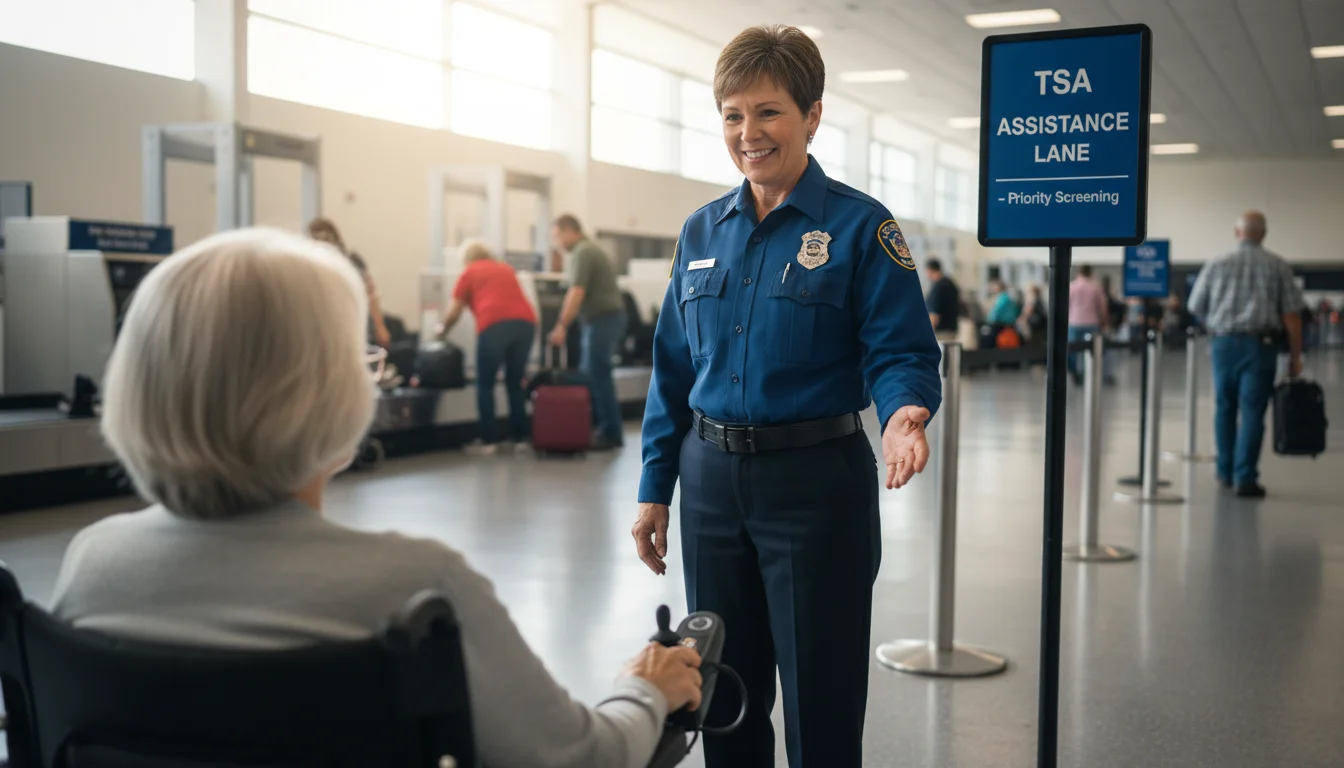
TSA Wheelchair Assistance and Special Services
Navigating large airports, especially with mobility challenges, becomes significantly easier with dedicated assistance. Airlines and the TSA offer services designed to support you every step of the way.
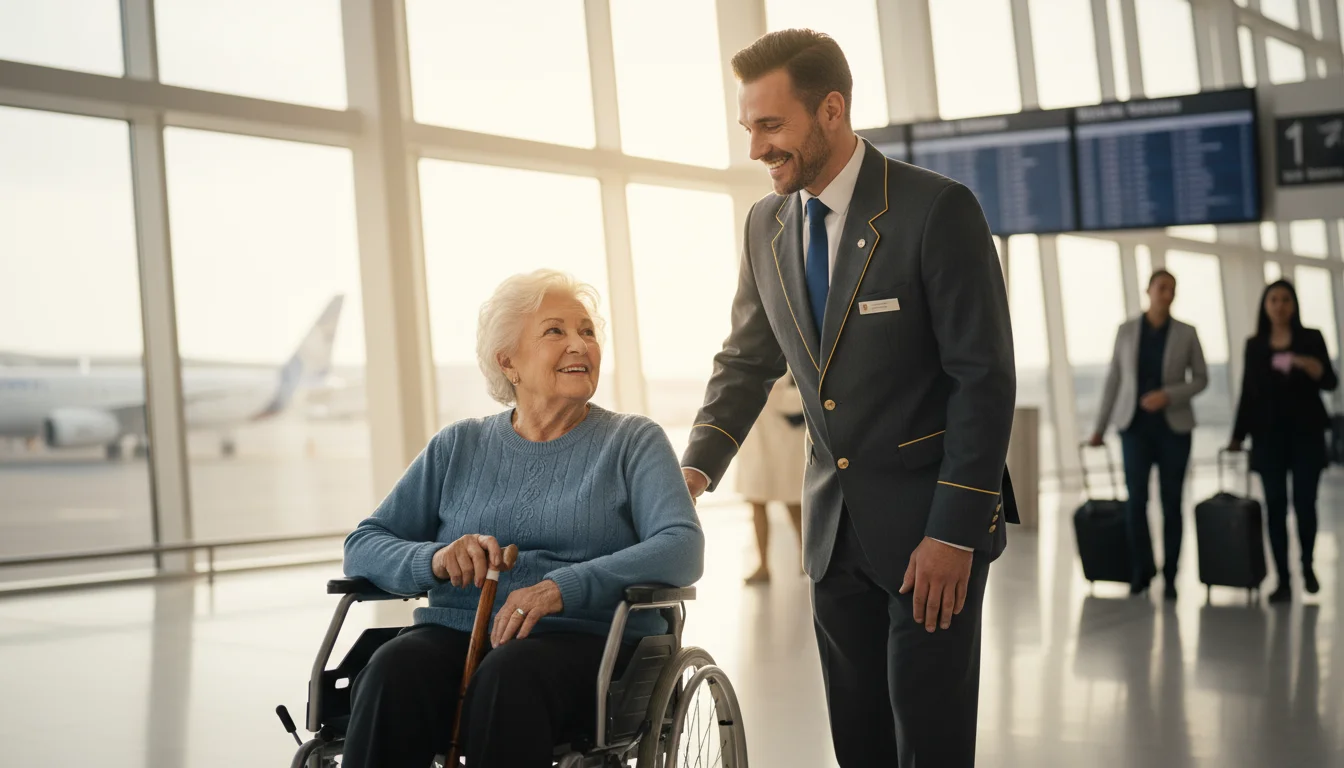
Requesting Airline Wheelchair Assistance
This service is distinct from TSA screening and is provided by your airline.
- Advance Request: Request wheelchair assistance when you book your flight, or at least 48 hours before departure. Confirm your request 24 hours prior to travel.
- Airport Arrival: When you arrive at the airport, look for airline representatives or designated assistance desks. You will receive assistance from the curb, through check-in and security, and to your gate.
- Transfer Support: Airline personnel will push you in their wheelchairs. They can assist with transferring you from your personal mobility aid to an airline wheelchair, and then from an airline wheelchair to your seat on the aircraft. They do not lift you, however. If you require lifting, arrange for a travel companion or specialized service.
- Gate-to-Gate Service: If you have a connecting flight, ensure your assistance request covers the entire journey, including transfers between gates at your connecting airport.

Passenger Support Specialists
TSA offers an additional layer of support for travelers with special needs.
- Dedicated Support: Passenger Support Specialists are TSA officers who receive specialized training to assist travelers with disabilities, medical conditions, and other special circumstances. They can guide you through the security process and answer your questions.
- Requesting a Specialist: You can request a Passenger Support Specialist by calling the TSA Cares hotline 72 hours before your travel, or by speaking with a TSA officer at the checkpoint.
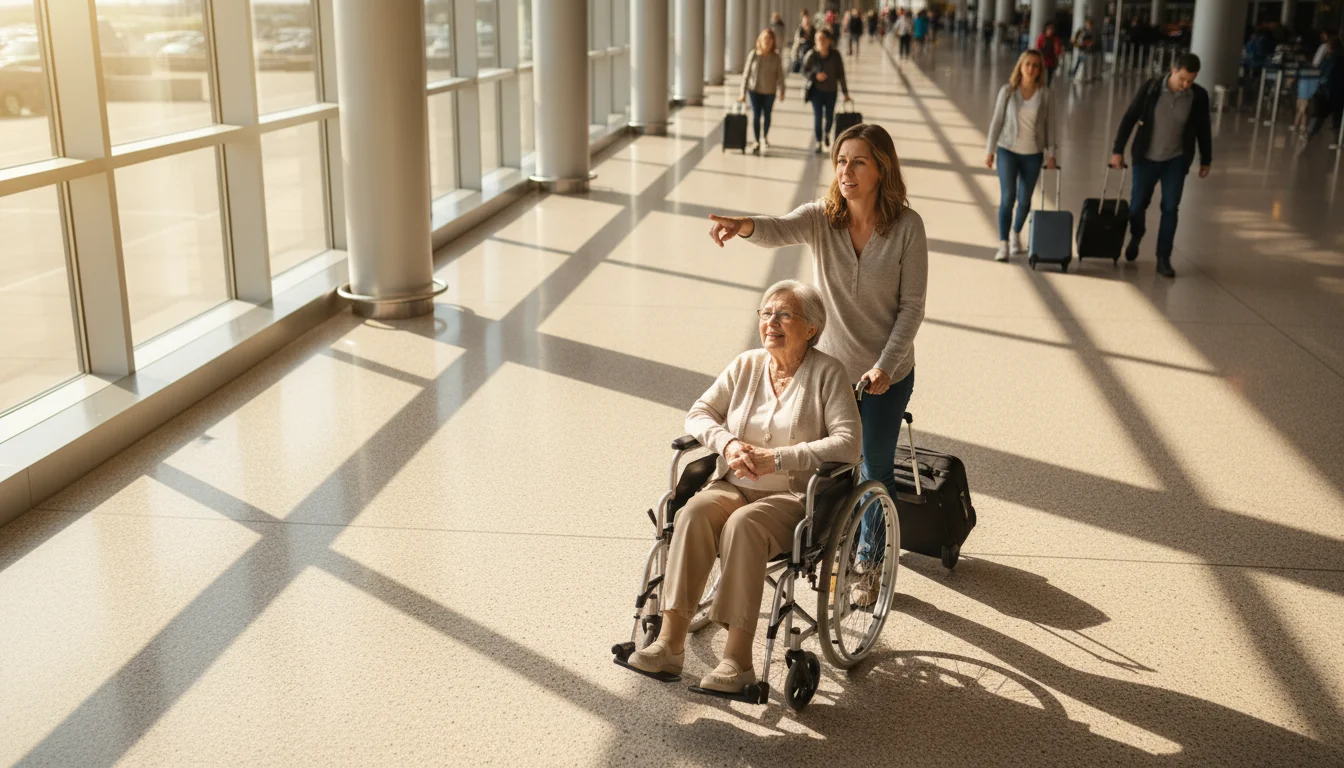
Consider a Travel Companion
While airline and TSA services are invaluable, traveling with a companion offers additional peace of mind and practical help.
- Personal Support: A companion can assist with personal transfers, carry your bags, retrieve items, and advocate on your behalf if needed.
- Navigation: They can help navigate crowded terminals and ensure you reach your gate on time.
- Emotional Support: Simply having a familiar face by your side can significantly reduce stress and enhance your travel experience.
Packing Smart for a Smoother Security Experience
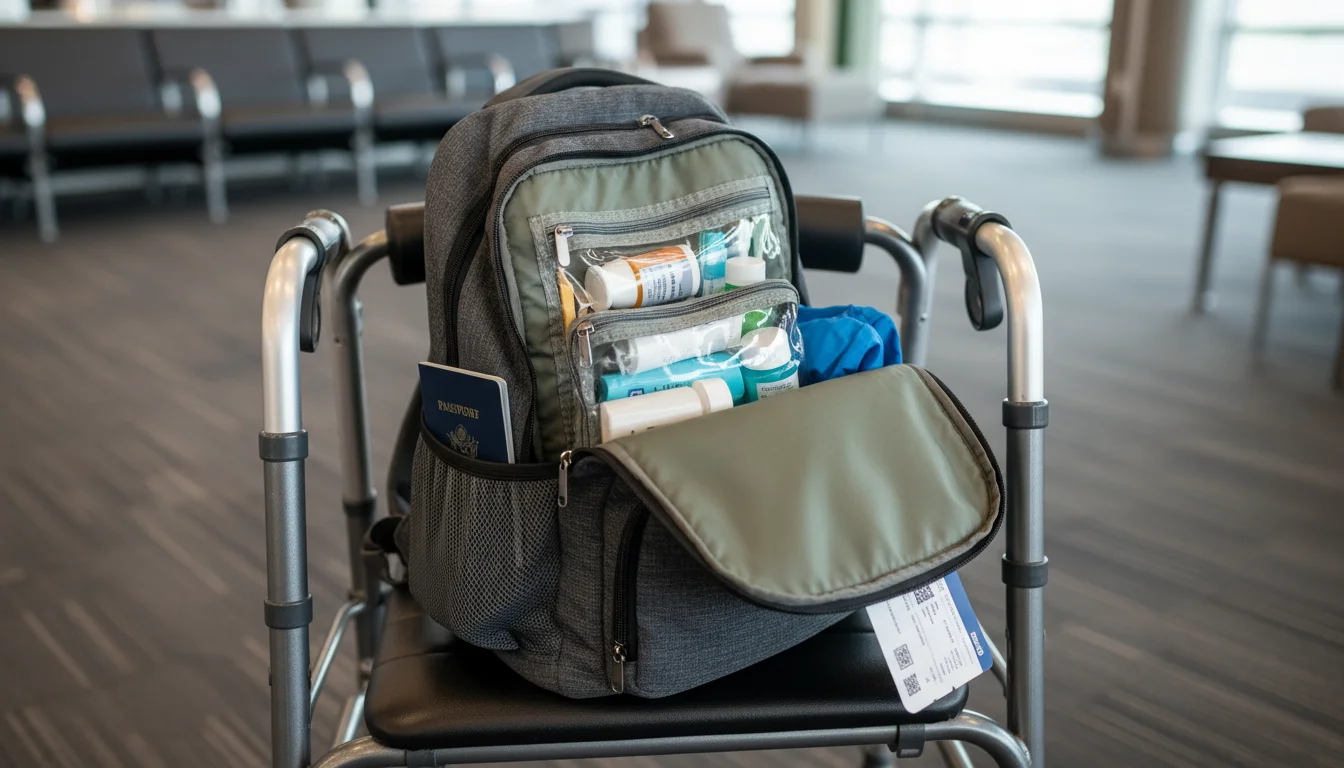
Your packing choices directly influence your security checkpoint experience. Strategic packing streamlines the process, particularly when you use mobility aids.
Medications: Keep Them Accessible
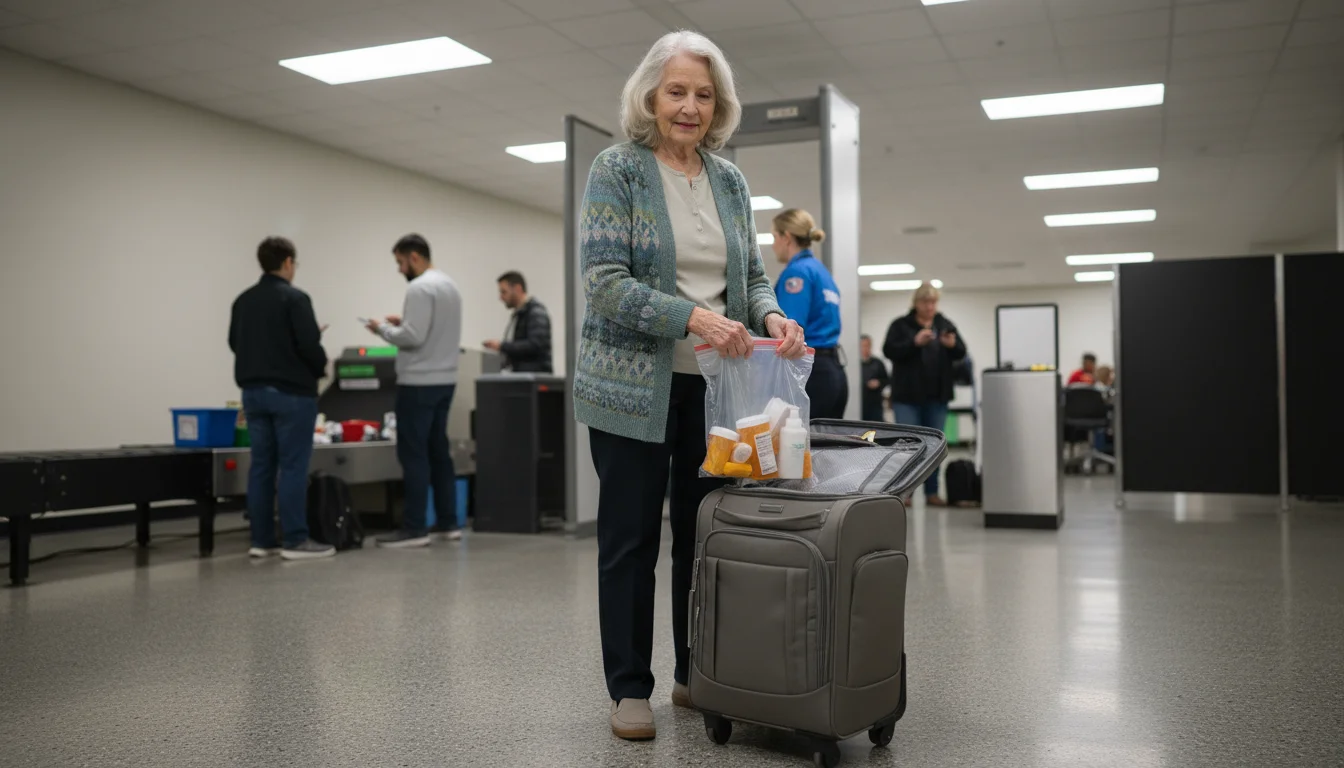
Medications are essential, and the TSA has clear guidelines for traveling with them.
- Carry-On Only: Pack all prescription and over-the-counter medications in your carry-on bag. Do not pack them in checked luggage. This prevents issues if your checked bag is delayed or lost.
- Original Containers: Keep medications in their original prescription bottles or packaging. This minimizes questions from TSA officers.
- No Limit on Meds: You can carry medically necessary liquids, gels, and aerosols in quantities larger than 3.4 ounces, 100 milliliters, in your carry-on bag. Declare these items to a TSA officer at the beginning of the screening process.
- Medical Equipment: Syringes and needles are permitted when accompanied by an injectable medication. Always declare these items. The TSA website, specifically the “What Can I Bring?” section, offers a searchable database for many medical items and their travel allowances. You can review this information at TSA.gov.

Liquids and Personal Items
Adhere to the 3-1-1 rule for non-medication liquids.
- 3-1-1 Rule: All liquids, gels, aerosols, creams, and pastes you carry on must be in containers 3.4 ounces, 100 milliliters, or smaller. These containers must fit into one quart-sized, clear, resealable bag. Each passenger can have one such bag.
- Remove from Bag: When you go through security, remove your 3-1-1 bag from your carry-on and place it in a separate bin for X-ray screening.
- Mobility Aid Items: If you have items attached to your mobility aid, such as a cup holder with a beverage, be prepared to remove and screen them separately.
What to Wear and What to Leave Behind
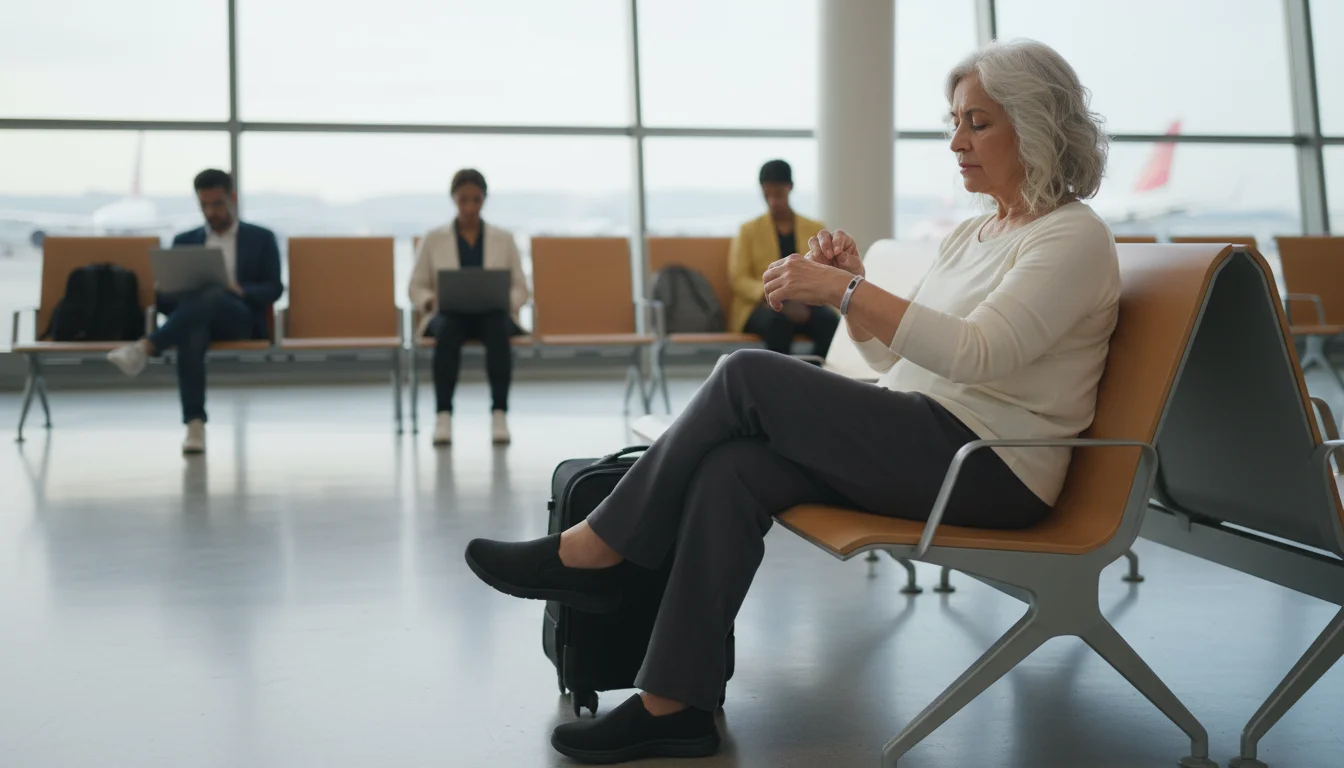
Your attire can also impact the efficiency of security screening.
- Comfortable Clothing: Wear loose, comfortable clothing that allows for easy movement and potential pat-downs.
- Avoid Excessive Metal: Minimize jewelry and clothing with significant metal embellishments, as these can trigger metal detectors.
- Easy-to-Remove Shoes: If you can comfortably do so, wear shoes that are easy to slip on and off if you are not PreCheck eligible.
- Medical Alert Tags: Keep any medical alert bracelets or necklaces on. Inform the TSA officer about them if they seem to cause an issue during screening.
During the Security Checkpoint: Tips for Success
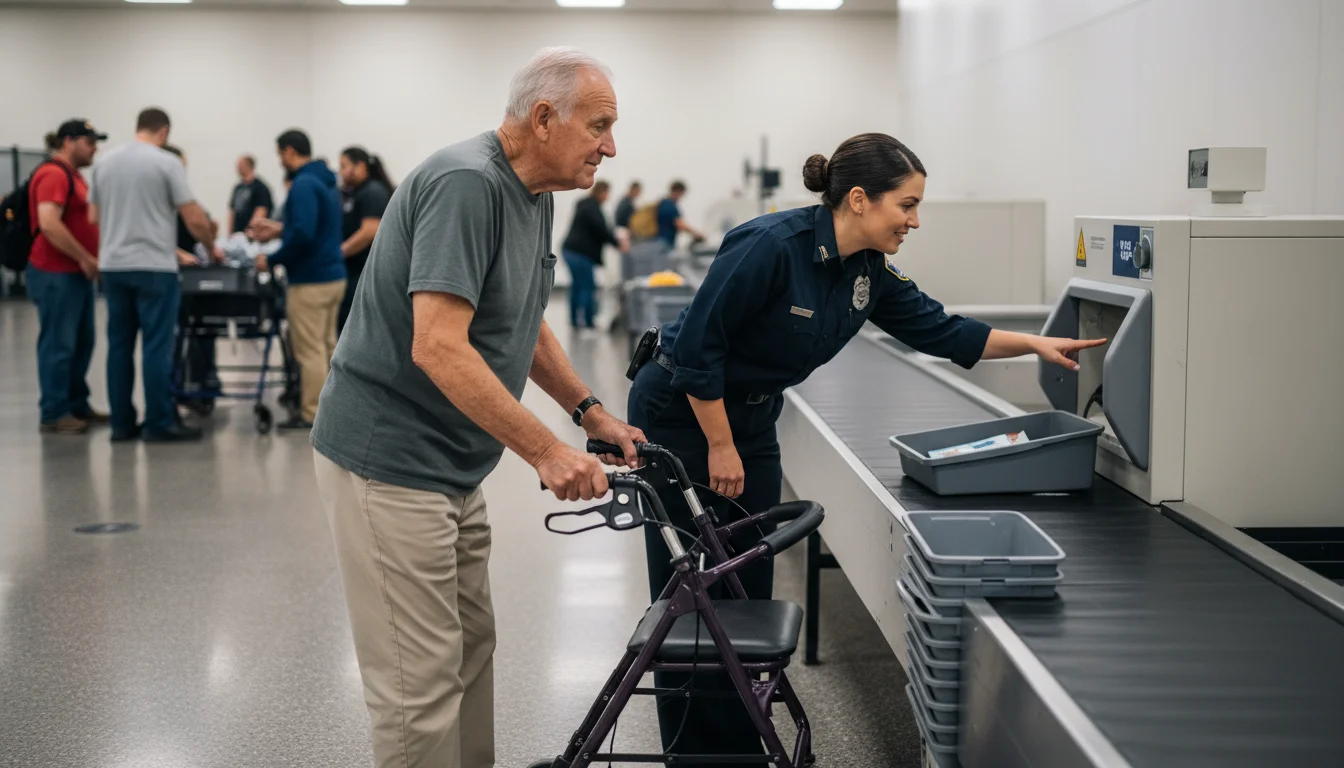
The actual security checkpoint can feel like the most intimidating part of the airport experience. By approaching it with a calm, prepared mindset, you can navigate it efficiently.
Arrive Early
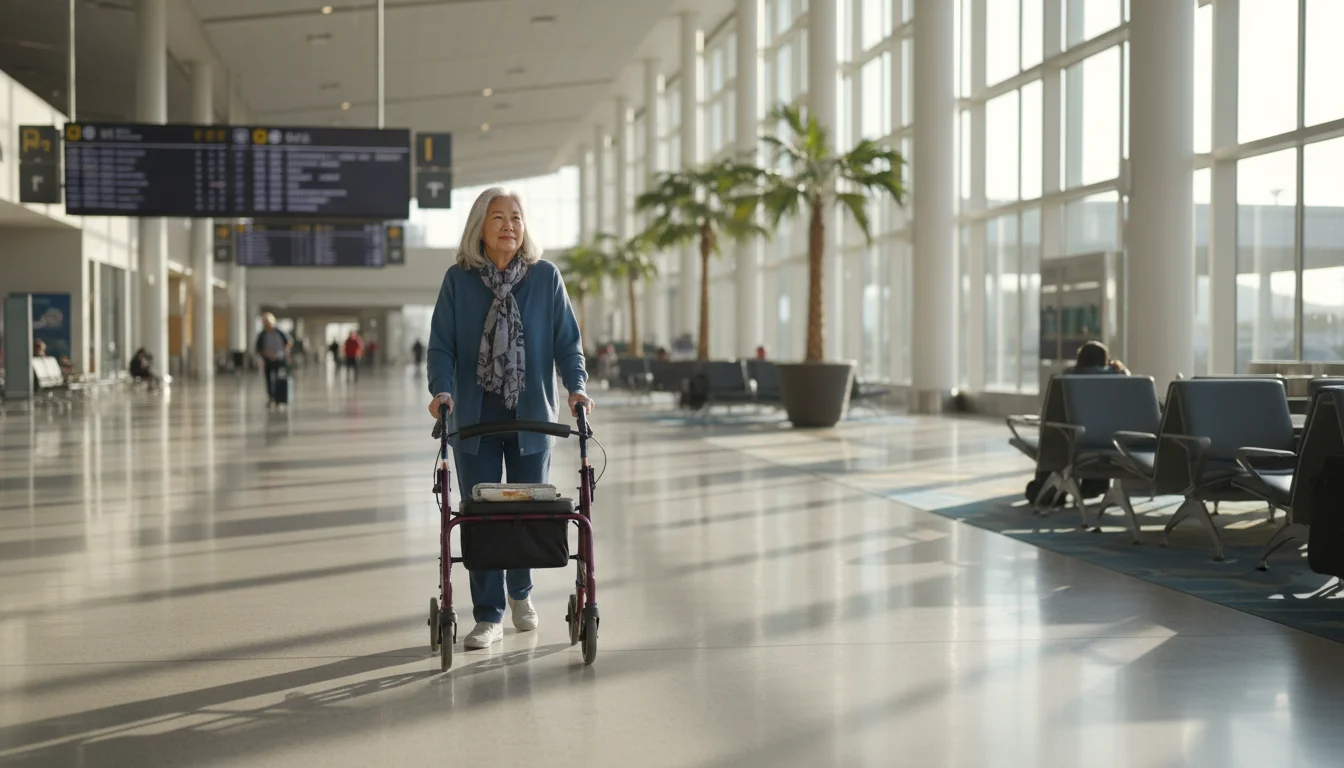
Give yourself ample time. This is perhaps the most crucial tip for any traveler, especially those needing extra assistance.
- Reduced Stress: Arriving early reduces the pressure of rushing, allowing you to move at your own pace.
- Buffer Time: It provides a buffer for unexpected delays, longer lines, or more thorough screening procedures. Plan to arrive at the airport at least two to three hours before a domestic flight and three to four hours before an international flight.

Communicate Your Needs Clearly
Do not hesitate to speak up.
- Initial Contact: As you approach the security line, clearly state to the first TSA officer you encounter, “I am a senior using a mobility aid, and I will need assistance or modified screening.”
- Physical Limitations: Explain any specific physical limitations you have. For example, “I cannot stand for more than a minute,” or “I cannot lift my arms above my shoulders.”
- Prefer a Private Screening: If you prefer a private pat-down, state this clearly. You have the right to request a private screening with a witness of your choice, if available, or a TSA officer of the same gender.
Stay Calm and Patient
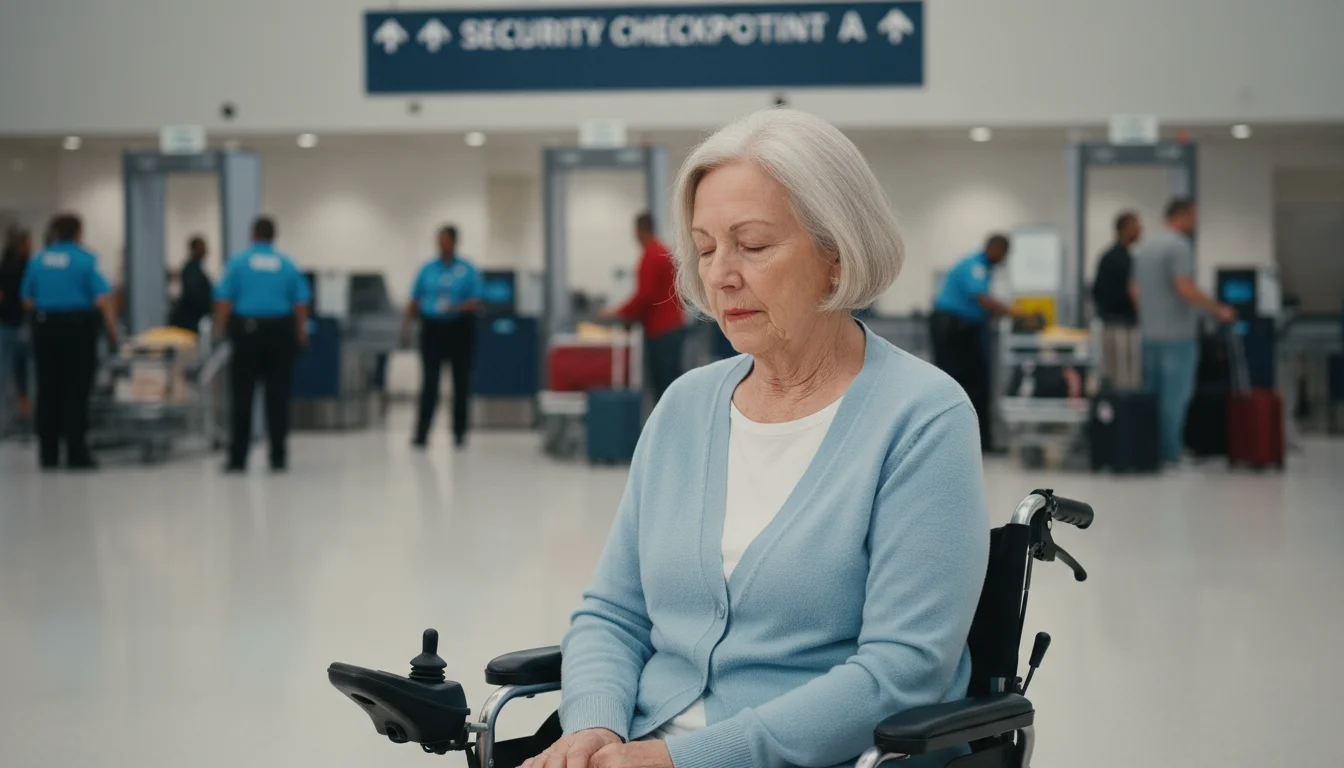
Security checkpoints are busy environments.
- Expect Delays: Sometimes, screening takes longer. Remain patient and understand that officers perform their duties to ensure everyone’s safety.
- Cooperate: Follow the instructions of TSA officers. Cooperation leads to a faster, smoother process.
- Breathe: If you feel overwhelmed, take a slow, deep breath. Remind yourself that you are prepared.
What to Do If Something Goes Wrong
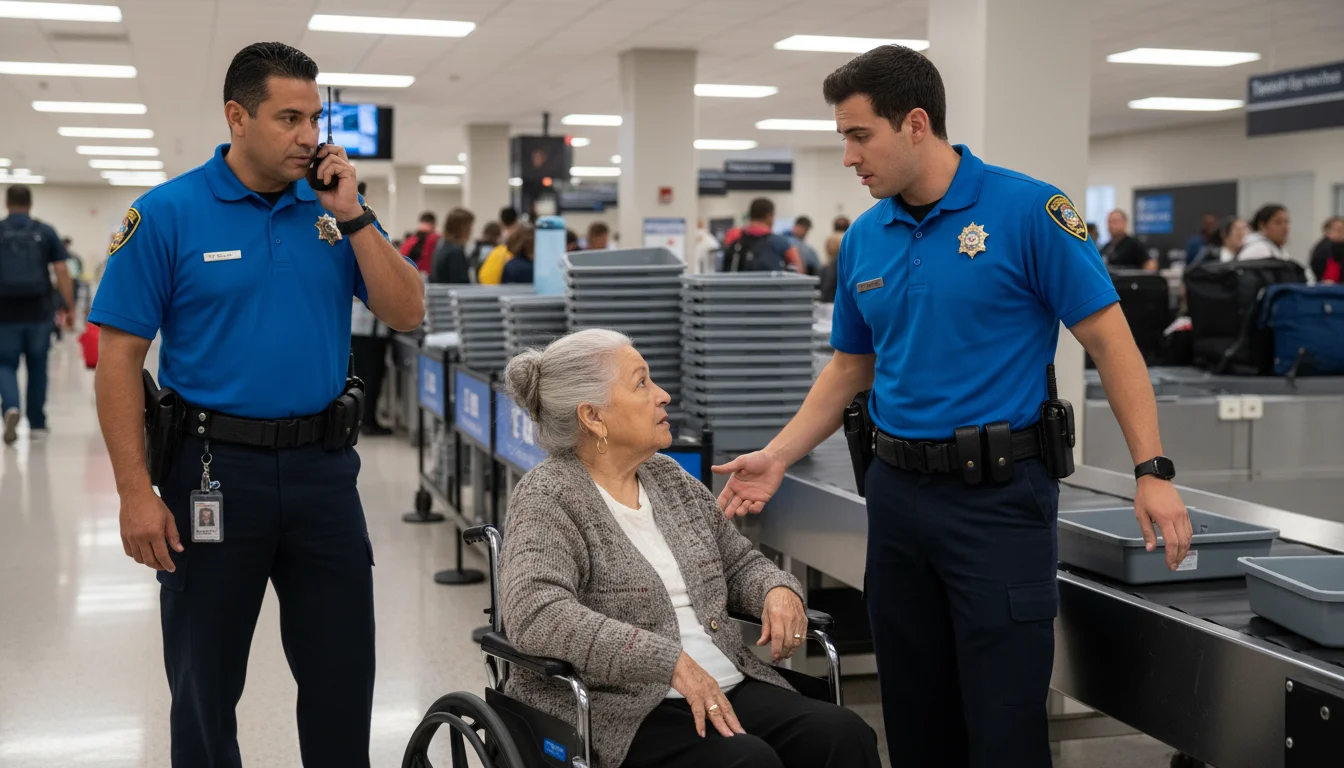
Occasionally, issues arise. Know how to address them respectfully.
- Request a Supervisor: If you feel uncomfortable, confused, or believe your rights are not being respected, politely ask to speak with a Supervisory Transportation Security Officer, STSO.
- Know Your Rights: Familiarize yourself with the TSA’s policies regarding travelers with disabilities before you travel. This knowledge empowers you to advocate for yourself. The TSA’s customer service number is readily available for post-travel concerns, though addressing issues at the airport is generally more effective.
After Security: Relax and Prepare for Your Flight
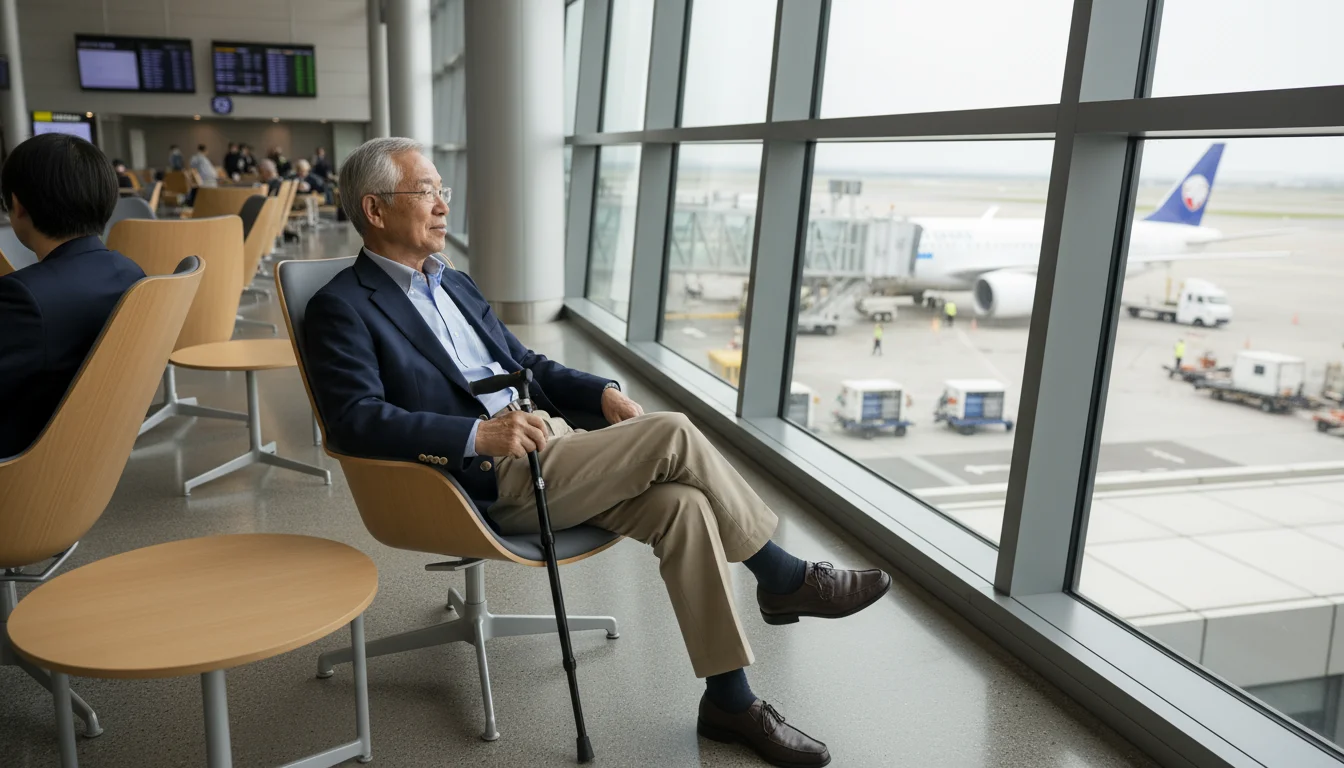
You have navigated the security checkpoint. Now, take a moment to regroup and prepare for the next stage of your journey.
Reassemble and Reorganize
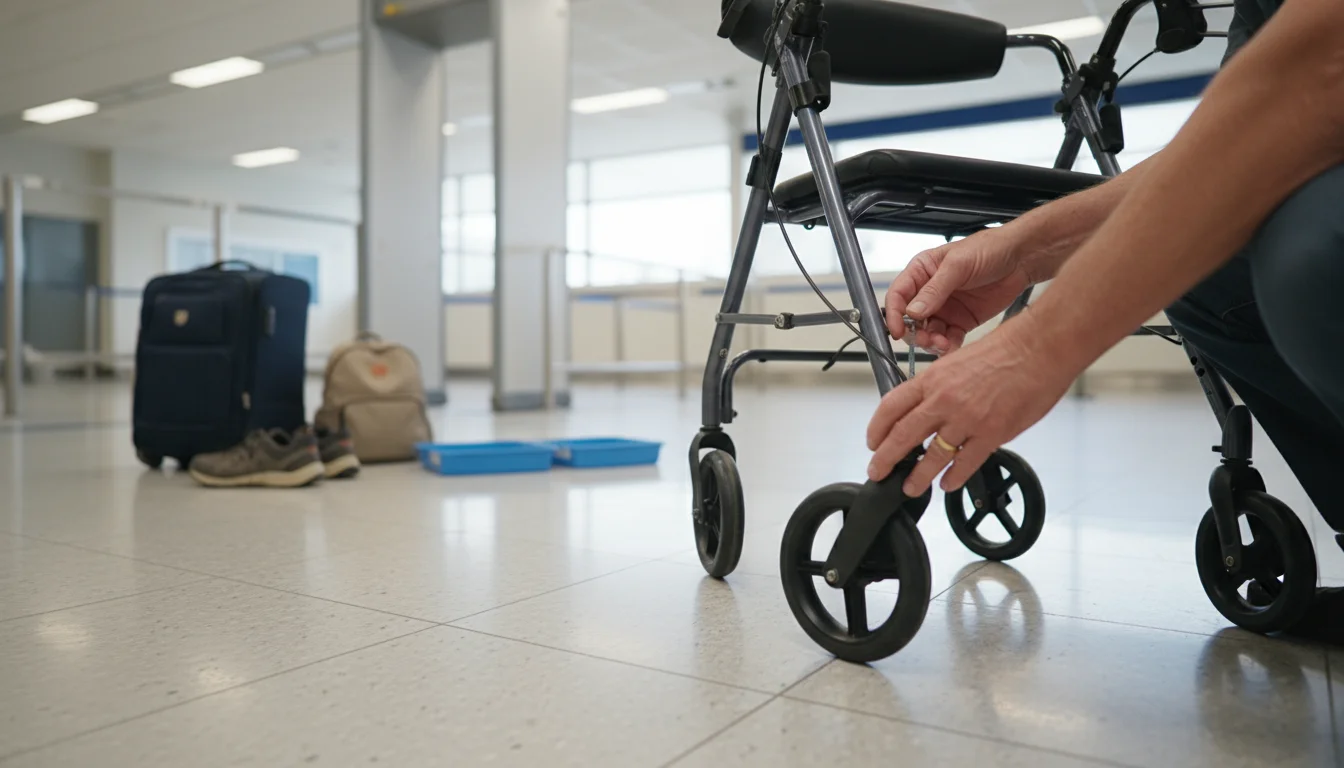
Once you are clear of the immediate security area, take your time to gather your belongings.
- Retrieve Items: Collect all your carry-on bags, personal items, and your mobility aid.
- Reassemble Device: If you disassembled any parts of your mobility aid, reattach them now. Take care to ensure everything is secure and functional.
- Organize Bags: Put your liquids bag back into your carry-on, put your shoes back on, and generally reorganize your belongings so you are comfortable and ready to proceed.

Proceed to Your Gate
Airport terminals can be vast, but modern airports offer various aids to help you reach your gate.
- Check Gate Information: Confirm your gate number on your boarding pass or an airport display screen. Gate changes can occur.
- Utilize Airport Transport: Many large airports offer internal trams, shuttles, or moving walkways. Use these resources to conserve your energy.
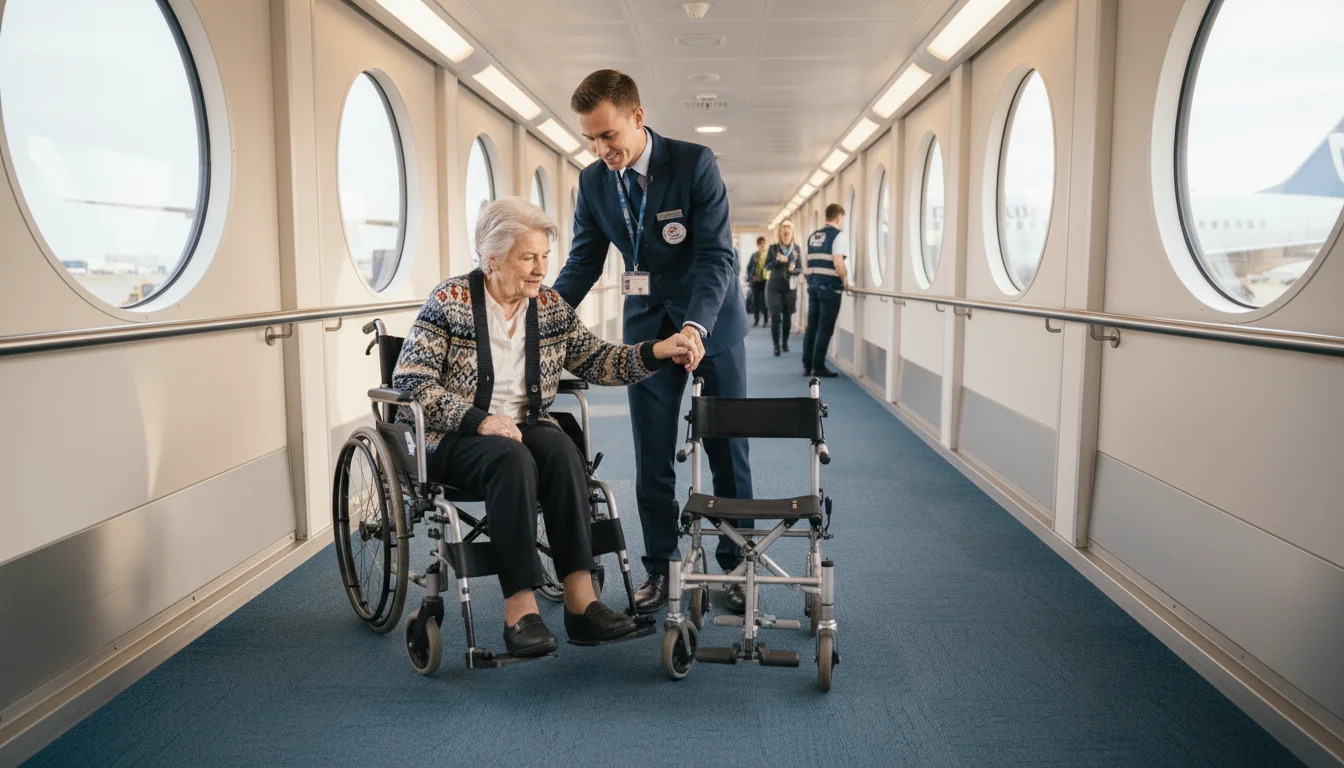
- Airline Assistance: If you requested airline wheelchair assistance, the personnel will guide you directly to your gate, often taking routes that avoid crowds.
- Rest Stops: Do not hesitate to use airport benches or seating areas if you need to rest along the way. Your comfort and well-being are paramount.
Boarding the Aircraft
Airlines typically offer pre-boarding for passengers needing extra assistance.
- Listen for Announcements: Pay attention to boarding announcements at your gate. Most airlines announce pre-boarding for passengers with disabilities, families with small children, and those needing extra time to board.
- Be Ready: When pre-boarding begins, have your boarding pass and identification ready.
- Aircraft Wheelchair: If you use a personal wheelchair that does not fit down the aircraft aisle, airline personnel will transfer you to a narrow aisle chair, also known as an aisle transfer chair, to get you to your seat. They will store your personal mobility aid in the cargo hold.

Embrace the Journey: Travel’s Rewards
Successfully navigating airport security with mobility aids is more than just a procedural task, it is a gateway to continued exploration and engagement with the world. You possess the wisdom and experience to plan effectively, communicate clearly, and adapt when needed.

Discover New Horizons
Travel offers unparalleled opportunities for personal growth and enjoyment.
- Experience Diverse Cultures: Immerse yourself in different traditions, cuisines, and landscapes. Learn something new about the world and yourself.
- Visit Loved Ones: Stay connected with family and friends who live far away. Shared experiences create lasting memories.
- Pursue Hobbies: Explore historical sites, natural wonders, or artistic venues that align with your passions. Perhaps you enjoy birdwatching, and a trip to a national park offers new species to observe.
Maintain Your Purpose and Connection
Retirement is a time for fulfillment, not stagnation.
- Community Engagement: Traveling can introduce you to new communities and perspectives, enriching your understanding of the world.
- Active Lifestyle: Even with mobility aids, travel keeps you active, both physically and mentally. The planning, the navigation, the new sights, all stimulate your mind.
- Inspire Others: Your willingness to travel and overcome challenges inspires fellow seniors and demonstrates that life remains vibrant and full of possibilities. You show others that age and mobility challenges do not define their limits.
Remember, each trip builds your confidence and refines your travel strategies. With each successful airport navigation, you become a more seasoned traveler, better equipped for future adventures. Do not let concerns about security procedures deter you from the incredible experiences that await. Plan well, speak up, and enjoy the journey. The world remains full of wonders, ready for you to explore.








Leave a Reply