

Navigating retirement on a fixed income requires smart financial defense, especially as living costs continue to shift in 2026. You do not need to drain your savings to cover rising healthcare premiums, property taxes, or utility bills. Millions of older adults leave money on the table each year simply because they are unaware of federal, state, and local programs designed specifically to protect their wealth. From tax counseling to prescription drug assistance, leveraging these established programs can immediately reduce your monthly expenses. By claiming these 11 free resources every senior should know about in 2026, you can stretch your retirement budget further, safeguard your assets against fraud, and maintain your financial independence with confidence.
Maximizing Healthcare and Prescription Savings
Healthcare is consistently one of the largest expenses in retirement. Even with foundational coverage, out-of-pocket costs for premiums, deductibles, and prescription medications can quickly erode a carefully planned budget. Fortunately, specialized programs exist to shoulder some of this financial burden.
1. Medicare Savings Programs (MSPs)
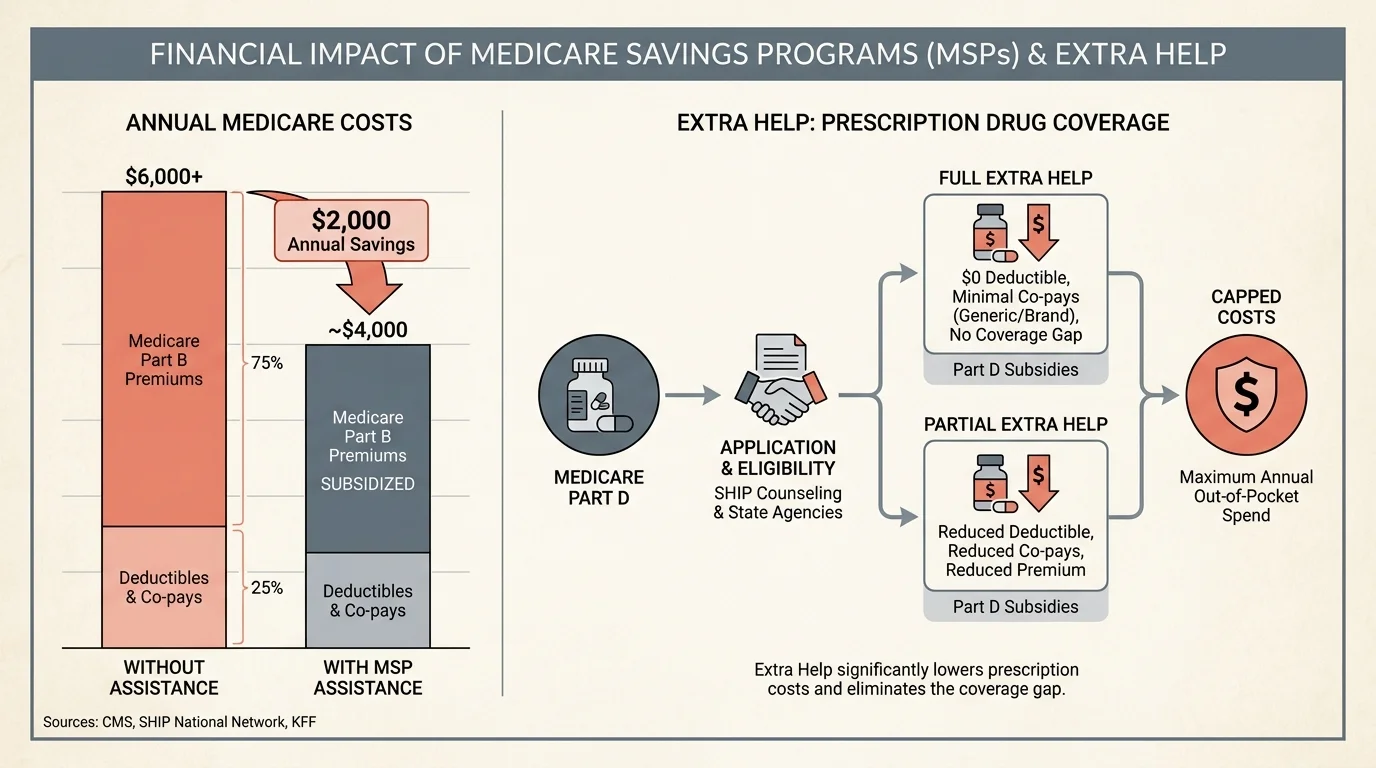
If you fall below certain income and asset limits, a Medicare Savings Program can pay your Medicare Part B premiums—saving you roughly $2,000 a year. In some cases, MSPs also cover Part A and Part B deductibles, coinsurance, and copayments. Many seniors mistakenly assume they will not qualify because they own a home; however, your primary residence and one vehicle are generally exempt from the asset calculations.
2. Extra Help for Prescription Drugs
Tied closely to Medicare, the Extra Help program—recently expanded to cover more income brackets—subsidizes Part D prescription drug costs. If you qualify, your monthly premiums, annual deductibles, and prescription copayments are strictly capped. This resource alone can save an individual thousands of dollars annually on brand-name medications.
3. State Health Insurance Assistance Programs (SHIP)
Choosing the right healthcare plan is overwhelmingly complex, and picking the wrong coverage can cost you dearly. SHIP provides free, local, and unbiased counseling to help you navigate Medicare choices. Counselors can input your specific medications and preferred doctors into their databases to find the most cost-effective plan for your unique needs. Before making any changes during the Annual Enrollment Period, review the official guidelines provided by Medicare.gov to ensure you understand your baseline coverage options.
Uncovering Hidden Financial and Tax Assistance
Managing taxes and understanding complex federal benefits are vital for extending the lifespan of your retirement savings. You should never pay more in taxes than legally required, nor should you inadvertently trigger penalties regarding retirement account distributions.
4. Tax Counseling for the Elderly (TCE)
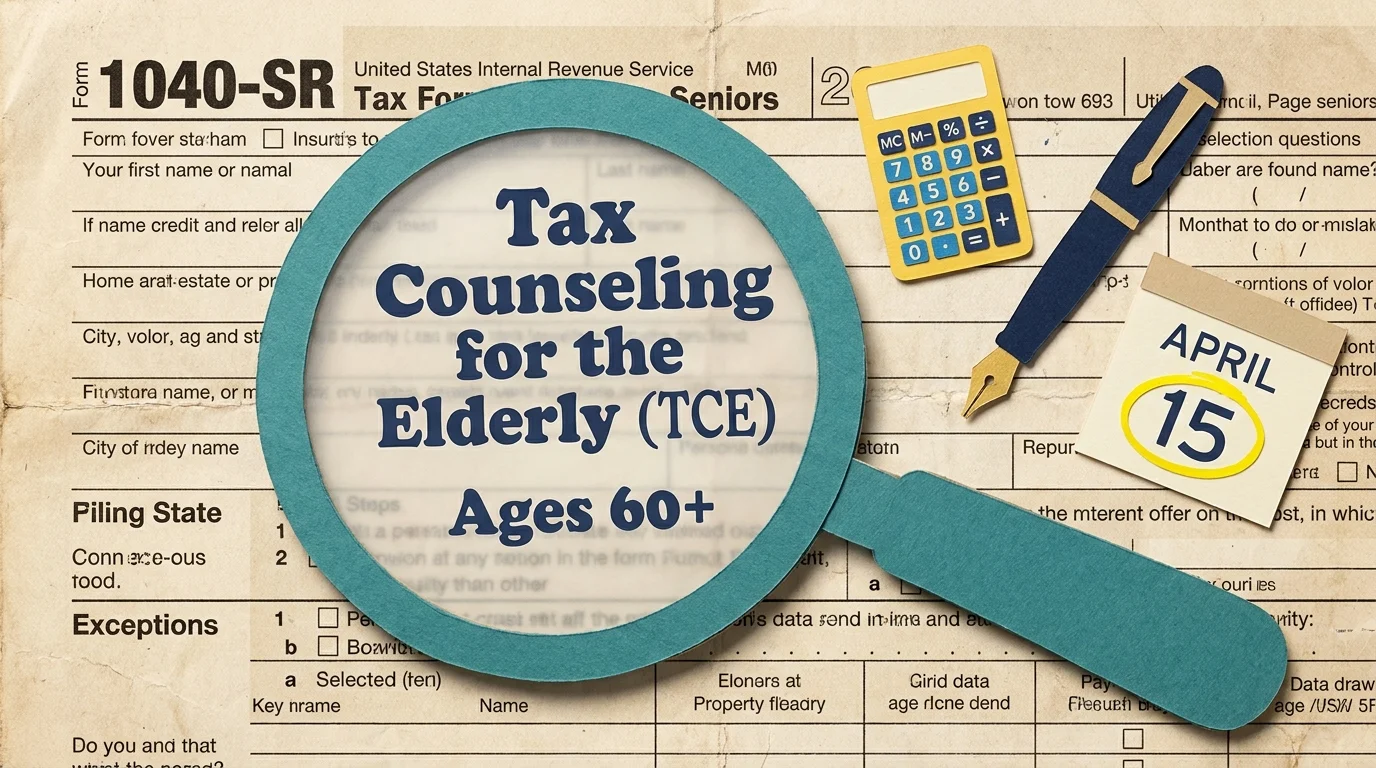
Available to individuals aged 60 and older, the TCE program offers free tax preparation and counseling. IRS-certified volunteers specialize in pension and retirement-related tax issues, ensuring you accurately report Required Minimum Distributions (RMDs) and maximize deductions. If your income is $25,000, for example, up to 50% of your Social Security benefits may be taxable; a TCE volunteer can help you apply the correct formulas so you do not overpay.
5. The National Benefit Finder Tool
Sifting through hundreds of separate government aid websites is tedious. A single, centralized tool exists to cross-reference your situation against available aid. By completing a confidential 15-minute questionnaire on Benefits.gov, you receive a tailored list of federal and state programs you are eligible for, ranging from property tax relief to broadband subsidies.
6. Official Retirement Calculators and Planners
Deciding exactly when to claim your retirement benefits dictates your income for the rest of your life. Claiming early at age 62 permanently reduces your monthly check by up to 30% compared to waiting for your Full Retirement Age (FRA). Creating a free online account through the Social Security Administration (SSA) gives you direct access to personalized estimates based on your actual earnings history. Utilizing this resource helps you run scenarios—such as working part-time while claiming—to prevent unexpected benefit withholdings.
Securing Housing, Utility, and Nutrition Benefits
Fixed incomes are highly sensitive to inflation, particularly when it comes to daily living essentials like groceries and electricity. Utilizing local and federal assistance ensures your basic needs are met without tapping into emergency savings.
7. Low Income Home Energy Assistance Program (LIHEAP)
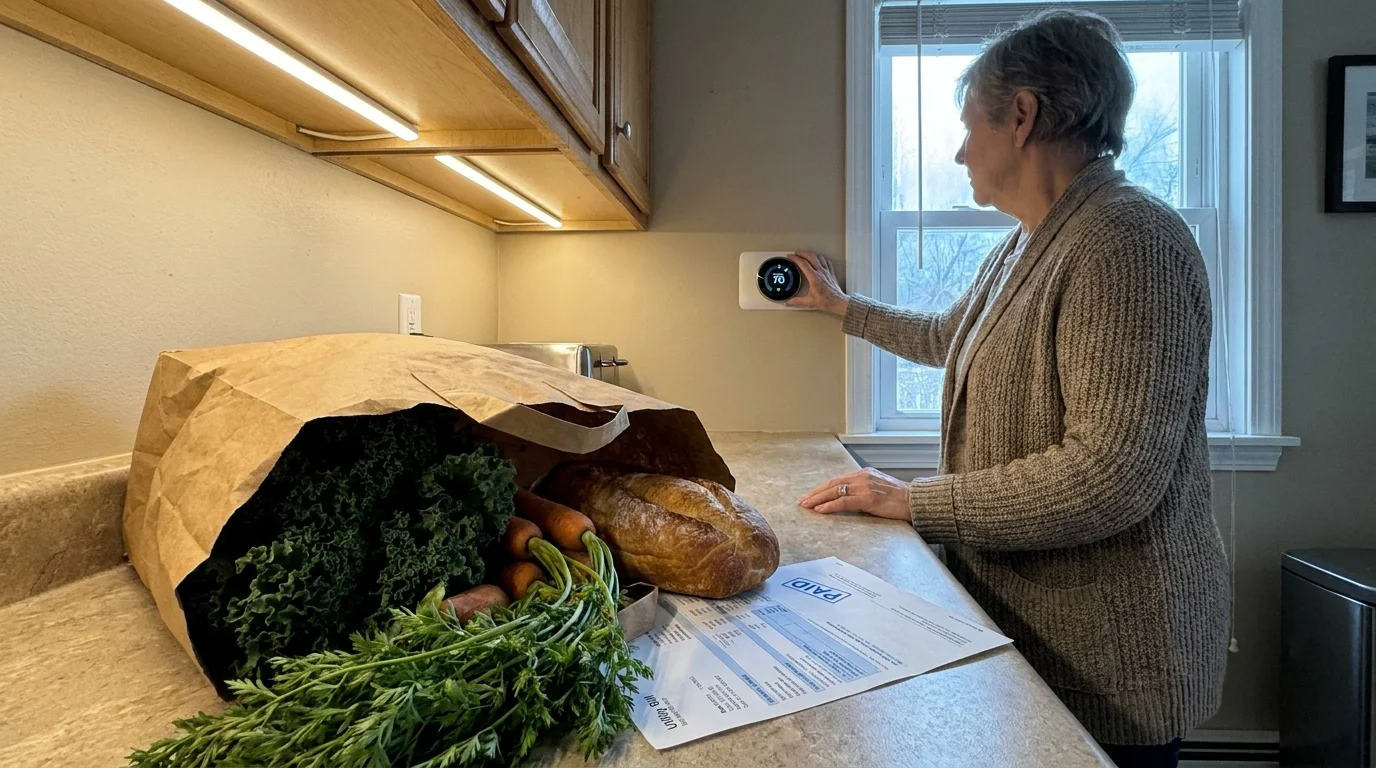
Extreme temperatures present a severe health risk to seniors, yet many hesitate to run their heating or air conditioning due to cost. LIHEAP provides federally funded grants to offset the costs of home energy bills. In addition to direct bill payment assistance, the program often funds low-cost weatherization projects—such as installing weather stripping or repairing faulty HVAC systems—which permanently lower your monthly utility footprint.
8. Supplemental Nutrition Assistance Program (SNAP) for Seniors
Historically, senior participation in SNAP has been low due to stigma or the misconception that the benefit amount is too small to bother with. However, specialized deduction rules for seniors—such as subtracting out-of-pocket medical expenses over $35 from your gross income—can drastically increase your monthly benefit. Furthermore, many local farmers’ markets now accept SNAP and offer “double up” programs, effectively doubling your purchasing power for fresh produce.
9. Local Area Agencies on Aging (AAA) Resources
Your local AAA is a central hub for community-based support, offering free or low-cost services like Meals on Wheels, non-medical transportation to doctor appointments, and home modification grants (such as installing grab bars or wheelchair ramps). You can quickly locate the agency serving your specific zip code by utilizing the official Eldercare Locator, ensuring you connect directly with vetted local providers.
| Resource Category | Program Name | Estimated Annual Value / Savings |
|---|---|---|
| Healthcare | Medicare Savings Programs (MSP) | $2,096+ (covers Part B premiums) |
| Prescriptions | Extra Help (Part D) | Up to $5,300 (subsidizes drug costs) |
| Nutrition | SNAP (Senior Household Average) | $1,200 – $1,500+ |
| Utilities | LIHEAP | $200 – $1,000 (varies heavily by state) |
Accessing Free Legal and Community Support
Securing your legacy and protecting your rights should not be limited to those who can afford expensive legal retainers. Free legal clinics and community wellness programs are essential tools for long-term stability.
10. Pro Bono Legal Services
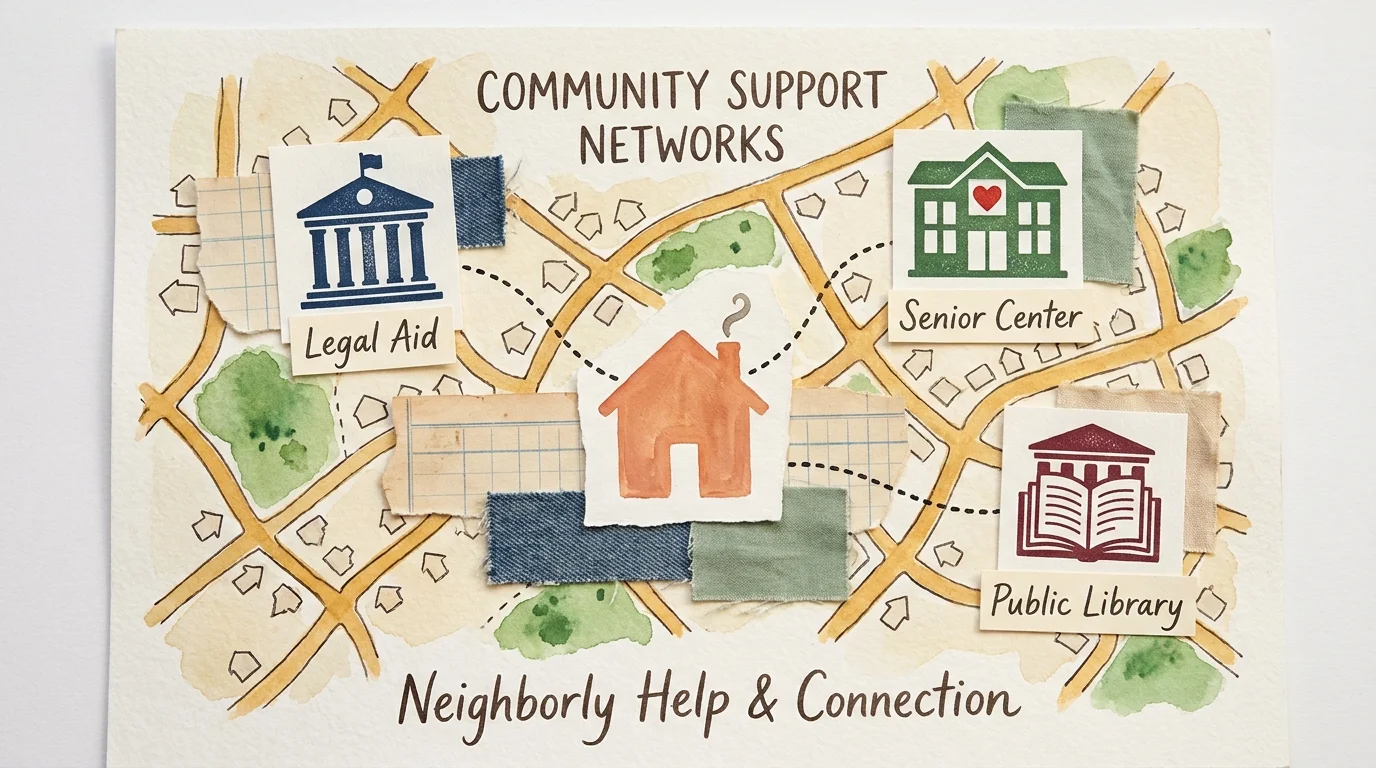
Legal Services Corporation (LSC)-funded programs offer high-quality civil legal assistance to low-income Americans. For seniors, this often translates to free help drafting advance directives, living wills, and durable powers of attorney. Having these documents legally binding ensures your financial and healthcare wishes are respected if you become incapacitated. These attorneys can also defend seniors against illegal evictions or predatory debt collection practices.
11. Evidence-Based Wellness and Fall Prevention Programs
A single fall can result in tens of thousands of dollars in medical bills, prolonged rehabilitation, and a loss of independence. Many community centers offer free, scientifically backed wellness courses—such as Tai Chi for Arthritis or matter-of-balance classes. Participating in these programs actively reduces your risk of injury, acting as a preventative financial shield against sudden, catastrophic medical debt.

Defending Against Rising Scams and Fraud
Seniors are disproportionately targeted by financial fraudsters. In 2026, perpetrators use highly sophisticated tactics, including AI voice cloning to mimic loved ones in distress, phantom debt collection, and complex Medicare fraud schemes.
The Consumer Financial Protection Bureau (CFPB) offers extensive free resources to help older adults identify and report financial exploitation. The most effective way to protect your assets is to be proactive rather than reactive. Implement the following steps to secure your financial identity:
- Initiate a Credit Freeze: Contact the three major credit bureaus (Equifax, Experian, TransUnion) to freeze your credit file. This prevents scammers from opening new credit cards or loans in your name. It is completely free to freeze and unfreeze your credit.
- Review Medical Summary Notices: Routinely check your Medicare Summary Notices for services or medical equipment (like knee braces or testing kits) you did not order. Fraudulent billing drains the system and can compromise your personal medical records.
- Establish Trusted Contacts: Add a trusted contact to your brokerage or banking accounts. Financial institutions can contact this designated person if they detect unusual withdrawal requests, adding a layer of friction against exploitation.
- Ignore Urgent Demands for Payment: Legitimate government agencies like the IRS or SSA will never call you demanding immediate payment via gift cards, wire transfers, or cryptocurrency. If you receive such a call, hang up immediately.

Avoiding Common Mistakes When Applying for Aid
The landscape of senior assistance is full of nuances. A common financial mistake is self-disqualification—assuming your income or assets are slightly too high to qualify for help. Federal and state thresholds change annually, and certain types of income or assets are frequently excluded from the calculation. Always submit an application and let the agency make the final determination.
Another major pitfall is paying for services that are legally required to be free. Unscrupulous companies often create official-looking websites and charge “processing fees” to help you apply for Social Security, Medicare, or housing assistance. You never have to pay a fee to access federal or state benefits. Always ensure you are navigating on secure, official `.gov` websites when submitting sensitive personal information.
Frequently Asked Questions
Do I have to pay taxes on government assistance programs?
In most cases, direct assistance like SNAP, LIHEAP, and Medicare Savings Programs are not considered taxable income. However, Social Security retirement benefits can be taxed depending on your combined income (your Adjusted Gross Income plus nontaxable interest, plus half of your Social Security benefits). If this total exceeds certain IRS thresholds, a portion of your benefits will be subject to federal income tax.
Will applying for aid lower my Social Security payments?
No; federal assistance programs like SNAP or utility assistance operate entirely independently from your earned Social Security retirement benefits. Receiving local community aid or food assistance will never result in a reduction of your monthly Social Security check.
What if I own a home but have a low monthly income; can I still qualify?
Yes. Many senior assistance programs are designed specifically for individuals who are “house rich but cash poor.” Programs like Medicaid, Medicare Savings Programs, and SNAP generally exclude the value of your primary residence when calculating your total assets, provided you live in the home.
How do I know if a “free” service is actually a scam?
Legitimate free services funded by the government will never ask for a credit card number to hold your spot, nor will they guarantee a specific benefit amount in exchange for a fee. Always verify the organization’s credentials by cross-referencing them with official government portals or your local Area Agency on Aging. If a representative uses aggressive tactics or demands immediate action, it is a scam.
For official financial guidance for seniors, visit
Benefits.gov, AARP, National Institute on Aging (NIA), Administration for Community Living (ACL) and Eldercare Locator.
Disclaimer: This article is for informational purposes and is not a substitute for professional financial or tax advice. Consult with a certified financial planner or tax professional for guidance on your specific situation.









Leave a Reply