The Best Strength Training Exercises for Bone Density After 60
As you navigate the vibrant years after 60, maintaining your health becomes a cornerstone of an active, independent life. One critical aspect often overlooked until a problem arises is bone density. Your bones, far from being static structures, are living tissues that constantly renew themselves. However, with age, this renewal process can slow, leading to thinner, weaker bones. This article guides you through the most effective strength training exercises specifically designed to enhance your bone density, offering a powerful strategy to prevent osteoporosis and maintain robust skeletal health.
Table of Contents
- Why Bone Density Matters as You Age
- How Strength Training Builds Stronger Bones
- Safety First: Consulting Your Doctor and Proper Form
- Types of Strength Training for Bone Health
- Best Strength Training Exercises for Bone Density After 60
- A Sample Weekly Strength Training Routine
- Nutrition’s Role in Bone Health
- Beyond Strength Training: Other Bone-Boosting Habits
- Consistency is Key: Making it a Habit
- Take Action for Stronger Bones

Why Bone Density Matters as You Age
Your bones provide the framework for your body, protect your organs, and store vital minerals. After age 30, you naturally start to lose some bone density, a process that accelerates for women after menopause. This bone loss can lead to a condition called osteoporosis, where bones become porous, brittle, and highly susceptible to fractures. Fractures, particularly of the hip, spine, or wrist, can significantly impact your independence and quality of life. The Centers for Disease Control and Prevention (CDC) reports that hip fractures are a serious health concern for older adults, often leading to decreased mobility and increased risk of future health problems. Understanding this risk empowers you to take proactive steps to strengthen your bones. By focusing on bone density exercises, you actively work to counteract this natural decline, preserving your strength and mobility for years to come.
How Strength Training Builds Stronger Bones
You might wonder how lifting weights or performing bodyweight exercises directly impacts your bones. The answer lies in a fascinating physiological principle: mechanical loading. When you engage in strength training, your muscles pull on your bones. This stress signals to your body that your bones need to be stronger to withstand the forces placed upon them. In response, your bones adapt by increasing their density and improving their internal structure. This process is known as mechanotransduction, a fancy term for how cells sense and respond to mechanical stimuli.
Think of it this way: your bones are like a smart, adaptive structure. When you apply appropriate stress through strength training, you tell them, “Get stronger!” This isn’t just about building muscle. It’s about stimulating the bone cells, called osteoblasts, to produce more bone tissue. Regular, progressive strength training effectively reverses or significantly slows bone mineral density loss. This makes strength training seniors engage in a powerful tool for osteoporosis prevention.

Safety First: Consulting Your Doctor and Proper Form
Before you begin any new exercise program, especially one involving strength training, you must consult your doctor. This crucial step ensures that the exercises are appropriate for your individual health status, particularly if you have pre-existing conditions like severe osteoporosis, heart disease, joint issues, or are taking certain medications. Your doctor can offer personalized advice and clear you to start safely.
Once cleared, focus on proper form above all else. Incorrect form can negate the benefits of an exercise and significantly increase your risk of injury. Here are some fundamental safety principles:
- Start Slowly and Gradually Progress: Do not attempt too much too soon. Begin with lighter weights or fewer repetitions and gradually increase the intensity, duration, or resistance as your strength improves.
- Listen to Your Body: Pain is a signal to stop. Do not push through sharp pain. Some muscle soreness after a workout is normal, but joint pain or intense discomfort is not.
- Warm-Up: Dedicate 5-10 minutes to light cardio (like walking or cycling) and dynamic stretches (arm circles, leg swings) before your strength training session. This prepares your muscles and joints for activity.
- Cool-Down: After your workout, spend 5-10 minutes on static stretches, holding each stretch for 20-30 seconds. This helps improve flexibility and reduce muscle soreness.
- Breathe: Remember to breathe throughout each exercise. Exhale during the effort phase (e.g., as you lift the weight) and inhale during the recovery phase (e.g., as you lower the weight).
- Hydrate: Drink water before, during, and after your workouts.
Consider working with a certified personal trainer, especially one experienced with older adults, for a few sessions. They can teach you proper form and help you design a safe, effective program tailored to your needs.
Types of Strength Training for Bone Health
When you think about strength training for bone density, you are primarily looking for exercises that involve two key components:
- Weight-Bearing Exercises: These are activities where your body works against gravity while standing upright. They are excellent for the bones in your legs, hips, and spine. Examples include walking, jogging, dancing, and stair climbing. While beneficial, these primarily offer cardiovascular benefits, and for significant bone density gains, you need to add resistance.
- Muscle-Strengthening Exercises: These exercises involve moving your body or a weight against resistance. They are crucial for stimulating bone growth directly. This is where the term “strength training” truly applies.
To build bone strength after 60, you want to combine these elements. Here are the effective tools and approaches you can use:
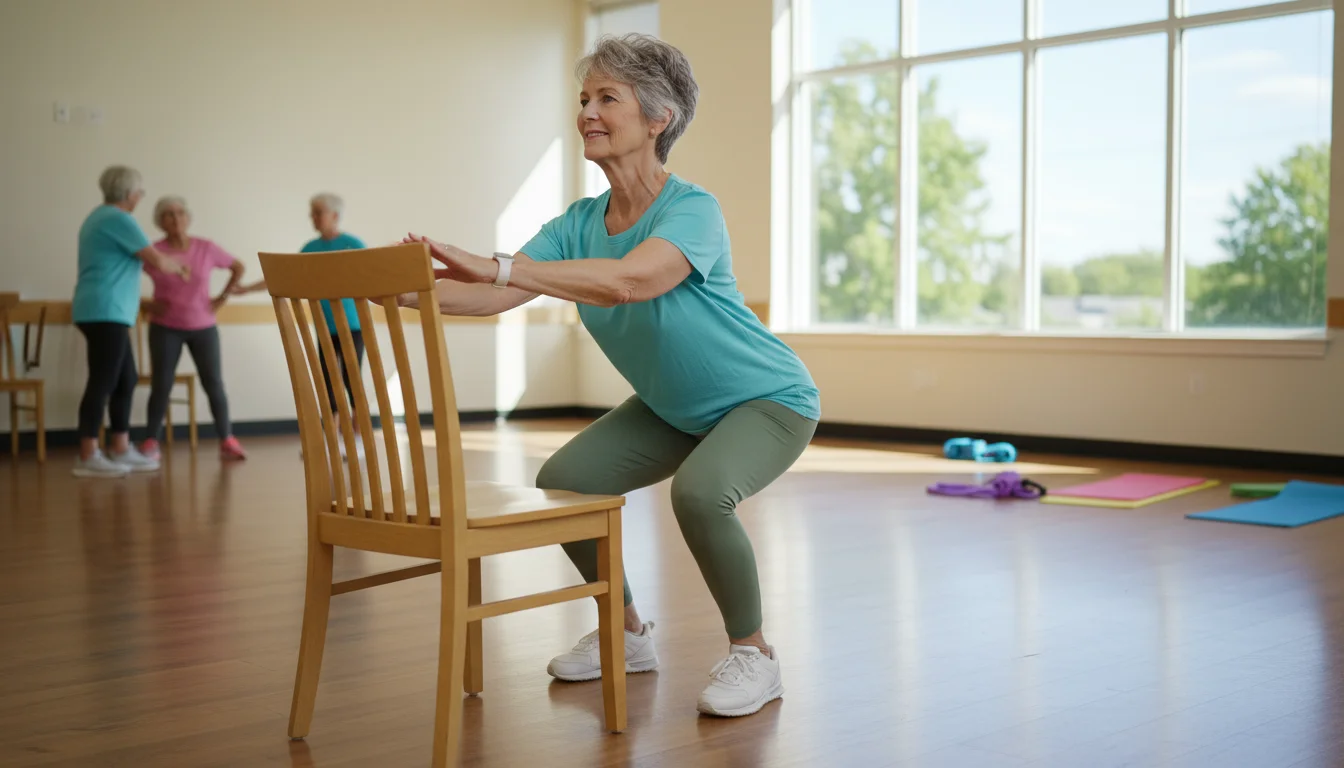
- Bodyweight Exercises: Using your own body weight as resistance is a fantastic starting point. It requires no equipment and can be done anywhere. Exercises like squats, lunges, and push-ups are highly effective.
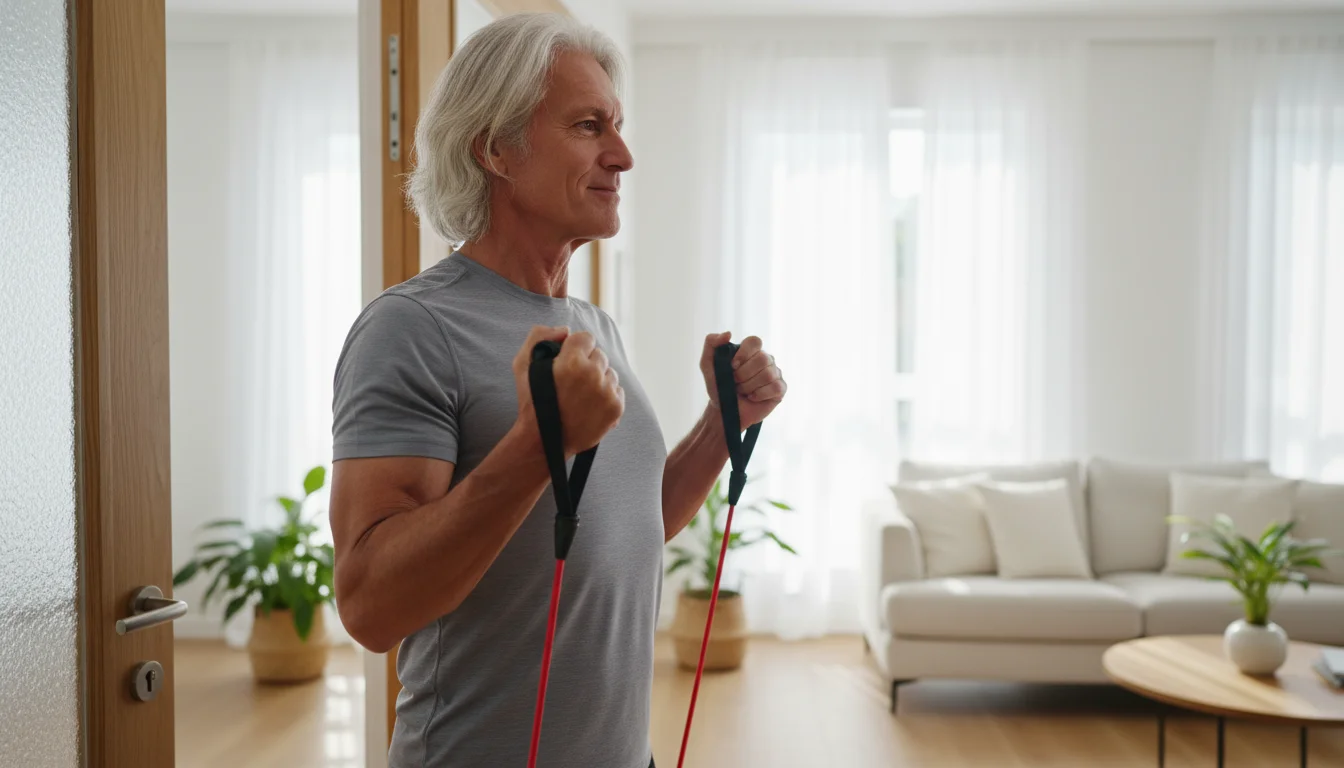
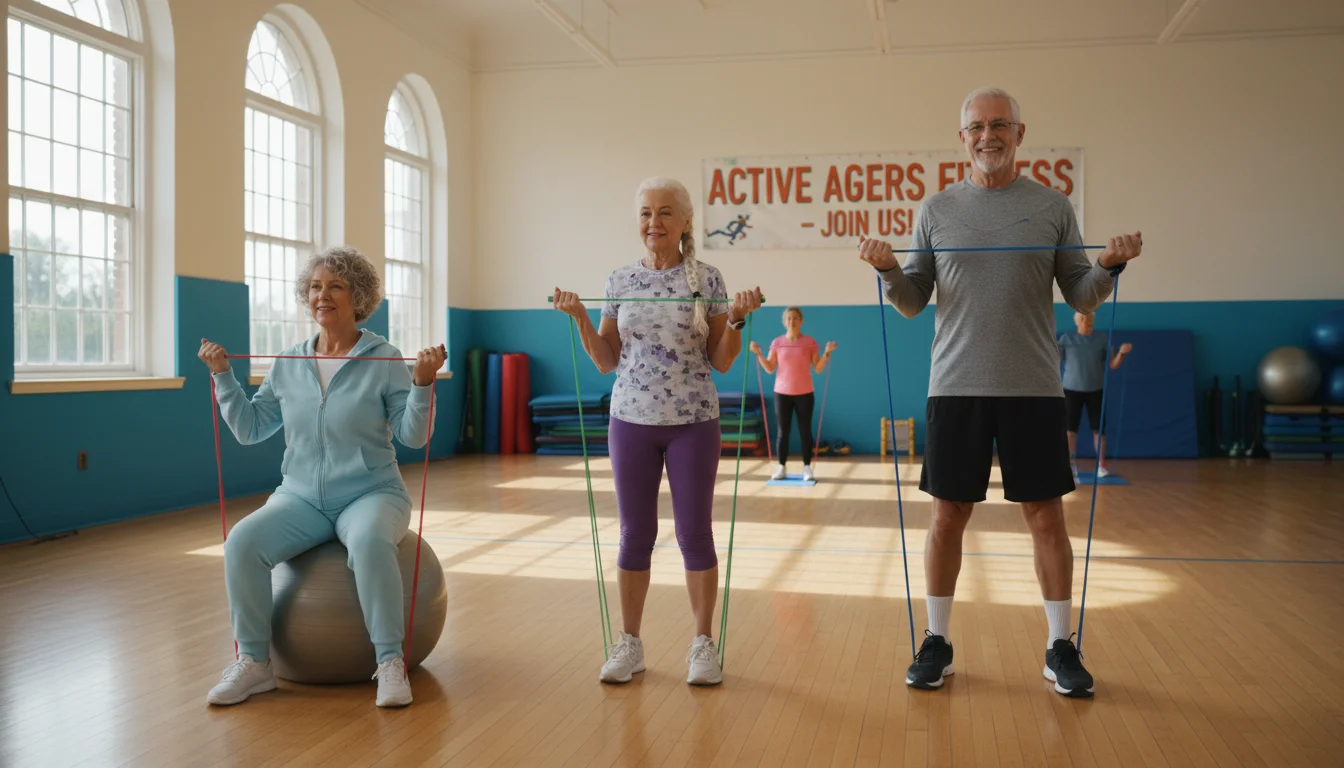
- Resistance Bands: These versatile, portable, and inexpensive tools offer varying levels of resistance. They are excellent for targeting specific muscle groups and are gentler on joints than heavy weights.
- Free Weights (Dumbbells and Barbells): Free weights provide a direct gravitational load, which is highly effective for bone stimulation. Start with very light weights and focus on control.
- Weight Machines: Machines provide a guided range of motion, which can be beneficial if you are new to strength training or have balance concerns. However, they may not engage stabilizing muscles as much as free weights.
The principle of progressive overload is vital for continuous improvement. This means gradually increasing the challenge to your muscles and bones over time. You can achieve this by:
- Increasing the weight or resistance.
- Performing more repetitions or sets.
- Reducing rest time between sets.
- Increasing the frequency of your workouts.
Remember, gradual progression prevents injury and ensures your bones continue to receive the stimulus they need to grow stronger.

Best Strength Training Exercises for Bone Density After 60
The best exercises for bone strength after 60 focus on large muscle groups and compound movements, which engage multiple joints and muscles simultaneously. These create the most significant mechanical load on your bones, stimulating osteogenesis (new bone formation). Aim for 2-3 sessions per week, with at least one rest day in between. Perform 1-3 sets of 8-12 repetitions for each exercise, or as many as you can with good form, stopping before fatigue compromises your technique.
Here are specific, actionable exercises:
Lower Body Exercises for Hips and Spine
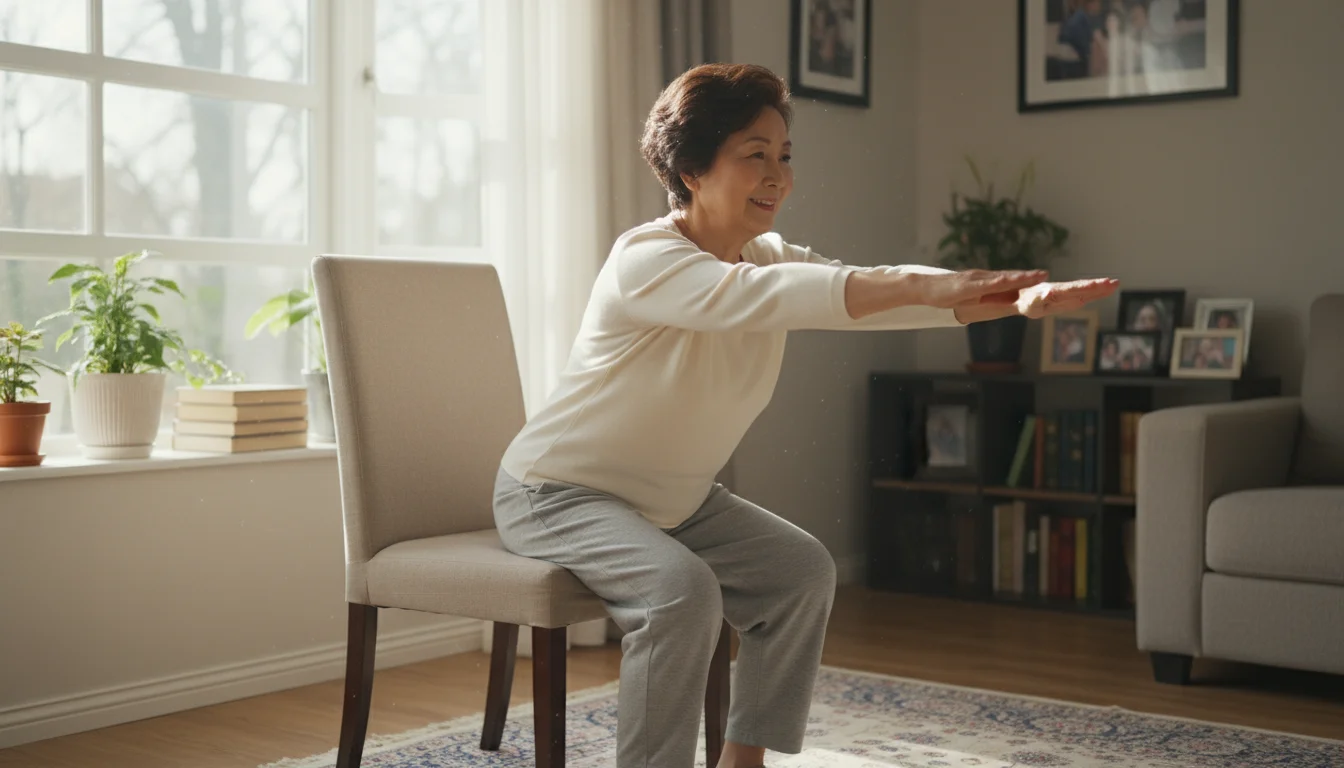
- Chair Squats (or Assisted Squats)
- Benefit: Targets major muscles in the legs and glutes, placing direct load on the hips and spine.
- How to: Stand in front of a sturdy chair with your feet shoulder-width apart. Keeping your chest up and back straight, slowly lower your hips as if you are going to sit down. Tap the chair lightly with your glutes, then push through your heels to stand back up. You can extend your arms forward for balance.
- Progression: Use a lower chair, hold a light dumbbell or water bottle at your chest, or reduce reliance on the chair, eventually performing full bodyweight squats.
- Standing Lunges (Modified)
- Benefit: Strengthens legs and glutes, improves balance, and loads hip bones.
- How to: Stand tall with your feet hip-width apart. Take a step forward with one leg, keeping your torso upright. Lower your hips until both knees are bent at approximately a 90-degree angle. Ensure your front knee stays directly over your ankle, and your back knee hovers above the floor. Push off your front foot to return to the starting position. Alternate legs. If balance is an issue, hold onto a sturdy chair or wall for support, or perform reverse lunges (stepping backward).
- Progression: Increase the depth of the lunge, perform without assistance, or hold light weights.
- Calf Raises
- Benefit: Strengthens calf muscles and loads the ankle and lower leg bones.
- How to: Stand tall with your feet hip-width apart, holding onto a sturdy surface for balance if needed. Slowly raise yourself up onto the balls of your feet, lifting your heels as high as possible. Hold briefly, then slowly lower your heels back to the floor.
- Progression: Perform without assistance, perform one leg at a time, or hold light dumbbells.
- Glute Bridges
- Benefit: Strengthens glutes and hamstrings, with less direct spinal loading than standing exercises, but still beneficial for hip bone health.
- How to: Lie on your back with your knees bent and feet flat on the floor, hip-width apart. Your arms should be at your sides. Engage your core and glutes, then lift your hips off the floor until your body forms a straight line from your shoulders to your knees. Hold for a moment, then slowly lower your hips back down.
- Progression: Hold the top position longer, perform with one leg extended, or place a light weight plate on your hips.
Upper Body and Core Exercises for Spine and Arms
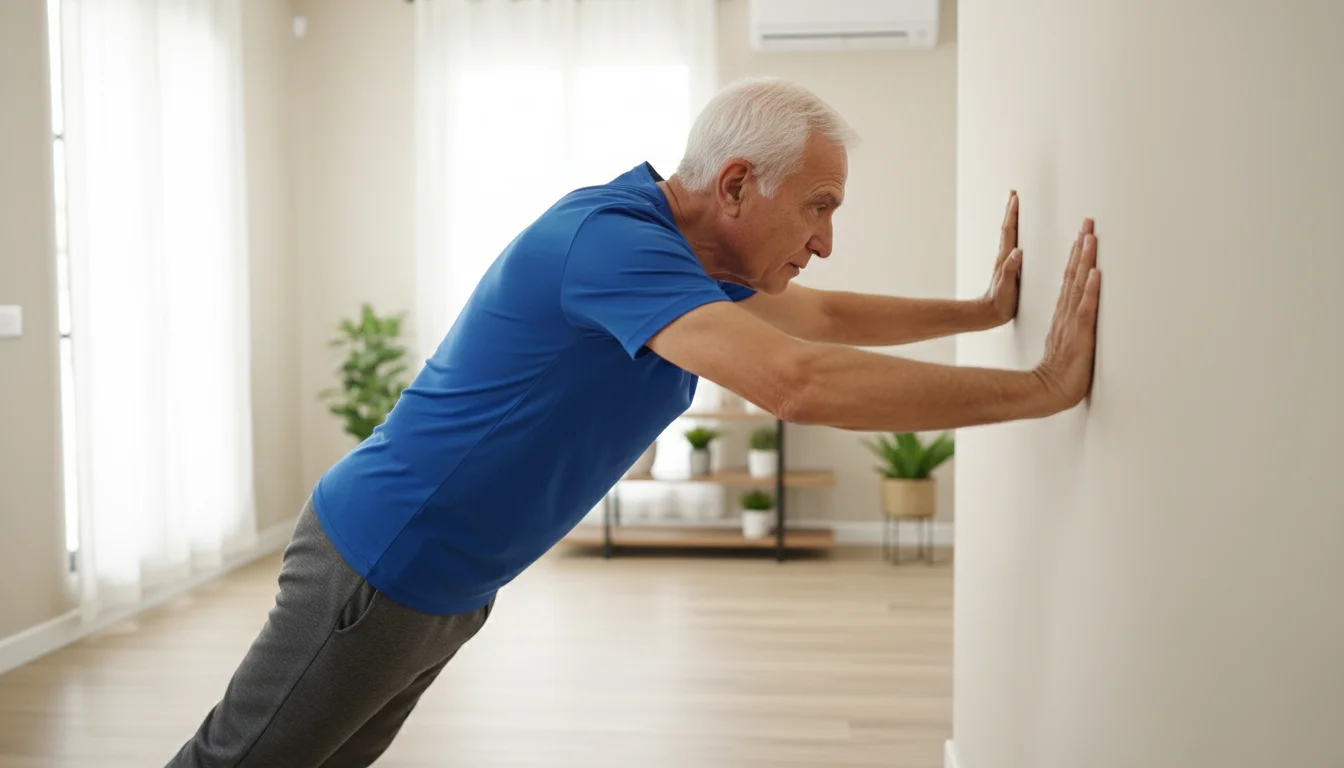
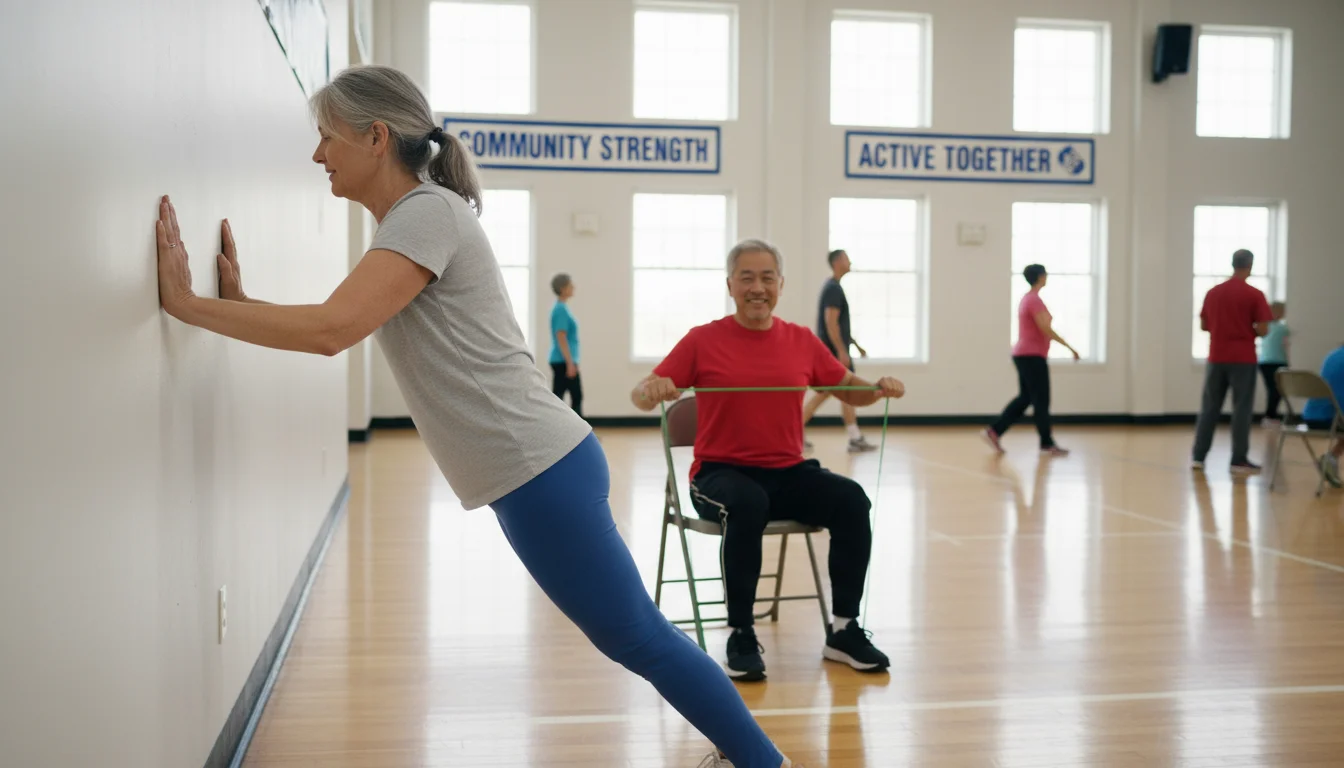
- Wall Push-Ups (or Kneeling Push-Ups)
- Benefit: Strengthens chest, shoulders, and triceps, loading the arm and shoulder bones.
- How to (Wall Push-Up): Stand facing a wall, about arm’s length away. Place your hands slightly wider than shoulder-width apart on the wall, at chest height. Keeping your body straight, bend your elbows and lean towards the wall. Push back to the starting position.
- How to (Kneeling Push-Up): Start on your hands and knees on the floor. Walk your hands forward until your body forms a straight line from your head to your knees. Keeping your core tight, bend your elbows and lower your chest towards the floor. Push back up.
- Progression: Move your feet further from the wall (for wall push-ups) or transition to kneeling push-ups on an incline (e.g., against a sturdy bench), and eventually to full kneeling push-ups on the floor.
- Dumbbell Rows (or Resistance Band Rows)
- Benefit: Strengthens back muscles and biceps, applying load to the spine and arm bones.
- How to (Dumbbell Row): Stand with feet shoulder-width apart, holding a light dumbbell in one hand. Hinge forward at your hips, keeping your back straight and core engaged. Let the dumbbell hang towards the floor. Pull the dumbbell up towards your chest, squeezing your shoulder blade. Slowly lower the weight. You can support yourself by placing your free hand on a sturdy chair or bench.
- How to (Resistance Band Row): Anchor a resistance band to a sturdy object at waist height (e.g., a doorknob). Sit or stand facing the anchor point, holding the ends of the band in each hand. Pull the band towards your torso, squeezing your shoulder blades together. Slowly release.
- Progression: Increase dumbbell weight or resistance band tension.
- Overhead Press (Light Dumbbells or Resistance Bands)
- Benefit: Strengthens shoulders and triceps, loading the upper arm and shoulder bones.
- How to: Sit or stand tall, holding a light dumbbell in each hand at shoulder height, palms facing forward. Your elbows should be bent. Press the dumbbells straight up overhead until your arms are fully extended (but not locked). Slowly lower the dumbbells back to the starting position.
- Progression: Increase dumbbell weight. For resistance bands, stand on the band with your feet and press the handles overhead.
- Bicep Curls
- Benefit: Strengthens biceps, beneficial for arm bone density.
- How to: Stand or sit tall, holding a light dumbbell in each hand, palms facing forward, arms extended down. Keeping your elbows close to your body, slowly curl the weights up towards your shoulders. Squeeze your biceps at the top, then slowly lower the weights back down.
- Progression: Increase dumbbell weight.
- Plank (Modified)
- Benefit: Strengthens core muscles, crucial for spinal support and posture, which indirectly benefits bone health and fall prevention.
- How to: Start on your hands and knees. Extend your legs straight back, resting on your knees (modified plank) or on your toes (full plank). Ensure your body forms a straight line from your head to your knees or heels. Engage your core, keeping your hips from sagging or rising too high. Hold this position for 20-30 seconds, or as long as you can maintain proper form. Rest and repeat.
- Progression: Hold for longer durations, or progress from a modified plank on your knees to a full plank on your toes.
- Bird-Dog
- Benefit: Improves core stability, balance, and spinal health.
- How to: Start on your hands and knees, hands directly under your shoulders, knees under your hips. Keep your back flat and core engaged. Slowly extend your right arm straight forward and your left leg straight back simultaneously, maintaining a level back and hips. Hold for a few seconds, then return to the starting position. Alternate sides.
- Progression: Hold the extended position for longer, ensuring no arching or rounding of the back.
A Sample Weekly Strength Training Routine
This table provides a balanced weekly routine incorporating the best exercises for bone strength after 60. Remember to warm up before and cool down after each session.
| Day | Workout Focus | Exercises (1-3 sets of 8-12 repetitions) |
|---|---|---|
| Monday | Full Body Strength |
|
| Tuesday | Rest or Light Activity (e.g., walking) | |
| Wednesday | Full Body Strength |
|
| Thursday | Rest or Light Activity | |
| Friday | Full Body Strength |
|
| Saturday | Rest or Light Activity | |
| Sunday | Rest or Light Activity |
Adjust the number of sets and repetitions based on your fitness level and how you feel. The goal is consistency and gradual progression.

Nutrition’s Role in Bone Health
While strength training provides the mechanical stimulus for bone growth, your body needs the right building blocks. Nutrition plays an equally critical role in maintaining and improving your bone density. Focus on these key nutrients:
- Calcium: This is the primary mineral component of bone.
- Sources: Dairy products (milk, yogurt, cheese), fortified plant milks, leafy green vegetables (kale, collard greens), fortified cereals, calcium-set tofu, canned sardines with bones.
- Recommended Intake: The National Institutes of Health (NIH) recommends 1,200 mg per day for women over 50 and men over 70, and 1,000 mg per day for men aged 51-70.
- Vitamin D: Essential for your body to absorb calcium.
- Sources: Fatty fish (salmon, mackerel, tuna), fortified dairy products, fortified cereals, egg yolks. Sunlight exposure also helps your body produce Vitamin D.
- Recommended Intake: The NIH recommends 600-800 IU per day for adults over 70. Many older adults may need more, especially if sun exposure is limited. Talk to your doctor about testing your Vitamin D levels.
- Protein: An often-overlooked nutrient for bone health. Protein makes up about 50% of bone volume and a third of its mass.
- Sources: Lean meats, poultry, fish, eggs, dairy, legumes, nuts, seeds.
- Action: Ensure adequate protein intake to support both muscle and bone repair and growth.
- Other Micronutrients: Magnesium, potassium, and Vitamin K also contribute to bone health. A varied diet rich in fruits, vegetables, and whole grains generally provides these nutrients.
Your diet directly supports your strength training efforts, providing the raw materials your bones need to become denser and stronger.
Beyond Strength Training: Other Bone-Boosting Habits
Strengthening your bones involves a holistic approach. Beyond targeted exercises, consider these additional habits to support your skeletal health and reduce fracture risk:
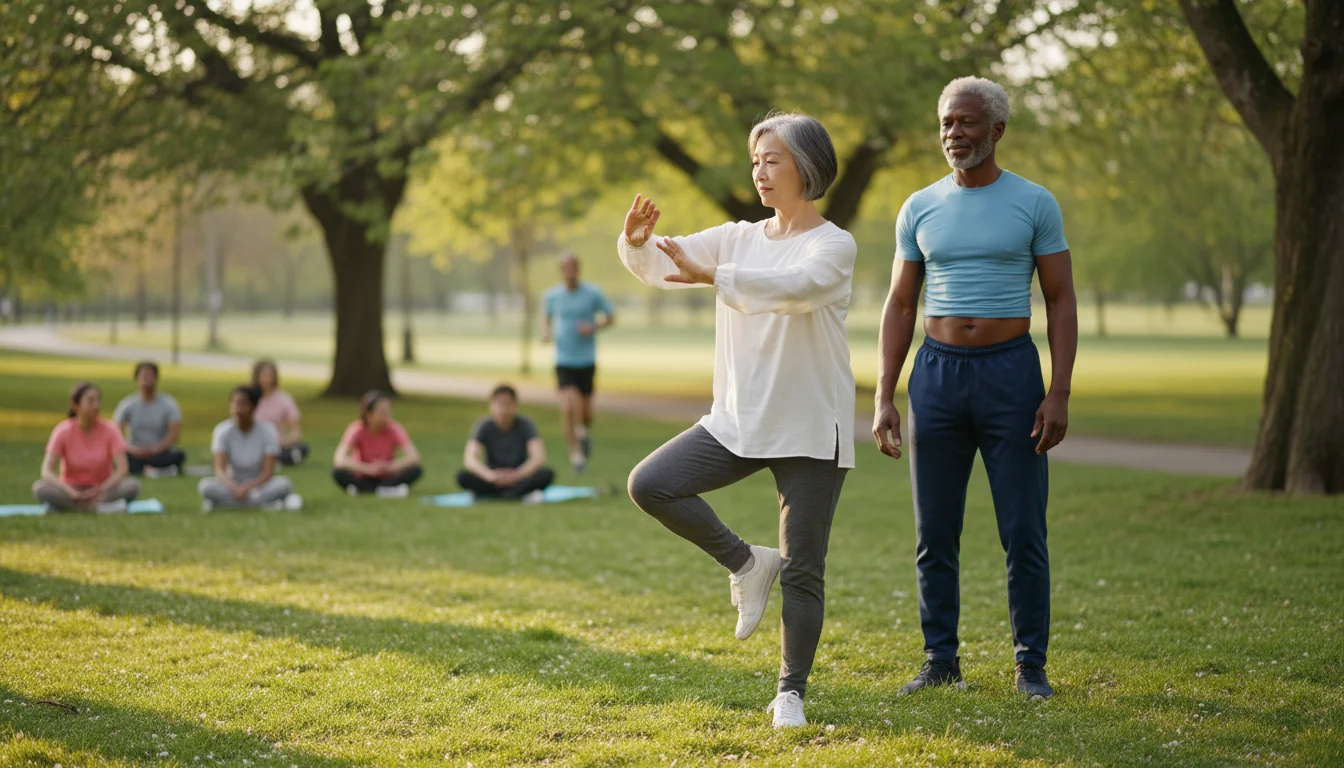
- Balance Training: While not directly building bone, improving your balance significantly reduces your risk of falls, which are a major cause of fractures.
- Action: Incorporate exercises like standing on one leg (holding onto support), heel-to-toe walking, and tai chi into your routine.
- Posture Awareness: Maintaining good posture helps distribute weight evenly through your spine, reducing stress on individual vertebrae.
- Action: Practice sitting and standing tall, engaging your core. Pilates and yoga can improve core strength and flexibility, supporting better posture.
- Weight-Bearing Cardio: Activities like brisk walking, hiking, dancing, or climbing stairs complement strength training by providing different types of bone-stimulating impact.
- Action: Aim for at least 150 minutes of moderate-intensity weight-bearing cardio per week.
- Avoid Smoking and Excessive Alcohol: Both smoking and heavy alcohol consumption negatively impact bone density and increase fracture risk.
- Action: If you smoke, seek resources to quit. Limit alcohol intake to moderate levels (up to one drink per day for women, up to two for men).
- Regular Medical Check-ups: Discuss bone health with your doctor. They may recommend bone density screenings (DEXA scans) or supplements based on your risk factors.
- Action: Stay proactive about your health and communicate openly with your healthcare provider.

Consistency is Key: Making it a Habit
The benefits of strength training for bone density only materialize with consistent effort. You will not see significant changes overnight, but consistent adherence over months and years produces measurable improvements. Consider these tips for making exercise a sustainable habit:
- Set Realistic Goals: Start small. Aim for two strength training sessions a week initially, and gradually build up to three.
- Find an Exercise Partner: Accountability can be a powerful motivator. Exercising with a friend or joining a group class can make workouts more enjoyable.
- Schedule Your Workouts: Treat your exercise appointments like any other important commitment. Put them on your calendar.
- Create a Dedicated Space: Even a small corner of a room can become your workout zone, making it easier to start.
- Track Your Progress: Keep a simple log of the exercises you do, the weights you lift, and the repetitions you achieve. Seeing your progress provides motivation.
- Celebrate Small Wins: Acknowledge your efforts and successes, whether it’s completing all your sets or increasing your weight slightly.
- Be Patient and Persistent: Building bone density takes time. Focus on the long-term benefits for your overall health and independence.
Take Action for Stronger Bones
You possess the power to significantly influence your bone health. By integrating best exercises for bone strength after 60 into your routine, combined with a nutrient-rich diet and healthy lifestyle choices, you actively build a stronger foundation for a vibrant and independent future. Remember, every repetition and every healthy meal contributes to your resilience. Start today, prioritize safety, listen to your body, and embrace this empowering journey toward stronger bones and a more active life.
Medical Disclaimer: The information provided in this article is for general informational purposes only and does not constitute medical advice. Always consult with a qualified healthcare professional, such as your physician, before starting any new exercise program or making changes to your diet, especially if you have pre-existing medical conditions or concerns. This article is not intended to diagnose, treat, cure, or prevent any disease. Individual results may vary.