

Managing a household budget on a fixed retirement income presents unique financial challenges. When food prices rise—and they have fluctuated sharply in recent years—you feel the impact at the checkout counter immediately. You might already clip coupons, buy store brands, and avoid expensive processed foods, but you could still be leaving money on the table simply by doing your shopping on the wrong day of the week.
While national retail giants like Walmart and Target do not offer age-based discounts, many powerful regional supermarket chains actively reward older adults. Shopping strategically on designated senior discount days can instantly reduce your grocery bill by 5% to 10%. Over a year, this simple scheduling shift can keep hundreds of dollars in your bank account. If you spend $400 a month on groceries, a consistent 10% discount saves you $480 annually; that is cash you can redirect toward utilities, medical bills, or a growing savings account.

Harris Teeter: Thursdays for the Club 60 Crowd
Harris Teeter provides a 5% discount every Thursday to shoppers aged 60 and older through its Club 60 program. To take advantage of this benefit, you must link your age to your Very Important Customer (VIC) loyalty card by presenting your ID at the customer service desk. Once your account is activated, you simply tell the cashier you qualify for the Club 60 discount before you pay.
If you typically spend $150 a week on groceries, reserving your shopping trips for Thursdays saves you $7.50 a week, or $390 a year. Keep in mind that this 5% discount is calculated after all other manufacturer coupons and standard VIC discounts have been deducted. Like most grocery programs, this discount excludes specific high-tax or regulated items, such as fuel, pharmacy prescriptions, lottery tickets, and gift cards.

Fred Meyer: First Tuesday Savings
Fred Meyer, a prominent subsidiary of the Kroger family of stores, offers a highly beneficial 10% senior discount on the first Tuesday of every month for shoppers aged 55 and older. This generous discount focuses heavily on private-label groceries—such as Simple Truth and Kroger brand items—and it also extends well beyond the food aisles.
You can apply this 10% discount to apparel, shoes, housewares, and most electronics. If you need to replace a $60 coffee maker and want to buy $100 worth of store-brand pantry staples, shopping on the first Tuesday saves you $16 instantly. Be aware that the discount does not apply to name-brand food items or fresh produce sold by the pound. Always have your state-issued ID ready at checkout to verify your age.

Hy-Vee: Mid-Week Deals for Shoppers 55 and Older
Hy-Vee operates hundreds of locations across the Midwest and frequently dedicates Wednesdays or Thursdays as senior discount days. Shoppers aged 55 and over can typically save 5% on their total grocery purchase. Because Hy-Vee stores are independently operated, the exact day and discount percentage can vary by location; some stores even offer up to 10% off.
According to AARP, many grocery chains offer 5% to 10% discounts to older customers on designated days, but you usually have to explicitly ask the cashier for the savings at checkout. Do not assume the point-of-sale system will automatically deduct the percentage just because you have gray hair. You must actively advocate for your discount to secure your savings.
Weis Markets: Tuesday Savings on Participating Brands
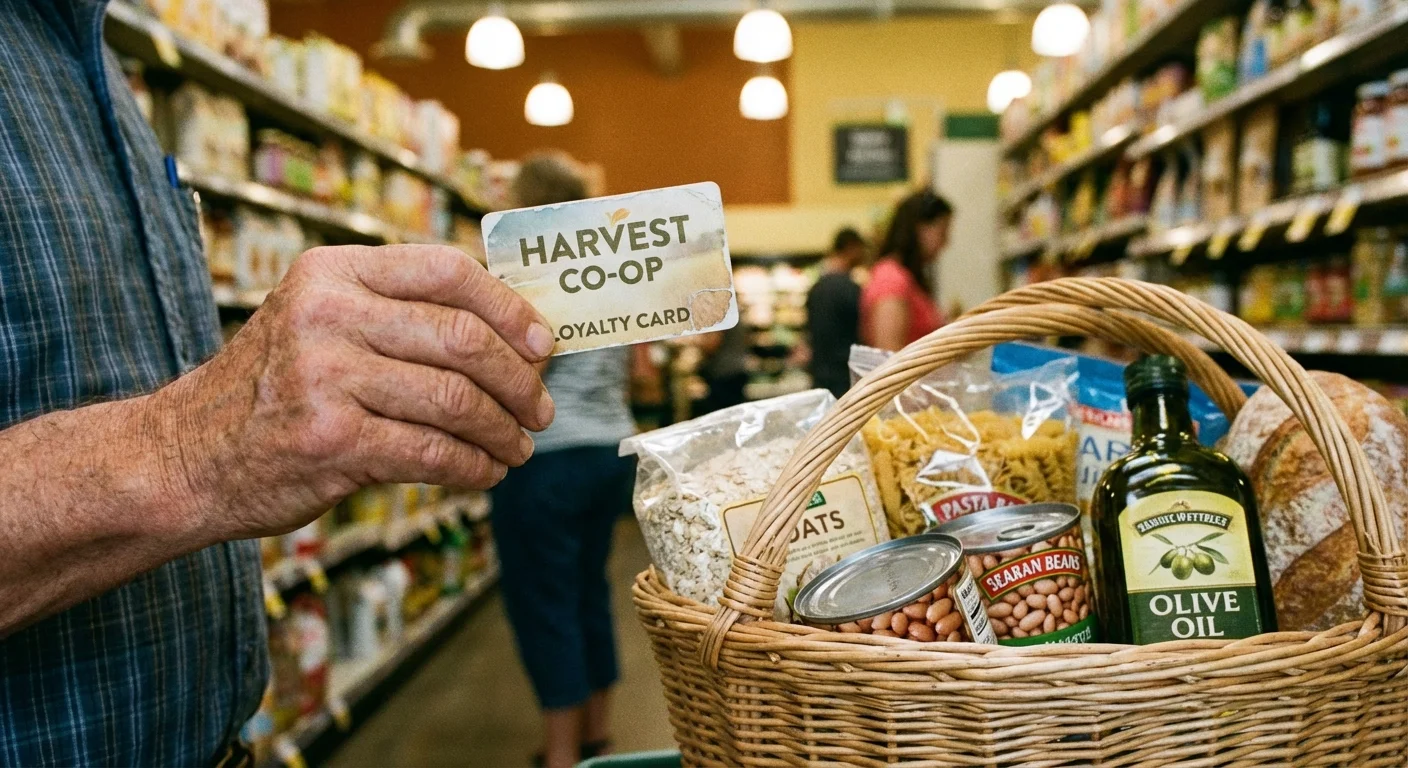
If you live in the mid-Atlantic region, Weis Markets offers a 10% senior discount every Tuesday for customers 60 and older. This specific program targets participating Weis brand products rather than the entire store inventory.
Switching from national name brands to store brands already serves as a brilliant budgeting strategy. Layering a 10% discount on top of that lower baseline price dramatically reduces your grocery expenses. For example, if a national brand of oatmeal costs $4.50 and the Weis brand costs $3.00, applying your Tuesday senior discount drops your out-of-pocket cost to $2.70. To trigger the discount, you must present a valid ID and use your Weis Rewards card during the transaction.

Fry’s Food Stores: First Wednesday Discount
Fry’s Food Stores, another Kroger-owned chain heavily concentrated in Arizona, provides a 10% discount on the first Wednesday of every month for shoppers 55 and older. Similar to Fred Meyer, this discount applies to a broad variety of items throughout the store, including health and beauty supplies, pet food, cleaning supplies, and store-brand groceries.
Pet supplies and household cleaners are notoriously resistant to inflation drops. If you own a dog, timing your heavy purchases—like a $40 bag of dry food and $25 worth of laundry detergent—for the first Wednesday of the month saves you $6.50 right away. Over 12 months, that amounts to $78 kept securely in your bank account just by shifting your shopping schedule. As always, alcohol, tobacco, and pharmacy items are excluded.

Tops Friendly Markets: Young at Heart First Tuesdays
Tops Friendly Markets runs the “Young at Heart” program, which grants shoppers aged 60 and older a 6% discount on the first Tuesday of every month. What makes Tops stand out in the crowded supermarket landscape is that this 6% reduction also applies to out-of-pocket prescription costs at the Tops Pharmacy.
Medical costs are a heavy burden on fixed incomes. If you pay $120 a month out-of-pocket for maintenance medications, picking them up on the first Tuesday saves you $7.20. Combine that with a $150 grocery haul, and you save $16.20 total on a single trip. You must sign up for the program at the customer service desk to receive the benefit.
Brookshire’s: Twice-a-Week Tuesday and Thursday Reductions
Brookshire’s Food & Pharmacy, operating in states like Texas, Louisiana, and Arkansas, offers a 5% discount to customers 60 and older. Unlike most supermarket chains that limit their offers to once a month, Brookshire’s provides this discount every Tuesday and Thursday.
Having two days a week to save makes it incredibly convenient to plan your meals, restock fresh produce, and avoid the massive crowds that often flood stores during once-a-month events. You must use your Brookshire’s Thank You card and request the discount at the register. Note that state laws dictate some specific exclusions; for instance, you cannot apply the discount to dairy products if you live in Louisiana.
How to Stack and Maximize Your Supermarket Savings
Getting a blanket percentage off your total bill is an excellent starting point, but combining that discount with other promotional offers is how you truly protect your fixed income. Supermarkets allow you to “stack” savings, meaning you can use multiple discount strategies on the very same item.
- Use Digital Coupons: Load manufacturer and store coupons directly onto your store loyalty app before you leave the house. The register applies these face-value cash discounts first.
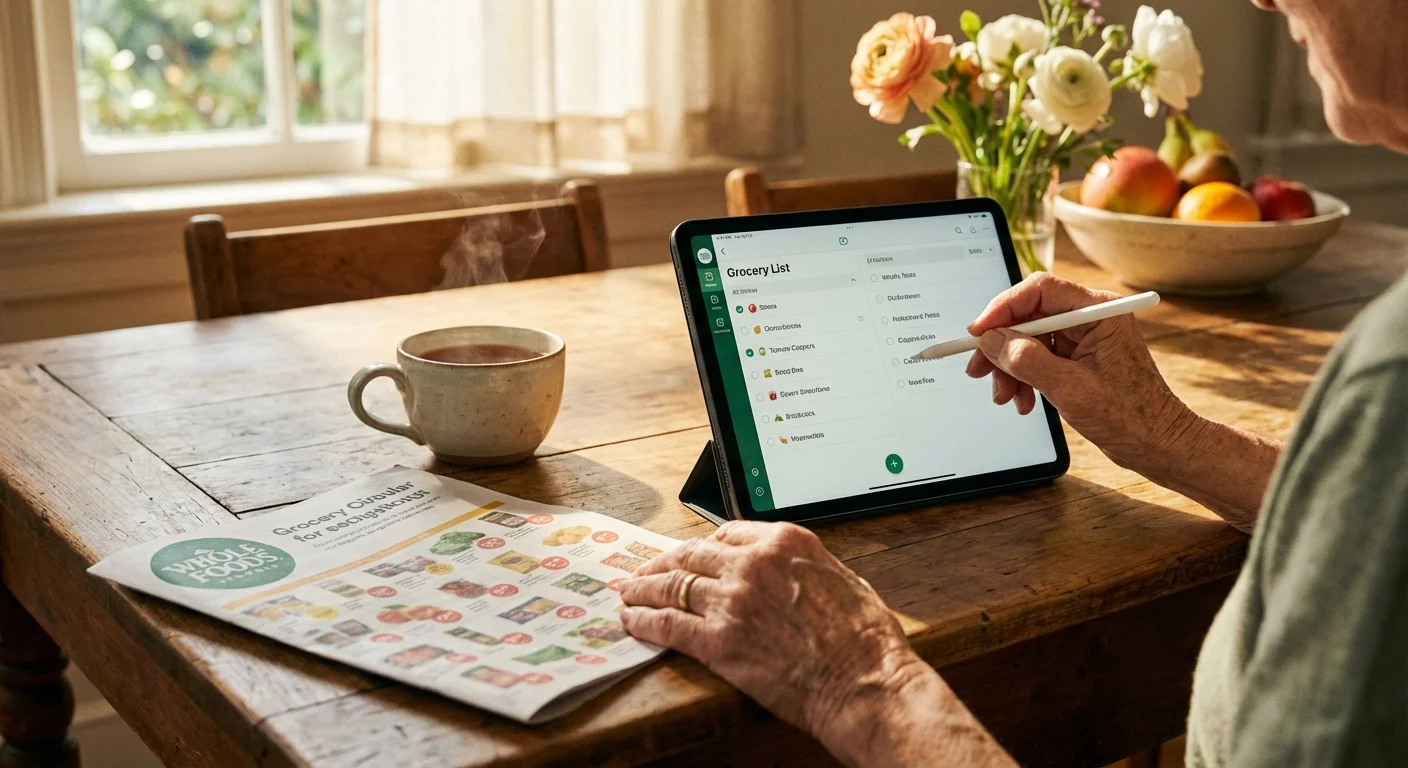
- Shop the Weekly Circular: Focus your meal planning around items that are actively on sale or offered as “Buy One, Get One” (BOGO) free.
- Apply the Senior Discount Last: After the register deducts your digital coupons and promotional sale prices, your senior discount applies to the remaining eligible subtotal.
Here is a quick reference table summarizing the programs discussed above so you can plan your upcoming shopping trips:
| Grocery Chain | Minimum Age | Discount Day(s) | Savings Rate |
|---|---|---|---|
| Harris Teeter | 60 | Thursdays | 5% |
| Fred Meyer | 55 | First Tuesday | 10% |
| Hy-Vee | 55 | Wednesdays / Thursdays | 5% – 10% |
| Weis Markets | 60 | Tuesdays | 10% |
| Fry’s Food Stores | 55 | First Wednesday | 10% |
| Tops Friendly Markets | 60 | First Tuesday | 6% |
| Brookshire’s | 60 | Tuesdays & Thursdays | 5% |

Common Financial Mistakes Seniors Make at the Grocery Store
When you manage your money strictly, a few small missteps in the grocery aisles can quietly deplete your checking account. Avoid these common financial traps to keep your budget intact.
First, never shop without a definitive list. Supermarkets are designed by marketing psychologists to encourage impulse buys. If you wander the aisles without a plan, you will inevitably purchase items you do not need. Write down your meals for the week, check your pantry inventory, and stick exclusively to the list you brought.
Second, avoid falling for bulk-buying traps. Buying a massive 50-pound bag of rice or a gallon of mayonnaise might offer a lower price per ounce, but if you live alone or with just your spouse, you risk the food expiring before you can consume it. Throwing away spoiled food is identical to throwing away cash. Stick to manageable sizes unless it is a non-perishable household good like toilet paper.
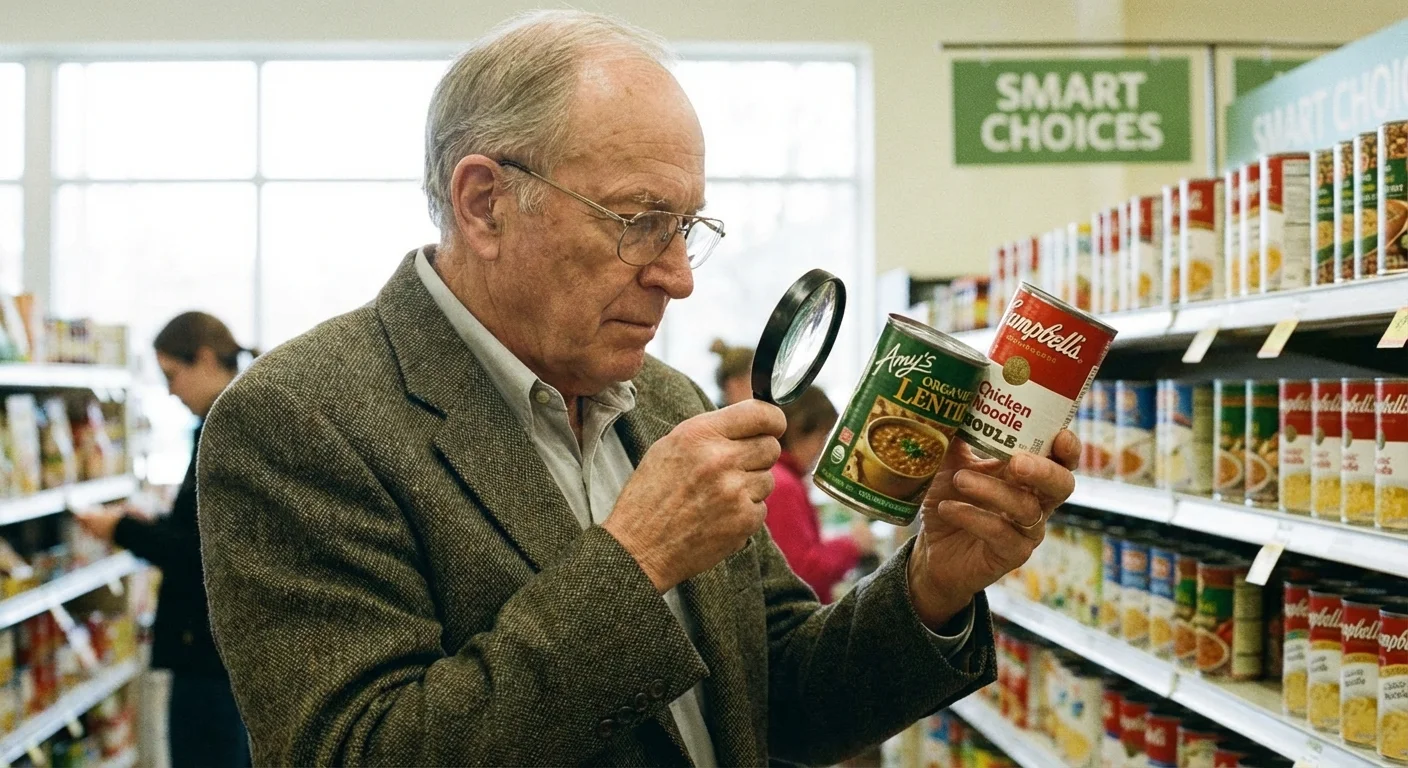
Finally, do not ignore the unit price. The unit price—often listed in tiny text on the shelf tag—tells you exactly how much an item costs per ounce or per pound. A seemingly cheap product in a smaller box might actually cost 20% more per ounce than a slightly more expensive product in a standard-sized box. Let the unit price guide your final selection.

Navigating Inflation on a Fixed Retirement Income
Relying on a fixed income means your monthly budget does not automatically grow when supermarket prices surge. The cost of living moves faster than a static pension can handle. Data from Social Security Administration (SSA) explains that annual Cost-of-Living Adjustments (COLA) help maintain your purchasing power, but these adjustments are calculated based on past inflation data and frequently lag behind real-time grocery price spikes.
When your Social Security check stays the same but a carton of eggs doubles in price, you must find the difference somewhere in your ledger. This is why participating in senior discount days is not just a pleasant perk; it is a vital, defensive financial strategy. Every dollar you shave off your food bill is a dollar you retain to pay your rising property taxes, escalating utility bills, or unexpected medical copays.

Protecting Yourself from Fake Discount Programs and Scams
Unfortunately, fraudsters are acutely aware that older adults are actively looking for ways to cut costs on groceries. Scammers frequently create fake Facebook pages or send sophisticated phishing emails claiming to offer “$100 grocery store vouchers” or “exclusive premium senior grocery memberships.”
Based on Consumer Financial Protection Bureau (CFPB) guidance, you should never provide your Social Security number, Medicare number, or bank account details to sign up for a retail loyalty program. Legitimate grocery stores only require basic contact information—your name, phone number, and perhaps an email address—to issue a rewards card. If you receive a text message claiming your loyalty points are about to expire and prompting you to click a link to “verify your identity,” delete it immediately. That is a phishing scam designed to steal your financial data and compromise your identity.

Food Assistance Programs: When Discounts Are Not Enough
If you are meticulously following a budget, clipping digital coupons, and shopping faithfully on discount days, but you still struggle to afford nutritious meals, you are not alone. Millions of older Americans face food insecurity every day. You should never have to choose between refilling your blood pressure medication and buying fresh vegetables.
According to Benefits.gov, you can securely check your eligibility for federal and state assistance programs, such as the Supplemental Nutrition Assistance Program (SNAP). Many seniors mistakenly believe they earn too much money to qualify for SNAP; however, out-of-pocket medical deductions can often lower your net income enough to meet the necessary threshold. Additionally, the Senior Farmers’ Market Nutrition Program provides low-income seniors with specialized coupon booklets to exchange for fresh fruits, vegetables, honey, and herbs at local community farmers’ markets.
Frequently Asked Questions
Do national retail giants like Walmart, Target, or Costco offer senior discount days?
No. Walmart, Target, and Costco do not offer age-based discounts. They operate on an “everyday low price” or bulk-warehouse model rather than a percentage-discount model. You must rely on regional grocery chains for dedicated senior savings days.
Will the register automatically apply my senior discount if I look older than the required age?
Almost never. Cashiers are strictly trained not to guess a customer’s age to avoid causing offense or embarrassment. You must verbally request the senior discount at the very beginning of the transaction; you should also be prepared to show a government-issued ID if asked.
Can someone else do the shopping for me and still get the senior discount?
Generally, no. Store policies typically require the senior who qualifies for the discount to be physically present in the store at the time of purchase. You cannot send a younger relative, a neighbor, or a gig-economy delivery driver to claim your age-based discount.
Do senior discount days apply to online grocery orders or curbside pickup?
Most grocery store senior discounts are strictly valid for in-store shopping. Online ordering platforms and mobile apps often lack the proper functionality to verify age and apply a blanket percentage discount. Always check your specific store’s digital policy, but prepare to shop in person to guarantee your savings.
Why do stores exclude alcohol, tobacco, and pharmacy items from the discount?
State and federal laws heavily regulate the pricing, taxation, and discounting of alcohol, tobacco, and prescription medications. Grocery stores purposefully exclude these specific categories from senior discount days to remain completely compliant with the law, not simply to limit your financial savings.
For official financial guidance for seniors, visit
National Institute on Aging (NIA), Administration for Community Living (ACL) and Eldercare Locator.
Disclaimer: This article is for informational purposes and is not a substitute for professional financial or tax advice. Consult with a certified financial planner or tax professional for guidance on your specific situation.









Leave a Reply