

Your retirement years should be a time of exploration, relaxation, and connection. You have worked hard to build a life you love and secure your financial future, and you deserve the peace of mind that comes with it. However, living a vibrant, modern retirement also means staying informed about the evolving digital landscape. As we navigate through 2026, technology connects us with loved ones across the globe, provides instant access to telehealth, and allows us to manage our lives from the comfort of our living rooms. Unfortunately, the exact same tools that make life easier also provide new avenues for bad actors.
Criminals constantly adapt their strategies, and the latest scams against elderly Americans look very different than the simple phone frauds of a decade ago. Today, scammers use artificial intelligence, sophisticated psychological manipulation, and highly convincing digital replicas of trusted institutions. The goal of this guide is not to make you afraid of your phone or computer; rather, it is to empower you with knowledge. When you know exactly what these traps look like, you can navigate your inbox, your social media accounts, and your daily life with absolute confidence.
Understanding these tactics is your strongest defense. We have compiled a comprehensive breakdown of the threats currently active this year, complete with concrete examples and senior scam prevention tips you can implement today.
Table of Contents
- 1. AI Voice Cloning and the “Grandparent Scam”
- 2. The “Pig Butchering” Romance and Investment Scam
- 3. Tech Support Pop-Ups and Remote Access Takeovers
- 4. Government Imposter Threats
- 5. Cryptocurrency and Bitcoin ATM Fraud
- 6. Medicare Telehealth and Genetic Testing Fraud
- 7. Package Delivery Texts (Smishing)
- 8. Phony Charity Solicitations
- Proactive Steps: How to Protect Seniors from Scams
- What to Do If You Spot Common Senior Fraud Schemes

1. AI Voice Cloning and the “Grandparent Scam”
The “grandparent scam” has existed for years, but 2026 has brought a terrifying technological upgrade: artificial intelligence voice cloning. In the past, a scammer would call in the middle of the night, pretend a bad connection was distorting their voice, and claim to be a grandchild in trouble. Today, they do not have to fake the voice; they can clone it perfectly.
Scammers locate a short video clip of your grandchild on social media platforms like TikTok, Instagram, or YouTube. Using readily available AI software, they require only a few seconds of audio to create a digital voice profile. When they call you, they type their script into a computer, and the software speaks it in your grandchild’s exact pitch, tone, and cadence. You might hear them say they have been in a car accident, arrested in a foreign country, or detained by law enforcement, accompanied by urgent pleas to send bail money via wire transfer or digital payment apps.
How to protect yourself:
- Establish a family safe word. Choose a unique word or phrase that only your immediate family members know. If someone calls claiming to be a loved one in an emergency, ask for the safe word.
- Hang up and verify. Even if the voice sounds identical to your grandson, hang up the phone immediately and call his personal cell phone number directly. If he does not answer, call his parents or a spouse.
- Remember that law enforcement and bail bondsmen will never demand payment via Apple Pay, Zelle, or retail gift cards.

2. The “Pig Butchering” Romance and Investment Scam
Despite its gruesome name, “pig butchering” is a sophisticated, slow-moving financial fraud that blends romance scams with fake investments. The term refers to the scammer’s process of “fattening up” the victim with affection, attention, and fabricated investment returns before “slaughtering” their bank accounts.
This scam typically begins with an “accidental” text message. You might receive a text saying, “Hi John, are we still meeting for coffee tomorrow?” When you politely reply that they have the wrong number, the sender apologizes profusely and strikes up a friendly conversation. Over weeks or even months, they build a deep platonic or romantic relationship with you. They send photos of their supposed luxurious lifestyle and eventually mention how much money they are making in a new cryptocurrency or gold trading platform. They offer to show you how to do it, directing you to a beautifully designed, completely fake investment website. The site will initially show your small investment growing rapidly, encouraging you to deposit more and more of your retirement savings until you try to withdraw funds—at which point the “friend” disappears.
How to protect yourself:
- Ignore and block unsolicited messages from unknown numbers, even if they seem like innocent wrong numbers.
- Never mix romance or new online friendships with financial investments. If an online friend constantly steers the conversation toward wealth, trading, or crypto, disengage entirely.
- Verify investment platforms through the Federal Trade Commission or a trusted, registered financial advisor before moving a single penny.

3. Tech Support Pop-Ups and Remote Access Takeovers
While browsing a recipe blog or checking the news, your computer screen suddenly locks up. A bright red warning box appears, accompanied by a loud, incessant beeping noise. The message claims your computer is infected with a dangerous virus or illegal material, instructing you to call an “Apple” or “Microsoft” support number immediately to prevent permanent damage.
When you call the number, a professional-sounding “technician” answers. They will instruct you to download a seemingly harmless application that grants them remote access to your computer. Once inside, they can lock your files, access your saved passwords, log into your online banking portals, and wire money out of your accounts under the guise of “processing a refund for the repair.” According to the FBI Internet Crime Complaint Center, tech support fraud disproportionately impacts individuals over the age of 60, resulting in hundreds of millions of dollars in losses annually.
How to protect yourself:
- Understand that legitimate tech companies like Apple and Microsoft will never display a phone number in a pop-up warning, nor will they proactively call you to fix an issue.
- If your screen locks with a terrifying warning, do not click anything. Force your computer to shut down by holding the physical power button for ten seconds, then restart it. The pop-up will usually disappear.
- Never grant remote access to your computer to anyone who contacts you unexpectedly.
4. Government Imposter Threats
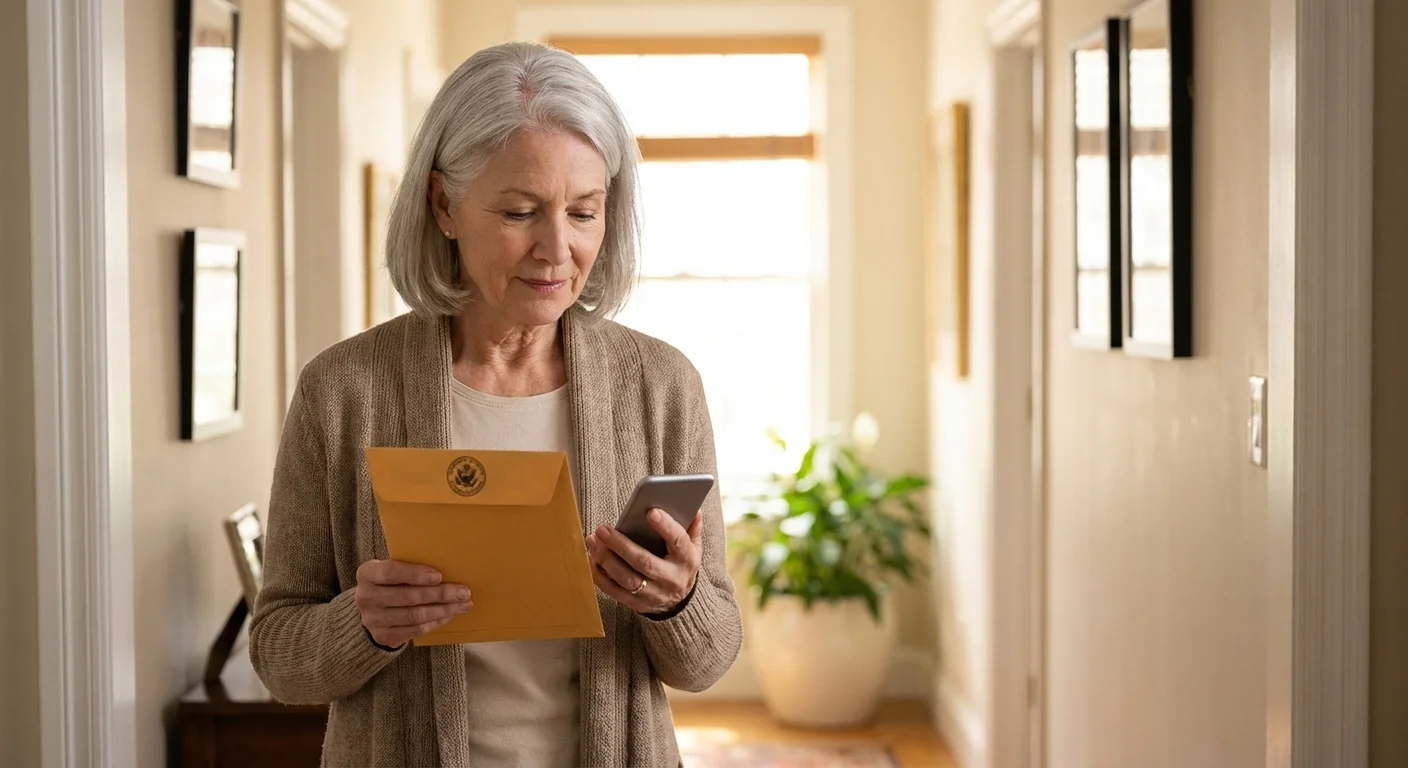
Scammers love to exploit our natural respect for authority. In 2026, government imposter scams remain incredibly prevalent. You might receive a call, an email, or even an official-looking letter claiming to be from the Internal Revenue Service (IRS), the Social Security Administration (SSA), or Medicare.
The caller usually creates a high-pressure scenario. They might claim your Social Security number has been linked to a crime in Texas, or that you owe thousands in back taxes and local police are currently en route to your home to execute an arrest warrant. To resolve the issue and “suspend the warrant,” they demand immediate payment. Recently, these scammers have evolved beyond asking for wire transfers; they now routinely direct seniors to purchase tens of thousands of dollars in physical gold bars, which a “government courier” then comes to your home to collect for “safekeeping.”
How to protect yourself:
- Know how the government communicates. The IRS and SSA initiate contact through standard mail delivered by the United States Postal Service. They will not call you unexpectedly, text you, or message you on Facebook.
- Federal agencies do not demand payment via gold bars, cryptocurrency, prepaid debit cards, or wire transfers.
- If you are worried an agency actually needs to reach you, look up their official .gov website and call their public customer service line.

5. Cryptocurrency and Bitcoin ATM Fraud
Cryptocurrency is no longer just a digital concept; physical Bitcoin ATMs are now located in grocery stores, pharmacies, and gas stations across the United States. Scammers use these machines to launder money stolen from seniors quickly and untraceably.
This scam is often the final phase of a government imposter or tech support scam. After a scammer convinces you that your bank account is compromised, they will tell you that you must move your cash to a “secure federal locker.” They instruct you to go to your local bank, withdraw your savings in cash, and drive to a nearby Bitcoin ATM. While keeping you on the phone, they walk you through the process of inserting your cash into the machine and scanning a QR code they provided. The moment you scan that code, your physical cash is converted into digital currency and instantly deposited into the scammer’s anonymous digital wallet overseas.
How to protect yourself:
- Recognize that no legitimate business, utility company, or government agency requires payment via a cryptocurrency ATM.
- If a caller instructs you to lie to your bank teller about why you are withdrawing large sums of cash, you are definitely speaking to a scammer.
- Hang up on anyone who attempts to guide you through using a Bitcoin ATM.

6. Medicare Telehealth and Genetic Testing Fraud
Healthcare is a major priority as we age, and scammers use this focus to steal medical identities. In recent years, fraudsters have heavily exploited the expansion of telehealth services. They target seniors with advertisements, unsolicited phone calls, or booths at community events offering “free” genetic testing for cancer, cardiovascular disease, or dementia.
The representatives claim that the testing is a new, revolutionary preventative measure fully covered by Medicare. They swab your cheek and ask for your Medicare card details. However, the swab is often thrown in the trash. The true goal is to capture your Medicare number, which they use to bill the government thousands of dollars for unnecessary services, medical equipment, or prescriptions. This drains the Medicare system and can compromise your own medical records, potentially denying you legitimate medical equipment in the future because your record shows you “already received it.”
How to protect yourself:
- Treat your Medicare card exactly like a high-limit credit card. Never give the number to anyone other than your trusted doctors, pharmacists, or official healthcare providers.
- Refuse medical services, braces, or testing offered by unsolicited callers or door-to-door salespeople.
- Regularly review your Medicare Summary Notices (MSN) for claims regarding services or equipment you never received, and report discrepancies to the National Council on Aging or directly to Medicare.
7. Package Delivery Texts (Smishing)
We all love the convenience of home delivery, whether ordering gifts for grandchildren or everyday household items. Scammers exploit the sheer volume of packages we receive through SMS phishing, commonly known as “smishing.”
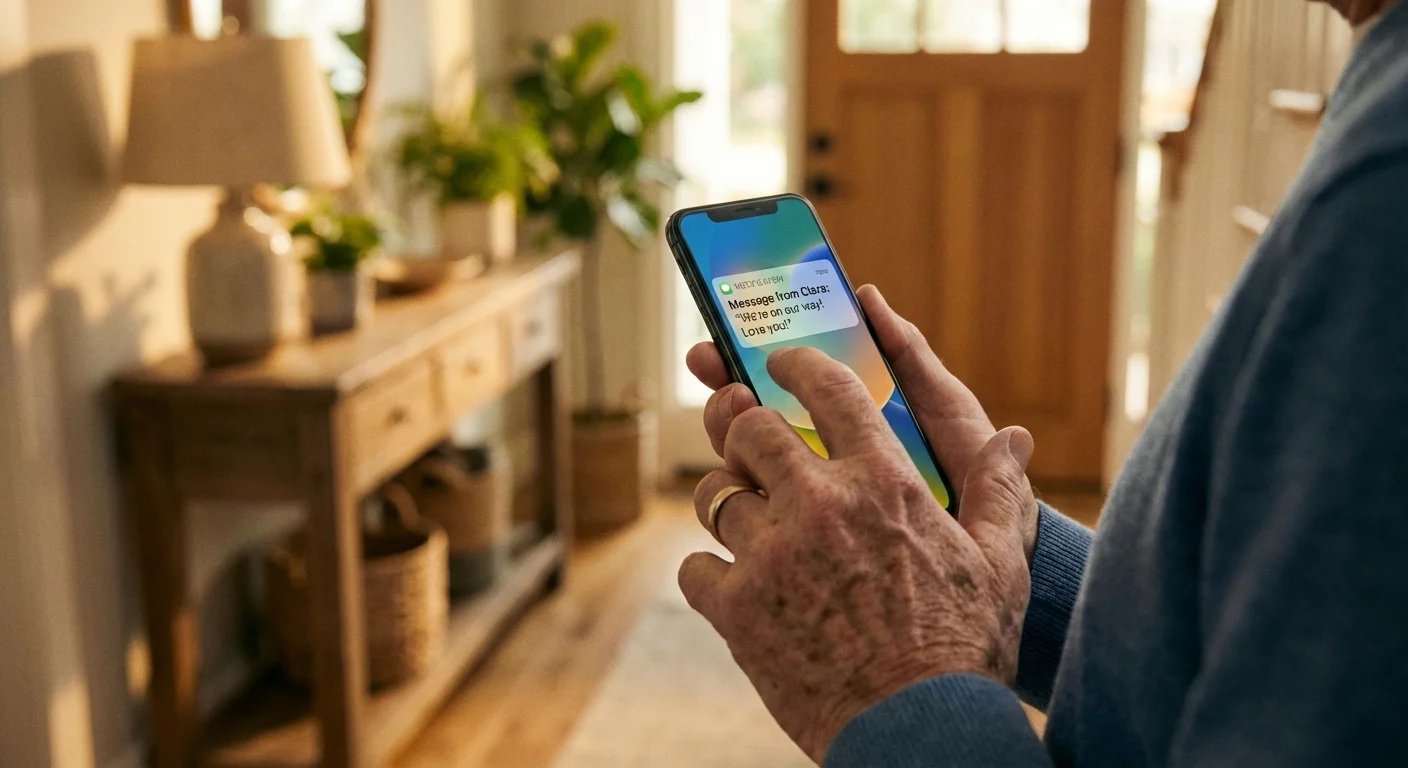
You receive a text message seemingly from the United States Postal Service (USPS), FedEx, or UPS. The message states: “Your package cannot be delivered due to an incomplete address. Please click here to update your information and pay a $0.30 redelivery fee.” Because the fee is so small, many people click the link without a second thought. The link leads to a remarkably authentic-looking website where you enter your name, address, and credit card information to pay the tiny fee. The scammers ignore the thirty cents; instead, they capture your credit card details and immediately begin charging luxury goods and electronics to your account.
How to protect yourself:
- Do not click links in unsolicited text messages regarding package deliveries.
- If you are expecting a package and feel concerned, navigate independently to the official USPS, UPS, or FedEx website on your browser and type in the tracking number you received when you made your original purchase.
- Know that delivery services will not send texts demanding small fees to release a package.

8. Phony Charity Solicitations
Seniors are among the most generous demographics in the country, consistently donating to causes they care about. Unfortunately, fraudsters set up fake charities to siphon this goodwill. These scams spike immediately following natural disasters, global conflicts, or during the holiday season.
Scammers use names that sound incredibly similar to well-known organizations. For example, instead of the “American Red Cross,” they might call themselves the “National Red Cross Relief Fund.” They solicit donations through aggressive telemarketing calls, emotional social media campaigns, and deceptive emails. Often, they pressure you to donate immediately to “save lives today,” refusing to send written information about their organization’s financial breakdown.
How to protect yourself:
- Never let a caller pressure you into an immediate donation. A legitimate charity will be just as happy to receive your donation tomorrow or next week.
- Verify the organization before opening your wallet. Use independent watchdog sites like Charity Navigator, GuideStar, or the Better Business Bureau’s Wise Giving Alliance to ensure your money actually reaches those in need.
- Donate directly through an organization’s official website rather than providing credit card numbers over the phone to a cold caller.

Proactive Steps: How to Protect Seniors from Scams
Now that you are familiar with the specific tactics scammers use in 2026, you can implement a strong defensive strategy. Protecting yourself does not require an advanced degree in computer science; it simply requires adopting a few cautious habits. By integrating these practices into your daily life, you drastically reduce your risk of becoming a target.
- Implement the “Pause Protocol”: Scammers rely on panic, urgency, and fear to bypass your critical thinking skills. Whether someone tells you that you won a massive lottery, your computer is infected, or your grandson is in jail, force yourself to take a physical step back. Breathe deeply and wait 24 hours before making any financial decision. Urgent threats are almost always fabricated.
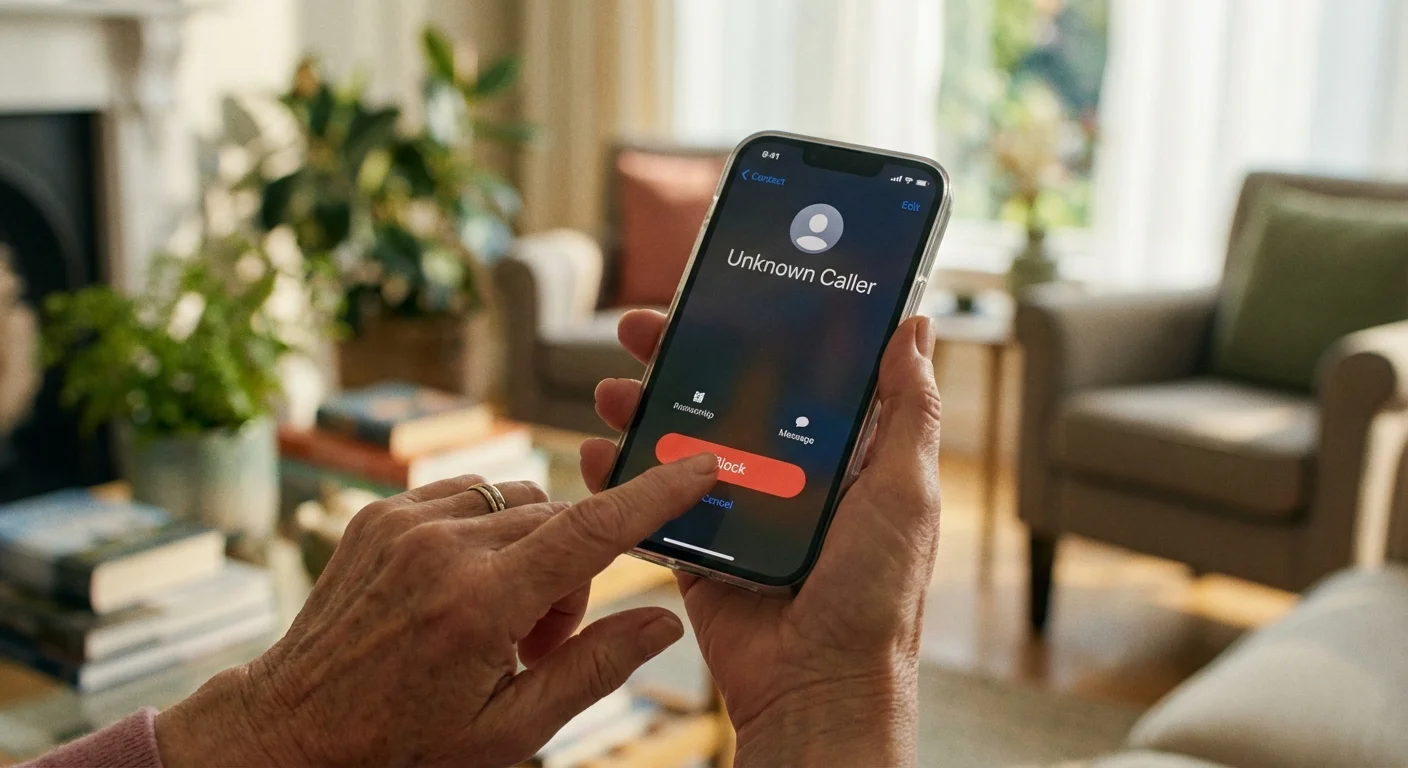
- Use Call Blocking Technology: Consult your cellular provider about enabling advanced spam-blocking features. Many modern smartphones have a setting called “Silence Unknown Callers,” which sends any number not in your contact list directly to voicemail. If it is a legitimate call, they will leave a message.
- Secure Your Digital Accounts: Utilize two-factor authentication (2FA) on your bank, email, and social media accounts. This means that even if a scammer steals your password, they cannot access your account without a secondary code sent to your mobile device.
- Educate Your Social Circle: Scams thrive in silence and shame. By openly discussing these tactics with your friends, neighbors, and family members, you strip the scammers of their power. Share this article with your peers to build a community defense.
To help you quickly differentiate between a legitimate institution and a bad actor, use the following reference guide:
| Organization | Genuine Communication Method | Scammer Communication Method |
|---|---|---|
| Internal Revenue Service (IRS) | Physical letters via USPS; pre-scheduled appointments. | Aggressive phone calls; text messages; threats of police arrest. |
| Tech Companies (Apple/Microsoft) | User-initiated support requests; scheduled call-backs. | Pop-up warnings with phone numbers; unexpected calls claiming your device is infected. |
| Your Local Bank | Secure app notifications; phone calls advising you to check your account online. | Demands to withdraw cash; requests to read back security codes sent to your phone; instructions to buy gift cards. |
| Medicare | Quarterly physical statements; official .gov correspondence. | Unsolicited calls offering free genetic testing, back braces, or new plastic cards. |
What to Do If You Spot Common Senior Fraud Schemes
Even the most vigilant individuals can sometimes be caught off guard. Scammers are professional criminals who spend their entire lives perfecting the art of deception. If you suspect you have engaged with a scammer, or if you have already transferred money or provided personal information, do not let embarrassment stop you from taking action. Time is of the essence, and swift action can often mitigate the damage.
First, cut off all communication immediately. Hang up the phone, delete the email, or block the text message. Do not attempt to confront the scammer or demand your money back, as this only confirms your contact information is active and invites further harassment.
Next, secure your finances. Call your bank, credit card company, or financial advisor using the phone number printed directly on the back of your debit or credit card. Explain the situation clearly. They deal with these scenarios daily and can freeze your accounts, issue new account numbers, and sometimes reverse recent wire transfers or credit card charges if caught early enough.
Finally, report the incident. Reporting helps authorities track down these syndicates and provides vital data to organizations fighting fraud. You can file a report with your local police department, which is essential if you need to dispute charges with your bank. Furthermore, submit a detailed account to the AARP Fraud Watch Network and the federal authorities via official channels. By reporting what happened to you, you are taking a powerful step toward protecting fellow seniors from falling into the same traps.
Embracing the digital age should bring joy and convenience to your retirement, not anxiety. By keeping your guard up, verifying unexpected communications, and sharing your knowledge with your community, you can confidently navigate 2026. Stay curious, stay connected, and above all, stay safe as you continue to build a rewarding and engaging life.









Leave a Reply