

If your phone constantly rings with unwanted robocalls, you can do more than just hang up—you can actually get paid to hold these callers accountable. Under federal law, you can claim between $500 and $1,500 for every illegal, automated call or text you receive without your permission. Scam calls and aggressive telemarketing campaigns frequently target older Americans to drain their retirement savings, but keeping a detailed call log flips the script. Instead of feeling helpless against relentless phone harassment, you can use consumer protection statutes to fight back. By understanding the rules and documenting the abuse, you can turn a frustrating daily annoyance into a legitimate source of financial compensation.
The Foundation of Your Rights: The Telephone Consumer Protection Act
Many seniors believe that government agencies offer direct bounty programs for reporting scam phone calls. While there is no dedicated government tip line that mails you a check for reporting a bad actor, you hold tremendous legal power through a federal law known as the Telephone Consumer Protection Act (TCPA). Passed by Congress in 1991, this law was designed to stop the overwhelming flood of automated telemarketing calls invading American homes. Over the decades, it has evolved to cover cell phones, text messages, and modern automated dialing technology.
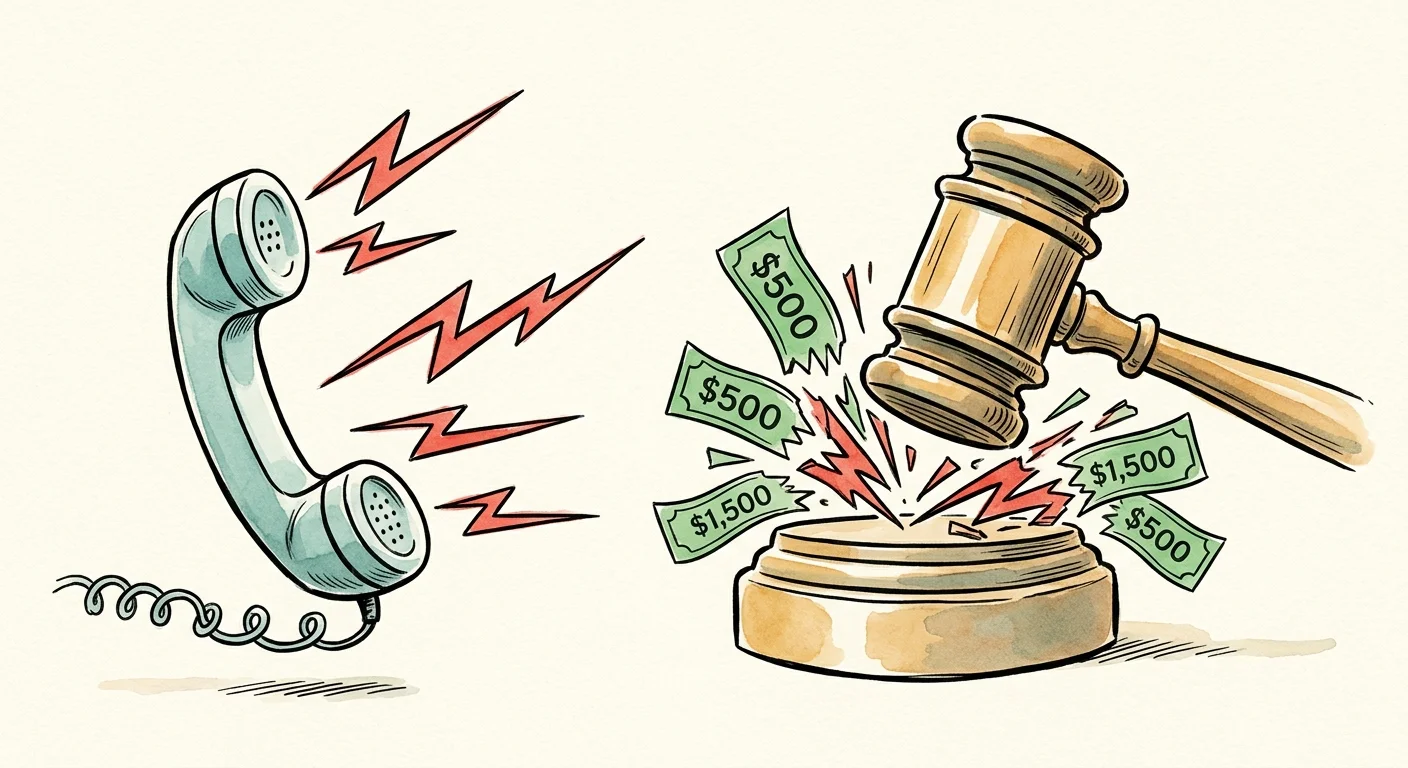
The TCPA is powerful because it provides consumers with a “private right of action.” This legal term means you do not have to wait for a government agency to fine the telemarketer; you have the right to take them to court yourself. Under the law, a company that violates the TCPA owes you statutory damages. These damages are set at a minimum of $500 per illegal call or text message. If you can prove that the company willfully or knowingly violated the law, a judge can triple that amount to $1,500 per call.
This structure effectively acts as a consumer protection program that pays you directly. Instead of just complaining to your phone provider, you gather evidence against the callers who harass you. Because the penalties compound with every single call, a telemarketer who repeatedly ignores your requests to stop calling can quickly rack up thousands of dollars in fines payable directly to you.
Distinguishing Between Annoying Spam and Actionable Robocalls
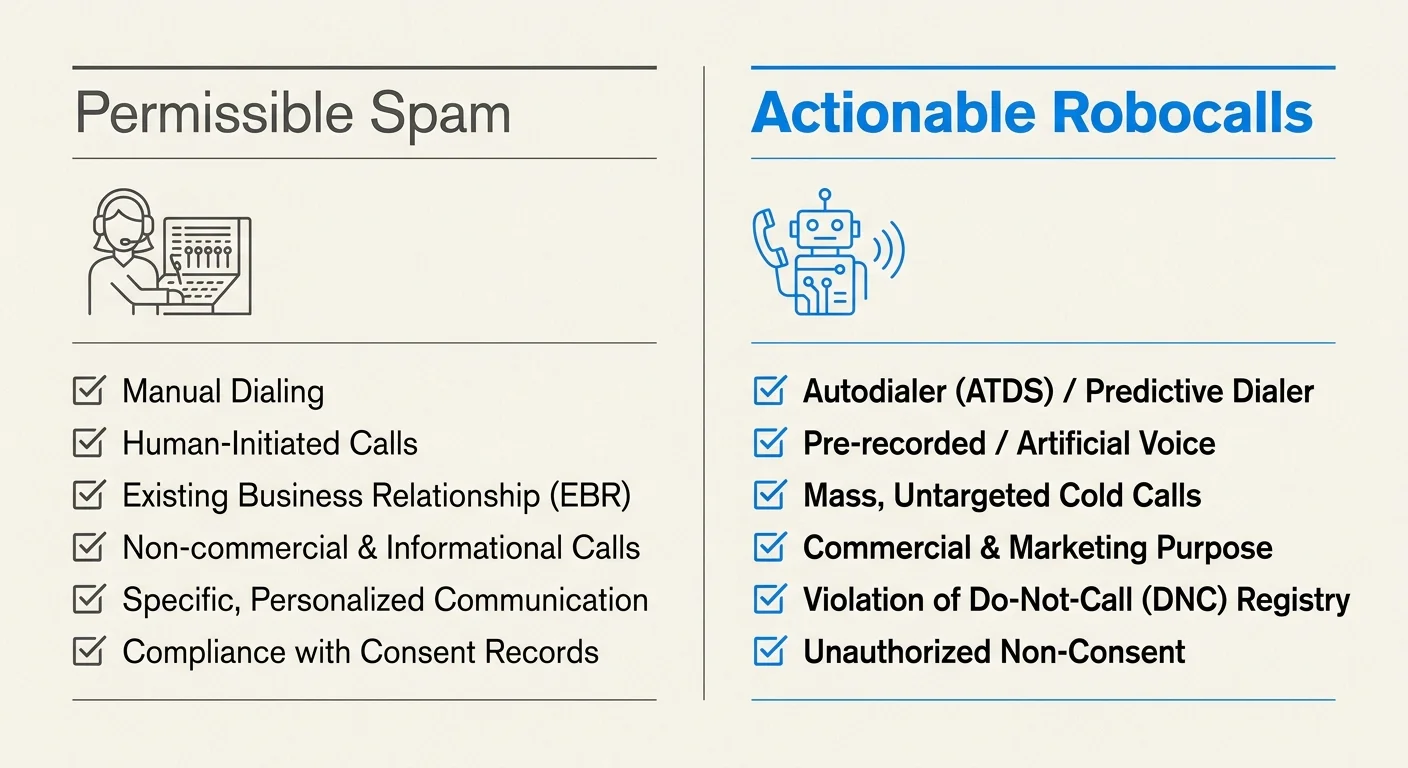
To successfully pursue compensation, you must understand the difference between legal telemarketing, annoying but permissible spam, and actionable illegal robocalls. The TCPA does not apply to every single unwanted call you receive. It specifically targets the use of automated telephone dialing systems, prerecorded voice messages, and artificial intelligence voices used without your prior express written consent.
Certain types of calls are legally exempt from these strict rules. For instance, political campaigns, charitable organizations asking for donations, and informational calls—such as your pharmacy reminding you that a prescription is ready—are generally allowed to use automated dialing technology. Additionally, debt collectors may call you if you legitimately owe them money, though they are strictly governed by separate harassment laws.
However, if a business is calling you to sell a product, promote a service, or offer an extended warranty, they cross the legal line the moment they use a prerecorded message or an auto-dialer without your explicit permission. If you pick up the phone and hear a slight pause or a click before a live agent speaks, that is the hallmark of an auto-dialer. If you hear a robotic voice telling you to “press 1 to speak to a representative,” you have likely just received an actionable, illegal robocall.
How Scammers and Aggressive Marketers Target Older Adults
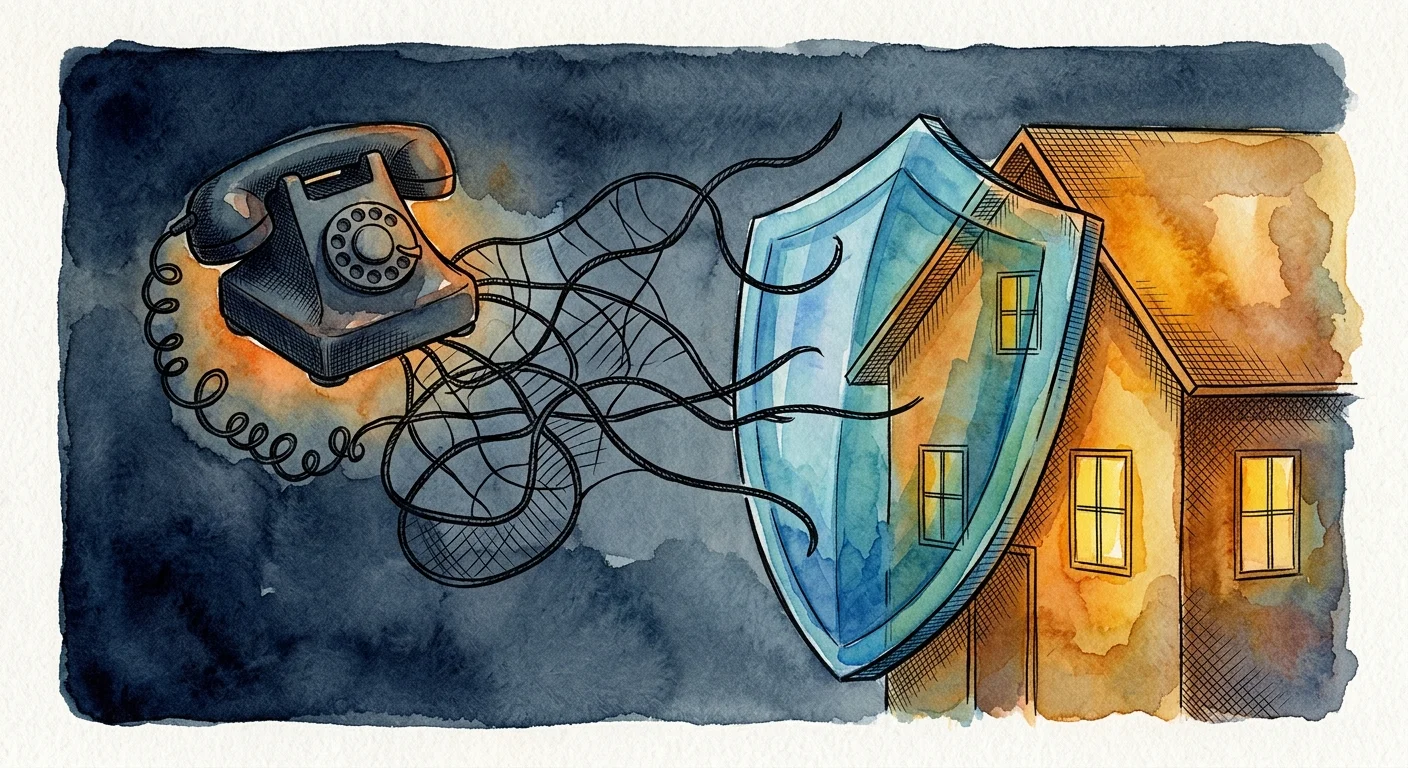
Aggressive marketers and scammers heavily focus their efforts on older adults. Retirees are more likely to have traditional landlines, are often home during the day to answer the phone, and may have built up significant retirement savings over their lifetimes. This makes seniors an attractive target for lead generation companies and overseas fraud rings.
According to the National Institute on Aging (NIA), scammers often prey on older adults by exploiting changes in cognition, social isolation, or common fears about health care costs. A caller might offer a fraudulent Medicare advantage plan, claim to have medical braces at no cost, or insist they can lower your credit card interest rate. These callers rely on high-pressure tactics, hoping to confuse or intimidate you into handing over sensitive information.
Another prevalent tactic involves impersonating authority figures. The caller ID might even be spoofed to look like it is coming from Washington, D.C. For example, many callers impersonate government officials. According to the Social Security Administration (SSA), their official agents will never call you to threaten arrest, suspend your number, or demand immediate payment via retail gift cards. Understanding these tactics helps you stay calm; when you realize the person on the other end is simply trying to manipulate you, it becomes much easier to pivot from feeling like a victim to acting like an investigator.

The Step-by-Step Guide to Documenting Illegal Calls
If you want to turn illegal phone calls into financial compensation, you must treat every unwanted call as a potential legal case. Memories fade quickly, and phone records can be difficult to pull months after the fact. Maintaining a meticulous call log is the single most important step you can take. Keep a dedicated notebook and pen next to your primary phone, or use a notepad application on your smartphone.
When an unwanted robocall comes in, follow these specific steps to gather the evidence you need:
- Record the Caller ID Information: Write down the phone number displayed, the name that appears on the screen, and the exact date and time the call was received. If you are using a cell phone, take a screenshot of the call log.
- Answer Safely to Gather Intelligence: Pick up the phone, but do not provide any personal information. Your goal is simply to find out who is calling. Listen to the prerecorded message or wait for the live agent. If an agent comes on the line, ask politely, “What company are you calling from, and what is your business address?”
- Do Not Confirm Personal Details: If the caller asks if they are speaking to you by name, do not say “Yes.” Scammers sometimes record the word “Yes” to authorize fraudulent charges. Instead, reply with, “Who is calling?” or “How can I help you?”
- Explicitly Revoke Consent: Once you know who is calling, clearly state your demand. Say, “I revoke my consent for you to contact me. Place my number on your internal do-not-call list immediately. Do not call this number again.” Hang up immediately after delivering this statement.
- Document the Interaction: Immediately write down what was said, the name of the company the agent provided, the product they were selling, and the exact phrase you used to tell them to stop calling. Save any voicemails left by the automated system, as these are excellent pieces of evidence.
By executing this process consistently, you transform a daily annoyance into a concrete paper trail. When a company calls you back after you have explicitly revoked consent, they willfully violate the TCPA, opening the door for the maximum $1,500 penalty per subsequent call.

The Power of the National Do Not Call Registry
Your ability to pursue compensation is significantly strengthened if your phone number is registered on the National Do Not Call Registry. Managed by the Federal Trade Commission (FTC), this free registry draws a legal line in the sand for legitimate telemarketers and marketing companies.
When you register your landline or cell phone number, telemarketers have 31 days to update their databases and remove your number from their calling lists. After that 31-day grace period expires, any sales call you receive from a company you do not already do business with is an automatic violation of consumer protection laws. You can register your number by visiting the official registry website or by calling 1-888-382-1222 from the phone number you wish to protect.
It is important to note that the Do Not Call Registry will not stop outright scammers or criminal enterprises operating out of foreign countries. Criminals do not care about the FTC’s rules. However, many of the calls seniors receive are not from criminals, but from aggressive, U.S.-based lead generation companies selling solar panels, insurance products, or home warranties. For these companies, calling a number on the registry is a severe liability. Having your number on the list serves as the foundation for your TCPA claims.

Tracing the Call: Holding Companies Liable
One of the most common frustrations seniors face is the feeling that callers are untouchable. You might notice that the caller ID shows a local area code, but the person on the phone clearly sounds like they are in a foreign call center. This practice, known as neighbor spoofing, tricks you into answering by making the call look familiar. Because of this, you might wonder how you could ever sue a company operating thousands of miles away.
This is where the structure of modern telemarketing works in your favor. Often, the overseas call center is just a cheap labor force hired by a “lead generator.” The lead generator is a middleman whose job is to find interested buyers and sell their information to a legitimate, deep-pocketed company in the United States—like a massive national insurance firm or a major home security provider.
Under the TCPA, the company that ultimately benefits from the illegal call can often be held vicariously liable for the actions of their marketers. If a foreign call center breaks the law to pitch a U.S. company’s product, that U.S. company can be sued for the $500 to $1,500 penalties. Identifying these corporate connections requires some digging, which is why your notes regarding what product was being sold and what company was ultimately mentioned are so critical.
Partnering With Consumer Protection Attorneys
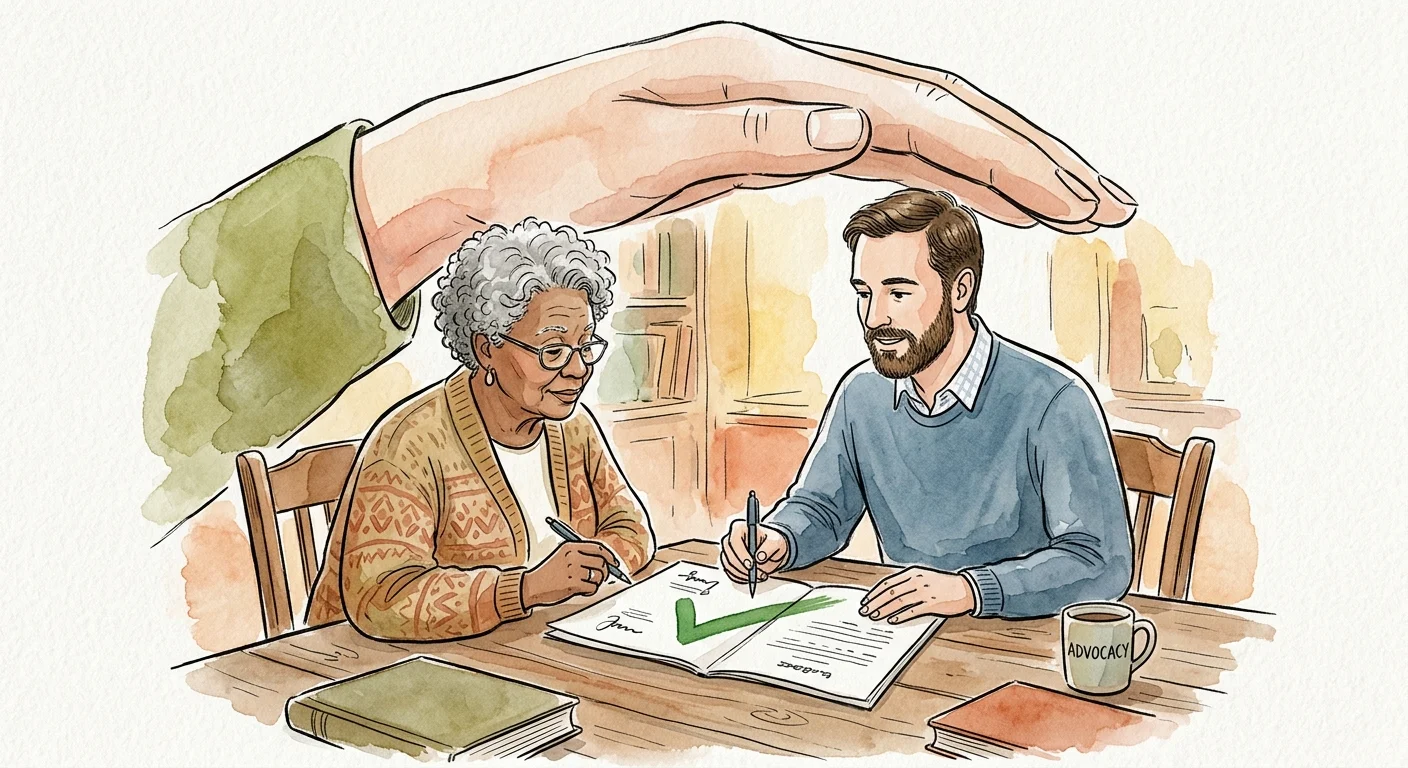
Filing a federal lawsuit might sound intimidating, especially if you are living on a fixed retirement income and cannot afford hourly legal fees. The good news is that you do not have to become a legal expert or risk your savings to hold telemarketers accountable. Because TCPA violations offer clear, statutory financial damages, many consumer protection attorneys specialize entirely in this area of law.
These specialized lawyers almost always work on a contingency fee basis. This means they do not charge you any upfront retainer fees or hourly rates. Instead, they take a percentage of the final settlement or court award. If they do not win your case, you pay nothing. When you hand over a well-documented call log to a consumer attorney, they have the tools to subpoena phone records, identify the true corporate entities behind spoofed numbers, and file the necessary paperwork in federal court.
| Factor | Doing It Yourself (DIY) | Working With a Consumer Attorney |
|---|---|---|
| Upfront Costs | You must pay your own court filing fees and cover the cost of serving legal papers. | Zero upfront costs; the attorney covers expenses and takes a percentage of the settlement. |
| Investigative Power | Limited. You must rely entirely on the information the caller gave you or what you can find online. | High. Attorneys can issue subpoenas to phone carriers to track down the true source of the call. |
| Time Commitment | Significant. You must learn the court procedures, draft complaints, and attend hearings. | Minimal. Once you provide your call log and evidence, the legal team handles the heavy lifting. |
| Settlement Leverage | Low. Companies often ignore demand letters from individuals or offer minor payouts. | High. Corporations take law firms seriously and are more likely to settle for maximum damages. |
Working with a professional levels the playing field. It allows you to maintain your peace of mind while an expert navigates the complexities of corporate liability and federal litigation on your behalf.

Protecting Your Finances Beyond the Phone Call
While pursuing compensation for robocalls is a great way to fight back, your primary goal should always be safeguarding your hard-earned retirement assets. Scammers only need you to make one mistake to drain an account or steal your identity. This is why aggressive call logging must be paired with broader financial defense strategies.
Research from the Consumer Financial Protection Bureau (CFPB) shows that older adults lose billions of dollars annually to financial fraud, making proactive defensive measures absolutely essential for preserving your wealth. Never rely solely on caller ID to verify who is speaking. If someone claims to be from your bank warning you of fraudulent activity, hang up the phone immediately. Flip your debit or credit card over, and dial the official customer service number printed on the back. By initiating the call yourself, you guarantee you are speaking to the actual institution.
Furthermore, education is your best defense against evolving technology. Scammers are now using artificial intelligence to clone the voices of grandchildren pleading for bail money or emergency assistance. As noted by experts at AARP, joining a dedicated fraud watch network can help you stay informed about the newest aggressive marketing and scam tactics circulating in your local community. Share what you learn with your peers at the senior center or in your neighborhood; a community that talks openly about fraud is much harder for scammers to victimize.
Frequently Asked Questions
Can I really get $1,500 for a single phone call?
Yes, but it depends on the intent behind the call. The base penalty under the TCPA is $500 per illegal call. However, if you can prove that the company knowingly and willfully violated the law—for example, if you specifically told them to stop calling, but their auto-dialer contacted you three more times the following week—a judge can increase the damages to $1,500 per call.
What if the scammer is calling from outside the country?
While it is very difficult to sue a criminal hiding in a foreign country, you can still seek compensation if they are marketing a product for a U.S.-based company. Consumer protection attorneys specialize in tracing these overseas calls back to the American lead buyers who fund the operations. The U.S. company can often be held legally responsible for hiring the overseas rule-breakers.
Does this law apply to unwanted text messages?
Absolutely. Under the TCPA, an automated text message sent to your cell phone without your prior express written consent is treated exactly the same as an automated phone call. You can claim the same $500 to $1,500 in statutory damages for illegal spam texts. Be sure to screenshot the text message and the sender’s number before deleting it.
Do I have to pay an attorney upfront to take my case?
In almost all cases, no. Attorneys who specialize in TCPA litigation generally work on a contingency fee basis. This means they only get paid if they successfully win a settlement or court judgment for you. Their fee is taken as a percentage of the winnings, protecting you from out-of-pocket legal expenses.
Can I sue a debt collector who keeps calling me?
Yes, but the rules are slightly different. Debt collectors are allowed to call you if you owe a legitimate debt, but they cannot use automated dialers or prerecorded messages to call your cell phone if you have revoked your consent. Additionally, debt collectors are strictly regulated by the Fair Debt Collection Practices Act (FDCPA), which provides additional avenues for financial compensation if they harass you, call at unreasonable hours, or threaten you.
For additional senior resources, visit
Benefits.gov, National Institute on Aging (NIA) and Centers for Disease Control and Prevention (CDC).
Disclaimer: The information in this article is for educational purposes only and is not intended to be a substitute for professional financial, legal, or medical advice. Always consult with a qualified expert for advice tailored to your personal situation.









Leave a Reply