
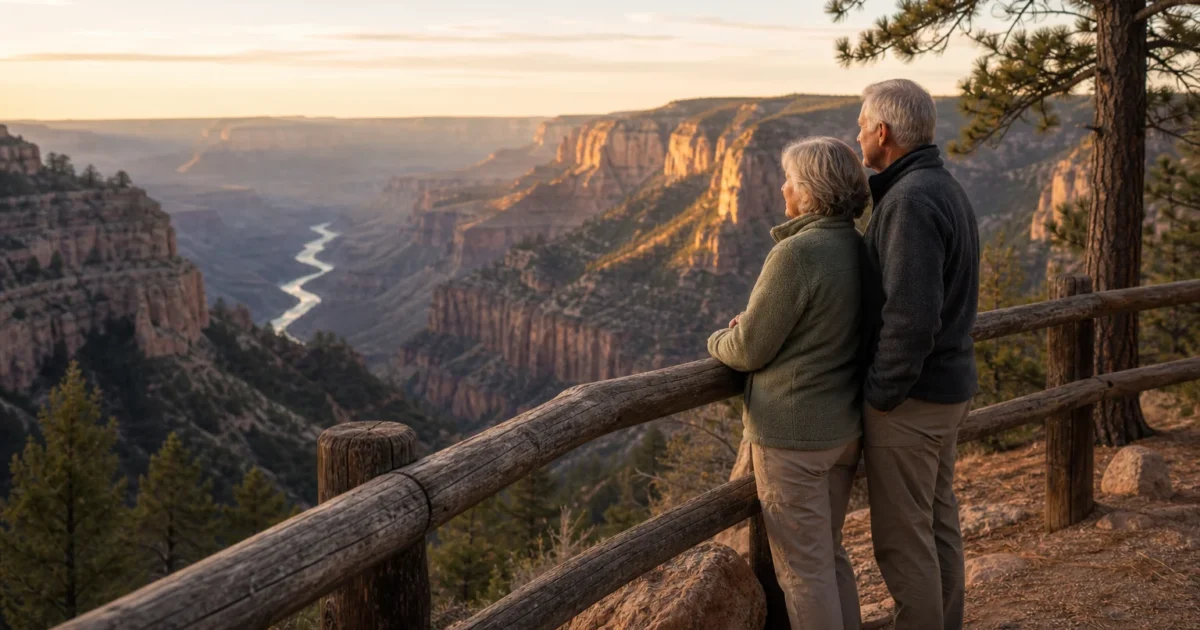
Securing an America the Beautiful Senior Pass is the single best travel investment you can make if you are 62 or older, granting you unprecedented access to over 2,000 federal recreation sites across the country. This little-known card eliminates expensive entrance fees at breathtaking destinations like Yellowstone, Yosemite, and the Grand Canyon, while also providing steep discounts on camping and guided tours. Whether you prefer a quick weekend getaway or a cross-country RV adventure, understanding how to maximize this federal benefit stretches your fixed retirement income significantly. Instead of worrying about daily admission costs, you can focus on enjoying the great outdoors, breathing fresh air, and creating lasting memories with your family.
Understanding the America the Beautiful Senior Pass
Many retirees assume that visiting America’s most famous natural landmarks requires paying steep admission fees at every gate. While a standard vehicle pass for popular destinations like Zion National Park or Glacier National Park costs up to $35 per visit, the federal government offers a specialized program designed specifically to provide substantial travel savings for older adults. The America the Beautiful National Parks and Federal Recreational Lands Senior Pass is a comprehensive entry card available exclusively to United States citizens and permanent residents aged 62 and older.
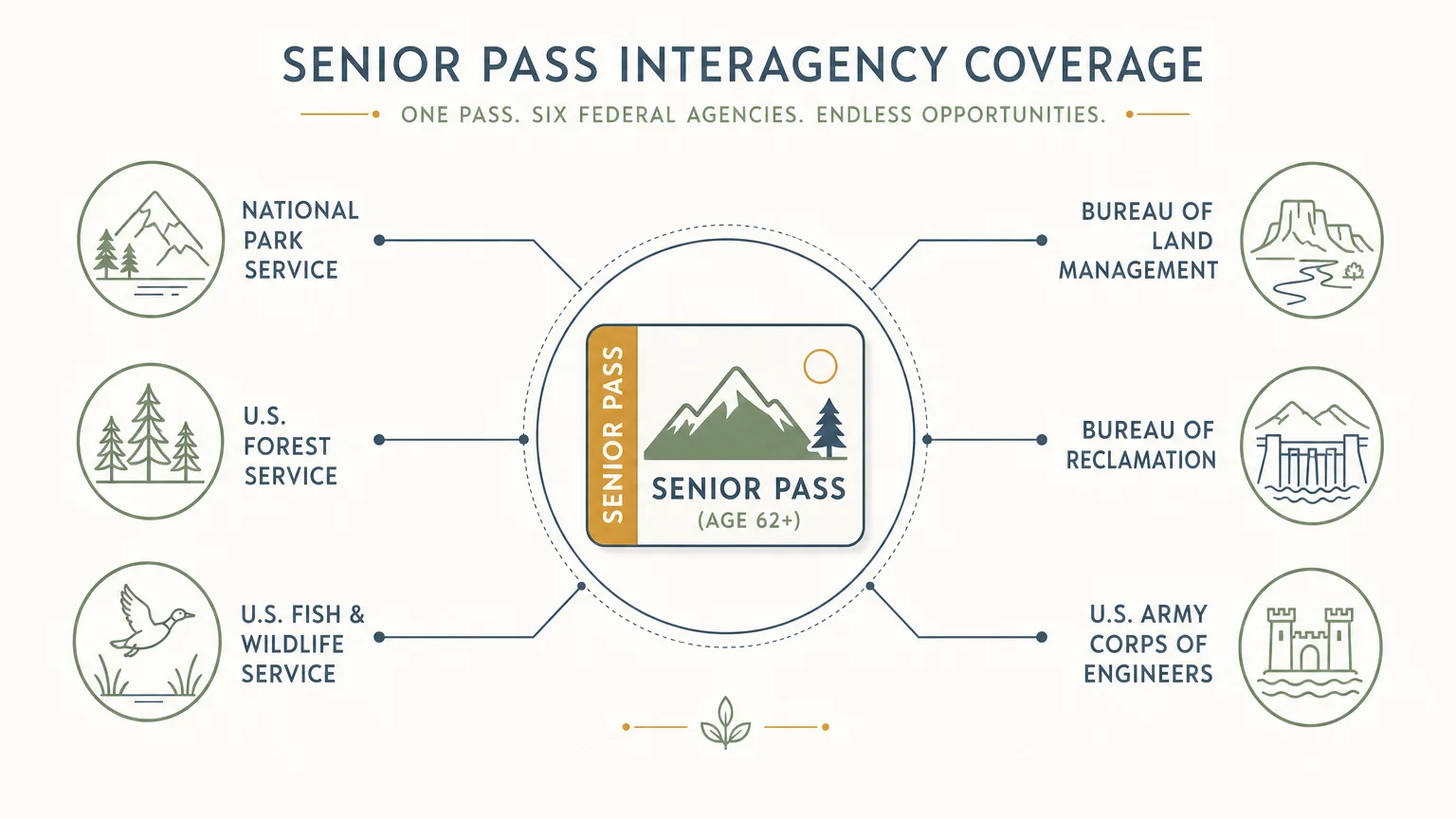
What makes this pass uniquely powerful is its broad coverage. Most people mistakenly believe it only applies to properties managed by the National Park Service. In reality, the pass is an interagency effort that grants you free entry to sites managed by six different federal agencies. These include the National Park Service, the U.S. Forest Service, the U.S. Fish and Wildlife Service, the Bureau of Land Management, the Bureau of Reclamation, and the U.S. Army Corps of Engineers. This means that your pass is just as valid at a local Army Corps recreation lake near your hometown as it is at the entrance to Mount Rushmore.
The pass covers the entrance fee for the pass owner and all passengers traveling in a single, private, non-commercial vehicle. If you are visiting a site that charges per-person fees rather than per-vehicle fees—such as certain historical monuments or walk-in wildlife refuges—the pass covers you and up to three accompanying adults. Children under the age of 16 are always admitted for free, making this a phenomenal tool for grandparents eager to share the wonders of nature with their grandchildren.
Calculating Your Savings: Annual Versus Lifetime Options
When you are managing a fixed retirement budget, every dollar counts. The federal government offers two distinct variations of the senior pass, allowing you to choose the option that best fits your immediate financial situation and your long-term travel plans. You can opt for an annual pass or commit to a lifetime pass.
| Pass Type | Cost | Additional Fees (If bought online) | Validity Period | Best Suited For |
|---|---|---|---|---|
| Annual Senior Pass | $20 | $10 Processing Fee | One Full Year from Month of Purchase | Seniors planning a single trip or those who prefer a smaller upfront cost. |
| Lifetime Senior Pass | $80 | $10 Processing Fee | The Rest of the Pass Owner’s Life | Frequent travelers, RV owners, and seniors planning multiple park visits over the years. |
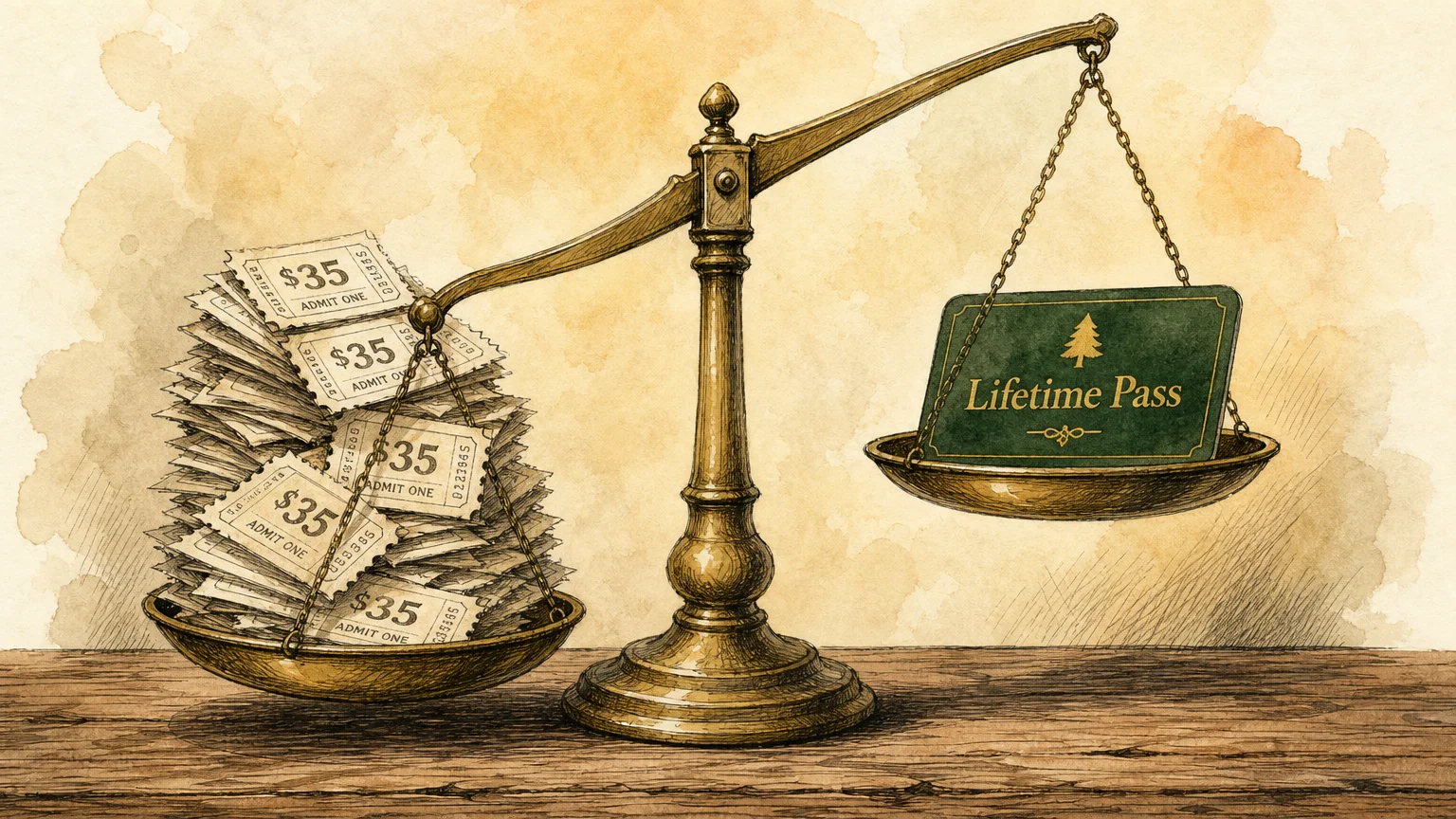
To understand the immense value of the $80 lifetime pass, consider a practical travel scenario. Imagine you plan a two-week road trip through the American Southwest. You decide to visit the Grand Canyon ($35 entry), Zion National Park ($35 entry), and Bryce Canyon ($35 entry). Without a pass, you would spend $105 just to drive through the gates. With the lifetime pass, you pay a one-time fee of $80 and never pay standard entrance fees at federal sites again for the rest of your life.
Furthermore, the government offers a brilliant upgrade pathway for those who start with the annual option. If you purchase an annual senior pass for $20, you can keep your expired passes or receipts. Once you have purchased four annual passes over any period of time—totaling $80—you can trade them in for a permanent lifetime pass at no additional charge. This flexibility ensures that you can take advantage of retiree benefits without feeling pressured to make a large upfront purchase.
How and Where to Purchase Your Senior Pass
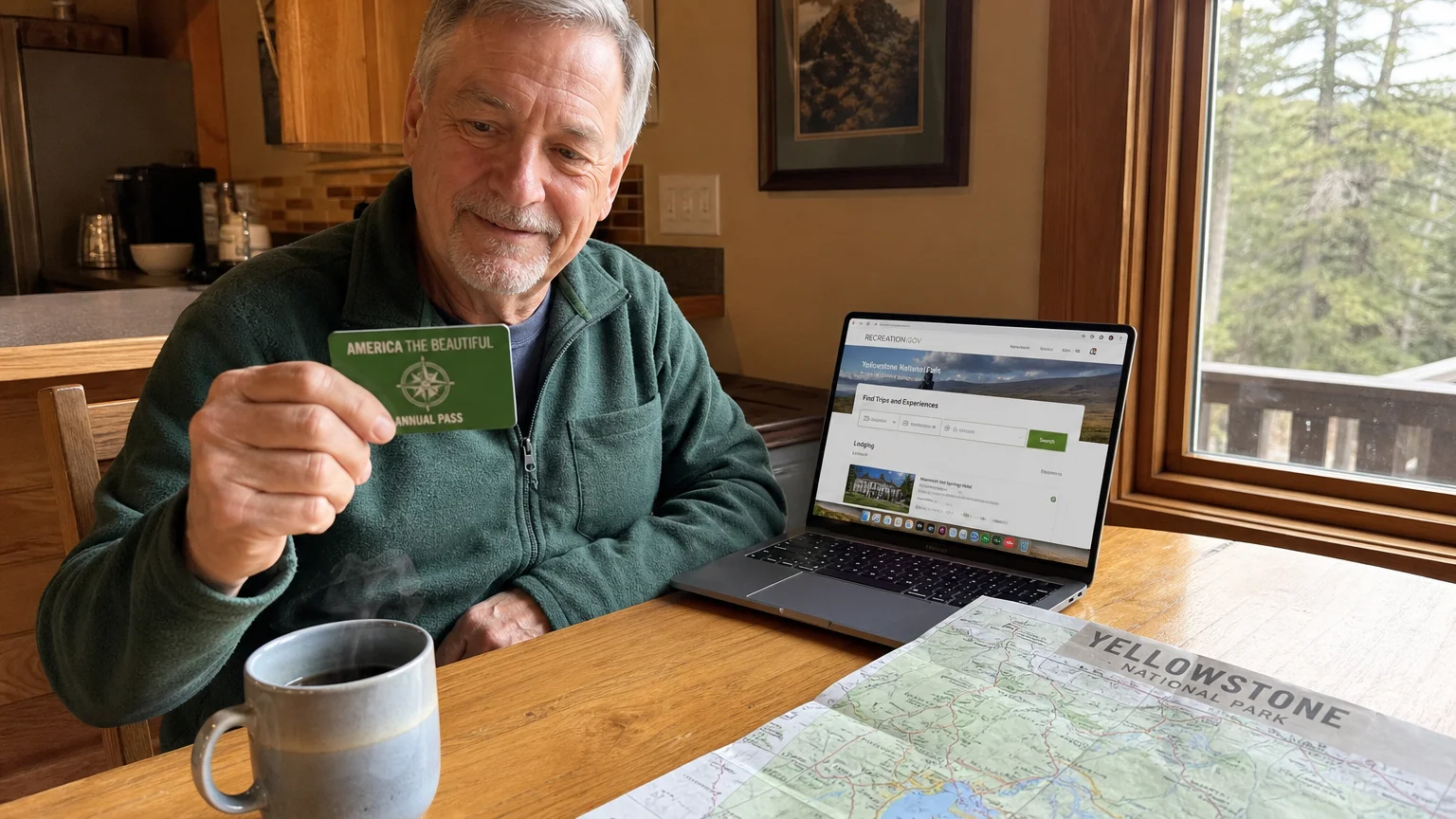
Acquiring your senior pass is a straightforward process, provided you know where to go. You have three primary options for purchasing your pass: in person, online, or through the mail. Each method has its own distinct advantages depending on your proximity to federal lands and your comfort level with digital transactions.
- In-Person Purchase: Buying your pass at a federal recreation site is by far the most efficient and cost-effective method. When you buy in person, you bypass the $10 online processing fee entirely; you simply pay the flat $20 or $80 fee. You must bring proof of age and residency—a valid driver’s license, passport, or state-issued ID works perfectly. However, not every small historical site or trail network issues passes. Before you drive to a location, call ahead to verify that they have passes in stock and staff available to process the transaction.
- Online Purchase: If you prefer to have your pass in hand before you begin your journey, you can order it online through the official United States Geological Survey (USGS) store. You will be required to upload a photo of your identification to prove you are 62 or older. Note that the online method incurs a non-refundable $10 processing fee, meaning the lifetime pass will cost $90 total. Expect delivery to take a few weeks, so plan well in advance of your departure date.
- Mail-in Purchase: For those who prefer paper applications, you can download the application form from the USGS website, fill it out, and mail it along with a photocopy of your identification and a check or money order. Like the online option, this method includes the $10 processing fee and requires adequate time for postal delivery and processing.
Your pass requires your physical signature on the back to become valid. Because passes are non-transferable, park rangers will frequently ask to see your photo ID alongside your pass at the entrance gate to confirm ownership.

Beyond Entrance Fees: Additional Discounts and Perks
The elimination of entrance fees is just the beginning of the national park discounts available to pass holders. The America the Beautiful Senior Pass also provides a 50 percent discount on several “expanded amenity fees” within federal sites. If you enjoy camping, boating, or taking specialized tours, these half-price perks can save you hundreds of dollars annually.
If you are an RV enthusiast or a tent camper, you will be delighted to find that your senior pass cuts standard federal campground fees in half. For instance, if a campsite in the Great Smoky Mountains typically costs $30 per night, your pass reduces that rate to $15. Over a week-long stay, that single discount easily pays for the pass itself.
The 50 percent discount generally applies to:
- Standard campsites in federal campgrounds (excluding hookup fees for electricity or water, in most cases).
- Swimming fees at federally managed lakes and beaches.
- Boat launch fees at federal ramps.
- Specialized guided tours, such as the famous lantern tours at Mammoth Cave National Park.
It is vital to understand the limitations of these additional discounts. The 50 percent reduction applies only to facilities directly managed by the federal government. Many national parks rely on private concessionaires to run their lodging, grocery stores, and internal bus tours. Your senior pass will not get you a discount on a hotel room at the Old Faithful Inn or a meal at a park restaurant. Always clarify with the booking agent whether the amenity is federally managed or privately operated before expecting a discount.
Navigating Accessibility and Health Considerations at National Parks
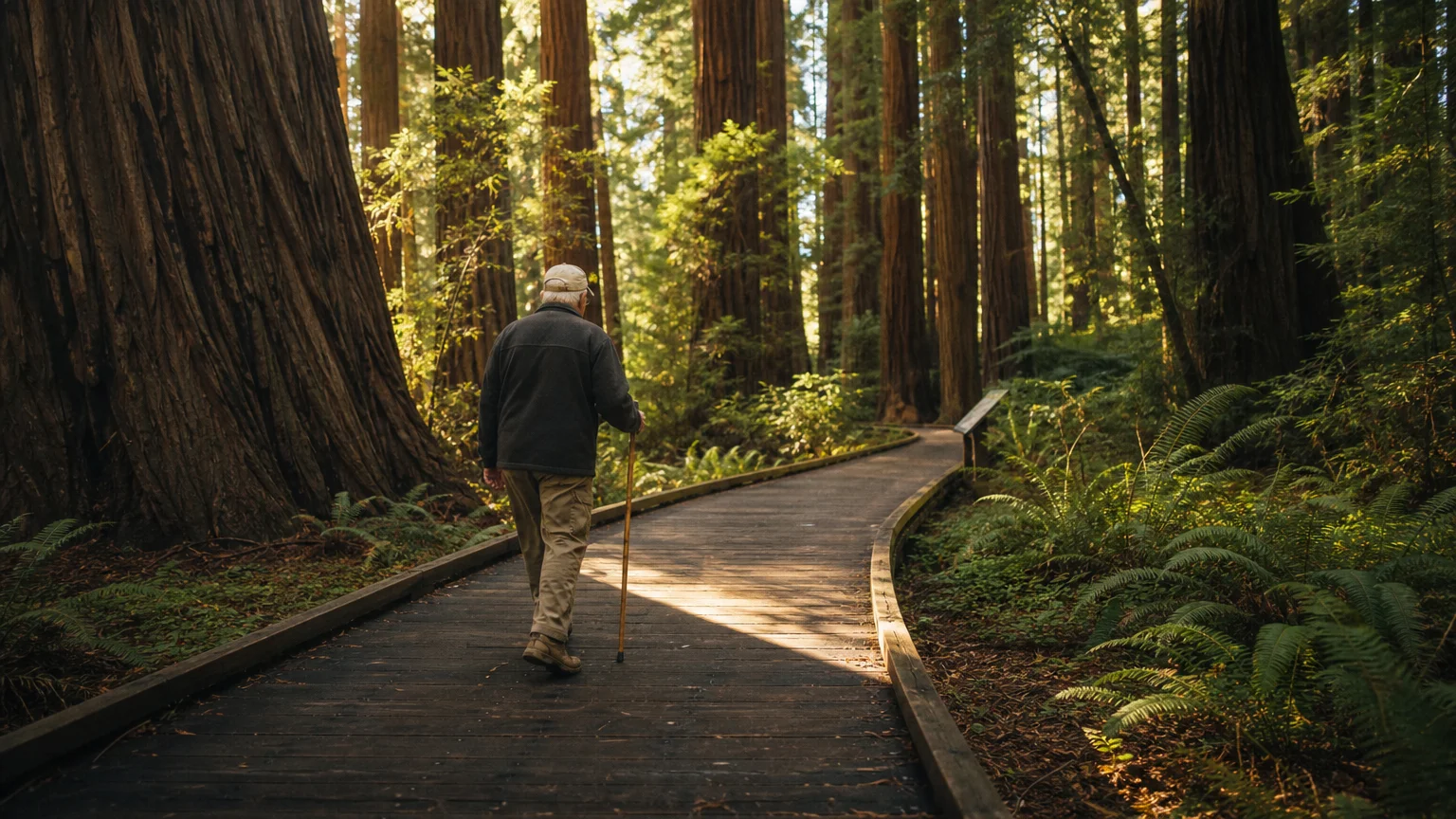
Traveling during your senior years offers incredible opportunities, but it also requires mindful planning regarding physical limitations and health conditions. The good news is that federal lands have made tremendous strides in accessibility. You do not need to hike steep, rugged trails to experience the majesty of our nation’s landscapes.
Prioritizing outdoor time is an excellent way to maintain your physical and mental well-being. According to the Centers for Disease Control and Prevention (CDC), engaging in moderate physical activity—such as walking on level, paved park trails—can help older adults maintain mobility and preserve their independence. Many national parks feature extensive networks of boardwalks and paved paths designed specifically to accommodate wheelchairs, walkers, and individuals who tire easily.
Furthermore, spending time in nature offers profound psychological benefits. Research from the National Institute on Aging (NIA) shows that staying active, engaging in novel experiences, and remaining socially connected can promote healthy cognitive aging. Taking a scenic drive or participating in a seated ranger presentation stimulates the mind without demanding strenuous physical exertion.
If you are under the age of 62 but have a medically determined permanent disability—such as severe arthritis, a chronic heart condition, or mobility impairment—you do not have to wait to receive federal recreation benefits. You are eligible for the Interagency Access Pass, which provides the exact same benefits as the lifetime senior pass but is issued entirely for free. An official letter from your doctor or a document from a federal agency confirming your permanent disability is required to obtain this pass.
Avoiding Common Scams and Third-Party Upcharges
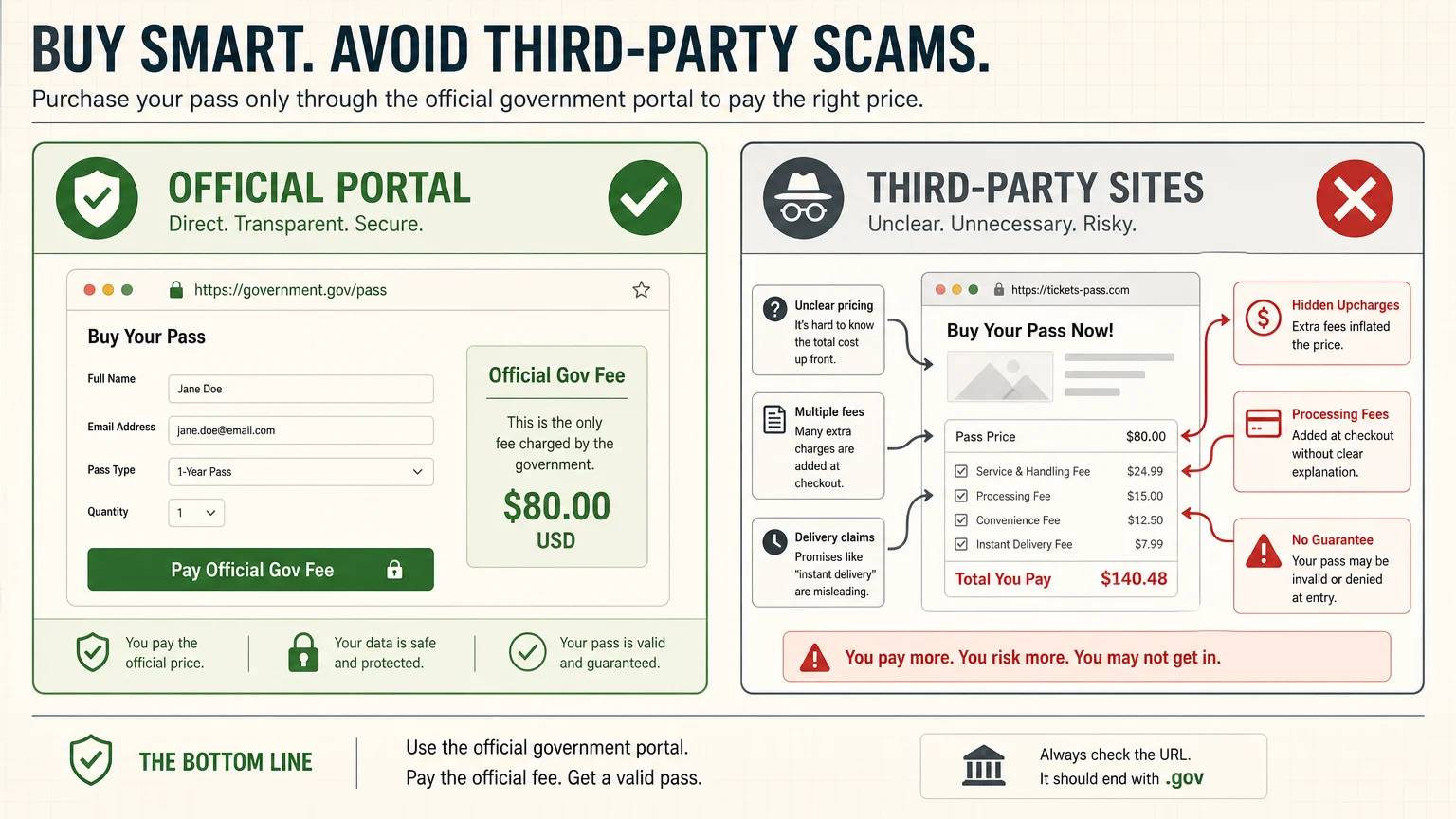
Unfortunately, whenever a valuable government benefit exists, opportunistic companies attempt to profit from it. When you search the internet for instructions on buying a senior pass, the top results are often paid advertisements from third-party businesses. These companies mimic the appearance of official government portals and offer to “process” your application—but they charge exorbitant fees to do so.
A legitimate lifetime pass costs exactly $80, plus a $10 fee if purchased online. Scam sites will routinely charge $120, $150, or more, pocketing the difference simply for mailing your information to the government on your behalf. As noted by experts at AARP, protecting your personal and financial information requires vigilance; you should never provide your credit card or social security number to an unverified third-party site claiming to expedite federal benefits.
To guarantee you are purchasing your pass safely, ensure the website URL ends in “.gov” or “.mil”. The only authorized online vendor for the America the Beautiful passes is the USGS store. If a website attempts to charge you more than $90 total for a lifetime pass, close your browser immediately.
If you are evaluating your overall budget to ensure travel is feasible, remember to look holistically at the benefits you have earned. Resources like Benefits.gov can help you uncover additional assistance programs, allowing you to reallocate your personal funds toward travel and recreation.

Top National Parks for Senior Travelers
Once you have your senior pass securely in your wallet, the entire country becomes your playground. While some parks are famous for grueling backcountry treks, others are ideally suited for older adults who prefer scenic drives, gentle terrain, and robust visitor amenities.
- Acadia National Park (Maine): Acadia is famous for its 45 miles of historic carriage roads. These crushed-stone pathways are closed to motorized vehicles, offering smooth, level, and shaded terrain perfect for walking or biking. The park also features the stunning Park Loop Road, allowing you to experience dramatic rocky coastlines directly from the comfort of your car.
- Shenandoah National Park (Virginia): If you love fall foliage and panoramic vistas, Shenandoah is unmatched. The park’s centerpiece is Skyline Drive, a 105-mile road running the length of the park along the crest of the Blue Ridge Mountains. With nearly 70 scenic overlooks, you can enjoy breathtaking views without hiking a single mile.
- Grand Canyon National Park (Arizona): While hiking to the bottom of the canyon is an extreme endeavor, the South Rim of the Grand Canyon is remarkably accessible. The park features an excellent, free shuttle bus system equipped with ramps. You can ride from viewpoint to viewpoint, stepping off onto flat, paved paths that sit right along the rim’s edge.
Frequently Asked Questions
Do I need to buy a separate pass for my spouse?
No, you generally do not need a separate pass for your spouse if you travel together. The senior pass covers the entrance fee for the pass owner and all passengers in a single, non-commercial vehicle. However, if you and your spouse frequently travel separately to different federal sites at the same time, you would each need your own pass.
Can I upgrade my $20 annual pass to a lifetime pass later?
Yes, the government offers a generous upgrade policy. If you purchase an annual pass for $20, keep the physical card once it expires. Once you accumulate four annual passes (a total investment of $80), you can exchange them for a permanent lifetime pass. You can perform this exchange in person at a staffed federal recreation site.
What should I do if I lose my lifetime senior pass?
Unfortunately, the federal government does not replace lost or stolen passes. Because passes are not centrally tracked by an individual’s name for replacement purposes, you will be required to purchase a brand-new pass. It is highly recommended to keep your pass in a secure travel wallet or safe location in your vehicle when not actively in use.
Does the America the Beautiful pass cover state parks?
No, the pass strictly covers federal recreation sites. State parks—such as Custer State Park in South Dakota or Valley of Fire in Nevada—are funded and managed by their respective state governments. Many states offer their own separate discounted state park passes for resident seniors, which you will need to purchase independently.
Can international visitors purchase a senior pass?
No, the senior pass is exclusively available to United States citizens and permanent residents who are 62 years of age or older. International visitors over the age of 62 who wish to visit multiple national parks can purchase the standard $80 Annual Interagency Pass, which does not have citizenship or age restrictions but must be renewed yearly.
For additional senior resources, visit
Alzheimer’s Association,
American Heart Association,
Benefits.gov and
National Institute on Aging (NIA).
Disclaimer: The information in this article is for educational purposes only and is not intended to be a substitute for professional financial, legal, or medical advice. Always consult with a qualified expert for advice tailored to your personal situation.








Leave a Reply