
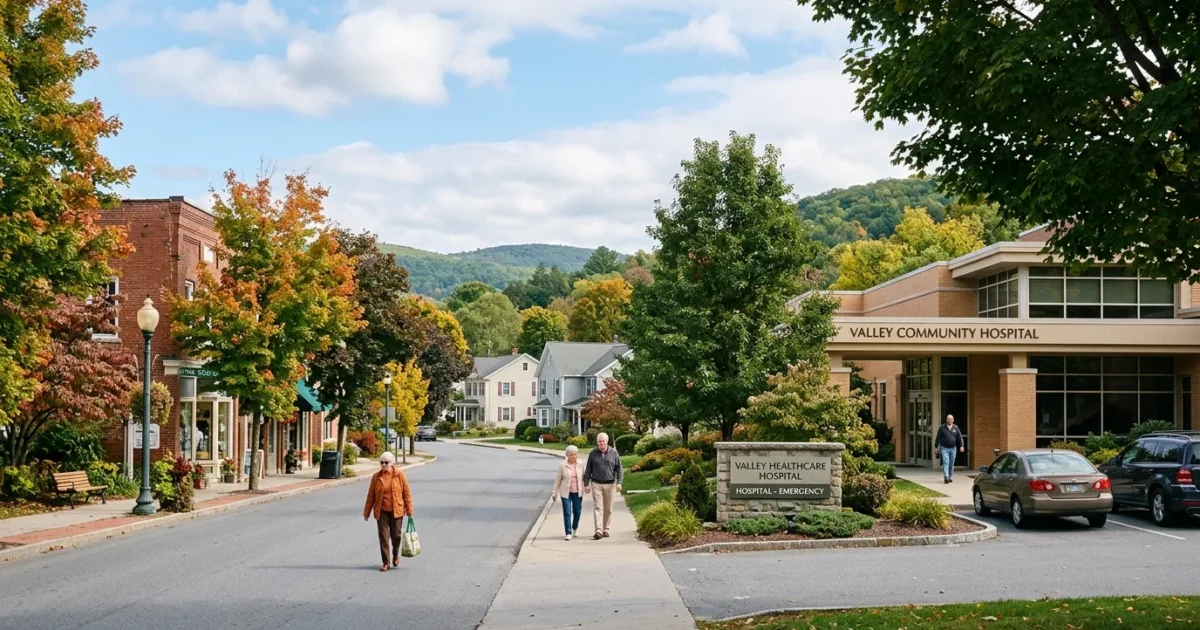
Choosing a retirement destination often forces a difficult compromise between the peaceful pace of a small town and the life-saving capabilities of a major city hospital. You do not have to choose between fresh air and world-class healthcare. Across the United States, several hidden-gem communities offer the quiet streets, lower cost of living, and tight-knit neighborhoods you want, anchored by state-of-the-art medical centers that rival urban institutions. Finding these balanced havens requires looking past the usual retirement hotspots toward regional medical hubs that quietly serve surrounding rural counties. Here are twelve exceptional small towns that deliver both a high quality of life and top-tier medical care for a secure, comfortable retirement.
Why Small-Town Healthcare Hubs Make Sense for Retirement
Big cities naturally host massive medical complexes, but they also come with heavy traffic, high living costs, and overwhelming crowds. When you need to visit a cardiologist or attend physical therapy several times a week, driving an hour through gridlock quickly becomes exhausting. Small towns that act as regional medical hubs solve this problem by bringing comprehensive care directly to your backyard.
These unique communities exist because major healthcare systems strategically place robust, specialized hospitals in rural centers to serve surrounding counties. Because these towns pull patients from a wide geographic area, their hospitals are surprisingly large and well-funded; they attract top-tier physicians who want a quieter lifestyle without sacrificing their clinical careers.
According to AARP, easy access to quality health services is one of the most vital factors in determining a community’s livability for older adults. Living ten minutes from a stroke center or an orthopedic specialist provides immense peace of mind. You gain the community warmth of a town with a population under 50,000, alongside the medical security normally reserved for a sprawling metropolis.
The Northeast: Historic Charm and Clinical Excellence
The Northeast offers profound historical roots, dramatic seasonal changes, and some of the most concentrated academic medical expertise in the country. If you enjoy crisp autumns and cozy winters, these two towns deliver exceptional healthcare.
1. Lebanon, New Hampshire
Tucked into the Upper Connecticut River Valley, Lebanon offers classic New England beauty with a population of just over 14,000. It is home to the Dartmouth-Hitchcock Medical Center, a massive academic health system that serves as New Hampshire’s only Level I trauma center. Retirees flock here for the pristine environment, excellent local dining, and an incredibly robust medical infrastructure. Furthermore, New Hampshire has no state income tax or general sales tax, easing the burden on your retirement budget.
2. Danville, Pennsylvania
Danville is a quiet borough situated along the North Branch of the Susquehanna River, boasting a modest population of around 4,000 residents. However, it serves as the headquarters for the Geisinger Medical Center. This nationally recognized hospital system turns this tiny town into a major destination for specialized medicine, including advanced cardiac and neurological care. Retirees in Danville enjoy very affordable housing, walkable historic streets, and the comfort of having world-class specialists located just down the road.

The South: Mild Winters and Exceptional Care
For retirees seeking to escape snow entirely, the Southern United States provides abundant sunshine. While coastal Florida often dominates the conversation, these inland southern towns offer superior care without the hurricane anxieties or exorbitant coastal housing prices.
3. Pinehurst, North Carolina
Pinehurst is famous globally for its championship golf courses, but it is equally impressive for its healthcare. With a population of about 18,000, Pinehurst is the flagship location for FirstHealth Moore Regional Hospital. This facility consistently ranks among the top hospitals in the state, offering exceptional outcomes in cardiology, orthopedics, and cancer care. You can spend your mornings on the links and rest easy knowing elite medical facilities are practically adjacent to the fairways.
4. Thomasville, Georgia
Known as the “City of Roses,” Thomasville combines deep southern charm with a vibrant, historic downtown filled with brick-paved streets and independent boutiques. Population hovers near 18,000. It is anchored by Archbold Memorial Hospital, a regional healthcare system renowned for its comprehensive oncology center and advanced surgical capabilities. Thomasville offers a lower cost of living compared to nearby Florida, mild winters, and a strong sense of community.
5. Oxford, Mississippi
Home to the University of Mississippi (Ole Miss), Oxford provides the vibrant cultural and culinary scene of a classic college town. It also houses Baptist Memorial Hospital-North Mississippi, a sprawling facility that provides advanced care to the northern region of the state. Retirees in Oxford enjoy SEC sporting events, deep literary history, and access to an extensive network of primary care physicians and specialists tailored to older adults.
The Midwest: Community Values and Top-Rated Hospitals
The Midwest is defined by its friendly neighbors, affordable real estate, and strong community support systems. These towns prove that you do not have to move to the coasts to find excellent post-career living and healthcare.
6. Petoskey, Michigan
Situated on the shores of Lake Michigan’s Little Traverse Bay, Petoskey is a stunning resort community with a year-round population of about 6,000. The town is serviced by McLaren Northern Michigan, an award-winning regional hospital recognized for exceptional cardiovascular and stroke care. Retirees here enjoy boating, fishing, and exploring the famous Gaslight District. The town offers a vibrant summer scene and a quiet, beautiful winter, supported by a hospital built to handle complex medical needs.
7. Marshfield, Wisconsin
With a population near 18,000, Marshfield is the definition of a medical hub. It is the founding location of the Marshfield Clinic Health System, one of the largest private multispecialty medical clinics in the United States. Retirees benefit from direct access to hundreds of physicians and researchers right in their small town. The cost of living is highly affordable, crime is exceptionally low, and the community is highly focused on health and wellness.

The West: Active Lifestyles Supported by Great Clinics
Many seniors want an active retirement filled with hiking, fishing, and outdoor exploration. Staying active is vital for long-term health; research from the National Institute on Aging (NIA) shows that maintaining physical activity, especially in engaging outdoor environments, significantly preserves mobility and cognitive function. These western towns offer adventure alongside excellent medical safety nets.
8. Kalispell, Montana
Located near the entrance of Glacier National Park, Kalispell has a population of about 26,000. It is home to Logan Health Medical Center, a highly rated facility that has expanded dramatically to include a dedicated neuroscience institute, cancer care, and a top-tier cardiology department. For retirees who want to spend their golden years fishing, hiking, and enjoying wide-open spaces, Kalispell provides rugged beauty paired with sophisticated modern medicine.
9. Durango, Colorado
Nestled in the San Juan Mountains, Durango boasts a population of roughly 19,000. It is an outdoor enthusiast’s paradise. Centura Mercy Hospital serves the area with advanced acute care, a renowned orthopedic department, and comprehensive emergency services. High-altitude living requires good healthcare, and Durango ensures that active retirees have rapid access to joint replacements, cardiac monitoring, and emergency support.
10. Kerrville, Texas
Located in the heart of the beautiful Texas Hill Country, Kerrville is home to about 24,000 residents. It features the Peterson Regional Medical Center, repeatedly recognized as one of the Top 20 Rural Community Hospitals in the nation. Kerrville offers mild winters, a scenic riverfront, and no state income tax. It provides a peaceful, arts-focused community with medical resources that far exceed what you would expect for its size.
The Mid-Atlantic: Coastal and Valley Retreats
Bridging the gap between the North and South, the Mid-Atlantic region offers temperate climates, rich historical sites, and excellent proximity to major metropolitan areas if you ever need them.
11. Winchester, Virginia
Set in the gorgeous Shenandoah Valley, Winchester has a population of approximately 28,000. It is anchored by Winchester Medical Center, a Level II trauma center that serves a vast tri-state region. The hospital offers an advanced heart and vascular center and comprehensive neurological care. Retirees love the walkable historic downtown, the beautiful surrounding apple orchards, and the fact that Washington D.C. is less than two hours away for visiting family.
12. Salisbury, Maryland
As the largest city on Maryland’s Eastern Shore, Salisbury is still relatively small, with a population around 33,000. TidalHealth Peninsula Regional is located right in the city center, offering award-winning clinical care, particularly in joint replacement, endocrinology, and cardiovascular treatments. Salisbury gives you quick access to Atlantic beaches and the Chesapeake Bay without the massive price tag of coastal resort towns.
How to Evaluate a Town’s Healthcare System
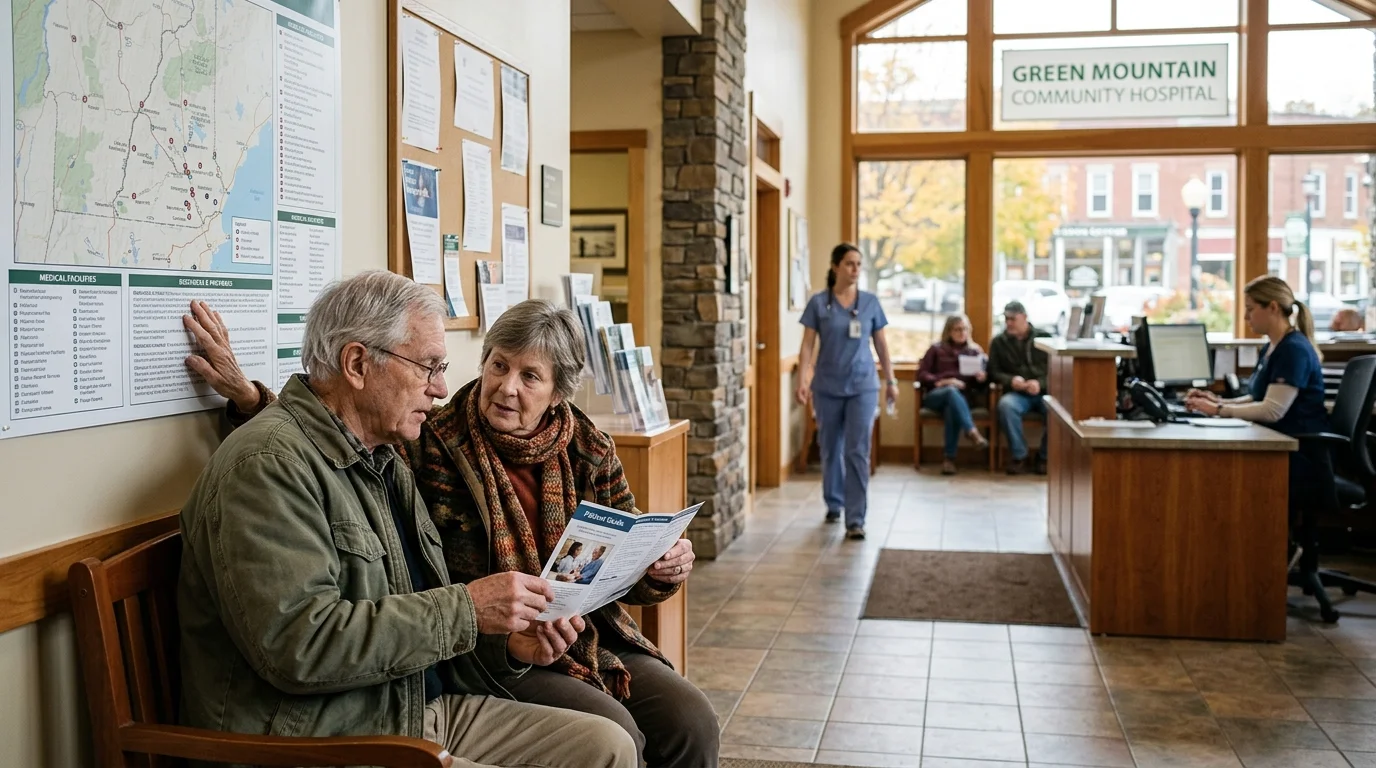
Before you pack your bags and buy a new home, you must critically assess the healthcare infrastructure of your chosen town. A beautiful downtown means nothing if you cannot get an appointment with a neurologist when you need one. You can research specific facility ratings using the provider tools at Medicare.gov to ensure the local hospital meets national standards for patient safety and clinical outcomes.
Use this simple checklist to guide your evaluation:
| Healthcare Factor | Why It Matters for Seniors | How to Verify |
|---|---|---|
| Primary Care Availability | You need a local doctor to manage your prescriptions and coordinate specialist referrals. | Call local clinics and ask directly: “Are you accepting new Medicare patients?” |
| Specialist Roster | Seniors frequently need cardiologists, orthopedic surgeons, and endocrinologists. | Check the hospital’s official website for a directory of employed specialists. |
| Trauma and Emergency Level | In a cardiac or stroke event, you do not want to be airlifted two hours away. | Look for at least a Level II or III Trauma Center designation. |
| Network Compatibility | Out-of-network care can devastate your retirement savings. | Call your insurance provider and verify that the local hospital is in-network. |

Common Pitfalls When Moving for Medical Care
Relocating in retirement is a major life event. Even if a town looks perfect on paper, practical complications can arise. One of the most severe pitfalls involves Medicare Advantage (Part C) plans. These plans operate on strict regional networks. If you move across state lines—or even just to a different county—your current HMO or PPO network might not cover the new town’s hospital. Always review your plan’s service area and be prepared to switch policies during a Special Enrollment Period when you move.
Another common mistake is ignoring the broader support infrastructure. A great hospital is vital, but what happens when you are discharged? You need access to local home health aides, reliable physical therapy centers, and community transportation if you temporarily cannot drive. You can find local support networks and aging services through the Administration for Community Living (ACL) to ensure your new town has the infrastructure necessary for comfortable aging in place.
Finally, avoid moving purely for a single specialist. Doctors retire, relocate, or change practices. You should evaluate the hospital system as a whole. A robust, well-funded medical center will easily recruit a new specialist if your current doctor leaves; a struggling rural clinic will not.
Frequently Asked Questions
Do small-town hospitals offer the same level of specialized care as city hospitals?
It depends entirely on the town. Standard rural clinics often stabilize patients and transport them to the city. However, the regional medical hubs listed in this article are specifically designed to treat complex cases locally. They feature dedicated oncology wards, advanced cardiac catheterization labs, and robotic surgery suites that match urban standards.
Will my Medicare coverage automatically work in a new state?
Original Medicare (Part A and Part B) is a federal program and works with any doctor or hospital in the U.S. that accepts Medicare. However, if you have a Medicare Advantage plan or a specific Part D prescription drug plan, you will likely need to update or change your policy, as these are region-specific.
Are these medical hub towns affordable on a fixed income?
Yes, compared to traditional retirement capitals like Naples, Florida, or Scottsdale, Arizona, these towns offer a much lower cost of living. Housing costs, property taxes, and daily expenses in places like Danville, Pennsylvania, or Kerrville, Texas, are highly manageable for seniors on fixed incomes.
What if I eventually require a highly experimental treatment or a rare organ transplant?
For highly experimental treatments, rare diseases, or major organ transplants, you will still likely need to visit a massive metropolitan academic center. Regional hubs excel at treating 95% of senior medical needs—including heart attacks, strokes, joint replacements, and standard cancer care—but they will coordinate with national centers for extreme medical anomalies.
For additional senior resources, visit
National Institutes of Health (NIH),
Centers for Medicare & Medicaid Services (CMS) and
Social Security Administration (SSA).
Disclaimer: The information in this article is for educational purposes only and is not intended to be a substitute for professional financial, legal, or medical advice. Always consult with a qualified expert for advice tailored to your personal situation.









Leave a Reply