
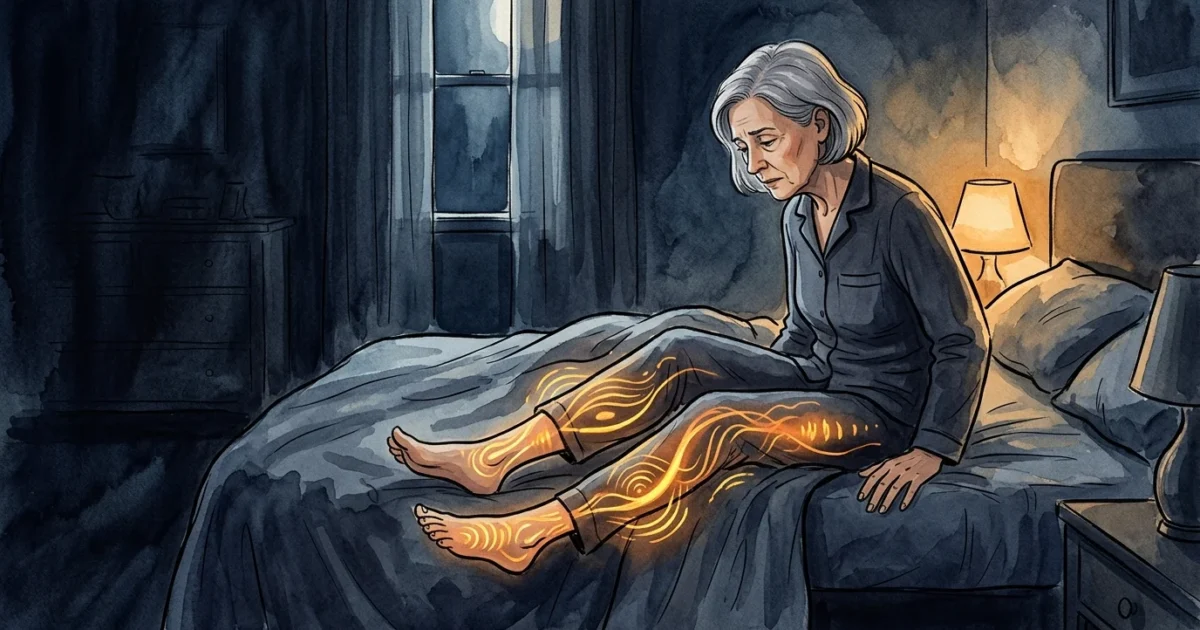
Restless Leg Syndrome affects millions of older adults, yet it remains one of the most frequently misunderstood conditions in senior healthcare. Rather than recognizing the subtle neurological signals of this sleep disorder, many seniors and their doctors mistakenly dismiss the discomfort as normal aging, arthritis, or poor circulation. This misdiagnosis leads to years of unnecessary exhaustion, sleepless nights, and diminished quality of life. Identifying the true symptoms of this condition is the critical first step toward getting the right treatment and reclaiming your restful sleep. Understanding these seven underdiagnosed signs will empower you to recognize what your body is actually experiencing, communicate effectively with your doctor, and find the lasting relief you deserve.
Understanding Restless Leg Syndrome in Older Adults
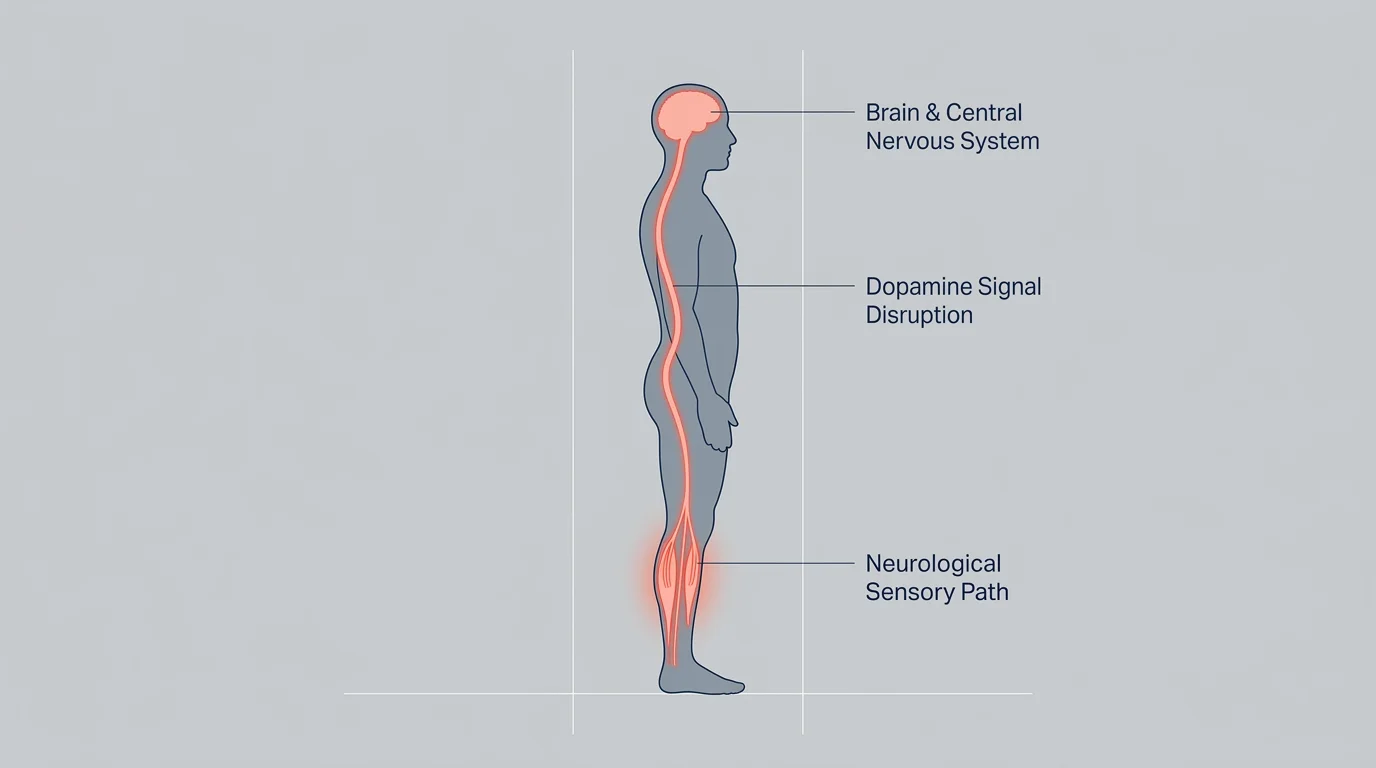
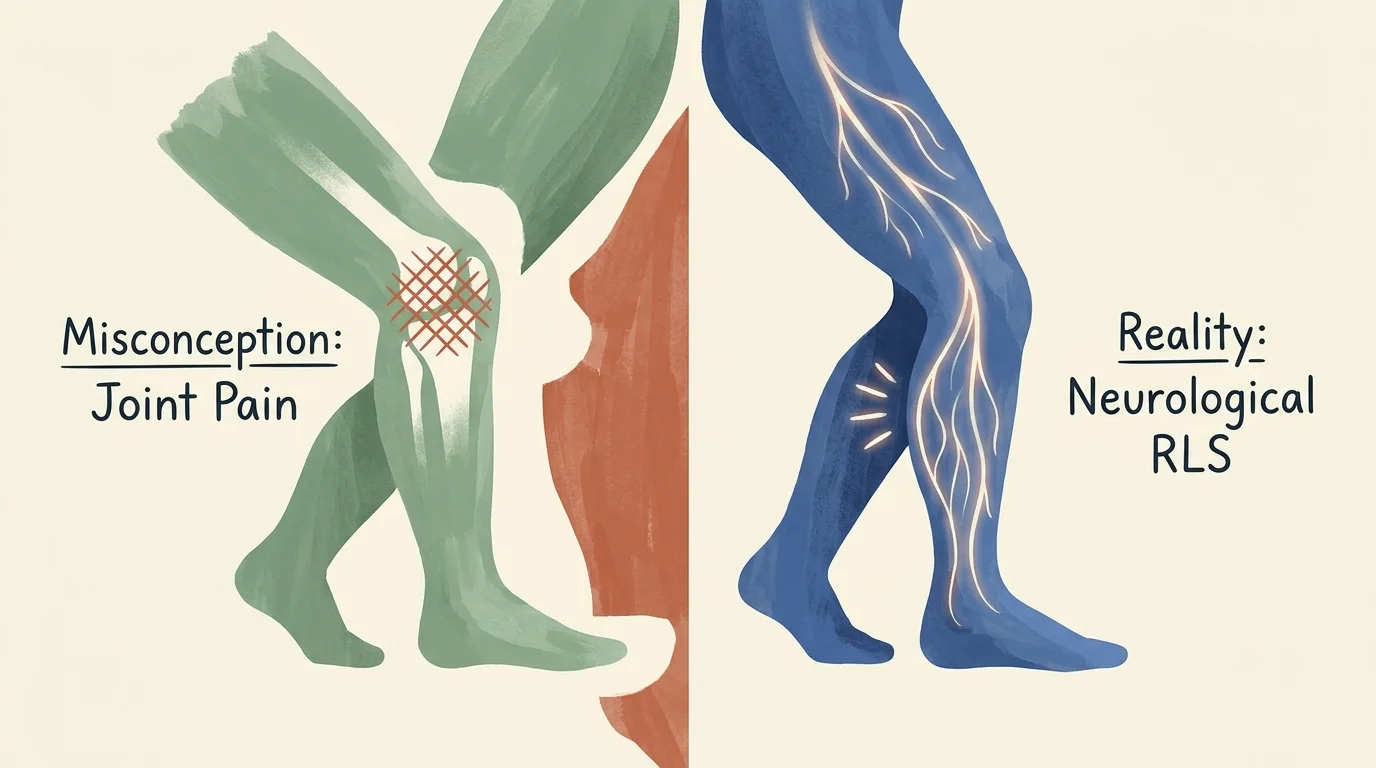
Before diving into the specific signs, you need to understand what is actually happening in your body. Restless Leg Syndrome (RLS), also known as Willis-Ekbom Disease, is not a muscle cramp or a joint issue. It is a neurological disorder. It originates in your brain and central nervous system, specifically relating to how your brain processes a chemical called dopamine, which controls muscle movement.
According to the National Institutes of Health (NIH), this condition is heavily underdiagnosed, especially in older adults. Because seniors naturally experience more aches, pains, and joint issues as they age, both patients and healthcare providers often attribute leg discomfort to arthritis, neuropathy, or general aging. This overlap in symptoms makes RLS incredibly easy to miss. When left untreated, the condition wreaks havoc on your sleep cycle, your mood, and your overall vitality.

Sign 1: Unexplained Nighttime Insomnia and Extreme Daytime Fatigue
Many older adults assume that sleeping poorly is simply a natural part of getting older. While sleep patterns do shift with age, chronic insomnia is not something you should accept as normal. If you find yourself lying awake for hours, unable to quiet your body, or if you wake up repeatedly throughout the night feeling agitated, Restless Leg Syndrome might be the hidden culprit.
The fatigue that follows a night of untreated RLS is profound. Research from the National Institute on Aging (NIA) emphasizes that consistent, high-quality sleep is absolutely essential for memory retention, mood regulation, and physical health in older adults. When RLS steals your sleep night after night, you might find yourself too exhausted to participate in social activities, exercise, or even safely drive a car. If your doctor has diagnosed you with primary insomnia but sleep aids are not helping—or are actually making you feel worse—your leg symptoms need a closer look.
Sign 2: A Creepy, Crawling, or Pulling Sensation
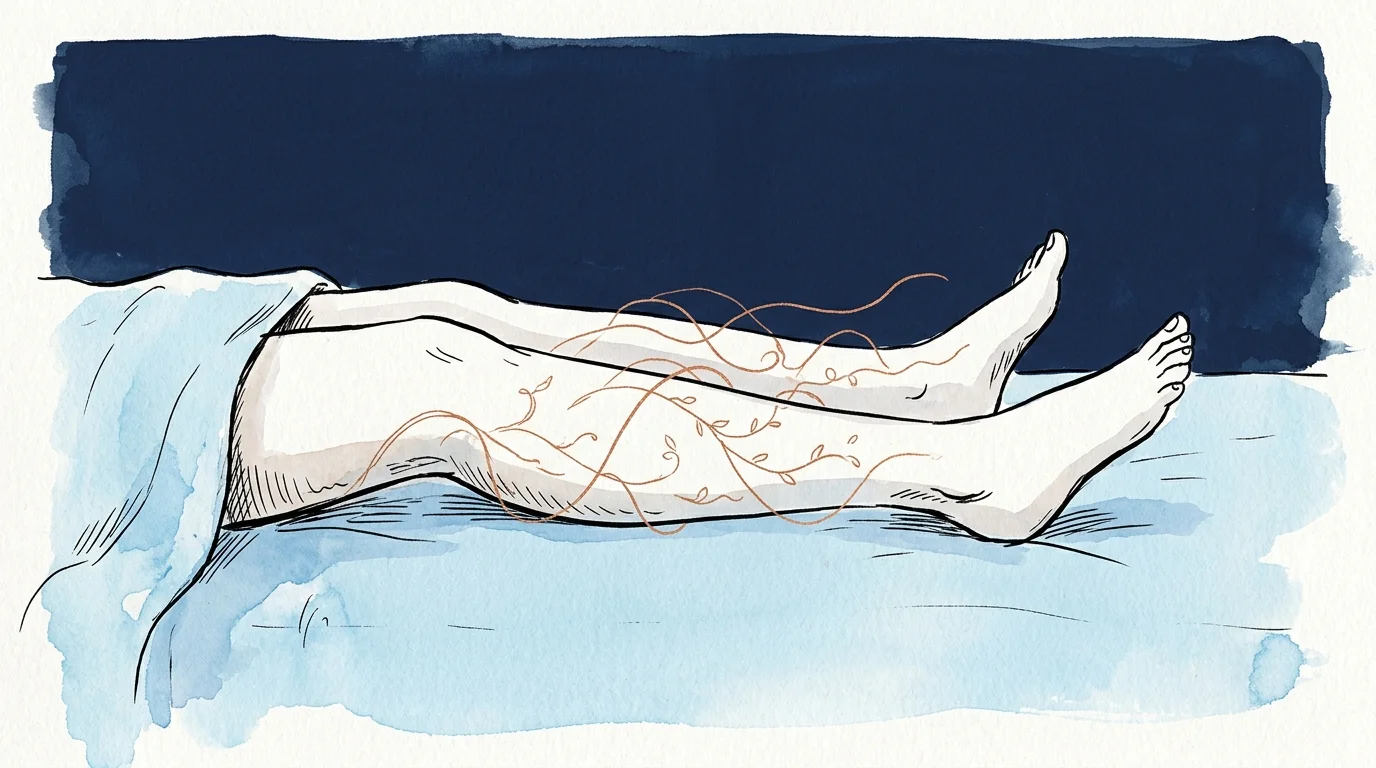
One of the main reasons RLS is underdiagnosed is the difficulty patients have describing the sensation. Unlike the sharp, stabbing pain of sciatica or the deep, aching throb of arthritis, RLS presents as a bizarre sensory experience. Seniors often struggle to find the right words to explain it to their doctors.
You might feel:
- An uncomfortable “creepy-crawly” sensation, as if insects are moving just beneath your skin.
- A bubbling feeling, often described as carbonated water flowing through your veins.
- A deep tugging, pulling, or itching sensation deep within the calf or thigh muscles.
- An electric or vibrating buzz in your lower limbs.
Crucially, this sensation happens deep inside the leg, not on the surface of the skin. If you find yourself telling your doctor, “My legs just feel weird and uncomfortable,” but you cannot pinpoint a specific area of pain, you are describing a classic sign of Restless Leg Syndrome.

Sign 3: The Overwhelming Urge to Move Whenever You Sit Still
Restless Leg Syndrome hates inactivity. The defining characteristic of this condition is an intense, almost irresistible urge to move your legs. This urge strikes specifically when you are resting, sitting, or lying down for extended periods.
Think about your daily routine. Do you find it agonizing to sit through a movie at the theater? Do you dread long car rides to visit your grandchildren? Do you constantly shift, cross, and uncross your legs while reading or watching television in your favorite armchair? For someone with RLS, staying still feels physically impossible. The longer you try to force yourself to remain motionless, the more intense the uncomfortable sensations become until you finally give in and move.
Sign 4: Evening and Nighttime Worsening of Leg Discomfort
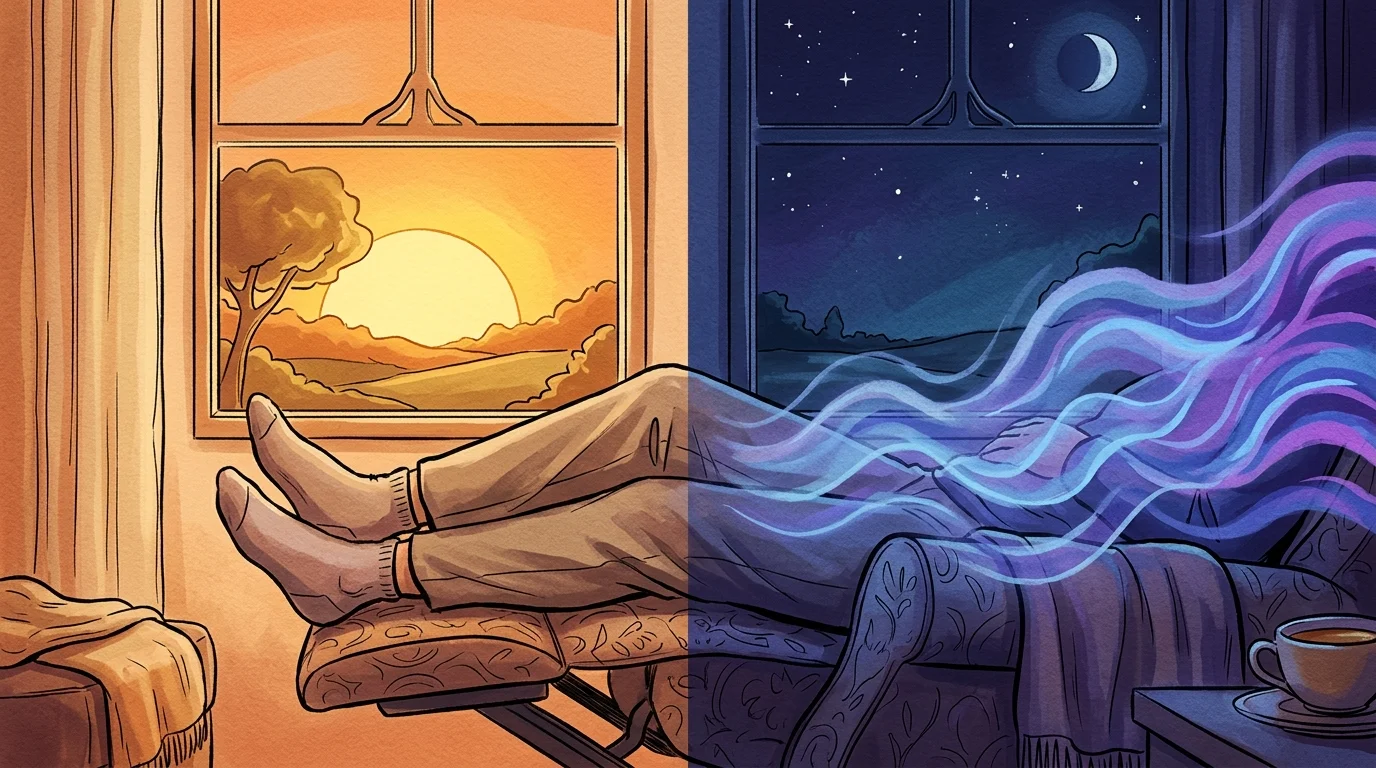
Timing is everything when it comes to an accurate diagnosis. A hallmark sign of Restless Leg Syndrome is its strict adherence to a circadian rhythm. The symptoms are rarely bothersome in the morning or early afternoon. Instead, they begin to creep in as the sun goes down, peaking in severity during the late evening and nighttime hours.
This evening worsening is why RLS is classified as a sleep disorder. Many seniors with this condition develop a deep sense of anxiety or dread as bedtime approaches. You know that the moment you lie down and try to relax, your legs will begin their nightly routine of discomfort. If your leg discomfort follows a strict schedule—fine at breakfast, unbearable at midnight—it is a massive red flag for RLS.
Sign 5: Relief That Only Comes From Walking or Stretching
Unlike arthritis or muscle strains—which generally feel better when you rest and worse when you exercise—Restless Leg Syndrome behaves in the exact opposite manner. The only way to find relief from the creepy, crawling, tugging sensations is to actively move the affected limbs.
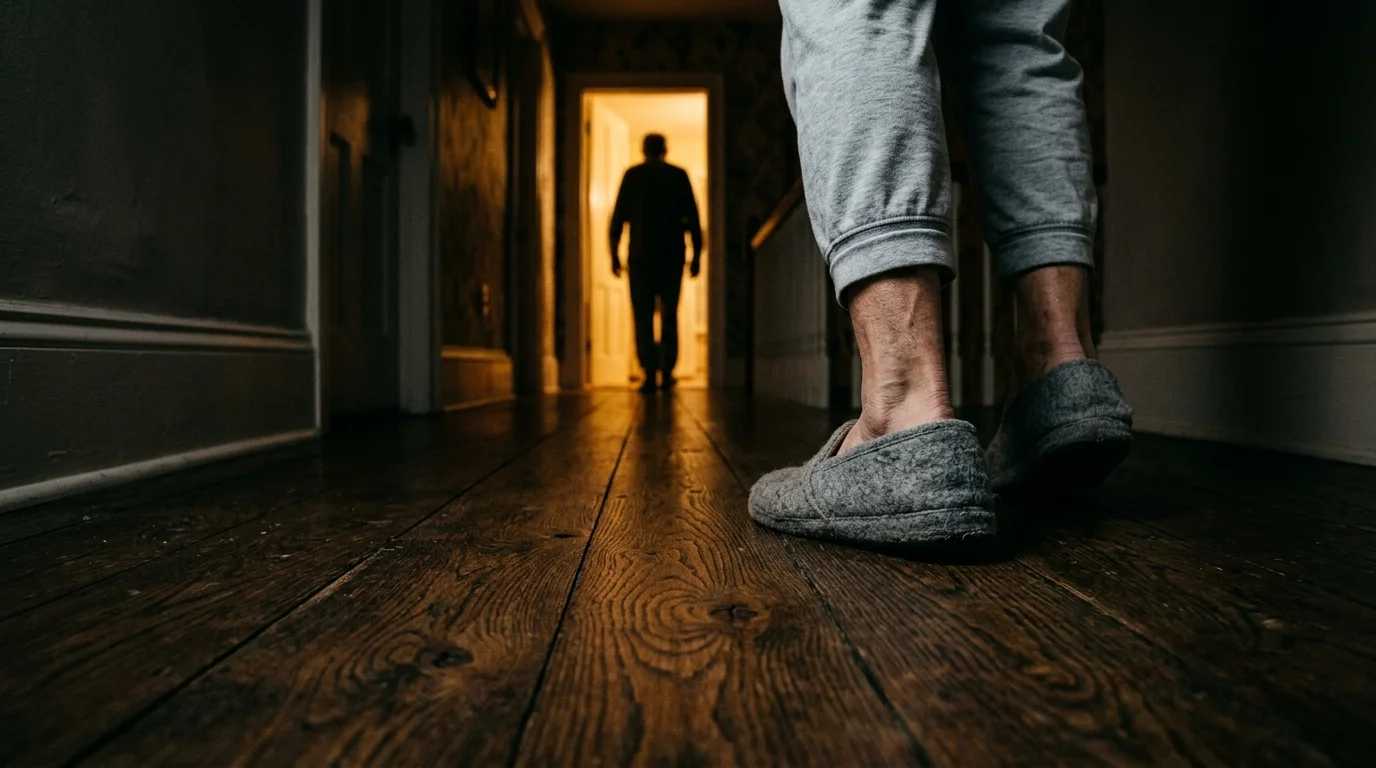
You might find yourself pacing the hallways of your home at two in the morning. You might stand beside your bed doing deep knee bends, calf stretches, or vigorously rubbing your legs. Movement provides instant relief. However, this relief is strictly temporary. The moment you stop walking and climb back into bed, the sensations return almost immediately. This cycle of lying down, feeling the discomfort, getting up to pace, and lying down again is physically and mentally exhausting.

Sign 6: Unintentional Leg Twitching While You Sleep (PLMS)
Many seniors with Restless Leg Syndrome also suffer from a companion condition called Periodic Limb Movements in Sleep (PLMS). While RLS keeps you awake, PLMS happens after you finally manage to drift off. It involves involuntary jerking, kicking, or twitching of the legs every 15 to 40 seconds throughout the night.
Often, you will not even realize you are doing it. It is usually a bed partner who points out the problem after enduring nights of being accidentally kicked. Even if you sleep alone, you might notice signs of PLMS, such as waking up with your bedsheets completely tangled or kicked off the bed. These micro-awakenings prevent your brain from reaching the deep, restorative stages of sleep, leaving you feeling groggy and depleted the next day.
Sign 7: Worsening Symptoms From Common Senior Medications
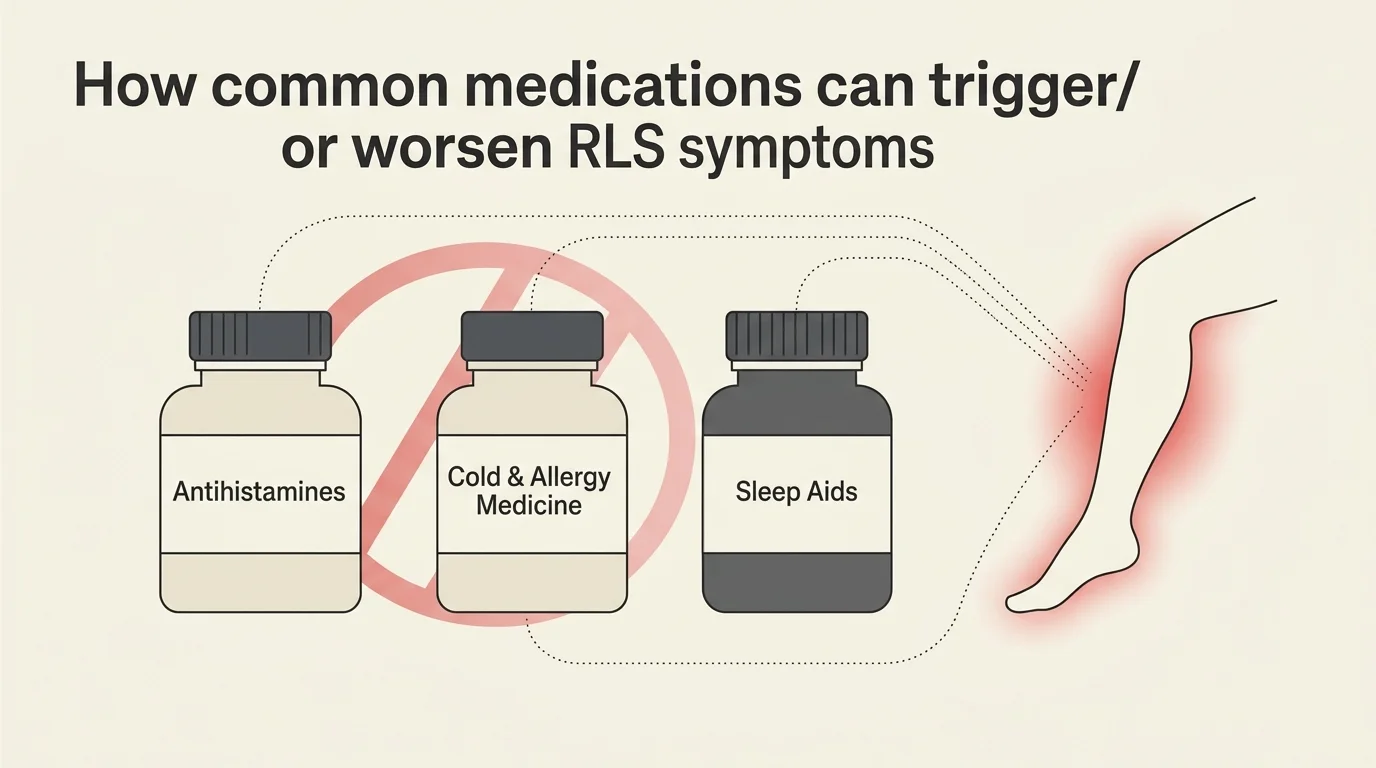
This is perhaps the most critical and overlooked sign for older adults. Seniors often manage multiple health conditions and take various prescription and over-the-counter medications. Unfortunately, several very common drugs aggressively trigger or worsen Restless Leg Syndrome.
If you recently started a new medication and noticed a sudden spike in leg discomfort and sleeplessness, check your medicine cabinet. Common culprits include:
- Over-the-counter sleep aids and allergy pills: Medications containing diphenhydramine (found in Benadryl, Tylenol PM, ZzzQuil, and Advil PM) block the very brain receptors needed to keep RLS at bay. Taking a PM pain reliever to sleep through leg discomfort will ironically make your legs infinitely worse.
- Antidepressants: Many common SSRIs and SNRIs used to treat depression and anxiety can aggravate leg symptoms.
- Anti-nausea medications: Drugs used to treat vertigo, nausea, or upset stomachs often act as dopamine blockers, triggering intense RLS flares.
Never stop taking a prescribed medication without speaking to your doctor, but be sure to ask if any of your current pills could be aggravating your nervous system.
Common Misconceptions and Costly Mistakes
Living on a fixed income means you need to be careful about where you spend your healthcare dollars. Because RLS is frequently misdiagnosed as poor circulation or muscle fatigue, many seniors fall prey to marketing gimmicks and ineffective treatments. The Centers for Disease Control and Prevention (CDC) notes that managing chronic conditions requires evidence-based strategies, yet many older adults spend hundreds of dollars chasing the wrong cure.
Here are the most common traps to avoid:
| The Misconception | The Reality |
|---|---|
| Buying expensive circulation boosters. | RLS is neurological, not vascular. Leg massagers, compression socks, and circulation machines will not cure a dopamine imbalance in the brain. |
| Taking quinine or drinking tonic water. | Quinine is an old remedy for muscle cramps, not RLS. It carries serious heart risks for seniors and is not recommended by modern medical standards. |
| Loading up on over-the-counter sleep aids. | As mentioned above, antihistamine-based sleep aids directly block dopamine receptors, making your leg sensations dramatically worse. |
| Assuming you just need more potassium. | While bananas are healthy, potassium deficiency causes muscle cramps (charley horses), not the creepy-crawly urge to move associated with RLS. |

How to Talk to Your Doctor and Advocate for Your Health
Getting a proper diagnosis requires clear communication. Doctors have limited time during appointments, so you need to be prepared to present your symptoms effectively. Follow these steps to advocate for yourself:
- Keep a Sleep and Symptom Diary: For two weeks before your appointment, track when your symptoms start, what they feel like, and how often you get out of bed to pace. Note what time of day the symptoms are worst.
- Use the Right Vocabulary: Do not just say, “My legs hurt.” Use specific words like “crawling,” “pulling,” “urge to move,” and “relieved by walking.” Mention that it happens mostly at night.
- Request an Iron Panel: Low iron levels in the brain are a primary trigger for RLS, even if you are not technically anemic. Ask your doctor to check your “ferritin levels.” A ferritin level below 75 mcg/L often triggers restless legs in seniors.
- Ask About a Sleep Study: If your doctor is unsure, you may need a referral to a sleep specialist or a neurologist. If you are worried about costs, Medicare.gov outlines coverage for diagnostic sleep studies when ordered by your physician to treat a specific medical condition.
Frequently Asked Questions
Does Medicare cover treatments for Restless Leg Syndrome?
Yes. Medicare Part B generally covers doctor visits, neurological exams, and blood tests (like iron panels) needed to diagnose RLS. Medicare Part D covers most prescription medications used to treat the condition, including dopamine agonists and specific nerve-pain medications. Always verify your specific formulary coverage with your Part D or Medicare Advantage provider.
Can a magnesium deficiency cause restless legs?
While low iron is the most common mineral deficiency linked to RLS, some seniors find that magnesium deficiency exacerbates their symptoms. Magnesium helps regulate muscle and nerve function. Before taking supplements, ask your doctor to check your levels, as too much magnesium can interfere with certain heart medications and blood pressure drugs.
Are there lifestyle changes that can reduce my symptoms?
Absolutely. Establishing a strict sleep routine is vital. Limit caffeine and alcohol intake, especially in the afternoon and evening. Moderate, daily exercise like walking or swimming helps, but avoid rigorous exercise right before bed, as this can overstimulate your nervous system. Hot baths and gentle stretching before sleep also provide temporary relief.
How does Restless Leg Syndrome affect my partner?
RLS heavily impacts bed partners. Between your need to get up and pace, and the involuntary kicking associated with Periodic Limb Movements in Sleep (PLMS), your partner’s sleep is likely suffering alongside yours. Some couples temporarily sleep in separate beds—often called a “sleep divorce”—until the RLS is medically managed. Open communication and seeking medical treatment are key to preserving both your health and your relationship.
Is Restless Leg Syndrome related to Parkinson’s disease?
This is a common fear, as both conditions involve the brain’s dopamine pathways and movement. However, having Restless Leg Syndrome does not mean you have Parkinson’s disease, nor does it increase your risk of developing Parkinson’s later in life. They are distinct, separate conditions. Your doctor can easily distinguish between the two during a standard neurological exam.
For additional senior resources, visit
Social Security Administration (SSA), Consumer Financial Protection Bureau (CFPB), Administration for Community Living (ACL) and Eldercare Locator.
Disclaimer: The information in this article is for educational purposes only and is not intended to be a substitute for professional financial, legal, or medical advice. Always consult with a qualified expert for advice tailored to your personal situation.









Leave a Reply