
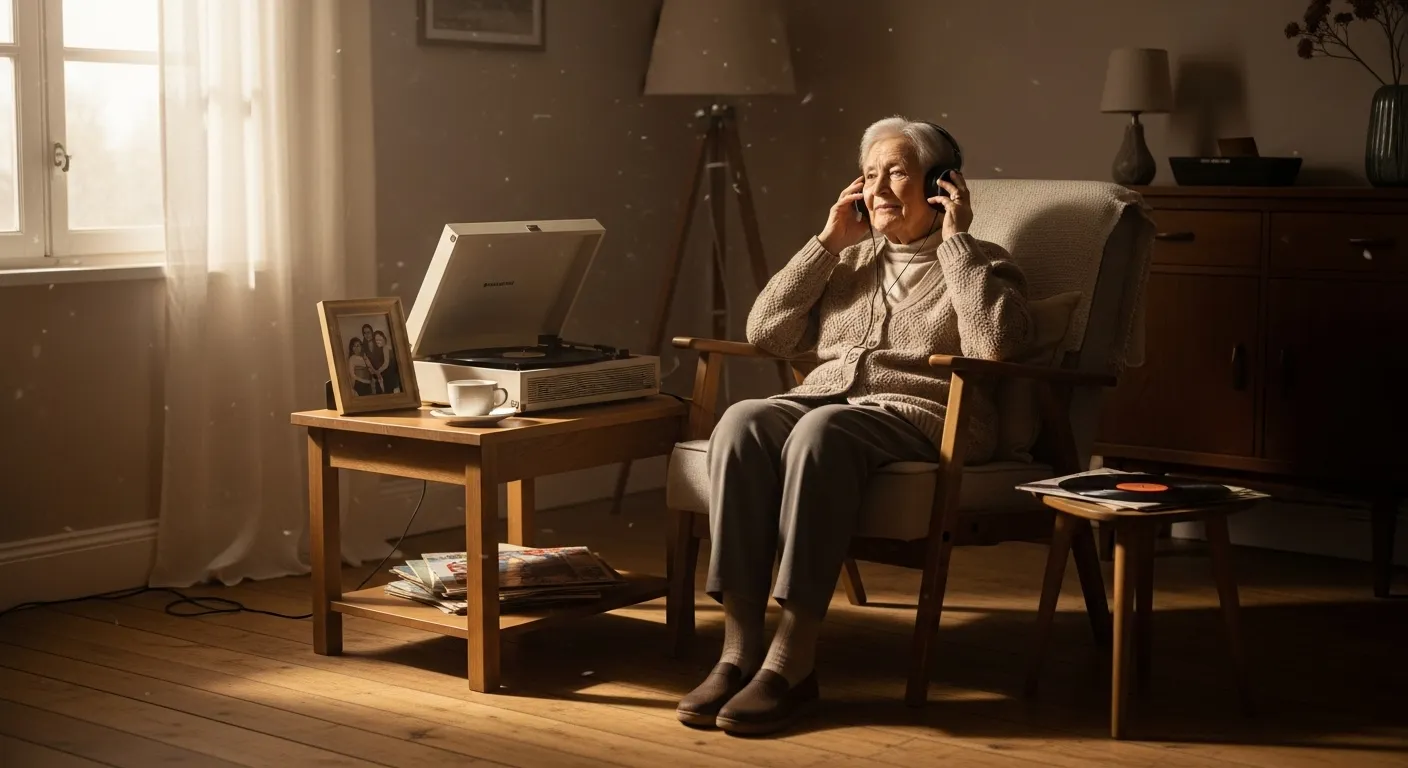
There is a remarkable, almost magical connection between music and memory. A familiar melody can transport you back decades in an instant, bringing with it a flood of feelings and details you thought were long gone. For seniors navigating the challenges of memory loss, whether due to normal aging or conditions like dementia, music is not just entertainment; it is a powerful, accessible, and joyful tool for connection and well-being. It can unlock doors in the mind that seemed permanently closed.
This guide is here to walk you, step by step, through the process of using music to support cognitive health and enrich your daily life. You don’t need to be a musician or a music expert. You only need a willingness to listen and rediscover the soundtrack of your life. We will explore why music is so effective and provide simple, safe ways to make it a part of your routine. Let’s begin this wonderful journey of rediscovery together.
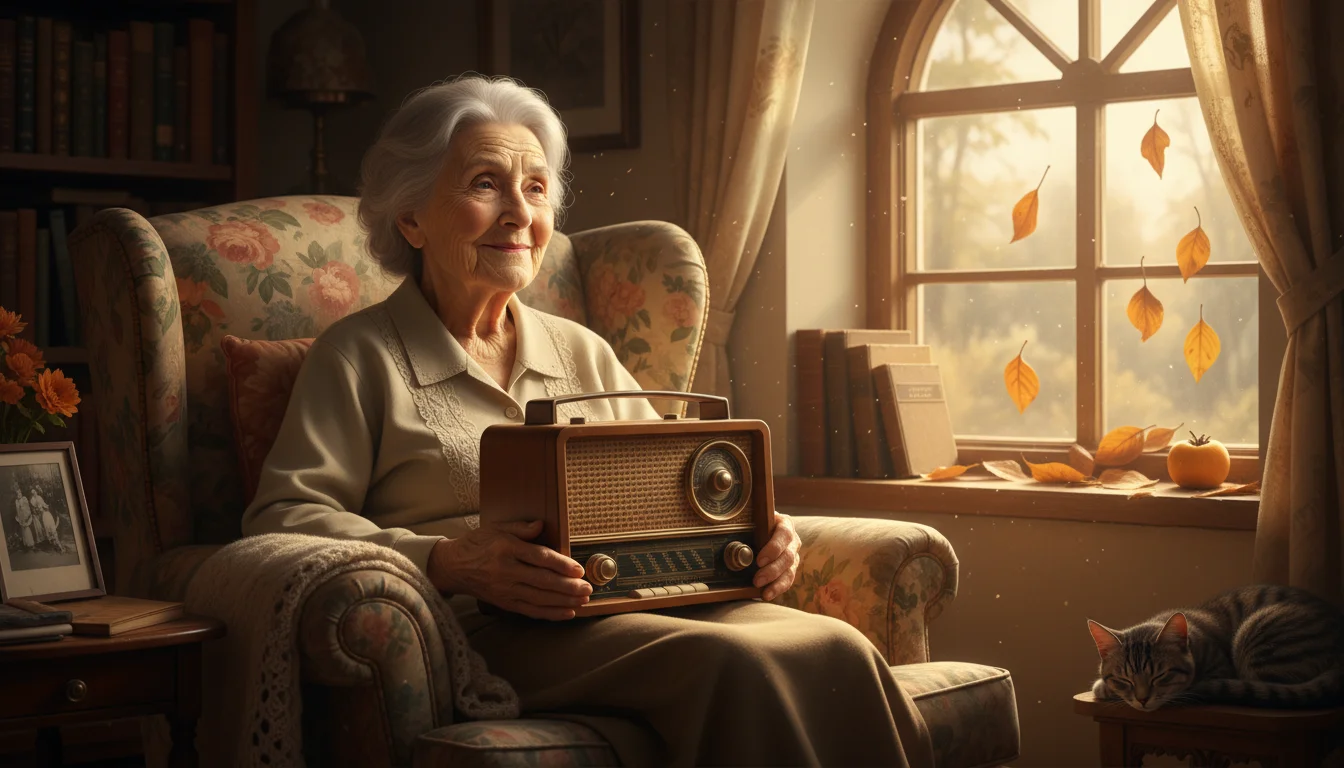
Understanding the Powerful Link Between Music and Your Brain
Before we dive into the “how,” it’s helpful to understand the “why.” Why does a simple song have such a profound effect on memory? The answer lies in how your brain processes music.
Why It Works: Unlike many other mental tasks, listening to music engages multiple parts of your brain at once. It lights up areas responsible for emotion, rhythm, and long-term memory. Remarkably, the brain networks that store musical memories are often spared from the effects of memory loss until much later stages. This means that even when recalling names or recent events becomes difficult, the ability to recall a song from your youth can remain surprisingly strong.
Music acts as an emotional anchor. The songs you loved during your teenage years, your wedding song, or the lullabies you sang to your children are tied deeply to powerful emotions. When you hear that music, it doesn’t just trigger a memory; it triggers the feeling of that memory, making the connection much stronger. This is a cornerstone of dementia music benefits and a key to providing meaningful memory loss support.

Step 1: Build Your Personal Soundtrack
The most effective music is the music that means something to you personally. A generic “oldies” playlist might be pleasant, but a curated list of your own favorite songs is where the real power lies. Your goal here is to create a personal soundtrack that maps to your life story.
Why This Is Important: Personalized music is the key to unlocking autobiographical memories—the stories that make you who you are. These songs are directly linked to your personal experiences, making them far more potent for cognitive stimulation than unfamiliar music.

How to Create Your Playlist:
- Travel Back in Time by Decade: Start by thinking about your life in chapters. What music was popular when you were a teenager (ages 15-25)? This period is often called the “reminiscence bump” because memories from this time are particularly vivid and easily recalled. What songs were on the radio? What did you dance to?
-
Think About Major Life Events: Your personal soundtrack is woven into the most important moments of your life. Ask yourself, or a loved one, these questions:
- What was your wedding song or a favorite song you shared with your spouse?
- What music did you listen to with your friends as a young adult?
- Were there songs your parents loved and played in the house when you were a child?
- What music reminds you of holidays, family gatherings, or special celebrations?
- Did you have a favorite musical, movie soundtrack, or artist?
- Involve Family and Friends: This can be a wonderful activity to do with others. Ask your children, siblings, or old friends what music they remember sharing with you. They might recall a favorite song you’ve forgotten, and the process of sharing these stories is itself a powerful form of connection and memory recall.
- Gather the Music: Once you have a list of songs, it’s time to find them. You can use free services like YouTube to search for specific songs. Streaming services like Spotify or Apple Music allow you to build playlists easily. For those who prefer physical media, you can often find CDs or even vinyl records of classic artists online or in stores. A family member can be a great help with this step.
Step 2: Weave Music into Your Daily Routine
Once you have your personal soundtrack, the next step is to make listening a regular and intentional part of your day. Consistency is key to reaping the benefits of music and cognition. The goal is to associate different types of music with different activities, creating a predictable and comforting rhythm for your day.
Why This Is Important: A structured routine can reduce anxiety and confusion, which are common challenges with memory loss. By pairing music with daily tasks, you provide auditory cues that can help orient you and make transitions throughout the day smoother and more pleasant.

How to Schedule Your Music:
-
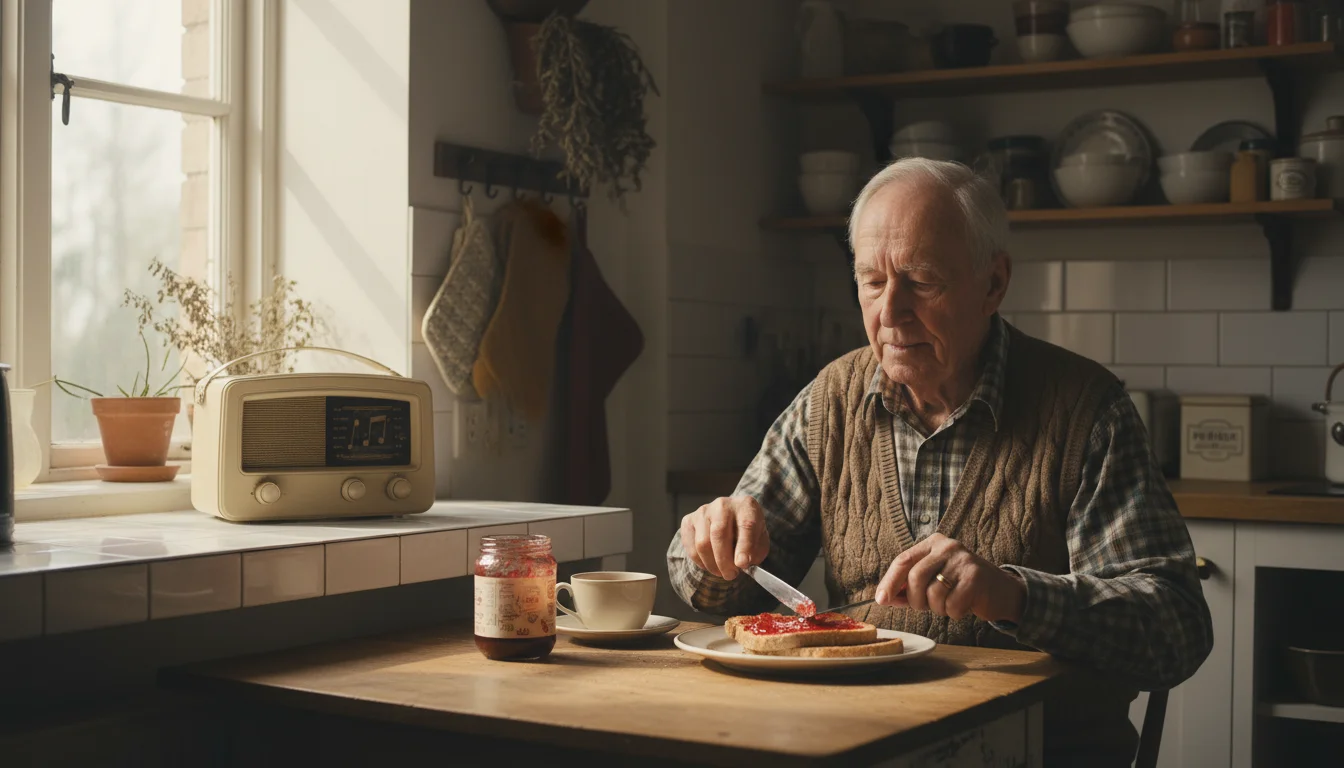
Morning Energizer (Upon Waking): Start the day with upbeat, positive, and familiar music. Songs from your young adult years are often perfect for this.
Example: Play a favorite swing, rock and roll, or Motown playlist while getting dressed and having breakfast. The familiar rhythm can help motivate you and set a positive tone for the day.
-
Midday Focus (During Activities): Pair music with simple, repetitive tasks. The rhythm can help guide your movements and make chores feel less like work.
Example: Play instrumental big band music or classical tunes while folding laundry, watering plants, or working on a puzzle. The lack of lyrics can make it less distracting while still providing a stimulating background.
-
Afternoon Calm (To Ease “Sundowning”): Many people with memory loss experience increased agitation or confusion in the late afternoon, a phenomenon sometimes called “sundowning.” This is the perfect time for calming, soothing music.
Example: Play slow, gentle instrumental music, peaceful hymns, or nature sounds. Create a quiet space, lower the lights, and let the music provide a sense of peace and security.
-
Evening Wind-Down (Before Bed): Create a relaxing ritual to signal to your brain that it’s time to sleep.
Example: An hour before bed, turn off the television and play a playlist of soft ballads, classical music (like Chopin or Debussy), or familiar, gentle lullabies. This can help ease the transition to sleep.
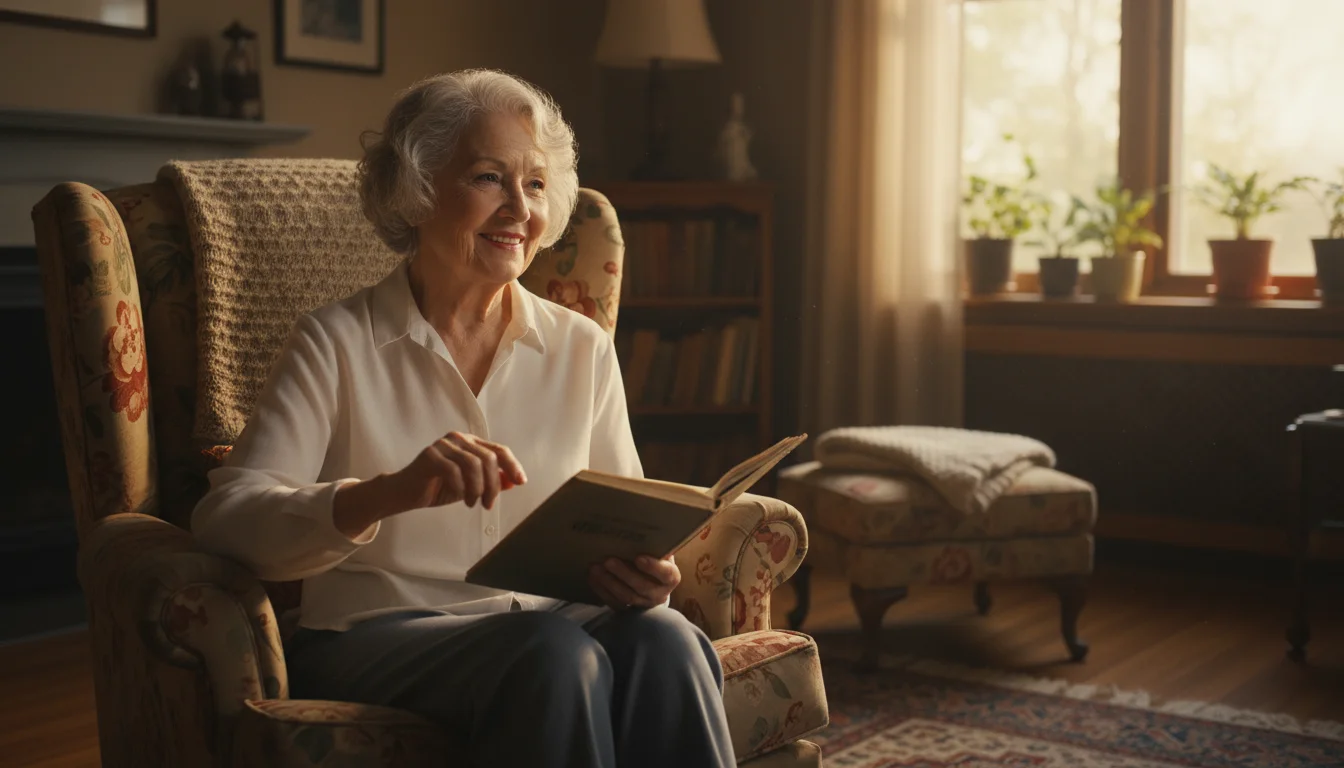
Step 3: Engage Actively with the Music
While passively listening to music is beneficial, actively engaging with it provides an even greater boost for your brain. Active engagement turns a pleasant experience into a therapeutic one, strengthening neural connections related to motor skills, speech, and memory.
Why This Is Important: Active participation requires your brain to do more work. It has to coordinate movement with rhythm, retrieve lyrics from memory, and process emotional responses. This “brain workout” is a core principle of formal music therapy for seniors and is something you can easily do at home.

How to Actively Participate:
- Sing or Hum Along: Don’t worry about being perfectly in tune! The act of singing engages the vocal cords and the part of the brain responsible for language. It can also be a wonderful mood lifter. If you don’t remember all the words, just humming the melody is still incredibly beneficial.
- Move to the Music: Your body remembers rhythm. Tap your feet, clap your hands, or sway gently in your chair. If you are able and it is safe to do so, stand up and dance. This connects the auditory system with the motor system, which can help with coordination and balance. You can also use simple percussion instruments like shakers or a small drum to tap along to the beat.
-
Talk About the Song: Make listening a social activity. After a song finishes, talk about it with a family member, friend, or caregiver. Use simple prompts to spark conversation and memory recall:
- “How does this song make you feel?”
- “What does this music remind you of?”
- “I remember dancing to this song at…”
This simple act of sharing turns a memory into a conversation, strengthening both the memory and your social connection.
- Play “Name That Tune”: Have a loved one play the first few seconds of a familiar song from your playlist and see if you can guess the title or the artist. This is a fun game that directly challenges your memory recall in a low-pressure way.
Important Safety and Well-being Considerations
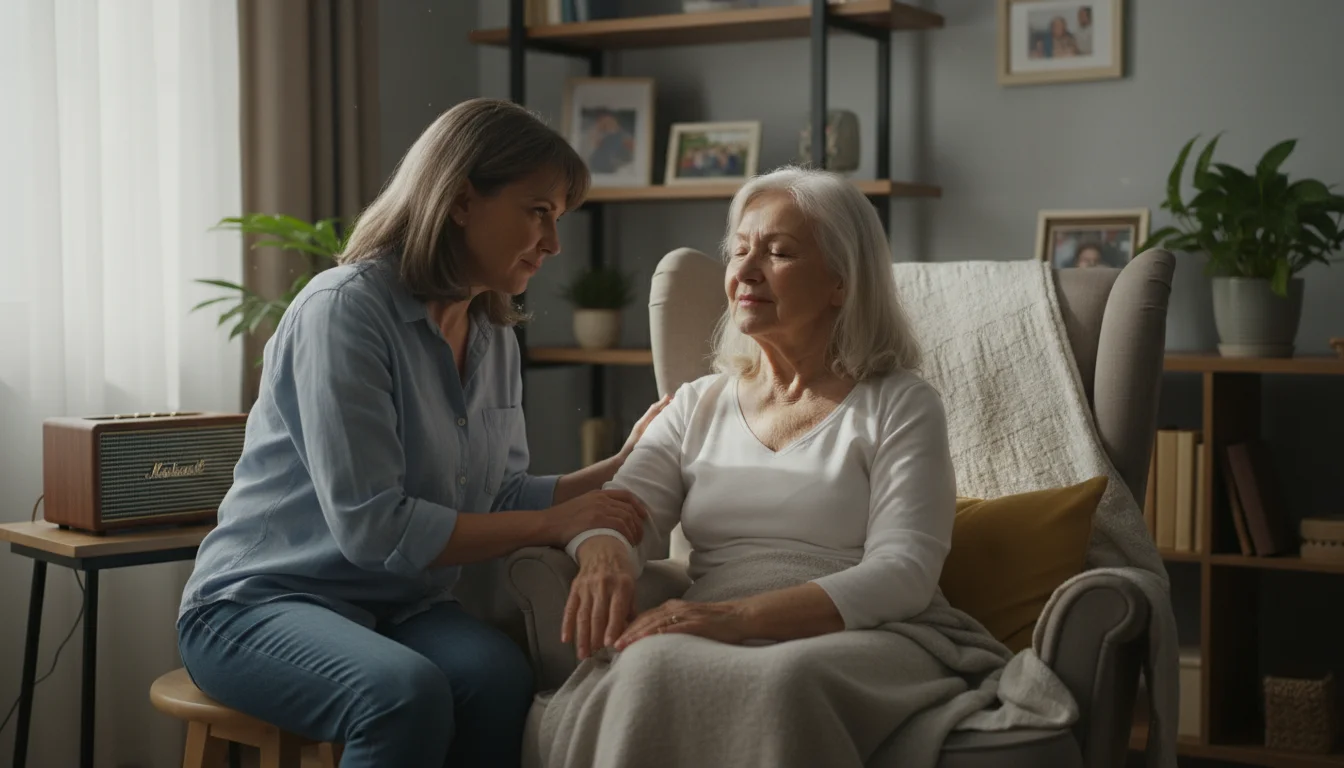
To ensure that your experience with music is always positive and safe, it’s important to keep a few things in mind.
Be Mindful of Volume: Always play music at a moderate, comfortable volume. Hearing can become more sensitive with age, and excessively loud music can be agitating or damage hearing. A good rule of thumb is to keep it at a level where you can still easily hold a conversation.
Acknowledge Emotional Responses: Music is deeply emotional. While it often brings joy, it can sometimes trigger sad or difficult memories. This is a normal and valid response. If a song brings up sadness, it’s okay. Allow yourself or your loved one to feel that emotion. It can be helpful to have a supportive person nearby to talk to. If a particular song is consistently upsetting, simply remove it from the playlist.
Avoid Overstimulation: More is not always better. Having music on constantly in the background can become white noise or, worse, an irritant. Be intentional about when you play music. Quiet time is just as important for the brain to rest and process.
Consult with a Professional: This guide provides a wonderful starting point for using music at home. For those with more advanced dementia or specific challenges, working with a board-certified music therapist can be incredibly beneficial. They are trained to use music to achieve specific therapeutic goals and can design a program tailored to individual needs. Always speak with your doctor before starting any new wellness program.
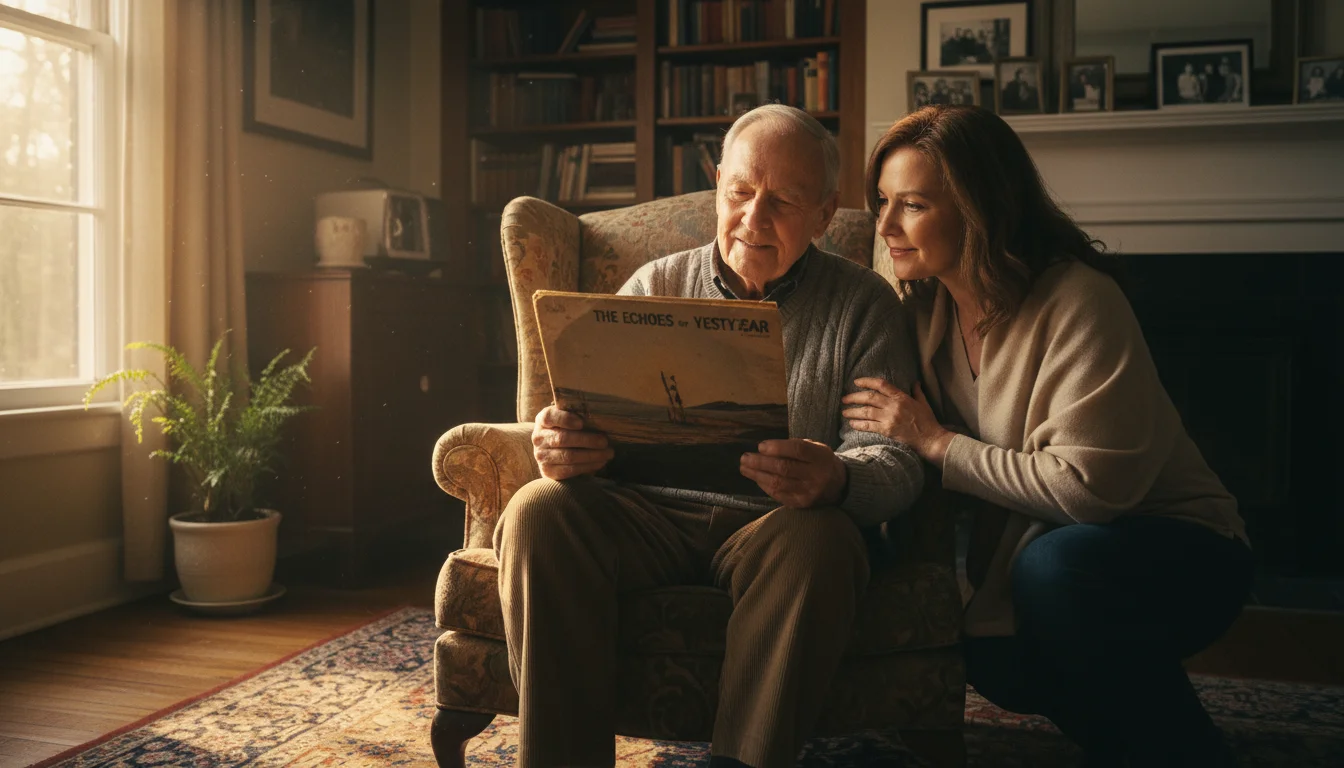
Your Journey with Music Awaits
Rediscovering the music of your life is a journey of joy, connection, and healing. It is one of the most powerful and pleasant forms of memory loss support available, and it’s something you can begin today. By building your personal soundtrack, weaving it into your daily life, and engaging with it actively, you are not just listening to songs—you are actively nurturing your brain, soothing your spirit, and reconnecting with your most cherished memories.
Be patient and gentle with yourself. Every note you hear and every memory that surfaces, no matter how small, is a victory. Embrace the power of your personal soundtrack and let it fill your days with harmony and light.
For expert guidance on senior health and finance, visit Administration for Community Living (ACL), Eldercare Locator and AARP.
|
Fact-Checked Content
Our editorial team reviews all content for accuracy and updates it regularly. Learn about our editorial process →
|








Leave a Reply