

Introduction: Prioritizing Your Health and Independence
As we age, maintaining our independence is a top priority. The ability to move confidently through our homes, enjoy a walk in the park, or play with grandchildren is a cherished part of life. At the heart of this independence is something we often take for granted: our sense of balance. Good balance and stability are not just about avoiding falls; they are about feeling secure, confident, and capable in our everyday activities. A strong sense of stability allows us to stay active, engaged, and in control of our lives.
Losing a degree of balance is a natural part of the aging process, but it is not something we simply have to accept. There are many safe, effective, and natural ways to improve your stability right from the comfort of your own home. This guide is designed to provide practical balance tips and insights into senior fitness, with a strong focus on fall prevention. By taking small, consistent steps, you can significantly enhance your balance, strengthen your body, and protect your well-being. Remember, the goal is progress, not perfection. Let’s explore how you can build a more stable foundation for a healthier, more active future.

Understanding the Health Benefits (and Any Risks)
Improving your balance offers a wealth of benefits that extend far beyond simply staying upright. When you work on your stability, you are investing in your overall health in profound ways. A primary benefit is, of course, a reduced risk of falling. Falls are a major health concern for older adults, and enhancing your balance is one of the most effective strategies for fall prevention. This, in turn, helps prevent injuries like fractures and head trauma, allowing you to maintain your mobility and independence for longer.
The benefits don’t stop there. Engaging in balance exercises also strengthens your core, leg, and ankle muscles. Stronger muscles provide better support for your joints and skeleton, improving your posture and making it easier to perform daily tasks like carrying groceries, climbing stairs, or getting up from a chair. This increased physical capability often leads to a significant boost in confidence. The fear of falling can cause many seniors to limit their activities, leading to social isolation and a decline in physical fitness. By improving your balance, you can overcome this fear, feel more self-assured, and continue to participate in the hobbies and social events you love. Authoritative health information for seniors is provided by the National Institute on Aging (NIA) and the Centers for Disease Control and Prevention (CDC).
However, it is important to approach any new physical activity with caution. The main risk associated with balance exercises is the potential for a fall while performing them, especially when you are just starting out. It is crucial to begin slowly and use support, such as a sturdy chair or a wall, until you feel more confident. Pushing yourself too hard or too quickly can lead to muscle strain or injury. Furthermore, certain health conditions—such as inner ear problems, neuropathy, vision loss, or arthritis—can significantly affect your balance. It is essential to speak with your doctor before starting any new exercise program to ensure the activities are safe and appropriate for your specific health needs.

A Step-by-Step Guide to Improving Balance Safely
Improving your balance is a journey that involves a combination of targeted exercises, home safety awareness, and healthy lifestyle choices. The following steps are designed to be gentle and effective, allowing you to build stability at your own pace. The most important rule is to listen to your body and prioritize safety at all times.
Getting Started: Safety First
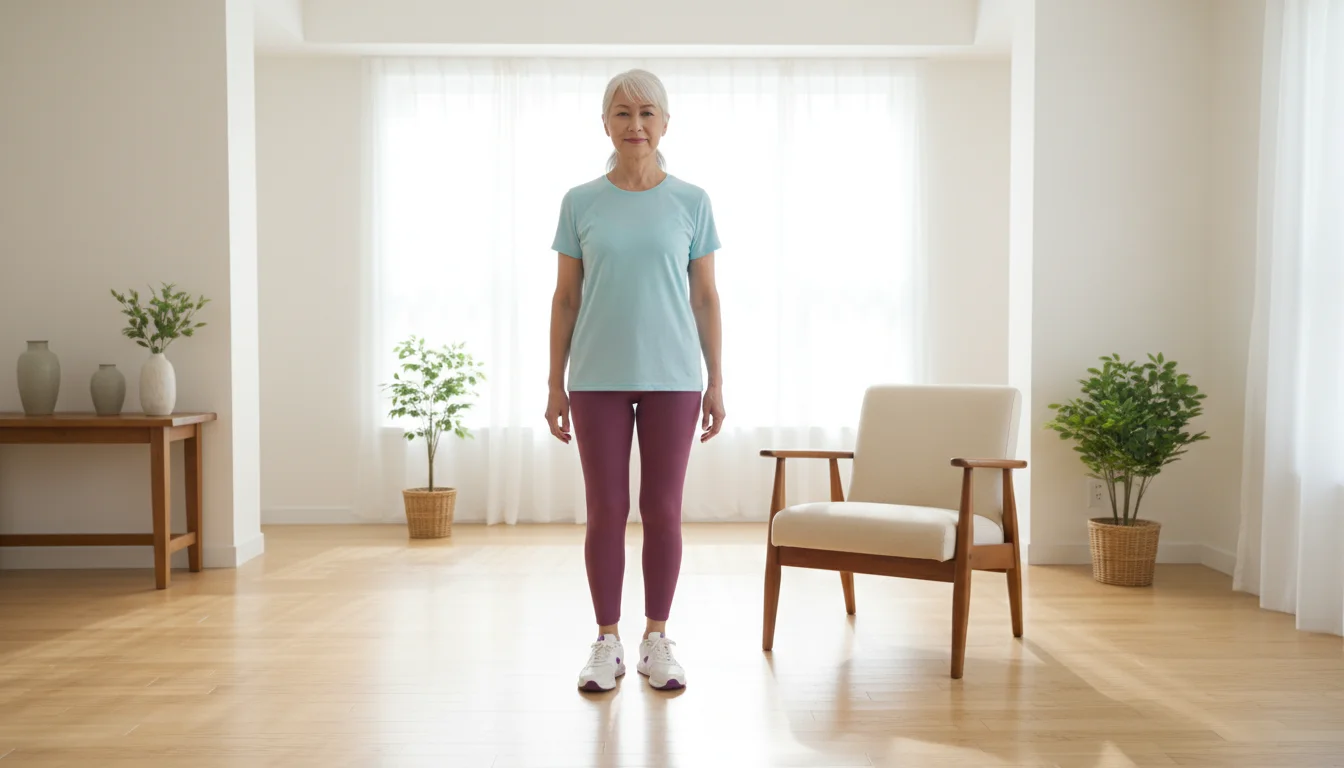
Before you begin any exercise, it’s vital to create a safe environment. First and foremost, talk to your doctor or a physical therapist. They can assess your current balance level, screen for underlying issues, and recommend exercises tailored to your abilities. Once you have their approval, prepare your space. Choose a well-lit, open area free of clutter. Remove any tripping hazards like area rugs, electrical cords, or low furniture. For most exercises, you should stand near a wall or have a sturdy, stable chair or countertop within arm’s reach for support. Never use a chair with wheels. Wear comfortable clothing that doesn’t restrict your movement and supportive, well-fitting shoes with non-slip soles. Avoid exercising in socks or slippers.
Beginner Balance Exercises You Can Do at Home
Here are a few simple exercises to get you started. Aim to do them a few times a week, focusing on good form and controlled movements. Remember to breathe steadily throughout each exercise.
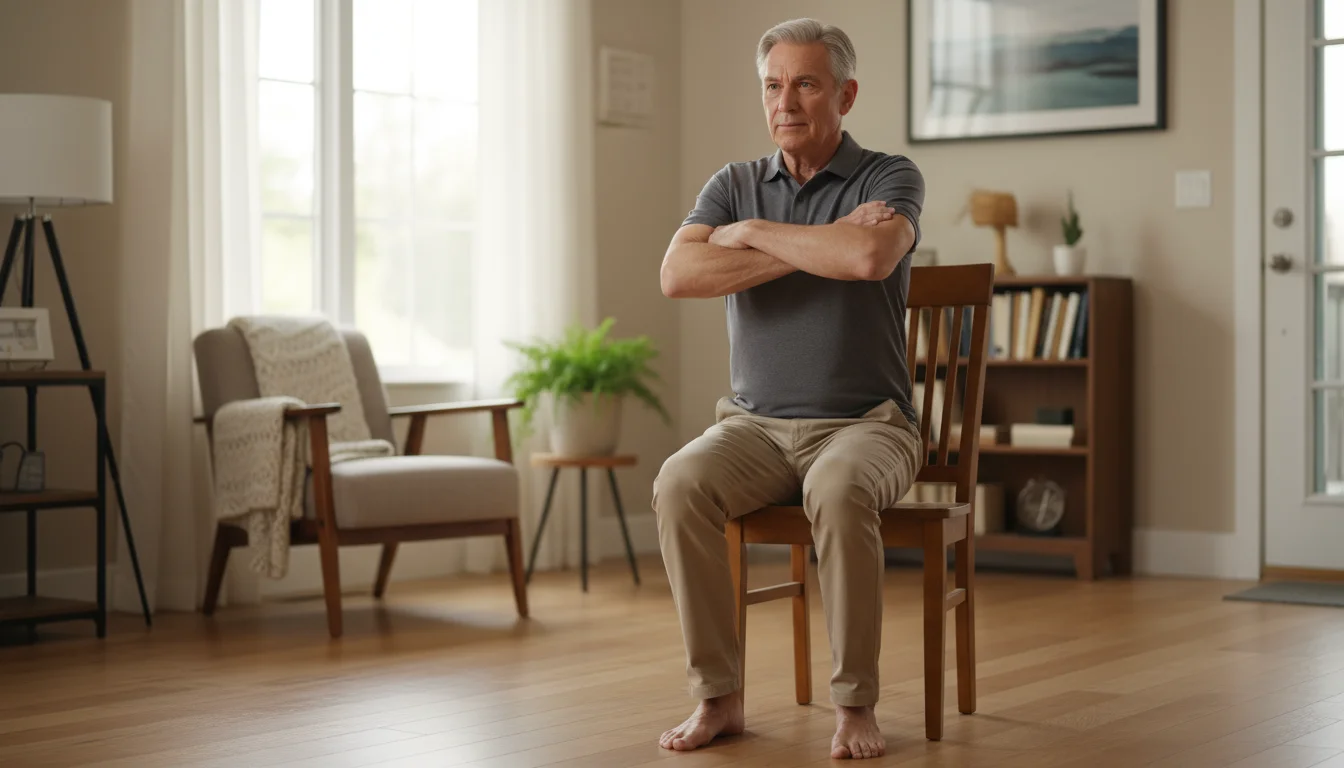
1. Sit-to-Stand: This fundamental movement builds leg strength, which is essential for balance. Sit in the middle of a sturdy, armless chair with your feet flat on the floor, shoulder-width apart. Keeping your back straight and your chest up, cross your arms over your chest. Lean forward slightly and use your leg and core muscles to slowly rise to a full standing position. Then, slowly reverse the motion, controlling your descent as you sit back down. Avoid using your hands to push off your legs. Start with 5 repetitions and gradually work your way up to 10-12.
2. One-Leg Stand: This exercise directly challenges your stability. Stand behind a sturdy chair, holding onto the back for support. Shift your weight onto your left foot. Slowly lift your right foot a few inches off the floor, keeping your standing knee slightly bent. Try to hold this position for 10 seconds. Lower your foot and repeat on the other side. As you get stronger, you can increase the hold time to 30 seconds. For an added challenge, try holding on with only one hand, then just a fingertip, and eventually, try to let go completely—but always keep your hands hovering over the chair for safety.
3. Heel-to-Toe Walk: This exercise narrows your base of support, forcing your body to work harder to stay balanced. Stand next to a wall or countertop for support. Take a step forward by placing the heel of one foot directly in front of the toes of the other, as if walking on a tightrope. Your heel and toes should touch or be very close. Look forward, not down at your feet. Take 10-15 steps, then turn around and walk back. This is a great senior fitness exercise for improving dynamic balance—the kind you use when you are walking.
4. Side Leg Raise: This movement strengthens the hip muscles that are critical for stability. Stand behind a chair, holding on for support. Keeping your back straight and your toes pointing forward, slowly lift one leg out to the side. Raise it only as high as you can without leaning your torso. Hold for a few seconds, then slowly lower the leg back down with control. Perform 8-12 repetitions on one side, then switch to the other leg.
Creating a Safer Home Environment
Your surroundings play a massive role in fall prevention. A few simple adjustments can make your home significantly safer.
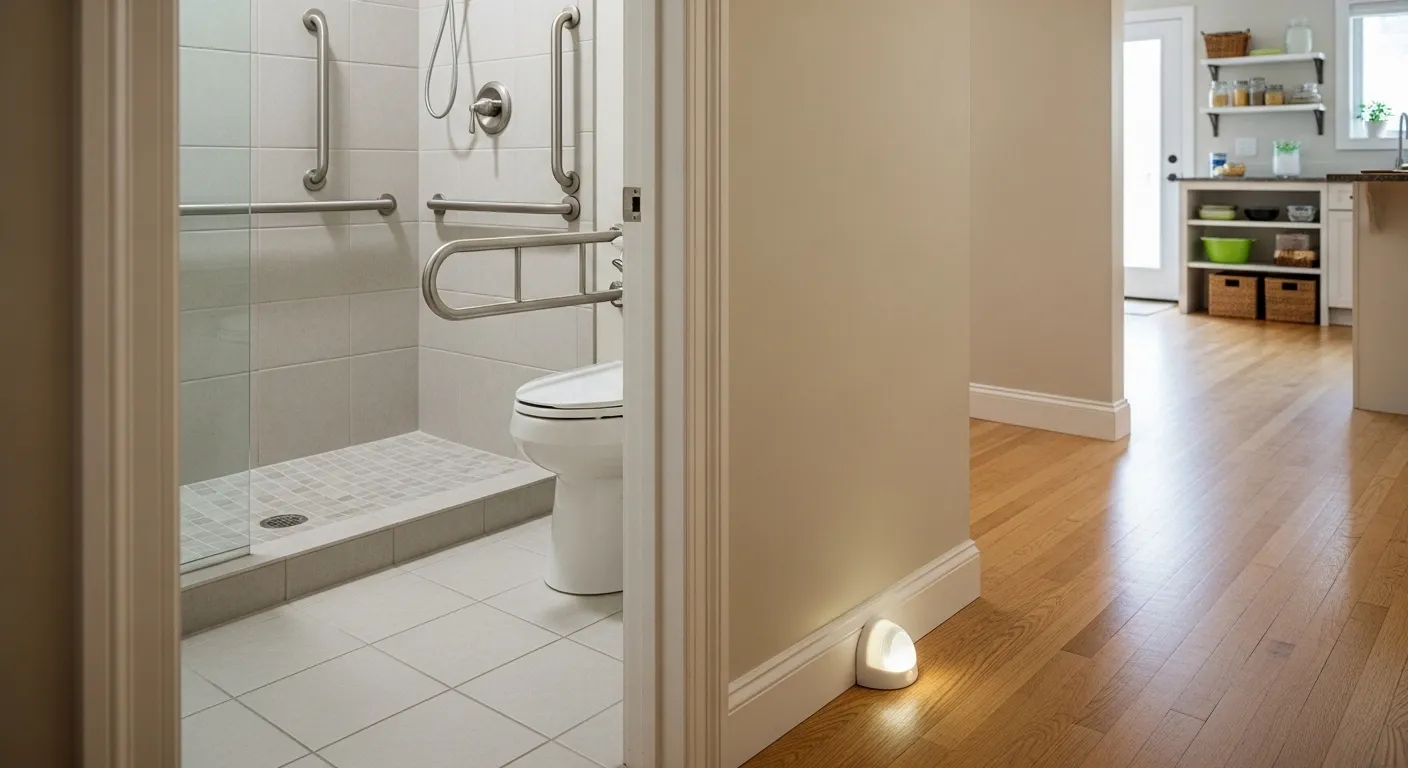
Lighting: Ensure all areas of your home, especially hallways, staircases, and bathrooms, are well-lit. Use nightlights to illuminate paths you might walk at night.
Floors: Remove clutter and keep walkways clear. Secure or remove throw rugs, which are a common tripping hazard. If you must have them, use double-sided tape or a non-slip backing to keep them firmly in place. Immediately clean up any spills.
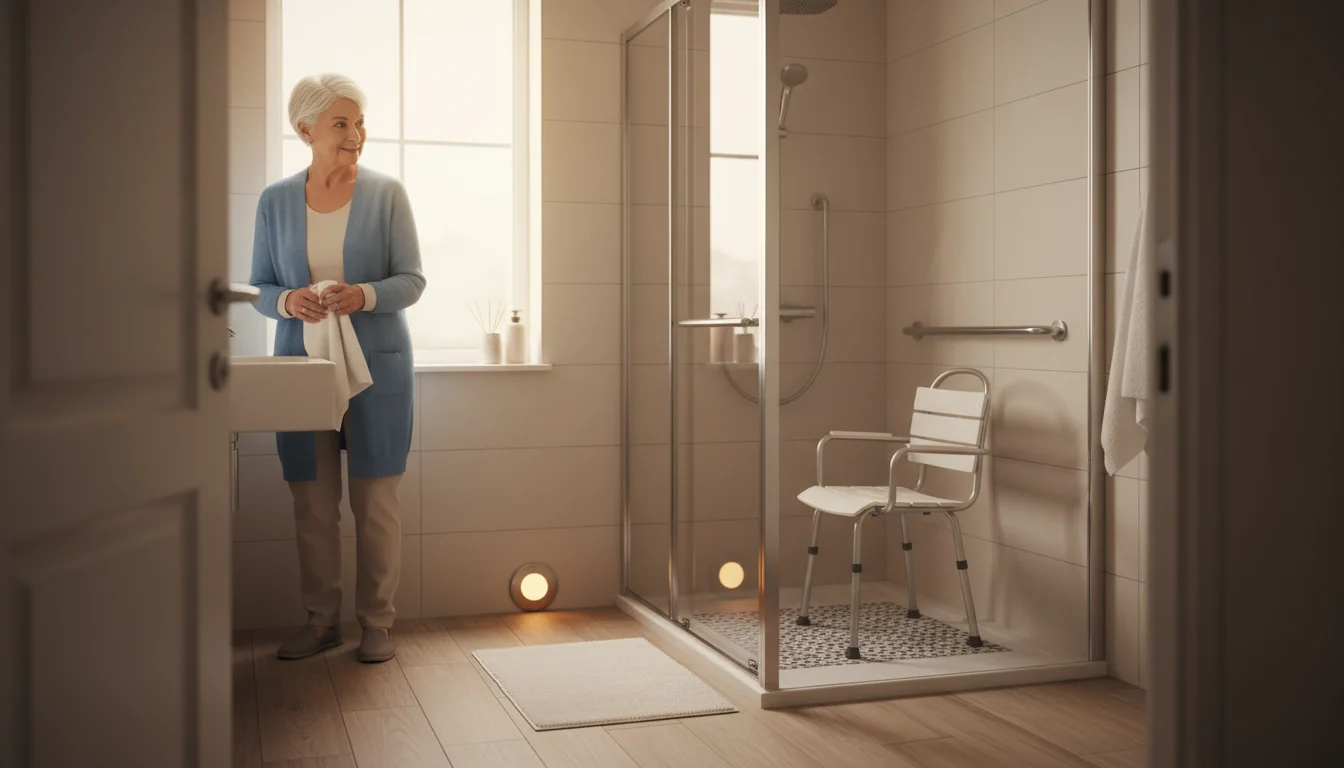
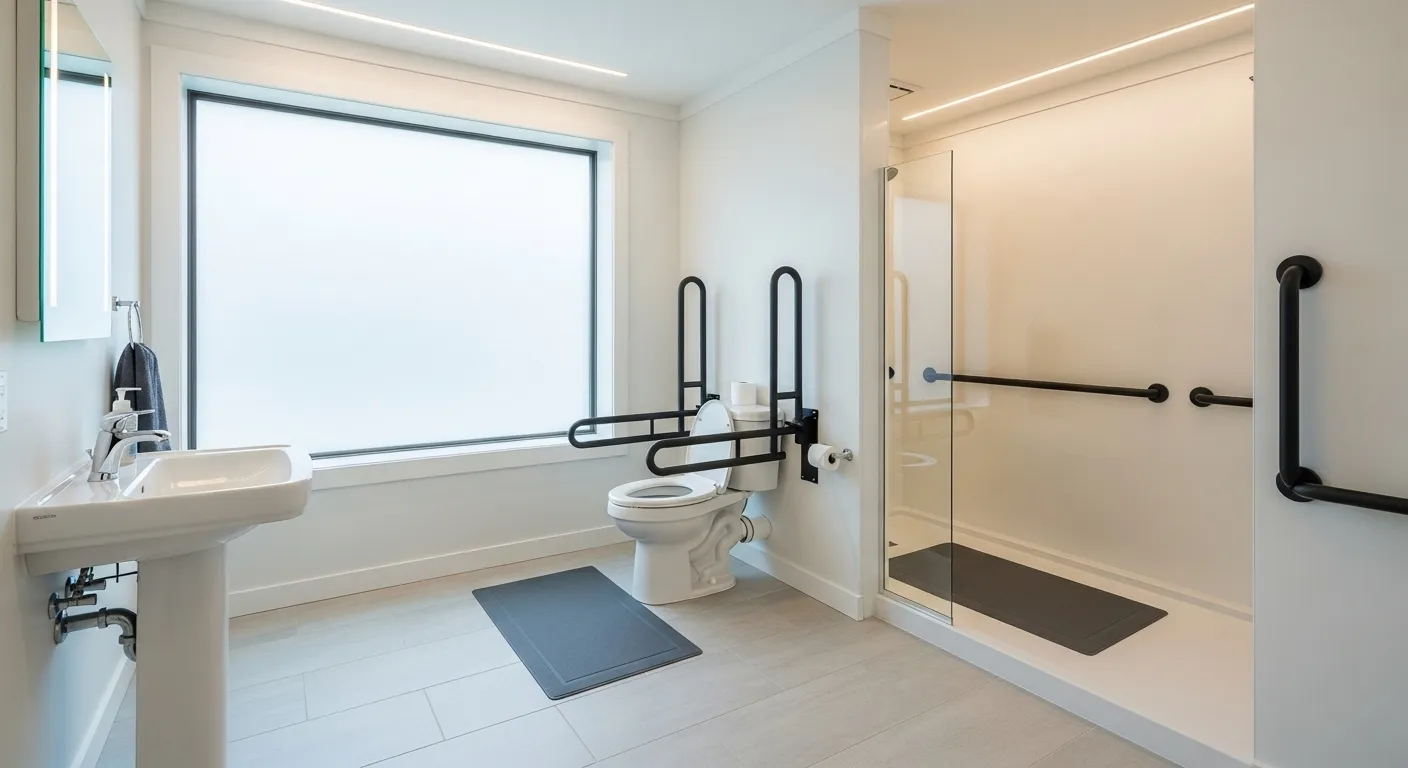
Bathrooms: This is a high-risk area. Install grab bars inside and outside the shower and next to the toilet. Use non-slip mats in the bathtub and on the bathroom floor. A shower chair can also provide a stable place to sit while bathing.
Stairs: Make sure stairways have sturdy handrails on both sides. Ensure each step is in good repair and consider adding non-slip treads for extra grip.

Key Signs It’s Time to Consult a Doctor
While the exercises and tips in this guide can be very helpful, some balance issues are signs of an underlying medical condition that requires professional attention. It is crucial to see your doctor if you experience any of the following:
- Sudden or severe dizziness or vertigo. A feeling that you or the room is spinning is not normal and should be evaluated promptly.
- Frequent falls or near-falls. If you find yourself stumbling, tripping, or falling more often, it’s a clear sign that you need a medical assessment.
- A new or worsening feeling of unsteadiness. If you suddenly feel wobbly on your feet or the feeling has become more persistent, it’s important to find out why.
- Changes in vision. Blurry vision, double vision, or difficulty seeing in low light can directly impact your balance.
- Numbness, tingling, or weakness in your legs or feet. This can affect your ability to feel the ground properly, a condition known as peripheral neuropathy.
- Needing to hold onto walls or furniture to walk around your home. This indicates a significant loss of confidence in your balance and should be discussed with a healthcare provider.
These symptoms could be related to a variety of issues, including inner ear problems, medication side effects, neurological conditions, or cardiovascular issues. Only a doctor can provide an accurate diagnosis and create a safe treatment plan for you.

Making It a Part of Your Daily Routine
Consistency is the key to seeing real improvement in your balance. The best way to stay consistent is to make these practices a seamless part of your daily life. You don’t need to block out an hour every day; small, frequent efforts can make a big difference.
One effective strategy is “exercise snacking.” Instead of one long session, fit in a few minutes of practice whenever you can. For example, you can do a few sit-to-stands during a commercial break while watching television. While waiting for your coffee to brew or your food to warm up in the microwave, practice standing on one leg while holding onto the counter. When you are talking on the phone, you can do some gentle side leg raises.
Another helpful approach is to link your balance practice to an existing habit. For instance, decide to do your heel-to-toe walks down the hallway right after you brush your teeth in the morning. By attaching the new habit to an old one, you are more likely to remember it. Find an activity you enjoy that also challenges your balance, like Tai Chi, gentle yoga, or dancing. Joining a class can provide structure and social connection, making it more fun to stick with. The fear of falling can sometimes create anxiety; if this is a concern, support is available. For mental health support, consult the National Institute of Mental Health (NIMH).

Frequently Asked Questions
1. How often should I do balance exercises?
For the best results, aim to do balance-focused activities at least three days a week. However, even doing them for a few minutes every day can be beneficial. The most important thing is to be consistent. Listen to your body; it’s okay to take a day off if you feel sore or overly tired.
2. Can I improve my balance even if I use a walker or a cane?
Absolutely. Many balance exercises can be safely adapted for individuals who use mobility aids. For example, sit-to-stands are excellent for building leg strength regardless of your mobility level. A physical therapist can show you specific exercises and modifications that are safe and effective for you to do while using your walker or cane for support.
3. Does Medicare cover physical therapy for balance issues?
In many cases, yes. If your doctor determines that physical therapy is medically necessary to treat a balance disorder or to help you recover from an injury, Medicare Part B may help cover the cost. Coverage rules can be complex and depend on your specific situation and plan. The best source for accurate, up-to-date information is the official government website. For insurance and medical coverage questions, refer to Medicare.gov.
4. Are there any specific foods that help with balance?
While no single food is a magic bullet, a healthy diet supports the systems your body relies on for balance. Nutrients like Vitamin D and calcium are vital for bone strength, which is important in case of a fall. B vitamins, especially B12, support nerve health, which is critical for proprioception (your body’s ability to sense its position). Staying well-hydrated is also crucial, as dehydration can cause dizziness and lightheadedness. Focus on a well-rounded diet with plenty of fruits, vegetables, lean protein, and whole grains.
5. What is the difference between dizziness and a balance problem?
This is an excellent question. Dizziness is a feeling of lightheadedness, faintness, or being woozy. Vertigo is a specific type of dizziness characterized by a sensation that you or your surroundings are spinning. A balance problem, or disequilibrium, is a feeling of unsteadiness or a sensation that you are about to fall. While they can occur together and are often related, they are distinct sensations. It is important to describe your symptoms as clearly as possible to your doctor so they can make an accurate diagnosis.
Disclaimer: This article is for informational purposes only and does not constitute medical advice. The content is not intended to be a substitute for professional medical advice, diagnosis, or treatment. Always seek the advice of your physician or other qualified health provider with any questions you may have regarding a medical condition.
|
Fact-Checked Content
Our editorial team reviews all content for accuracy and updates it regularly. Learn about our editorial process →
|




Leave a Reply