
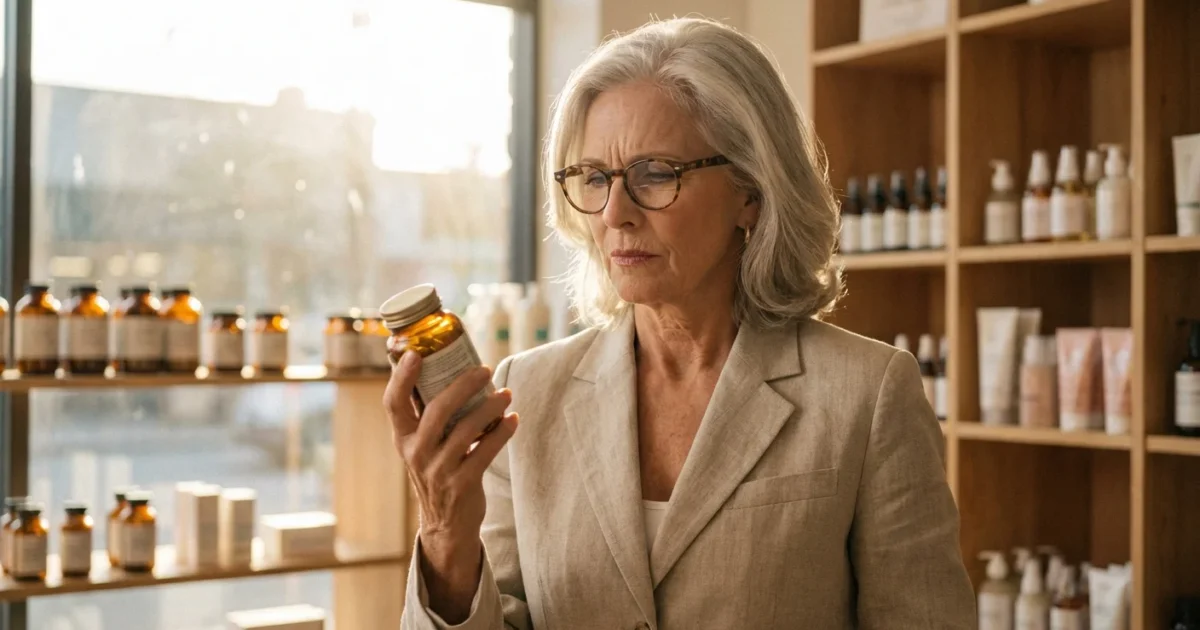
Walk into any pharmacy, and the supplement aisle stretches out before you like a vibrant mosaic of health promises. Bright labels claim to protect your heart, sharpen your memory, and fortify your aging bones. For older adults managing chronic conditions or simply trying to stay vibrant, these bottles look like a simple, natural solution.
But natural does not always mean safe. As you age, your body changes how it processes pills. What worked well in your forties might pose hidden risks in your seventies. You might already take prescription medications for blood pressure, cholesterol, or joint pain. When you mix concentrated over-the-counter supplements into that daily routine, you create a complex, and sometimes volatile, chemical environment in your body.
Many doctors see the fallout of this mix-and-match approach in their clinics. They treat the unexplained bleeding, the sudden spikes in blood pressure, and the dangerous medication failures caused by well-meaning patients taking the wrong supplements. The most frustrating part for healthcare providers is that these crises are entirely preventable.
This article breaks down three widely used supplements that medical professionals frequently warn older adults against. You will learn the science behind the warnings, discover how these pills interact with common prescriptions, and find out how to get the exact same nutrients safely through your diet.
Table of Contents
- The Hidden Dangers of the Supplement Aisle
- Supplement #1: High-Dose Vitamin E
- Supplement #2: High-Dose Calcium Pills
- Supplement #3: St. John’s Wort
- How Aging Changes the Way Your Body Processes Supplements
- Safer Alternatives: Building Health From the Plate Up
- A Practical Guide to Reviewing Your Pill Regimen
The Hidden Dangers of the Supplement Aisle
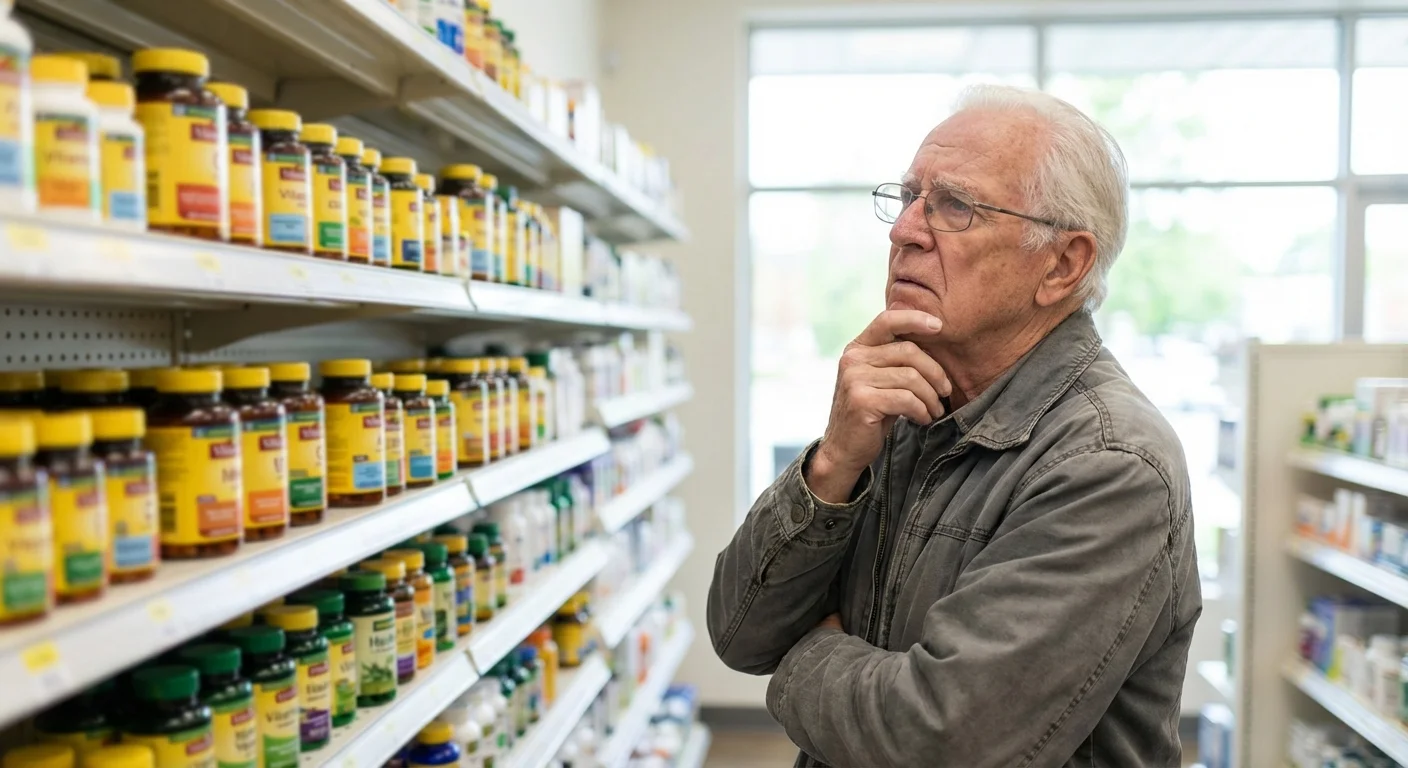
To understand why certain supplements pose a threat, you first need to understand how the industry operates. Unlike prescription drugs, the Food and Drug Administration (FDA) does not review dietary supplements for safety or effectiveness before they hit the market. Manufacturers do not have to prove their pills prevent disease. They only have to ensure the product contains what the label claims—and even then, independent tests frequently find massive discrepancies in dosage and purity.
For seniors, this lack of regulation collides with a medical reality known as polypharmacy. Polypharmacy refers to the regular use of multiple medications. If you take a statin for cholesterol, an anticoagulant (blood thinner) to prevent clots, and a blood pressure pill, adding a high-dose vitamin or herbal extract introduces wildcards into your system.
A single concentrated pill can amplify the effects of your prescription drugs, rendering them dangerously potent. Alternatively, a supplement can block your body from absorbing your medications, leaving you unprotected against the very conditions you are trying to treat. Doctors warn against the “more is better” mindset. When it comes to isolating nutrients in pill form, excessive amounts often push your body out of its natural balance.
Supplement #1: High-Dose Vitamin E
The Myth: Mega-doses of Vitamin E prevent heart disease, protect your memory, and act as a shield against aging.
The Reality: High doses increase your risk of dangerous bleeding and may increase the likelihood of hemorrhagic stroke.
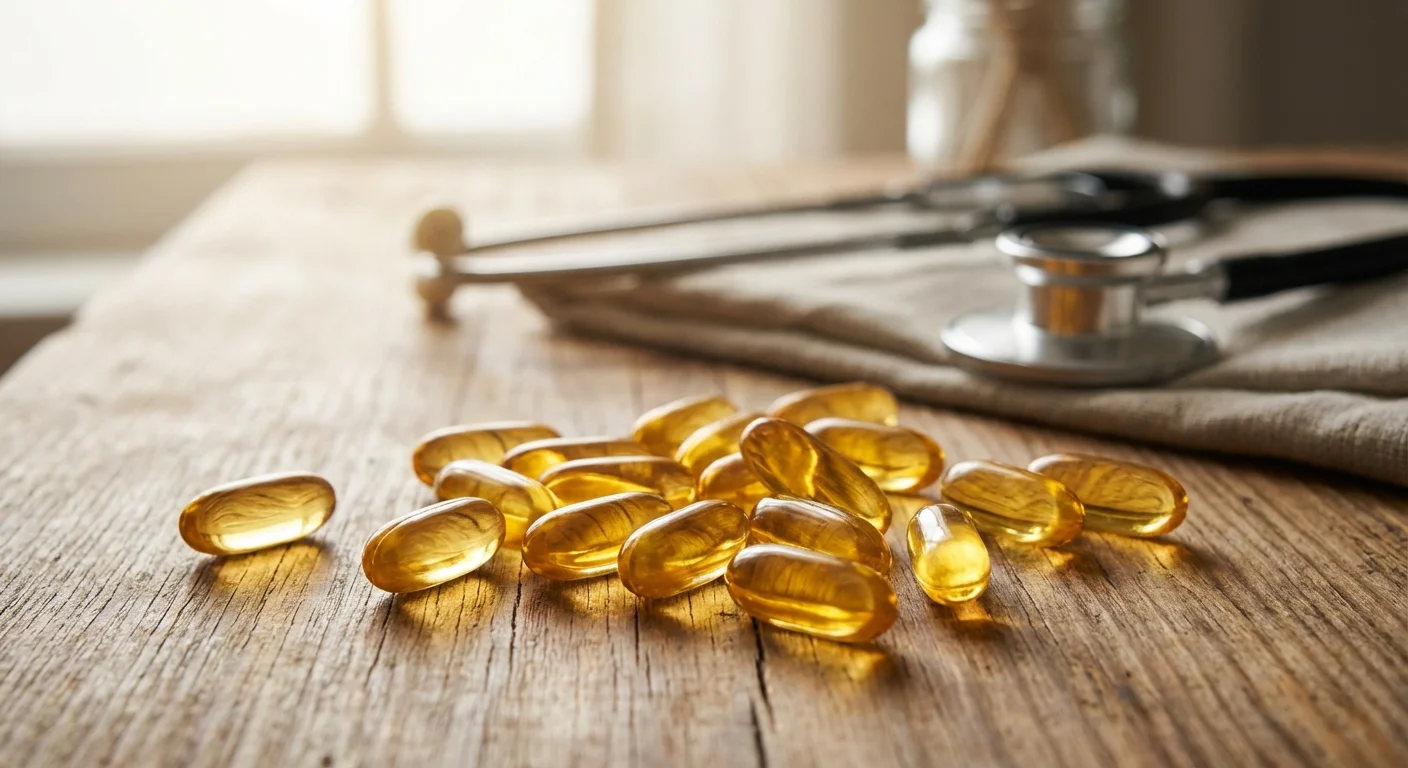
For decades, wellness culture promoted Vitamin E as the ultimate antioxidant. People believed swallowing 400 to 1,000 International Units (IU) daily would rust-proof their arteries and protect their brains. Science tells a starkly different story today.
Vitamin E acts as a mild blood thinner. It inhibits platelet aggregation, which is the process your blood uses to clump together and form clots. When you take a high-dose Vitamin E supplement alongside prescription blood thinners like warfarin (Coumadin) or even a daily low-dose aspirin, you drastically multiply your risk of severe bleeding. A minor bump on the leg can turn into a massive bruise, and a small cut can become difficult to manage.
Even if you do not take blood thinners, large clinical trials have linked high-dose Vitamin E supplementation to an increased risk of hemorrhagic stroke—a severe type of stroke caused by bleeding in the brain. Research published by the National Institutes of Health confirms that taking large doses of vitamin E provides no significant cardiovascular protection, yet it actively increases bleeding risks, particularly in older adults with pre-existing heart conditions.
You absolutely need Vitamin E for immune function and cellular health, but you do not need a massive dose in a gel capsule. Your body absorbs and utilizes this fat-soluble vitamin much more effectively when it comes packaged naturally in the foods you eat.
Supplement #2: High-Dose Calcium Pills
The Myth: You must take high-dose calcium supplements daily to prevent osteoporosis and bone fractures.
The Reality: Excess calcium from supplements can lead to kidney stones and may increase cardiovascular risk by depositing in your arteries.
Doctors used to routinely tell adults over fifty to take massive doses of calcium to protect their bones. The fear of osteoporosis drove millions to swallow chalky calcium carbonate pills every morning. We now know that the human body handles calcium from a pill very differently than calcium from food.
When you take a concentrated calcium supplement, your blood calcium levels spike rapidly. Your bones cannot absorb this sudden flood of minerals all at once. Instead, the excess calcium must go somewhere else. Often, it ends up filtered by your kidneys, which significantly increases your risk of developing painful kidney stones.
More alarmingly, researchers at the Mayo Clinic and the American Heart Association have found that excess calcium from supplements may deposit in your blood vessels. Over time, this contributes to arterial calcification—a buildup of hard plaque that narrows the arteries and potentially increases your risk of heart attacks and cardiovascular disease. The body simply struggles to process large, isolated boluses of calcium.
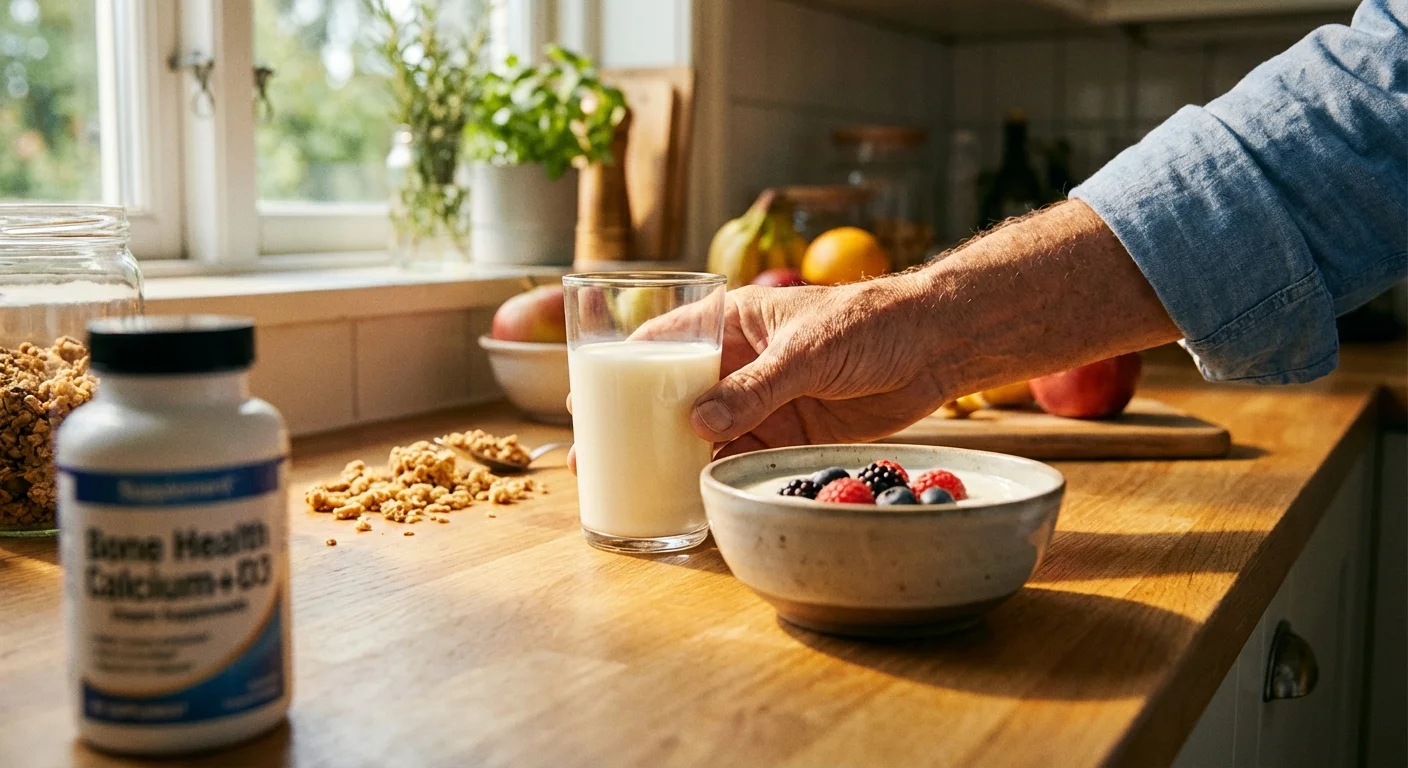
Your bones do need calcium to stay strong, but they need it in a steady, manageable supply throughout the day. Dietary calcium from dairy, leafy greens, and fortified foods naturally digests slower, preventing the sudden spikes in blood calcium that cause problems. Most doctors now recommend calculating how much calcium you get from your diet first, and only using a small-dose supplement to bridge the gap if you fall short.
Supplement #3: St. John’s Wort
The Myth: St. John’s Wort is a safe, completely natural herbal remedy for depression and anxiety.
The Reality: This herb triggers severe, sometimes life-threatening interactions with dozens of common prescription medications.
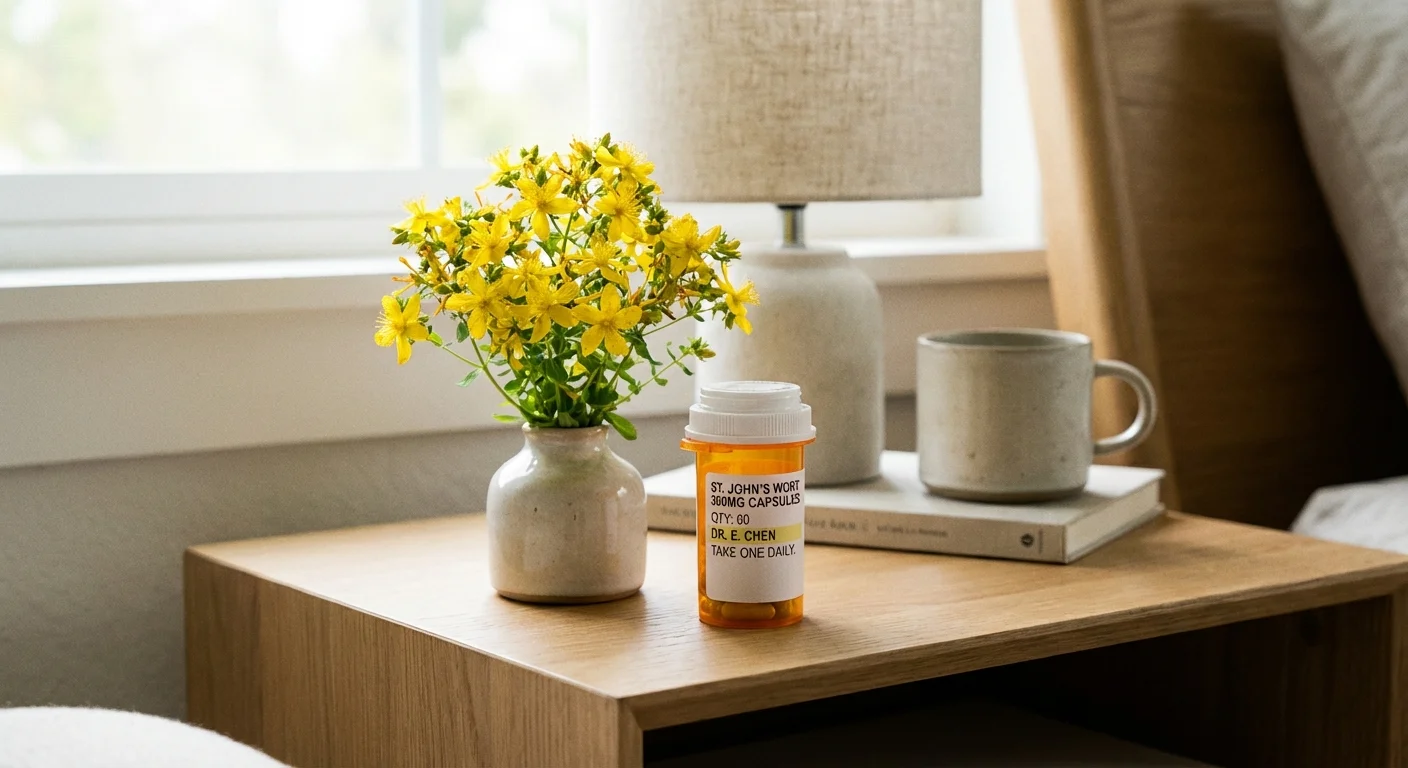
St. John’s Wort enjoys a reputation as a natural mood booster. While it does contain active compounds that affect brain chemistry, it is arguably one of the most dangerous supplements an older adult can take if they rely on other medications.
Your liver uses a specific set of enzymes—most notably the Cytochrome P450 system—to process and clear drugs from your bloodstream. Think of these enzymes as the waste management crew for your body. St. John’s Wort sends this crew into overdrive. When your liver works too fast, it clears out your prescription medications before they have a chance to do their job.
The Mayo Clinic and the FDA warn that St. John’s Wort heavily interacts with a vast list of crucial medications. If you take a statin to manage cholesterol, St. John’s Wort can render it ineffective. If you take a blood thinner to prevent life-threatening clots, this herb can dangerously reduce the drug’s protective effects. It also interferes with heart failure medications like digoxin, leading to dangerous fluctuations in heart rhythm.
The danger escalates if you take a prescription antidepressant. Combining St. John’s Wort with selective serotonin reuptake inhibitors (SSRIs) can cause a severe condition called serotonin syndrome. Because both the drug and the herb increase serotonin levels in your brain, the combination floods your nervous system. Symptoms of serotonin syndrome include intense confusion, rapid heart rate, severe muscle tremors, heavy sweating, and fever. Left untreated, it can be fatal.

How Aging Changes the Way Your Body Processes Supplements
You might wonder why a supplement you took safely in your forties suddenly poses a risk in your sixties or seventies. The answer lies in the natural physiological changes that occur as you age.
As you get older, your metabolism naturally slows down. Your liver shrinks slightly, and blood flow to the organ decreases. Because the liver acts as the primary chemical processing plant for your body, it takes longer to filter out active compounds from pills. Similarly, your kidneys, which filter and excrete waste products, become less efficient over time.
Body composition also shifts with age. Older adults naturally hold less water in their bodies and retain a higher percentage of fat. This changes how vitamins distribute throughout your system. Water-soluble vitamins (like Vitamin C and B vitamins) can build up in the bloodstream at higher concentrations because there is less water to dilute them. Conversely, fat-soluble vitamins (like Vitamins A, D, E, and K) accumulate in fat tissues. Because they do not wash out in your urine, taking high doses of fat-soluble vitamins for a long time can easily push your body into toxic levels.
Finally, the stomach produces less acid as you age. This alters how you break down the physical casing of a pill and extract the nutrient inside. You might swallow a dense supplement tablet, but your digestive tract might struggle to break it down, leading to gastrointestinal distress, cramping, or constipation without yielding any nutritional benefit.
Safer Alternatives: Building Health From the Plate Up
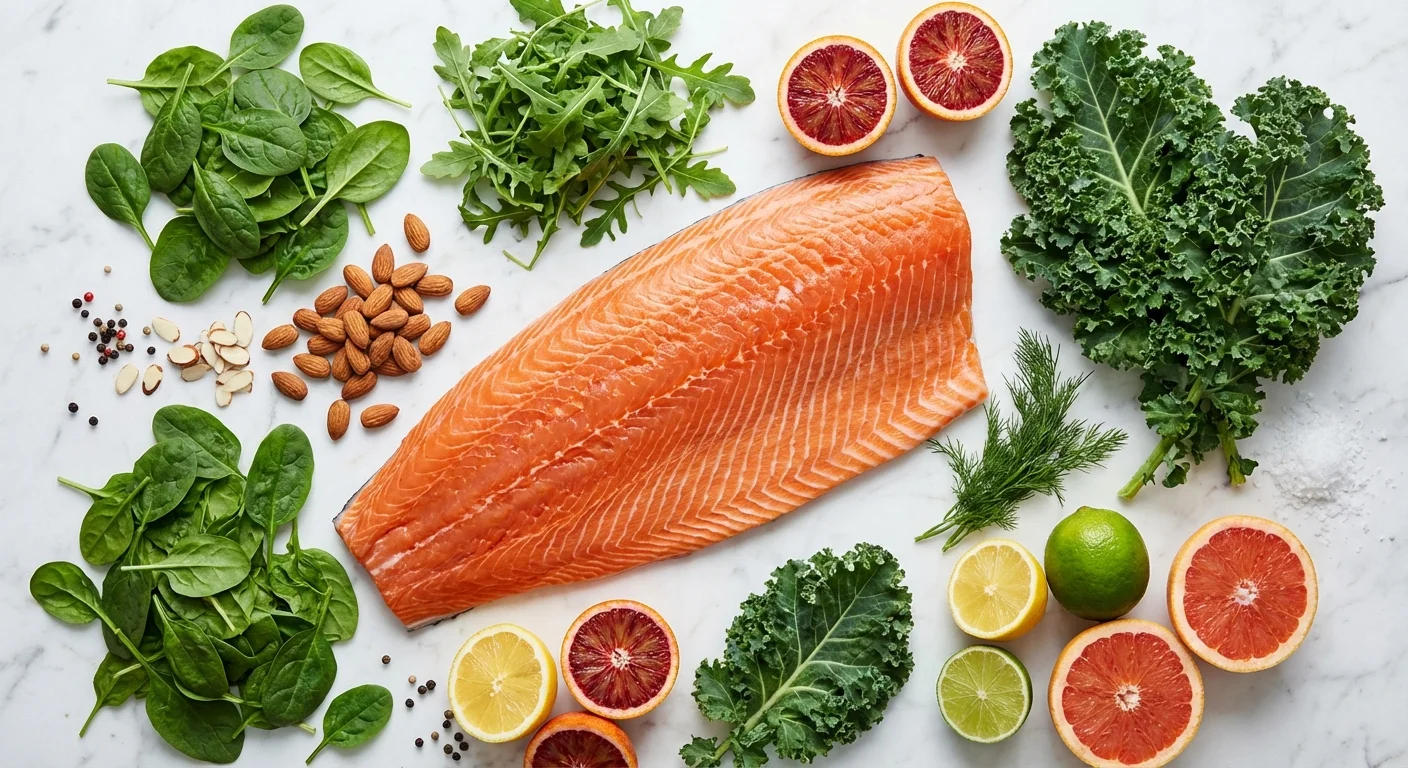
The best way to avoid the dangers of the supplement aisle is to get your nutrition from the produce aisle. When you consume vitamins and minerals through whole foods, they come packaged with fiber, water, and complementary nutrients that help your body absorb them safely and efficiently. You cannot accidentally overdose on Vitamin E by eating almonds, nor can you calcify your arteries by eating yogurt.
Here is a practical guide to swapping out dangerous high-dose pills for nutrient-dense foods.
| The Risky Supplement | The Safe, Whole-Food Alternative | Why It Works Better |
|---|---|---|
| High-Dose Vitamin E | Almonds, sunflower seeds, spinach, avocados, and butternut squash. | Food sources provide the exact amount of Vitamin E your body needs for immune support without reaching the concentrated levels that thin the blood and cause hemorrhage risks. A handful of almonds provides nearly half your daily requirement safely. |
| High-Dose Calcium Pills | Low-fat milk, plain yogurt, cheese, fortified plant milks, kale, and chia seeds. | Dietary calcium is absorbed slowly as your body breaks down the food. This prevents the sudden spikes in blood calcium that lead to kidney stones and arterial plaque. The protein in dairy also helps maintain your muscle mass. |
| St. John’s Wort | Omega-3 rich foods (salmon, walnuts), dark chocolate, and complex carbohydrates. | While no food replaces a prescription antidepressant, an anti-inflammatory diet rich in Omega-3 fatty acids supports brain health and helps regulate mood over time without interfering with your liver enzymes or causing serotonin syndrome. |
Focusing on a balanced diet rich in vegetables, lean proteins, and healthy fats provides a protective synergy that isolated pills simply cannot replicate.

A Practical Guide to Reviewing Your Pill Regimen
Taking control of your health requires regular maintenance and honest conversations with your healthcare team. If you currently take over-the-counter supplements, do not simply throw them in the trash. Instead, follow a structured process to ensure you manage your health safely.
- Conduct a “Brown Bag” Test: Gather every single pill you take on a daily or weekly basis. This includes your prescription medications, over-the-counter pain relievers, daily multivitamins, herbal extracts, and fiber gummies. Put them all in a bag.
- Schedule a Consultation: Take that bag to your primary care doctor or your local pharmacist. Pharmacists possess extensive knowledge regarding drug interactions and are uniquely qualified to spot dangerous combinations.
- Ask Direct Questions: Pull out each bottle and ask, “Do I still need this?” and “Does this interact with any of my prescriptions?” Be completely honest about what you take. Many seniors hide their herbal supplement use from their doctors, fearing judgment, but withholding this information puts your life at risk.
- Request Blood Work: If you suspect you have a vitamin deficiency, ask your doctor to test your blood. Do not guess. A simple blood panel can tell you exactly what your body lacks, allowing your doctor to prescribe a safe, targeted dose rather than relying on a scattershot approach.
- Prioritize Movement: Many seniors take supplements to maintain energy or joint health. Gentle, consistent movement often provides better results than a pill. Daily walks, water aerobics, or senior-focused yoga keep the joints lubricated and the cardiovascular system strong.
Your body is a finely tuned machine, and aging gracefully means respecting its shifting needs. By stepping away from high-dose supplements and focusing on whole foods, open communication with your doctor, and active living, you protect your heart, your brain, and your overall vitality.
Medical Disclaimer: The information provided in this article is for educational and informational purposes only and does not constitute medical advice. Always consult your healthcare provider or a pharmacist before starting, stopping, or changing any dietary supplements or prescription medications.








Leave a Reply