
How to Find Reliable Home Care Services in Your Area
As you age, maintaining independence and comfort in your own home becomes increasingly important. Many seniors discover that home care services offer a vital solution, providing support with daily tasks, personal care, or specialized medical needs right where you feel most comfortable. Choosing the right provider, however, requires careful consideration and thorough vetting. This guide empowers you with the practical steps and crucial questions to ask, ensuring you find trustworthy in-home care for seniors that meets your unique needs and offers peace of mind.
Finding reliable home care services means understanding your options, asking the right questions, and making informed decisions. You deserve compassionate and competent support that enhances your quality of life.
Table of Contents
- Understanding Your Home Care Needs
- Where to Begin Your Search for Home Care
- Vetting Home Care Agencies: Key Questions to Ask
- Interviewing Potential Senior Caregivers
- Understanding Legal and Financial Aspects
- Ensuring Ongoing Quality and Communication
- Common Challenges and Solutions in Home Care
- The Benefits of Trustworthy Home Care

Understanding Your Home Care Needs
Before you begin searching for home care services, clearly identify your specific needs. This foundational step guides your search and helps you choose the most appropriate support. Think about both your current situation and any anticipated future requirements. What areas of your daily life require assistance?
Assessing Daily Living Activities (ADLs) and Instrumental Activities of Daily Living (IADLs)
Home care often addresses two main categories of daily tasks:
- Activities of Daily Living (ADLs): These are fundamental self-care tasks.
- Bathing and showering
- Dressing and grooming
- Eating and feeding
- Toileting and continence care
- Mobility, such as transferring from bed to chair
- Instrumental Activities of Daily Living (IADLs): These tasks allow you to live independently within your community.
- Meal preparation
- Medication management
- Housekeeping and laundry
- Shopping and errands
- Managing finances
- Transportation
- Communication with others, such as making phone calls
Consider which of these tasks you find challenging or unsafe to perform alone. Do you need occasional help or consistent daily support? Your answers will define the scope of services you seek from senior caregivers.

Types of Home Care Services Available
Home care encompasses a broad spectrum of services. Knowing the distinctions helps you align your needs with the right type of provider.
- Personal Care: Assistance with ADLs, such as bathing, dressing, and mobility. These caregivers offer hands-on support for personal hygiene and movement.
- Companionship Care: Provides social interaction, emotional support, and help with IADLs like meal preparation, light housekeeping, and errands. This type of care combats loneliness and promotes mental well-being.
- Homemaker Services: Focuses on household tasks like cleaning, laundry, and grocery shopping, maintaining a safe and comfortable living environment.
- Skilled Nursing Care: Delivered by licensed nurses, this includes medical services such as wound care, medication administration, injections, and monitoring vital signs. Your doctor typically orders these services.
- Therapy Services: Physical, occupational, and speech therapy can occur in your home, aiding recovery from injury or managing chronic conditions.
- Respite Care: Short-term care designed to give family caregivers a break, allowing them time to rest and recharge.
Identify the specific services you require. This clarity empowers you to communicate effectively with potential home care agencies.

Considering Future Needs and Long-Term Planning
While you focus on current needs, also consider how your needs might evolve. A proactive approach allows for smoother transitions. Discuss potential future needs with your family and healthcare providers. Some agencies offer scalable services, adjusting care plans as your situation changes. This foresight helps you find trustworthy home care for seniors that adapts with you.

Where to Begin Your Search for Home Care
Starting your search for home care services can feel overwhelming, but several reliable avenues exist to connect you with reputable providers. Begin with trusted sources that offer informed recommendations and extensive resources.

Consult Your Healthcare Team
Your primary care physician, specialists, or hospital discharge planners are excellent starting points. They understand your health conditions and medical needs, offering referrals to agencies specializing in the type of care you require. They may also have experience with local agencies and can provide valuable insights into their quality and reliability.

Seek Recommendations from Your Network
Talk to friends, family members, neighbors, or members of your faith community who have experience with home care services. Personal recommendations often carry significant weight because they come from individuals who have firsthand experience with senior caregivers and agencies. Ask about their experiences, including the quality of care, caregiver reliability, and agency responsiveness.

Utilize Local and National Resources
Several organizations provide directories and resources to help you find home care services.
- Area Agencies on Aging (AAAs): These local organizations are invaluable resources for seniors and their families. They offer information, referral services, and often conduct pre-screenings of local home care providers. You can find your local AAA by visiting the Administration for Community Living website.
- Eldercare Locator: A public service of the U.S. Administration on Aging, the Eldercare Locator connects you to services for older adults and their families. Visit Eldercare.acl.gov or call 1-800-677-1116 for assistance.
- National Association for Home Care & Hospice (NAHC): NAHC offers a consumer information section on its website, providing guidance on choosing home care and a directory of member agencies.
- Online Directories and Review Sites: Websites like Caring.com, A Place for Mom, and HomeCare.com offer search functions and reviews for local home care agencies. While useful, always cross-reference information and conduct your own thorough vetting process.
By leveraging these resources, you expand your options and gather essential information to narrow down your choices for in-home care seniors.

Vetting Home Care Agencies: Key Questions to Ask
Once you have a list of potential home care agencies, the critical next step involves thorough vetting. This process ensures you select an agency that provides reliable home care services, employs qualified senior caregivers, and operates ethically. Ask these key questions during your initial consultations.

Licensing, Accreditation, and Insurance
Confirm the agency’s credentials. State regulations for home care agencies vary, but reputable agencies typically meet or exceed minimum standards.
- Is the agency licensed by the state? Request proof of current licensing. This ensures they meet basic operational standards.
- Is the agency accredited by a national organization? Accreditation from bodies like the Joint Commission or the Accreditation Commission for Health Care (ACHC) signifies adherence to rigorous quality standards, although it is not always mandatory.
- Does the agency carry liability insurance? This protects you from financial responsibility if a caregiver sustains an injury on your property or causes damage while providing care.
- Are their caregivers bonded? Bonding provides financial protection against theft or property damage caused by a caregiver.
These questions verify the agency’s legitimacy and financial accountability, crucial steps in vetting home care agencies for elderly parents.

Caregiver Screening, Training, and Supervision
The quality of care directly correlates with the quality of the caregivers. Inquire about their hiring and management practices.
- What is your hiring process for caregivers? Ask about background checks, reference checks, and drug screenings.
- What qualifications and experience do your senior caregivers possess? Do they have specific training for conditions like dementia, Parkinson’s, or stroke recovery, if relevant to your needs?
- How do you train your caregivers? Look for agencies that provide ongoing education and specialized training.
- Who supervises the caregivers, and how often? Regular supervision ensures quality control and appropriate care delivery.
- What is your policy regarding caregiver absences or illness? A reliable agency will have a plan for substitute caregivers to ensure continuity of care.
The National Institute on Aging (NIA) recommends asking agencies about their hiring practices and caregiver training programs to ensure competency and reliability. (Source: National Institute on Aging, “Choosing a Home Care Agency”)

Care Plan Development and Communication
A personalized care plan and clear communication are fundamental to effective home care services.
- How do you develop a care plan? The agency should involve you and your family in creating a customized plan that addresses your specific needs, preferences, and goals.
- How often do you review and update the care plan? Needs change, and the care plan should adapt accordingly.
- What is the process for communication between the agency, caregivers, and family members? You need clear channels for updates, concerns, or changes.
- Is a supervisor available 24/7 for emergencies? Prompt response to urgent situations is vital.
- How do you handle complaints or grievances? A clear, accessible process for resolving issues indicates transparency and accountability.

Cost Structure and Billing
Understand all financial aspects to avoid surprises.
- What are your hourly rates or service packages? Request a detailed breakdown of all costs.
- Are there additional fees for mileage, holidays, or specific services? Ensure transparency regarding all potential charges.
- How do you bill for services? Understand the billing cycle, payment methods accepted, and whether they accept insurance.
- Will you provide a written service agreement outlining all costs and terms? Always insist on a written contract.
Understanding these financial details is critical for long-term planning and budgeting for in-home care seniors.

Interviewing Potential Senior Caregivers
After vetting agencies, you may have the opportunity to meet individual senior caregivers. This personal interaction helps ensure a good match, focusing on personality, communication, and specific skills. This step is key to finding trustworthy home care for seniors.

Evaluating Experience and Qualifications
While the agency vets caregivers, your direct conversation provides deeper insights.
- Tell me about your experience providing home care. Look for relevant experience, especially with conditions similar to yours.
- What kind of training have you received? Inquire about specialized training, such as dementia care, first aid, or CPR certification.
- Why do you enjoy working as a caregiver? This question reveals their passion and commitment to the role.

Assessing Personality and Communication Style
A good rapport with your caregiver significantly impacts your comfort and well-being.
- How do you approach building a relationship with clients? Look for someone who values connection and respect.
- How do you handle difficult situations or disagreements? This assesses their problem-solving and communication skills under pressure.
- What is your communication style? Do you prefer direct, open communication? Does the caregiver seem to match that preference?
- Are you comfortable with pets? If you have pets, ensure the caregiver is comfortable and capable of respecting their presence.
Trust your instincts. A positive personality match fosters a more supportive and enjoyable care environment.

Checking References
While the agency may provide references, you can also ask the caregiver if they have professional references they can share, particularly if you are hiring independently rather than through an agency. Speaking with previous clients or their families offers valuable insight into the caregiver’s reliability, compassion, and professionalism.

Trial Period Considerations
Some agencies offer a trial period, allowing you to assess the compatibility and effectiveness of a specific caregiver. This can be an excellent way to ensure the fit before committing to a long-term arrangement. Discuss this option with the agency if it is not explicitly offered.

Understanding Legal and Financial Aspects
Navigating the legal and financial landscape of home care services requires careful attention. Understanding contracts, payment options, and your rights protects you and ensures clarity regarding your obligations.

Reviewing Contracts and Service Agreements
Always request and thoroughly review a written service agreement before commencing home care. This document outlines the terms and conditions of the care provided.
- Services Provided: Ensure the contract clearly lists all agreed-upon services, including specific tasks, frequency, and duration.
- Costs and Fees: Verify that all hourly rates, service package costs, and any additional fees are transparently itemized.
- Payment Schedule: Understand the billing cycle, due dates, and acceptable payment methods.
- Cancellation Policy: Know the notice required for canceling services or terminating the agreement.
- Confidentiality: The agreement should address the privacy and confidentiality of your personal and health information.
- Emergency Procedures: Confirm the agency’s protocols for handling emergencies.
Do not hesitate to ask for clarification on any unclear terms. Consider having a trusted family member or legal advisor review the contract with you.

Exploring Payment Options for Home Care Services
Funding home care can involve various sources. Understanding these options helps you plan financially.
- Private Pay: Many individuals pay for home care services out-of-pocket using savings, pensions, or other personal funds.
- Long-Term Care Insurance: If you have a long-term care insurance policy, review its benefits to determine what portion of home care services it covers. Policies vary widely in their coverage and eligibility requirements.
- Medicare: Medicare generally covers skilled home health care (like skilled nursing or therapy) if it is medically necessary and prescribed by a doctor. It typically does not cover non-medical personal care or companionship services. You must meet specific criteria, including being homebound. (Source: Medicare.gov, “Home health services”)
- Medicaid: Medicaid is a joint federal and state program that helps with medical costs for people with limited income and resources. In many states, Medicaid Waiver programs cover non-medical home care services for eligible individuals, allowing them to remain in their homes rather than entering nursing facilities. Eligibility rules vary by state.
- Veterans Benefits: Veterans and their surviving spouses may be eligible for Aid and Attendance benefits, which can help cover the cost of in-home care. Contact the Department of Veterans Affairs for more information.
- State and Local Programs: Some states and local governments offer programs or subsidies for home care, particularly for low-income seniors. Your local Area Agency on Aging can provide information on available resources in your area.
Research all potential funding sources and discuss them with the home care agency’s financial or billing department. They often have experience with various payment methods and can guide you through the process.

Your Rights and Responsibilities as a Client
As a recipient of home care services, you have specific rights that agencies must uphold. These often include:
- The right to be treated with dignity and respect.
- The right to participate in the development of your care plan.
- The right to privacy and confidentiality.
- The right to refuse care or specific services.
- The right to voice grievances without fear of reprisal.
You also have responsibilities, such as providing accurate health information, communicating changes in your condition, and adhering to payment agreements. Familiarize yourself with the agency’s client bill of rights and responsibilities.

Ensuring Ongoing Quality and Communication
Finding reliable home care services is not a one-time event; it involves continuous oversight and open communication to ensure the care remains effective and appropriate. Your active involvement helps maintain high standards and addresses issues promptly.

Regular Check-ins and Monitoring
Actively monitor the care you receive. If family members are involved, encourage them to visit regularly and observe the interactions between you and your senior caregivers. These check-ins provide valuable opportunities to assess the quality of care and identify any emerging concerns.
- Daily Logs: Request that caregivers maintain a daily log, documenting tasks performed, observations about your well-being, medication administration, and any significant events. Reviewing these logs offers insights into daily care.
- Scheduled Supervisor Visits: Most reputable agencies conduct regular supervisory visits to your home. These visits allow a supervisor to assess caregiver performance, evaluate the care plan, and gather feedback from you.
- Informal Conversations: Engage in informal conversations with your caregiver. Ask about their day, how they feel about the care they are providing, and if they have any concerns. This fosters a collaborative relationship.

Providing Feedback and Addressing Concerns
Open communication is paramount. If you have concerns, voice them promptly and clearly.
- Direct Communication with the Agency: Contact the agency supervisor or care coordinator immediately if issues arise. Do not let small problems escalate.
- Be Specific: When communicating concerns, provide specific examples rather than vague complaints. For example, instead of “the caregiver is late,” say “the caregiver arrived 15 minutes late on Tuesday and 20 minutes late on Thursday.”
- Document Interactions: Keep a record of your communications with the agency, including dates, names of individuals you spoke with, and summaries of discussions and resolutions. This documentation proves helpful if issues persist.
Addressing concerns directly and promptly contributes to a positive care experience and helps the agency improve its service quality. This proactive approach helps maintain trustworthy in-home care for seniors.

Reviewing and Adjusting the Care Plan
Your needs can change over time due to health fluctuations, recovery from an illness, or simply evolving preferences. The care plan should be a dynamic document that adapts to these changes.
- Regular Reviews: Schedule periodic reviews of your care plan with the agency and your family. These reviews allow you to reassess whether the services still align with your current needs and goals.
- Proactive Adjustments: If you notice changes in your health or abilities, initiate a discussion about modifying the care plan. You might require more hours of care, different types of assistance, or specialized support.
- Caregiver Input: Your senior caregivers spend the most time with you; they often observe subtle changes that you or your family might miss. Encourage them to communicate observations to the agency, prompting care plan adjustments.
A flexible and responsive care plan ensures you continue to receive the most appropriate and beneficial home care services.

Common Challenges and Solutions in Home Care
While home care offers significant benefits, you might encounter certain challenges. Recognizing these potential issues and knowing how to address them helps ensure a smoother experience with home care services.

Caregiver Turnover
High caregiver turnover can disrupt continuity of care and be unsettling. Building trust with senior caregivers takes time, and frequent changes can feel frustrating.
- Solution: Inquire about the agency’s caregiver retention rates during your initial vetting process. A lower turnover rate often indicates better working conditions and more experienced staff. If turnover becomes an issue, communicate your concerns to the agency. Request a consistent schedule with fewer different caregivers if possible. Agencies should strive for consistency to build strong client-caregiver relationships.

Communication Breakdowns
Misunderstandings or lack of clear communication between you, your family, caregivers, and the agency can lead to errors or dissatisfaction.
- Solution: Establish clear communication channels from the outset. Use a communication logbook in your home for caregivers to note important information. Schedule regular meetings or phone calls with the agency supervisor. Empower your family to communicate directly with the agency as needed. Do not assume information passes between all parties; actively ensure it does.

Changing Needs and Evolving Care Plans
Your health and functional abilities can change over time, requiring modifications to your care plan. If the plan does not adapt, you might receive insufficient or inappropriate care.
- Solution: Regularly assess your needs. Communicate any changes in your health, mobility, or preferences immediately to the agency. Request a care plan review meeting when you anticipate or experience significant changes. Agencies should demonstrate flexibility and a willingness to adjust services as your circumstances evolve. The National Council on Aging (NCOA) emphasizes the importance of a flexible care plan that evolves with the individual’s needs. (Source: National Council on Aging, “Care Planning”)

Privacy Concerns
Inviting a non-family member into your home can raise privacy concerns, especially regarding personal belongings or sensitive health information.
- Solution: Discuss privacy expectations with the agency and caregiver. Clarify boundaries regarding personal spaces and belongings. Ensure the agency’s contract includes a confidentiality clause protecting your health information. If issues arise, address them directly with the agency supervisor.

Financial Surprises
Unexpected costs or unclear billing practices can lead to financial strain and frustration.
- Solution: Insist on a comprehensive, written service agreement detailing all costs, billing cycles, and potential extra fees upfront. Review statements carefully and question any discrepancies immediately. Keep detailed records of payments made and services received.

The Benefits of Trustworthy Home Care
Investing time and effort into finding reliable home care services yields significant returns, profoundly impacting your well-being, independence, and overall quality of life. The right in-home care for seniors offers far more than just practical assistance.

Maintaining Independence and Autonomy
Perhaps the most cherished benefit, trustworthy home care allows you to remain in the familiar comfort of your own home, surrounded by your memories and belongings. This preserves your independence, enabling you to continue living life on your own terms for as long as possible. You retain control over your daily routines, diet, and social interactions, promoting a sense of dignity and self-determination.

Enhanced Safety and Peace of Mind
Senior caregivers provide a crucial layer of safety, reducing risks associated with falls, medication errors, or forgotten meals. Knowing that trained professionals monitor your well-being offers immense peace of mind, not only for you but also for your family members. This regular presence ensures someone is there to assist in emergencies or simply to offer reassurance throughout the day.
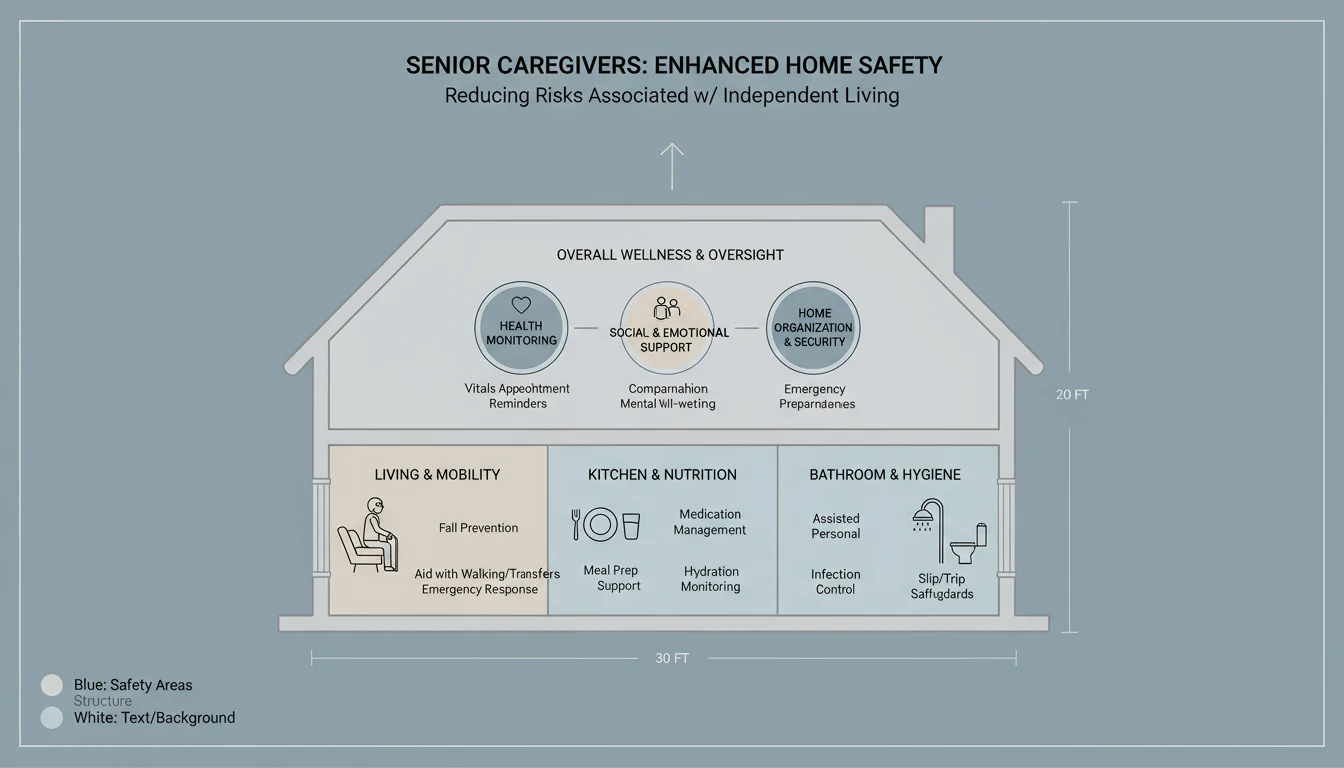

Improved Physical and Mental Well-being
The support from home care directly contributes to better health outcomes. Assistance with medication management ensures you take prescriptions correctly. Help with meal preparation promotes good nutrition. Encouragement for gentle exercise and social interaction combats loneliness and depression, common concerns for older adults. Studies indicate that seniors who receive home care often experience fewer hospitalizations and emergency room visits, leading to a higher quality of life. (Source: Centers for Disease Control and Prevention, “Long-term care use among adults aged 65 and over”)

Personalized Care Tailored to Your Needs
Unlike institutional settings, home care offers highly personalized attention. Your care plan is specifically designed around your unique needs, preferences, and schedule. Whether you require assistance with personal care, household tasks, or companionship, the services adapt to your evolving circumstances, ensuring you receive precisely the support you need, when you need it.

Support for Family Caregivers
Finding reliable home care services also provides invaluable support for family members who often bear the primary responsibility for caregiving. Professional senior caregivers offer respite, allowing family members to rest, manage their own lives, and reduce stress. This support strengthens family relationships by alleviating the caregiving burden and ensuring everyone receives the assistance they need.
Embracing home care is an empowering choice, providing the necessary support to live a fulfilling and independent life in your cherished home.
Finding reliable home care services in your area involves a systematic approach: assess your needs, explore reputable sources, thoroughly vet agencies, interview senior caregivers, understand all contractual and financial details, and maintain ongoing communication. This diligent process empowers you to secure the highest quality in-home care for seniors, fostering independence, enhancing safety, and significantly improving your overall well-being. By taking these practical steps, you invest in a future where you receive compassionate, competent support right where you want to be: in your own home.
***Medical Disclaimer: The information provided in this article is for general knowledge and informational purposes only, and does not constitute medical advice. Always consult with a qualified healthcare professional for any health concerns or before making any decisions related to your health or care.***









Leave a Reply