

Living independently offers you freedom and comfort, but handling daily tasks, healthcare costs, and home maintenance alone can quickly become overwhelming. Relying solely on your savings or limited family help is not your only option when aging in place. Nationwide support networks exist specifically to provide financial relief, nutritional assistance, and social connection for older adults living solo. By tapping into federal, state, and local programs, you can significantly reduce your monthly expenses while maintaining your health and safety at home. This guide breaks down five essential programs designed to protect your independence, detailing exactly what they offer and how you can access their benefits today.
Why Support Programs Matter for Your Independence
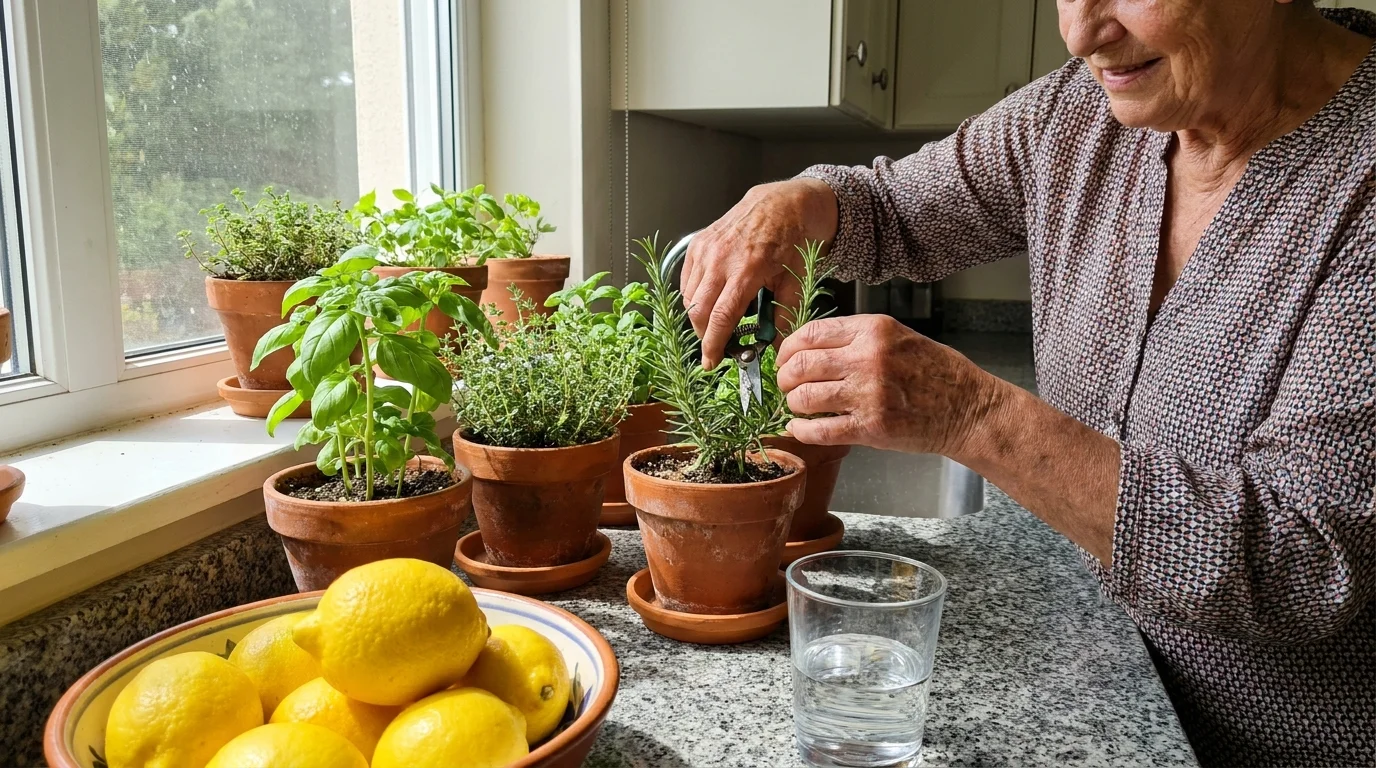
Choosing to age in place—staying in your own home as you get older—is a goal shared by the vast majority of older adults. However, living alone presents unique logistical and financial hurdles. When you manage a household on a single fixed income, rising property taxes, utility bills, and grocery costs can easily strain your budget. Furthermore, handling home repairs, transportation to medical appointments, and daily cooking can become physically exhausting over time.
Support programs are not handouts; they are essential safety nets designed to keep you thriving in your community. They bridge the gap between what you can comfortably manage and what you need to stay safe. According to the National Institute on Aging (NIA), staying socially active and supported by community resources can significantly improve your overall physical and mental well-being, helping you maintain your independence for much longer.
Taking advantage of these services early—before you face a crisis—is the best way to secure your living situation. By proactively setting up grocery assistance, utility relief, and healthcare counseling, you create a robust support system that steps in whenever you need a helping hand.
1. Area Agencies on Aging (AAA) and the Eldercare Locator
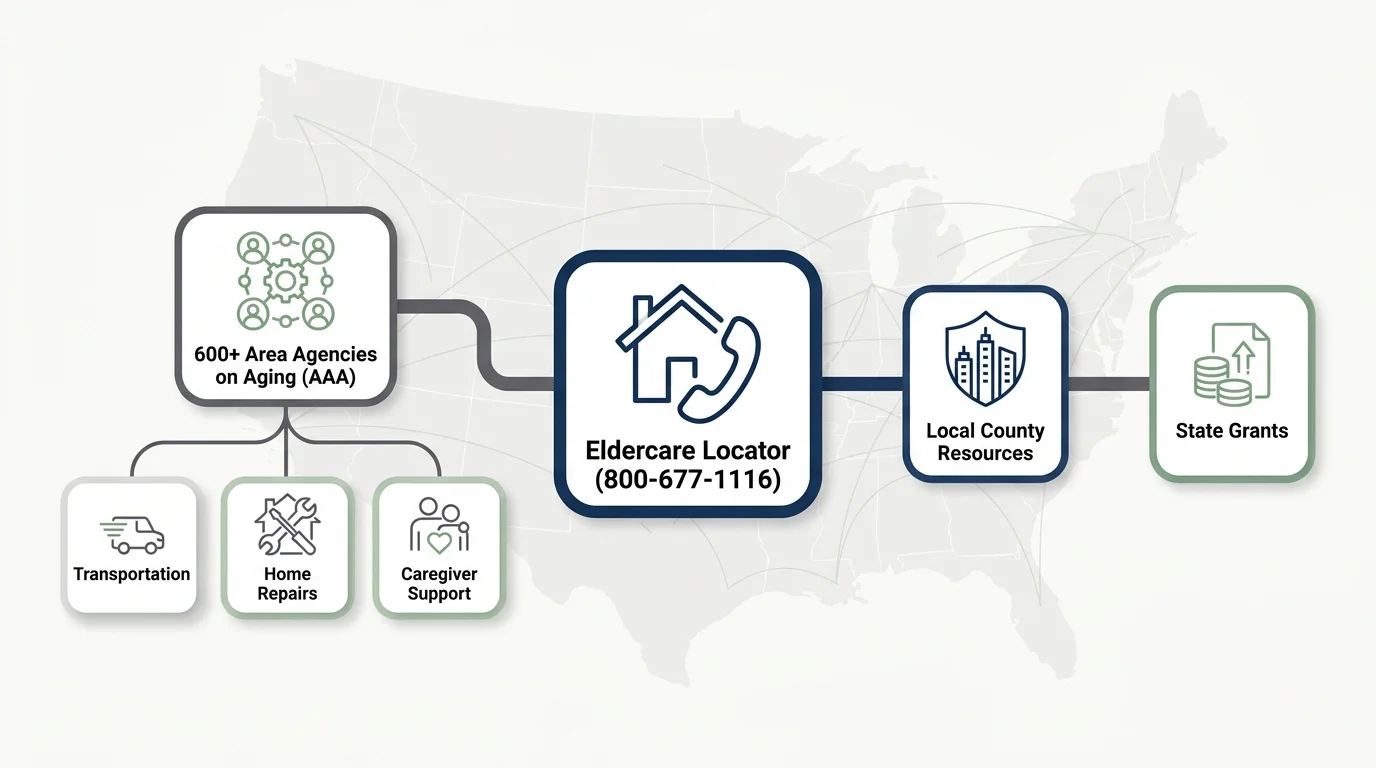
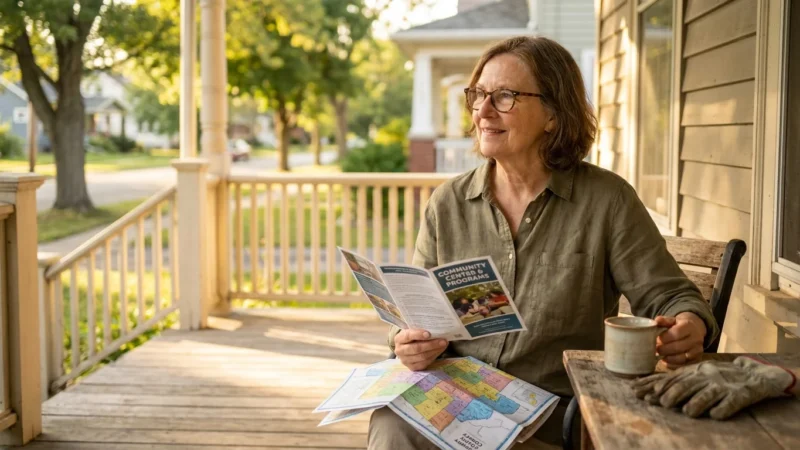
If you are unsure where to begin your search for support, your local Area Agency on Aging (AAA) is the ultimate starting point. The AAA is a nationwide network of over 600 regional agencies tasked with coordinating services for adults aged 60 and older. Because they operate at the local level, they understand the specific resources, grants, and programs available in your exact county or city.
The Eldercare Locator is a free nationwide service created by the federal government that directly connects you to your local AAA. By simply entering your ZIP code or calling their toll-free number, you will be routed to representatives who can help you access a wide range of services.
Your local AAA can typically help you arrange:
- Transportation Services: Free or highly discounted rides to doctor appointments, grocery stores, and local senior centers.
- In-Home Support: Minor home modifications—like installing grab bars in your shower—and chore services for tasks you can no longer safely perform.
- Legal Assistance: Access to legal professionals who can help you draft advance directives, living wills, and power of attorney documents at reduced or no cost.
- Information and Referral: Personalized guidance to help you navigate local property tax relief programs and community grants.
When you contact your AAA, request a comprehensive assessment. Many agencies will send a care coordinator to your home to evaluate your living situation, identify potential safety hazards, and recommend a personalized package of support services.
2. Nutritional Assistance Through SNAP and Local Meal Delivery
Proper nutrition is the foundation of healthy aging, yet millions of seniors skip meals or buy low-quality food to save money for medications and utilities. If you live alone, cooking three nutritious meals a day can also feel like a chore. Fortunately, two major avenues of support exist to ensure your pantry stays full.
The Supplemental Nutrition Assistance Program (SNAP)—formerly known as food stamps—provides monthly funds on an electronic benefit transfer (EBT) card that you can use at grocery stores and many farmers’ markets. Many seniors mistakenly believe they will not qualify because of their Social Security income. However, SNAP rules for adults over 60 are actually more lenient. You can deduct certain out-of-pocket medical expenses over $35 from your income calculation, which can significantly boost your monthly benefit amount.
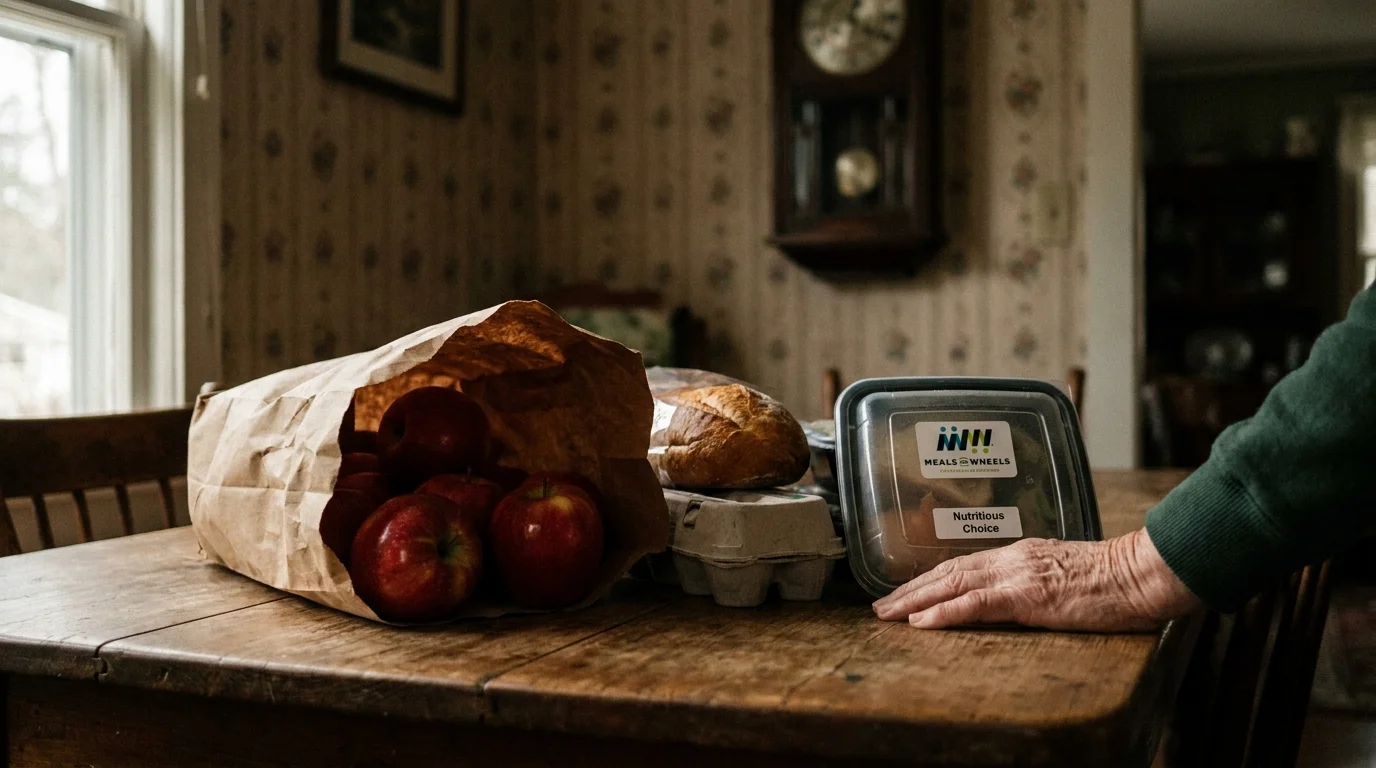
While SNAP helps you buy groceries, meal delivery programs step in when cooking becomes too difficult. Meals on Wheels is the most recognizable name in this space, delivering hot, nutritious meals directly to your door. Beyond the food, the volunteer who delivers your meal provides a brief, daily safety check. If you do not answer the door, the program will contact your emergency contacts to ensure you are safe.
If you are mobile and enjoy company, look into Congregate Meal Programs. Often hosted at local senior centers or community halls, these programs offer free or low-cost hot lunches in a group setting, allowing you to enjoy a good meal while socializing with your peers.
3. The Low-Income Home Energy Assistance Program (LIHEAP)
Keeping your home at a safe temperature is a medical necessity. Extreme heat and severe cold pose significant health risks to older adults, particularly those with heart conditions or respiratory issues. Yet, utility bills are often one of the most unpredictable expenses in a senior’s budget.
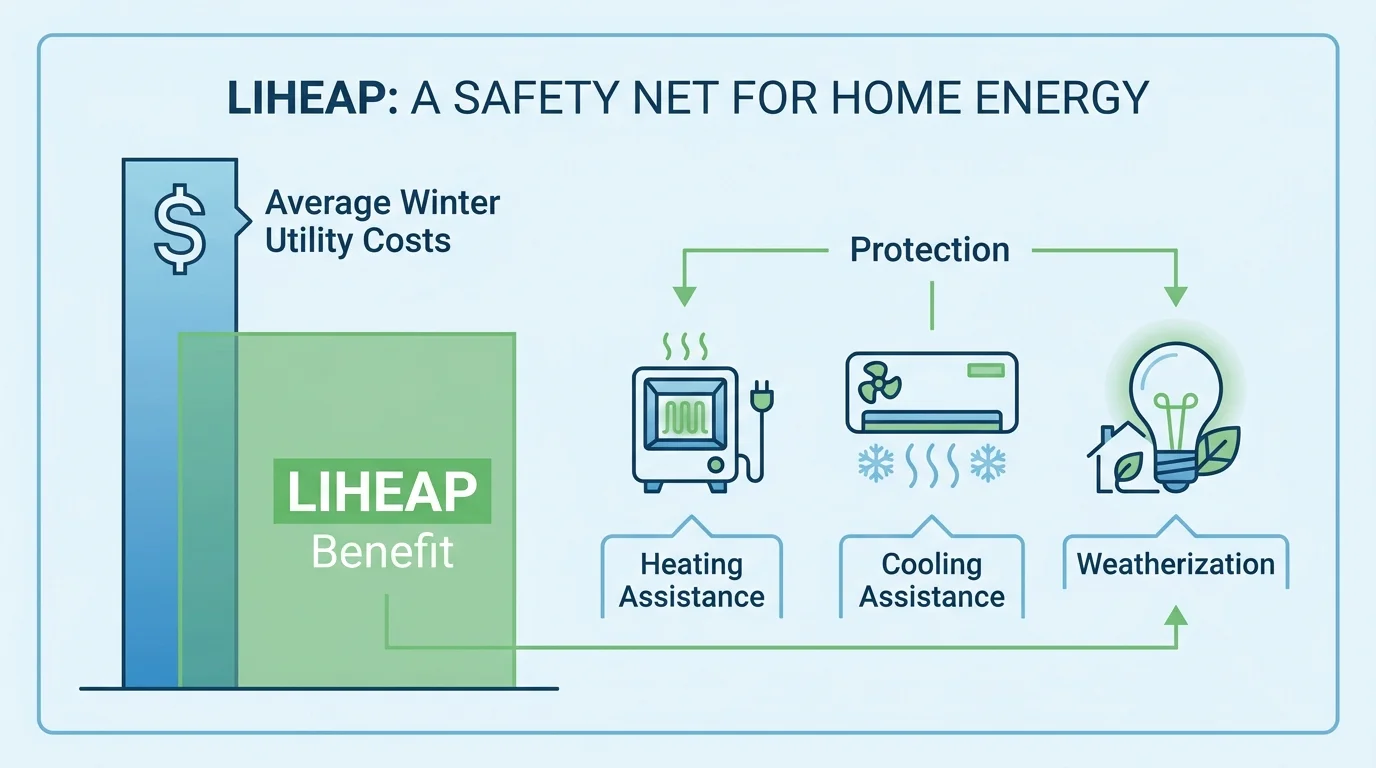
The Low-Income Home Energy Assistance Program (LIHEAP) is a federally funded program that helps eligible low-income households manage their energy costs. The program operates through state and local agencies, meaning the application process and exact benefits vary depending on where you live.
LIHEAP generally provides three main types of assistance:
- Bill Payment Assistance: A direct grant paid to your utility company to lower your monthly heating or cooling bills.
- Energy Crisis Assistance: Expedited funding to prevent your utilities from being disconnected or to repair a broken furnace during the winter.
- Weatherization and Energy-Related Minor Home Repairs: Funds to improve your home’s energy efficiency. This might include adding insulation, repairing drafty windows, or fixing your HVAC system, which lowers your bills permanently.
Because funding is limited, states often operate on a first-come, first-served basis. It is highly recommended that you apply early in the season—usually late summer for winter heating assistance, and early spring for summer cooling assistance.
4. State Health Insurance Assistance Programs (SHIP)
Managing healthcare costs and navigating Medicare options alone can easily lead to costly mistakes. Between Original Medicare, Medicare Advantage, Part D prescription plans, and supplemental Medigap policies, the choices are overwhelming. Choosing the wrong plan can lock you into high out-of-pocket costs or prevent you from seeing your preferred doctors.
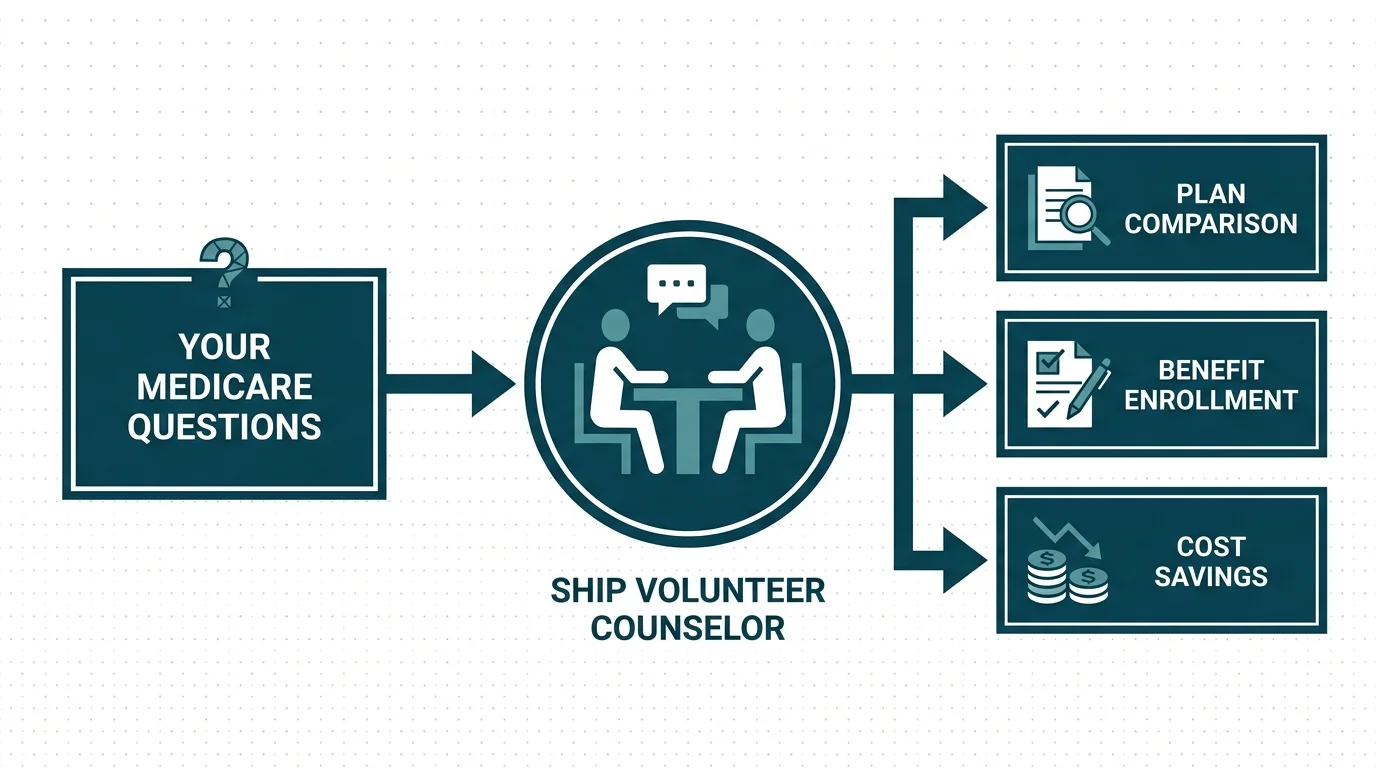
The State Health Insurance Assistance Program (SHIP) offers free, unbiased, one-on-one counseling for Medicare beneficiaries. Unlike insurance brokers who earn commissions for selling specific plans, SHIP counselors are funded by the government to provide neutral advice tailored strictly to your medical needs and budget.
While you can find official plan details on Medicare.gov, SHIP counselors help you translate that information into a decision that fits your specific situation. They can sit down with you—often virtually or over the phone—and review your current prescriptions to ensure you choose the most cost-effective Part D plan.
Furthermore, SHIP counselors can screen you for Medicare Savings Programs (MSPs). These state-administered programs help pay your Medicare premiums, deductibles, and copayments. They can also help you apply for the “Extra Help” program, which significantly reduces the cost of your prescription drugs.

5. Telephone Reassurance and Friendly Visitor Programs
Living alone brings peace and quiet, but isolation can silently damage your health. Extended periods of loneliness can lead to depression, anxiety, and a decline in cognitive function. Research from the Centers for Disease Control and Prevention (CDC) highlights that loneliness among older adults is linked to serious health risks, making social connection programs a vital part of your preventative healthcare.
To combat this, many communities offer Telephone Reassurance Programs. These services arrange for a trained volunteer or local law enforcement officer to call you at a scheduled time every day or week. The call serves two purposes: it provides a friendly chat to break up the day, and it acts as a welfare check. If you miss your scheduled call and cannot be reached, the program dispatches someone to check on your safety.
If you prefer face-to-face interaction, look into Friendly Visitor or Senior Companion programs. Through initiatives like AmeriCorps Seniors, trained volunteers—who are often fellow seniors—will visit your home regularly. They can help you sort your mail, play a game of cards, accompany you on a walk, or simply share a cup of coffee and a conversation.
These programs not only lift your spirits but also give your long-distance family members peace of mind, knowing someone is consistently checking in on you.
Preparing Your Application Arsenal
Applying for support programs can feel like a part-time job. Most agencies require substantial paperwork to prove your identity, age, income, and residency. Gathering these documents in advance will streamline the process and prevent your applications from being delayed or denied.
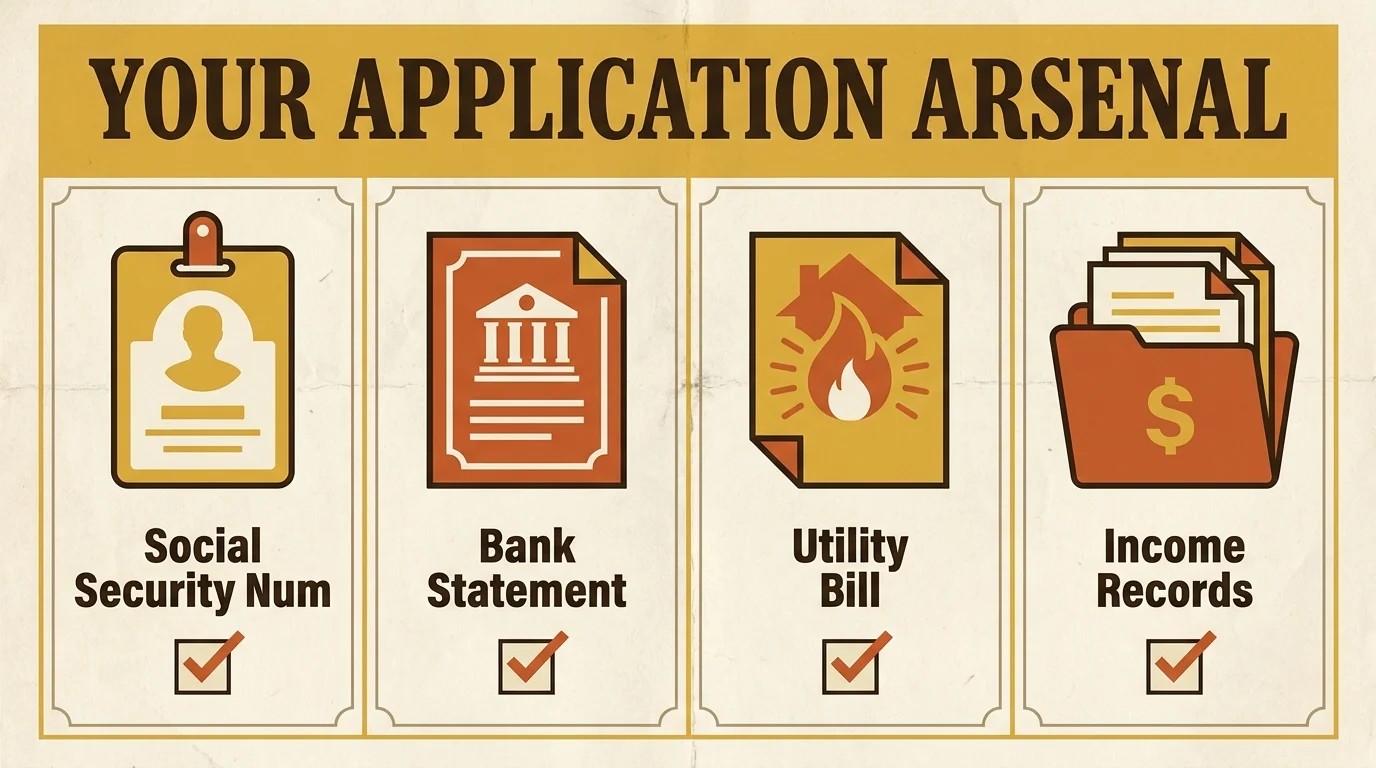
Create a dedicated “Application Folder”—either a physical binder or a secure digital folder on your computer—and keep multiple copies of the following essential documents.
| Document Type | Examples of What You Need | Why It Is Required |
|---|---|---|
| Proof of Identity & Age | Driver’s license, State ID card, Passport, or Birth Certificate. | Confirms you meet the specific age thresholds for senior programs (typically 60+ or 65+). |
| Proof of Income | Social Security award letter, pension statements, recent tax returns, or bank statements. | Determines your financial eligibility for income-capped programs like SNAP or LIHEAP. |
| Proof of Housing Costs | Recent utility bills, property tax statements, lease agreement, or mortgage statements. | Used to calculate your disposable income; high housing costs can increase your benefit amounts. |
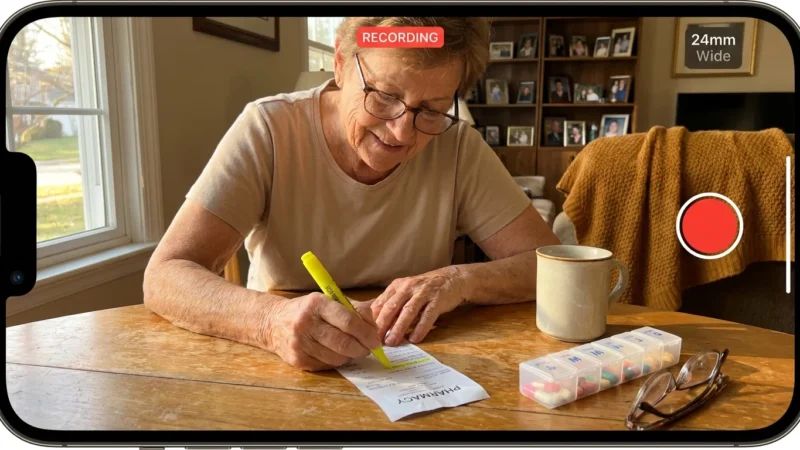
| Medical Expenses | Pharmacy receipts, medical bills, and Medicare premium statements. | Crucial for SNAP applications, as out-of-pocket medical costs can be deducted from your income. |
If gathering these documents feels daunting, remember that your local Area Agency on Aging or SHIP counselor can often assist you in tracking down lost paperwork or navigating complex online portals.
Common Scams Targeting Seniors Living Alone
Unfortunately, scammers aggressively target seniors who live independently. Because you handle your finances alone, criminals assume you might be more easily persuaded or lack someone nearby to double-check a suspicious request. Protecting your personal information is just as important as enrolling in support programs.
The Consumer Financial Protection Bureau (CFPB) advises seniors to monitor their financial accounts regularly and to be highly skeptical of unsolicited contact. Scammers constantly evolve their tactics, but three common traps frequently affect older adults living solo:
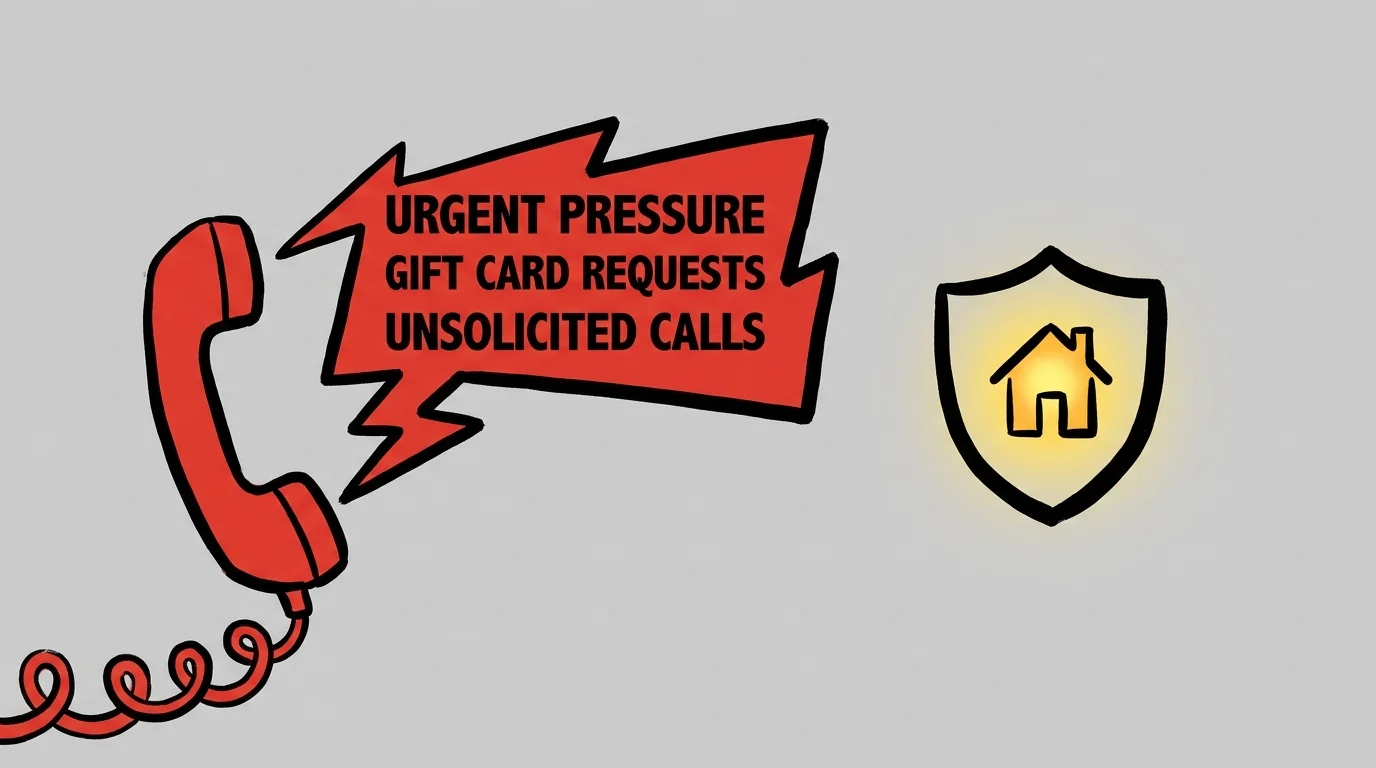
- Government Impersonator Scams: You receive a call from someone claiming to be from Medicare, the IRS, or the Social Security Administration. They may threaten to cancel your benefits or demand immediate payment. Remember: government agencies will never call you to demand money, ask for your full Social Security Number out of the blue, or request payment via gift cards or wire transfers.
- Tech Support Fraud: A pop-up message appears on your computer, or you get a call claiming your device has a virus. The scammer offers to fix it if you grant them remote access to your screen. Once inside, they steal your passwords and bank information. Never give a stranger remote access to your computer.
- The “Grandparent” Emergency Scam: A frantic caller pretends to be your grandchild in trouble—often claiming they are in jail or a hospital—and begs you to send money immediately without telling their parents. Always hang up and call your family members directly on their known phone numbers to verify the story.
If you receive a suspicious call, the safest action is simply to hang up. Do not engage, do not press buttons to “be removed from the list,” and do not trust the Caller ID, as scammers easily fake local phone numbers.
Frequently Asked Questions
Do I have to pay for these support programs?
The vast majority of the programs listed, including SHIP counseling, Area Agency on Aging coordination, and LIHEAP grants, are completely free. Meals on Wheels and similar delivery programs usually operate on a sliding scale; you may be asked for a small, voluntary donation per meal, but you will not be denied food if you cannot afford to pay.
Will applying for support programs affect my Social Security benefits?
No. Participating in programs like SNAP, LIHEAP, or Medicare Savings Programs will not reduce your monthly Social Security check. In fact, these programs are specifically designed to work alongside your Social Security income, helping stretch your budget further so you do not have to dip into your savings for basic needs.
How do I know if I qualify for low-income senior programs?
Eligibility varies wildly by state and by program. Do not assume you make too much money to qualify. Many programs base eligibility on your net income after deducting medical expenses and housing costs, not just your gross income. The best way to find out is to contact your local Area Agency on Aging or run a quick, anonymous screening through official government benefit checkers.
Can these programs help me if I own my home but still struggle with bills?
Yes. Owning a home does not automatically disqualify you from assistance. Programs like LIHEAP and SNAP are primarily based on your current income and liquid assets, not the equity in your primary residence. In fact, if you own your home, you may qualify for specific property tax relief programs or home weatherization grants designed exclusively for homeowners.
What should I do if I am denied a benefit?
Never accept a denial as the final answer without reviewing the reasons. Often, applications are denied due to a missing document or a simple clerical error. You have the right to appeal decisions for programs like SNAP and LIHEAP. Contact your local legal aid office—often accessible through your Area Agency on Aging—for free assistance in navigating the appeals process.
For additional senior resources, visit Alzheimer’s Association, American Heart Association and Benefits.gov.
Disclaimer: The information in this article is for educational purposes only and is not intended to be a substitute for professional financial, legal, or medical advice. Always consult with a qualified expert for advice tailored to your personal situation.






Leave a Reply