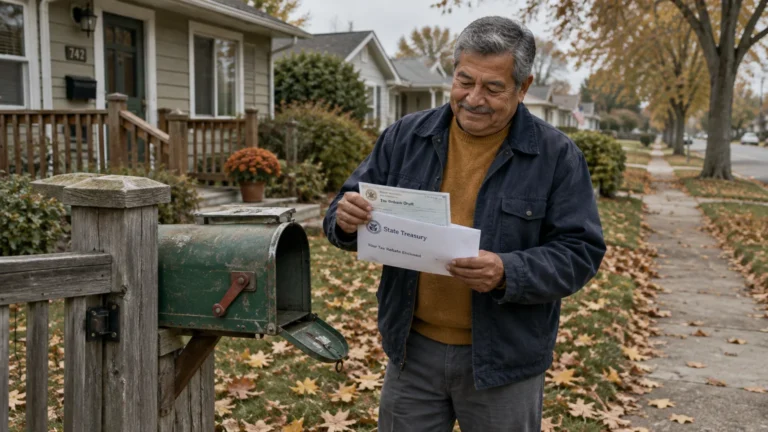
You could soon receive a surprise $500 payment from the federal government. Starting in autumn 2026, the U.S. Treasury began sending checks to nearly one million Americans who bought individual health coverage.
This initiative refunds surplus marketplace fees to qualifying policyholders who paid full price for their insurance. If you retired before age 65 or buy private coverage, you may be on the distribution list.
Understanding these rules ensures you identify genuine payments and avoid widespread financial scams. Here is everything you should know about your eligibility, distribution timelines, and related healthcare relief.
What Is the $500 Obamacare Refund Program?
On September 10, 2026, President Donald Trump announced the “Working Families Obamacare Refunds” initiative. The initiative aims to return excess administrative revenues directly to qualifying American households.
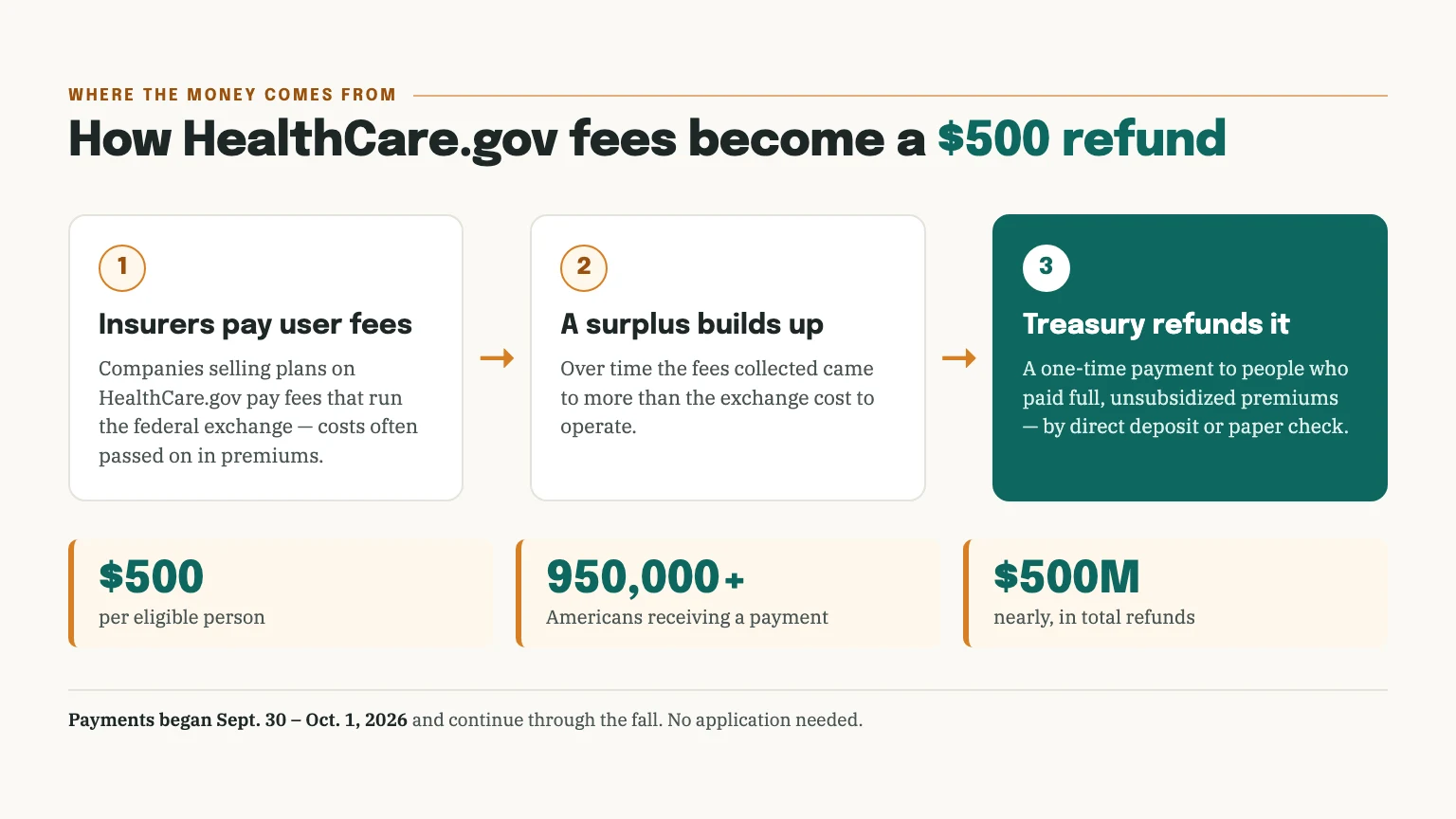
Under this program, the federal government is issuing a one-time refund of $500 per person. More than 950,000 Americans will receive these funds across the country.
The total federal distribution amounts to nearly $500 million in direct financial relief. Many older adults on tight budgets welcome this unexpected financial support.
The payouts stem from an accumulated surplus of federal exchange user fees. Insurance companies pay these fees when they sell policies through the federal HealthCare.gov marketplace.
According to the Centers for Medicare & Medicaid Services (CMS), these administrative user fees maintain federal exchange systems. Over time, collected fees exceeded operational costs, creating a substantial surplus.
The administration characterized these accumulated fees as overcharges that burdened consumers. Insurers often passed these administrative costs directly to buyers through higher monthly premiums.
The initiative returns those excess dollars directly to policyholders. For pre-Medicare seniors managing steep health premiums, this refund offers timely financial relief.