

You can stretch your hard-earned savings and enjoy a vibrant retirement without financial strain. Choosing the right community allows you to live comfortably, even on a limited budget.
A modest nest egg should never force you into substandard living conditions. Low-cost retirement towns across the country offer safe neighborhoods, quality healthcare, and welcoming neighbors at prices you can afford.
Discover the best towns in America where your monthly retirement check covers all your everyday living expenses. These practical locations protect your budget while enhancing your daily quality of life.
In this guide7 sections
Defining a Modest Retirement Income Today
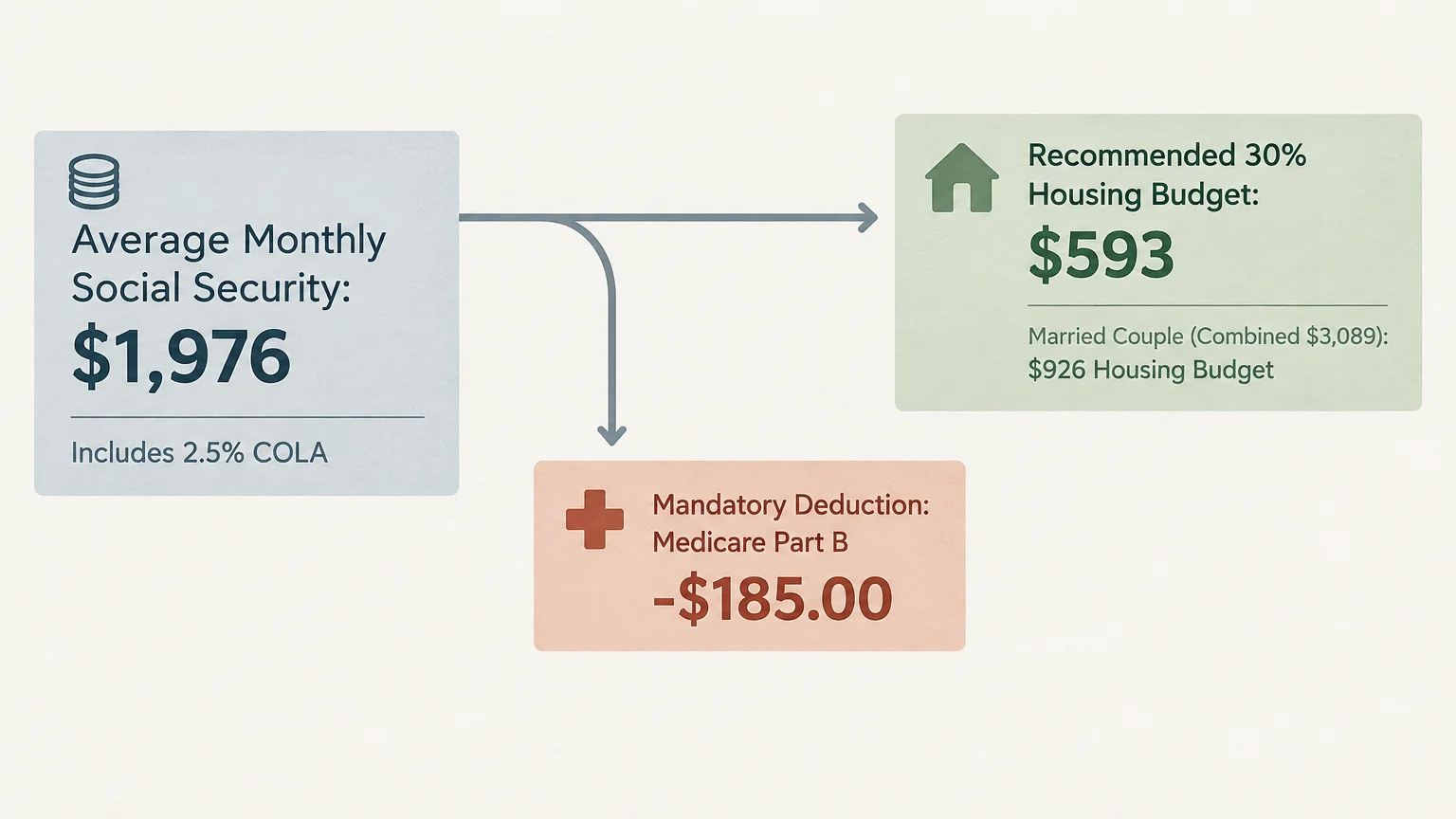
Retiring on a modest income usually means relying primarily on Social Security or a small pension. In 2025, the average monthly Social Security benefit for an individual worker stands at $1,976.
For married couples filing jointly, the average combined monthly benefit reaches $3,089. According to the Social Security Administration (SSA), these figures reflect a 2.5% cost-of-living adjustment designed to combat inflation.
However, your gross benefit does not represent your total take-home pay. Mandatory deductions reduce your monthly cash flow before funds ever reach your checking account.
For example, the standard monthly premium for Medicare Part B is $185.00 in 2025. This payment is typically deducted directly from your monthly benefit payment.
To maintain financial stability, financial planners suggest spending no more than 30% of your gross income on housing. For a single retiree receiving $1,976 each month, that leaves roughly $593 for shelter.
Couples receiving $3,089 can comfortably budget approximately $926 per month for housing. Staying within these parameters requires choosing communities where real estate prices remain well below national averages.
Managing Fixed Incomes Against Utility Volatility
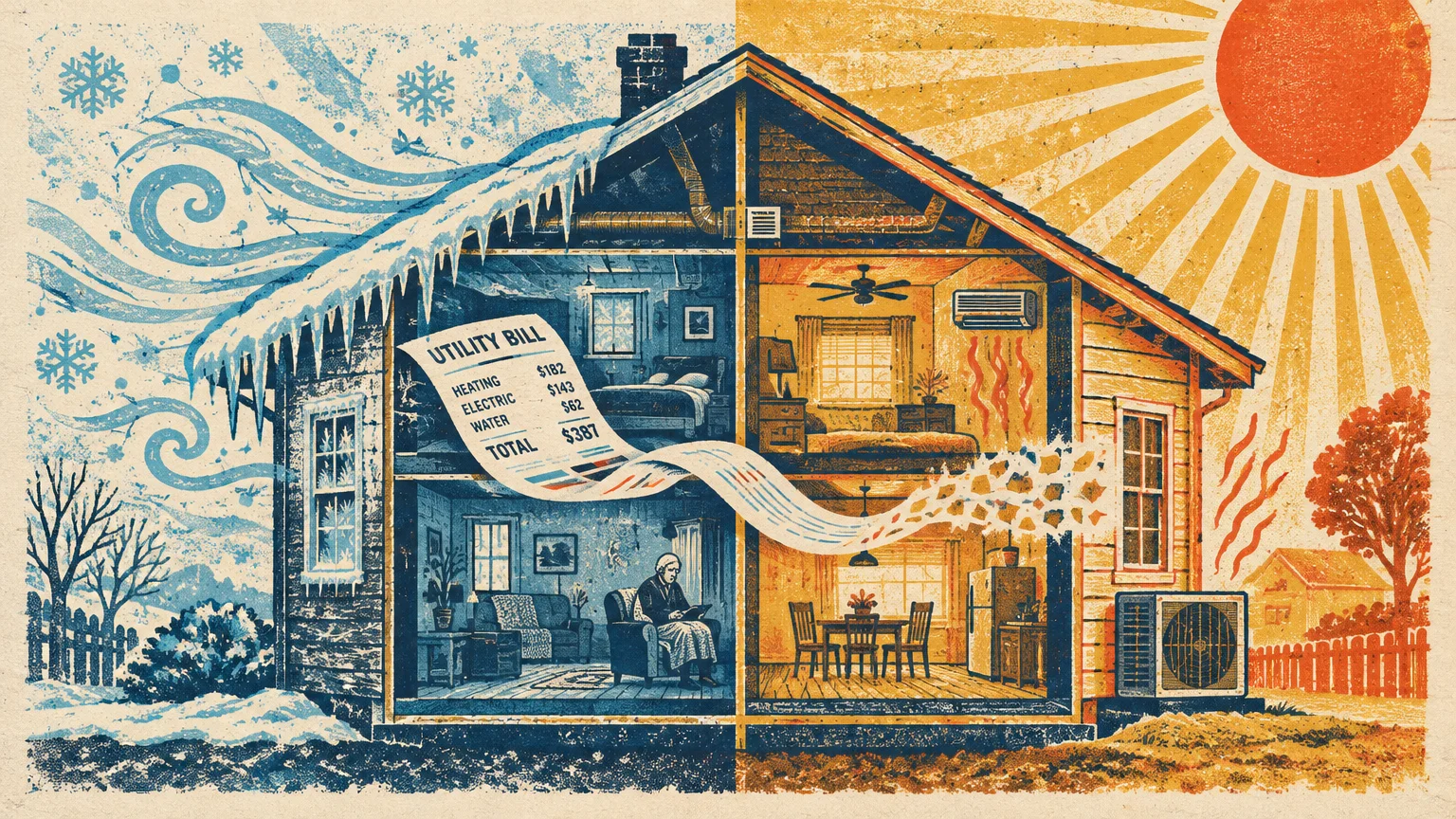
Fixed incomes are especially vulnerable to seasonal utility spikes. Heating an older home during a freezing northern winter can rapidly drain your monthly budget.
Similarly, intense summer heat waves in the Sunbelt demand continuous air conditioning. When budgeting for your new town, factor in local electricity rates and seasonal temperature extremes.
Energy efficiency programs often provide free weatherization assistance for low-income seniors. Inquire with local municipal utilities about senior discount rates before signing a lease.
Key Factors for Choosing Affordable Retirement Towns
Affordability extends far beyond cheap housing prices. A truly sustainable retirement destination must balance everyday expenses with local services, healthcare infrastructure, and favorable tax policies.
Housing Price Baselines
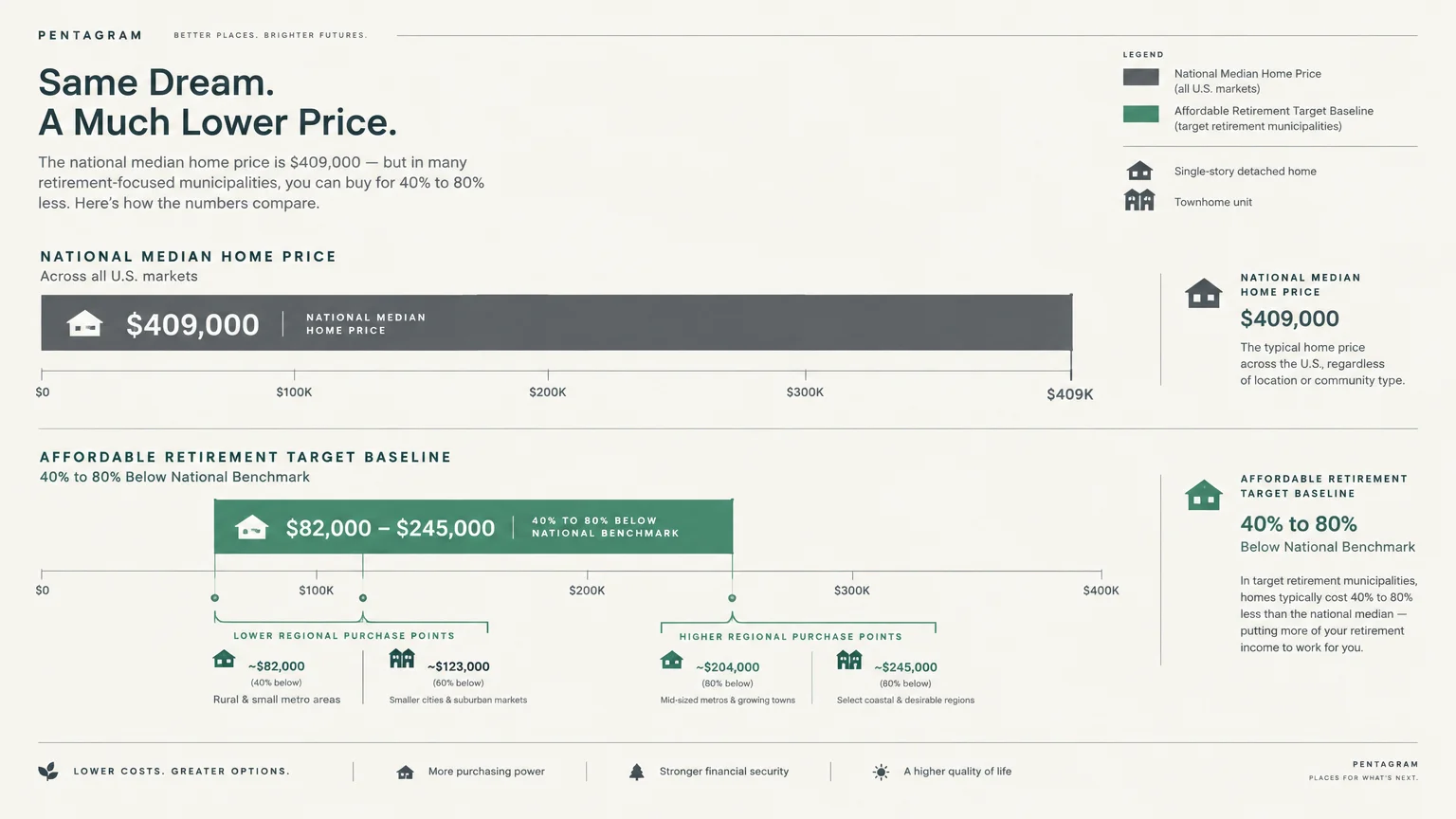
The national median home price sits near $409,000, which is out of reach for most modest budgets. Low-cost retirement towns feature housing prices that are 40% to 80% below this national benchmark.
Lower purchase prices also translate to more affordable rental markets. Finding rentals below $800 per month allows you to preserve your liquid savings for emergency expenses.
State Tax Environments
State taxes can quietly erode your monthly budget. Fortunately, 42 states and Washington, D.C., completely exempt Social Security retirement benefits from state income taxation.
Furthermore, eight states charge zero personal income tax on any retirement earnings: Alaska, Florida, Nevada, New Hampshire, South Dakota, Tennessee, Texas, and Wyoming.
Some states that levy personal income taxes still provide generous carve-outs for seniors. For instance, Pennsylvania exempts public pensions, private pensions, and retirement account distributions from state taxes.
Healthcare Accessibility and Senior Care
Managing chronic conditions requires steady access to regional clinics and specialists. According to the Centers for Disease Control and Prevention (CDC), regular preventive healthcare helps older adults preserve their physical independence.
Long-term care costs vary dramatically across regional markets. Nationally, assisted living costs a median of $5,900 per month, while home health aide services cost roughly $77,792 annually.
Choosing a town where supportive care costs trend below national medians provides essential future protection. It ensures you can access help without depleting your remaining assets.
Walkability and Transportation Infrastructure
Owning and maintaining a vehicle represents a major line item in any retirement budget. Between auto insurance, fuel, and mechanical maintenance, a car can easily cost $600 each month.
Communities with compact downtowns allow you to walk to grocery stores, pharmacies, and post offices. This walkability protects your wallet and keeps you physically active every day.
If you choose to give up driving, dependable public transit becomes vital. Look for towns that offer subsidized dial-a-ride shuttles or fixed-route buses dedicated to older residents.
Top Affordable Retirement Towns in America
Across the United States, several distinctive communities offer exceptional value for retirees on a budget. These towns deliver low overhead, strong community bonds, and accessible amenities.
Brownsville, Texas
Located in the Rio Grande Valley, Brownsville provides warm weather and a remarkably low cost of living. Median single-family home prices hover between $152,000 and $155,000.
Rental housing remains equally accessible, with median monthly rents frequently falling under $750. Texas levies no state income tax, which shields your pensions and retirement distributions from state withholdings.
A single retiree can comfortably manage monthly living expenses on less than $1,750. Brownsville also sits close to South Padre Island, offering inexpensive coastal recreation and mild winter temperatures.
Johnstown, Pennsylvania
Nestled in the Laurel Highlands, Johnstown offers some of the most affordable real estate in the country. Median home values range between $80,000 and $85,000.
Average monthly housing costs sit near $711, making homeownership attainable on Social Security alone. Local utility costs remain reasonable, and public parks provide low-cost leisure activities.
Pennsylvania does not tax Social Security benefits, pensions, or withdrawals from 401(k) and individual retirement accounts. The Conemaugh Health System provides regional medical services directly within the community.
Hickory, North Carolina
Situated in the scenic Catawba Valley, Hickory offers mountain foothill views and a charming downtown. Median home sale prices range from $160,000 to $220,000.
Median monthly apartment rents typically run between $750 and $975. Most couples can easily maintain a comprehensive monthly lifestyle budget below $2,900.
The city boasts an active craft and arts scene alongside extensive senior recreation centers. Hickory also provides quick highway access to major medical facilities located in Charlotte and Winston-Salem.
Fort Wayne, Indiana
Fort Wayne is a mid-sized Midwestern city that blends urban amenities with remarkable affordability. The overall cost of living sits 9% to 20% below the national baseline.
Median single-family home values generally range between $170,000 and $240,000. The city features over 80 public parks, scenic river greenways, and an active senior community center system.
Local assisted living facilities average $5,192 per month, which sits well below the national median of $5,900. Two comprehensive healthcare systems—Parkview Health and Lutheran Health Network—serve the metropolitan area.
Altoona, Pennsylvania
Altoona combines rich railroad heritage with picturesque mountain surroundings in central Pennsylvania. Median home prices sit comfortably near $115,000, offering affordable entry into homeownership.
Retirees benefit from Pennsylvania’s senior-friendly tax code, which exempts all retirement income distributions. UPMC Altoona operates a regional trauma and specialty hospital directly in the city center.
The town offers fixed-route public bus transit with discounted fares for seniors. Residents enjoy inexpensive cultural attractions, historic theaters, and active volunteer networks.
Harlingen, Texas
Harlingen sits near the southern tip of Texas and shares the Rio Grande Valley’s deep affordability. Median home prices average around $165,000, while median rents remain well under $800.
The city is a regional healthcare hub, hosting the Valley Baptist Medical Center and an expansive VA health outpatient clinic. This concentration of medical care provides immense security for aging veterans.
Warm winters attract thousands of seasonal retirees, fostering an active social atmosphere. Everyday costs for groceries, personal services, and automotive care stay noticeably below the national average.
Terre Haute, Indiana
Situated along the Wabash River, Terre Haute provides classic Midwestern living at an extraordinarily modest price point. Median home values range between $115,000 and $135,000.
Apartment rents remain exceptionally modest, with one-bedroom units often leasing for $650 to $750 per month. Indiana offers a flat personal income tax and exempts all Social Security benefits.
Residents enjoy convenient access to Union Hospital, a full-service medical facility located in town. The community also features paved recreational trails, historic museums, and active municipal senior programs.
Cost of Living and Housing Comparison
Comparing economic metrics side by side helps clarify which community fits your personal financial plan. The following benchmarks highlight the affordability advantages of these modest income retirement towns.
| Retirement Town | Median Home Value | Median Monthly Rent | State Income Tax on Pensions | Estimated Monthly Budget (Single) |
|---|---|---|---|---|
| Brownsville, TX | $152,000–$155,000 | $650–$750 | None (0%) | $1,650–$1,750 |
| Harlingen, TX | $160,000–$170,000 | $700–$800 | None (0%) | $1,700–$1,800 |
| Johnstown, PA | $80,000–$85,000 | $600–$720 | Fully Exempt | $1,550–$1,700 |
| Altoona, PA | $110,000–$125,000 | $650–$780 | Fully Exempt | $1,600–$1,750 |
| Hickory, NC | $160,000–$220,000 | $750–$975 | Standard State Rate | $1,850–$2,100 |
| Fort Wayne, IN | $170,000–$240,000 | $775–$950 | Flat Rate (SS Exempt) | $1,900–$2,200 |
| Terre Haute, IN | $115,000–$135,000 | $650–$750 | Flat Rate (SS Exempt) | $1,650–$1,800 |
These budget estimates include essential living costs such as housing, groceries, utilities, and basic transportation. You can compare these figures directly against your projected Social Security benefit.
Before committing to a move, research available federal and state support programs. Using Benefits.gov allows you to identify utility assistance, property tax rebates, and nutrition benefits.
Many local communities also provide localized discounts on water, sewer, and trash collection services. Contacting city municipal offices before your move can reveal additional recurring savings.
Hidden Costs and Financial Traps to Avoid
Relocating to an inexpensive town can dramatically reduce your overhead, but unexpected expenses can jeopardize your budget. Watch out for these subtle financial traps before signing any lease or purchase contract.
High Local Property and Sales Taxes
A state with low income taxes may compensate by levying higher property taxes or elevated local sales taxes. Texas, for example, features no income tax but carries relatively high municipal property tax rates.
Always verify whether your destination offers a senior property tax freeze or homestead exemption. These relief programs protect older homeowners on fixed incomes from sudden appraisal hikes.
Escalating HOA Fees and Special Assessments
Condominiums and planned communities often advertise low purchase prices to attract budget-conscious retirees. However, monthly homeowners association (HOA) dues can rise rapidly without warning.
Review the association’s financial reserves and meeting minutes before purchasing. Aging infrastructure frequently triggers special assessments that cost thousands of dollars out of pocket.
Healthcare Network Gaps
Small towns may lack specialized physicians, requiring you to travel long distances for routine care. Verify that your insurance plan includes local hospital networks and primary care clinics.
Check plan options on Medicare.gov to ensure local doctors accept your Medicare Advantage or Medigap coverage. Switching plans after moving into a medical desert can prove costly.
Climate and Severe Weather Expenses
Extreme weather patterns can quickly produce unexpected financial drains for homeowners. Coastal regions face rising flood insurance premiums, while arid areas experience steep water utility surcharges.
In severe freeze zones, inadequate home insulation can lead to frozen pipes and catastrophic water damage. Research regional property insurance rates before deciding where to settle down.
Predatory Financial Scams
Unscrupulous lenders frequently target newly relocated seniors with aggressive reverse mortgage offers and fraudulent home improvement schemes. Protect yourself by reviewing contracts with independent housing counselors.
Never pay upfront fees for relocation assistance or deed transfers. Legitimate municipal programs provide support through local aging offices without asking for high processing charges.

Practical Steps for Planning Your Relocation
A smooth move requires thorough research, realistic budgeting, and deliberate preparation. Follow these practical steps to ensure your relocation stays within your financial limits.
-
Audit your real take-home retirement income. Calculate your exact monthly income after Medicare Part B deductions, supplemental insurance premiums, and tax withholdings.
-
Spend two weeks living like a resident. Avoid tourist hotels and rent a modest vacation apartment in your target neighborhood where you can test local driving routes and visit community markets.
-
Rent before you commit to buying. Signing a 12-month lease gives you time to understand neighborhood traffic, winter weather, and local services without taking on home maintenance risks.
-
Downsize possessions before packing. Moving heavy furniture across state lines costs thousands of dollars. Selling unused items generates cash while reducing moving truck expenses.
-
Verify Medicare Advantage provider networks. If you use Medicare Advantage, ensure your specific plan operates in your new county. Network boundaries often stop at county borders, requiring you to enroll in a new local policy.
-
Locate community centers and public amenities. Scout local public libraries, senior centers, and municipal parks before your move. These free community hubs offer exercise classes, social clubs, and nutritious dining programs.
-
Establish connections with local support networks. Reach out to municipal recreation departments, volunteer organizations, and local senior centers before arriving. Establishing friendships early eases your transition and prevents isolation.
Frequently Asked Questions
Can I retire comfortably on Social Security alone in these towns?
Yes, retiring solely on Social Security is achievable in low-cost communities like Johnstown or Brownsville. A monthly benefit near the $1,976 average covers housing, groceries, and utilities when rent remains under $750.
To make this budget work, you must avoid consumer debt and maintain an emergency cash cushion. Careful utility budgeting also ensures you stay within your monthly income.
How do state taxes affect my modest retirement budget?
Most states do not tax Social Security benefits, preserving your monthly check. However, states like Pennsylvania also exempt private pensions and retirement account withdrawals, maximizing your total spendable cash.
In contrast, states with high income taxes or local grocery taxes can quietly siphon away your discretionary savings. Always review total state and local taxation together.
What should I check regarding healthcare before relocating?
Verify that local hospitals and primary doctors accept original Medicare or your specific Medicare Advantage plan. Make sure you have convenient access to specialized clinics for any chronic health conditions.
Also investigate the distance to the nearest regional medical center or emergency room. Quick emergency transit times are critical for maintaining peace of mind.
Is it better to rent or buy when retiring on a budget?
Renting is generally safer for seniors on modest incomes because landlords cover property repairs, insurance, and maintenance. Owning an older low-cost home can expose you to expensive unexpected roof or heating repairs.
However, owning a home outright eliminates monthly rent inflation. If you buy, ensure you maintain dedicated emergency reserves for maintenance costs.
How do I find trustworthy local senior services in a new town?
You can contact local Area Agencies on Aging to learn about meal delivery, senior discounts, and transit services. These government-funded agencies connect seniors to essential community resources at little to no cost.
Local public libraries and senior centers also post bulletins regarding active clubs, health clinics, and volunteer opportunities. Engaging with these resources helps you build a supportive network quickly.
For additional senior resources, visit
Consumer Financial Protection Bureau (CFPB),
Administration for Community Living (ACL),
Eldercare Locator,
AARP and
Alzheimer’s Association.
Disclaimer: The information in this article is for educational purposes only and is not intended to be a substitute for professional financial, legal, or medical advice. Always consult with a qualified expert for advice tailored to your personal situation.