
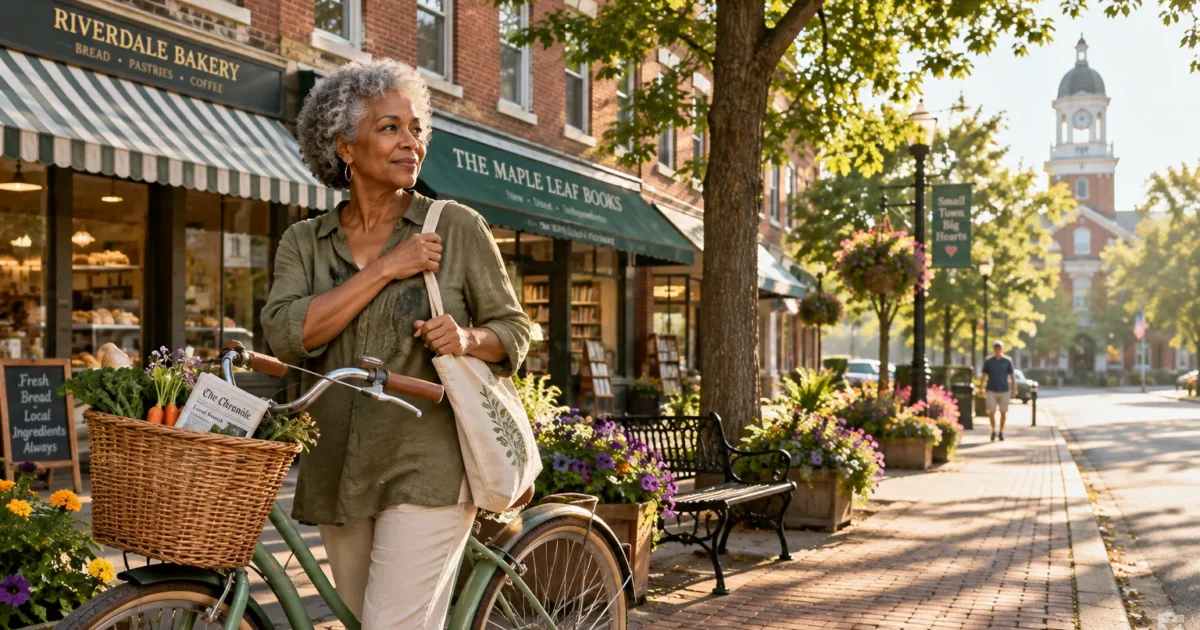
You can enjoy a comfortable, secure retirement on a modest budget when you choose the right community. Moving to an affordable small town stretches your monthly check while connecting you with welcoming neighbors.
Solo retirees often face heavy financial pressures because housing and utility bills fall entirely on a single income. Fortunately, charming towns across America offer safe neighborhoods, accessible healthcare, and low living expenses.
This guide highlights twelve welcoming communities where your nest egg or monthly benefit goes further. You will discover practical strategies to protect your savings and thrive on your own terms.
Defining a Modest Budget for Solo Retirees
Retiring single requires careful math because you cannot split fixed household costs with a partner. Understanding real baseline figures helps you evaluate whether a town fits your wallet.
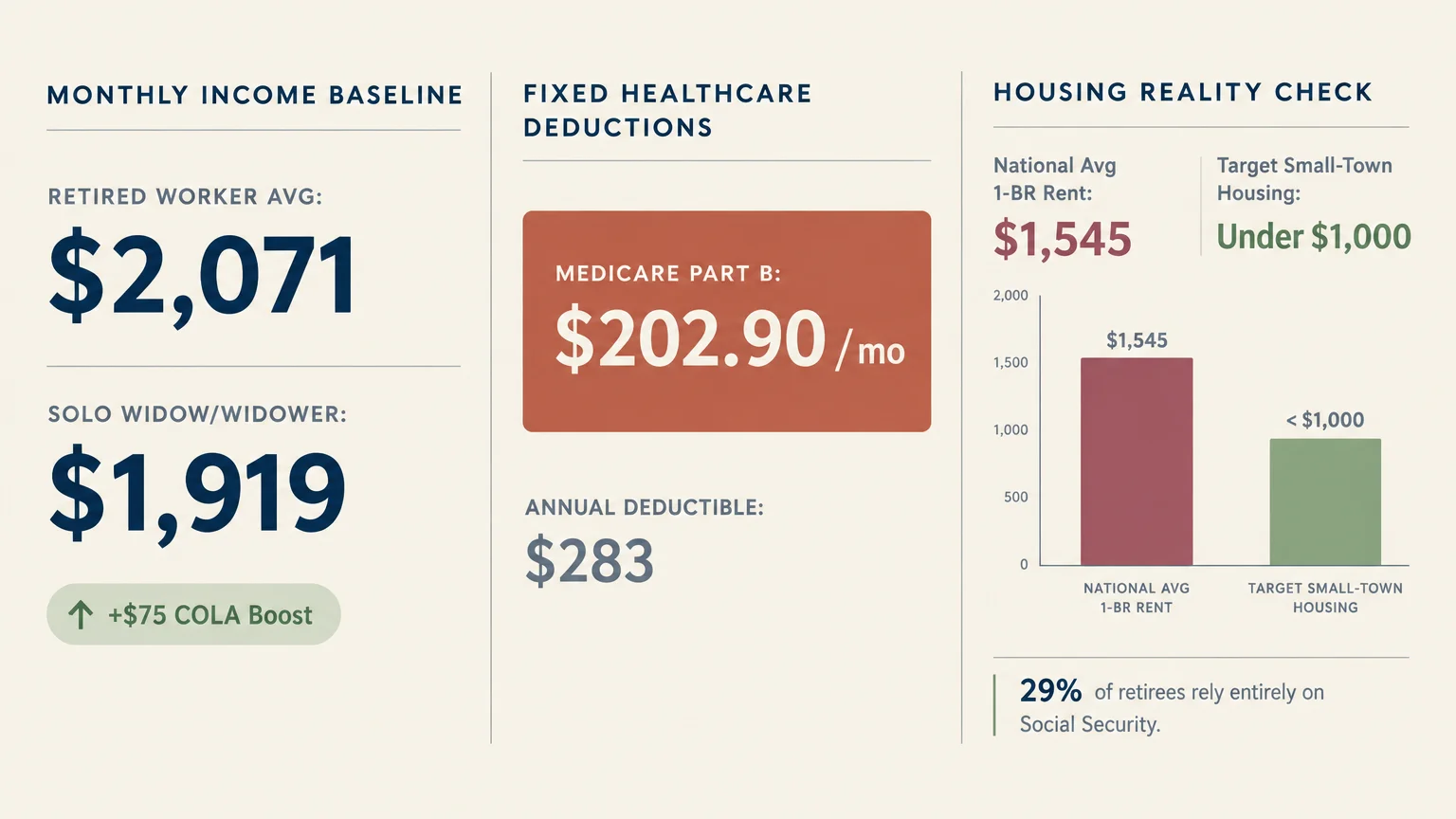
According to the Social Security Administration (SSA), the estimated average monthly benefit for a retired worker is $2,071, rising slightly to $2,087.52. For aged widowers and widows living alone, the average monthly baseline is $1,919.
Recent cost-of-living adjustments have helped offset inflation, including a 2.8% boost followed by an announced 3.6% COLA increase. That latest increase adds roughly $75 per month to the average retirement check.
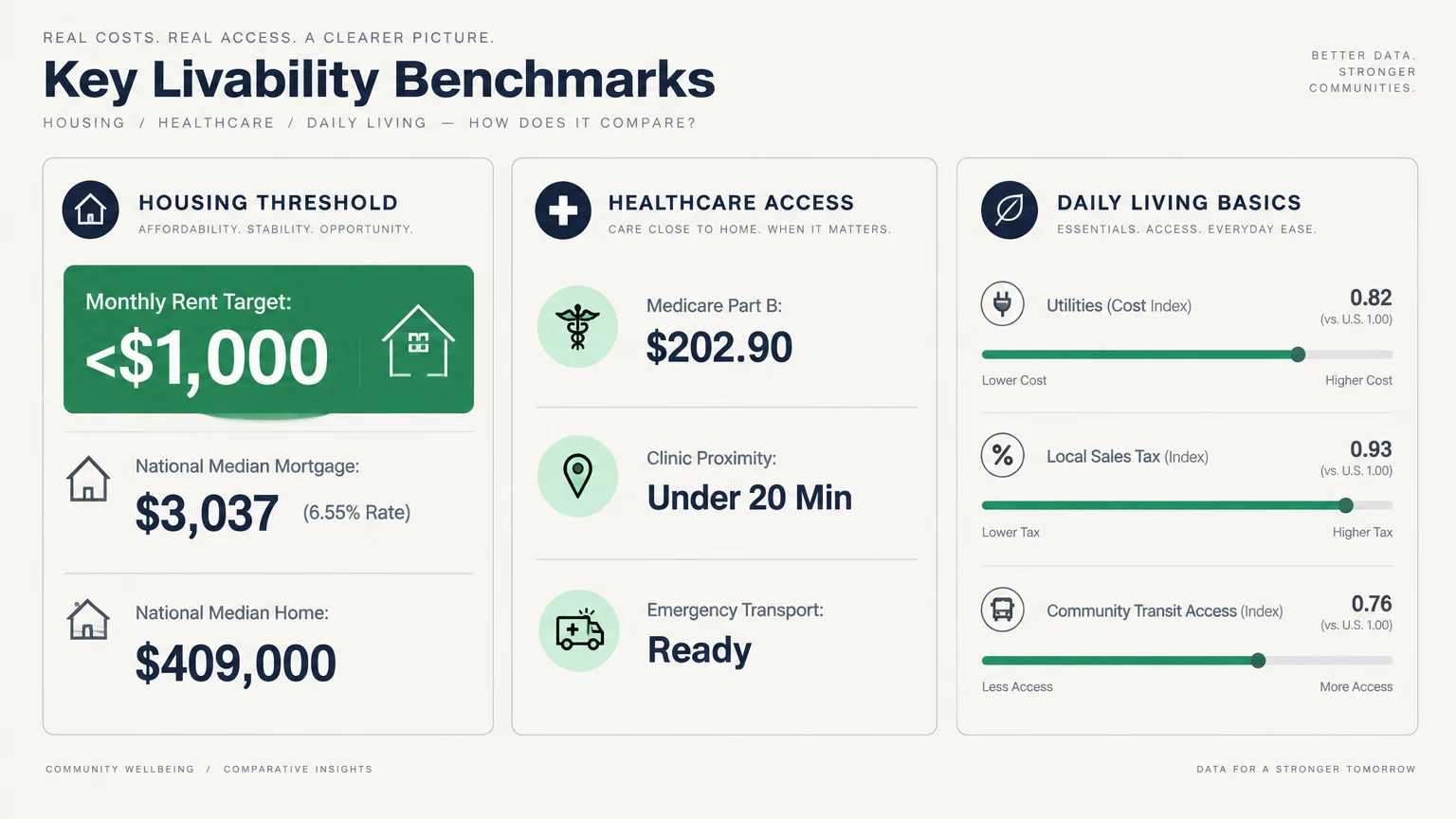
However, rising healthcare overhead quickly cuts into your gross income. The standard Medicare Part B monthly premium sits at $202.90, alongside an annual deductible of $283.
Most single seniors must manage these expenses without massive private wealth. While the average retiree holds $288,700 in savings, women average only $261,763 compared to $330,305 for men.
Alarmingly, 29% of retirees have zero savings and rely solely on Social Security. As roughly 4.1 million Americans turn 65 each year during the Peak 65 milestone, finding cheap places to retire alone is essential.
Nationwide, the typical 1-bedroom apartment rents for $1,545 per month, while median single-family home prices reach $409,000. New buyers face typical monthly mortgage payments of $3,037 with mortgage rates near 6.55%.
Those national numbers simply do not work on a modest single income. To retire comfortably, solo seniors must look for affordable small towns where monthly housing costs stay well under $1,000.
Essential Criteria for Retiring Alone
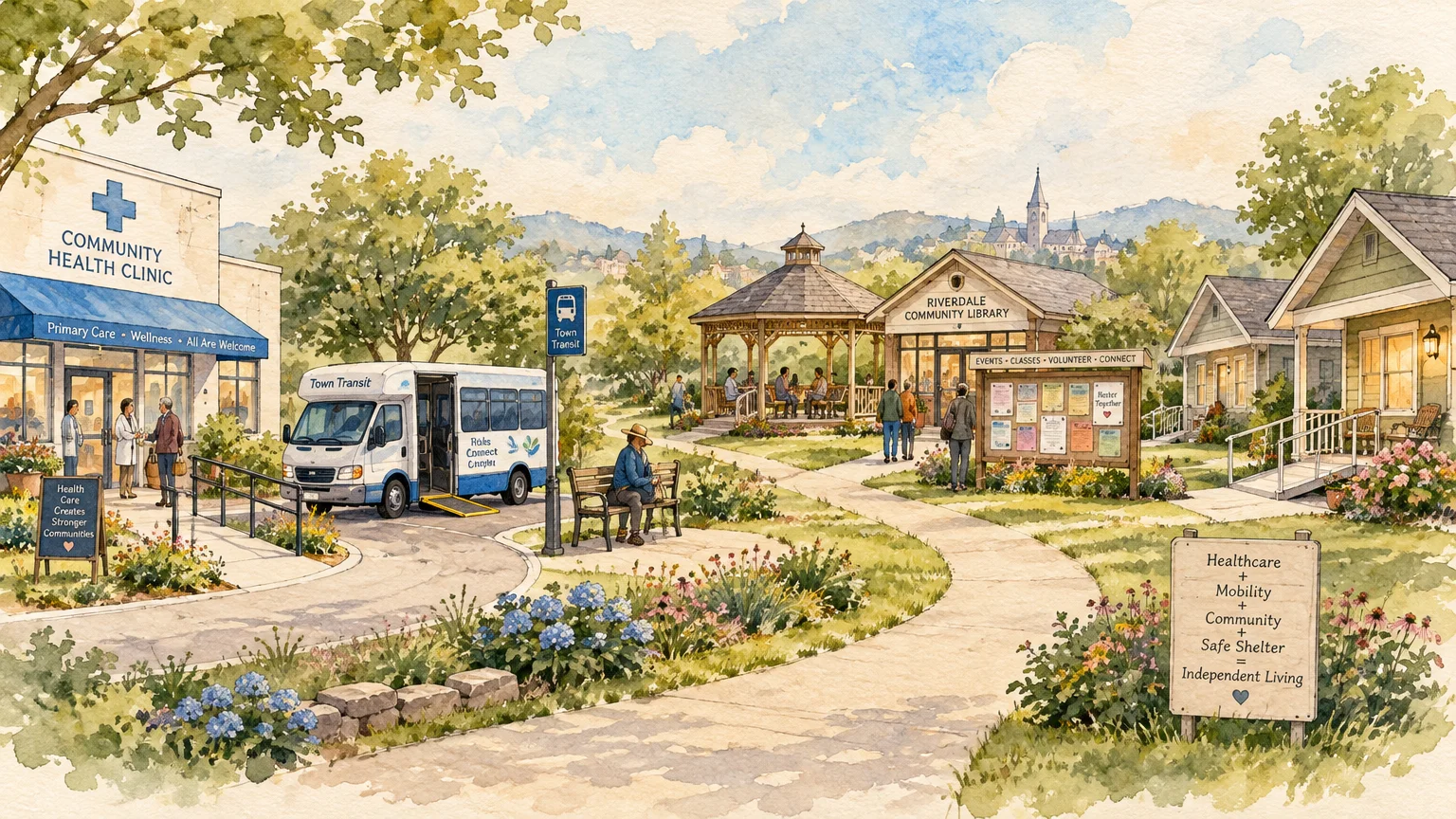
Selecting small towns for single retirees involves far more than tracking down cheap real estate. Isolation poses serious health risks, so social connection and accessibility remain vital.
First, evaluate healthcare availability. You need responsive local clinics, trusted physicians accepting Medicare, and regional emergency services within a reasonable driving distance.
Second, review local walkability and transportation services. If driving becomes difficult in the future, you will depend on senior shuttles, volunteer networks, or accessible sidewalks.
Third, examine state tax laws carefully. Fortunately, 42 states and Washington, D.C., do not tax Social Security benefits, with West Virginia completing its phase-out recently.
Only eight states still tax Social Security: Colorado, Connecticut, Minnesota, Montana, New Mexico, Rhode Island, Utah, and Vermont. Additionally, eight states charge zero individual state income tax: Alaska, Florida, Nevada, New Hampshire, South Dakota, Tennessee, Texas, and Wyoming.
Federal tax thresholds also impact single filers uniquely. If your combined provisional income falls between $25,000 and $34,000, up to 50% of your Social Security becomes taxable, increasing to 85% above $34,000.
Finally, look for communities with active senior centers and cultural programs. A strong social network protects mental well-being and provides an informal safety net when unexpected challenges arise.
Top Affordable Towns in the Midwest and Northeast
The American Heartland and parts of the Northeast feature established communities with low housing costs and strong social fabric. Here are four standout destinations where you can retire alone on a budget.
Decatur, Illinois
Decatur offers exceptional affordability for solo retirees seeking independent living. The median home price in Decatur is approximately $89,855, making homeownership attainable on a modest pension or nest egg.
Rental rates also trend significantly below national figures, with many 1-bedroom apartments renting for under $750 per month. You can enjoy strolls around Lake Decatur and participate in classes hosted by the local park district.
Healthcare access is robust, anchored by Decatur Memorial Hospital and HSHS St. Mary’s Hospital. Both networks provide comprehensive geriatric services, cardiac care, and outpatient clinics.
Terre Haute, Indiana
Terre Haute delivers cultural vitality alongside low living expenses. Home to Indiana State University, the city provides senior audit programs, theater productions, and college athletic events at low or no cost.
Modest 1-bedroom rentals often list between $650 and $800 monthly. Local grocery costs and services also run well below national baselines, leaving extra room in your budget.
Union Hospital anchors the city’s medical network, offering dedicated cardiology and joint replacement centers. The community also runs reliable paratransit services for older residents.
Johnstown, Pennsylvania
Nestled in the picturesque Laurel Highlands, Johnstown features some of the lowest property values in the Northeast. Pennsylvania also provides significant tax perks by exempting all retirement income, including pensions and Social Security, from state tax.
Single retirees can easily purchase compact, single-story homes or rent low-maintenance downtown apartments for under $700 per month. The historic downtown features convenient flat walking routes and active senior social clubs.
Conemaugh Memorial Medical Center serves as a Level 1 Trauma Center right in town. Having high-level emergency medical care nearby provides great peace of mind when living alone.
Presque Isle, Maine
If you prefer crisp summers and small-town tranquility, northern Maine offers unmatched value. Presque Isle boasts living costs drastically lower than coastal New England towns.
Single-story cottages and apartments frequently rent for under $800 monthly. The town maintains a friendly, community-first atmosphere where neighbors look out for one another year-round.
Northern Light AR Gould Hospital delivers trusted primary and emergency care right in town. In addition, the University of Maine at Presque Isle provides lifelong learning classes and community wellness facilities.
Sunny and Low-Cost Southern Communities
Warm weather and low property taxes make the South an enduring favorite for older adults. These four southern havens allow you to stretch your fixed income comfortably.
Brownwood, Texas
Brownwood sits on the edge of the Texas Hill Country, offering sunny weather and small-town charm. The median home value is approximately $144,400, well below national benchmarks.
Texas levies no personal state income tax, which preserves your retirement distributions. Moreover, Texas offers a $140,000 general homestead school tax exemption plus an extra $60,000 exemption for homeowners aged 65 and older.
These exemptions virtually eliminate school property taxes for modestly priced homes. Hendrick Medical Center Brownwood provides full hospital services, cancer treatment, and surgical care close to home.
Sebring, Florida
Sebring rests in Florida’s Central Highlands, surrounded by freshwater lakes and state parks. Unlike pricey coastal Florida towns, Sebring maintains median home values near $175,000 and median rents under $1,000 per month.
Florida does not collect state income tax, allowing you to maximize every dollar. The area caters extensively to seniors with public golf courses, civic organizations, and shuffleboard leagues.
AdventHealth Sebring provides award-winning cardiovascular and emergency care. The town offers a relaxed, year-round tropical environment without the high insurance premiums found along the coastline.
Harlingen, Texas
Harlingen lies in the Rio Grande Valley near the southern tip of Texas. It frequently ranks as one of the most affordable small metropolitan areas in the entire nation.
One-bedroom apartments and modular homes in active 55+ communities often rent for $650 to $800 monthly. Subtropical winter weather eliminates heating bills and allows for year-round gardening.
Harlingen serves as a medical center for the region, housing Valley Baptist Medical Center and Harlingen Medical Center. Top-tier medical care remains accessible without driving into congested major cities.
Muscle Shoals, Alabama
Muscle Shoals combines rich musical heritage with low cost of living along the Tennessee River. Alabama boasts some of the lowest residential property taxes in the United States.
The state also exempts traditional defined-benefit pensions and Social Security benefits from state taxation. Clean, comfortable 1-bedroom apartments generally range between $700 and $850 per month.
North Alabama Medical Center sits just across the river, providing advanced emergency and cardiac facilities. The community offers pleasant riverfront walking trails, public fishing piers, and welcoming senior activity centers.

Accessible Western Destinations for Solo Living
Western living often carries a reputation for high prices, but several hidden gems remain budget-friendly. These four communities provide stunning natural views, rich amenities, and reasonable expenses.
Green Valley, Arizona
Green Valley is a master-planned haven situated twenty miles south of Tucson. While the median single-family home price is $282,000, 1-bedroom condos sell for roughly half that figure.
Condo options under $150,000 make it simple to downsize without exhausting your home equity. Joining Green Valley Recreation gives you direct access to dozens of recreation centers, heated swimming pools, and craft studios.
The community is designed specifically for active seniors, making social connection effortless for solo newcomers. High-level specialized medical care is easily accessible in nearby Tucson.
Pocatello, Idaho
Pocatello offers breathtaking mountain scenery at a fraction of the cost seen in resort towns like Boise or Sun Valley. Rental options and starter homes remain very affordable for single seniors.
Modest 1-bedroom units generally rent between $750 and $900 per month. Idaho State University provides senior citizen tuition waivers for academic classes, opening wonderful avenues for lifelong learning.
Portneuf Medical Center delivers regional tertiary healthcare, including comprehensive cancer and orthopedic care. The local bus system also offers curb-to-curb service for seniors running daily errands.
Torrington, Wyoming
Torrington offers classic high-plains tranquility near the historic Oregon Trail. Wyoming imposes no individual state income tax and features very low property tax burdens.
Housing costs remain remarkably modest, with small single-family homes and duplexes renting for $650 to $800 monthly. Utility rates run lower than national averages, helping keep monthly utility bills predictable.
Community Hospital, operated by Banner Health, provides local emergency, diagnostic, and surgical services. The Torrington Senior Friendship Center provides hot daily meals, exercise classes, and organized group excursions.
Alamogordo, New Mexico
Alamogordo rests in the sunny Tularosa Basin beneath the Sacramento Mountains. It offers 285 days of sunshine annually, dry desert air, and very affordable real estate.
Retirees can purchase modest patio homes or find comfortable rental units between $700 and $850 monthly. While New Mexico is one of eight states that tax Social Security, generous low-income exemptions protect modest incomes.
Gerald Champion Regional Medical Center provides exceptional healthcare services, including an advanced wound center and inpatient rehab. The town features flat, walkable avenues and scenic parks for daily exercise.
Comparing Costs Across Budget-Friendly Towns
Comparing living expenses side by side clarifies which town matches your individual financial picture. Housing prices and local taxes create the biggest difference in your bottom line.
The table below summarizes essential affordability benchmarks and unique benefits across all twelve featured towns. Review these factors against your monthly income to spot the best match.
| Town and State | Typical Housing Cost Vibe | State Tax Advantage | Key Senior Amenity |
|---|---|---|---|
| Decatur, IL | Median home ~$89,855; 1-bed rent under $750 | Retirement income exempt | Extensive park district programs |
| Terre Haute, IN | Rents between $650 and $800 | Low flat income tax rate | University classes and arts |
| Johnstown, PA | Single-family homes under $100,000 | No state tax on pensions or Social Security | Conemaugh Level 1 Trauma Center |
| Presque Isle, ME | Rentals under $800 monthly | Pension deductions available | Northern Light regional healthcare |
| Brownwood, TX | Median home ~$144,400 | No state income tax; $60k senior school tax exemption | Lake Brownwood recreation |
| Sebring, FL | Median home ~$175,000; rent under $1,000 | No state income tax | Freshwater fishing and golf leagues |
| Harlingen, TX | Rents between $650 and $800 | No state income tax | Major regional medical hub |
| Muscle Shoals, AL | Rents between $700 and $850 | Very low property taxes; pension exemptions | Tennessee River walking trails |
| Green Valley, AZ | Condos around half of $282,000 median home price | Social Security not taxed | Extensive recreation club network |
| Pocatello, ID | Rents between $750 and $900 | Social Security not taxed | ISU lifelong learning programs |
| Torrington, WY | Rents between $650 and $800 | No state income tax | Senior Friendship Center shuttles |
| Alamogordo, NM | Rents between $700 and $850 | Social Security tax exemptions for modest incomes | Proximity to mountain state parks |
When reviewing these communities, remember that living costs vary based on personal consumption. Lower housing costs free up critical room for routine medical expenses and hobbies.
Keep your total housing outlay below 35% of your gross monthly benefit whenever possible. Sticking to this threshold prevents budget strain when incidental repairs or health copays arise.
Common Financial Pitfalls and Scams to Avoid
Relocating to a new area involves logistical hurdles that require careful attention. Being aware of common pitfalls helps protect your hard-earned retirement savings.
One major mistake is underestimating future healthcare costs. The Medicare Part A hospital deductible is $1,736, and Part B premiums project to rise toward $209.50 next year.
According to Medicare.gov, basic Medicare does not cover long-term custodial care or assistance with daily living activities. Planning ahead for potential health changes is critical for solo seniors.
National median monthly care costs are substantial. Long-term care benchmarks show medians of $3,200 for independent living, $5,419 to $5,830 for assisted living, $6,690 for memory care, and $34 per hour for in-home care.
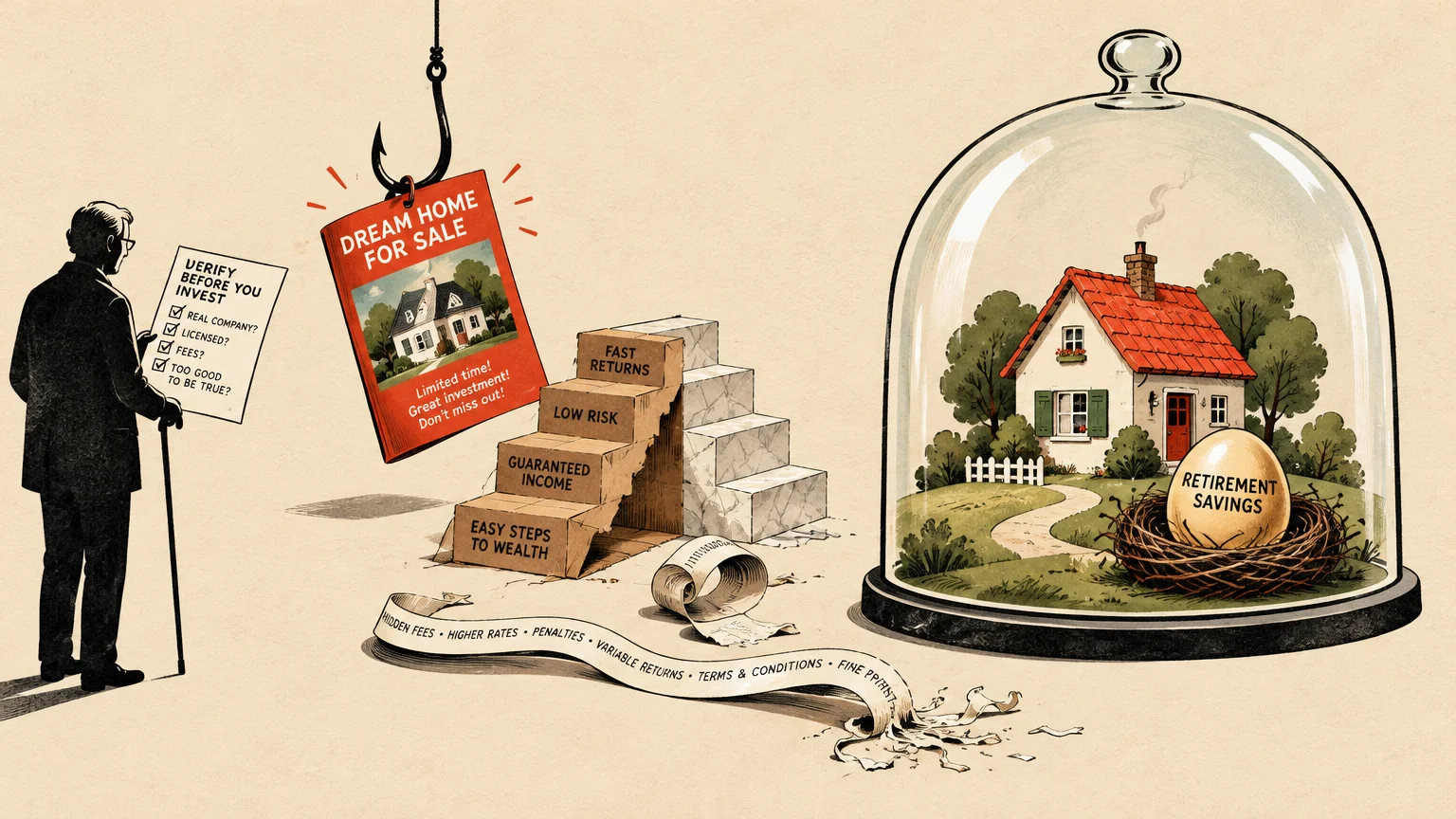
Be vigilant against rental and real estate scams targeting seniors moving from out of state. Fraudsters often post fake rental listings online and demand wire transfers before you inspect the property.
According to the Consumer Financial Protection Bureau (CFPB), older adults should always verify real estate agents and property management companies through independent directories before sending any money. Never wire funds to individuals you have not met in person.
Another common misstep involves ignoring property tax reassessments. A home purchased cheaply may be reassessed at a higher valuation, causing property taxes to spike after the first year.
Always contact the local county tax assessor before buying to verify your exact millage rate. Ask specifically whether the jurisdiction freezes property values or offers homestead exemptions for older homeowners.
Practical Steps for Planning Your Solo Move
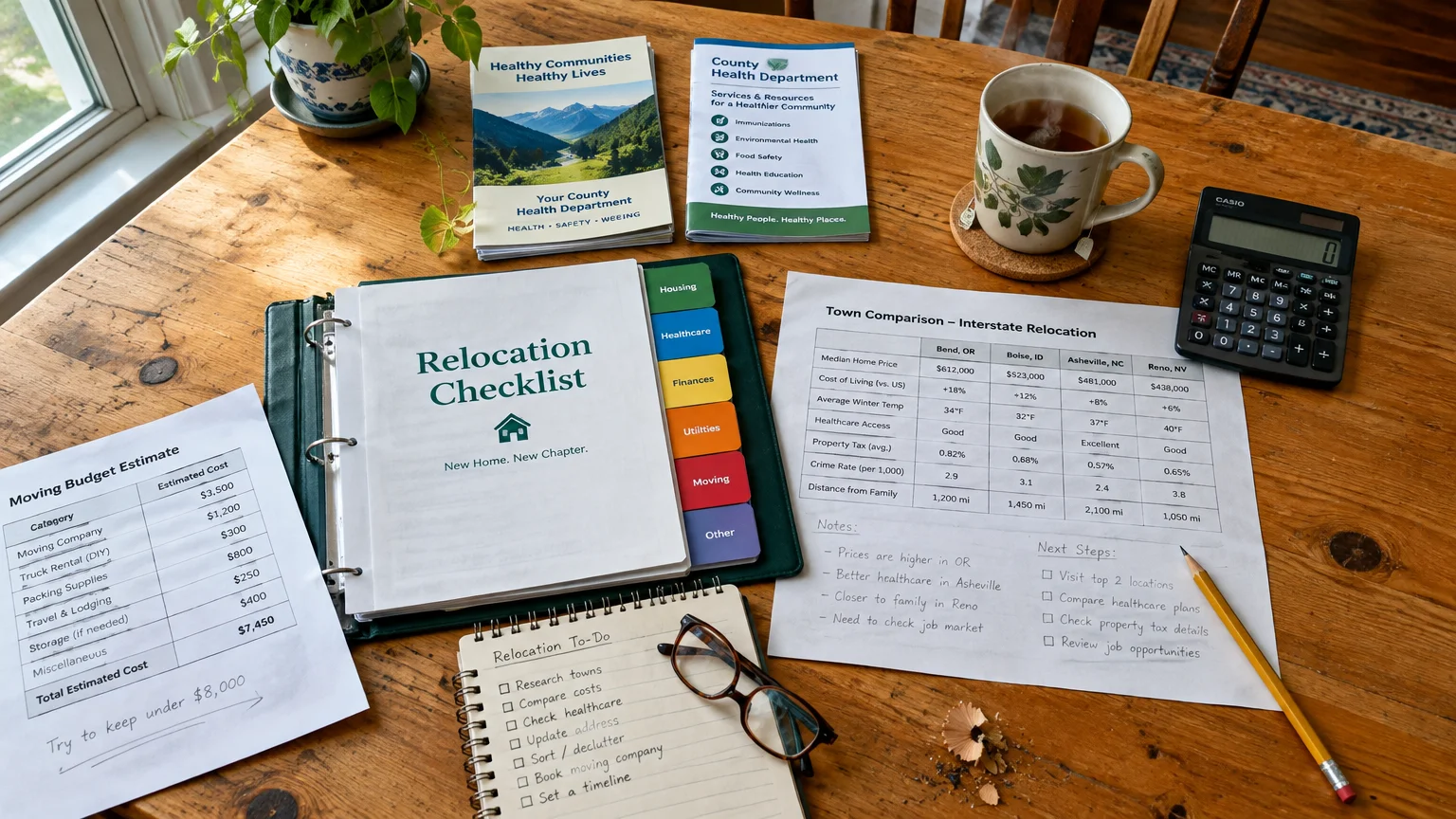
Relocating alone requires structured preparation to avoid unnecessary stress. Breaking the transition into clear steps ensures you maintain control over your budget and well-being.
- Audit Your True Net Income: Calculate your exact monthly cash flow after Medicare Part B deductions ($202.90) and tax withholding. Use this real number to set your housing cap.
- Test the Town First: Spend two weeks renting a short-term apartment during the off-season. Visiting in winter or peak summer gives you an honest view of the local climate.
- Verify Medical Providers: Call local clinics to confirm they accept new patients and participate in traditional Medicare or your specific Medicare Advantage network.
- Connect With Community Services: Contact local aging agencies to discover meal programs, volunteer boards, and transportation services before moving your belongings.
- Downsize Intentionally: Sell or donate surplus furniture and duplicate items. Downsizing lightens your physical moving costs and reduces housing maintenance demands.
Building your support network before arriving prevents loneliness and helps you adjust quickly. Local public libraries, community centers, and faith communities provide wonderful opportunities to make friends.
You can contact the Eldercare Locator to identify local Area Agencies on Aging, meal programs, and transit resources in your chosen destination. Preparing these connections early gives you security and peace of mind.
Frequently Asked Questions
Can a single retiree live comfortably on Social Security alone?
Yes, you can live on Social Security alone if you relocate to a low-cost town and keep your housing costs under $750 monthly. You must budget carefully for Medicare premiums, groceries, and local utilities.
Eliminating credit card debt and choosing a walkable neighborhood makes living on an average $2,071 monthly check far more sustainable.
Which states are most financially favorable for single retirees?
States without individual income taxes, like Florida, Texas, and Wyoming, allow you to withdraw from retirement accounts without state tax penalties. Texas also provides massive property tax exemptions for seniors over 65.
Additionally, Pennsylvania and Illinois stand out because they fully exempt retirement income and pensions from state taxation.
Is it better to rent or buy when retiring alone on a budget?
Renting often provides greater peace of mind for solo retirees because landlords handle costly roof, plumbing, and heating repairs. It protects your liquid savings from sudden emergency expenses.
However, buying a low-cost condo or mobile home in a senior community can lock in low monthly overhead if property taxes remain low.
How do I manage healthcare without a spouse or family nearby?
Establish relationships with a primary care physician and a local pharmacy right after arriving. Many small-town hospitals offer patient navigators who coordinate appointments and home health checkups.
You can also sign up for local community alert programs and connect with senior shuttle networks for routine medical transportation.
How do I prevent loneliness after moving to a new small town?
Join a local senior community center, volunteer at the library, or participate in gardening clubs and walking groups. Towns with active recreation centers, such as Green Valley, offer built-in social calendars that make meeting peers effortless.
For additional senior resources, visit
Alzheimer’s Association, American Heart Association and Benefits.gov.
Disclaimer: The information in this article is for educational purposes only and is not intended to be a substitute for professional financial, legal, or medical advice. Always consult with a qualified expert for advice tailored to your personal situation.









Leave a Reply