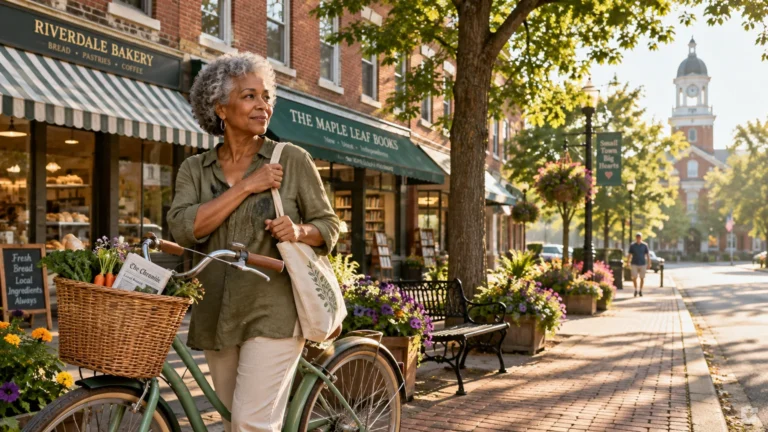
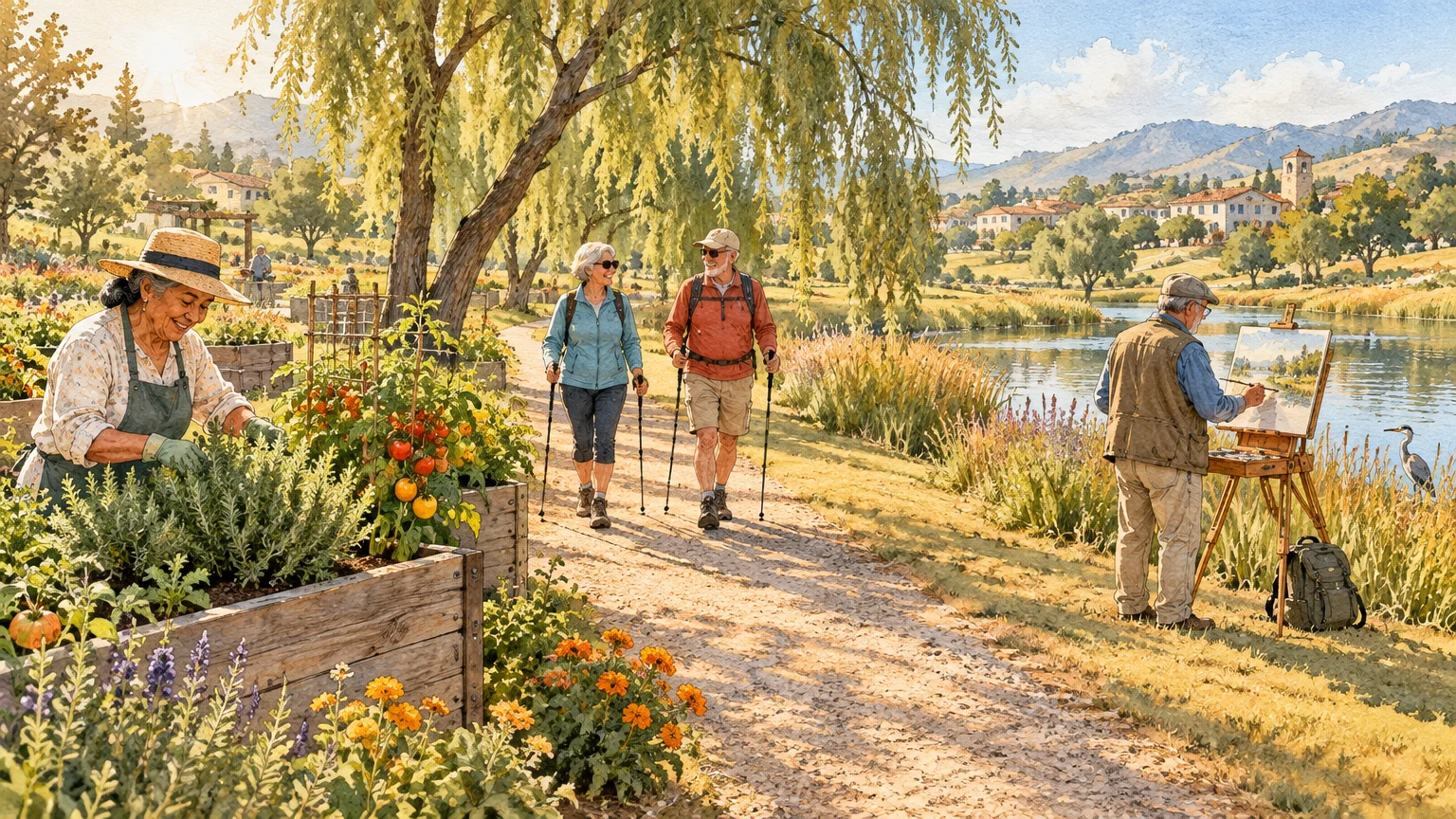
Stepping outside every morning restores your physical energy, elevates your mood, and sharpens your mental focus. Establishing vibrant outdoor hobbies turns daily physical movement into a deeply enjoyable part of your retirement routine.
Many retirees find that open schedules inadvertently lead to sedentary indoor habits. Without a compelling project or social sport waiting outside, television screens and armchairs often capture the day.
You can reclaim your everyday vitality with purposeful open-air pursuits. These nine engaging outdoor hobbies will motivate you to embrace fresh air, build supportive friendships, and protect your long-term independence.
In this guide13 sections
- The Vital Health Advantages of Daily Outdoor Movement
- 1. Raised-Bed and Ergonomic Container Gardening
- 2. Birdwatching and Citizen Science Field Observation
- 3. Pickleball and Casual Racquet Sports
- 4. Nordic Walking and Nature Trail Trekking
- 5. Plein Air Painting and Field Sketching
- 6. Digital Geocaching and Neighborhood Exploration
- 7. Nature Photography and Botanical Tracking
- 8. Flatwater Kayaking and Recreational Canoeing
- 9. Volunteer Park Stewardship and Trail Maintenance
- Comparing Outdoor Hobbies: Cost, Accessibility, and Fitness Demands
- Essential Safety and Gear Strategies for Active Seniors
- Frequently Asked Questions
The Vital Health Advantages of Daily Outdoor Movement
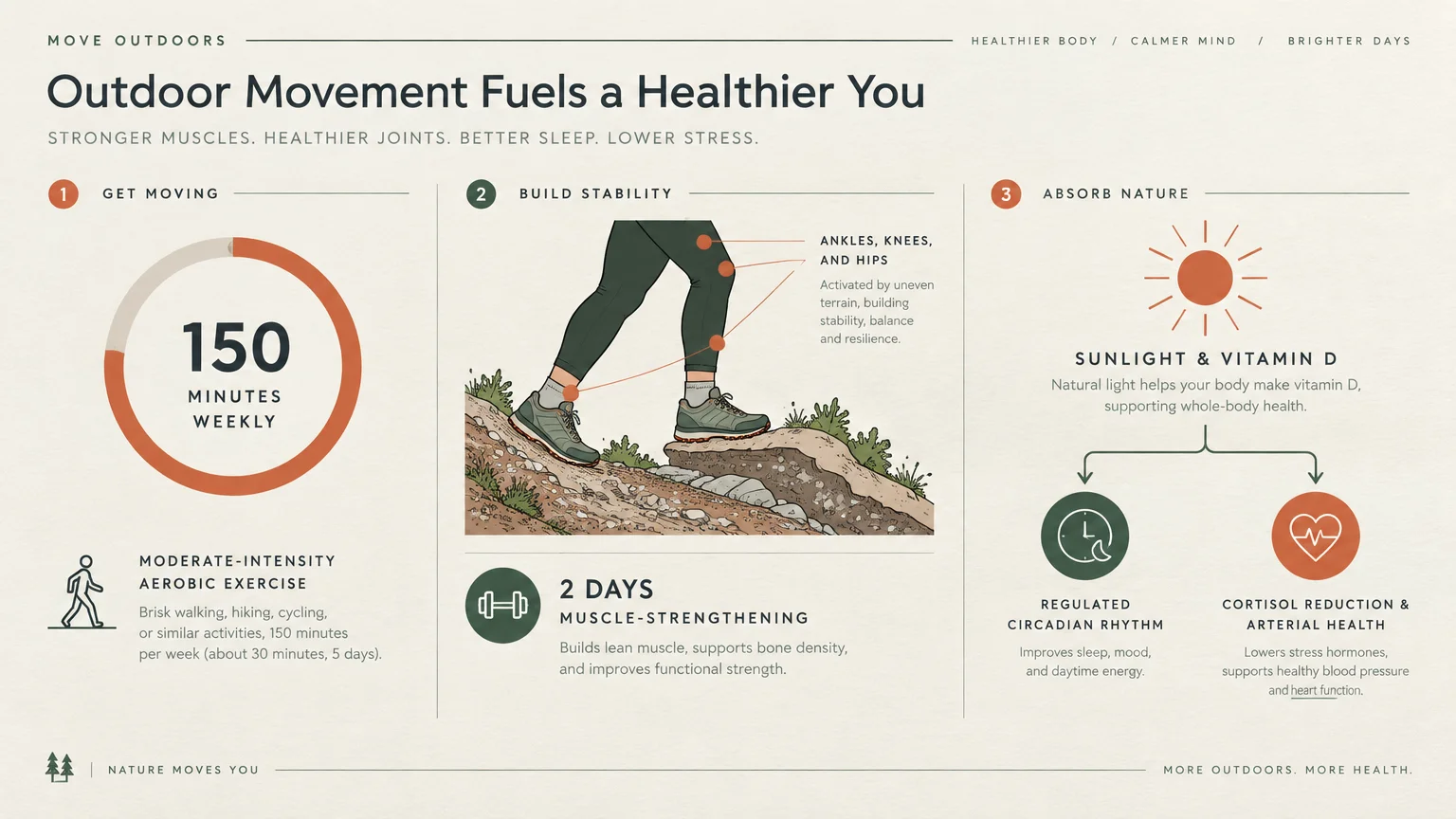
Daily outdoor recreation provides functional benefits that standard indoor gym sessions rarely match. Navigating uneven natural surfaces activates smaller stabilizing muscles across your ankles, knees, and hips.
Natural sunlight triggers cutaneous vitamin D synthesis, supporting healthy bone density and systemic immune defense. Morning sun exposure also regulates your circadian rhythms, helping you fall asleep faster and stay asleep longer.
According to the Centers for Disease Control and Prevention (CDC), older adults require at least 150 minutes of moderate-intensity aerobic physical activity weekly. Combining that aerobic target with two days of muscle-strengthening work drastically reduces chronic disease risk.
Exercising outside also provides restorative psychological benefits known as cognitive decompression. Natural scenery lowers circulating cortisol levels, reducing chronic stress and systemic arterial stiffness.
Regular outdoor leisure acts as a powerful buffer against social isolation. Pursuing fresh-air interests connects you with peers who share your passions and value healthy lifestyle choices.
01 Raised-Bed and Ergonomic Container Gardening
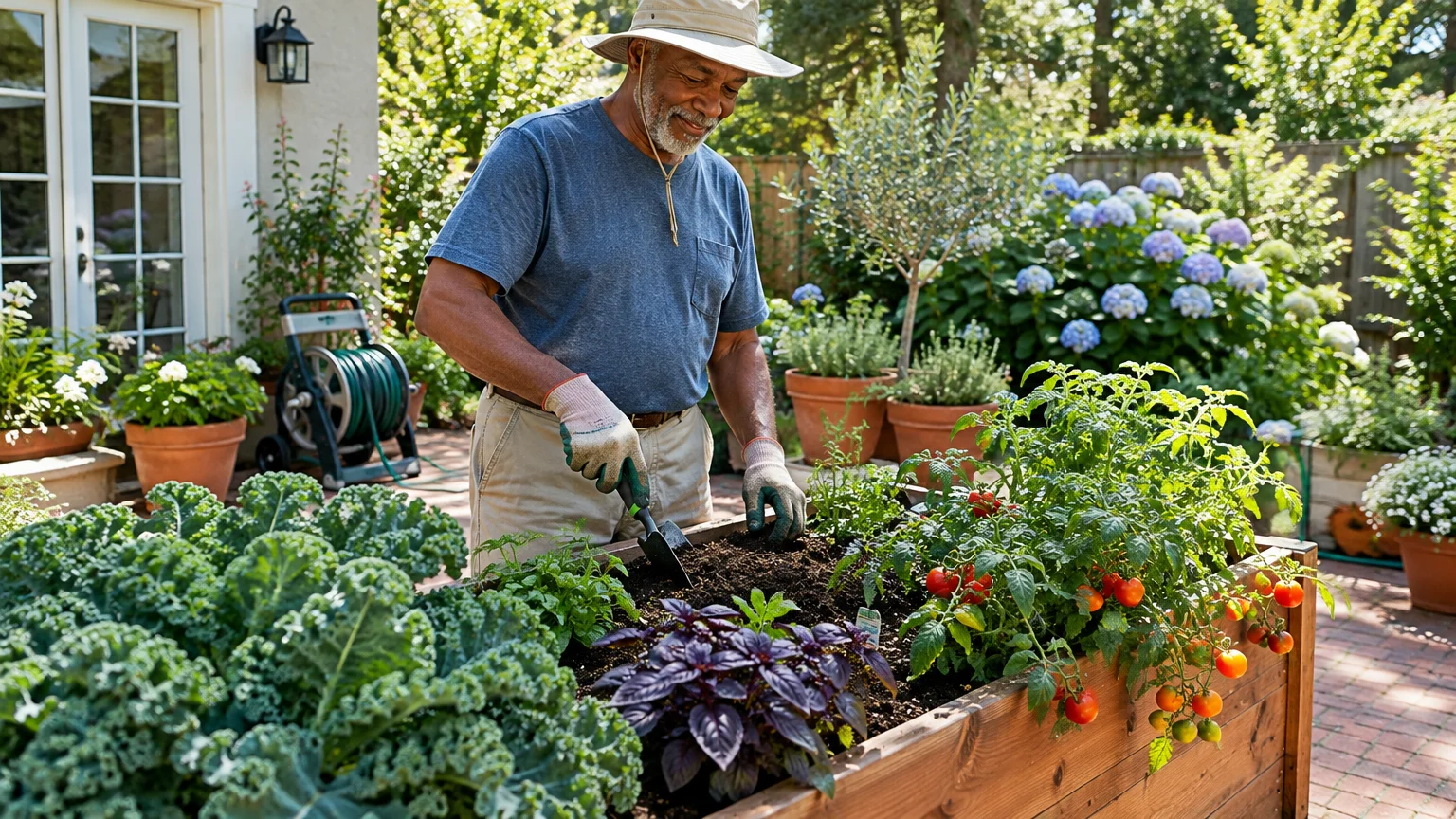
Gardening ranks among the most rewarding outdoor activities seniors can pursue at home. It combines moderate physical effort with the tangible reward of harvesting crisp vegetables, culinary herbs, and vibrant flowers.
Traditional in-ground plots often strain aging lower backs, hips, and knees. Elevated waist-high planting tables and tiered cedar planter boxes eliminate the need to kneel or stoop repeatedly.
Tending plants keeps your hands limber through steady pinching, pruning, and seed placement. This functional manipulation maintains joint mobility and counteracts the stiffening effects of osteoarthritis.
Setting up your garden correctly prevents unnecessary physical fatigue and musculoskeletal injuries. Invest in lightweight coiled hoses and ergonomic hand trowels with contoured gel grips.
- Select cedar or composite elevated beds positioned between thirty and thirty-six inches high.
- Install drip irrigation or lightweight soaker hoses to avoid hauling heavy watering cans.
- Place wide, smooth paving stones between beds to provide steady footing for mobility devices.
- Plant high-yield dwarf vegetables like patio tomatoes, bush beans, and perpetual salad greens.
Checking your planter boxes creates an automatic morning routine that pulls you into the sunshine. You begin each morning assessing soil moisture, inspecting fresh foliage, and breathing crisp morning air.
02 Birdwatching and Citizen Science Field Observation
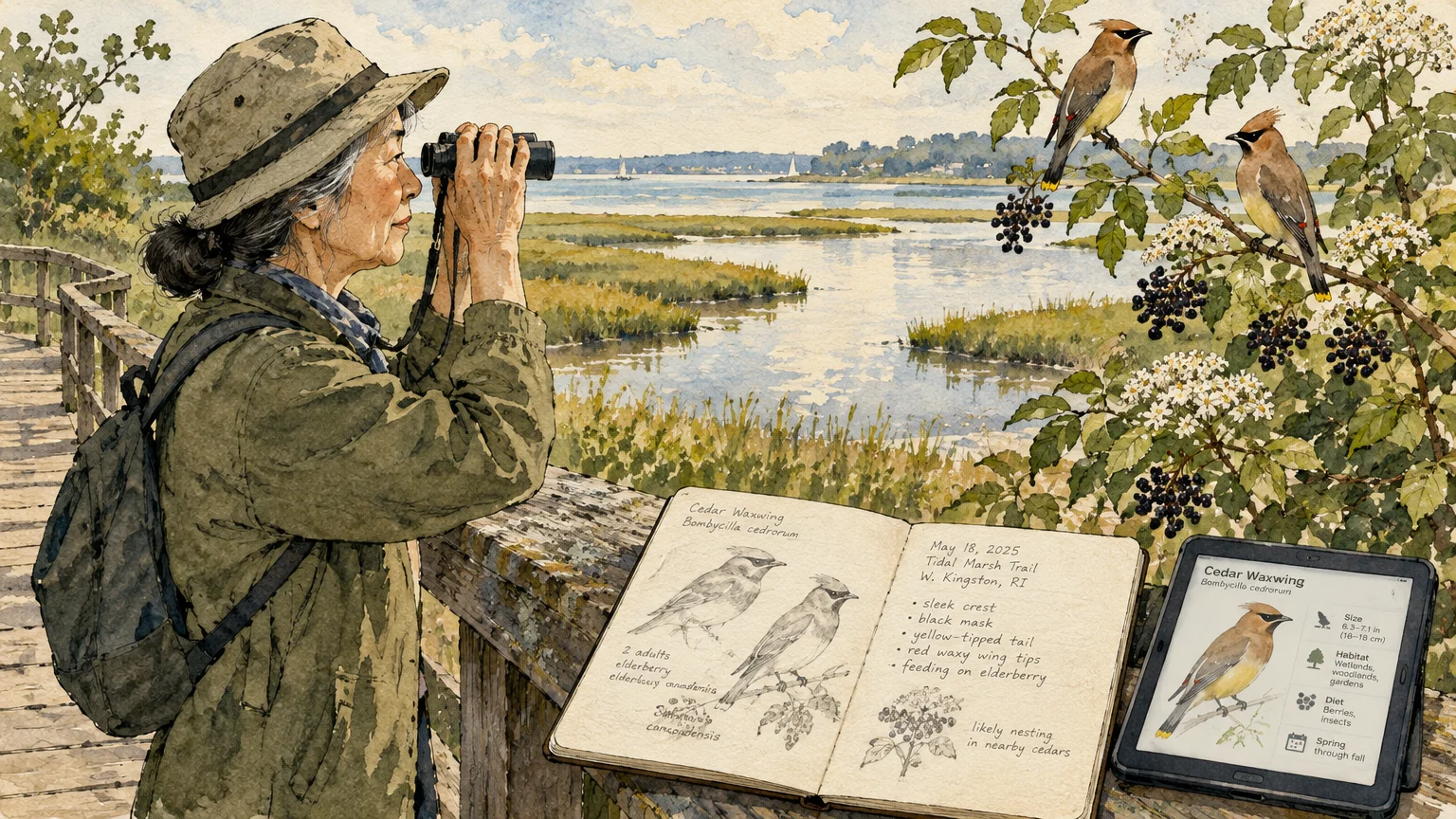
Birdwatching transforms an ordinary morning stroll into a stimulating wildlife expedition. It sharpens visual scanning skills and trains auditory discrimination as you learn to distinguish regional birdsong.
According to the National Institute on Aging (NIA), engaging in cognitively complex hobbies supports neuroplasticity and overall brain health. Cataloging avian field markings challenges memory recall and executive processing.
You can start immediately in your immediate neighborhood or nearby municipal conservation areas. Many local nature centers host weekly morning walks led by seasoned volunteer naturalists.
Modern smartphone technology makes identifying species easier and more accessible than ever. Digital field applications identify species instantly through recorded bird calls or uploaded plumage photos.
Participating in organized citizen science projects gives your morning walks greater civic purpose. Logging your field observations into conservation databases provides researchers with critical data regarding migratory patterns.
Lightweight optics prevent arm fatigue during extended field outings. Choose an 8×32 or 8×42 roof-prism binocular with wide neck straps or an ergonomic chest harness.
03 Pickleball and Casual Racquet Sports
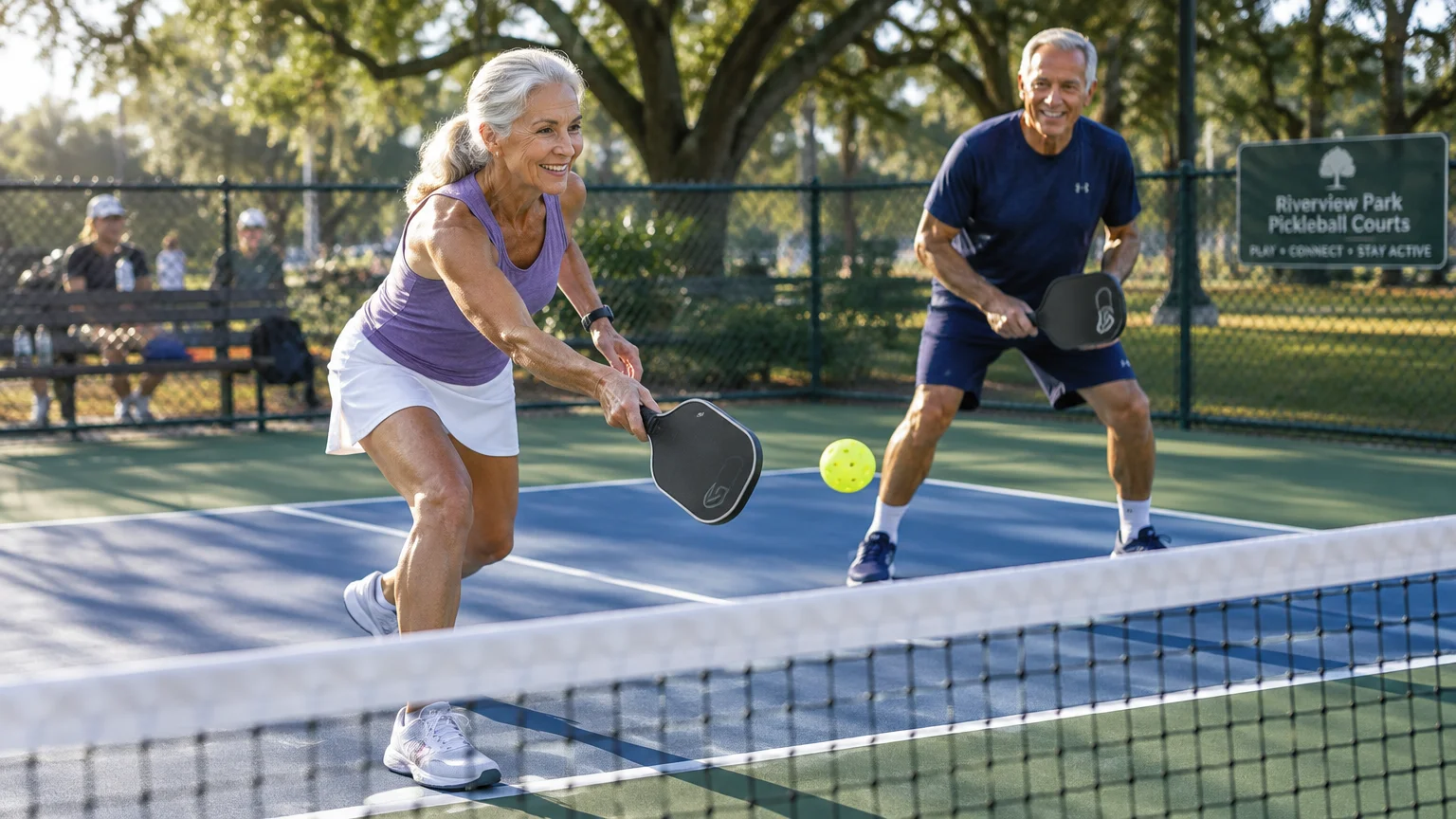
Pickleball continues to surge across public parks and retirement communities across the country. The sport features an accessible underhand serve, a compact court footprint, and lightweight composite paddles.
Participation reached 24.3 million U.S. players, with 7.5 million core enthusiasts playing regularly. Retirees represent a major segment of this active community due to the game’s approachable learning curve.
The compact court reduces running distances compared to traditional tennis, protecting vulnerable knees. Quick volley exchanges promote agile lateral footwork, spatial reaction speed, and dynamic balance control.
Public courts usually operate on open drop-in play rotations that welcome solo newcomers warmly. You place your paddle in the lineup rack and instantly join three new court partners.
Proper footwear represents the single most important safety precaution for court sports. Running shoes cause dangerous ankle rolls during lateral side-shuffling movements.
Purchase dedicated court shoes equipped with sturdy lateral outsole outriggers and non-marking rubber soles. Warm up your calves, quadriceps, and shoulders thoroughly before stepping onto the baseline.
04 Nordic Walking and Nature Trail Trekking
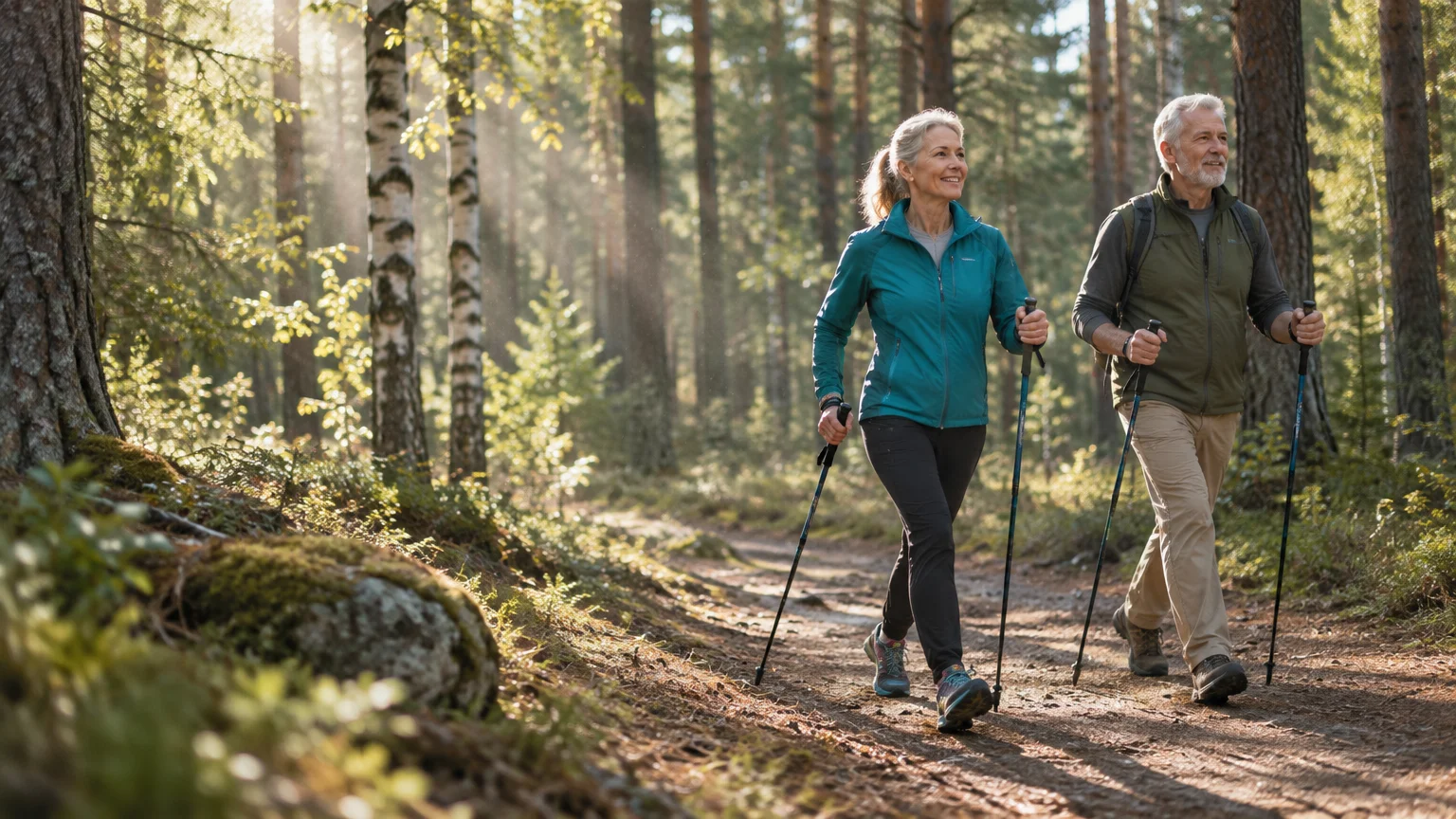
Nordic walking elevates standard pedestrian exercise into a balanced, full-body cardiovascular workout. Specially designed fitness poles allow you to push backward, propelling your stride forward with upper-body power.
Research from the American Heart Association highlights that brisk walking significantly improves cardiorespiratory fitness and vascular performance. Nordic poles amplify these aerobic benefits without requiring joint-jarring running speeds.
Planting poles distributes your body weight across your upper torso, shoulders, and triceps. This mechanical distribution reduces compressive loads on arthritic knee cartilage and worn hip joints.
The bilateral ground contact points also enhance balance confidence on gravel paths and rolling topography. You walk taller, open your chest, and eliminate the hunched posture common among older adults.
- Select poles with ergonomic strapless grips or quick-release wrist cradles for hand comfort.
- Ensure the pole height matches your forearm at an exact ninety-degree elbow angle.
- Use vulcanized rubber paw tips for paved asphalt paths and carbide tips for dirt trails.
- Keep your shoulders relaxed and swing arms naturally like an extended pendulum.
Exploring regional trail systems keeps your walking routine visually interesting and mentally engaging. You can walk alongside winding rivers, maritime coastlines, or tranquil hardwood forests every afternoon.
05 Plein Air Painting and Field Sketching
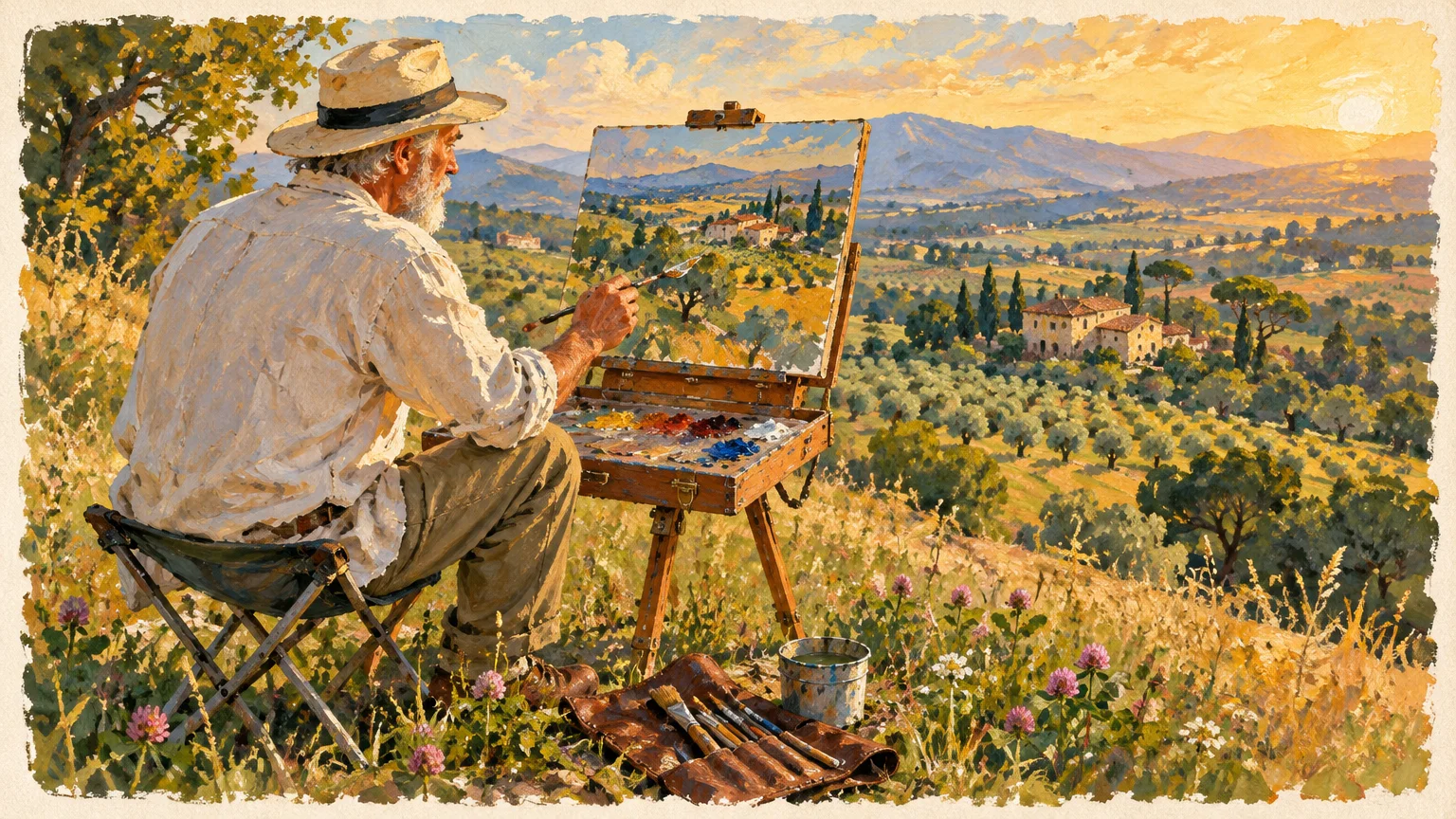
Plein air painting involves setting up portable art easels outdoors to capture natural landscapes directly. This classical practice combines meditative mindfulness with fine motor control and color study.
Translating shifting sunlight and shadows onto canvas requires deep perceptual focus. This artistic immersion clears your mind of daily worries and encourages a grounded, tranquil state.
You do not need formal art school training to enjoy field sketching. Quick watercolor pencils and travel sketchbooks allow beginners to capture botanical details without hauling heavy supplies.
Modern outdoor art gear caters specifically to portable, lightweight field use. Aluminum field easels and French pochade boxes fold down into compact, shoulder-friendly bags.
Local art guilds frequently organize weekly morning paint-outs at regional botanical gardens and historic homesteads. These gatherings offer gentle encouragement, constructive critiques, and warm social camaraderie over packed lunches.
Finding a comfortable outdoor spot to paint encourages you to spend hours outside without physical strain. Use a compact folding camp stool with back support to safeguard your lumbar spine.
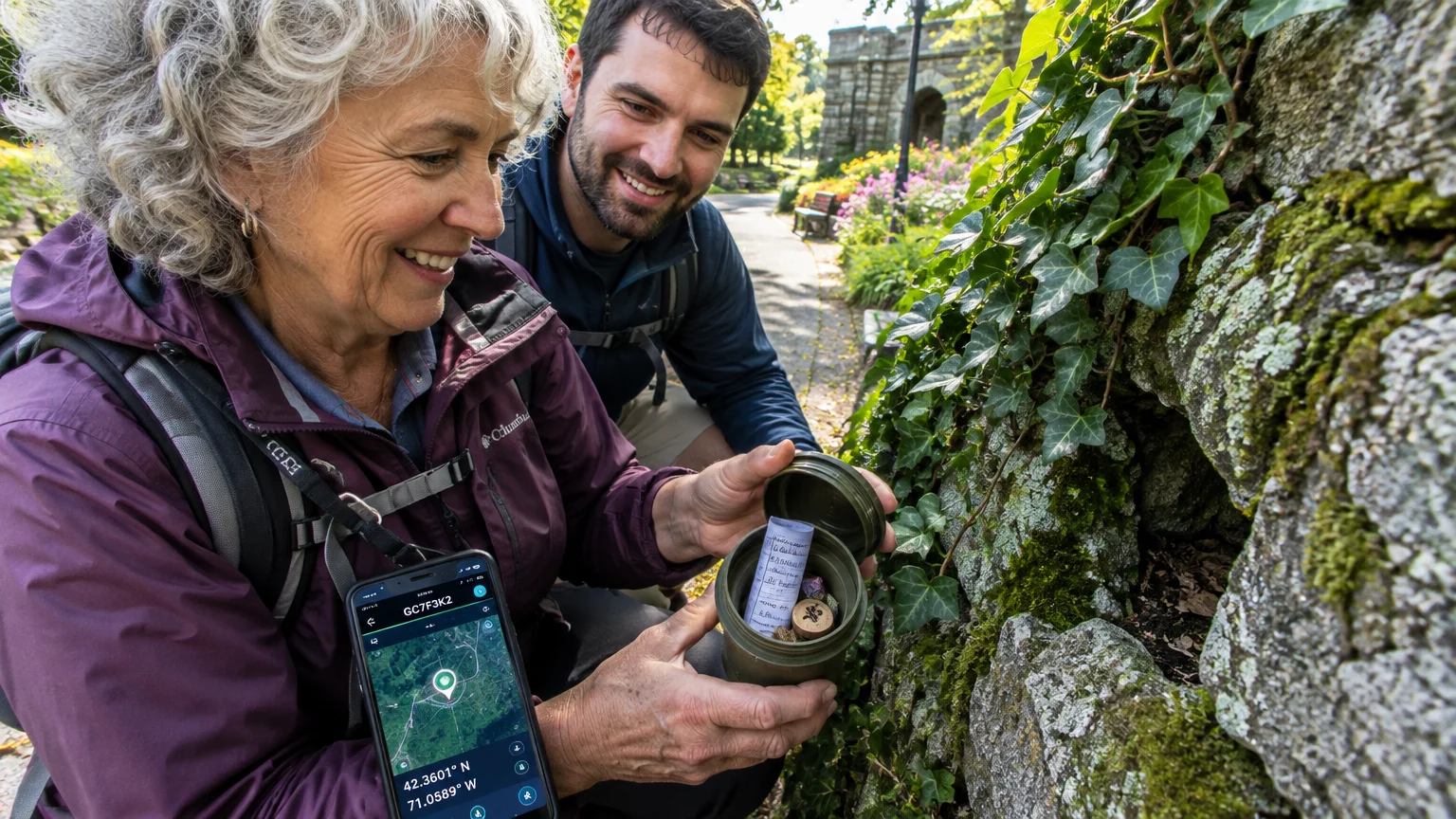
06 Digital Geocaching and Neighborhood Exploration
Geocaching turns outdoor walks into real-world treasure hunts using global positioning satellites. Enthusiasts conceal weatherproof containers across public spaces, publishing geographic coordinates online for searchers to discover.
Millions of hidden caches exist across urban parks, historical downtown districts, and rural hiking trails. You simply open a free navigation app on your mobile phone and follow the compass directional arrow.
Caches vary from tiny magnetic micro-cylinders to large waterproof ammo cans filled with small trinkets. Finding the prize demands observant problem-solving, environmental scanning, and light physical exploration.
Geocaching provides an enticing physical activity that delights visiting grandchildren during weekend visits. Kids love navigating with digital maps, turning intergenerational family visits into active woodland treasure searches.
Always inspect cache difficulty ratings and terrain terrain grades before heading into unfamiliar parks. Stick to level terrain ratings of one or two if you manage joint pain or mobility limitations.
Always bring a small ink pen in your pocket to sign the paper logbook inside each container. Replace the hidden cache precisely where you retrieved it to preserve the fun for future explorers.
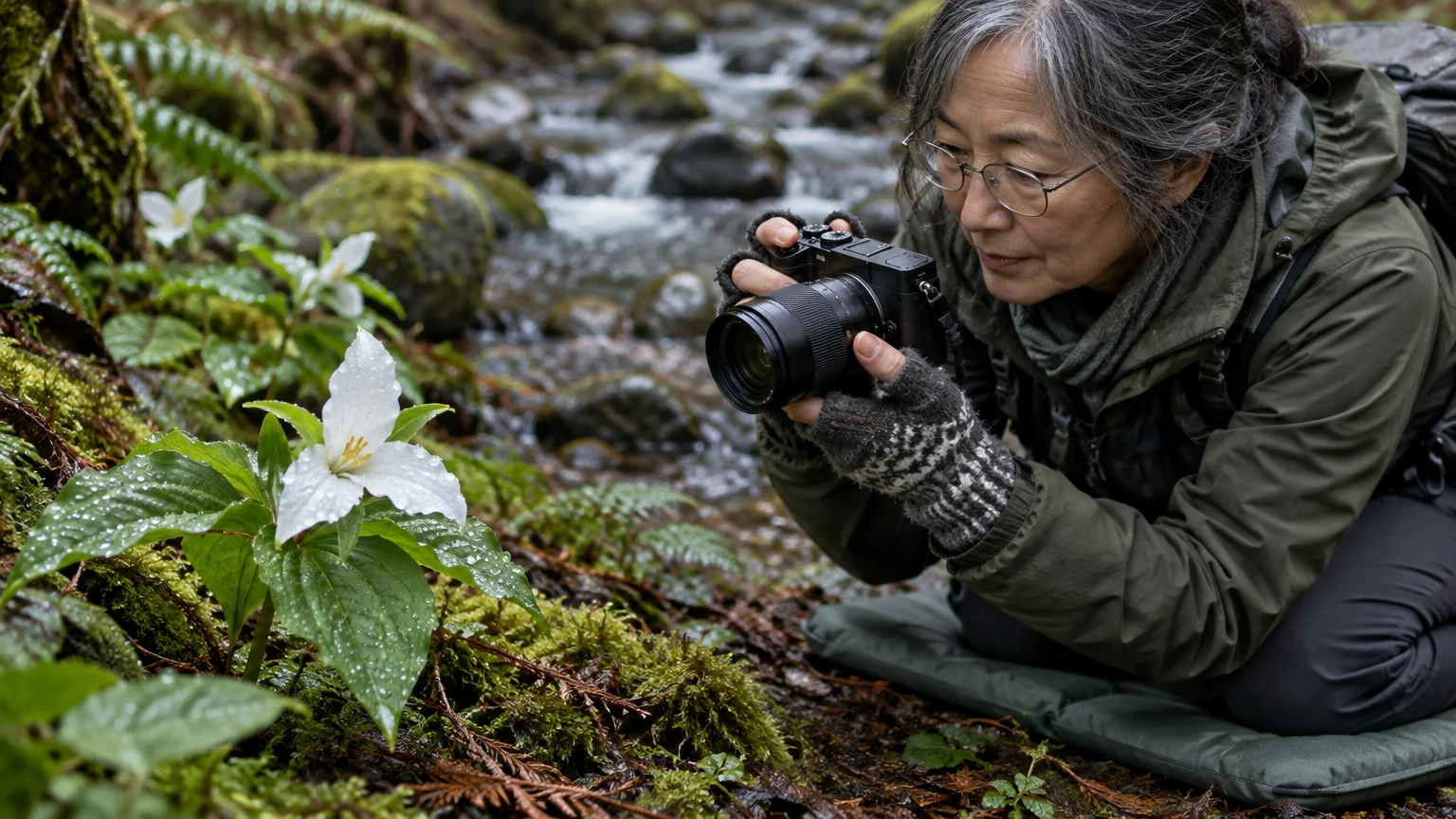
07 Nature Photography and Botanical Tracking
Nature photography trains you to notice subtle patterns, morning dew drops, and hidden wildlife around you. It turns everyday walking into a deliberate, visually rewarding outdoor creative pursuit.
Modern mirrorless digital cameras and high-resolution smartphones remove the technical frustrations of legacy film. Built-in optical image stabilization allows you to capture crisp, focused images without heavy tripods.
Chasing natural morning illumination pulls you outside during the quietest, most peaceful hours of the day. Golden hour lighting reveals delicate textures on blooming flowers and tree bark.
Botanical photography pairs naturally with seasonal plant identification and native garden planning. Photographing emerging wild plants helps you chart the arrival of spring, summer, and autumn in local parks.
- Use lightweight monopod supports to steady long zoom lenses without adding excess carrying weight.
- Set your smartphone to burst mode to capture fluttering butterflies and rapid bird movements cleanly.
- Join online photography forums or senior community center clubs to share images and learn techniques.
- Print your favorite seasonal photos to create custom greeting cards or framed gifts for family.
Focusing your lens on natural subjects provides meaningful cognitive grounding. You become absorbed in composition, geometry, and lighting, forgetting physical aches and everyday retirement stresses.
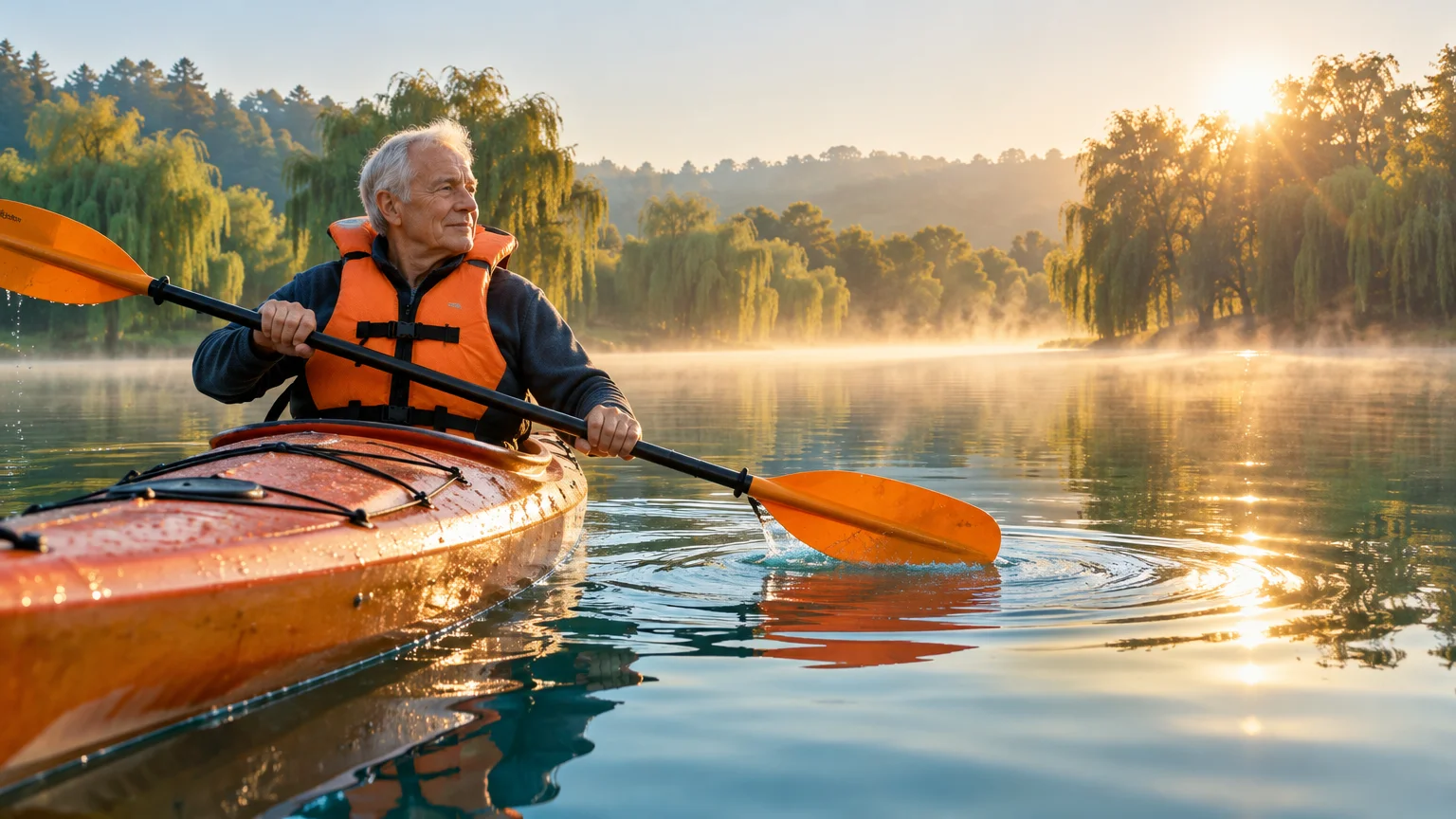
08 Flatwater Kayaking and Recreational Canoeing
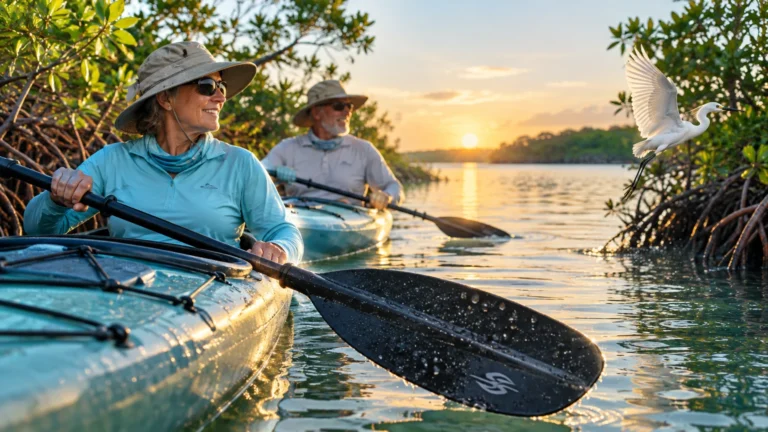
Paddling quiet inland lakes, tidal estuaries, and slow-moving rivers offers a distinct vantage point on local ecosystems. Flatwater kayaking delivers low-impact cardiovascular exercise without jarring joint impacts.
Paddling strengthens core abdominal muscles, back stabilizers, and shoulder girdles through rotational movement. This controlled rotational exercise builds practical spinal resilience that aids balance on dry land.
Recreational kayaks feature wide, stable hulls that make tipping over exceptionally rare on calm waters. Sit-on-top models offer open cockpits that allow easy entry and exit without tight confinement.
Always wear a properly fitted, Coast Guard-approved life vest equipped with a whistle. Choose high-back padded kayak seats to ensure proper lumbar support throughout your paddling excursion.
Paddles crafted from carbon fiber or fiberglass weigh significantly less than heavy aluminum alternatives. Lightweight shafts minimize wrist fatigue and protect vulnerable rotator cuffs during extended lake crossings.
Start your outings on sheltered mornings when surface water remains flat and wind speeds stay below ten knots. Paddle upwind during the first half of your excursion so the return trip requires less exertion.
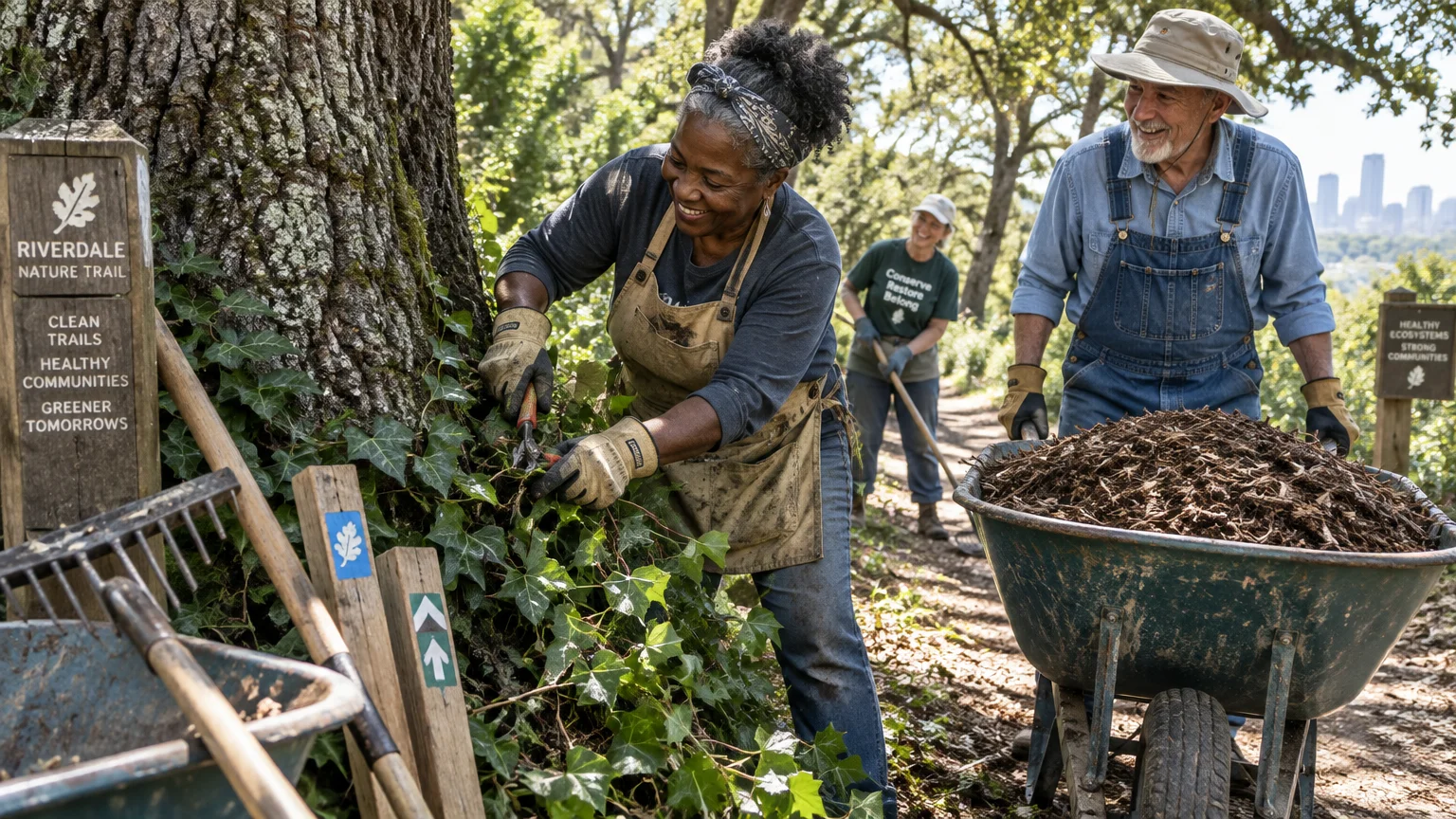
09 Volunteer Park Stewardship and Trail Maintenance
Many public parks, botanical reserves, and land trusts rely heavily on dedicated volunteer stewards. Joining a park maintenance crew lets you perform purposeful outdoor work while preserving local green spaces.
Stewardship tasks include clearing encroaching brush, monitoring nest boxes, planting native saplings, and marking trails. These cooperative tasks build shared pride and close-knit bonds among fellow outdoor volunteers.
Physical labor can easily be tailored to your individual stamina and functional mobility levels. You might choose light seed gathering, educational docent guiding, or trail pruning based on your comfort.
Contributing your time to municipal open spaces provides deep emotional satisfaction and civic grounding. Knowing your daily efforts protect regional wildlife habitats creates profound personal fulfillment in retirement.
Working alongside local conservation rangers introduces you to regional ecology, forestry, and soil science. You develop specialized environmental knowledge that enriches every subsequent walk through local woodlands.
Most land conservancies provide necessary safety gear, sturdy work gloves, and specialized cutting tools. Wear durable, puncture-resistant pants and ankle-high hiking boots to protect against brush and uneven roots.
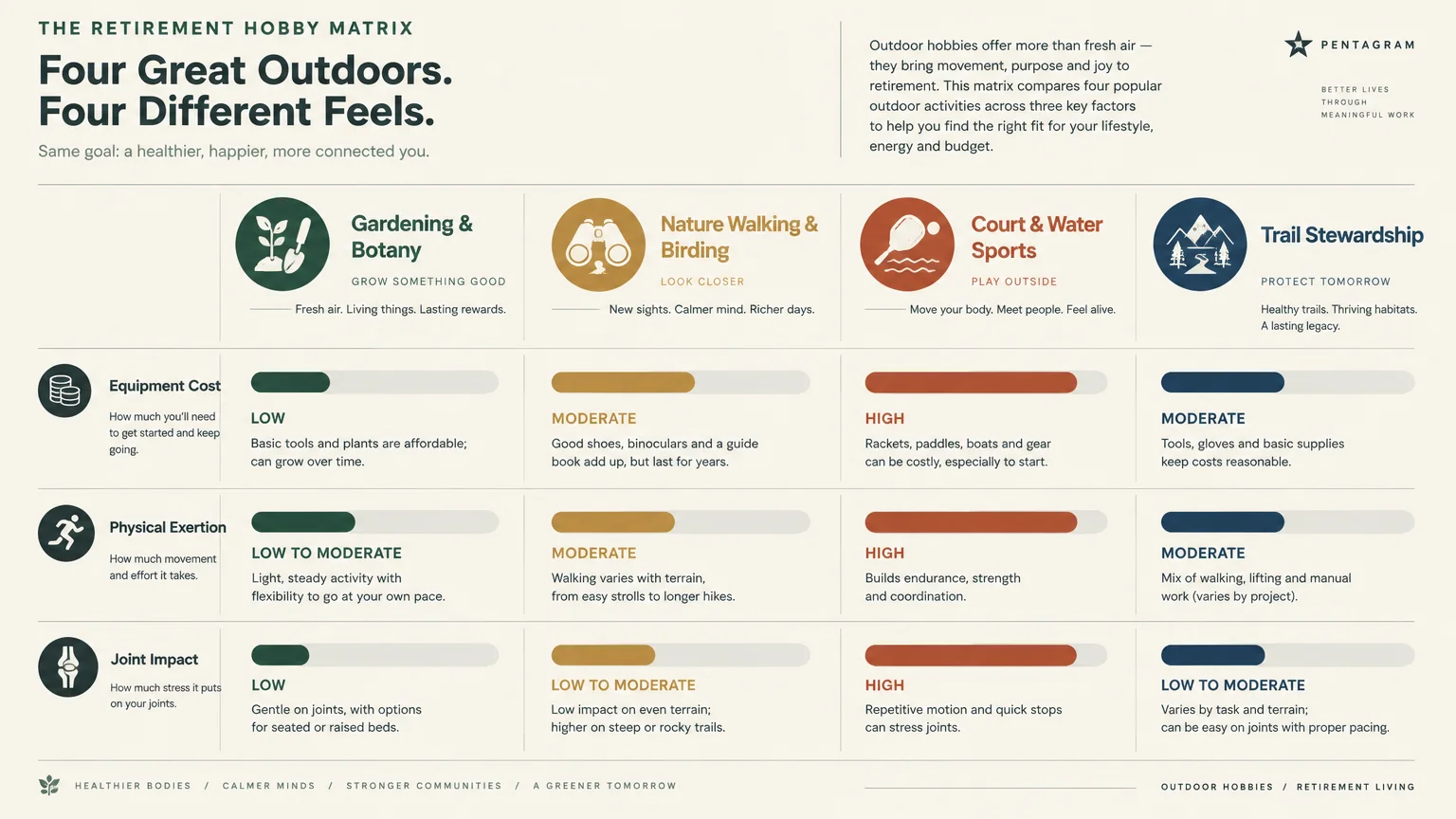
Comparing Outdoor Hobbies: Cost, Accessibility, and Fitness Demands
Choosing the right outdoor activity depends on your physical stamina, mobility comfort, and discretionary budget. Selecting hobbies that align with your lifestyle ensures lasting engagement and personal enjoyment.
According to practical lifestyle guidance from AARP, choosing affordable, low-barrier activities helps retirees maintain consistency. Evaluating physical intensity beforehand also prevents painful overuse injuries.
| Hobby | Cardiovascular Demand | Startup Equipment Cost | Joint Impact Level | Primary Fitness Benefit |
|---|---|---|---|---|
| Raised-Bed Gardening | Low to Moderate | $100 – $350 | Very Low | Grip strength and functional flexibility |
| Birdwatching | Low to Moderate | $120 – $300 | Low | Sensory acuity and walking endurance |
| Pickleball | Moderate to High | $80 – $200 | Moderate | Agility, reaction time, and balance |
| Nordic Walking | Moderate | $60 – $150 | Low | Upper-body tone and postural support |
| Plein Air Painting | Low | $90 – $250 | Very Low | Fine motor dexterity and focus |
| Digital Geocaching | Low to Moderate | Free – $40 | Low | Navigation skills and daily step volume |
| Nature Photography | Low to Moderate | Free – $600 | Low | Visual scanning and steady balance |
| Flatwater Kayaking | Moderate | $350 – $800 | Very Low | Core stability and shoulder mobility |
| Park Stewardship | Moderate to High | $30 – $100 | Moderate | Functional strength and lifting stamina |
If you live on a fixed income, public recreation resources offer tremendous savings. U.S. citizens and permanent residents aged 62 and older can purchase the America the Beautiful Senior Pass.
The Senior Annual Pass costs $20, while the Senior Lifetime Pass costs $80. Purchasing a physical card online via the USGS Store adds a $10 processing fee, or you can buy digital passes via Recreation.gov.
This pass grants free access to more than 2,000 federal recreation sites nationwide, including national parks and wildlife refuges. It also provides up to a 50 percent discount on amenity fees like camping and boat launches.
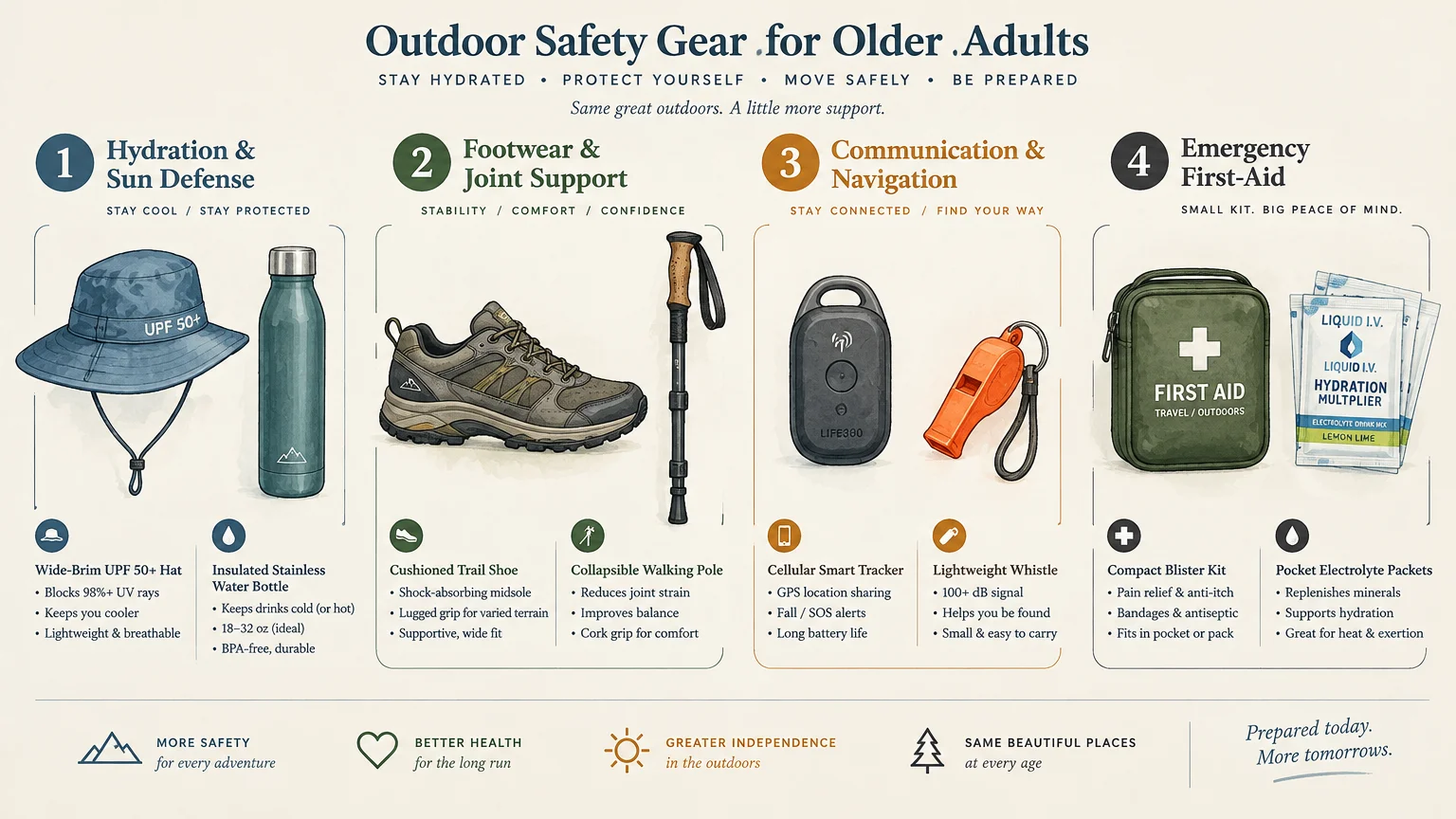
Essential Safety and Gear Strategies for Active Seniors
Exercising outdoors exposes your body to shifting weather patterns, radiant heat, and irregular terrain surfaces. Developing disciplined safety habits ensures your outdoor hobbies remain healthy and injury-free.
Dehydration occurs more rapidly in older bodies because natural thirst sensation diminishes with age. Drink eight ounces of water before stepping outside, carrying an insulated water flask on every outing.
Supportive footwear serves as your primary defense against debilitating slips, trips, and falls. Select shoes with deep tread lugs, firm heel counters, and spacious toe boxes that accommodate bunions.
Protecting vulnerable skin from ultraviolet radiation prevents actinic keratosis and chronic sun damage. Apply broad-spectrum SPF 30 sunscreen generously to your face, ears, neck, and forearms before leaving home.
- Wear broad-brimmed hats and polarized sunglasses with full UV400 eye protection.
- Carry a compact mobile phone with medical contact information accessible from the lock screen.
- Dress in moisture-wicking technical fabrics rather than heavy cotton to prevent chafing and chills.
- Tell a friend or family member your planned walking or paddling route before heading out.
Listen closely to subtle joint signals, stopping immediately if sharp localized discomfort arises. Taking brief seated rests on park benches prevents muscular fatigue from eroding your balance.
Frequently Asked Questions
How can I stay active outdoors if I suffer from chronic knee or hip arthritis?
Low-impact activities like flatwater kayaking, Nordic walking, and raised-bed gardening minimize joint impact. Nordic walking poles absorb ground reaction forces, transferring mechanical load away from knees to your upper back.
What is the safest way to begin an outdoor hobby if I have been sedentary?
Start with twenty minutes of casual neighborhood birdwatching or level trail walking three mornings each week. Gradually increase your outdoor duration by five minutes weekly as your endurance and balance confidence improve naturally.
How do I find reliable local partners for outdoor activities in my area?
Contact your local senior community center, public parks department, or county nature preserve. Most municipal recreation systems host organized walking clubs, drop-in beginner pickleball sessions, and volunteer naturalist groups.
How should I protect myself from tick bites and insect-borne illnesses on nature trails?
Wear light-colored clothing so crawling insects stand out clearly before reaching bare skin. Spray your footwear and socks with permethrin, and stay centered on cleared footpaths away from tall brush.
What should I carry in my daypack for a casual outdoor excursion?
Pack an insulated water bottle, high-protein snacks, a compact whistle, personal medications, and a pocket-sized first-aid kit. Keep your fully charged smartphone tucked into a secure, zippered weatherproof compartment.
For additional senior resources, visit
Alzheimer’s Association,
American Heart Association,
Benefits.gov and
National Institute on Aging (NIA).
Disclaimer: The information in this article is for educational purposes only and is not intended to be a substitute for professional financial, legal, or medical advice. Always consult with a qualified expert for advice tailored to your personal situation.