

Rebuilding your daily life after losing a spouse can feel overwhelming, but you do not have to walk through the silence alone. Finding new companionship restores comfort, protects your health, and gives your everyday routine fresh purpose.
Companionship takes many diverse forms beyond traditional dating, ranging from grief support circles to lively hobby groups and community service. You have total freedom to decide what connection looks like on your own schedule.
Taking gradual, manageable steps allows you to expand your social world without emotional exhaustion. Explore these eight practical pathways to build genuine companionship and rediscover joy after profound loss.
In this guide9 sections
- Understanding Grief and Loneliness After Loss
- Evaluating Your Readiness for New Connections
- Ways 1 and 2: Peer Support and Reconnecting with Friends
- Ways 3 and 4: Purposeful Volunteering and Lifelong Learning
- Ways 5 and 6: Senior Centers and Pet Companionship
- Ways 7 and 8: Spiritual Fellowship and Modern Dating
- Protecting Your Emotional and Financial Safety
- Comparing Your Companionship Pathways
- Frequently Asked Questions

Understanding Grief and Loneliness After Loss
Losing a life partner alters your entire daily reality and sense of self. The quiet in your living room can feel especially heavy during morning coffee or late evenings.
Grief and loneliness often appear together, but they represent distinct emotional states. Grief reflects your internal sorrow over loss, whereas loneliness signals an unmet hunger for social presence and shared moments.
Surviving spouses often miss incidental daily chatter just as much as deep emotional intimacy. Having another person ask about your plans or share a simple meal provides critical grounding.
According to the Centers for Disease Control and Prevention (CDC), social isolation poses serious health risks for older adults. Chronic isolation can elevate cardiovascular risks, compromise immune defense, and increase vulnerability to cognitive decline.
Acknowledging that you feel lonely is never a sign of personal weakness or disloyalty. It is simply a natural human signal telling you that community remains vital for well-being.
You do not need to replace your partner to experience warmth and shared laughter again. Real companionship takes diverse forms that honor your past while enriching your present days.
Accepting where you stand emotionally allows you to reach out without guilt or hesitation. Every brief connection you make helps rebuild personal confidence and daily stability.

Evaluating Your Readiness for New Connections
Deciding when to seek social connection is a personal choice with no fixed calendar. Some widows and widowers crave company within months, while others need a year or more of quiet reflection.
Watch for gentle signs that your emotional stamina is beginning to return. You might notice sudden interest in community events, curiosity about local news, or restlessness during quiet afternoons.
Survivor guilt often creates hesitation when considering new friendships or romantic partners. You may worry that enjoying yourself dishonors the loving bond you shared with your spouse.
Healthy companionship does not diminish your past or erase cherished memories. Embracing new relationships expands your world while keeping your late partner’s memory secure in your heart.
Establish firm personal boundaries with family members who push you to socialize before you feel prepared. You maintain complete control over whom you meet, where you go, and how long you stay.
Begin by testing your social energy in brief, low-pressure increments. A thirty-minute morning coffee or a quick phone call offers connection without causing physical or emotional fatigue.
Notice how you feel after spending time in different social environments. Uplifting interactions leave you feeling refreshed, while draining situations signal a need to adjust your plans.
Ways 1 and 2: Peer Support and Reconnecting with Friends
Surrounding yourself with empathetic individuals creates a reliable safety net during vulnerable transitions. Shared understanding removes the exhausting need to explain your feelings or mask your sadness.
Way 1: Join a Structured Bereavement Support Group
Bereavement groups bring together people who intimately understand the weight of spousal loss. Listening to peers voice their personal struggles helps normalize the unpredictable waves of grief you experience.
Local hospices, regional hospitals, and community centers regularly sponsor grief support circles at no cost. These meetings provide confidential environments where tears, frustration, and shared laughter are completely welcomed.
Many participants discover that peer groups blossom into regular social circles outside formal meetings. Members often schedule weekly breakfast meet-ups, afternoon walks, or evening phone check-ins during difficult holidays.
If leaving home feels difficult, consider joining moderated virtual grief support gatherings. Online meetings allow you to participate from your living room while retaining control over your privacy.
Way 2: Reconnect with Old Friends and Former Colleagues
Longtime friends frequently pull away after a loss because they fear saying the wrong thing. Reaching out with a brief note or phone call breaks the awkward silence and reassures them.
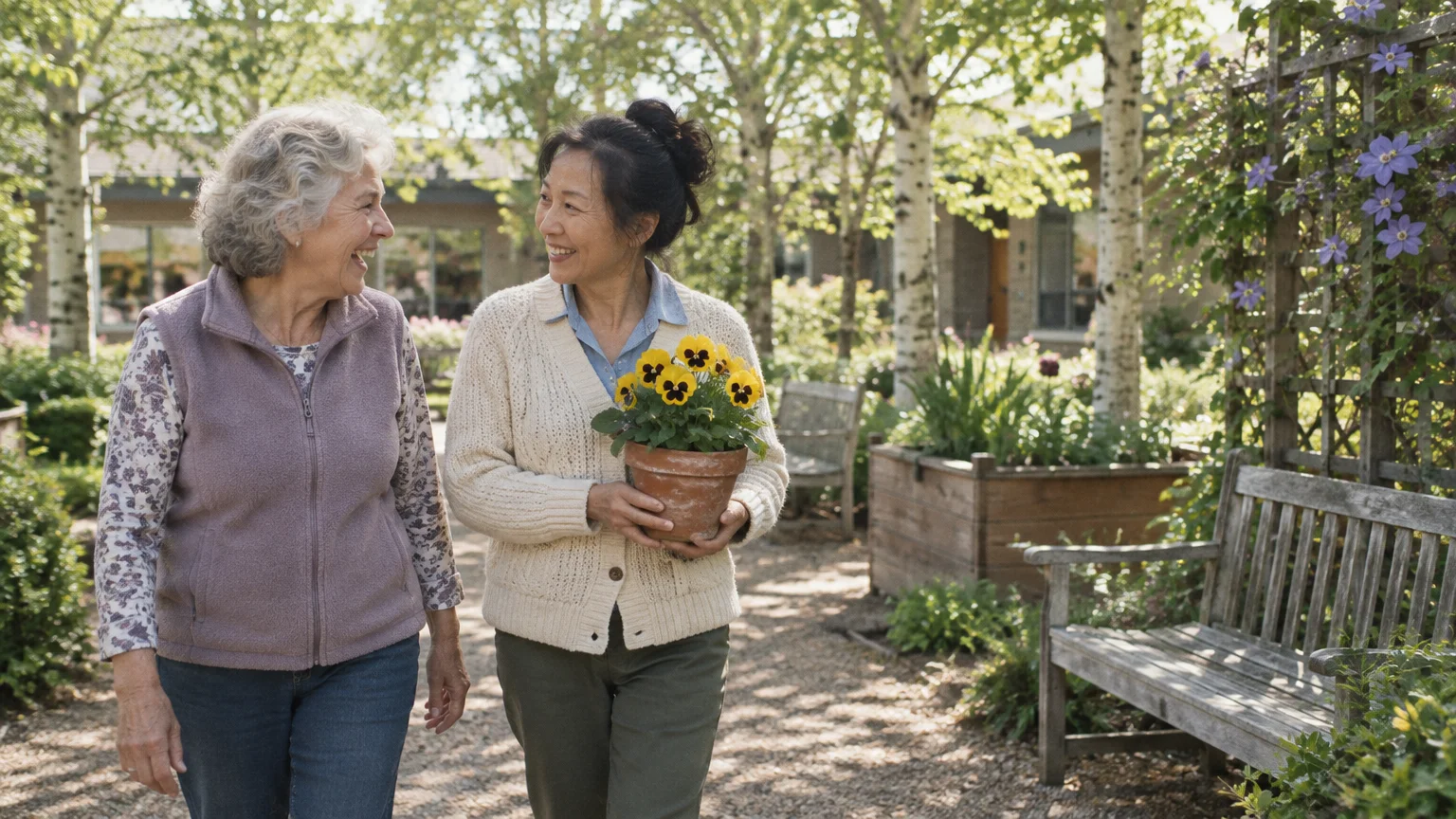
Invite an acquaintance for a simple daytime outing with a clear, predetermined timeframe. Meeting for tea or walking through a local garden keeps the gathering manageable and comfortable for both people.
Former coworkers and extended family members often welcome the opportunity to rekindle familiar ties. Reminiscing about earlier times connects you with enduring aspects of your identity outside of your grief.
Clearly communicate what kind of companionship feels most supportive during this season. Letting friends know whether you prefer quiet company or distracting conversation removes guesswork and reduces social friction.

Ways 3 and 4: Purposeful Volunteering and Lifelong Learning
Focusing your attention on meaningful external activities creates natural opportunities for social connection. Working alongside others on a shared project eliminates uncomfortable small talk and builds organic camaraderie.
Way 3: Dedicate Time to Purpose-Driven Volunteering
Community volunteering provides consistent weekly structure while reinforcing your personal value. Assisting local causes restores a rewarding sense of purpose that can feel diminished after caregiving ends.
Neighborhood food pantries, historical societies, public libraries, and animal shelters continually seek dependable senior volunteers. These community spaces foster close working relationships with peers who share your civic values.
Research highlighted by the National Institute on Aging (NIA) demonstrates that productive social engagement supports cognitive resilience in older adults. Active community participation keeps your mind stimulated while lifting your everyday mood.
Select volunteer roles that match your current physical comfort and mobility level. If standing for prolonged periods is challenging, consider seated assignments like coordinating library archives or organizing donation records.
Way 4: Enroll in Lifelong Learning Programs and Creative Arts
Adult education courses introduce you to inquisitive peers who share your interests and curiosities. Exploring unfamiliar topics stimulates neuroplasticity and sparks engaging conversations that transcend personal loss.
Many community colleges offer free or discounted course auditing for residents aged sixty and older. Non-credit programs through organizations like the Osher Lifelong Learning Institute offer rich academic experiences designed for seniors.
Hands-on creative classes such as pottery, watercolor painting, choir, or memoir writing provide supportive environments. Working on creative projects alongside classmates encourages natural conversation without any forced social expectations.
Learning environments celebrate shared curiosity rather than competitive achievement. You develop authentic friendships rooted in new discoveries, mutual encouragement, and shared intellectual passions.
Ways 5 and 6: Senior Centers and Pet Companionship
Everyday companionship thrives when anchored by predictable routines and comforting interactions. Establishing dependable touchpoints throughout the week prevents days from feeling solitary and unstructured.
Way 5: Participate in Local Senior Center Programs
Modern community senior centers serve as lively activity hubs offering exercise classes, hobby workshops, and social games. They provide welcoming spaces where you can socialize freely without financial strain or long-term commitments.
According to the Eldercare Locator, your local Area Agency on Aging can connect you with nearby senior centers and accessible community transit. These support services help you access neighborhood programs even if you no longer drive.
Consider attending recurring weekly activities like gentle chair yoga, book discussions, or card tournaments. Becoming a familiar presence at regular events makes it easy to form casual, ongoing acquaintances.
Senior center staff frequently organize organized day trips to botanical gardens, regional theaters, and historic landmarks. Traveling with a group offers safe companionship and removes the anxiety of driving or dining alone.
Way 6: Welcome the Devoted Comfort of a Pet
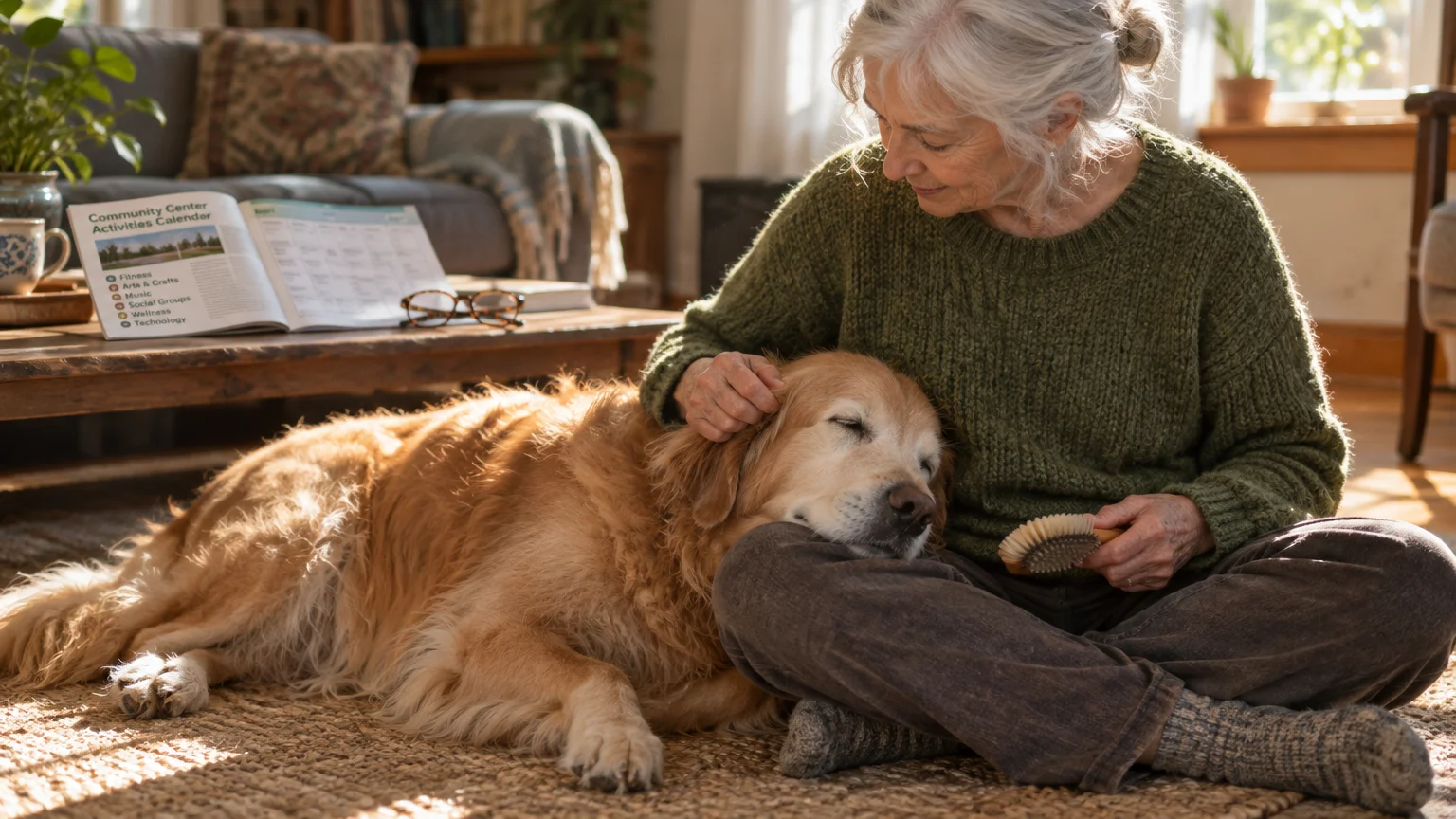
Animal companionship brings unconditional affection, warmth, and steady life back into a quiet house. Caring for a dog or cat restores a healthy daily rhythm centered on feeding, grooming, and companionship.
Walking a dog outdoors provides cardiovascular exercise and serves as an effortless social bridge. Neighbors and fellow pet owners frequently pause to talk, creating spontaneous and friendly interactions along your route.
If managing an energetic young pet feels overwhelming, consider adopting a calm senior dog or adult cat. Older shelter animals are typically house-trained, quiet, and delighted to enjoy peaceful household companionship.
Fostering animals for local rescue groups provides another wonderful avenue for temporary companionship. Fostering allows you to enjoy animal companionship without assuming lifelong veterinary expenses or permanent care commitments.

Ways 7 and 8: Spiritual Fellowship and Modern Dating
Nourishing your personal values and exploring deeper emotional connections can restore hope after loss. Whether through spiritual fellowship or romantic companionship, meaningful bonds provide comfort and renewed optimism.
Way 7: Re-engage with Faith Communities and Spiritual Circles
Congregations, prayer circles, and meditation groups provide intergenerational networks of compassionate peers. Attending services, musical choirs, or community breakfasts grounds your calendar in shared values and mutual care.
Many congregations coordinate specialized fellowship programs and study groups tailored for older adults. These smaller gatherings offer safe, supportive settings where you can discuss life challenges and build enduring friendships.
Faith networks often step forward with practical assistance, including transportation support, home check-ins, and shared meals. Knowing that an attentive community cares for your well-being brings immense emotional reassurance.
Way 8: Explore Low-Pressure Senior Dating and Romance
Exploring romance in later life is a personal milestone that requires self-awareness and patience. Mature dating focuses heavily on mutual companionship, shared lifestyle preferences, and genuine emotional respect.
As noted by AARP, many older couples now embrace Living Apart Together arrangements. This arrangement lets partners share romantic intimacy and social activities while maintaining separate residences and financial autonomy.
Senior-focused dating websites and community social mixers help you meet eligible individuals outside your immediate neighborhood. These platforms allow you to state your lifestyle goals and relationship expectations clearly before meeting.
Always arrange initial dates during daylight hours in public places like casual cafes or neighborhood bistros. Driving yourself to and from the venue ensures you remain in complete control of your time and personal safety.
Protecting Your Emotional and Financial Safety
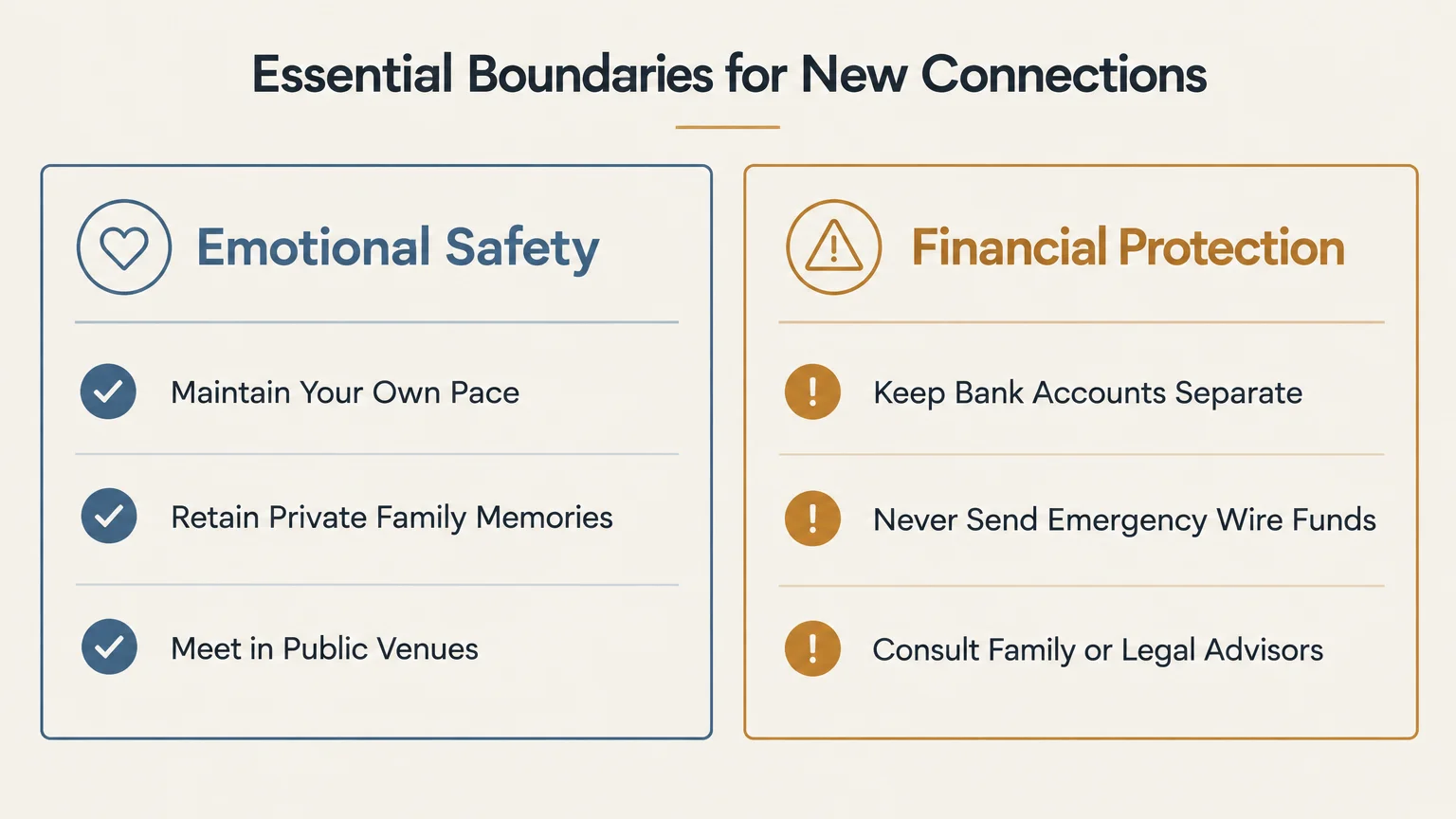
Expanding your social sphere requires an open heart balanced with steady caution. Grief can leave individuals emotionally vulnerable, making seniors prime targets for predatory individuals and deceptive financial schemes.
Romance scams frequently originate on popular social media platforms, hobby forums, and online dating apps. Fraudsters often profile widowed seniors, showering them with swift declarations of affection to build rapid emotional dependence.
Guidance from the Consumer Financial Protection Bureau (CFPB) warns older adults never to send money, wire funds, or share bank account credentials with people they have only met online. Legitimate friends and romantic companions will never solicit emergency loans, investment capital, or gift cards.
Exercise caution if a new acquaintance repeatedly cancels planned in-person visits due to sudden emergencies. Common fabrications involve business crises overseas, unexpected medical operations, or urgent customs fees.
Protect your private information by never sharing your home address, Social Security number, or financial details early in a relationship. Take time to verify an acquaintance’s background through mutual friends or trusted community channels.
Consult a trusted family member, close friend, or legal advisor whenever an acquaintance raises financial matters. Outside perspectives can easily identify red flags that intense emotional attachments might obscure.
Guarding your financial foundation allows you to pursue companionship with true confidence. Maintaining sensible boundaries ensures that your new friendships remain supportive, respectful, and safe.
Comparing Your Companionship Pathways
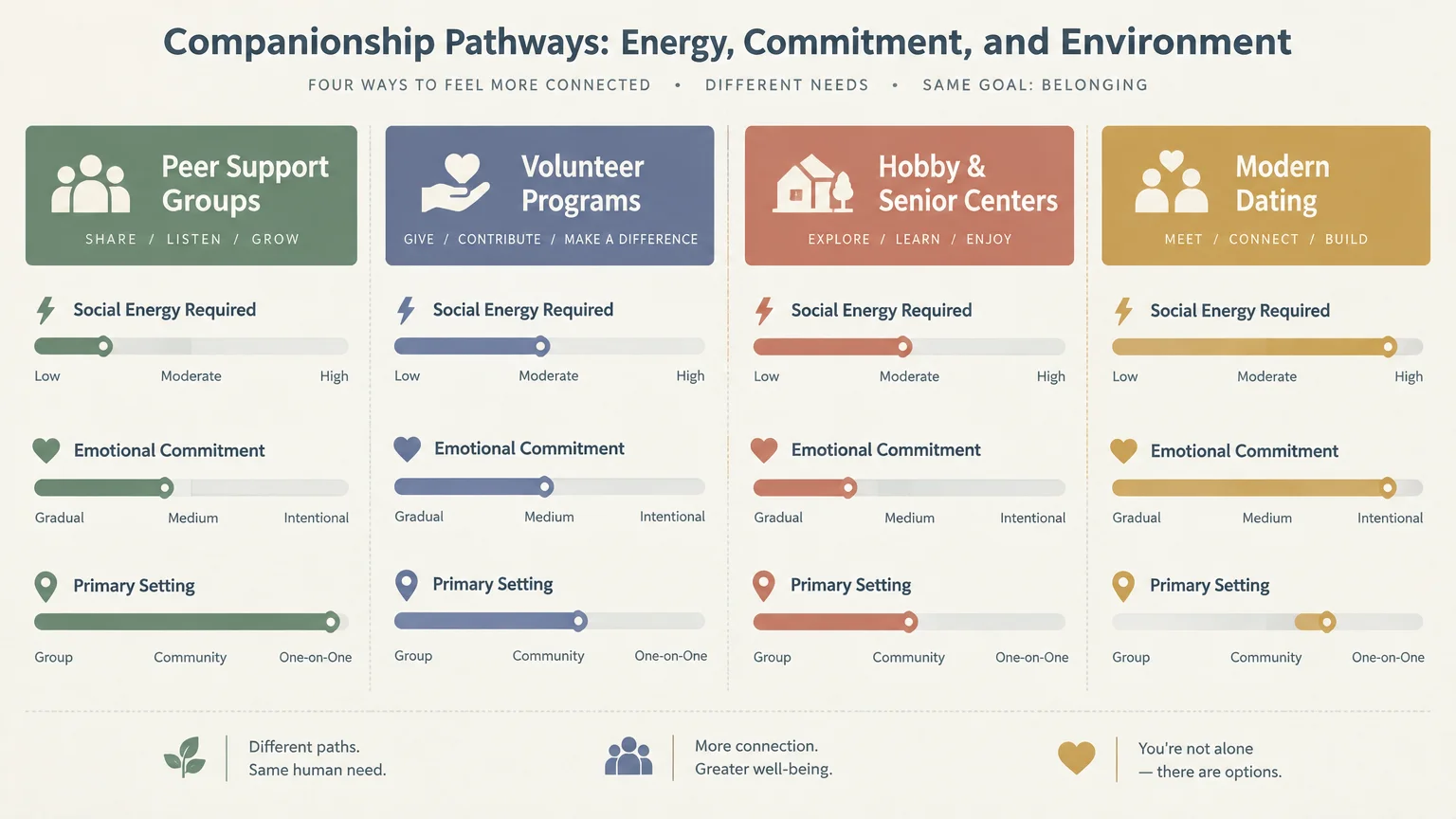
Every avenue toward companionship requires different amounts of time, energy, and emotional investment. Reviewing your options side-by-side helps you select activities that align with your current lifestyle and comfort level.
Some seniors prefer the lighthearted freedom of hobby groups, while others need the deep empathy of grief circles. Select the option that aligns with your current emotional capacity and physical mobility.
| Companion Pathway | Social Energy Needed | Financial Cost | Primary Benefit |
|---|---|---|---|
| Bereavement Support Groups | Moderate | Free | Shared grief validation and deep mutual empathy |
| Reconnecting with Friends | Low to Moderate | Minimal | Familiar comfort and shared personal history |
| Community Volunteering | Moderate | Free | Renewed sense of purpose and team camaraderie |
| Lifelong Learning Classes | Moderate | Low to Moderate | Mental stimulation and shared intellectual interests |
| Local Senior Centers | Low to Moderate | Free or Minimal | Diverse weekly activities and local peer connections |
| Pet Companionship | Moderate to High | Moderate | Unconditional daily affection and steady routine |
| Faith Communities | Low to Moderate | Free | Spiritual grounding and reliable pastoral support |
| Modern Senior Dating | High | Variable | Romantic intimacy and personal partnership |
You do not have to limit yourself to a single companionship pathway. Many seniors combine home pet ownership with weekly community volunteering or regular senior center classes.
Begin with low-energy pathways if you are still coping with acute emotional exhaustion. As your energy returns, you can gradually explore activities that involve larger groups and higher social engagement.
Frequently Asked Questions
How soon is too soon to seek companionship after losing a spouse?
There is no standard timeline for seeking companionship after the death of a life partner. Readiness depends on your personal emotional recovery rather than societal rules or calendar dates.
If you feel genuine curiosity about the world and crave conversation without attempting to outrun your grief, you are ready to begin. Start with casual friendships before considering romantic commitments.
What should I do if my adult children object to me making new friends or dating?
Adult children often react defensively when a surviving parent seeks new social connections. Their discomfort usually stems from unresolved personal sorrow or anxiety that their late parent will be forgotten.
Reassure your family that new relationships will never diminish the love you shared with your spouse. Maintain calm, clear communication while reminding them that seeking companionship is a healthy step for your well-being.
How can I find companionship if I have limited mobility or do not drive?
Mobility challenges should not isolate you from rich social interactions. Many municipal senior centers and charitable agencies offer subsidized door-to-door transit services for neighborhood seniors.
You can also participate in telephone companion networks, virtual book clubs, and online hobby groups. These options bring engaging conversation and genuine friendship directly into your living room.
How do I talk about my late spouse without making new companions uncomfortable?
Prepare a brief, comfortable response that honors your history while keeping conversations focused on the present. A simple acknowledgment allows you to speak warmly of your past without lingering on sorrow.
You might say that you shared many wonderful years together and are now enjoying meeting new people. This approach respects your past while inviting your companion to continue sharing their own life stories.
How do I overcome feelings of guilt when I enjoy myself with new people?
Experiencing sudden waves of guilt when you laugh or have fun is a common aspect of grief recovery. Experiencing happiness does not mean you love or miss your deceased partner any less.
Loving spouses ultimately want their surviving partners to experience peace, friendship, and contentment. Grant yourself permission to embrace warmth and connection as a healthy part of your ongoing journey.
For additional senior resources, visit
Medicare.gov, National Institute of Mental Health (NIMH), National Institutes of Health (NIH), Centers for Medicare & Medicaid Services (CMS) and Social Security Administration (SSA).
Disclaimer: The information in this article is for educational purposes only and is not intended to be a substitute for professional financial, legal, or medical advice. Always consult with a qualified expert for advice tailored to your personal situation.