

Millions of senior veterans miss out on specialized health care benefits they earned through their military service simply because they assume they do not qualify. Your time in the military unlocks doors to comprehensive medical coverage, prescription discounts, and long-term care options designed specifically to support you as you age. Navigating government systems might seem intimidating; however, understanding your eligibility is the first step toward securing high-quality, affordable care. Many older veterans are surprised to discover that recent legislative changes have drastically expanded access, covering conditions previously excluded. By taking action now, you can reduce your out-of-pocket medical expenses, access top-tier geriatric specialists, and preserve your fixed income for a more comfortable retirement.
Decoding Your Eligibility for Veteran Health Benefits
The landscape of veteran health care has changed significantly over the past few decades. If you applied for benefits in the 1980s or 1990s and received a denial, you need to look again. The most common misconception keeping seniors away from the Department of Veterans Affairs (VA) is the belief that you must have a service-connected disability or a poverty-level income to receive care. While those factors certainly prioritize your application, they are not the only ways to qualify.
Basic eligibility generally requires that you served in the active military, naval, or air service and separated under any condition other than dishonorable. If you enlisted after September 7, 1980, or entered active duty after October 16, 1981, you typically must have served 24 continuous months or the full period for which you were called to active duty. However, there are numerous exceptions to this rule, particularly if you were discharged for a hardship, an early out, or a disability caused by your service.
Recent legislation has blown the doors wide open for older veterans. The PACT Act, passed in 2022, represents one of the largest expansions of VA health care in history. It specifically targets veterans exposed to burn pits, Agent Orange, and other toxic substances. If you served in Vietnam, the Gulf War, or post-9/11 eras, the VA now presumes that a wide range of conditions—from certain cancers to hypertension—are linked to your service. This means you no longer have to prove a direct connection between your military service and your current illness; the law automatically assumes the connection, granting you immediate access to specialized care and potential financial compensation.
How VA Priority Groups Determine Your Coverage
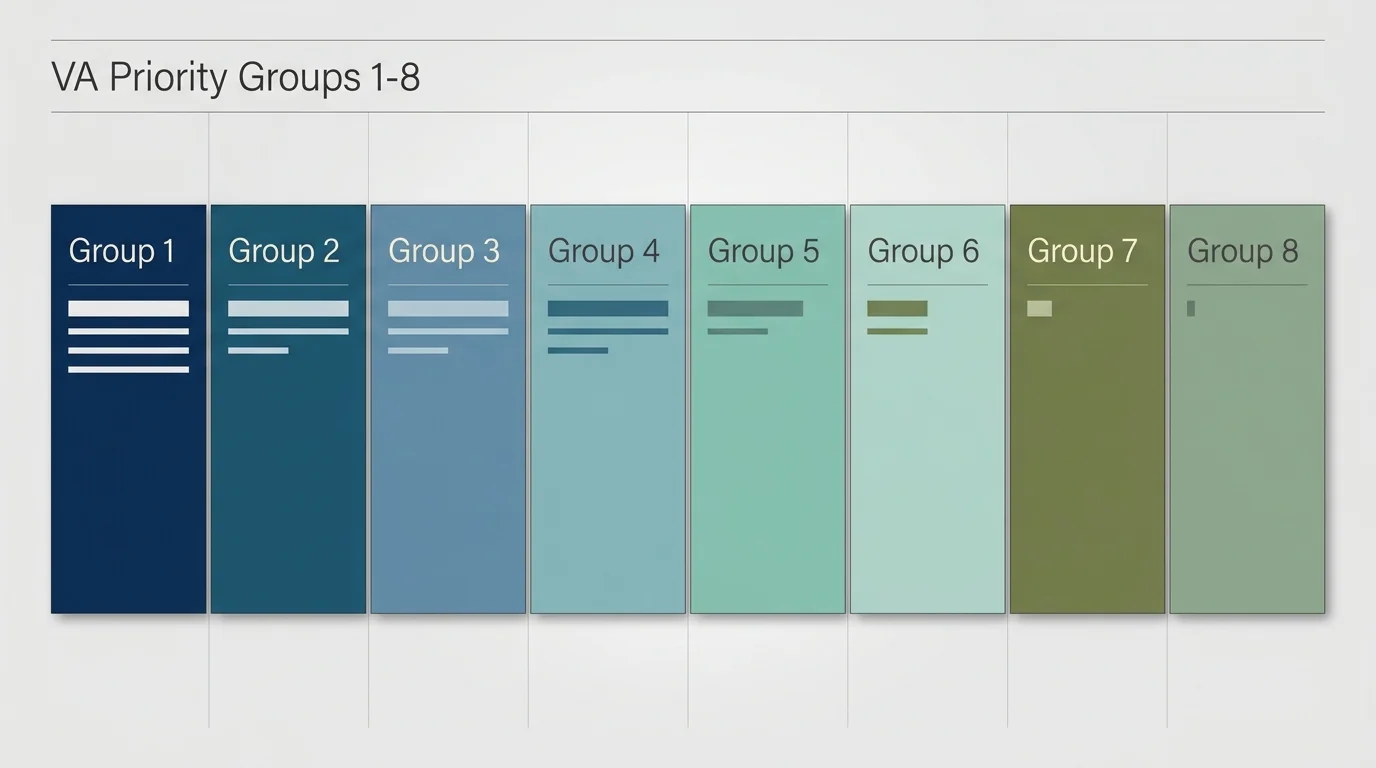
Once you apply and are accepted into the VA health care system, you are assigned to one of eight priority groups. The VA uses this system to balance demand with available resources, ensuring that those with the most urgent needs, severe disabilities, or lowest incomes receive care first. Understanding your priority group helps you anticipate your out-of-pocket costs, such as copayments for medications or specialist visits.
Your placement depends on several factors: your military service history, your disability rating, your income level, whether you qualify for Medicaid, and whether you receive VA pension benefits. Even if you fall into a lower priority group, the medical coverage is robust and often far more affordable than private insurance equivalents.
| Priority Group | Who It Generally Includes | Typical Cost Implications |
|---|---|---|
| Group 1 | Veterans with a service-connected disability rated at 50% or more, or who are unemployable due to conditions linked to service. | No copayments for any VA health care or prescription medications. |
| Group 4 | Veterans receiving VA aid and attendance or housebound benefits, or those who have been determined to be catastrophically disabled. | No copayments for health care; severe disabilities recognized immediately. |
| Group 6 | Veterans of specific conflicts (like the Gulf War), those exposed to Agent Orange, or those who served at Camp Lejeune during specific dates. | Free care for conditions related to service exposure; standard copays for unrelated care. |
| Group 8 | Veterans with gross household incomes above VA national income limits and no service-connected disabilities. | Subject to copayments for care and medications; enrollment depends on available VA funding. |
If your financial situation changes—perhaps you retire and your income drops significantly—you can request a reassessment. The VA will look at your previous year’s income to adjust your priority group, potentially lowering or eliminating your copayments entirely. Always update the VA when you experience major life changes, as your benefits are dynamic and can shift to better support your current reality.
Specialized Senior Care Offered by the VA
As we age, our medical needs shift from basic preventive checkups to more complex, specialized care. The VA recognizes this transition and operates one of the most comprehensive geriatric programs in the country. If you are dealing with mobility issues, chronic illnesses, or the need for daily assistance, the VA offers resources tailored specifically for seniors.
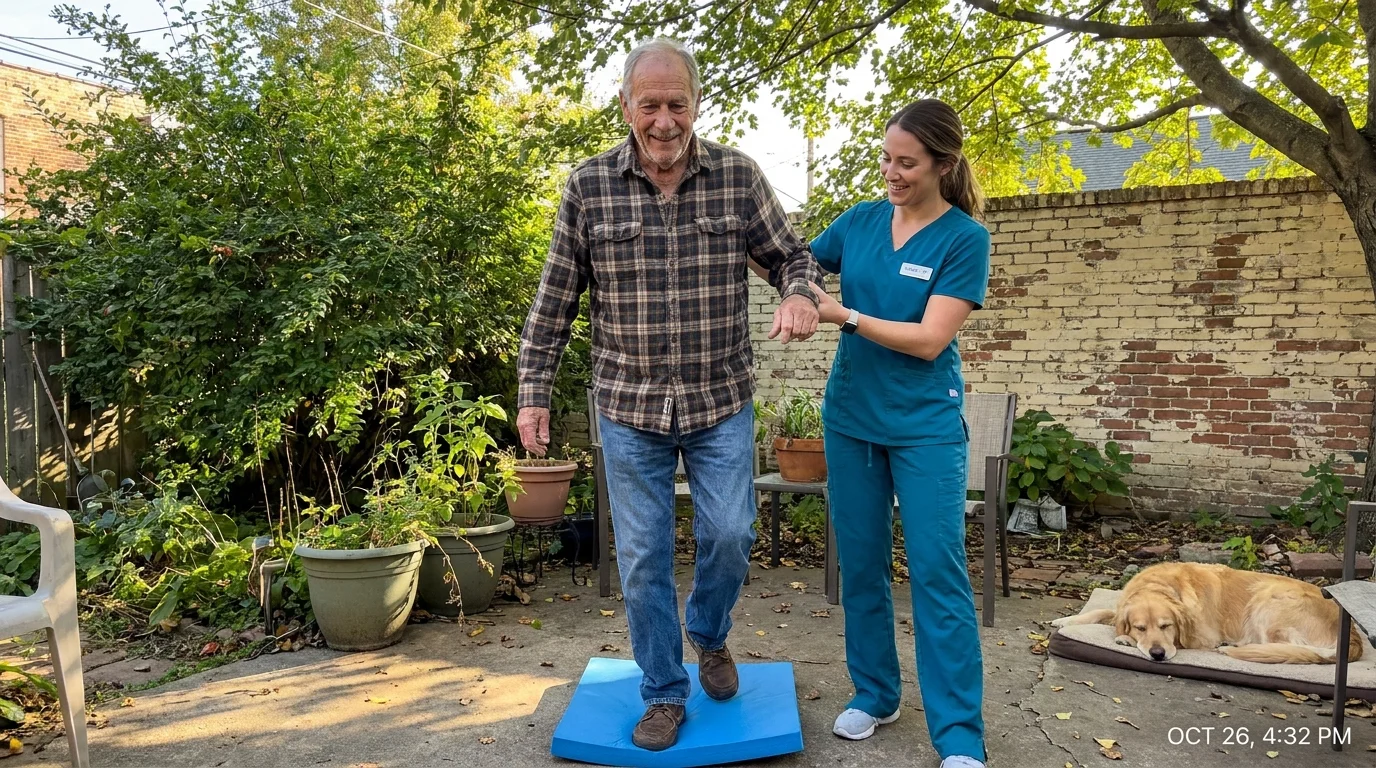
One of the most valuable resources is the Home-Based Primary Care program. If you find it difficult to travel to a clinic due to physical limitations, the VA can send a medical team—including doctors, nurses, and physical therapists—directly to your home. This ensures you receive continuous care without the physical strain of navigating waiting rooms and transportation.
For veterans who need help with daily activities like bathing, dressing, or preparing meals, the Homemaker and Home Health Aide Care program provides trained aides to assist you in your own house. This service is a lifeline for seniors who wish to age in place rather than moving to a nursing facility. Furthermore, the VA provides extensive support for hearing and vision. Routine audiology exams, high-quality hearing aids, and prescription eyeglasses are often fully covered or available at a deeply discounted rate, saving you thousands of dollars out of pocket.
Preventive care remains crucial as you navigate your later years. According to guidance from the Centers for Disease Control and Prevention (CDC), managing chronic conditions and staying current on immunizations are key strategies for maintaining independence. The VA integrates these preventive strategies directly into your primary care plan, ensuring you receive the necessary screenings for heart disease, diabetes, and bone density issues before they become debilitating.
Coordinating VA Health Care With Medicare
A frequent point of confusion for senior veterans is whether they need Medicare if they already have VA health care. The short answer is yes. The VA strongly encourages all veterans to enroll in Medicare Parts A and B as soon as they turn 65. Relying solely on the VA can severely limit your options if you travel, move to an area without a nearby VA facility, or experience a sudden medical emergency that requires an immediate trip to the nearest civilian hospital.
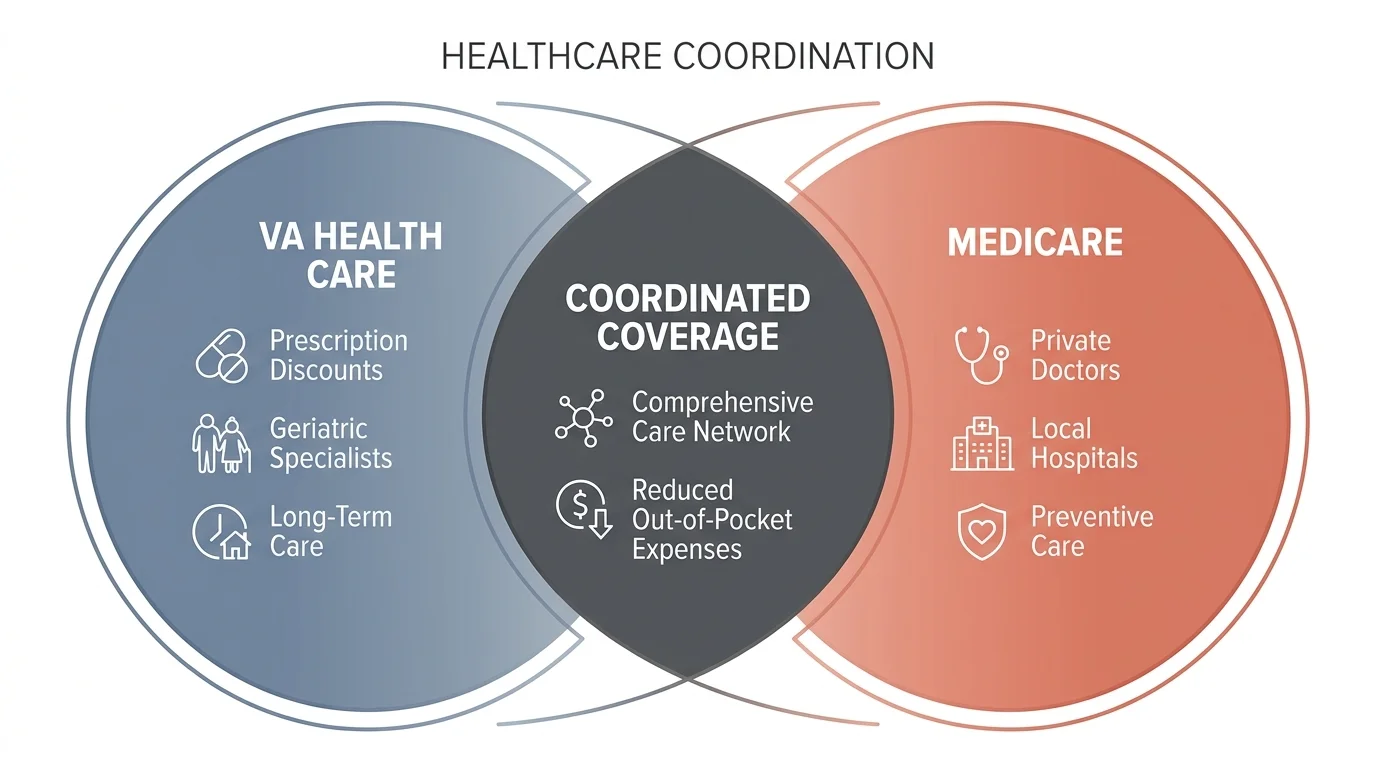
VA health benefits only cover care received at a VA facility or at an authorized community care provider. If you visit a non-VA doctor without prior authorization, the VA will not pay the bill. By having Medicare, you create a powerful safety net. You can use your VA benefits for routine care, hearing aids, and cheap prescription drugs, while relying on Medicare to cover you at private hospitals or specialized civilian clinics.
Timing your Medicare enrollment is essential. If you delay signing up for Medicare Part B because you assume your VA coverage is sufficient, you will face permanent late enrollment penalties if you decide to sign up later. Information provided by Medicare.gov outlines the strict enrollment windows and potential penalties for missing them. Treat your VA benefits and Medicare not as competing plans, but as a dual-shield strategy. Use the VA for its exceptional senior-specific perks, and keep Medicare active to ensure you have unrestricted access to the entire U.S. healthcare system.

Mental Health and Memory Care Support
Mental well-being is deeply intertwined with physical health, yet older veterans often brush aside feelings of anxiety, depression, or isolation, viewing them as a normal part of aging. The VA offers robust mental health services that cater specifically to the senior veteran experience. Late-onset Post-Traumatic Stress Disorder (PTSD) is surprisingly common; symptoms can lie dormant for decades, only to be triggered by retirement, the loss of a spouse, or a new medical diagnosis.
The VA provides confidential counseling, group therapy, and psychiatric care to help you manage these challenges. You do not need to be experiencing a crisis to ask for help. Talking to a professional can provide coping strategies for the grief, sleep disturbances, and physical pain that often accompany the aging process.
Memory care is another critical pillar of the VA’s health services. As the risk of dementia increases with age, having a structured support system is vital. The VA offers comprehensive evaluations for memory loss and provides specialized care plans for veterans diagnosed with Alzheimer’s disease or other forms of dementia. This includes access to adult day health care centers, which offer cognitive stimulation for the veteran and a much-needed break for family caregivers.
Understanding and managing cognitive decline requires expert intervention. Resources from the National Institute on Aging (NIA) highlight the importance of early diagnosis and supportive therapies in maintaining quality of life for dementia patients. The VA mirrors this approach, connecting veterans with geriatric psychiatrists and social workers who help families navigate the complex journey of memory loss.
Overcoming Common Application Hurdles and Scams
Applying for government benefits requires patience. The paperwork can be dense, and gathering decades-old military records can feel like an impossible task. One of the biggest hurdles seniors face is locating their DD-214 (Certificate of Release or Discharge from Active Duty). If you have lost this document, you can request a free replacement through the National Archives online or by mail. Do not let a missing document stop you from claiming your benefits.
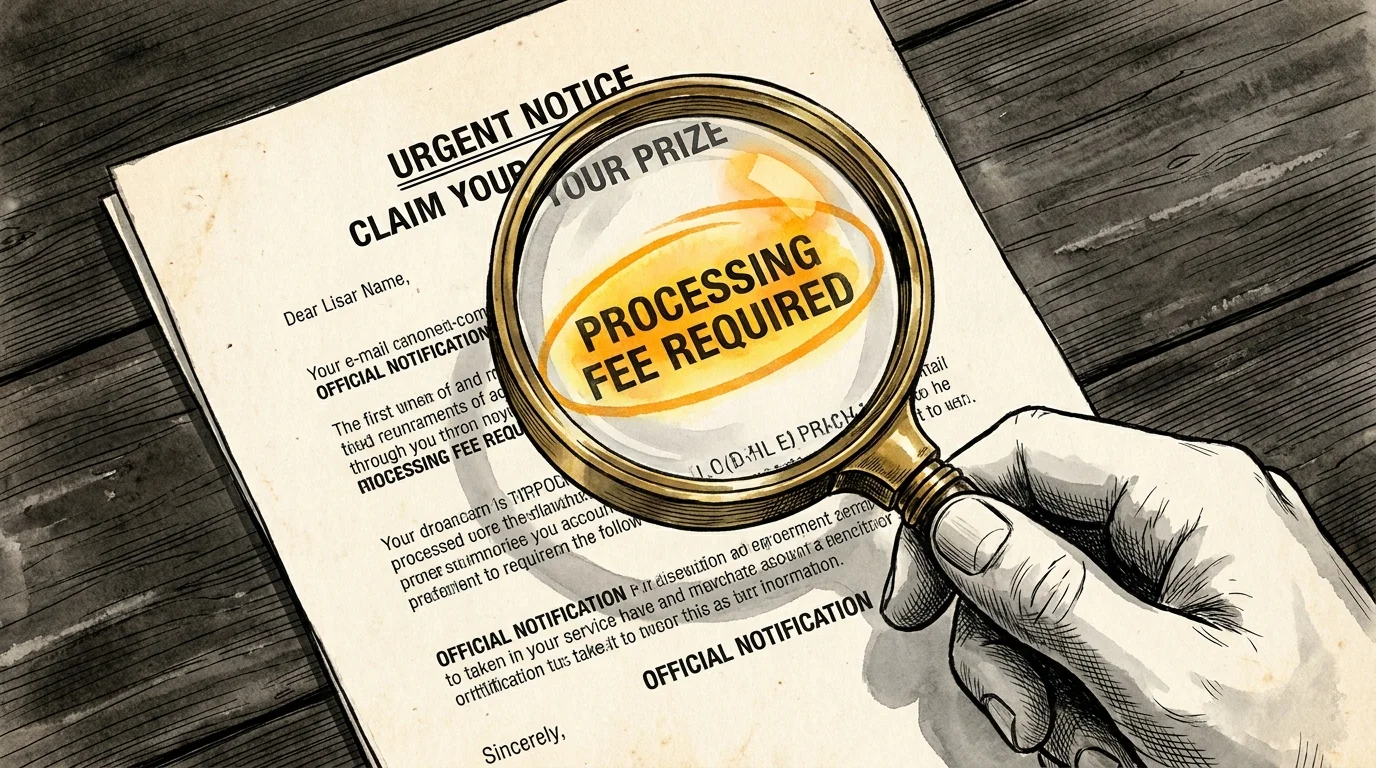
Unfortunately, the complexity of the VA system attracts bad actors. You must be vigilant against “pension poachers” and predatory organizations that target senior veterans. These scammers often promise to secure your benefits quickly, or guarantee you a higher disability rating, in exchange for a hefty upfront fee or a percentage of your monthly pension. They may even suggest moving your assets into expensive, unnecessary trusts to make you appear impoverished on paper.
Protect yourself by remembering one simple rule: applying for VA benefits is entirely free. You should never pay someone to fill out your initial application or to access basic forms. If you need assistance, rely on accredited Veterans Service Officers (VSOs). These professionals work for organizations like the American Legion, Veterans of Foreign Wars (VFW), or your county government, and they provide their expertise at absolutely no cost to you.
Step-by-Step Guide to Claiming Your Health Benefits
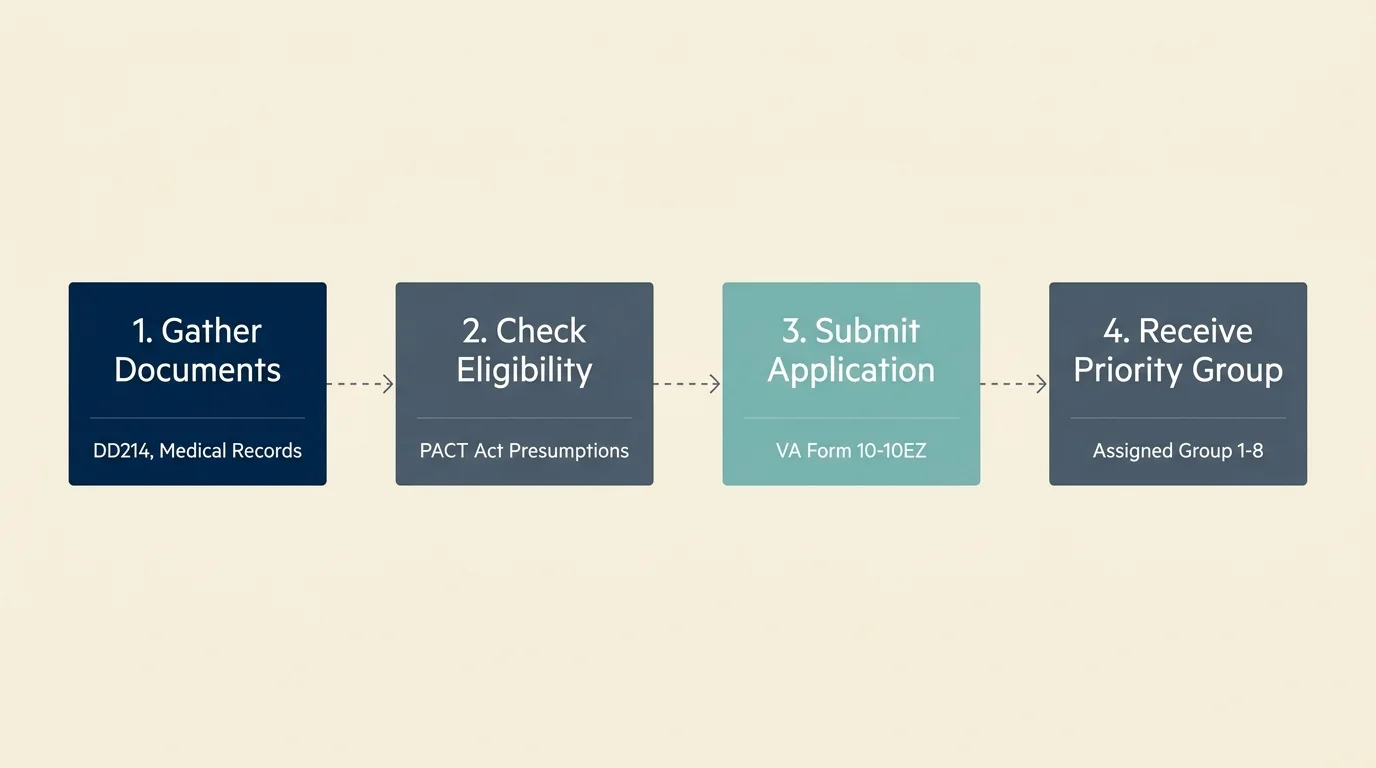
Taking the first step toward securing your VA health care does not have to be overwhelming. By breaking the process down into manageable actions, you can navigate the application smoothly.
- Gather Your Information: Before you begin, collect your most recent tax return, your Social Security numbers (for yourself and your dependents), and any current health insurance information, including your Medicare card. You will also need your discharge papers (DD-214).
- Choose Your Application Method: You have four ways to apply. You can apply online through the official VA website, which is often the fastest route. Alternatively, you can apply by calling the VA’s toll-free number, mailing a completed VA Form 10-10EZ, or bringing your documents directly to the enrollment coordinator at your nearest VA medical center.
- Seek Free Assistance: If you feel unsure about the forms, contact a local, accredited Veterans Service Officer (VSO). They will review your military history and ensure you are claiming all the benefits you deserve, especially those related to recent legislation like the PACT Act.
- Follow Up: After submitting your application, you should receive a letter in the mail detailing your enrollment status and your assigned priority group. If you are denied, do not throw the letter away. Read the reasons carefully; you have the right to appeal or provide additional information to overturn the decision.
- Explore Additional State and Federal Help: Beyond the VA, you may be eligible for other programs that reduce your living expenses. Tools like Benefits.gov allow you to take a quick questionnaire to uncover energy assistance, food programs, and state-specific veteran tax exemptions that can further protect your fixed income.
Remember that the VA system is designed to serve you. Do not let frustration with a website or a busy phone line deter you from securing the healthcare you earned through your service.
Frequently Asked Questions
Can my spouse or dependents use my VA health benefits?
Generally, VA health care is for the veteran only. However, there are specific programs, such as the Civilian Health and Medical Program of the Department of Veterans Affairs (CHAMPVA), that provide coverage for the spouse or children of a veteran who is permanently and totally disabled due to a service-connected condition, or who died in the line of duty.
Do I have to pay copayments for VA health care?
It depends on your priority group. Veterans with severe service-connected disabilities or very low incomes usually pay nothing. Veterans in higher income brackets without service-connected disabilities may have to pay small copayments for outpatient visits and prescription medications. However, preventive care—like flu shots and health screenings—is free for all enrolled veterans.
What if I only served during peacetime?
You do not need combat experience to qualify for VA health care. Peacetime veterans are fully eligible, provided they meet the minimum active-duty service requirements and were not dishonorably discharged. Your income, age, and any medical conditions developed during your service will determine your priority group.
Do I have to give up my current private doctor to use the VA?
No, you do not have to choose one over the other. Many senior veterans use a “co-managed” care approach. You can keep your private primary care physician under Medicare or private insurance, and use the VA specifically for benefits like hearing aids, eyeglasses, home modifications, and low-cost prescriptions.
Will the VA pay for an assisted living facility or nursing home?
The VA does provide nursing home care, but space is limited and priority is given to veterans with service-connected disabilities or those requiring specific clinical care. For assisted living, the VA generally does not pay rent or room-and-board directly. However, if you qualify for the Aid and Attendance pension, you receive a monthly cash benefit that can be used to pay for assisted living or private in-home care.
For additional senior resources, visit
Centers for Medicare & Medicaid Services (CMS), Social Security Administration (SSA), Consumer Financial Protection Bureau (CFPB), Administration for Community Living (ACL) and Eldercare Locator.
Disclaimer: The information in this article is for educational purposes only and is not intended to be a substitute for professional financial, legal, or medical advice. Always consult with a qualified expert for advice tailored to your personal situation.









Leave a Reply