
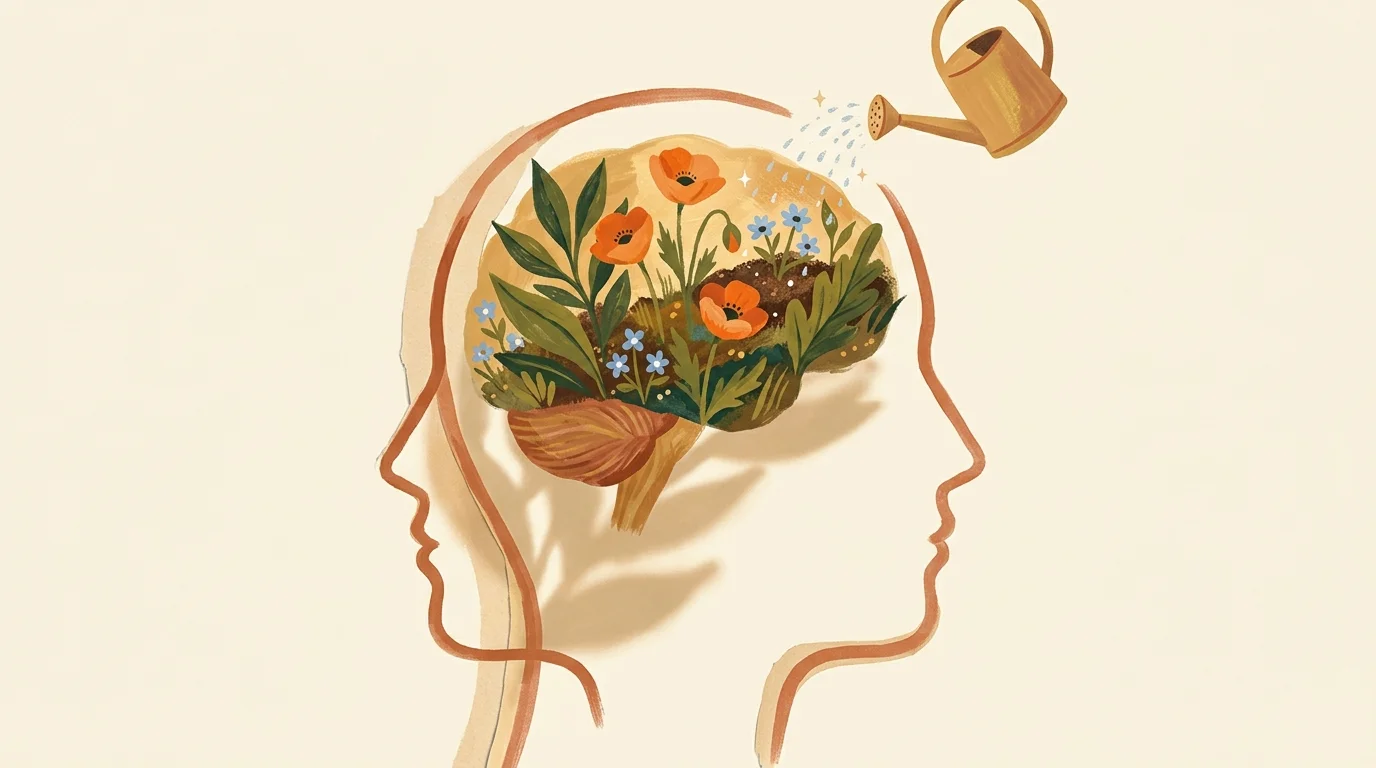
Hearing that dementia runs in your family can bring up feelings of worry and uncertainty, but your genetic history does not completely dictate your future.
Research shows that healthy lifestyle changes play a massive role in protecting your cognitive health as you age, even if a parent or sibling experienced cognitive decline.
Taking control of your daily habits right now can significantly reduce your risk and keep your mind sharp for years to come. By focusing on simple, everyday adjustments to your physical activity, diet, and social life, you build a strong defense against cognitive decline.
Here are eight practical and achievable steps you can start taking today to protect your brain health.
In this guide10 sections
- Understanding Your Family History and Dementia Risk
- 1. Protect Your Cardiovascular Health
- 2. Move Your Body Daily
- 3. Nourish Your Brain With Smart Foods
- 4. Challenge Your Mind Regularly
- 5. Prioritize Deep, Restorative Sleep
- 6. Stay Socially Engaged
- 7. Address Hearing Loss Early
- 8. Reduce Alcohol and Avoid Smoking
- Frequently Asked Questions

Understanding Your Family History and Dementia Risk
When you have a family history of dementia, it is entirely normal to feel anxious about your own memory. However, having a parent or sibling with dementia does not mean you will inevitably develop the condition.
While genetics influence your baseline risk, they are only one piece of a much larger puzzle. The way you live your life—what you eat, how you move, and how you engage with the world—holds tremendous power over your cognitive destiny.
According to the Alzheimer’s Association, while genetics play a role in developing cognitive issues, adopting multiple healthy lifestyle choices can significantly reduce your overall risk of cognitive decline.
Think of your genes as a blueprint; your lifestyle choices act as the construction manager deciding how that blueprint is actually built. By proactively changing certain habits, you can suppress harmful genetic expressions and promote brain resilience.
The goal is to build “cognitive reserve.” This term refers to your brain’s ability to improvise and find alternate ways of getting a job done.
A brain with a high cognitive reserve can better tolerate the physical changes associated with dementia without showing symptoms of memory loss or cognitive impairment. You can start building this reserve today through the following eight strategies.
01 Protect Your Cardiovascular Health
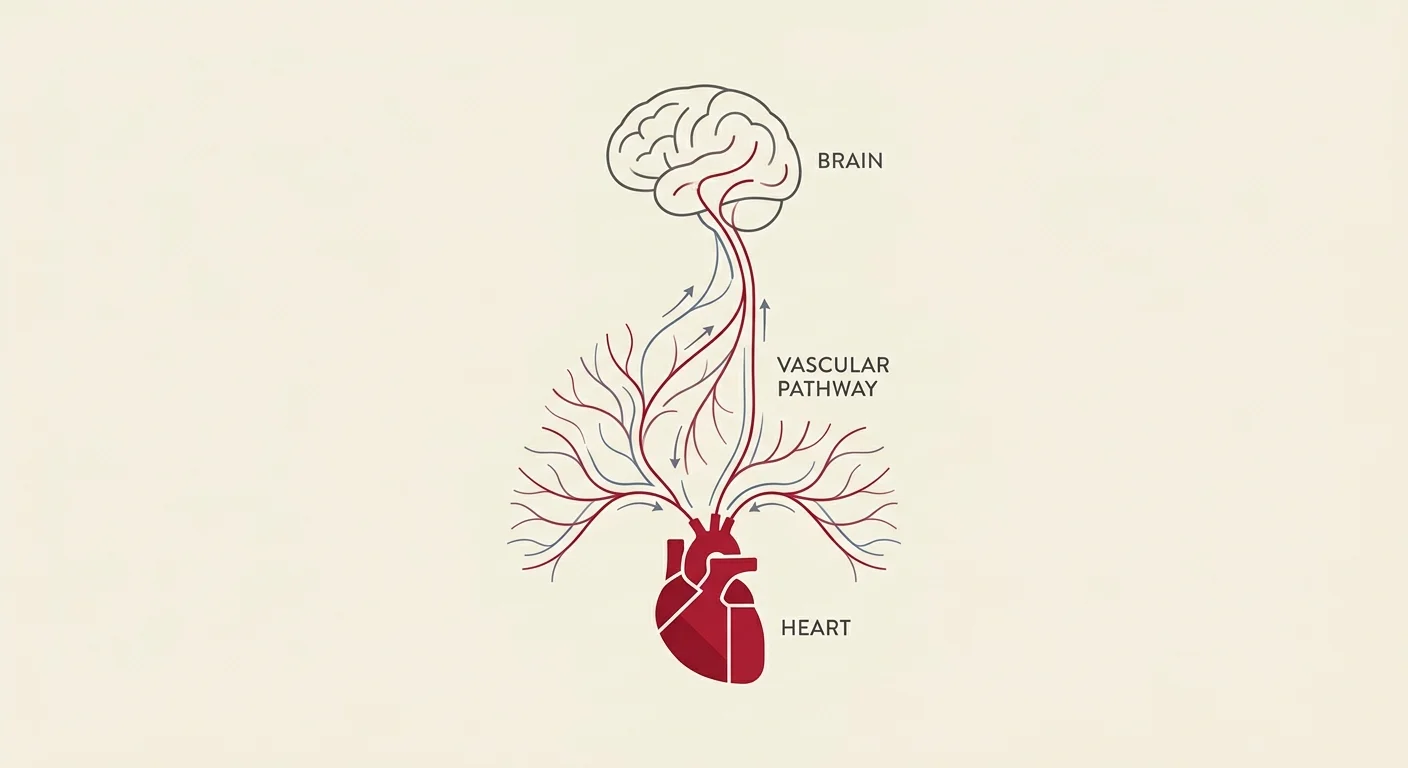
Your brain is a highly vascular organ. It requires a massive amount of oxygen and nutrients to function correctly, which it receives through a complex network of blood vessels.
Therefore, what is good for your heart is fundamentally good for your brain. If your cardiovascular system is compromised by high blood pressure, high cholesterol, or diabetes, your brain’s blood supply suffers, increasing your risk of vascular dementia and Alzheimer’s disease.
Experts at the American Heart Association note that keeping your blood pressure within a healthy range protects the delicate blood vessels in your brain from damage over time.
High blood pressure forces your heart to pump harder, which can damage the walls of your arteries and lead to tiny blockages in the brain that you might not even notice until memory issues arise.
To protect your cardiovascular health, make a habit of checking your blood pressure regularly, either at your doctor’s office or with a reliable home monitor. If you are prescribed medication for hypertension, cholesterol, or blood sugar management, take it exactly as directed.
Do not skip doses just because you feel fine. Many cardiovascular issues are “silent” but can cause long-term damage to your brain’s delicate vascular network.

02 Move Your Body Daily
Physical activity is arguably the most powerful tool you have to protect your brain. Exercise increases blood flow, reduces inflammation, and stimulates the release of special proteins that act like fertilizer for your brain cells, helping them grow and survive.
Research from the Centers for Disease Control and Prevention (CDC) highlights that regular physical activity is one of the most effective ways to maintain brain health and preserve your independence as you age.
You do not need to run marathons or lift heavy weights to reap these benefits. The key is consistency and finding activities you genuinely enjoy so you stick with them.
Aim for at least 150 minutes of moderate-intensity aerobic activity per week—that breaks down to just 30 minutes a day, five days a week.
If you have mobility issues or chronic joint pain, you still have plenty of excellent options. Consider low-impact exercises that protect your joints while getting your heart rate up:
- Brisk walking: A daily walk around your neighborhood or local park is highly effective.
- Water aerobics: The buoyancy of water takes the pressure off your hips and knees while providing excellent resistance.
- Chair yoga or seated exercises: You can build strength and flexibility safely from a seated position.
- Gardening: Raking, weeding, and planting involve squatting, lifting, and stretching, which all count as physical activity.

03 Nourish Your Brain With Smart Foods
Your diet provides the raw materials your brain uses to function, repair itself, and build new connections. A diet rich in processed foods, excess sugar, and saturated fats promotes inflammation, which accelerates cognitive decline.
On the other hand, adopting a brain-healthy eating pattern can protect your memory and thinking skills.
The MIND diet (Mediterranean-DASH Intervention for Neurodegenerative Delay) was specifically designed by researchers to help prevent dementia. It combines the most brain-protective elements of the Mediterranean diet and the DASH (Dietary Approaches to Stop Hypertension) diet.
Eating this way does not require buying expensive specialty foods; it simply focuses on prioritizing whole, nutrient-dense ingredients.
Here is a simple guide to understanding what to eat more of, and what to limit, for optimal brain health:
| Food Category | Brain-Boosting Foods (Eat Often) | Foods to Limit or Avoid |
|---|---|---|
| Vegetables | Spinach, kale, broccoli, mixed greens (aim for daily servings) | Fried vegetables, heavy cream-based vegetable casseroles |
| Fruits | Blueberries, strawberries, blackberries (rich in antioxidants) | Canned fruit in heavy syrup, fruit juices with added sugar |
| Proteins | Beans, lentils, fish (salmon, tuna), poultry | Red meat, processed meats (bacon, hot dogs, deli meats) |
| Fats | Extra virgin olive oil, walnuts, almonds, avocados | Butter, margarine, trans fats, palm oil |
| Grains | Oatmeal, quinoa, brown rice, whole wheat bread | White bread, sugary cereals, pastries, heavily processed pasta |
Eating well on a fixed income can be challenging, but it is achievable. Buy frozen berries and vegetables—they are often cheaper than fresh produce, last longer, and retain all their nutritional value.
Swap expensive cuts of meat for affordable plant-based proteins like lentils and black beans a few times a week.
04 Challenge Your Mind Regularly
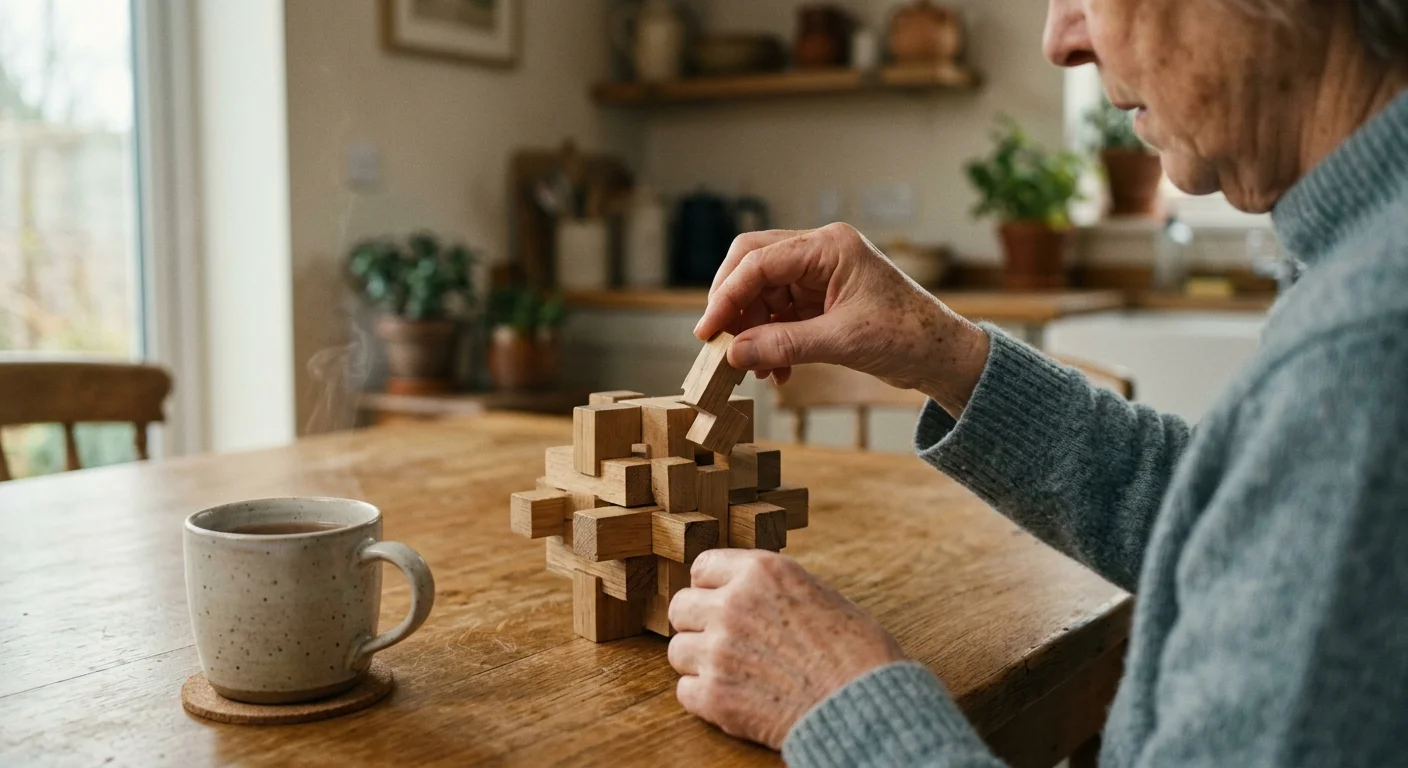
Just like your muscles, your brain operates on a “use it or lose it” principle. Engaging in mentally stimulating activities helps build that crucial cognitive reserve we discussed earlier.
By constantly challenging your brain to learn new things, you create new neural pathways. If one pathway becomes damaged by the early stages of dementia, your brain can rely on these alternative routes to function normally.
While crossword puzzles and Sudoku are fun and keep you occupied, they only train your brain to become better at crossword puzzles and Sudoku.
To truly protect your cognitive health, you need to push your brain out of its comfort zone by learning entirely new skills.
- Learn a new language: Use free apps or community center classes. You do not need to become fluent; the act of learning is what benefits the brain.
- Play a musical instrument: Taking up the piano, guitar, or even a simple recorder requires incredible coordination between your hands, eyes, and ears.
- Embrace technology: Learn how to use a new computer program, navigate a smartphone app, or engage with digital photography.
- Take a different route: Simply driving or walking a new route to the grocery store forces your brain to create a new spatial map, rather than running on autopilot.
05 Prioritize Deep, Restorative Sleep
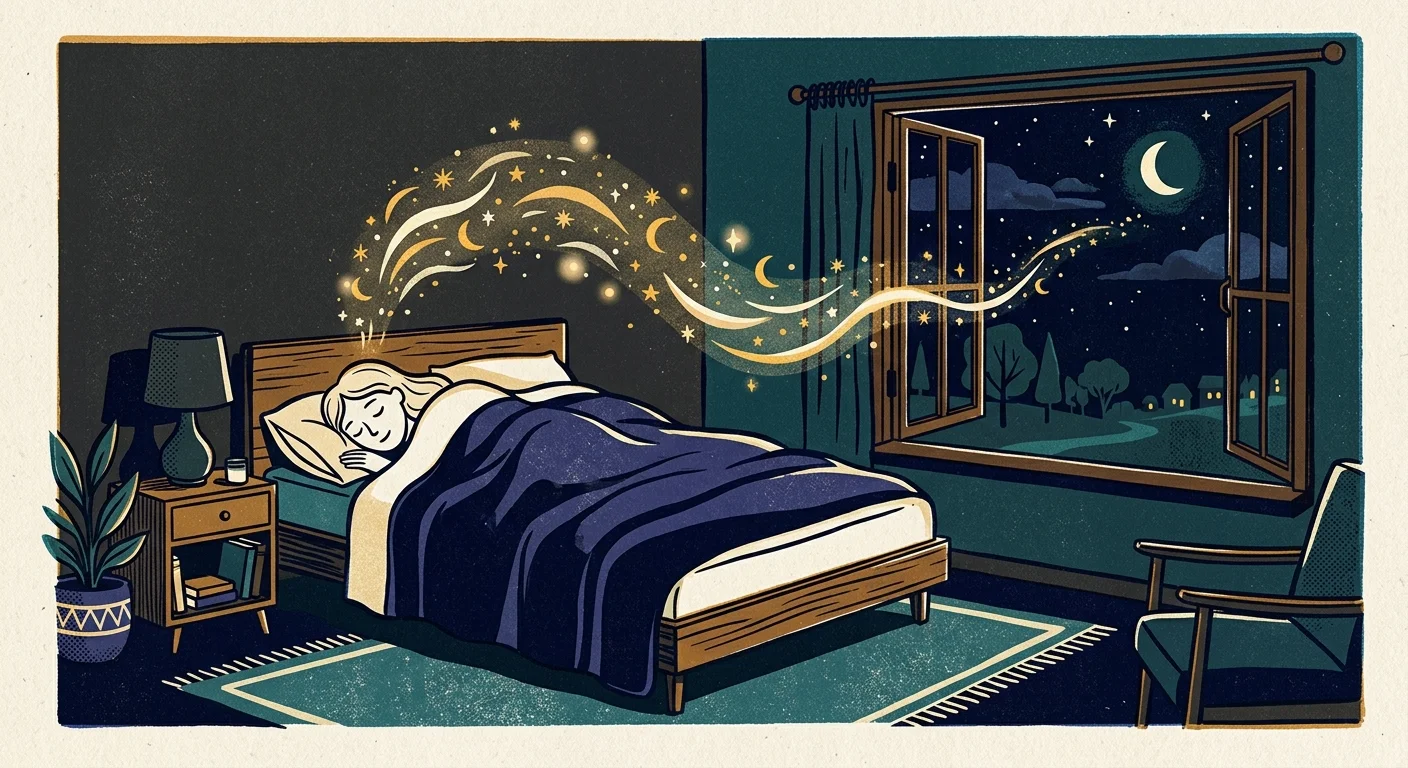
Sleep is not a passive activity; it is the time when your brain goes to work repairing itself. During deep sleep, your brain literally flushes out metabolic waste products and toxins that build up during the day.
One of these waste products is amyloid-beta, a protein that forms the plaques associated with Alzheimer’s disease.
According to the National Institute on Aging (NIA), poor sleep quality is consistently linked to a higher risk of developing dementia symptoms later in life.
If you are only getting fragmented, light sleep, your brain never gets the chance to perform this critical nightly cleaning cycle.
Many seniors struggle with sleep due to medication side effects, frequent trips to the bathroom, or chronic pain. Another major hidden culprit is sleep apnea—a condition where you briefly stop breathing multiple times a night.
Sleep apnea starves the brain of oxygen and prevents you from entering deep sleep. If you snore loudly, wake up gasping for air, or feel exhausted despite spending eight hours in bed, talk to your doctor about a sleep study.
To improve your daily sleep hygiene, try to wake up and go to bed at the exact same time every day, even on weekends. Keep your bedroom cool, dark, and strictly for sleeping.
Avoid staring at bright screens, like tablets or televisions, for at least an hour before you want to fall asleep.

06 Stay Socially Engaged
Human beings are naturally social creatures, and our brains thrive on interaction. Engaging in meaningful conversations requires immense cognitive effort—you have to listen, interpret body language, recall memories, and formulate appropriate responses in real-time.
This keeps your neural networks active and agile.
Conversely, chronic loneliness and social isolation are significant risk factors for cognitive decline. When you isolate yourself, your brain lacks stimulation, which can accelerate memory loss.
For seniors, isolation can sneak up quietly after retirement, losing a spouse, or when mobility issues make it harder to leave the house.
Protecting your social health requires proactive effort. Schedule regular phone calls or video chats with your family members and grandchildren.
Look for local senior centers, places of worship, or community groups that host regular events. Volunteering is another fantastic way to stay social while giving you a strong sense of purpose.
If transportation is an issue, many communities offer accessible transit services for seniors specifically designed to help you get to social events and appointments.

07 Address Hearing Loss Early
Hearing loss is one of the most easily correctable risk factors for dementia, yet it is frequently ignored. When you cannot hear well, your brain has to work overtime just to understand what people are saying.
This immense effort steals cognitive resources away from other important tasks, like memory and comprehension.
Furthermore, untreated hearing loss often leads to social isolation. When it becomes too exhausting to keep up with conversations in a noisy restaurant or family gathering, many seniors naturally start to withdraw from social situations, which compounds the risk of cognitive decline.
Do not let pride or the fear of looking older stop you from getting your hearing checked. Today’s hearing aids are remarkably discreet, technologically advanced, and far more effective than the devices from decades past.
If you find yourself asking people to repeat themselves, turning the television volume up to uncomfortable levels, or struggling to hear high-pitched voices, schedule an appointment with an audiologist.
Wearing hearing aids can relieve the cognitive strain on your brain and keep you comfortably engaged in your social life.

08 Reduce Alcohol and Avoid Smoking
What you put into your body has a direct impact on your brain’s cellular health. Heavy alcohol consumption over a long period can lead to brain volume loss and severe memory issues.
While a glass of wine with dinner was once widely touted as heart-healthy, current medical consensus leans toward minimizing alcohol intake.
As you age, your body processes alcohol differently, meaning even moderate drinking can increase your risk of falls, interact dangerously with your medications, and cloud your cognition.
Smoking is equally detrimental. Cigarettes introduce oxidative stress and harmful toxins into your bloodstream while simultaneously damaging your blood vessels.
This combination starves your brain of oxygen and accelerates the aging of your brain cells. The good news is that it is never too late to quit.
The moment you stop smoking, your cardiovascular system begins to repair itself, improving blood flow to your brain and reducing your risk of vascular dementia.
If you need help quitting smoking or reducing your alcohol intake, speak with your healthcare provider. They can offer practical support, connect you with support groups, and recommend safe cessation aids that will not interfere with your current medications.
Frequently Asked Questions
Is dementia completely preventable if it runs in my family?
No, there is currently no guaranteed way to completely prevent dementia, especially if you have a strong genetic predisposition. However, prevention in this context means reducing your overall risk and potentially delaying the onset of symptoms by many years.
By strictly following a healthy lifestyle, you give your brain the absolute best chance to remain sharp and resilient, minimizing the impact of your genetics.
At what age should I start worrying about dementia prevention?
You should focus on brain health at any age, but it is incredibly important to take action right now, regardless of whether you are 60, 70, or 85. The physical changes in the brain that cause dementia can begin decades before the first memory problems appear.
Fortunately, it is never too late to benefit from lifestyle changes. Eating better, moving more, and engaging socially will improve your quality of life immediately while protecting your future cognition.
Are over-the-counter memory supplements effective for preventing dementia?
Most over-the-counter memory supplements, including popular vitamins and herbal extracts like Ginkgo biloba, lack strong scientific evidence proving they prevent dementia or improve memory. Furthermore, these supplements are not strictly regulated by the FDA, meaning you cannot always be sure of what you are taking.
Instead of spending money on pills, invest in nutrient-rich foods, a comfortable pair of walking shoes, and regular medical checkups. Always consult your doctor before starting any new supplement.
How do I know the difference between normal aging and early dementia?
It is perfectly normal to occasionally forget a name, walk into a room and forget why you went there, or take a bit longer to learn a new piece of technology. These are standard signs of an aging brain.
However, dementia involves more severe disruptions to your daily life. A common way to think about it is: forgetting where you put your car keys is normal aging; forgetting what your car keys are actually used for is a warning sign.
If memory issues make it hard to manage your finances, follow a recipe you have used for years, or drive safely, you should seek a professional medical evaluation immediately.
For additional senior resources, visit
American Heart Association, Benefits.gov, National Institute on Aging (NIA) and Centers for Disease Control and Prevention (CDC).
Disclaimer: The information in this article is for educational purposes only and is not intended to be a substitute for professional financial, legal, or medical advice. Always consult with a qualified expert for advice tailored to your personal situation.





This article is very informative.