
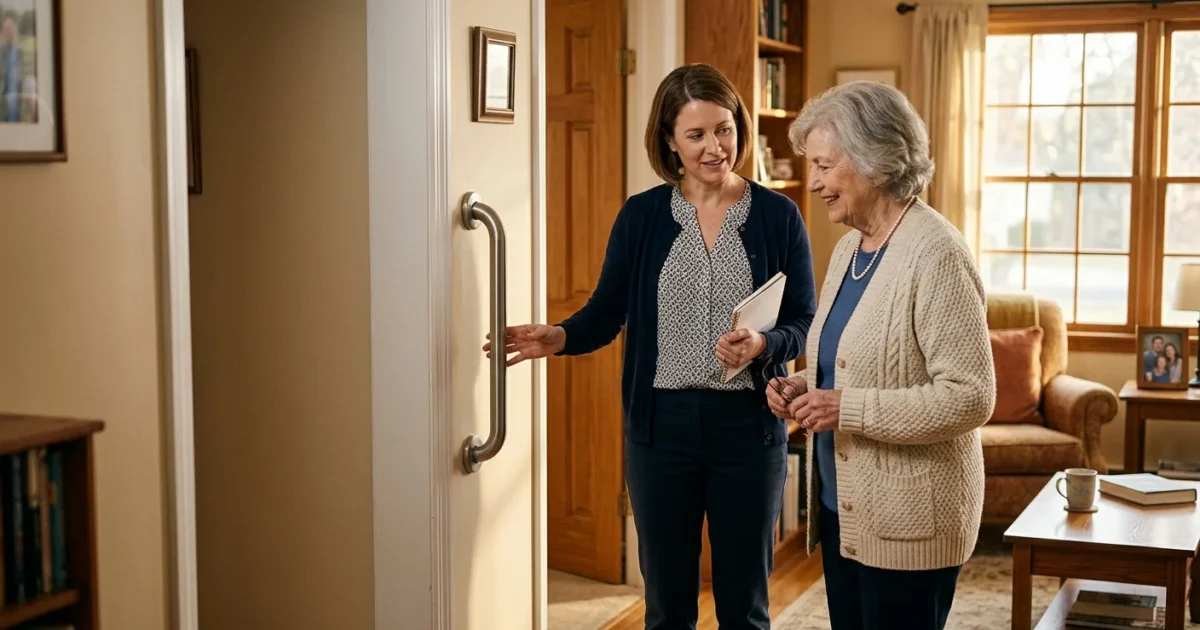
Living independently in your own home becomes much easier when your living space matches your daily mobility needs. Free home safety assessments for seniors evaluate hazards like slippery tubs, steep steps, and poor lighting—connecting you directly to no-cost modifications before an accidental fall happens. According to national health data, simple environmental adjustments dramatically reduce injury risks while keeping you comfortable in familiar surroundings. Whether you need a licensed occupational therapist to evaluate your layout or a volunteer team to install sturdy grab bars, several trusted nationwide initiatives provide thorough safety checks at zero out-of-pocket expense. You can secure these professional evaluations right now through community-based agencies, veterans programs, and healthcare partnerships.
Why In-Home Safety Evaluations Matter for Older Adults
Most older adults prefer to age in place, remaining in the comfort of their longtime residences rather than moving into assisted living facilities. However, standard home architecture rarely accommodates the physical changes that accompany aging, such as reduced visual acuity, stiff joints, and changes in balance. Simple architectural elements—a high bathtub ledge, a dimly lit hallway, or loose area rugs—can quickly turn everyday routines into serious fall hazards.
The statistical reality underscores why proactive intervention is so critical. Research from the Centers for Disease Control and Prevention (CDC) shows that more than one in four adults aged 65 and older falls each year, amounting to roughly 14 million fall incidents annually across the United States. Even more concerning, one out of every five falls causes a severe injury, such as a fractured hip or a traumatic head injury. Beyond the physical and emotional toll, non-fatal fall injuries generate over $80 billion in healthcare costs every year, with Medicare and individual households footing the bill.
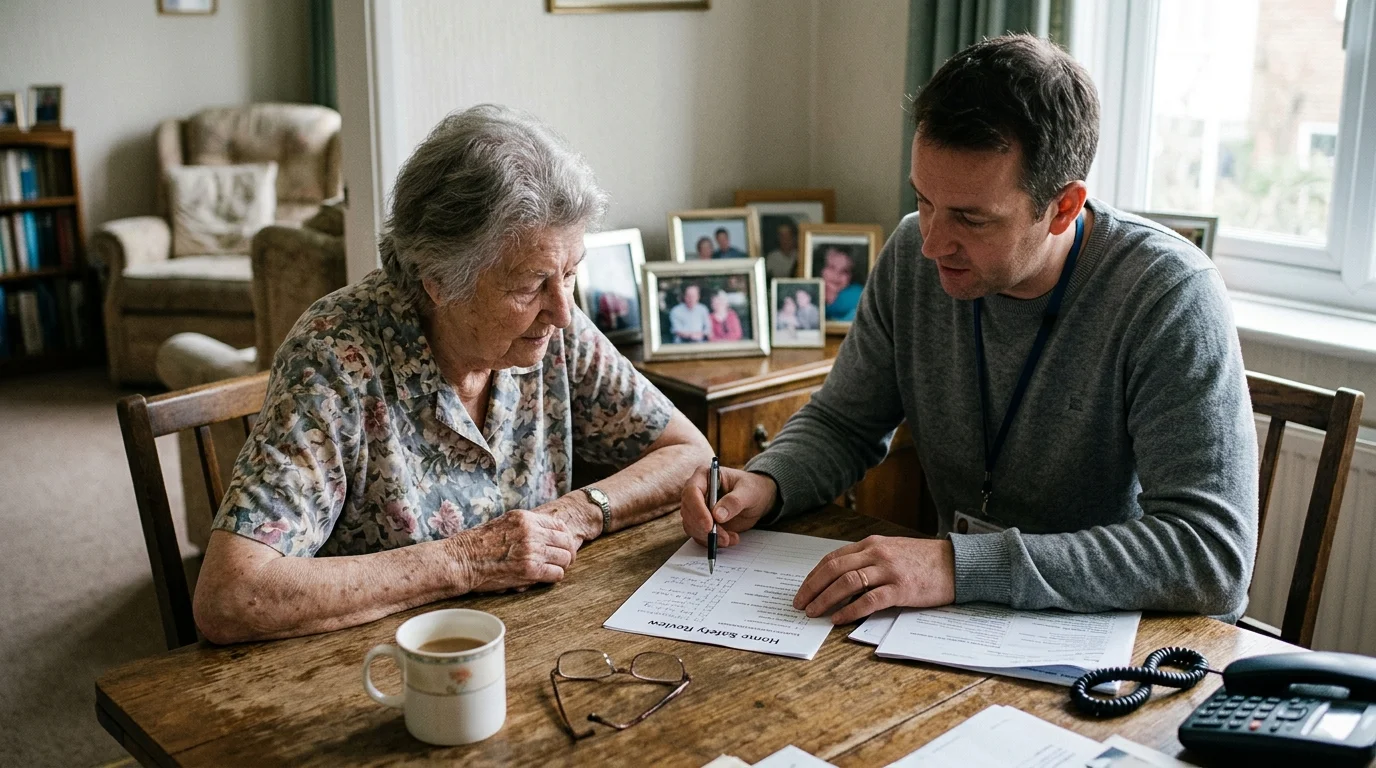
A professional home safety evaluation provides an objective, expert look at your living space. Rather than waiting for an emergency to prompt sudden, expensive lifestyle disruptions, an assessment helps you identify hidden structural risks early. Trained specialists evaluate everything from doorway thresholds to ambient lighting, recommending practical adaptations that safeguard your independence and give your loved ones lasting peace of mind.
8 Free Home Safety Assessment Programs for Seniors
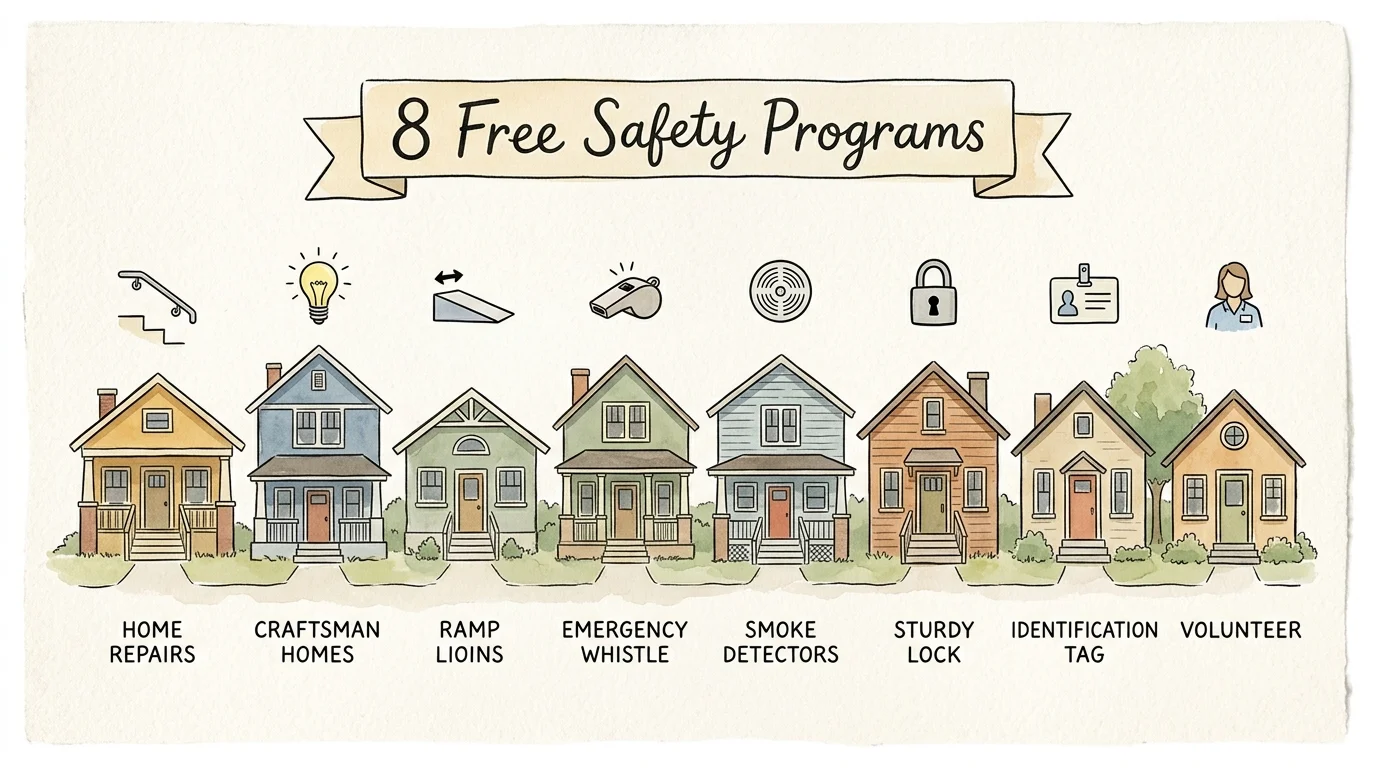
Securing a comprehensive home evaluation does not require spending thousands of dollars on private safety consultants. Numerous government agencies, non-profit organizations, and healthcare plans provide free aging in place safety evaluation services and subsidized modification programs. Here are eight reputable programs designed to help you live safely at home.
1. Area Agencies on Aging (AAA) Safety Screenings
Established under Title III of the federal Older Americans Act, more than 600 local Area Agencies on Aging operate across the United States. These community organizations serve as local hubs for adults aged 60 and older, offering supportive services that promote healthy, independent living. Many AAAs maintain dedicated fall-prevention initiatives that include free home safety assessments for seniors conducted by case managers, registered nurses, or occupational therapists.
During an AAA evaluation, a specialist visits your residence to inspect high-risk areas, test smoke detectors, and assess personal mobility challenges. Depending on local agency funding and your income level, your local AAA can often arrange and fund minor home modifications—such as installing grab bars, handheld showerheads, and non-skid stair treads—at zero cost to you. You can connect with your regional office through the Eldercare Locator, a public service supported by the federal government.
2. Rebuilding Together’s “Safe at Home” Program
Rebuilding Together is a national non-profit housing organization dedicated to repairing homes for low-income seniors, veterans, and individuals with disabilities. Their signature “Safe at Home” initiative focuses specifically on fall prevention, home accessibility, and environmental hazard reduction. In fact, approximately 76% of the households served by Rebuilding Together nationwide include an adult aged 65 or older.
The organization uses a standardized framework known as the 25 Safe and Healthy Housing Priorities to inspect your residence. Trained assessment teams check for structural stability, fire safety, water quality, and trip hazards. Following the evaluation, volunteer teams and licensed trade professionals carry out necessary repairs, install wheelchair ramps, repair broken handrails, and enhance interior illumination—completely free of charge for qualifying homeowners.
3. Habitat for Humanity Aging in Place Evaluations
While widely known for constructing new houses, Habitat for Humanity also operates specialized Aging in Place programs through hundreds of local affiliates. This program helps older adults remain comfortably in their existing homes by pairing professional structural assessments with customized home preservation services.
Habitat specialists evaluate critical architectural barriers that threaten independence. They look closely at outdoor access points, bathroom fixtures, and kitchen layouts. Based on the findings, local affiliates complete critical home repairs, which may include widening doorways to accommodate walkers, constructing exterior zero-step ramps, and converting inaccessible bathtubs into walk-in showers. Services are delivered either for free or on a sliding-scale fee tied to household income.
4. Johns Hopkins CAPABLE Program Collaboratives
The Community Aging in Place—Advancing Better Living for Elders (CAPABLE) program is an evidence-based model developed by researchers at the Johns Hopkins School of Nursing. Unlike traditional assessment initiatives, CAPABLE utilizes an intensive, interdisciplinary team consisting of an Occupational Therapist (OT), a Registered Nurse (RN), and a licensed handy worker over a four-to-five-month period.
The process begins with thorough in-home functional assessments where the OT and RN evaluate your physical capacity, medication routines, and daily personal goals. The handy worker then implements targeted, customized modifications based on those direct clinical recommendations—such as lowering kitchen shelving, adjusting stair railing heights, or improving task lighting. Health policy studies demonstrate that the CAPABLE model delivers an impressive return on investment of more than 6-to-1; an average investment of roughly $3,000 in home safety adjustments yields more than $22,000 to $30,000 in medical savings by preventing traumatic falls and emergency room visits. CAPABLE is delivered through local health systems, housing agencies, and participating non-profits nationwide.
5. VA Home Safety Evaluations and Structural Grants
If you are a U.S. military veteran enrolled in the Department of Veterans Affairs (VA) healthcare system, you have access to specialized clinical home safety evaluations and generous adaptation grants. A VA occupational therapist or physical therapist will conduct a detailed in-home or telehealth evaluation to identify structural modifications necessary for your daily mobility.
Following the assessment, eligible veterans can access multiple grant opportunities administered by the VA:
- Home Improvements and Structural Alterations (HISA) Grant: Provides up to $6,800 for service-connected disabilities (or veterans rated 50% or more disabled) and up to $2,000 for non-service-connected conditions to fund walk-in tubs, entrance ramps, and widened doorways.
- Specially Adapted Housing (SAH) Grant: Offers up to $126,526 for veterans with severe, permanent service-connected mobility impairments to build or significantly remodel an accessible primary residence.
- Special Home Adaptation (SHA) Grant: Delivers up to $25,350 for veterans with qualifying anatomical or visual disabilities to improve mobility throughout their living quarters.
6. Medicare Advantage In-Home Safety Assessment Benefits
Under Original Medicare Part B, an in-home safety evaluation performed by a licensed occupational therapist is covered as an outpatient therapy benefit when prescribed by a medical doctor. However, beneficiaries remain responsible for a 20% coinsurance payment after meeting their annual Part B deductible unless they carry supplemental Medigap insurance.
In contrast, many private Medicare.gov Advantage (Part C) plans now provide annual in-home safety assessments as an expanded supplemental benefit with a $0 copayment. Through these plan-sponsored checks, a visiting clinician evaluates your home environment and functional balance. Many Medicare Advantage policies also provide annual financial allowances—often ranging from $500 to $1,500—to pay for covered bathroom grab bars, non-slip flooring materials, and bedside transfer handles.
7. Municipal Fire Department and EMS Life-Safety Checks
Local municipal fire departments and Emergency Medical Services (EMS) agencies across the country run community risk-reduction programs targeted directly at older residents. Because first responders frequently witness the devastating consequences of household falls and smoke inhalation, they offer preventive in-home checks at no cost.
During a life-safety check, firefighters or certified community paramedics inspect your home for electrical overloads, clear exit routes, and obvious trip hazards such as curled carpet edges and extension cords. As part of this service, many departments install free 10-year sealed lithium-battery smoke alarms and carbon monoxide detectors, while also replacing dead batteries in existing units to ensure your safety in an emergency.
8. USDA Rural Development Section 504 Home Repair Evaluations
Seniors residing in rural communities often face unique challenges finding accessible home modification contractors. The U.S. Department of Agriculture (USDA) addresses this need through the Section 504 Home Repair program, which provides direct grants to very-low-income rural homeowners aged 62 and older.
The application process includes a government-supervised property evaluation to pinpoint structural deficiencies, health hazards, and accessibility deficits. Qualifying seniors can receive lifetime repair grants of up to $10,000 (or up to $15,000 in federally declared disaster areas). Because these funds are outright grants rather than loans, you do not need to repay them as long as you occupy the property for at least three years following completion of the repairs. You can explore eligibility standards and regional USDA office locations through Benefits.gov.
What to Expect During a Professional Home Assessment
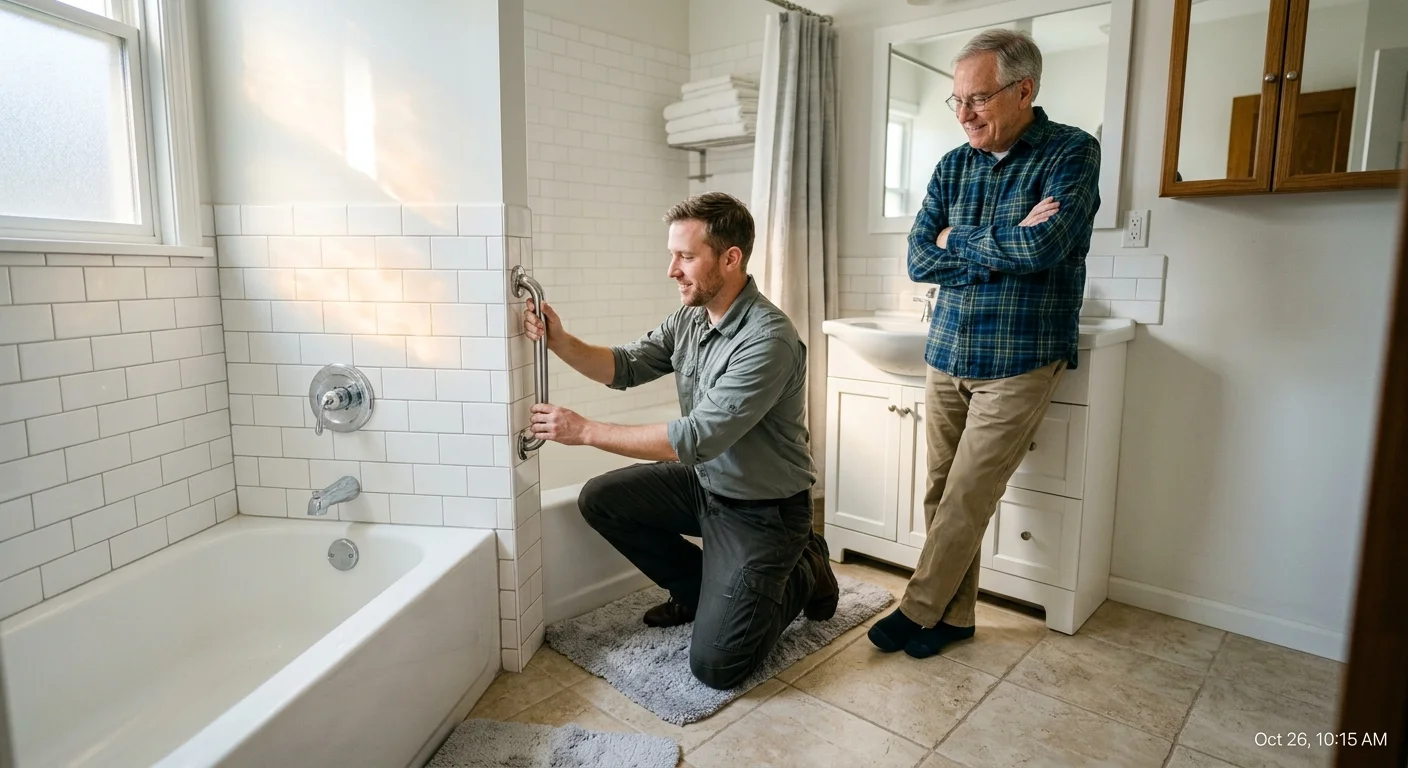
Understanding what occurs during a professional fall prevention home assessment can help alleviate any anxiety you may feel about inviting an evaluator into your personal space. Evaluators are not building code inspectors looking to penalize you; rather, they are caring specialists focused on making your daily routine easier and safer.
A comprehensive home safety evaluation typically takes between 60 and 90 minutes. During this time, the specialist conducts a systematic room-by-room walkthrough alongside you, focusing on the following critical zones:
- Exterior Approaches and Entryways: The evaluator examines driveway grading, walkway crack hazards, porch step rise, outdoor handrail stability, and exterior lighting from your vehicle to the front door.
- Foyers and Hallways: Assessors verify that walking paths remain at least 36 inches wide, check for transition strips between different flooring materials, and ensure light switches are accessible from entrance doorways.
- Bathrooms: Because over 70% of in-home fall injuries occur in bathrooms, evaluators closely examine tub step-over heights, toilet seat height, shower floor slip resistance, and the structural integrity of wall framing for grab bar installation.
- Kitchens: The check focuses on reach zones for everyday cookware, counter heights, task lighting over food preparation areas, and safe placement of major appliances.
- Bedrooms and Staircases: Specialists review mattress heights for safe sit-to-stand transfers, path clearance to the bathroom for nighttime navigation, stair tread depth, and dual-sided handrail availability.
- Functional Mobility Assessment: Many occupational therapists will observe how you move within your space—such as getting out of your favorite armchair, walking with your cane or walker, and retrieving items from cupboards—to tailor adjustments specifically to your physical habits.
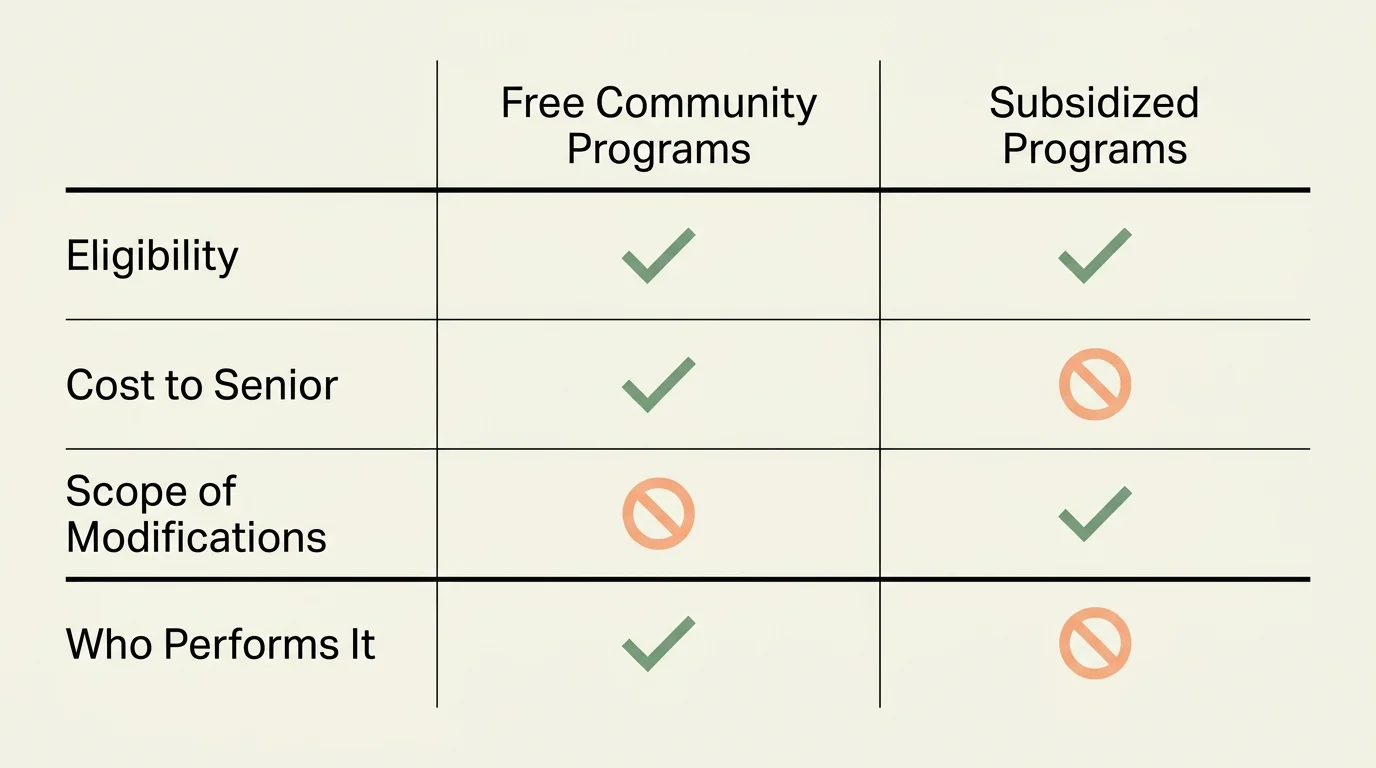
Comparison of Free and Subsidized Senior Safety Programs
The following table provides a quick overview of the top home safety assessment programs, highlighting key eligibility criteria, service providers, and potential modification funding to help you find the right fit for your situation.
| Program Name | Primary Eligibility | Assessor Type | Modification Assistance Available? |
|---|---|---|---|
| Area Agencies on Aging (AAA) | Adults aged 60+ (varies by region) | Case Managers / OTs | Yes; minor repairs and safety hardware |
| Rebuilding Together | Low-income seniors, veterans, disabled | Certified Construction Specialists | Yes; extensive repairs, ramps, grab bars |
| Habitat for Humanity (Aging in Place) | Income-qualified older homeowners | Habitat Construction Leads / OTs | Yes; subsidized ramps, bathroom remodels |
| Johns Hopkins CAPABLE | Low-income older adults with daily living limits | OT + RN + Handy Worker Team | Yes; up to ~$1,300 in targeted labor and parts |
| VA HISA / SAH / SHA Grants | Eligible U.S. Veterans enrolled in VA health | VA Occupational / Physical Therapists | Yes; grants from $2,000 up to $126,526 |
| Medicare Advantage Supplemental Plans | Enrolled plan members | Contracted Nurses or Allied Clinicians | Yes; annual safety allowances ($500–$1,500) |
| Local Fire Departments & EMS | All community seniors (no income test) | Firefighters / Community Paramedics | Smoke alarms, CO alarms, minor hazards only |
| USDA Section 504 Grants | Homeowners aged 62+ in qualifying rural zones | USDA Construction Analysts | Yes; lifetime grants up to $10,000–$15,000 |
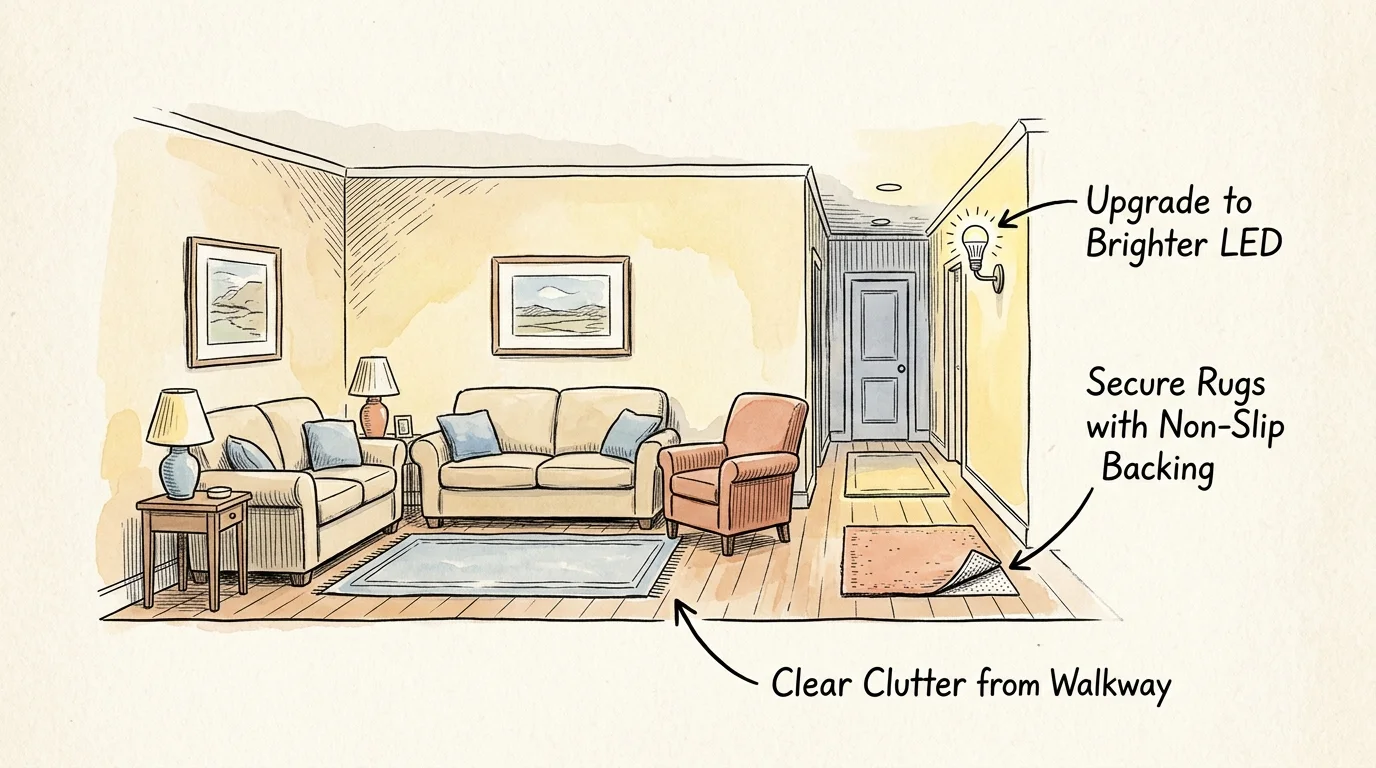
Immediate Room-by-Room Safety Adjustments You Can Make Today
While you wait for your scheduled senior home safety check programs to take place, you can take immediate action to eliminate the most common household hazards. Many effective fall prevention strategies require no specialized tools and cost virtually nothing to implement.
Take an afternoon to review your living environment against this actionable room-by-room checklist:
- Clear All Walkways: Remove throw rugs and runner carpets entirely, or secure them firmly to the subfloor with heavy-duty double-sided rug tape. Keep electrical cords, charging cables, and telephone wires tucked neatly along baseboards away from walking paths.
- Boost Lighting Levels: Replace dim incandescent light bulbs with bright, energy-efficient LED bulbs (aim for 800 to 1,100 lumens). Place motion-activated, plug-in nightlights in hallways, stairwells, and the path connecting your bed to the bathroom.
- Reorganize Kitchen Cabinets: Relocate heavy pots, pans, canned goods, and everyday dishes to waist-high shelves. Storing frequently used items between knee and shoulder level prevents risky bending and eliminates the temptation to climb onto unstable step stools.
- Secure the Bathroom: Place a textured, rubberized non-slip mat inside the bathtub or shower stall. Never rely on towel bars or soap dishes to support your body weight when standing; until permanent grab bars are installed, place a sturdy shower chair inside the stall.
- Eliminate Clutter: Clear magazines, storage boxes, shoes, and pet toys from high-traffic zones and stairways. Ensure all stair steps have clean, slip-resistant surfaces and that banisters remain tightly bolted to wall studs.
- Keep Communications Accessible: Keep a cordless phone, mobile phone, or medical alert pendant within arm’s reach of your bed and favorite sitting chair so you can summon help immediately if an unexpected emergency occurs.
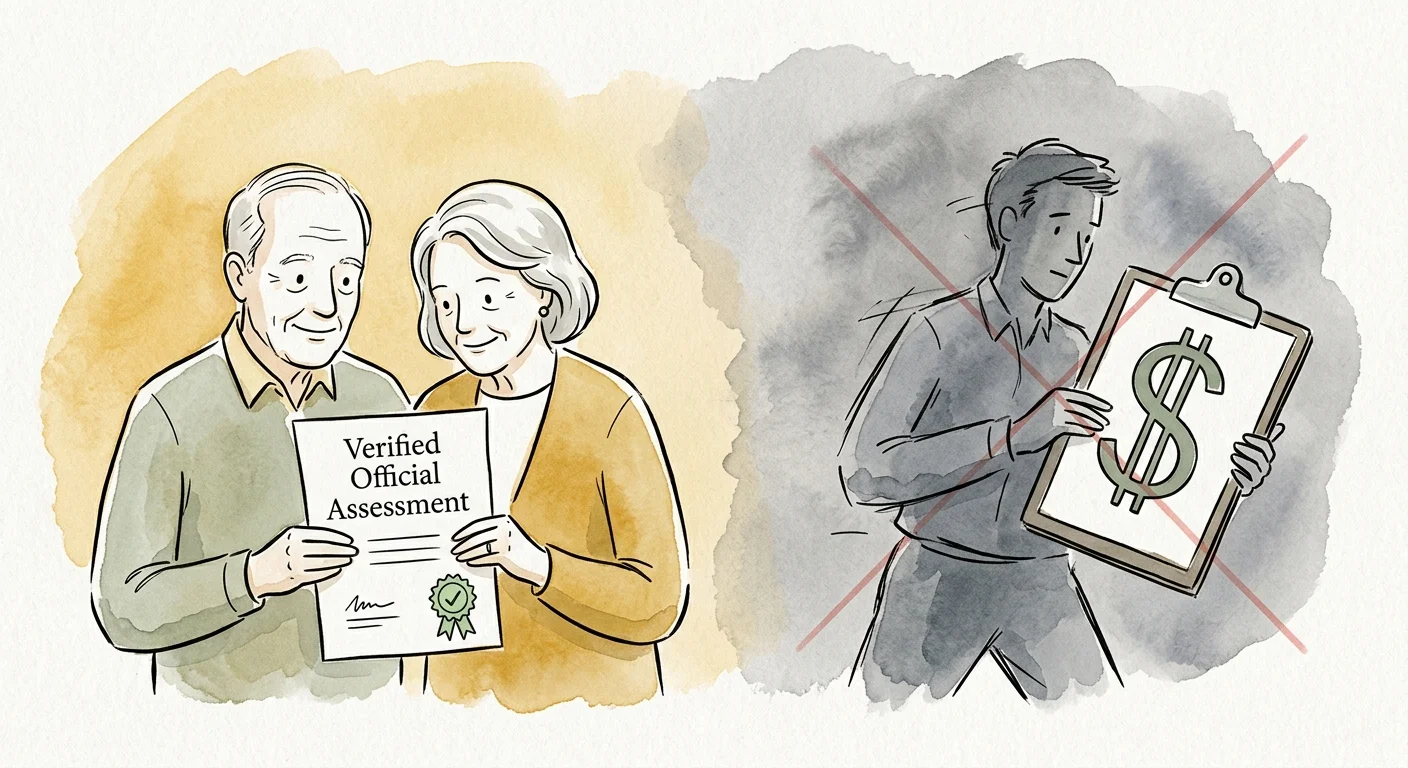
How to Avoid Contractor Scams and Assessment Pitfalls
Unfortunately, predatory contractors and dishonest individuals frequently target older homeowners under the guise of safety inspections. Unscrupulous operators may claim your home has severe structural defects, pressuring you into signing expensive, unnecessary repair contracts. Protecting yourself requires staying alert to warning signs and adhering to established verification procedures.
Keep these critical safety rules in mind whenever evaluating a home safety service:
- Beware of Unsolicited Door-to-Door Offers: Legitimate non-profit and government safety programs never show up unannounced at your front door demanding entry or claiming they were “in the neighborhood doing free inspections.” Authentic programs operate strictly by appointment upon your direct request.
- Never Pay for “Free” Government Grants: Any contractor or caller claiming you must pay an upfront processing fee, application charge, or administrative deposit to access a federal safety grant is attempting to defraud you. Legitimate government grants through the VA, USDA, or Administration for Community Living (ACL) never require upfront payments from applicants.
- Verify Credentials and Affiliations: If a representative claims to represent an Area Agency on Aging, Rebuilding Together, or Habitat for Humanity, ask for official photo identification. Call the organization’s verified local office phone number to confirm the individual’s appointment before unlocking your door.
- Refuse High-Pressure Sales Tactics: Never sign a contract, waiver, or financing agreement on the spot. Take your time to review all written estimates with a trusted family member, attorney, or case manager. Legitimate programs gladly give you written documentation and encourage second opinions.
- Ensure Proper Licensing and Insurance: When home modifications require skilled trade labor, verify that the contractor carries active general liability insurance, workers’ compensation coverage, and appropriate municipal trade licenses.
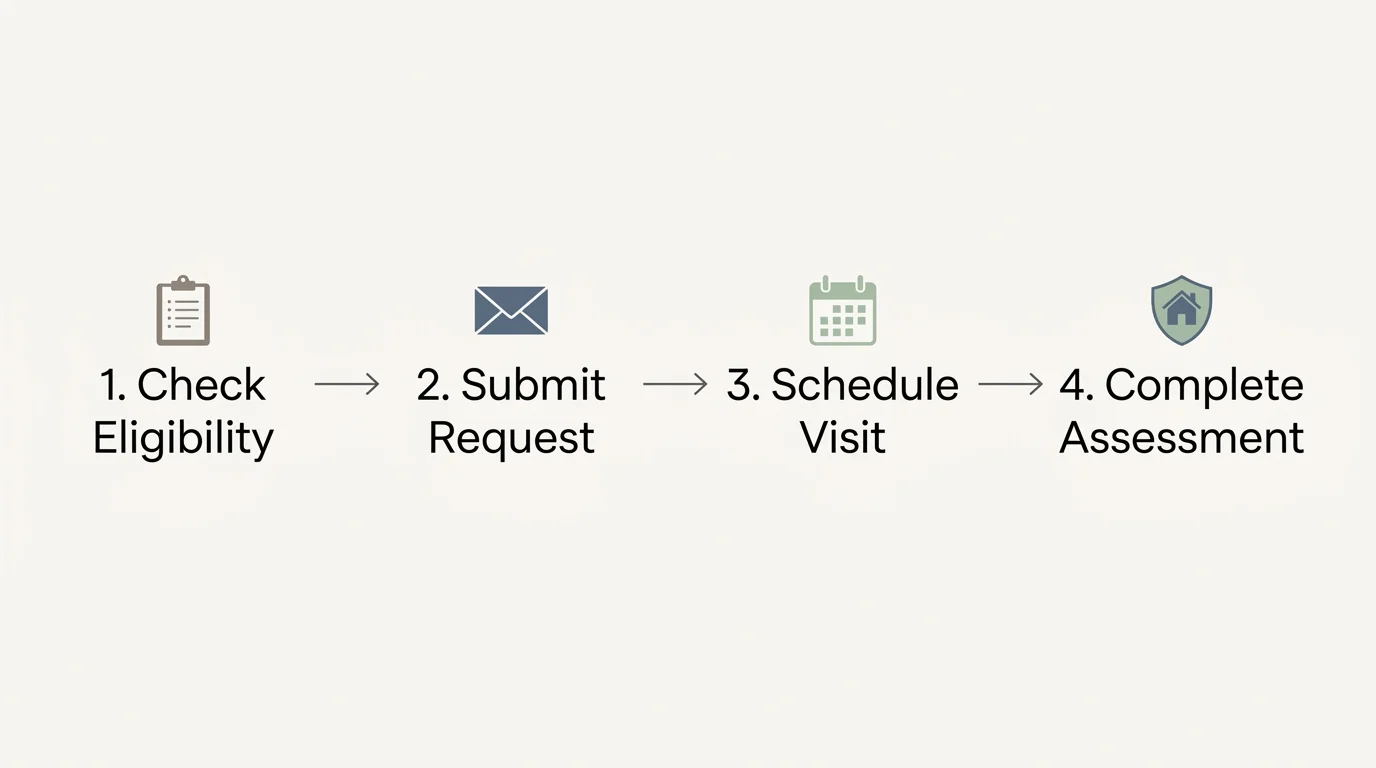
Step-by-Step Guide to Requesting Your Free Assessment
Securing a free home safety evaluation involves a straightforward process when you know where to start. Follow this structured roadmap to arrange an assessment and prepare your household for the visit.
- Identify Your Best-Fit Program: Review your household characteristics. If you are a veteran, start with your VA primary care team. If you reside in a rural community, contact your local USDA Rural Development office. For all other seniors, begin by reaching out to your regional Area Agency on Aging or local Rebuilding Together affiliate.
- Gather Essential Documentation: Many subsidized modification programs verify eligibility using specific records. Assemble copies of your government-issued photo ID (driver’s license or state ID card), proof of household income (Social Security award letters, pension statements, or tax returns), homeowner deed or lease agreement, and relevant medical discharge papers if applying through the VA.
- Submit Your Intake Application: Contact the chosen organization by phone or through their official website. Explain that you are requesting a comprehensive fall prevention and home accessibility evaluation. Clearly mention any recent changes in your mobility, balance issues, or past fall incidents to help staff prioritize your request.
- Prepare a List of Daily Mobility Concerns: Before the assessor arrives, write down specific difficulties you experience during typical daily routines. Do you struggle stepping over the bathtub ledge? Is the basement stairway too dark? Does getting out of your easy chair leave you feeling lightheaded? Sharing these specific observations helps the evaluator tailor their recommendations to your exact lifestyle.
- Have a Support Person Present: Whenever possible, invite a trusted family member, neighbor, or caregiver to attend the assessment walkthrough. Having an extra set of ears ensures you capture all expert advice, review recommendations accurately, and make informed choices regarding proposed home adjustments.
Frequently Asked Questions
Does Original Medicare cover the full cost of a home safety assessment?
Original Medicare Part B covers in-home safety assessments performed by a licensed physical or occupational therapist when prescribed by your doctor as medically necessary. However, Part B covers 80% of the approved amount after you meet your annual deductible; you remain responsible for the remaining 20% coinsurance unless you have a supplemental Medigap plan. If you want a 100% free assessment without coinsurance, check your Medicare Advantage supplemental benefits or contact your local Area Agency on Aging.
What is the difference between a home safety evaluation and a home inspection?
A standard real estate home inspection assesses the operational condition of structural systems, roofing, plumbing, and electrical panels for property purchase transactions. In contrast, a senior home safety evaluation focuses specifically on human mobility, environmental fall hazards, lighting sufficiency, and accessibility barriers to ensure the resident can navigate the home safely without injury.
Can renters qualify for free home safety assessments and modifications?
Yes. Renters can receive free safety assessments through Area Agencies on Aging, the CAPABLE program, and municipal fire departments. However, before any physical structural modifications—such as installing wall-anchored grab bars or building an exterior wheelchair ramp—take place, you must obtain written authorization from your landlord. Under the Fair Housing Act, landlords must permit reasonable physical modifications for disabled residents, though they may require the tenant to restore the unit upon moving out.
How long does an in-home safety evaluation usually take?
A standard in-home evaluation generally takes between 60 and 90 minutes. This timeframe allows the specialist to conduct a comprehensive room-by-room inspection, test safety equipment, observe your daily functional mobility, and discuss practical recommendations with you and your family.
What should I do if a local program has a long waiting list?
Because demand for free home modification programs is high, waiting lists can span several months. If you face a delay, immediately implement zero-cost DIY changes: remove throw rugs, replace dim light bulbs with bright LEDs, and rearrange kitchen items to waist-level shelves. Simultaneously, contact your local fire department for immediate smoke alarm and basic hazard checks, and ask your primary care physician for an outpatient physical or occupational therapy referral for a clinical mobility review.
For additional senior resources, visit
National Institute on Aging (NIA), Centers for Disease Control and Prevention (CDC) and Medicare.gov.
Disclaimer: The information in this article is for educational purposes only and is not intended to be a substitute for professional financial, legal, or medical advice. Always consult with a qualified expert for advice tailored to your personal situation.







Leave a Reply