

A chest infection can threaten your independence and physical stamina much faster than a standard cold. Recognizing early warning signs protects your vitality and helps you avoid serious hospital stays.
Older adults frequently experience subtle, atypical symptoms rather than the classic high fevers seen in younger people. Learning what to watch for allows you to seek timely medical care before complications develop.
This guide outlines twelve critical symptoms of chest infections in seniors and provides practical recovery strategies. You will find clear steps to protect your lungs and maintain your overall wellness.
In this guide9 sections
- Understanding Chest Infections in Older Adults
- 12 Critical Symptoms of Chest Infections in Seniors
- Why Senior Symptoms Differ from Younger Adults
- Diagnostic Tests: What to Expect at the Clinic
- Chest Infection Treatment and Medication Safety
- Safe Home Care and Rebuilding Lung Strength
- Prevention: Vaccines and Daily Respiratory Protection
- When to Seek Immediate Emergency Care
- Frequently Asked Questions
Understanding Chest Infections in Older Adults
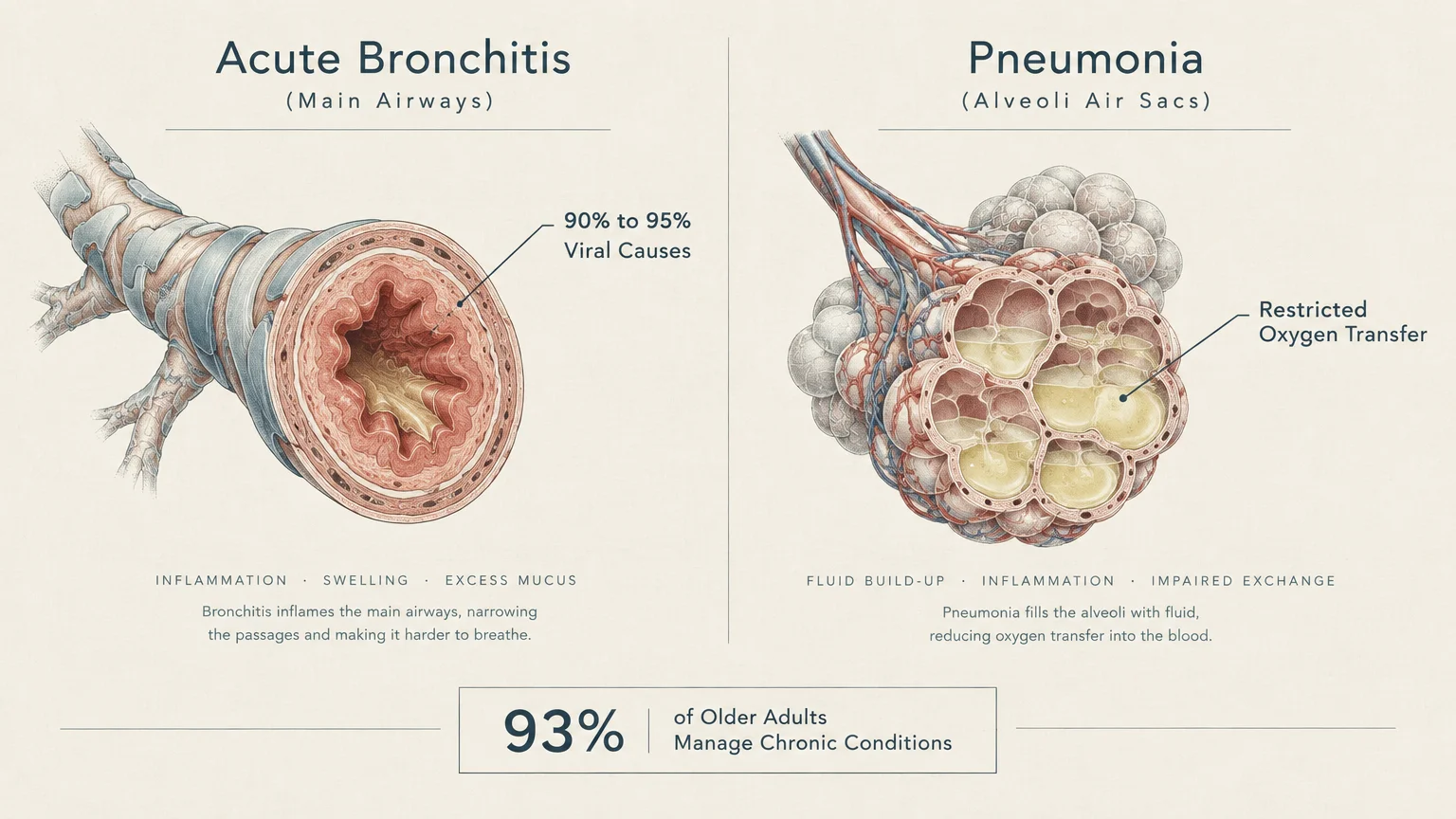
A chest infection affects your airways or your lung tissue. The two most frequent forms are acute bronchitis and pneumonia.
Acute bronchitis inflames the bronchial tubes, which carry air into your lungs. Viruses cause the vast majority of bronchitis cases, creating temporary swelling and excess phlegm.
Pneumonia reaches deeper into your lung tissue and inflames the microscopic air sacs known as alveoli. Fluid and inflammatory cells fill these air sacs, restricting oxygen from entering your bloodstream.
According to Centers for Disease Control and Prevention (CDC), influenza and pneumonia consistently rank among the top twelve causes of death in the United States.
Furthermore, 93% of adults aged 65 and older manage at least one chronic health condition. Preexisting conditions like heart disease or diabetes make fighting respiratory infections considerably more difficult.
Another serious concern for older adults is aspiration pneumonia. This develops when food particles, saliva, or liquids accidentally slip into the windpipe instead of the esophagus.
Age-related swallowing difficulties, often called dysphagia, significantly elevate this risk for older adults. Once foreign matter settles in delicate lung tissue, bacterial infections can take hold rapidly.
Understanding the distinction between airway inflammation and deep lung infection guides your medical care. The following comparison highlights key differences between bronchitis and pneumonia in seniors.
| Feature | Acute Bronchitis | Pneumonia |
|---|---|---|
| Infection Site | Main airways (bronchial tubes) | Deep lung air sacs (alveoli) |
| Primary Cause | Viruses in 90% to 95% of cases | Bacteria, viruses, or fungi |
| Common Cough | Nagging cough, often dry then productive | Deep, wet cough with thick phlegm |
| Oxygen Impact | Rarely causes severe blood oxygen drops | Frequently lowers oxygen saturation |
| Medical Urgency | Managed with outpatient supportive care | Requires immediate physician evaluation |
While acute bronchitis usually resolves with rest, pneumonia represents a serious medical issue for seniors. You should never dismiss lingering respiratory changes as a harmless seasonal annoyance.
12 Critical Symptoms of Chest Infections in Seniors
Seniors often display different illness patterns than younger adults. Recognizing the following twelve chest infection symptoms seniors experience allows you to take decisive action early.
1. Persistent or Worsening Cough
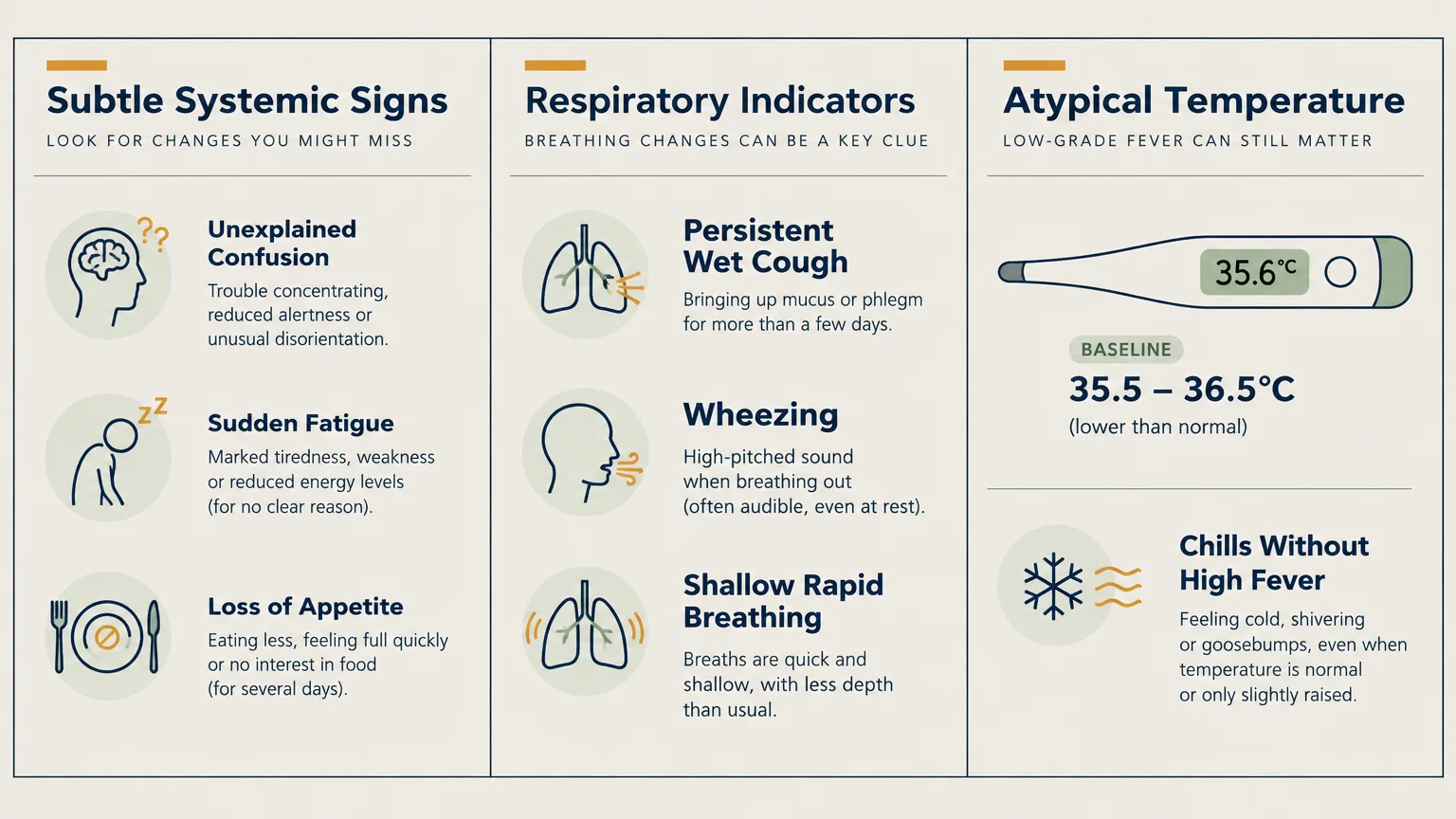
A lingering cough is one of the most visible indicators of a developing respiratory infection. It may begin as a dry, tickling irritation before turning into a deep, chesty cough.
Pay close attention if your cough lasts more than ten days or worsens after brief improvement. Severe coughing fits strain chest muscles and disrupt essential nighttime sleep.
Keep a daily log of when you cough and whether you bring up any phlegm. Sharing these details helps your doctor determine if the infection involves your bronchial tubes or your lungs.
2. Shortness of Breath (Dyspnea)
Feeling winded during routine tasks signals that your lungs cannot keep up with oxygen demand. Walking to your kitchen or folding laundry should never leave you gasping for breath.
Shortness of breath occurs when inflammatory fluid crowds your lung tissue and blocks normal gas exchange. You might notice yourself pausing mid-sentence to take extra breaths while speaking.
If breathlessness occurs while sitting quietly in a chair, treat it as a serious warning sign. Labored resting breathing requires prompt medical evaluation from a healthcare professional.
3. Sudden Confusion or Delirium
Acute confusion is often among the earliest pneumonia signs seniors demonstrate. Family members and caregivers frequently mistake this sudden mental cloudiness for ordinary forgetfulness or advancing dementia.
According to National Institute on Aging (NIA), delirium in older adults frequently stems from underlying physical infections. Reduced oxygen levels and systemic inflammation directly impair cognitive function.
You might observe sudden disorientation regarding the day of the week, familiar surroundings, or recent conversations. Any rapid shift in mental alertness warrants an immediate call to your doctor.
4. Abnormally Low Body Temperature (Hypothermia)
Younger individuals typically generate high fevers when battling respiratory bugs, but older bodies react differently. Aging immune systems often fail to raise body temperature during acute infections.
Instead of spiking a fever, seniors frequently experience an unexpected temperature drop below 96.8 degrees Fahrenheit. Doctors consider this hypothermic response a serious sign of systemic illness.
Check your temperature with an accurate digital thermometer whenever you feel unusually chilled or sluggish. Report any subnormal reading to your physician without delay.
5. Severe Fatigue and Muscle Weakness
Profound exhaustion that prevents you from completing basic daily routines is another key warning sign. Your body redirects immense amounts of energy toward fighting invading pathogens.
This sudden lethargy often makes simple tasks like dressing or preparing breakfast feel insurmountable. You may feel an overwhelming urge to stay in bed all day.
Never ignore uncharacteristic weakness that persists for more than twenty-four hours. Such profound exhaustion usually indicates that your body needs medical intervention to recover.
6. Chest Discomfort or Pleuritic Pain
A sharp, stabbing sensation that intensifies when you inhale deeply or cough points toward inflamed lung membranes. Medical professionals describe this specific discomfort as pleuritic chest pain.
Inflamed tissues rub against your chest wall, creating discomfort every time your lungs expand. The pain may localize to one side of your ribcage or back.
Always distinguish pleuritic pain from cardiac discomfort, which often feels like crushing pressure or tightness. If chest pain radiates to your neck, shoulder, or jaw, seek emergency assistance immediately.
7. Changes in Mucus Color and Consistency
Healthy airways produce small amounts of thin, clear secretions to trap airborne dust. During a chest infection, mucus production surges and changes texture dramatically.
Coughing up thick, sticky phlegm colored dark yellow, green, or rusty brown indicates active infection. The dark coloration stems from white blood cells and cellular debris fighting the microbes.
Take note of the color and thickness of your sputum each morning. If you spot traces of blood or reddish streaks, contact your doctor right away.
8. Loss of Appetite and Poor Fluid Intake
Chest infections commonly suppress your appetite and alter your sense of taste and smell. You may find yourself skipping meals and showing no interest in favorite foods.
Reduced food intake often leads to inadequate fluid consumption, creating dangerous dehydration. Dehydration thickens lung mucus, making it much harder to cough up secretions.
Watch for dry lips, a parched mouth, dizziness upon standing, and concentrated dark urine. Sipping fluids throughout the day is critical to keep airways moist and functional.
9. Rapid Breathing (Tachypnea)
When lungs struggle to transfer oxygen into the bloodstream, your body compensates by speeding up respiration. You may breathe fast without even realizing your respiratory rate has increased.
A healthy adult takes roughly twelve to twenty breaths per minute at rest. Taking more than twenty-four shallow breaths per minute while resting indicates respiratory strain.
Ask a family member or caregiver to count your chest rises for sixty seconds while you rest quietly. Share an elevated breathing rate with your doctor immediately.
10. Elevated Resting Heart Rate (Tachycardia)
An infection puts significant physical stress on your cardiovascular system. Your heart beats faster to pump limited oxygen to your vital organs and brain.
A resting heart rate consistently exceeding one hundred beats per minute signals that your body is under stress. You might feel your pulse fluttering or pounding in your neck.
Monitoring your heart rate with a simple pulse oximeter or wrist cuff provides objective health data. Report sustained high resting pulses to your medical provider.
11. Unexplained Falls and Balance Loss
Unexpected falls are a subtle yet frequent manifestation of respiratory infections in older adults. Low oxygen saturation and systemic weakness disrupt your balance and spatial awareness.
Infections also induce lightheadedness, especially when you rise from a chair or bed. This sudden dizziness significantly raises your likelihood of tumbling.
Whenever an older adult experiences an unexplained fall, doctors should evaluate their lungs. Treating an underlying chest infection prevents recurrent falls and serious orthopedic injuries.
12. Bluish Skin, Lips, or Fingernails (Cyanosis)
Cyanosis is a critical symptom that occurs when blood oxygen levels drop dangerously low. Your lips, tongue, or nail beds take on a bluish or grayish discoloration.
This discoloration means your red blood cells lack sufficient oxygen to support your body’s vital tissues. Cyanosis indicates severe respiratory impairment that can quickly become fatal.
Never wait to see if cyanosis improves on its own. Dial 911 immediately if you notice bluish coloring on your face or fingers.
Why Senior Symptoms Differ from Younger Adults
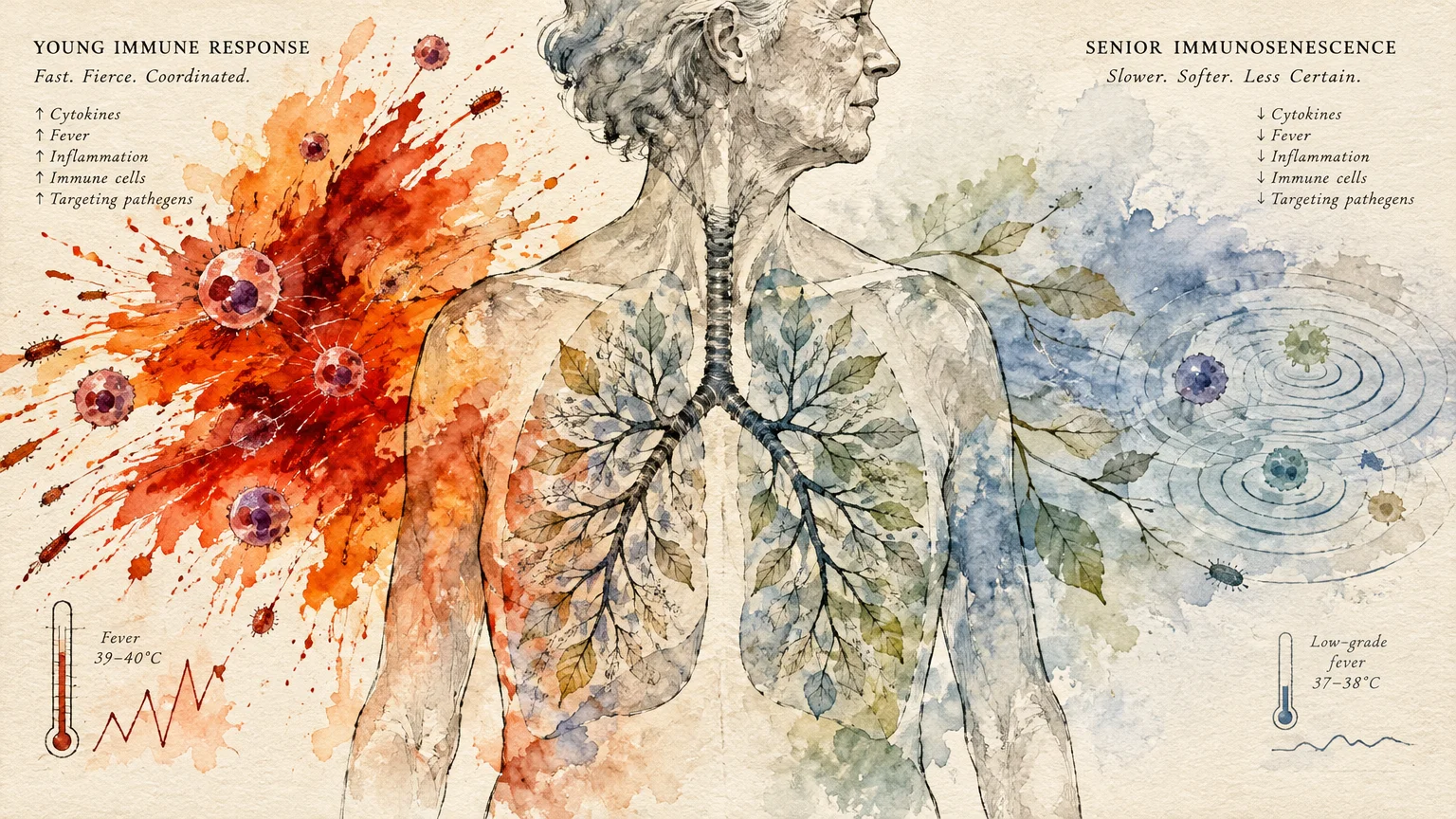
You might wonder why older adults rarely display the high fevers or loud coughing fits common in youth. The answer lies in how biological aging changes your body’s immune machinery.
The gradual decline of immune function over time is known clinically as immunosenescence. T-cells and white blood cells react more slowly to foreign bacteria and viruses.
Because inflammatory signaling is blunted, the brain’s hypothalamus does not trigger standard fever spikes. Instead of feeling hot and flushed, seniors frequently feel confused, weak, or hypothermic.
According to American Heart Association, chronic conditions like heart failure and hypertension complicate respiratory illnesses by placing extra strain on cardiovascular systems.
When a senior manages existing heart or lung conditions, a new infection often mimics an everyday symptom flare. You might mistakenly assume your increased breathlessness is just routine cardiac fatigue.
Common medications also mask typical illness signs in older bodies. Daily beta-blockers prevent heart rates from accelerating, while anti-inflammatory drugs dampen fever responses.
These overlapping factors make clinical detection challenging for families and doctors alike. Paying close attention to subtle behavioral changes ensures you catch chest infections before they escalate.

Diagnostic Tests: What to Expect at the Clinic
Seeking prompt medical evaluation provides answers and prevents complications. Your physician uses several straightforward diagnostic tools to identify the cause of your symptoms.
The evaluation begins with basic vital signs, including your temperature, blood pressure, and respiratory rate. A small clip called a pulse oximeter measures blood oxygen saturation on your fingertip.
A pulse oximeter reading below 92% suggests that your lungs struggle to absorb atmospheric oxygen. Your doctor will also listen carefully to your lungs with a stethoscope.
Abnormal lung sounds provide vital clues about what is happening inside your chest. Crackling noises indicate fluid in the air sacs, while wheezing signals narrowed bronchial pathways.
A standard chest X-ray confirms whether an infection has penetrated into your lung tissue. Radiologists look for light areas called infiltrates, which indicate fluid buildup from pneumonia.
Your doctor may also collect nasal swabs to screen for influenza, COVID-19, or RSV. In addition, blood tests and sputum samples identify specific bacterial culprits when bacterial pneumonia is suspected.
Chest Infection Treatment and Medication Safety
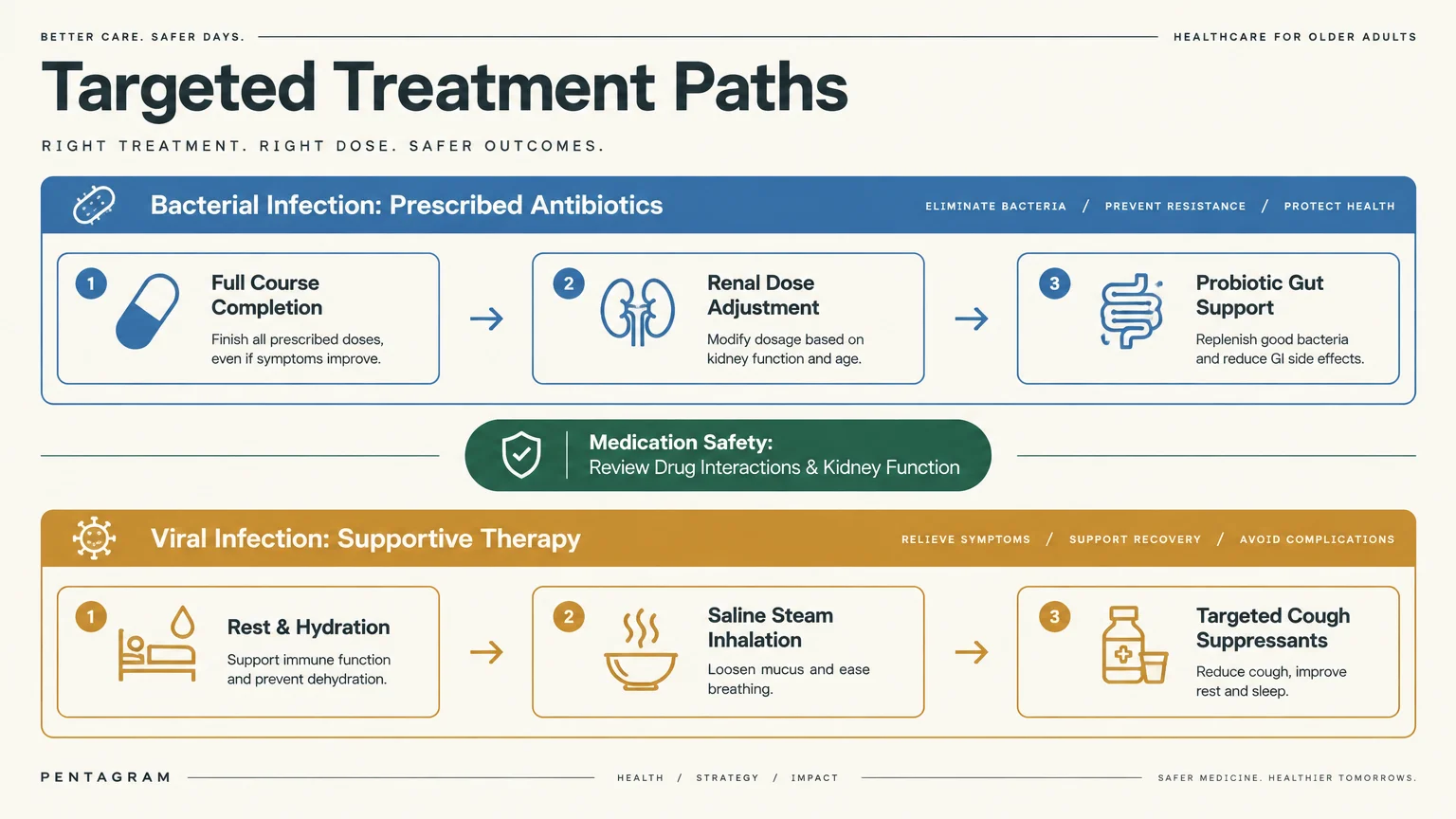
Effective chest infection treatment depends strictly on identifying whether a virus or bacterium caused your illness. Treating a viral infection with antibiotics is ineffective and potentially harmful.
Standard clinical guidelines emphasize that acute bronchitis is viral in 90% to 95% of cases. Therefore, antibiotics will not cure bronchitis or speed up your recovery time.
Inappropriate antibiotic use causes unnecessary side effects, including severe diarrhea, allergic reactions, and kidney stress. It also fuels antibiotic resistance, making future bacterial infections harder to treat.
When medical testing confirms bacterial pneumonia, doctors prescribe targeted oral or intravenous antibiotics. You must take every single dose exactly as instructed, even after your symptoms diminish.
Inhaled bronchodilators delivered through an inhaler or nebulizer help relax constricted airway muscles. These medications make breathing easier by widening air channels and loosening stubborn phlegm.
Exercise caution when selecting over-the-counter cough syrups and cold medicines. Many commercial formulations contain decongestants like pseudoephedrine, which can dangerously elevate blood pressure in older adults.
Always consult your pharmacist or primary care doctor before taking any nonprescription remedy. They will ensure your recovery medications do not conflict with your ongoing daily prescriptions.
Safe Home Care and Rebuilding Lung Strength
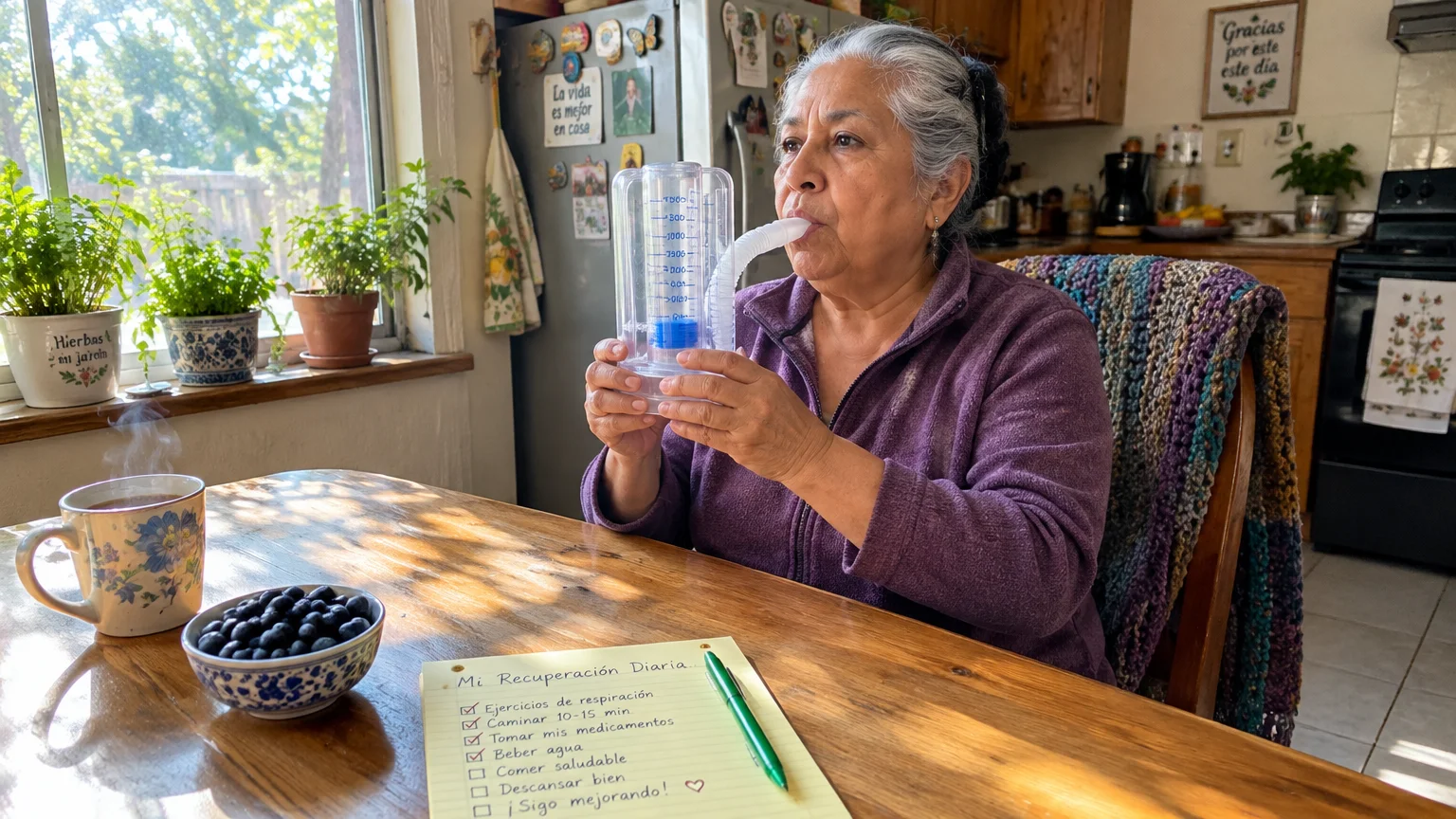
Recovering from a respiratory illness takes patience and focused self-care. Establishing a safe home environment supports healing and protects your independence during convalescence.
Rest is essential, but remaining completely flat in bed can actually worsen lung congestion. Prop your head and upper chest up with extra pillows to encourage better lung expansion.
Drink warm liquids like clear broths, decaffeinated tea, and water throughout the day. Ample hydration thins out thick respiratory mucus, making your coughs far more productive.
Use a handheld incentive spirometer if your doctor provides one upon discharge. Inhaling slowly through this device expands collapsed air sacs and exercises respiratory muscles safely.
Take gentle, short walks around your living room every few hours to stimulate circulation. Avoid strenuous chores until your energy returns and your healthcare provider clears your activity.
Run a clean cool-mist humidifier in your bedroom to keep indoor air humid and soothing. Dry winter heating systems irritate delicate bronchial linings and exacerbate coughing fits.
Prevention: Vaccines and Daily Respiratory Protection
Preventing respiratory infections is far safer and easier than treating severe pulmonary complications. Immunizations provide a powerful shield against the pathogens most likely to hospitalize older adults.
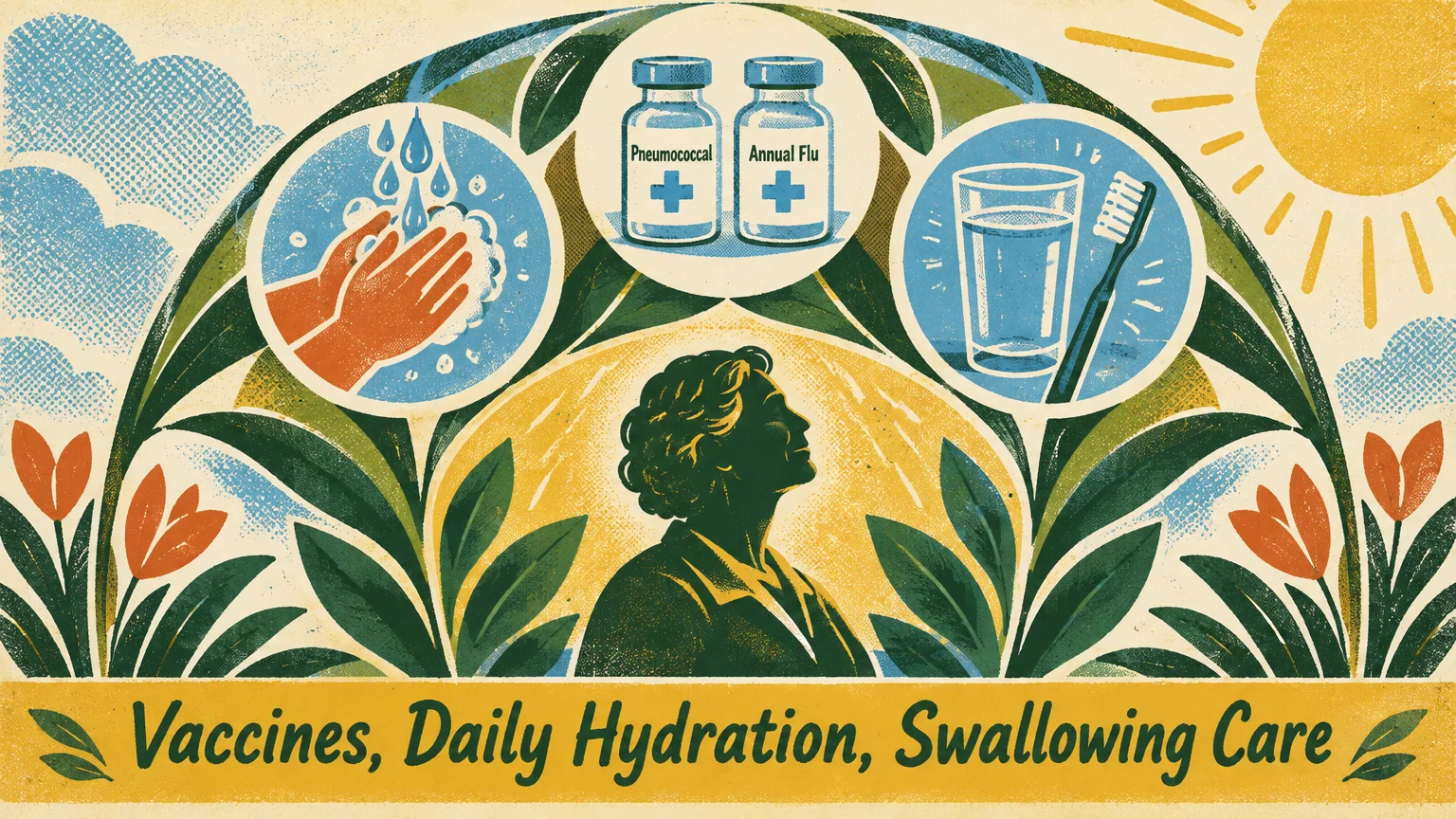
The CDC recommends routine pneumococcal conjugate vaccination (PCV15, PCV20, or PCV21) for all adults starting at age 50. This immunization guards against aggressive pneumococcal bacteria that cause pneumonia and bloodstream infections.
To prevent lower respiratory tract disease, the CDC recommends a single lifetime dose of an FDA-licensed RSV vaccine for all adults ages 75 and older. Adults ages 50 to 74 with chronic heart or lung disease also qualify.
On the CDC Adult Immunization Schedule, adults ages 65 and older are recommended to receive at least two doses of the current season’s COVID-19 vaccine. Spacing these doses several months apart maintains robust immune defenses.
Be sure to schedule an annual flu vaccine every autumn. Adults aged 65 and older should request high-dose or adjuvanted flu shots, which create stronger antibody protection than standard vaccines.
Daily lifestyle habits also guard your respiratory wellness. Wash your hands frequently with soap, maintain good oral hygiene to prevent bacteria accumulation, and avoid secondhand smoke exposure.
When to Seek Immediate Emergency Care
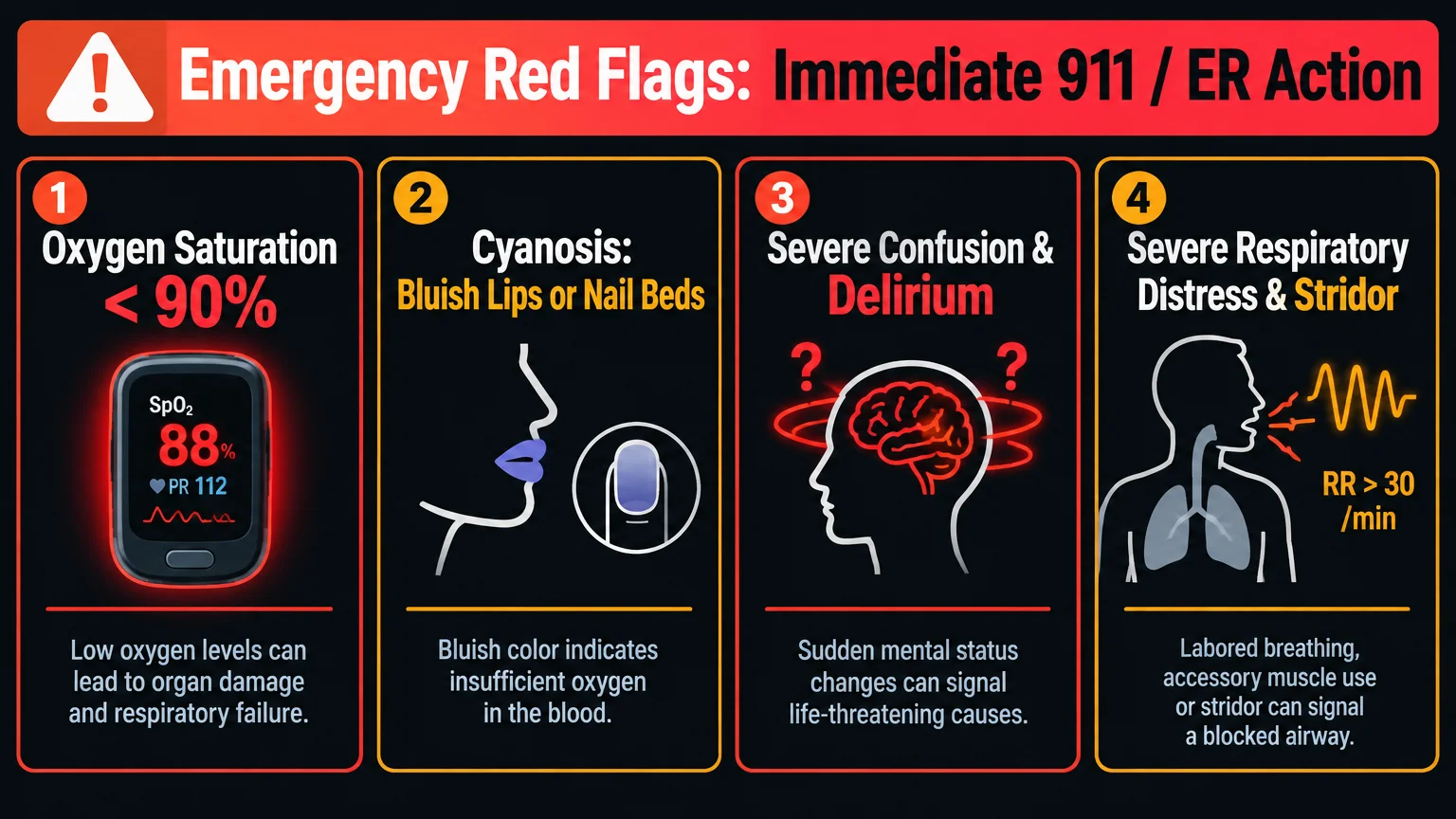
Respiratory infections can progress from mild discomfort to acute distress within a matter of hours. Knowing when to bypass outpatient clinics and dial 911 protects your life.
Do not attempt to drive yourself to a hospital if you experience severe shortness of breath. Calling emergency medical services ensures trained paramedics can administer oxygen and begin treatment immediately.
- Severe gasping or inability to catch your breath while resting
- Persistent chest pressure, tightness, or pain radiating to your arm or neck
- New onset of profound confusion, disorientation, or inability to wake up
- Bluish, pale, or grayish lips, tongue, or fingertips
- Coughing up noticeable quantities of bright red blood
- A pulse oximeter reading that drops below 90% and stays down
- Sudden weakness that causes an inability to stand or speak
Keep an updated medication list and emergency contact numbers posted on your refrigerator. First responders rely on this critical information when providing rapid emergency treatment.
Frequently Asked Questions
Can an older adult have severe pneumonia without a fever?
Yes, many seniors with pneumonia never develop a fever due to age-related changes in immune signaling. Instead, older adults frequently present with subnormal body temperature, sudden confusion, or profound physical weakness.
How can I tell the difference between bronchitis and pneumonia at home?
Bronchitis typically causes a persistent cough with mild chest tightness and modest fatigue. Pneumonia causes deeper lung impairment, pronounced shortness of breath, rapid breathing, and low oxygen levels, requiring medical imaging to confirm.
Does Medicare cover vaccines that protect against chest infections?
According to Medicare.gov, Part B covers pneumococcal, annual flu, and COVID-19 vaccinations without any copayment or deductible. Part D prescription drug plans cover the RSV vaccine with zero out-of-pocket costs.
How long does recovery from a chest infection usually take for seniors?
Recovery typically spans two to six weeks depending on your baseline health and the specific infection. Mild fatigue, reduced stamina, and a periodic dry cough can linger for up to two or three months.
Why do chest infections cause sudden confusion in older adults?
Chest infections decrease the amount of oxygen reaching brain tissue while unleashing inflammatory chemicals throughout the body. This combined physiological stress temporarily impairs cognitive functioning, triggering acute delirium in vulnerable older individuals.
For additional senior resources, visit
Centers for Disease Control and Prevention (CDC), Medicare.gov and National Institute of Mental Health (NIMH).
Disclaimer: The information in this article is for educational purposes only and is not intended to be a substitute for professional financial, legal, or medical advice. Always consult with a qualified expert for advice tailored to your personal situation.