

Staying socially connected preserves your physical health and sharpens your mind as you grow older. Dedicated nonprofit organizations across the country offer free companion visits, telephone check-ins, and shared activities to ensure you never feel isolated.
Whether you live completely alone or simply crave a friendly voice, compassionate community support is readily available. These established programs bridge generational divides while creating warm, enduring personal friendships.
Explore ten exceptional charities providing trusted companionship, practical daily assistance, and vital emotional support designed specifically for older adults.
In this guide8 sections
- The Reality and Health Impacts of Senior Loneliness
- 10 Essential Charities Combating Loneliness in Older Adults
- Comparing Senior Companionship Services
- How to Choose the Right Support Program for You
- How Families and Caregivers Can Coordinate Companionship
- Protecting Your Privacy and Avoiding Companion Scams
- How to Volunteer and Support Isolated Seniors
- Frequently Asked Questions
The Reality and Health Impacts of Senior Loneliness
Social isolation touches millions of aging Americans every single day. Recent data highlights how common this challenge has become across communities nationwide.
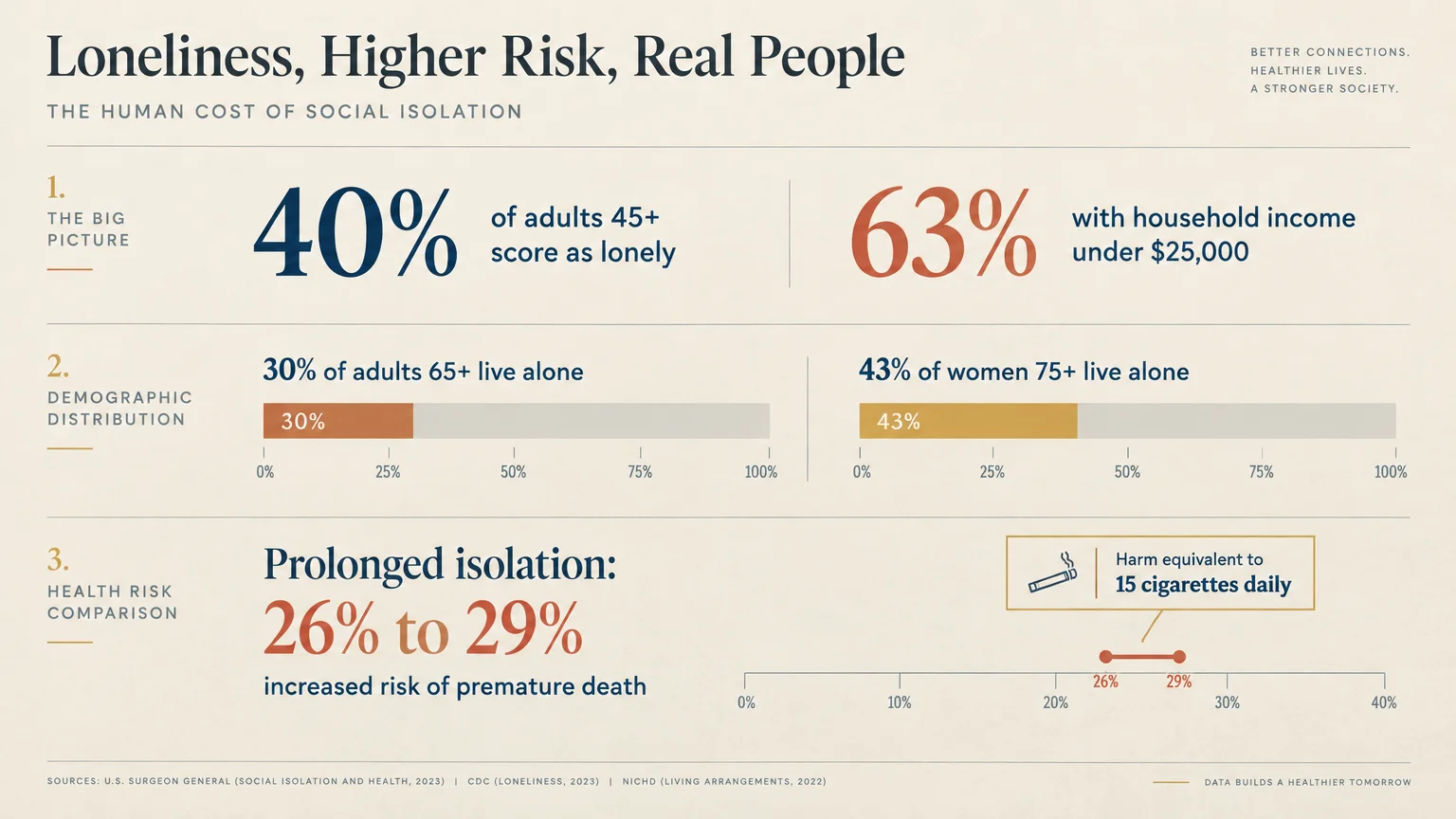
According to research from AARP, 40% of adults aged 45 and older scored as lonely in 2025. Among adults in their 60s specifically, 41% reported feeling frequent loneliness.
Financial challenges worsen these emotional struggles significantly. In fact, 63% of older adults with household incomes under $25,000 experience regular feelings of loneliness.
The University of Michigan National Poll on Healthy Aging found that 33% of adults aged 50 to 80 felt a lack of companionship. Among older individuals in fair or poor mental health, that figure climbed to 75%.
Living arrangements also contribute heavily to physical isolation. U.S. Census Bureau data reveals that nearly 30% of adults aged 65 and older live alone, rising to 43% among women aged 75 and older.
The physical consequences of chronic isolation are severe. The U.S. Surgeon General warned that long-term social disconnection harms your body as much as smoking up to 15 cigarettes a day.
Prolonged isolation increases your risk of premature death by 26% to 29%. Furthermore, the World Health Organization linked over 871,000 annual global deaths to loneliness and social disconnection.
Health research from the Centers for Disease Control and Prevention (CDC) shows that isolation significantly raises risks for dementia, stroke, and heart disease.
Fortunately, connecting with community organizations dramatically lowers these hazards. The National Institute on Aging (NIA) emphasizes that meaningful social engagement protects your cognitive health and boosts your immune function.
10 Essential Charities Combating Loneliness in Older Adults
Numerous dedicated organizations work tirelessly to ensure older adults stay engaged, active, and supported. Here are ten top charities offering vital social connections across the country.
1. Institute on Aging – Friendship Line
The Friendship Line stands as the only accredited 24/7 toll-free crisis and emotional support line in the nation for adults aged 60 and older. It also welcomes adults living with disabilities.
Trained staff and caring volunteers field approximately 11,000 inbound and outbound calls each month. They offer warm conversation, compassionate listening, and crisis intervention whenever you need someone to talk to.
In addition to accepting your incoming calls, the charity provides an outbound calling service. Volunteers will call you on a prearranged schedule to check on your well-being and share friendly dialogue.
You can reach the Friendship Line anytime by dialing 1-888-670-1360 or 1-800-971-0016. Every call is completely free, confidential, and welcoming.
Volunteers receive specialized training in crisis prevention and active listening. This program serves as a reliable lifeline for older adults experiencing grief, depression, or sudden isolation.
2. Meals on Wheels America
Meals on Wheels provides nutritious food alongside vital daily human contact. The organization operates through more than 5,000 community-based programs across the United States.
Dedicated volunteers serve approximately 2.2 million seniors each year. When a volunteer knocks on your door with a meal, they deliver genuine companionship and a safety check.
For many homebound seniors, the visiting delivery volunteer represents their only personal interaction of the day. This brief interaction offers comfort to seniors and peace of mind to distant family members.
Local programs tailor their deliveries to your dietary needs and physical location. You can connect with your local chapter by visiting the national organization website or contacting your county senior center.
The service also identifies changing needs over time. If a volunteer notices a health concern or safety issue, they alert coordinators who can arrange additional local community assistance.
3. AmeriCorps Seniors – Senior Companion Program
The Senior Companion Program fosters deep bonds between older adults. It pairs volunteers aged 55 and older with homebound seniors who need extra assistance or company.
Senior Companions help you maintain your independence at home. They assist with simple errands, accompany you to doctor appointments, and share enjoyable pastimes like card games or walks.
This federal program also provides essential respite for family caregivers. It ensures your loved ones can work or rest while knowing you are in capable, caring hands.
Volunteers serving 5 to 40 hours weekly who meet income limits receive a federal tax-free stipend of $4.00 per hour. This arrangement rewards dedicated volunteers while keeping the program entirely free for you.
Volunteers must be at or below 200% of the federal poverty guidelines to qualify for the stipend. This structure creates meaningful opportunities for low-income seniors to earn extra money while helping their peers.
4. Love For Our Elders
Love For Our Elders brings joy to isolated older adults through the timeless beauty of handwritten correspondence. Receiving personal letters brightens your mailbox and warms your spirit.
Volunteers across the globe write uplifting letters to nominated seniors. The organization updates featured senior profiles on the first day of every month on its public website.
To date, the nonprofit has delivered between 900,000 and 1 million handwritten letters across 27 countries. It also supports 90 active chapters in high schools and colleges.
The charity organizes National Letter to an Elder Day every year on February 26. Anyone can nominate an older adult to receive a bundle of supportive letters at no cost.
This initiative bridges generational divides by engaging youth and students. Reading cards filled with stories, jokes, and words of encouragement reminds isolated seniors that they remain valued members of society.
5. Pets for the Elderly Foundation
Companion animals provide unconditional affection, lower blood pressure, and ease chronic loneliness. Pets for the Elderly helps adults aged 60 and older welcome loving pets into their homes.
The foundation covers adoption fees and pre-adoption veterinary examinations at participating animal shelters across 29 states. This assistance significantly lowers the initial cost of adopting a furry friend.
By removing financial barriers, the charity has facilitated over 78,000 companion animal adoptions for seniors. Having a cat or dog encourages regular daily routines and joyful social interactions.
Some participating shelters also offer assistance with pet food, routine vaccinations, and grooming services. You can locate a participating shelter near you through their central directory.
Caring for an animal gives seniors a renewed sense of daily purpose. Walking a dog also creates natural opportunities to chat with neighbors and make new friends outdoors.
6. Little Brothers – Friends of the Elderly
Little Brothers – Friends of the Elderly operates on a simple guiding philosophy: flowers before bread. They believe friendship and personal connection are as vital to life as physical nourishment.
The organization matches adults aged 65 and older with dedicated volunteers for long-term, one-on-one friendships. Volunteers visit seniors at home for pleasant conversations, shared hobbies, and mutual comfort.
LBFE operates vibrant chapters in major hubs, including Chicago, Boston, Minneapolis/St. Paul, Cincinnati, and Upper Michigan. Each chapter designs social outings and holiday banquets so no senior spends holidays alone.
Their services are completely free of charge and open to any eligible older adult. They prioritize reaching individuals who lack close family networks or local social circles.
In addition to in-person visits, LBFE coordinates telephone check-ins and celebration packages on birthdays. Volunteers often remain paired with the same elder for years, creating genuine familial bonds.
7. DOROT
DOROT addresses social isolation through thoughtful intergenerational volunteering. Based in New York with wide-reaching digital initiatives, the charity brings together older adults and passionate volunteers of all ages.
Their core programs include home visits, telephone companionship, and intergenerational discussion groups. Volunteers and seniors share stories, explore current events, and build meaningful relationships across generations.
DOROT offers a specialized six-week program called Aging Alone Together. This course is available in person and online via Zoom, specifically supporting older adults navigating life without family support.
Participants in this program gain practical tools for legal planning, healthcare navigation, and social networking. The curriculum helps solo agers feel confident, secure, and deeply connected to peers.
DOROT also runs a friendly visiting program that pairs volunteers with homebound seniors for weekly visits. Their seasonal package deliveries bring holiday cheer and nutritious treats straight to your doorstep.
8. Eldercare Locator
The Eldercare Locator is a free national public service funded by the Administration for Community Living. It connects seniors and caregivers directly to trusted local aging resources.
When you contact this service, specialists match you with local Area Agencies on Aging. These agencies oversee county-level friendly visitor networks, senior centers, and telephone reassurance initiatives.
The service operates Monday through Friday from 8:00 a.m. to 9:00 p.m. Eastern Time. You can connect with support staff by calling or texting 1-800-677-1116.
Whether you need reliable transportation to a senior lunch club or an in-home companion, this federal portal simplifies your search. Specialists guide you through available free and low-cost programs in your community.
The Eldercare Locator also connects caregivers with respite care and counseling services. This ensures families have the emotional support required to care for aging relatives sustainably.
9. Shepherd’s Centers of America
Shepherd’s Centers of America represents an inspiring network of community-based centers dedicated to promoting vital, purposeful aging. Older adults govern and organize the local affiliate centers themselves.
Volunteers provide homebound seniors with vital transportation to medical visits and grocery stores. During these drives, volunteers offer supportive listening, laughter, and companionship.
The centers also host lifelong learning courses, fitness classes, and social clubs known as Adventures in Learning. These events give you wonderful opportunities to meet friendly neighbors and learn new skills.
By fostering active community involvement, the centers transform passive recipients of care into engaged community leaders. You can participate as a student, a social member, or a volunteer.
Many local centers organize telephone reassurance trees where seniors call each other every morning. This simple daily ritual ensures safety while fostering mutual accountability and warm friendships.
10. Senior Planet by AARP
Senior Planet, created by Older Adults Technology Services, harnesses technology to help seniors stay connected. It helps older adults build digital literacy, discover friendships, and combat isolation online.
The organization provides free virtual classes on using smartphones, navigating social media, and accessing telehealth. You can join interactive lectures on exercise, financial wellness, and creative writing every day.
In addition to virtual webinars, Senior Planet operates physical community exploration centers in select cities. These centers offer welcoming spaces where seniors gather over coffee and learn digital skills together.
Their vibrant online discussion forums let you connect with peers nationwide who share your interests. Joining classes and clubs keeps your mind active and brings social connection into your living room.
Participants gain confidence navigating modern technology while forming lasting friendships. Senior Planet proves that learning digital tools can open new doors to social connection at any age.
Comparing Senior Companionship Services
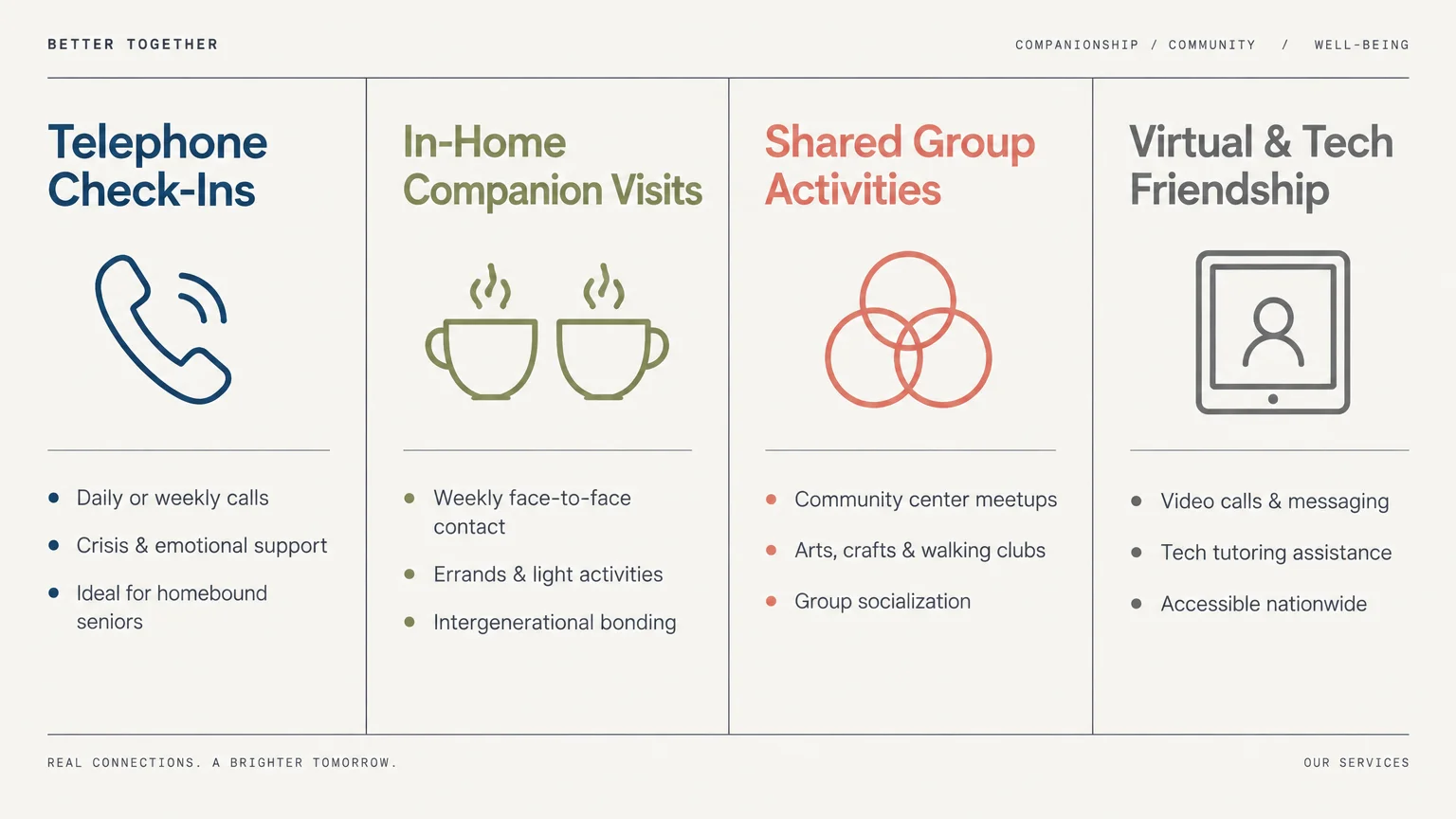
Choosing the best organization depends on your personal preferences, location, and daily lifestyle. The following table summarizes the key features of these ten outstanding charities.
Review the delivery formats and target groups to find the service that matches your routine. Many older adults find success combining two or more of these complimentary programs.
| Organization Name | Primary Service Type | Delivery Method | Cost to Senior | Target Eligibility |
|---|---|---|---|---|
| Institute on Aging (Friendship Line) | 24/7 Telephone Warmline and Crisis Support | Inbound and Outbound Calls | Free | Adults 60+ and adults with disabilities |
| Meals on Wheels America | Nutritious Meals and Wellness Checks | In-Person Home Visits | Free or sliding scale donation | Homebound older adults |
| AmeriCorps Seniors (SCP) | Peer Companionship and Respite Care | In-Person In-Home Visits | Free | Homebound seniors needing support |
| Love For Our Elders | Handwritten Uplifting Letters | Postal Mail | Free | Nominated isolated older adults |
| Pets for the Elderly | Pet Adoption and Veterinary Assistance | Participating Shelters | Free adoption subsidies | Adults aged 60 and older |
| Little Brothers – Friends of the Elderly | Long-Term Friendship and Social Outings | In-Person Visits and Events | Free | Adults 65+ without local family |
| DOROT | Intergenerational Visits and Solo Agers Workshops | In-Person, Phone, and Zoom | Free | Adults aged 60 and older |
| Eldercare Locator | Public Referral to Local Companion Services | Toll-Free Phone and Online | Free public service | All seniors and family caregivers |
| Shepherd’s Centers of America | Transportation, Social Clubs, and Classes | In-Person Community Centers | Free or low cost | Active and homebound older adults |
| Senior Planet by AARP | Digital Literacy and Virtual Social Groups | Online Webinars and Centers | Free | Older adults aged 60 and older |

How to Choose the Right Support Program for You
Every individual experiences isolation differently, meaning the best solution depends on your unique circumstances. Consider what type of interaction brings you the greatest comfort and joy.
Reflect on your physical mobility and comfort with in-person visitors. If getting around is challenging, telephone reassurance calls or handwritten letters might suit you best.
If you miss regular conversation and shared meals, look for programs offering personal home visits. Organizations like Meals on Wheels or Little Brothers provide that valuable face-to-face warmth.
Take your technological comfort into account as well. Digital platforms offer vast opportunities to meet new friends, but they require a reliable device and internet access.
Review these key questions before enrolling in any companion program:
- Do you prefer one-on-one visits or group social activities?
- How often do you want someone to contact you each week?
- Would you benefit from practical help, such as grocery shopping or rides to appointments?
- Do you enjoy interacting with younger generations, or do you prefer peers of your own age?
- Does having a pet fit your budget and living environment?
Answering these questions honestly helps you choose an organization that fits seamlessly into your daily life. You can also participate in multiple programs simultaneously for well-rounded social support.
Start with a low-pressure option, such as a weekly phone call or receiving letters. As you grow comfortable with the organization, you can expand your participation into in-person visits or group events.
How Families and Caregivers Can Coordinate Companionship
Caring for an aging parent or relative can stretch your emotional and physical energy. Family caregivers often struggle to balance work, family responsibilities, and frequent check-in visits.
Enrolling your loved one in a companionship program offers relief while expanding their social circle. A companion volunteer provides fresh conversation and listening ears that family members cannot always provide.
Many seniors initially resist outside assistance because they fear losing their independence. When discussing these programs, present them as social clubs or opportunities to meet interesting community members.
Emphasize that volunteers sign up because they genuinely desire companionship, too. Framing the relationship as a mutual friendship rather than caregiving eases reluctance and preserves your loved one’s dignity.
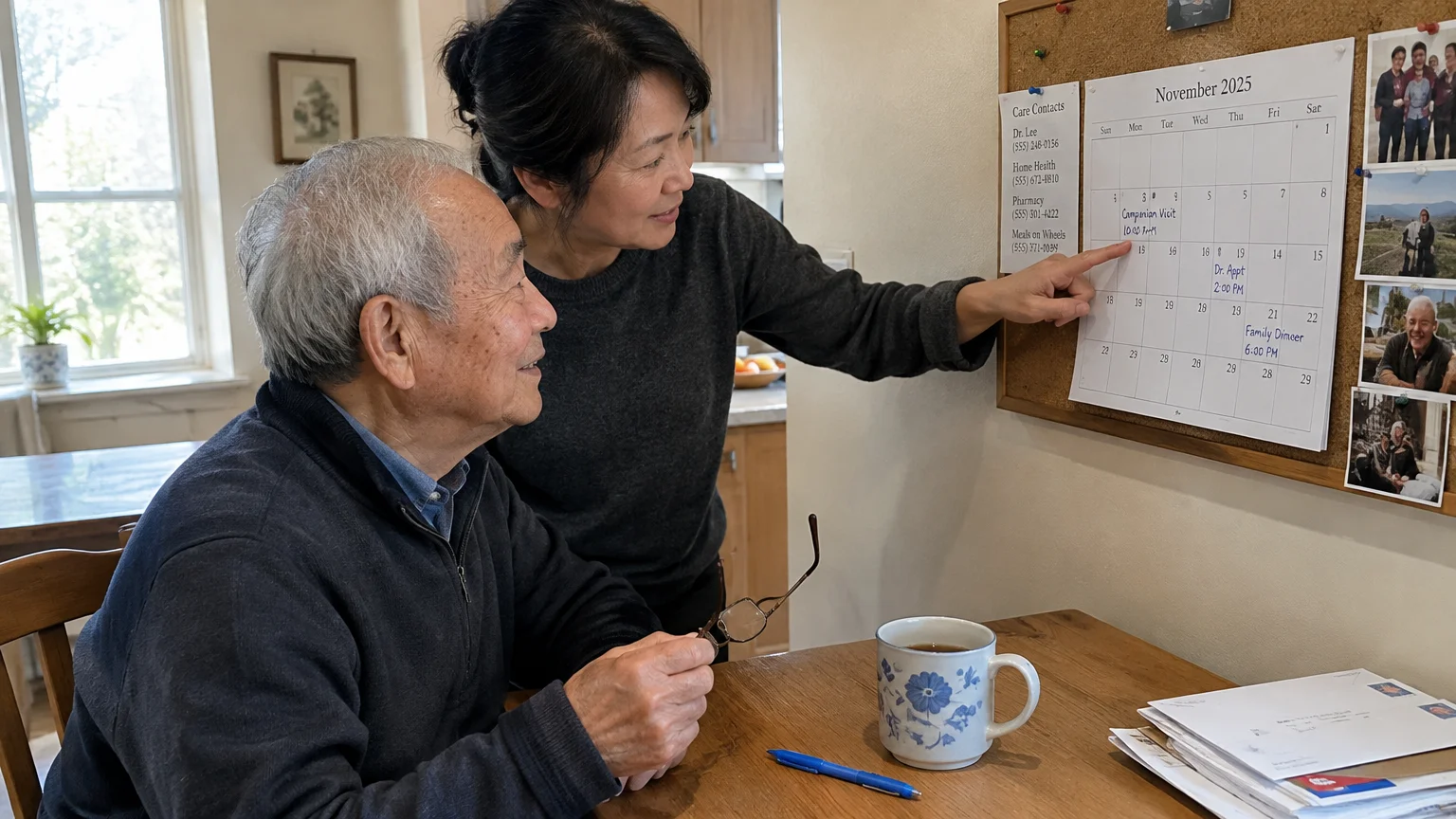
Coordinate with the charity to establish clear expectations regarding visiting schedules and preferred activities. Regular communication between family members and program coordinators ensures a safe, rewarding experience for everyone involved.
Remember to check in with your relative after the first few visits to see how they feel. Adjust the frequency or format if needed until you discover the ideal arrangement.
Protecting Your Privacy and Avoiding Companion Scams
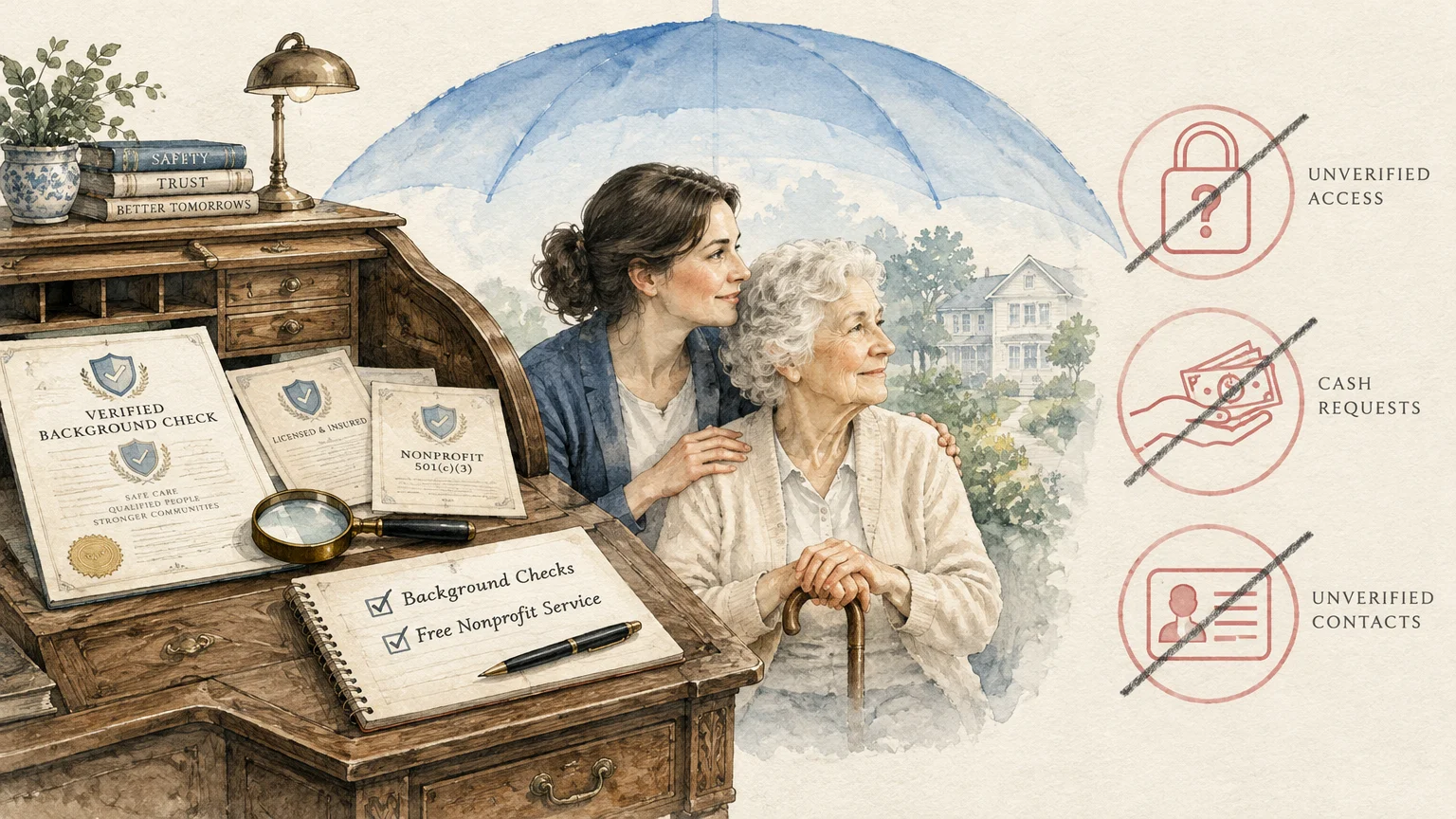
While genuine charities bring invaluable joy, isolated seniors are frequent targets for unscrupulous con artists. Financial predators often exploit loneliness to gain trust and access personal savings.
Legitimate companionship charities conduct thorough background checks and fingerprinting on all staff and volunteers. Never invite independent, unvetted individuals into your home without verifying their credentials through an established agency.
A real charity volunteer will never ask you for money, loans, or gift cards. They are strictly prohibited from soliciting donations or handling your private financial affairs.
Watch for these common warning signs of predatory behavior:
- A visitor asking about your banking accounts, investments, or pension details.
- Someone urging you to alter your will, power of attorney, or property deeds.
- Pressure to keep visits or conversations secret from your family or case managers.
- Requests for access to your computer, passwords, or Social Security number.
- Unsolicited callers claiming to represent a charity while demanding credit card payments.
If a volunteer ever makes you feel uncomfortable or asks inappropriate questions, end contact immediately. Report the incident promptly to the sponsoring charity and your local Area Agency on Aging.
Establish clear boundaries early regarding personal information and finances. Trustworthy companions will always respect your privacy and focus entirely on building a supportive social friendship.
How to Volunteer and Support Isolated Seniors
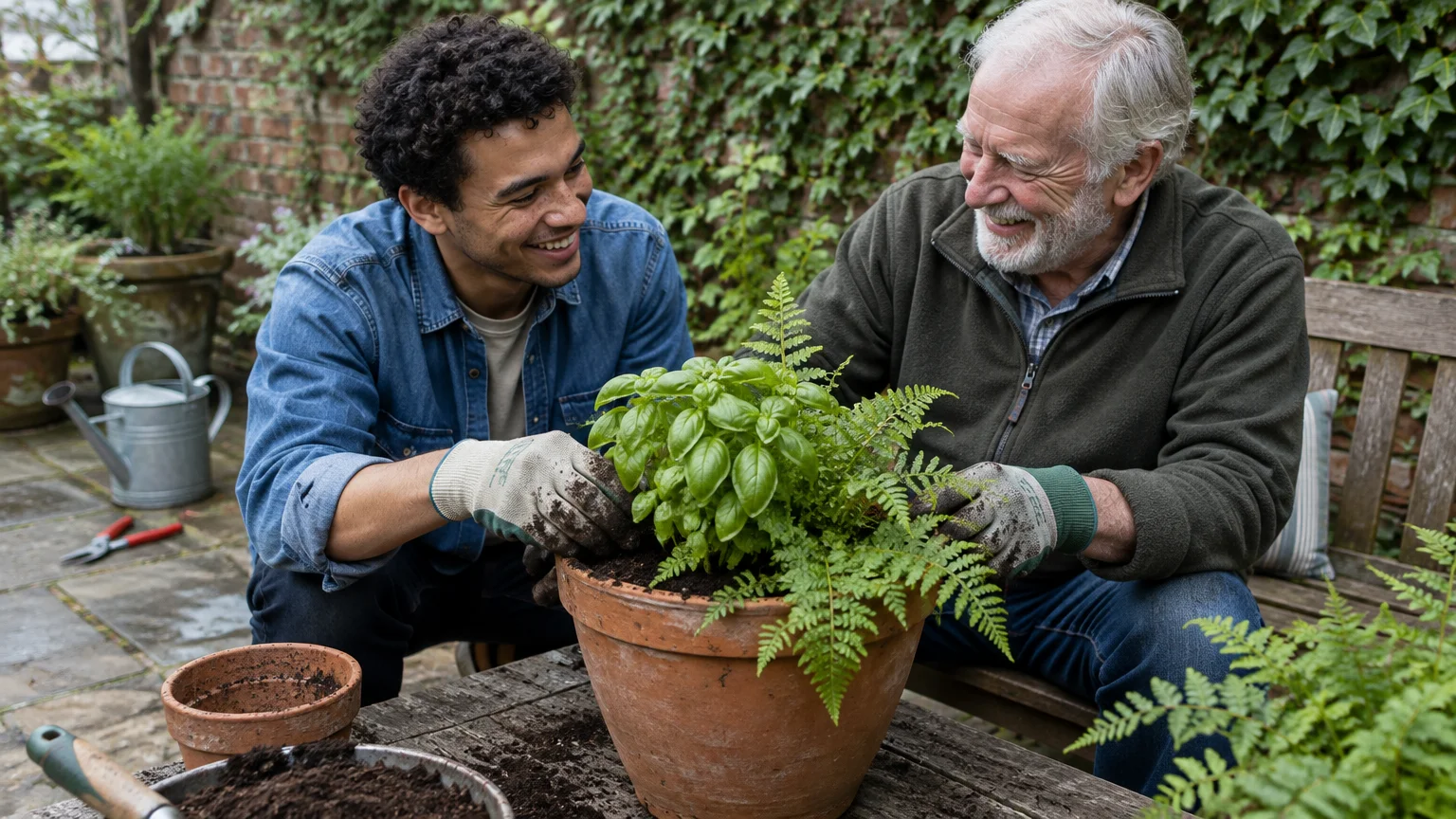
Giving your time to support lonely seniors creates profound benefits for both you and your community. Volunteering provides purposeful structure to your retirement years and boosts your own mental well-being.
You can volunteer in diverse ways based on your physical comfort, schedule, and personal talents. Many organizations offer flexible options that fit easily into your lifestyle.
Consider these popular ways to make a meaningful difference:
- Friendly Visiting: Spend an hour each week chatting, playing board games, or sharing tea with a homebound senior.
- Telephone Reassurance: Make brief scheduled phone calls to check on homebound elders and brighten their mornings.
- Meal Delivery: Drive a weekly route for Meals on Wheels to deliver warm food and friendly greetings.
- Letter Writing: Send heartfelt cards and letters through Love For Our Elders from the comfort of your kitchen table.
- Transportation Support: Drive older neighbors to medical appointments, pharmacy visits, or local grocery stores.
Most charities provide free training sessions to prepare you for common scenarios and active listening techniques. Stepping forward as a volunteer helps build a more compassionate, interconnected society for everyone.
Volunteering also creates reciprocal joy and lasting memories. Connecting with an older neighbor often sparks fascinating conversations and mutual appreciation that enrich both of your lives.
Frequently Asked Questions
Are companionship services from these charities completely free?
Yes, all reputable senior companionship charities provide their core visitation, telephone check-in, and letter-writing services free of charge.
Some specialized programs, such as pet adoption or meal delivery, may request modest voluntary contributions or use sliding scales, but nobody is turned away due to an inability to pay.
What should I do if I feel overwhelmed by loneliness late at night?
If you experience intense loneliness or sadness after hours, call the Institute on Aging Friendship Line immediately at 1-888-670-1360.
Their trained, empathetic specialists are available 24 hours a day, seven days a week, offering comforting conversations whenever you need support.
Can seniors living in assisted living or nursing homes participate?
Yes, many companionship programs happily serve older adults residing in assisted living, memory care units, and skilled nursing facilities.
Programs like Love For Our Elders regularly send letter bundles to nursing home residents, and friendly visitor charities often coordinate visits directly with facility activity directors.
How do charities ensure the safety of participating seniors?
Established nonprofits screen their volunteers rigorously through criminal background investigations, reference checks, and comprehensive identity verification.
Volunteers also complete mandatory training courses covering elder safety, privacy boundaries, and emergency protocols before ever being paired with an older adult.
How can I encourage an aging parent to accept a companion volunteer?
Start by introducing the program gently, framing it as an opportunity for mutual friendship rather than a service for someone who needs help.
Suggest trying a single phone call or brief letter exchange first, allowing your parent to experience the warmth of the connection without feeling pressured.
For additional senior resources, visit Benefits.gov, National Institute on Aging (NIA), Centers for Disease Control and Prevention (CDC), Medicare.gov and National Institute of Mental Health (NIMH).
Disclaimer: The information in this article is for educational purposes only and is not intended to be a substitute for professional financial, legal, or medical advice. Always consult with a qualified expert for advice tailored to your personal situation.