

Asking the right questions before you start a new prescription protects your health, prevents hospital visits, and saves you money. Your doctor and pharmacist welcome your active partnership.
As our bodies age, medications metabolize differently, which increases the likelihood of side effects. Preparing targeted inquiries ensures that every pill you take supports your daily wellness.
Take charge of your treatment plan by learning the vital facts before swallowing your first dose. This checklist gives you the exact questions to ask your medical team today.
Why Medication Safety Matters as You Age
Aging transforms how your internal organs process chemical compounds. Your liver breaks down substances more slowly, while your kidneys filter them with reduced clearance rates.
These biological shifts mean drugs remain active in your bloodstream longer than in your thirties or forties. A standard adult dosage can occasionally overwhelm an older body.
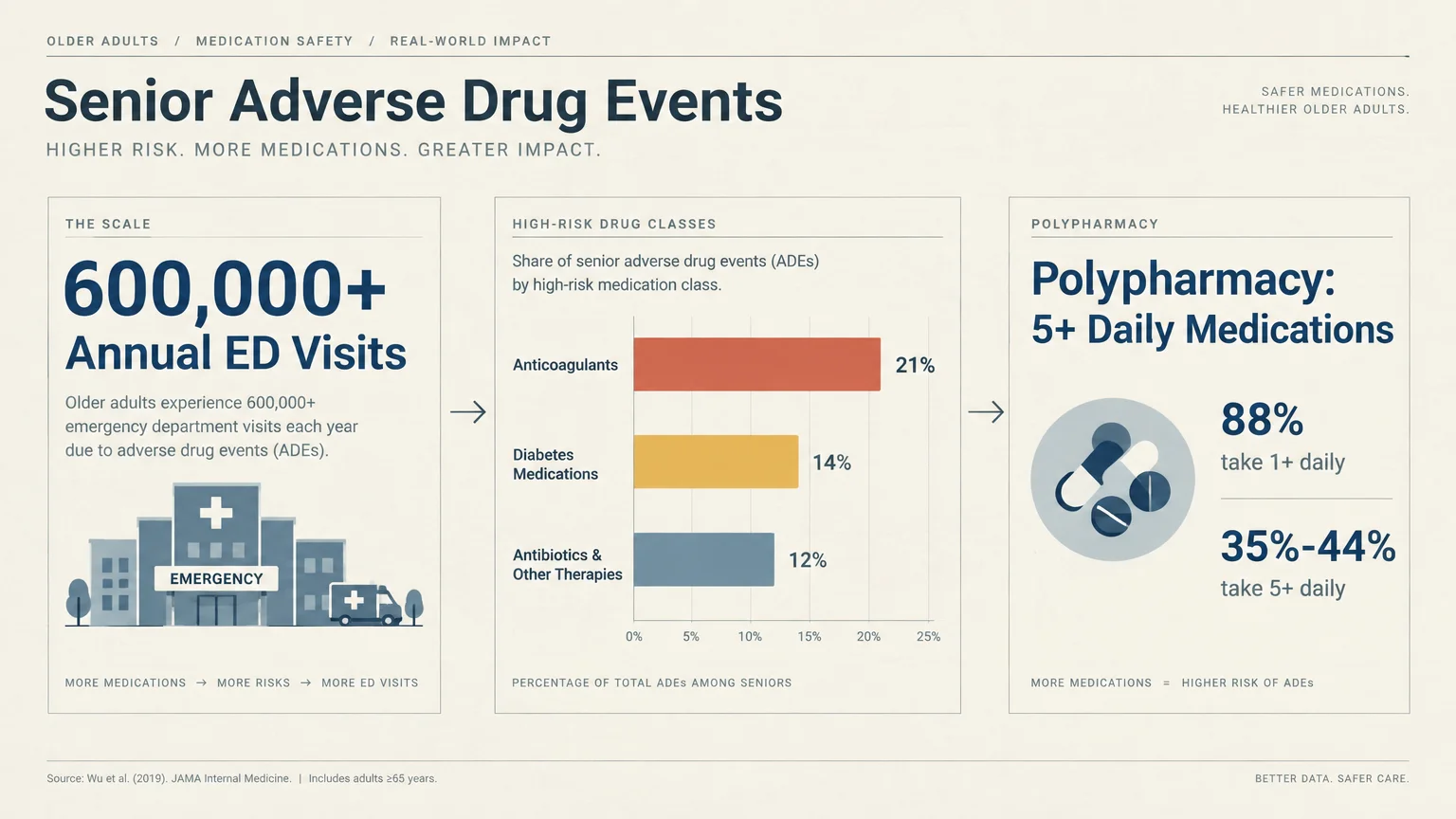
According to data from the Centers for Disease Control and Prevention (CDC), older adults experience more than 600,000 emergency department visits each year due to adverse drug events.
This emergency rate is more than double the rate observed in younger populations. Nearly half of these hospital visits stem from three medication classes: blood thinners, diabetes drugs, and antibiotics.
Anticoagulants alone account for approximately 21% of these visits, while diabetes medications cause another 14%. When blood sugar drops too low or bleeding occurs, outcomes can prove devastating.
Polypharmacy—the routine use of five or more medications—amplifies these dangers significantly. Between 35% and 44% of Americans aged 65 and older regularly meet this clinical threshold.
More than 88% of seniors take at least one prescription drug daily, and over 66% take three or more. With each added therapy, your statistical risk of drug interactions escalates rapidly.
Asking pointed questions before you take a single pill protects your physical safety. Informed patients experience fewer medication errors and maintain greater independence over time.
Understanding Your Diagnosis and Drug Purpose
Before accepting a new slip of paper or electronic order, you must grasp why you need it. Clear communication prevents you from taking duplicate drugs for identical health concerns.
Question 1: What is the exact name of this drug, and what condition does it treat?
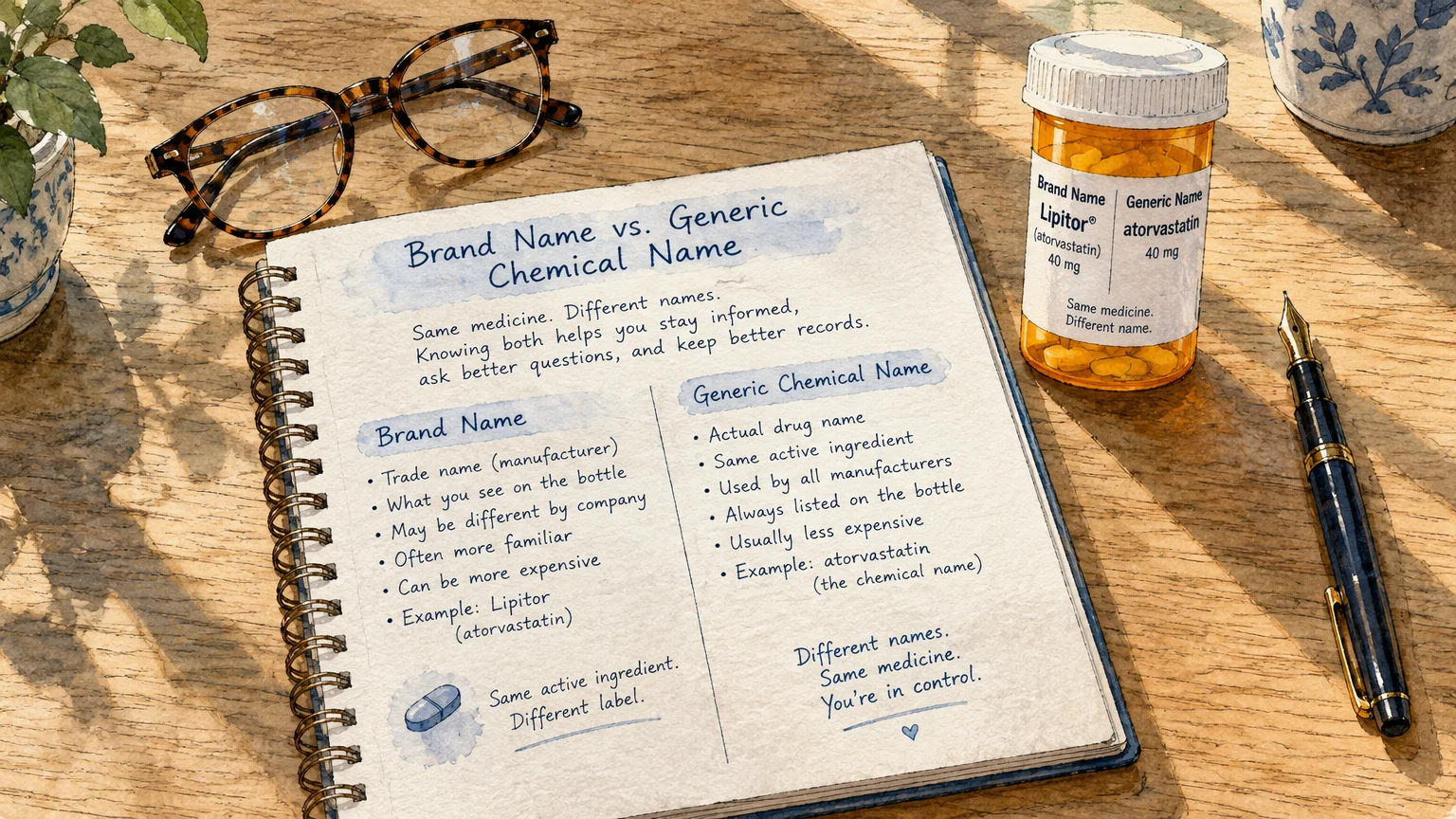
Ask your doctor for both the brand name and the generic chemical name. Write both names down in your personal medical notebook.
Many patients unintentionally take two versions of the same drug under different brand labels. Knowing both names eliminates this dangerous risk of accidental duplication.
You also need to understand the precise medical objective of the therapy. Confirm whether the pill cures an underlying condition, manages chronic symptoms, or prevents future health emergencies.
When you understand the exact purpose of a pill, taking it daily feels meaningful rather than burdensome. You become an informed leader of your own healthcare plan.
Question 2: How soon should I expect this medication to work, and how do we measure success?
Some prescriptions produce immediate relief, while others require several weeks to accumulate therapeutic levels in your body. Knowing the expected timeline prevents unnecessary worry or premature discontinuation.
Ask your physician what measurable benchmarks will determine if the therapy succeeds. For instance, you might track blood pressure numbers, joint pain scores, or blood sugar logs.
If you observe no clinical improvement after the projected window, contact your prescribing clinic. Never adjust your own dosage without direct professional consultation.
Dosing, Timing, and Administration Rules
Proper administration ensures that your body absorbs the optimal therapeutic amount of active ingredient. A simple mistake in timing or technique can render a drug ineffective or harmful.
Question 3: Exactly how and when should I take this medication?
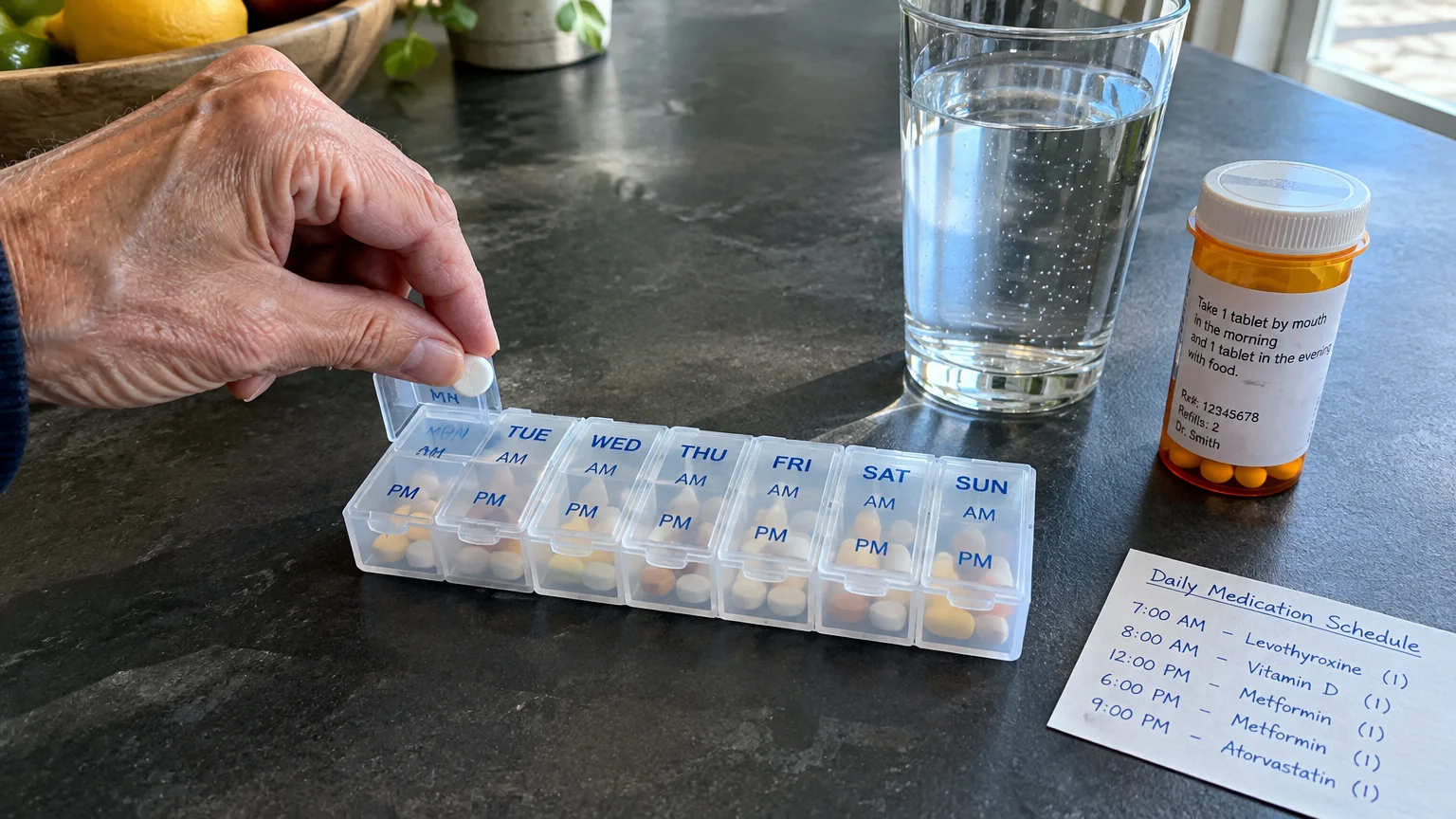
Clarify whether you must take the pill at a specific time of day. Some medications cause drowsiness and belong at bedtime, while diuretics belong in the morning to protect sleep.
Inquire whether the medicine requires a full stomach or an empty stomach. Certain compounds irritate stomach lining, while others require food fat for proper intestinal absorption.
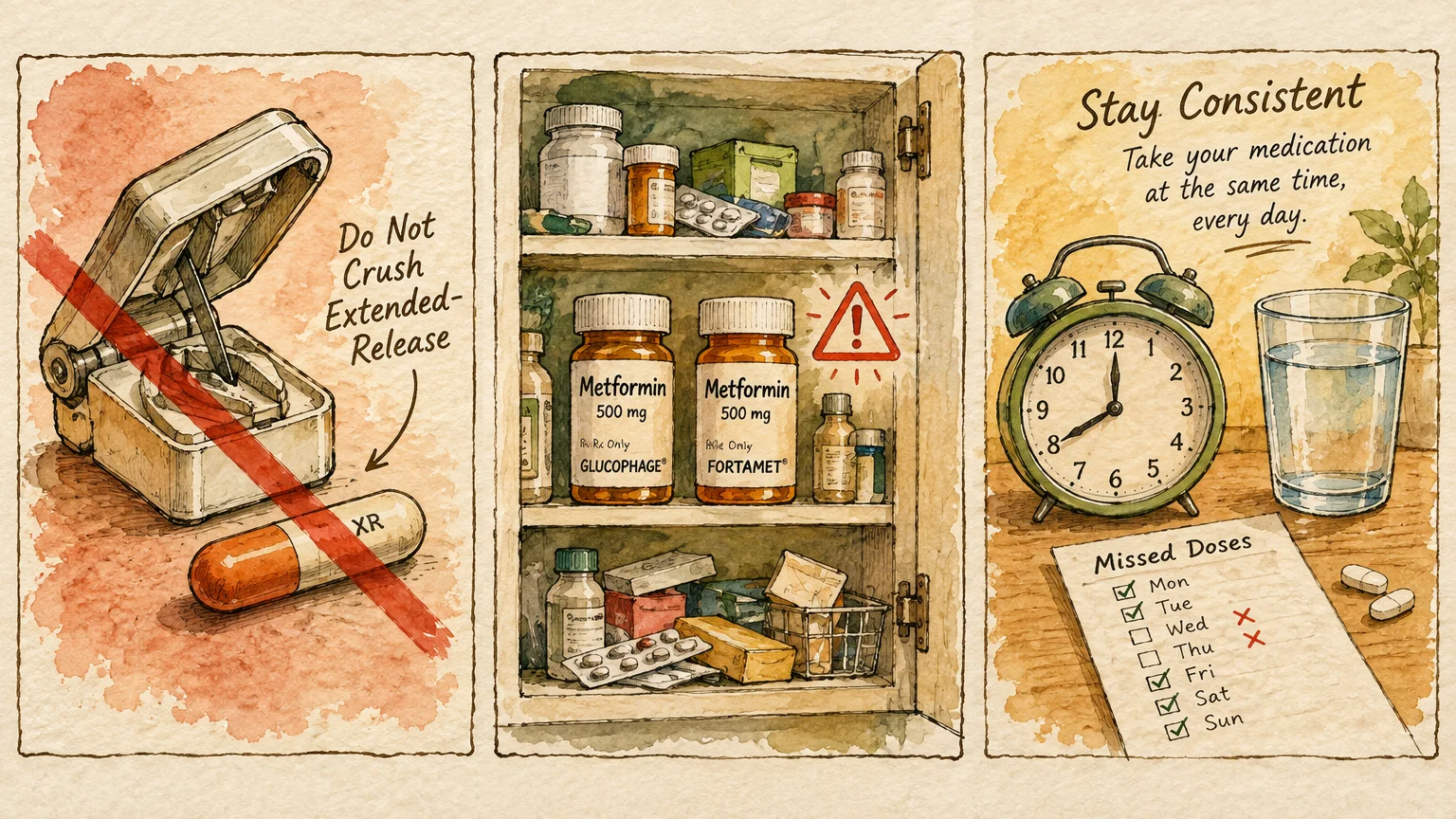
Ask if you must swallow the pill whole or if crushing it is safe. Crushing an extended-release tablet releases twenty-four hours of medicine at once, triggering severe toxicity.
Question 4: What specific steps should I take if I accidentally miss a scheduled dose?
Forgotten doses happen to everyone on occasion. Having a clear contingency plan prevents dangerous guesswork when you discover a missed pill hours later.
Ask your pharmacist whether you should take the missed dose immediately or skip it entirely. You should never take two doses simultaneously to compensate for a forgotten one.
Understanding the exact cutoff window for each prescription keeps your blood levels stable. It also prevents accidental overdose symptoms.
Question 5: How long will I need to remain on this prescription?
Determine whether this new prescription represents a short-term intervention or an ongoing maintenance routine. Antibiotics require completion of a strict course, whereas statins often involve long-term use.
Establishing an expected duration prevents you from stopping essential maintenance therapies prematurely. It also prompts scheduled evaluations to see if your body still requires the chemical intervention.
Side Effects, Risks, and the Beers Criteria
Every active medication introduces some physiological trade-offs. Knowing what to expect allows you to differentiate between benign temporary adjustments and dangerous warning signs.
Question 6: What side effects are common, and which symptoms require emergency care?
Request a clear distinction between mild adjustments and urgent red flags. Mild nausea might fade after a few days, but sudden facial swelling demands immediate emergency evaluation.
Pay close attention to symptoms that affect balance, vision, or cognitive clarity. Dizziness and muscle weakness significantly raise your risk of suffering severe fall injuries at home.
Research from the National Institute on Aging (NIA) emphasizes that discussing potential side effects beforehand helps older adults maintain physical safety and avoid preventable hospitalizations.
Question 7: Is this medication considered potentially inappropriate for older adults under the Beers Criteria?
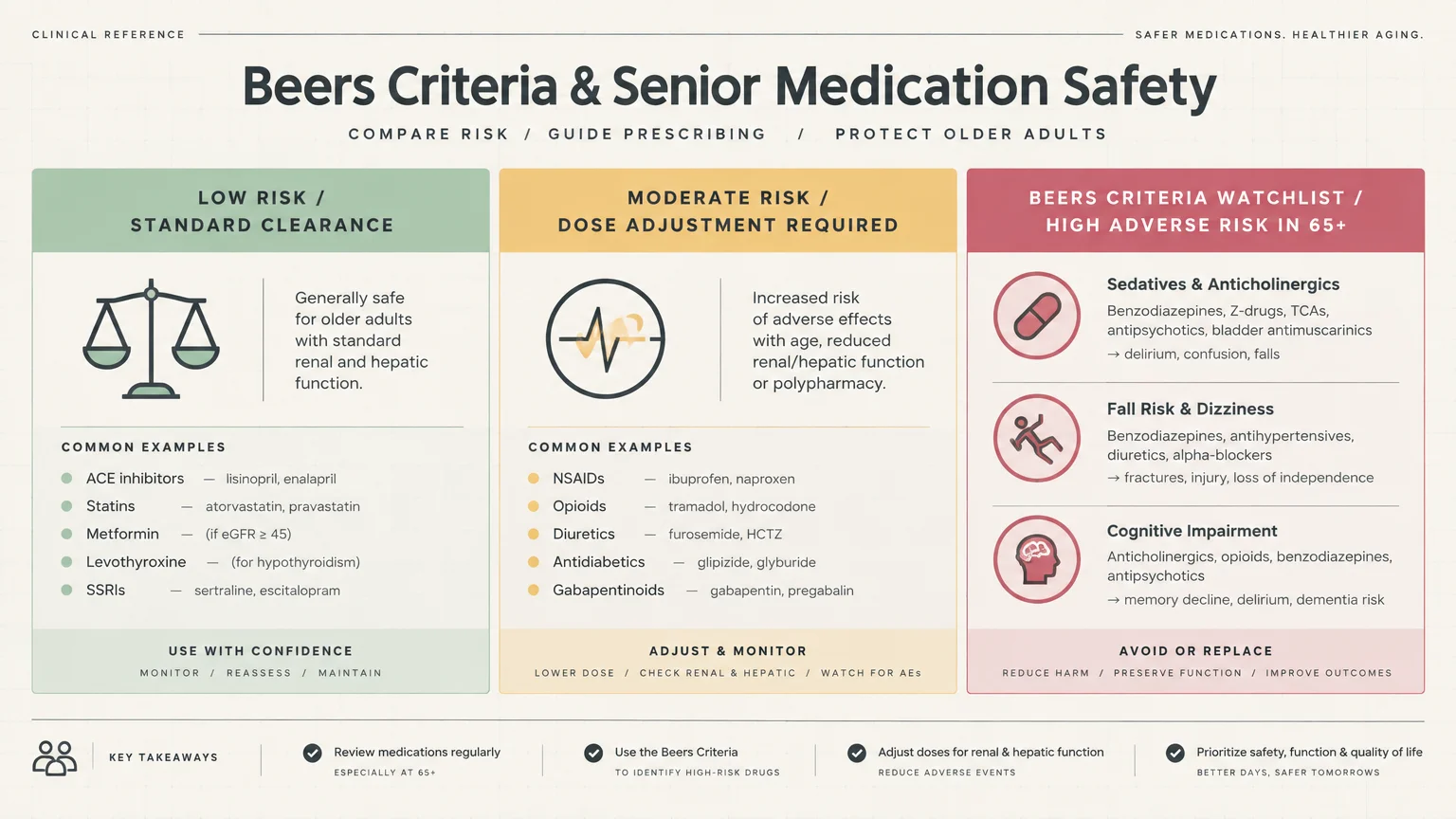
The American Geriatrics Society publishes the Beers Criteria to highlight medications that present disproportionate hazards for seniors. The clinical guidelines received a comprehensive update in May 2023.
The Beers Criteria explicitly warns against routine prescribing of high-risk classes for seniors. These include first-generation antihistamines, muscle relaxants, long-acting benzodiazepines, and chronic NSAIDs.
These drugs can cause acute confusion, severe kidney strain, gastrointestinal bleeding, and fall-related bone fractures in older bodies.
If your doctor prescribes a drug on this cautionary list, ask whether a safer alternative exists. Modern pharmaceutical options often deliver equivalent therapeutic benefits with far fewer hazards.
The table below outlines common high-risk drug classes on the Beers Criteria and highlights safer alternatives for older adults.
| Medication Class | Common Examples | Primary Risks for Seniors | Safer Potential Alternatives |
|---|---|---|---|
| First-Generation Antihistamines | Diphenhydramine, Chlorpheniramine | Severe drowsiness, acute confusion, urinary retention, dry mouth | Second-generation antihistamines (Loratadine, Cetirizine), saline nasal sprays |
| Skeletal Muscle Relaxants | Cyclobenzaprine, Carisoprodol | High fall risk, heavy sedation, anticholinergic toxicity | Physical therapy, topical lidocaine patches, heat therapy, gentle stretching |
| Long-Acting Benzodiazepines | Diazepam, Clonazepam | Prolonged sedation, balance impairment, delirium, motor vehicle crashes | Buspirone, SSRIs, cognitive behavioral therapy for insomnia or anxiety |
| Chronic Oral NSAIDs | High-dose Ibuprofen, Naproxen | Stomach bleeding, peptic ulcers, kidney damage, increased blood pressure | Topical NSAID gels (Diclofenac), Acetaminophen, targeted physical modalities |
Always discuss these alternatives with your physician before changing any medication routine. Your personal medical history guides the safest therapeutic path.
Managing Drug Interactions and Diet Restrictions
Unintentional chemical interactions represent one of the greatest hazards of modern healthcare. Combining multiple compounds can blunt therapeutic effectiveness or generate toxic reactions.
Question 8: How does this new prescription interact with my current pills, vitamins, and supplements?
Always bring a comprehensive list of everything you ingest to every medical appointment. Include non-prescription pain relievers, daily vitamins, herbal teas, and botanical extracts.
Herbal supplements like St. John’s wort or ginkgo biloba alter liver enzymes and interfere with life-saving cardiovascular drugs. Over-the-counter NSAIDs can counteract prescribed blood pressure therapies.
Ask your pharmacist to run a computerized drug-interaction check across your entire medication profile before filling the order.
Question 9: Are there specific foods, beverages, or lifestyle habits I need to avoid?
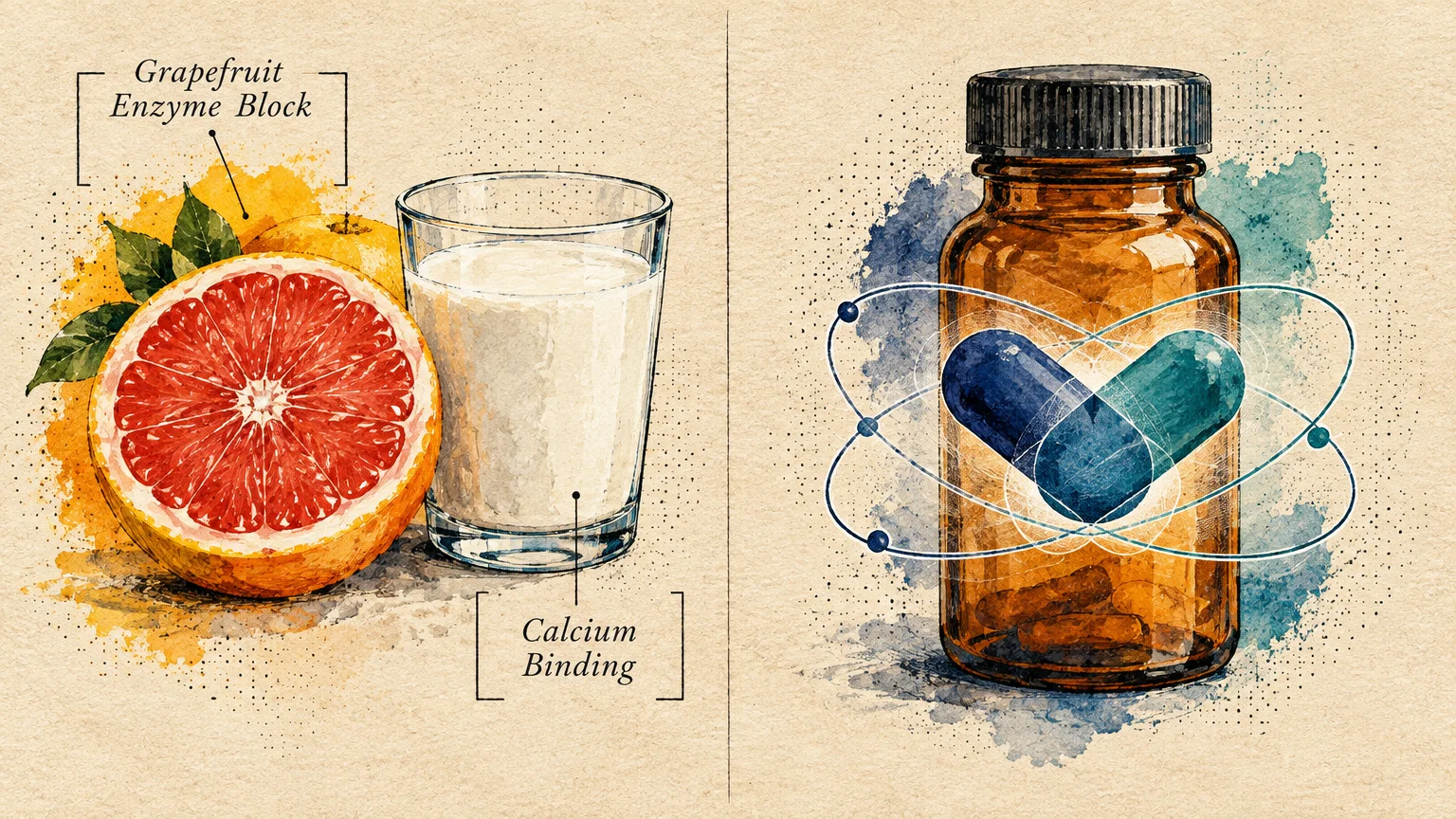
Certain everyday foods drastically alter how your digestive tract absorbs pharmaceutical compounds. For example, grapefruit juice blocks intestinal enzymes that metabolize statins and blood pressure medications.
Dark leafy greens containing high levels of vitamin K can disrupt the anticoagulant effects of warfarin. Calcium-rich dairy products can bind to certain antibiotics and prevent their systemic absorption.
Alcohol consumption warrants special caution for older adults taking new prescriptions. Combining alcohol with sedatives, pain relievers, or heart drugs can cause catastrophic drops in blood pressure.

Prescription Costs and Medicare Coverage
Financial strain should never prevent you from adhering to a vital medical treatment. Discussing expenses early helps identify cost-effective strategies before you reach the pharmacy cash register.
Question 10: Is there a lower-cost generic or alternative drug that works just as effectively?
Brand-name pharmaceuticals carry substantial price markups compared to their bioequivalent generic counterparts. Generics feature identical active ingredients, strength, and safety profiles as brand products.
If no generic version exists, ask your prescriber about therapeutic alternatives within the same pharmacological class. A comparable medication on a lower insurance tier can save you thousands annually.
Question 11: How will my Medicare Part D coverage apply to this prescription?
Medicare Part D drug plans use formulary tiers to establish your out-of-pocket copayments. Inquire whether the medication requires prior authorization or step therapy before coverage begins.
Recent federal reforms through the Inflation Reduction Act provide historic cost relief for older Americans. Beneficiaries now benefit from an annual out-of-pocket spending cap of $2,000, indexed to $2,100 in 2026.
Additionally, Medicare caps covered insulin copayments at $35 per monthly supply. You can review full plan details on Medicare.gov during open enrollment.
You can also choose the Medicare Prescription Payment Plan to spread high out-of-pocket costs into predictable monthly installments throughout the calendar year.
As noted by experts at AARP, utilizing these payment smoothing options helps retirees manage tight fixed budgets without skipping vital doses.
Monitoring Progress and Deprescribing
Starting a medication should never be an automated, permanent event. Continuous monitoring guarantees that every treatment remains medically necessary as your physical condition changes.
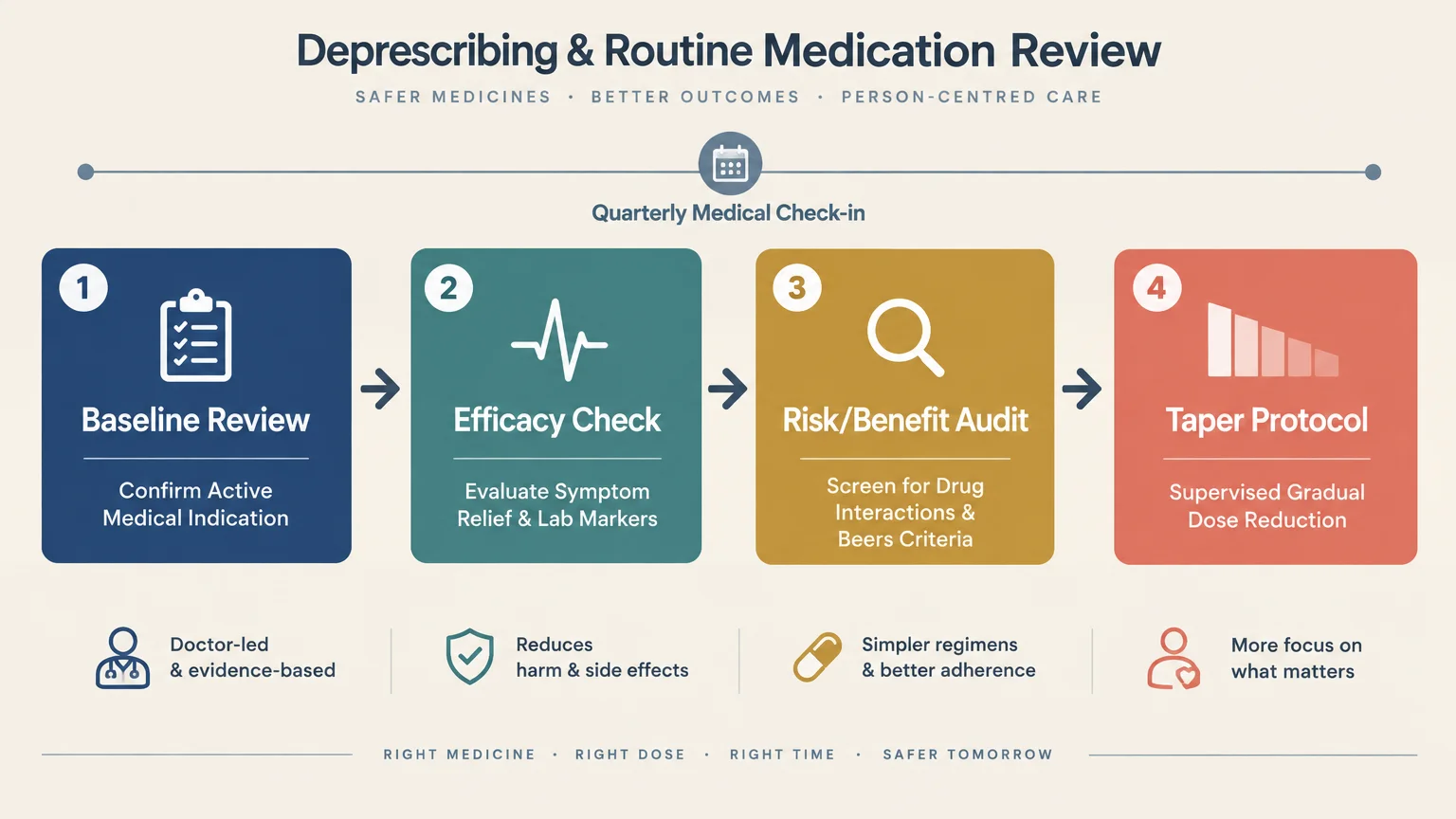
Question 12: When will we review this medication to see if we can safely stop taking it?
Ask your doctor to establish an explicit review date for your new prescription. This practice opens the door to deprescribing—the planned reduction or cessation of unnecessary medications.
As you make positive lifestyle adjustments or recover from acute illnesses, certain medications become obsolete. Continuing to take unneeded pills exposes you to avoidable risks without clinical benefits.
Federal regulations mandate that Medicare Part D plans provide free Medication Therapy Management (MTM) services to qualifying members. This program includes an annual Comprehensive Medication Review with a licensed pharmacist.
Use this dedicated session to assess each prescription, eliminate duplications, and verify that your drug regimen aligns with your personal wellness goals.
Common Mistakes to Avoid With New Prescriptions
Even well-intentioned patients encounter preventable hurdles when starting a new drug. Avoiding these widespread habits protects your health and wallet.
- Filling prescriptions at multiple unrelated pharmacies, which blinds pharmacists to dangerous drug-to-drug interactions across your profile.
- Splitting pills without professional approval, which can damage specialized protective coatings and alter drug absorption.
- Stopping medications prematurely because your symptoms disappeared, which frequently triggers severe rebound illnesses or antimicrobial resistance.
- Storing medications in hot, humid bathroom cabinets rather than in cool, dry pantry spaces or lockboxes.
- Failing to report minor early side effects until they escalate into serious health crises or falls.
Keeping all your prescription files at a single trusted pharmacy provides an essential safety net. Pharmacists maintain complete digital records and catch lethal drug conflicts before you leave.
Always store your medications in their original labeled containers alongside the patient instruction pamphlet. This habit prevents accidental mix-ups when managing multiple daily tablets.
Never hesitate to call your doctor if something feels abnormal after your initial dose. Addressing subtle reactions immediately prevents minor complications from turning into hospital stays.
Frequently Asked Questions
What should I do if my doctor seems rushed when I ask these questions?
Hand your provider a concise, prioritized list of your top three concerns at the beginning of the visit. You can also schedule a dedicated medication review appointment.
Remember that community pharmacists are medication experts who are readily accessible without an appointment. Your retail pharmacist can answer extensive questions regarding administration, side effects, and storage.
Can I safely crush my tablets if I have difficulty swallowing them?
You should never crush tablets or open capsules without explicit verification from your pharmacist. Modifying extended-release or enteric-coated medications can cause immediate drug toxicity or severe stomach irritation.
If you experience swallowing difficulties, ask your physician if a liquid solution, patch, or smaller tablet alternative exists.
How can I tell if a new symptom is an illness or a medication side effect?
Track the timeline closely by noting when the new symptom began relative to your first dose. If the symptom surfaced shortly after starting the drug, suspect a side effect.
Contact your prescribing clinician promptly to describe what you are experiencing. Never stop a prescribed maintenance drug abruptly without first notifying your medical team.
What is the brown bag medication review, and how does it work?
A brown bag review involves placing every prescription, over-the-counter remedy, ointment, and supplement into a bag and bringing it to your clinic. Your provider examines each container directly.
This hands-on inspection uncovers expired drugs, conflicting therapies, duplicate generic prescriptions, and incorrect dosage habits before they lead to an emergency room visit.
What financial help exists if I reach the coverage gap or cannot afford my copays?
Look into Medicare’s Extra Help program, which assists seniors with limited income by covering Part D premiums, deductibles, and prescription copayments.
You can also ask your doctor about patient assistance foundations, pharmaceutical copay assistance programs, or state pharmaceutical assistance programs in your community.
For additional senior resources, visit
Centers for Medicare & Medicaid Services (CMS), Social Security Administration (SSA), Consumer Financial Protection Bureau (CFPB) and Administration for Community Living (ACL).
Disclaimer: The information in this article is for educational purposes only and is not intended to be a substitute for professional financial, legal, or medical advice. Always consult with a qualified expert for advice tailored to your personal situation.









Leave a Reply