
Your hands reveal crucial details about your internal health long before other warning signs appear. Paying close attention to sudden stiffness, tremors, or weakness can help you catch serious medical conditions early.
Simple changes in your grip or skin tone often signal underlying cardiovascular, metabolic, or neurological shifts. Recognizing what your hands say about health allows you to seek timely treatment and protect your daily independence.
By identifying these clues promptly, you can work with your physician to preserve your quality of life. Explore eight critical hand symptoms and learn what practical steps you can take today.
The Surprising Connection Between Your Hands and Vital Health
Your hands contain an intricate network of fine blood vessels, sensitive nerves, and small bones. Because circulation and nerve pathways terminate in your fingertips, systemic diseases often present here first.
Doctors frequently examine a patient’s palms, nail beds, and finger flexibility during routine clinical assessments. Changes in manual dexterity can highlight vascular problems, hormonal imbalances, or autoimmune activity.
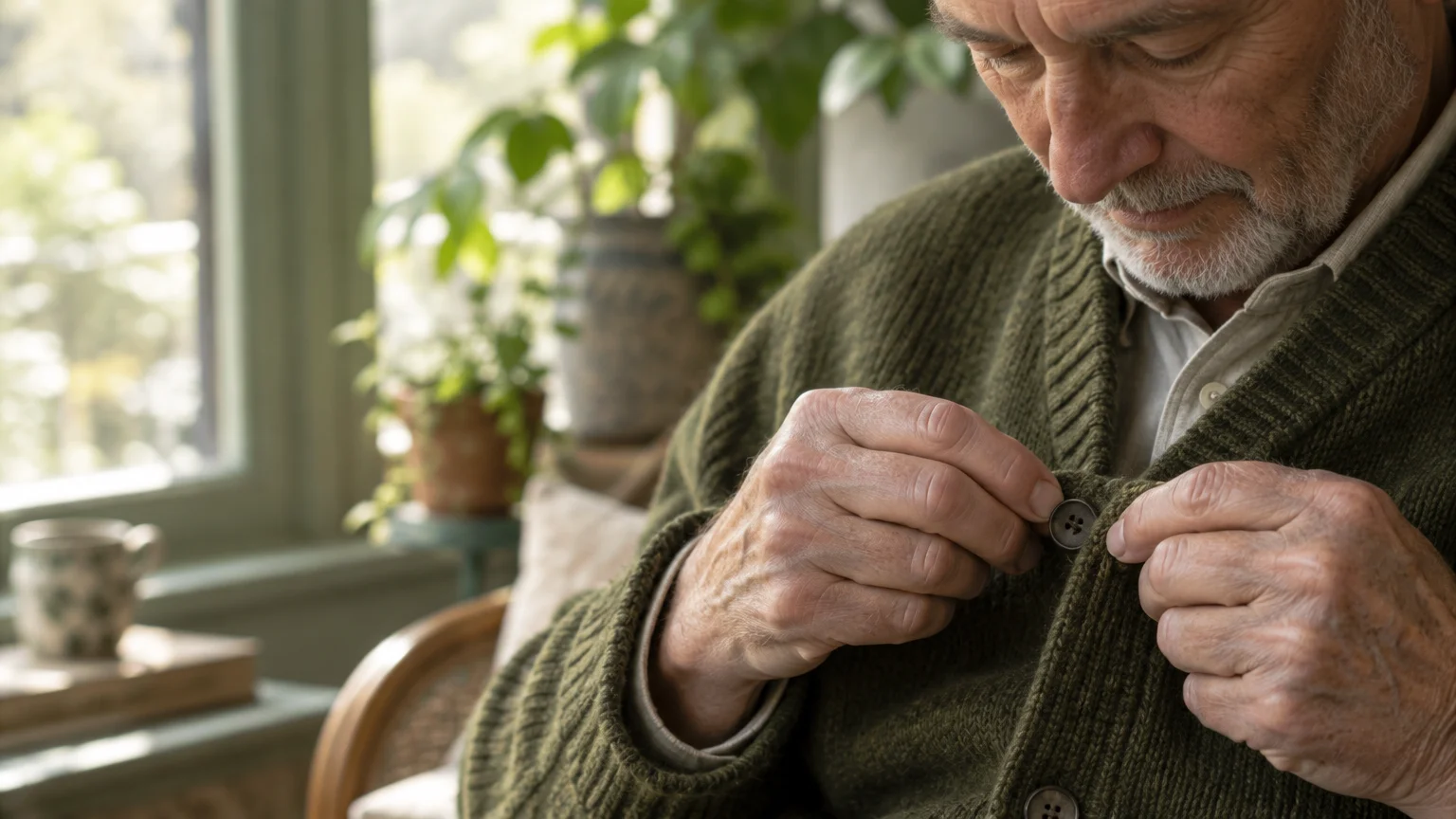
For older adults, preserving hand function directly impacts personal freedom and physical autonomy. Managing everyday tasks like fastening buttons, preparing meals, and turning keys requires healthy hand mechanics.
When you notice persistent changes in sensation or appearance, you should never dismiss them as unavoidable aging. Instead, view these shifts as helpful indicators prompting you to schedule a professional evaluation.
Symptom 1: Loss of Grip Strength and Cardiovascular Risks
You might first notice declining grip strength when opening a sealed jar or carrying grocery bags feels unusually difficult. While muscle mass naturally declines over time, a rapid loss of grip strength indicates deeper systemic issues.
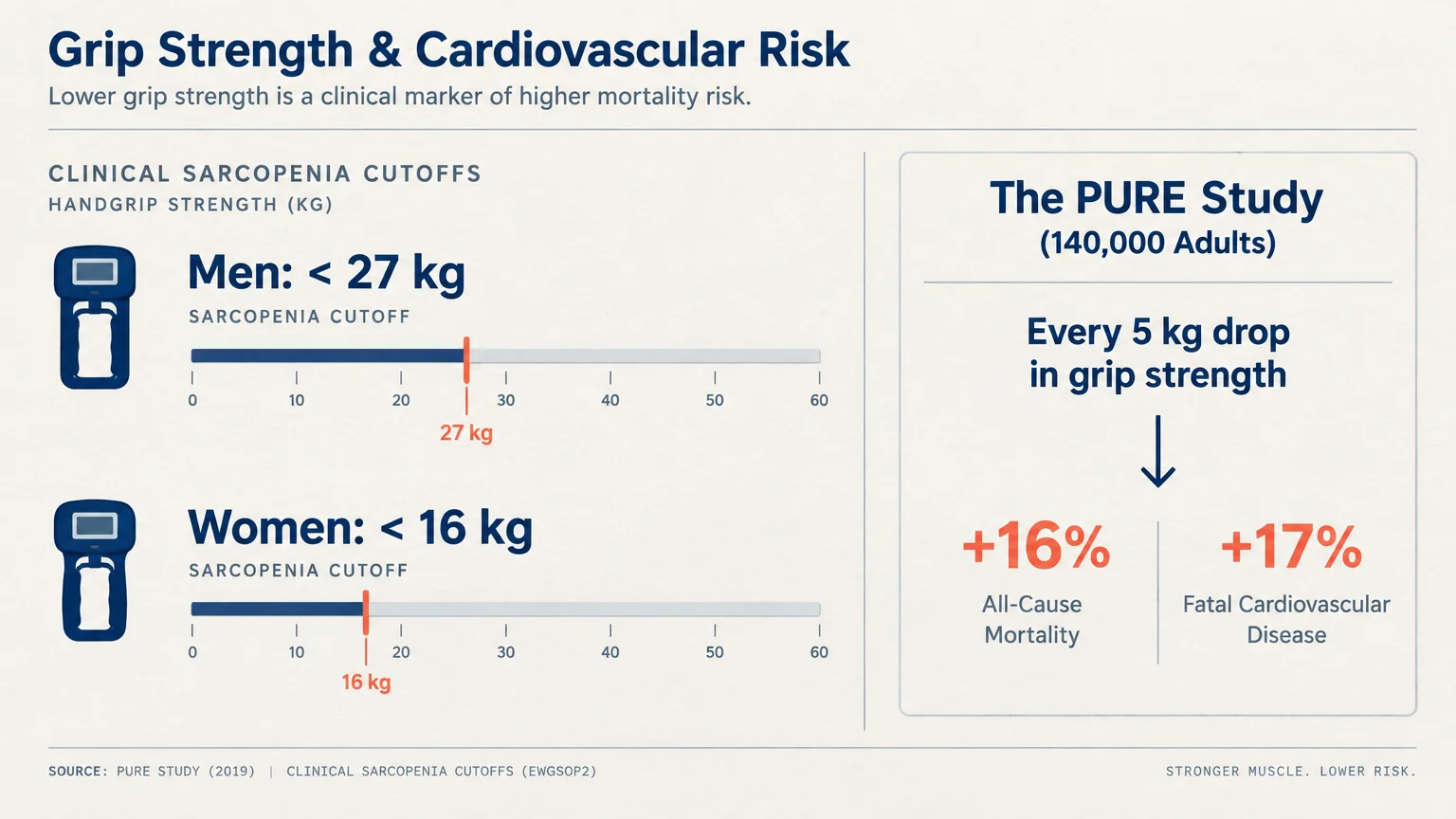
Clinical research demonstrates a powerful link between muscular grip and long-term heart health. The landmark PURE study published in The Lancet evaluated nearly 140,000 adults across multiple countries.
Researchers discovered that every 5-kilogram drop in grip strength corresponded to a 16 percent higher risk of all-cause mortality. It also produced a 17 percent higher risk of fatal cardiovascular disease.
In fact, measured grip strength proved to be a stronger predictor of cardiovascular mortality than systolic blood pressure. Weak hand muscles often reflect generalized arterial stiffness, loss of cardiac reserve, and chronic systemic inflammation.
Clinical benchmarks from the European Working Group on Sarcopenia define low grip strength thresholds clearly. Measurements below 27 kilograms for men and 16 kilograms for women indicate clinically significant muscle weakness.
Guidance from the American Heart Association emphasizes that maintaining total muscular fitness supports long-term blood pressure control. You can screen your grip power easily at your doctor’s office using a hand-held dynamometer.
To preserve your manual strength and protect your cardiovascular reserve, incorporate basic resistance habits into your weekly routine:
- Squeeze a soft therapy ball or tennis ball for five seconds, repeating ten times per hand.
- Carry moderate hand weights or heavy household objects during short indoor walks.
- Wring out a damp hand towel slowly to engage your forearm flexors and wrists.
- Perform wall pushups twice weekly to strengthen your upper body and hands simultaneously.
Symptom 2: Persistent Numbness and Tingling in the Fingers
Waking up with “pins and needles” in your fingers is a frequent complaint among older adults. Occasional numbness usually stems from temporary pressure on a nerve while sleeping in an awkward posture.
However, frequent prickling sensations or permanent numbness require prompt medical investigation. Identifying hand numbness causes early prevents irreversible nerve damage and protects your fine motor coordination.
One primary culprit is diabetic peripheral neuropathy. Research shows that approximately 50 percent of adults living with diabetes eventually develop peripheral nerve damage in their extremities.
This condition often causes gradual loss of feeling, burning pain, or tingling that starts symmetrically in your fingers and toes. High blood sugar damages microscopic capillaries that feed essential nutrients to peripheral nerves.
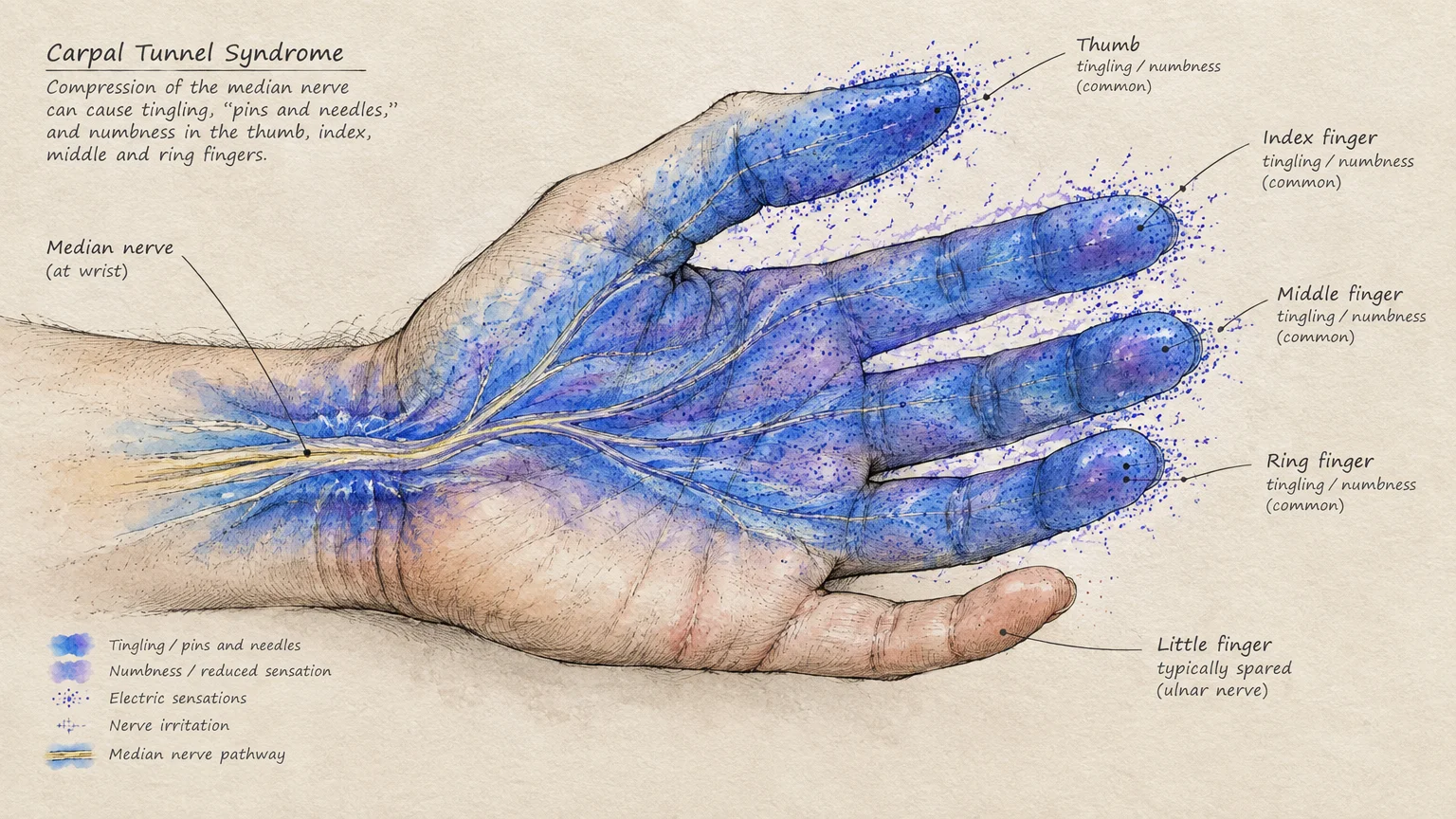
Another common source of finger numbness is carpal tunnel syndrome. This condition occurs when the median nerve becomes compressed as it travels through the narrow wrist canal.
Carpal tunnel syndrome typically affects the thumb, index finger, middle finger, and half of the ring finger. The little finger remains completely unaffected because a separate nerve controls its sensation.
Nerve compression can also originate higher in your spine due to cervical radiculopathy. According to the National Institutes of Health, degenerative disc changes in the neck frequently irritate nerves that travel downward into the hands.
If you experience progressive numbness, your physician may order electromyography or nerve conduction velocity tests. These diagnostic screenings pinpoint the exact location and severity of nerve irritation.
Symptom 3: Swollen Knuckles and Bony Joint Knots
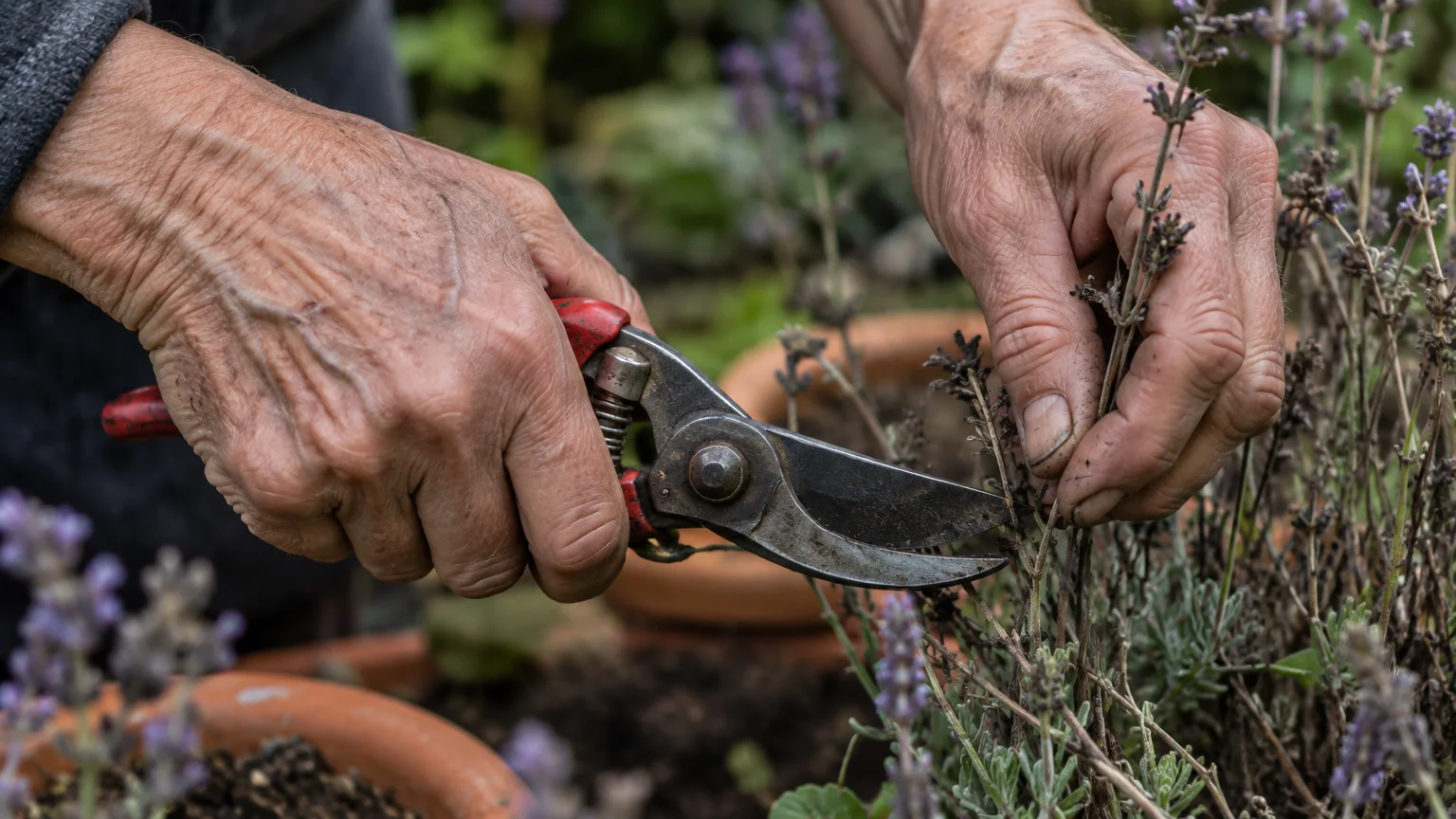
Waking up with painful, enlarged finger joints is one of the most visible hand health signs seniors experience. Over time, hard bony nodules may develop along the sides of your finger joints.
These hard bumps are known medically as Heberden’s nodes and Bouchard’s nodes. Heberden’s nodes appear at the joint closest to your fingernail, while Bouchard’s nodes develop at the middle joint.
These bony enlargements serve as definitive markers of hand osteoarthritis. As protective cartilage wears away, your underlying bones rub together, stimulating abnormal bone spurs and localized swelling.
According to the Johnston County Osteoarthritis Project, the lifetime risk of developing symptomatic hand osteoarthritis reaches approximately 40 percent. The condition affects roughly 47 percent of women and 25 percent of men.
Data from the Centers for Disease Control and Prevention shows that doctor-diagnosed arthritis affects nearly half of all American adults aged 65 and older. While osteoarthritis is degenerative, inflammatory conditions like rheumatoid arthritis present differently.
Rheumatoid arthritis causes warm, squishy swelling rather than hard bone, typically affecting both hands symmetrically. This autoimmune disease attacks joint linings and can cause joint deformities without early immune-modulating treatment.
You can manage everyday hand pain causes and maintain finger mobility using several accessible techniques:
- Submerge your hands in warm water for ten minutes each morning to loosen stiff tissues.
- Use paraffin wax baths to deliver soothing, deep heat directly to aching knuckles.
- Switch to ergonomic kitchen utensils with oversized rubber grips to minimize joint stress.
- Perform gentle finger curls and thumb circles daily to circulate lubricating synovial fluid.
Symptom 4: Tremors and Involuntary Hand Shaking
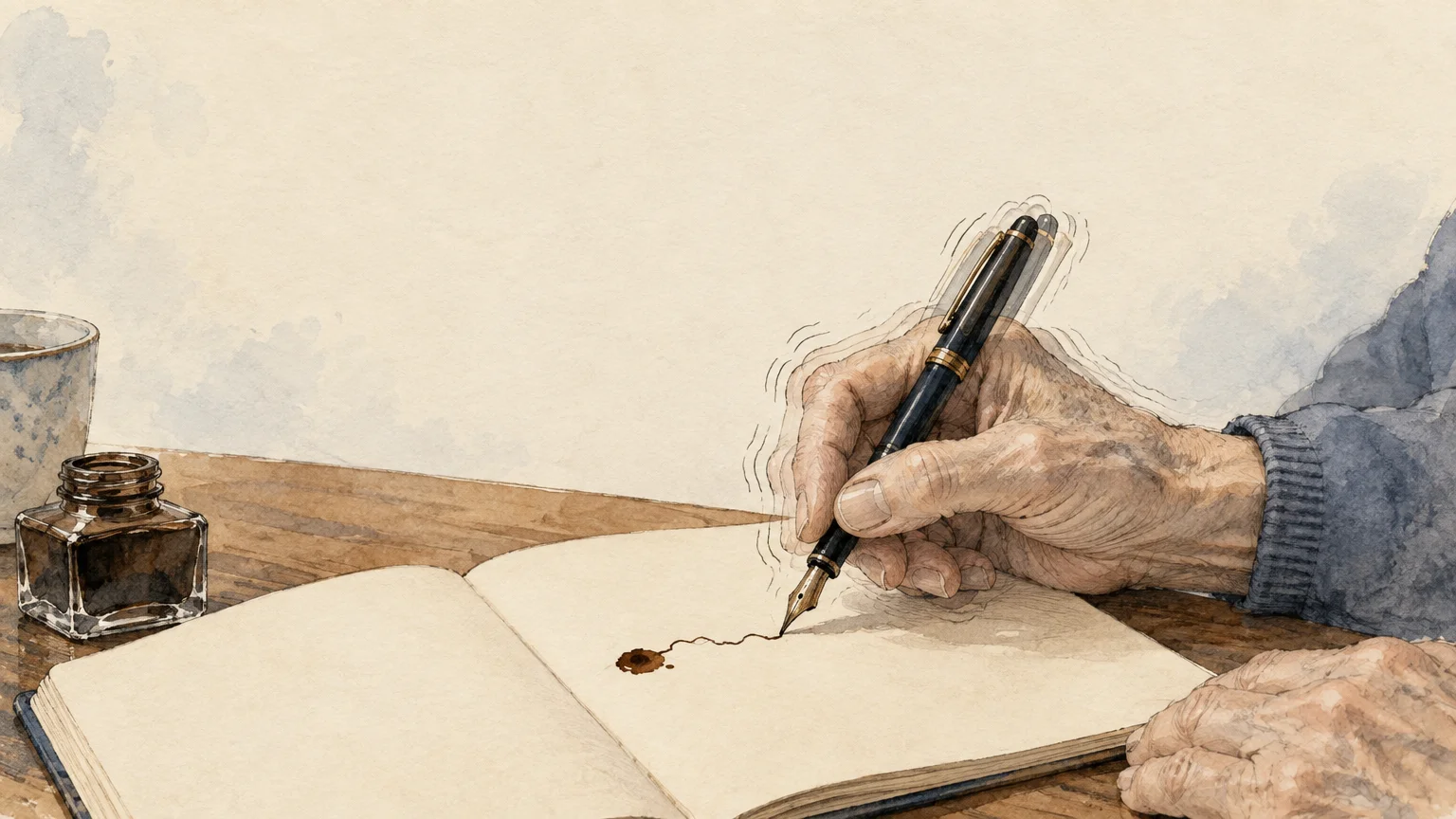
Experiencing an involuntary quiver in your hands can feel alarming. Many older adults immediately worry about neurodegenerative illnesses whenever hand trembling begins.
However, hand tremors fall into distinct medical categories with very different clinical origins. Determining whether shaking occurs during purposeful movement or during rest is the critical first diagnostic step.
Essential tremor represents the most common movement disorder among seniors. Global clinical studies indicate that essential tremor affects between 5.8 percent and 8 percent of adults over age 65.
This condition causes an action tremor, meaning the shaking becomes obvious when you use your hands. You might spill coffee while lifting a mug, struggle to sign your name, or drop soup spoons.
By contrast, Parkinson’s disease affects roughly 1 to 2 percent of adults aged 65 and older. This condition characteristically produces a resting tremor, often described by neurologists as “pill-rolling.”
With Parkinson’s disease, your hand shakes rhythmically while resting quietly in your lap, but settles down when you reach for an object. It also frequently appears alongside slowed movement, muscle rigidity, and balance difficulties.
Tremors can also stem from everyday physiological triggers like excess caffeine, thyroid disease, or medication side effects. Asthma inhalers, antidepressants, and certain heart medications frequently trigger mild hand shakiness.
Keep a symptom diary detailing when your tremors occur before you visit your doctor. Noting whether shaking happens during rest or action helps your specialist make an accurate diagnosis.
Symptoms 5 and 6: Curling Fingers and Reddened Palms
Physical changes on the palm of your hand provide valuable clues about systemic metabolic and organ health. Two specific signs deserve close attention: inward finger contractures and unexplained palmar redness.
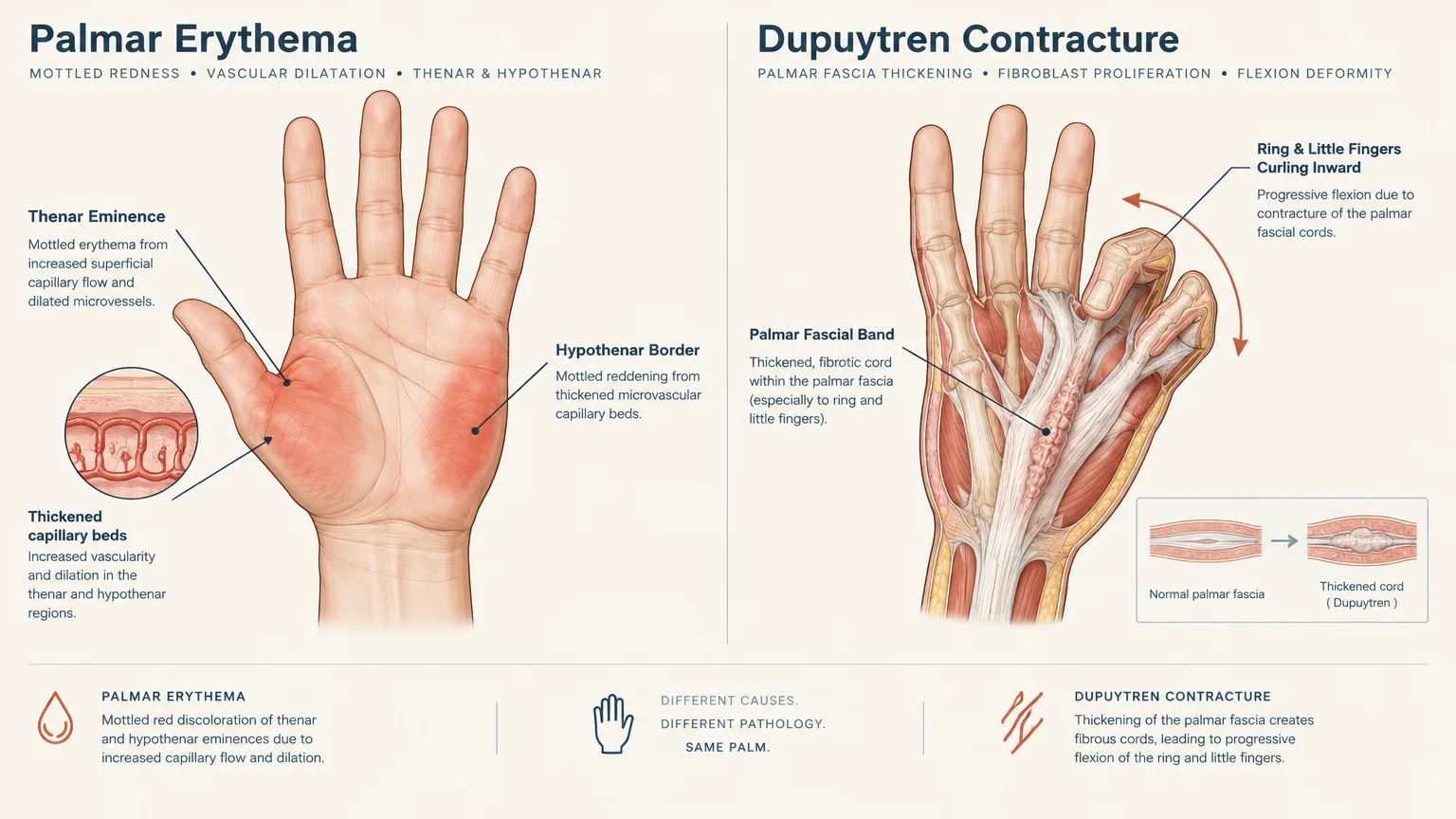
Dupuytren’s contracture is a progressive condition where connective tissue beneath your palm skin thickens into tough bands. Over months or years, these cords pull your ring and pinky fingers inward toward your palm.
This condition affects between 5 percent and 15 percent of men over age 50. Prevalence climbs to roughly 20 percent of adults over 65 among individuals of Northern European descent.
Additionally, approximately 20 percent of people diagnosed with diabetes develop some degree of Dupuytren’s changes. Elevated glucose levels accelerate collagen cross-linking, causing tissues in the palmar fascia to stiffen and contract.
You can perform the simple “tabletop test” at home to check for this condition. Place your hand flat on a hard table; if your palm cannot sit completely flush, consult an orthopedic specialist.
The sixth key symptom is palmar erythema, characterized by distinct reddish patches across your palms. This redness concentrates heavily on the fleshy pads at the base of your thumb and little finger.
Palmar erythema often serves as an external indicator of chronic liver disease. Medical studies show this symptom appears in approximately 23 percent of individuals living with liver cirrhosis.
When liver function declines, the organ struggles to metabolize circulating hormones like estrogen effectively. Elevated estrogen dilates superficial palmar capillaries, producing painless, bilateral redness across the hands.
If you notice persistent redness on both palms alongside unexplained fatigue, request a comprehensive metabolic panel. Routine blood tests evaluate your liver enzymes, bilirubin, and total protein quickly and accurately.

Symptoms 7 and 8: Discolored Fingers and Brittle Nails
Your fingernails and peripheral vascular response provide immediate insight into your circulatory health and nutrient absorption. Sudden shifts in skin color or nail architecture warrant careful clinical review.
Raynaud’s phenomenon causes small blood vessels in your fingers to overreact to cold air or emotional stress. During an episode, your fingers suddenly turn stark white, shift to blue, and finally turn deep red as blood returns.
While primary Raynaud’s commonly begins during adolescence, new-onset symptoms after age 40 often signify secondary Raynaud’s. Secondary cases point toward underlying autoimmune connective tissue disorders like lupus, rheumatoid arthritis, or scleroderma.
In fact, over 90 percent of patients diagnosed with systemic sclerosis exhibit Raynaud’s symptoms. If your fingers turn ghost white when grabbing frozen groceries, tell your doctor promptly.
The eighth critical hand symptom involves structural changes to your fingernails. Because nail plates require substantial energy and micronutrients to grow, systemic illnesses alter their appearance.
Digital clubbing causes the tips of your fingers to bulge and nails to curve downward like upside-down spoons. Clubbing frequently indicates chronic low blood oxygen linked to pulmonary conditions, lung cancer, or congenital heart defects.
Conversely, concave or scooped-out nails, known as koilonychia, strongly correlate with chronic iron deficiency anemia. Pitted or crumbling nails often indicate psoriatic arthritis or thyroid dysfunction.
| Hand Symptom | Possible Health Link | Recommended Clinical Action |
|---|---|---|
| Declining Grip Strength | Cardiovascular decline, sarcopenia | Grip dynamometer test, resistance training |
| Finger Numbness/Tingling | Diabetic neuropathy, carpal tunnel | Blood glucose test, nerve conduction study |
| Bony Joint Knots | Osteoarthritis, rheumatoid arthritis | Hand X-rays, inflammatory blood markers |
| Involuntary Tremors | Essential tremor, Parkinson’s disease | Neurological evaluation, medication review |
| Inward Curling Fingers | Dupuytren’s contracture, diabetes | Tabletop test, orthopedic hand exam |
| Reddened Palms | Liver cirrhosis, hormonal shifts | Comprehensive metabolic panel (CMP) |
| White/Blue Color Shifts | Raynaud’s, autoimmune disease | Antinuclear antibody (ANA) screening |
| Clubbed/Spoon Nails | Cardiopulmonary issues, severe anemia | Oxygen saturation check, ferritin panel |

Mistakes to Avoid When Evaluating Hand Health Signs
Many seniors make the mistake of assuming hand pain, stiffness, or tremors represent normal milestones of aging. Accepting functional decline without an evaluation delays treatments that could halt disease progression.
Another frequent misstep is relying exclusively on over-the-counter pain relievers to manage persistent hand discomfort. While these medications provide short-term relief, they do not resolve underlying nerve compression or inflammatory arthritis.
Excessive use of nonsteroidal anti-inflammatory drugs also increases your risk of gastrointestinal bleeding and kidney strain. Always consult your physician before taking daily pain relievers for chronic hand aches.
Do not wait until Dupuytren’s contracture severely curls your fingers before consulting a surgeon. Early non-surgical interventions, including targeted enzyme injections and needle aponeurotomy, yield far better results than late-stage procedures.
Take full advantage of your healthcare coverage to access specialized rehabilitative care. According to Medicare.gov, Part B covers medically necessary physical and occupational therapy when prescribed by your doctor.
Occupational therapists teach you custom hand exercises, evaluate adaptive equipment, and fabricate custom splints. These non-invasive interventions protect your joint integrity and keep your hands functional.
Preparing for your appointment ensures productive conversations with your care team. Guidance from the National Institute on Aging emphasizes writing down your specific symptoms and functional limitations before your visit.
- Record exactly when your symptoms begin and note what activities make them better or worse.
- List all daily medications, over-the-counter supplements, and herbal remedies you consume.
- Document how hand symptoms affect your daily routines, such as preparing meals or driving.
- Ask your doctor whether physical therapy or specialist referrals could help improve your condition.
Frequently Asked Questions
Can regular hand exercises rebuild lost grip strength as you age?
Yes, targeted resistance exercises can rebuild muscle mass and improve hand strength at any age. Progressive resistance training stimulates muscle fiber recruitment and enhances forearm grip endurance.
Simple tools like therapy putty, resistance bands, and hand grippers yield noticeable improvements within eight to twelve weeks. Consistency remains the most important factor in restoring your manual strength.
When should hand numbness prompt an immediate visit to the emergency room?
Seek emergency medical attention immediately if hand numbness begins suddenly on one side of your body. Sudden unilateral weakness or numbness can signal an acute stroke.
You should also seek urgent care if numbness accompanies facial drooping, slurred speech, confusion, or sudden vision loss. Prompt medical intervention during a stroke significantly limits long-term neurological impairment.
Does Medicare cover therapy treatments for hand arthritis?
Medicare Part B covers outpatient physical and occupational therapy services that your doctor deems medically necessary. You generally pay your standard Part B deductible and a 20 percent coinsurance amount.
A licensed occupational therapist can design personalized exercises and fit you with supportive braces. These therapies reduce joint strain and help you maintain independence in your daily activities.
How do physicians treat Dupuytren contracture if fingers will not flatten?
Physicians utilize several modern interventions depending on how severely your fingers are contracted. In early stages, specialized collagenase enzyme injections help dissolve tough palmar tissue bands.
Minimally invasive needle aponeurotomy can also release restrictive cords under local anesthesia in an office setting. For advanced contractures, outpatient open surgery effectively removes the diseased fascia and restores range of motion.
Why do hand stiffness and joint pain feel significantly worse in the morning?
Joint fluid thickens and blood circulation slows down while your body remains resting during the night. In osteoarthritic joints, reduced movement allows inflammatory chemicals to settle within the joint capsule.
Morning stiffness from osteoarthritis usually resolves within thirty minutes once you start moving your hands. If severe joint stiffness persists for hours, your doctor should evaluate you for rheumatoid arthritis.
For additional senior resources, visit
Eldercare Locator, AARP, Alzheimer’s Association and American Heart Association.
Disclaimer: The information in this article is for educational purposes only and is not intended to be a substitute for professional financial, legal, or medical advice. Always consult with a qualified expert for advice tailored to your personal situation.









Leave a Reply