
Persistent exhaustion should never be brushed aside as an ordinary part of getting older. Identifying distinct types of fatigue can help you pinpoint treatable medical conditions before they disrupt your independence.
While everyday tiredness fades after a sound night of rest, serious fatigue lingers and drains your physical vitality. Paying close attention to how your body feels allows you to take decisive charge of your health.
Unexplained tiredness often signals underlying issues ranging from heart strain to nutritional deficiencies. Learning these critical warning signs will prepare you to seek timely medical care and reclaim your everyday stamina.
In this guide8 sections
- Normal Aging Versus Serious Fatigue
- 10 Types of Fatigue That Need Medical Attention
- Fatigue Types and Associated Warning Signs
- Common Mistakes Seniors Make When Feeling Fatigued
- Fatigue Warning Signs That Require Emergency Care
- How to Prepare for Your Doctor Appointment
- Diagnostic Tests Your Doctor May Recommend
- Frequently Asked Questions
Normal Aging Versus Serious Fatigue
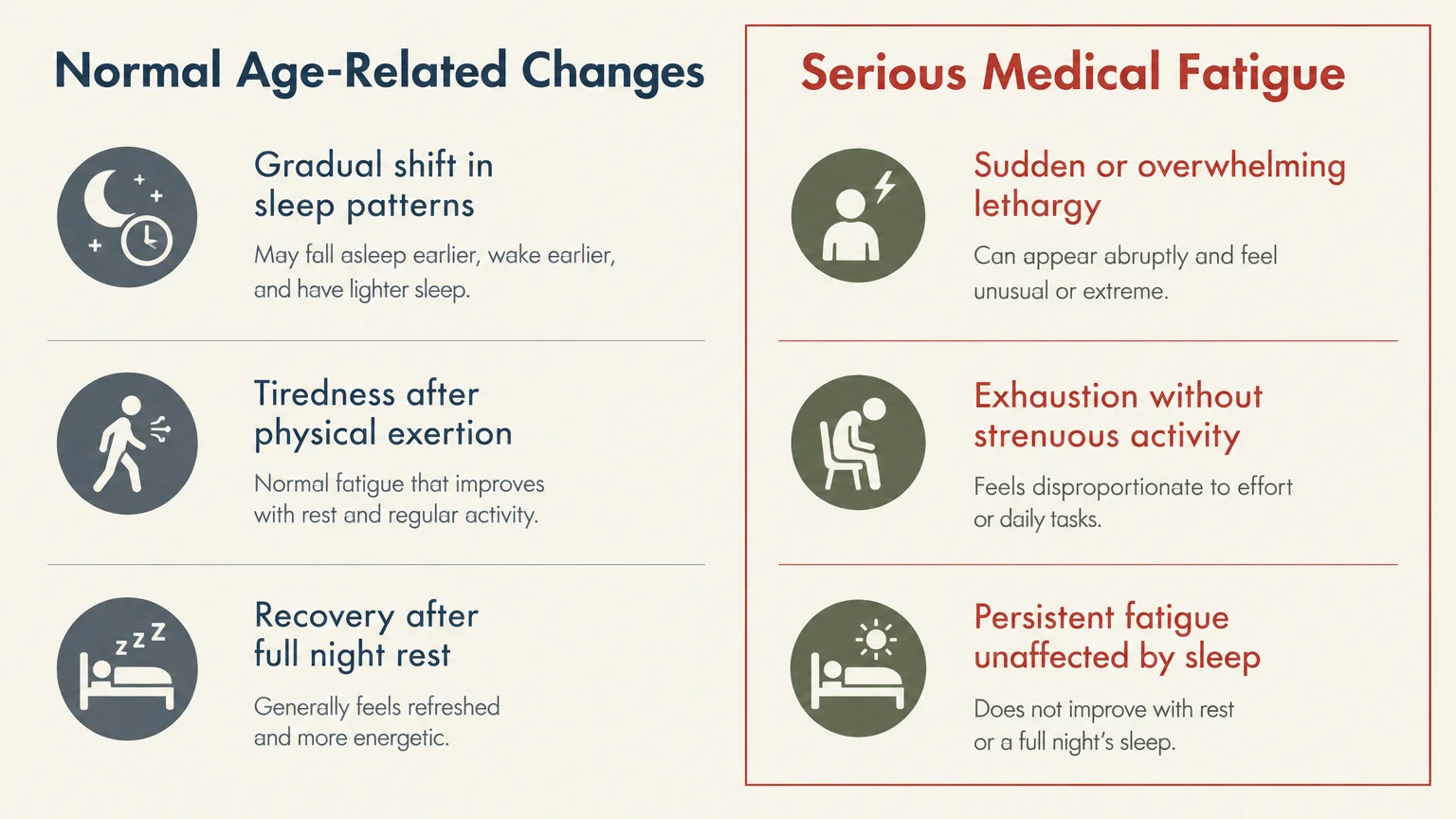
Growing older naturally brings subtle changes to your sleep patterns and daily recovery times. However, overwhelming lethargy that prevents you from completing routine tasks is not normal.
According to the National Institute on Aging (NIA), fatigue is an important medical symptom rather than an unavoidable result of aging.
When you know the difference between healthy aging and underlying illness, you can protect your mobility and independence. A persistent drop in energy often means your body is asking for clinical support.
10 Types of Fatigue That Need Medical Attention
Fatigue presents in diverse ways depending on the biological system involved. Doctors categorize your symptoms based on onset, accompanying sensations, and daily timing.
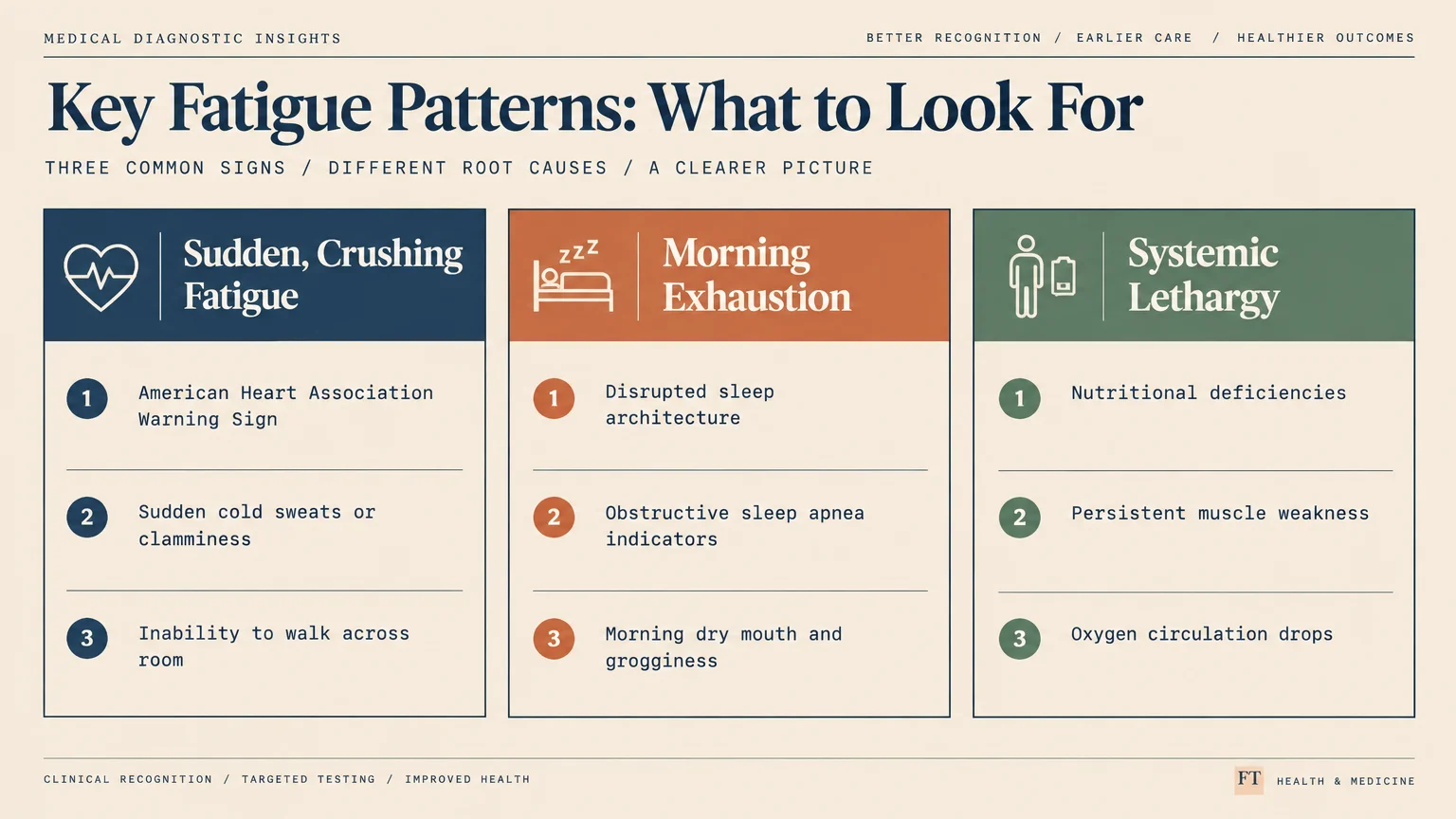
1. Sudden, Crushing Fatigue
A sudden, dramatic wave of weakness can catch you completely off guard. This severe depletion often occurs without any strenuous physical activity to explain it.
Research from the American Heart Association highlights that unusual fatigue can be a primary indicator of heart trouble, especially in women.
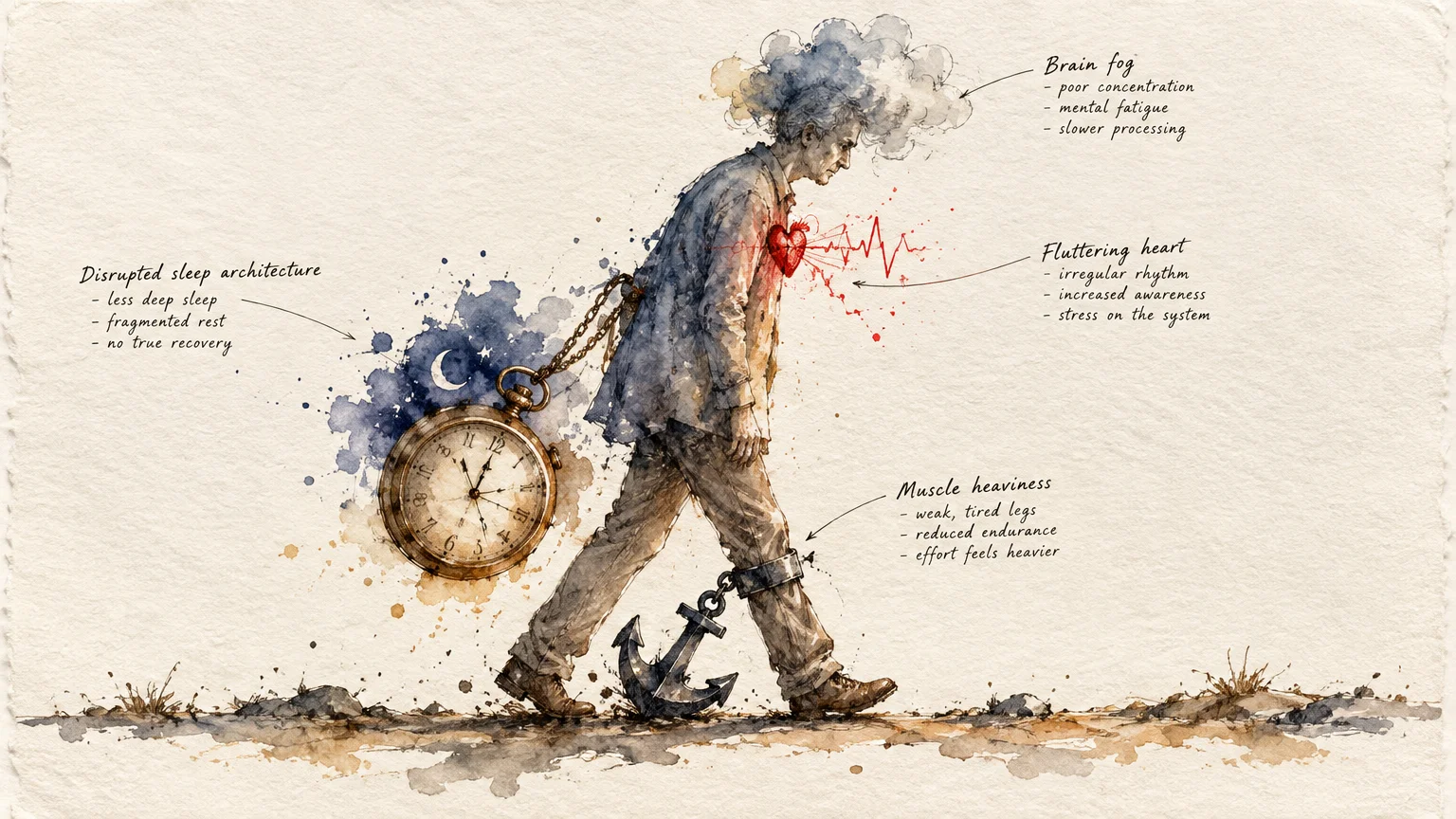
If your heart struggles to pump blood efficiently, vital tissues receive less oxygen. This circulation drop triggers instant, profound exhaustion that warrants rapid medical evaluation.
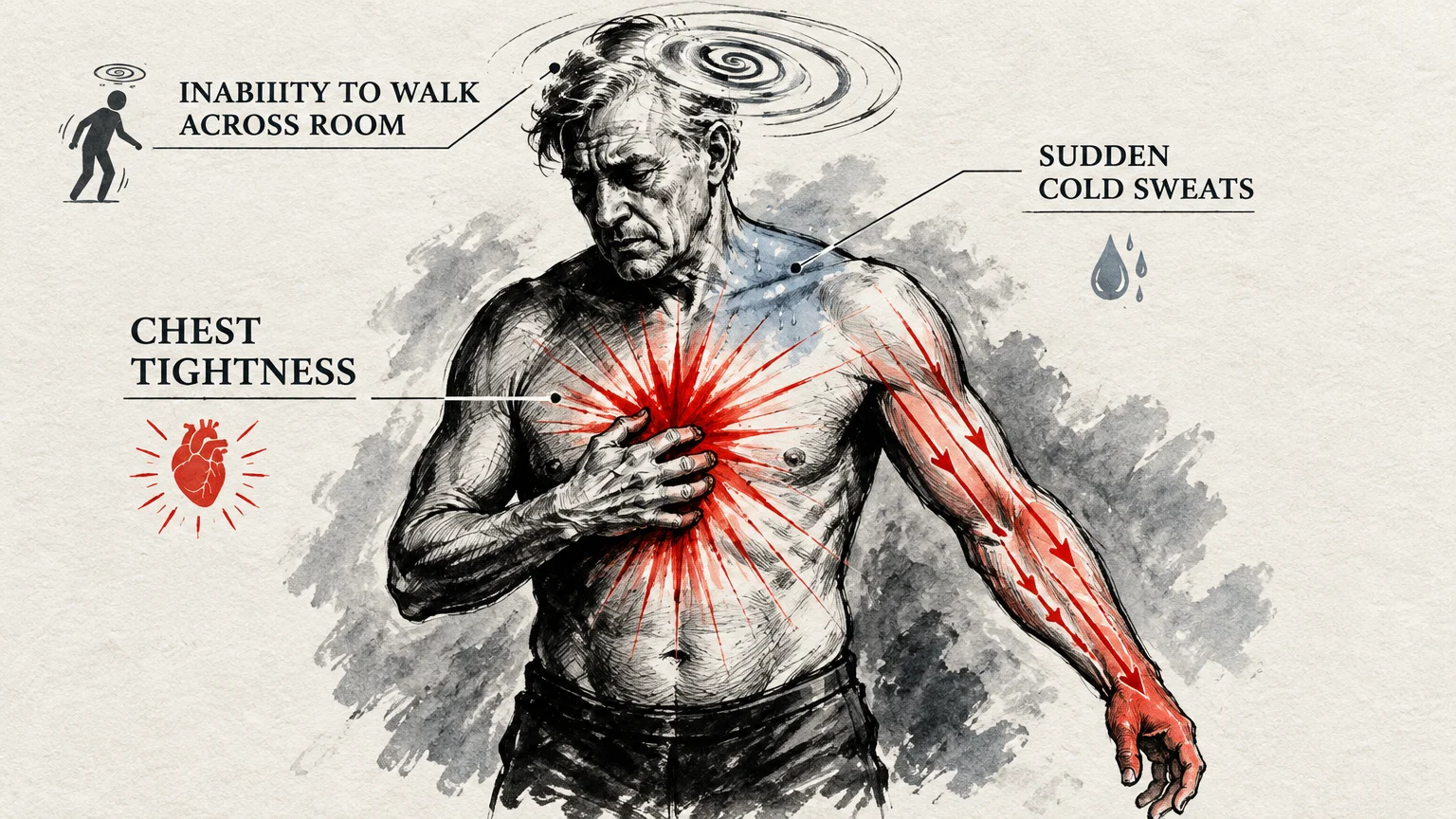
- Inability to walk across a room without stopping
- A feeling of heaviness or tightness in your chest
- Sudden cold sweats or clamminess
- Lightheadedness when standing
2. Morning Exhaustion After Sleeping
Waking up completely unrefreshed despite spending eight hours in bed signals disrupted sleep architecture. You might feel groggy, irritable, and mentally slow from the moment your alarm rings.
Obstructive sleep apnea frequently causes this persistent morning slump. Your airway relaxes during sleep, causing repeated breathing pauses that pull you out of deep recovery stages.
Many older adults dismiss daytime sleepiness because they do not remember waking up during the night. A clinical sleep study can reveal whether nighttime oxygen drops are stealing your energy.
- Loud, chronic snoring or gasping during sleep
- Morning dry mouth or tension headaches
- Excessive drowsiness while reading or driving
- Frequent nighttime urination visits
3. Post-Exertional Crashes
Post-exertional malaise occurs when minor physical or mental tasks trigger a severe physical crash. Instead of feeling refreshed after gentle activity, you may find yourself bedridden for days.
This distinct energy collapse often points toward complex conditions like myalgic encephalomyelitis or lingering post-viral syndromes. Your cellular energy production fails to meet standard daily demands.
Pacing your daily routine helps prevent these crashes while your healthcare provider investigates the root cause. Keeping track of specific exertion triggers will help your doctor pinpoint therapeutic options.
- Severe exhaustion appearing 24 to 48 hours after activity
- Generalized muscle soreness after light effort
- Cognitive fog that worsens after conversation
- Sensitivity to light and sound during flare-ups
4. Heavy-Limbed, Sluggish Fatigue with Cold Sensitivity
When your thyroid gland underproduces vital hormones, your entire metabolic engine slows down. You may feel as though you are moving through wet cement throughout the day.
Hypothyroidism is particularly common among older adults and frequently mimics signs of general aging. Because the onset is gradual, many seniors endure months of unnecessary sluggishness before seeking help.
A straightforward blood test measuring thyroid-stimulating hormone can identify this deficiency quickly. Once diagnosed, daily hormone replacement therapy typically restores baseline vitality and warmth.
- Intolerance to cold temperatures when others feel comfortable
- Unexplained weight gain despite no dietary changes
- Dry, brittle skin and coarse hair
- Persistent constipation and joint stiffness
5. Breathless, Pale Fatigue
Anemia occurs when your bloodstream lacks adequate healthy red blood cells to transport oxygen. Without sufficient oxygen, your muscles and organs starve for fuel during basic daily tasks.
You might feel winded simply folding laundry, climbing stairs, or walking to the mailbox. Family members may also notice that your skin, gums, or nail beds look noticeably paler.
Common causes in seniors include gastrointestinal blood loss, iron malabsorption, or low vitamin B12 levels. A physician can run basic laboratory panels to diagnose the exact type of anemia.
- Rapid heart rate during mild exertion
- Persistent dizziness or feeling faint
- Pale skin and brittle fingernails
- Cold hands and feet throughout the day
6. Toxic Brain Fog and Physical Drowsiness
Your kidneys and liver work continuously to filter metabolic waste products out of your bloodstream. When these organs lose function, toxic compounds accumulate and cause a distinct, heavy lethargy.
This systemic exhaustion often pairs with confusion, memory lapses, and a general feeling of bodily toxicity. You may notice an unpleasant metallic taste in your mouth or an altered sleep schedule.
Because kidney disease develops quietly without early pain, fatigue is often one of the first visible clues. Routine blood chemistry panels assess organ filtration and safeguard your overall health.
- Swelling in your ankles, feet, or hands
- Metallic taste in your mouth or loss of appetite
- Dark urine or changes in urination frequency
- Yellowing of the skin or eyes
7. Painful, Aching Exhaustion
Fatigue accompanied by deep joint stiffness and widespread muscle aches often indicates systemic inflammation. Autoimmune conditions turn your immune defenses against your own healthy connective tissues.
Conditions such as polymyalgia rheumatica and rheumatoid arthritis frequently emerge in individuals over age sixty. Managing chronic inflammatory signals consumes enormous amounts of your internal energy reserve.
If morning stiffness lasts longer than forty-five minutes, you should schedule a comprehensive medical evaluation. Targeted anti-inflammatory medications can relieve discomfort and revive your daily mobility.
- Morning stiffness in your shoulders and hips
- Tender, warm, or swollen joints
- Low-grade fever with flu-like sensations
- Difficulty lifting your arms to brush your hair
8. Flat, Joyless Fatigue
Emotional exhaustion and clinical depression often manifest physically in older adults rather than as obvious sadness. You may experience profound physical inertia paired with a loss of interest in favorite hobbies.
Late-life depression can alter sleep architecture, slow digestive processing, and leave you feeling completely depleted. Many seniors mistake this emotional fatigue for purely physical decay or cognitive decline.
Your doctor can assess your emotional health with gentle, standardized screening questionnaires. Effective treatments—including counseling, lifestyle shifts, and gentle medications—can restore your mood and physical energy.
- Loss of motivation to engage in social activities
- Noticeable changes in appetite and sleep schedules
- Feelings of hopelessness or persistent apathy
- Slowed speech and reduced physical movement
9. Prescription-Induced Lethargy
Older adults frequently take multiple prescription medications to manage chronic health conditions. However, polypharmacy can create drug interactions that drain your daily alertness.
Common culprits include blood pressure tablets, sedatives, muscle relaxants, and certain allergy remedies. As your metabolism changes with age, your liver processes medications more slowly, prolonging side effects.
Never stop taking prescribed medications on your own without professional medical guidance. Instead, ask your pharmacist or primary doctor to conduct a thorough medication review to optimize dosages.
- Drowsiness that intensifies shortly after taking pills
- Unsteadiness on your feet or balance issues
- Dry mouth combined with persistent grogginess
- Mental cloudiness that began after starting a new prescription
10. Exhaustion Accompanied by Unexplained Weight Loss
Fatigue that coincides with dropping pounds without dieting requires prompt medical attention. This combination often points to hyperthyroidism, poorly managed diabetes, chronic infection, or occult malignancy.
When your metabolism expends excessive energy or fails to process fuel properly, your body burns through muscle mass. You will likely feel progressively weaker even though you eat regular meals.
A doctor will conduct physical exams, imaging scans, and targeted lab tests to pinpoint the metabolic imbalance. Early diagnosis provides the highest chance for successful medical management and recovery.
- Unintended weight loss of five percent or more
- Persistent drenching night sweats
- Enlarged lymph nodes in your neck or armpits
- Chronic low-grade fever without clear origin
Fatigue Types and Associated Warning Signs
Reviewing the distinct characteristics of each fatigue type helps you communicate clearly with your doctor. The table below outlines hallmark symptoms and suggested urgency levels for each condition.
| Fatigue Type | Key Symptoms | Potential Root Cause | Recommended Action |
|---|---|---|---|
| Sudden Crushing Fatigue | Chest tightness, cold sweats, breathlessness | Cardiovascular strain or ischemia | Seek emergency care immediately |
| Wake-Up Exhaustion | Loud snoring, morning headaches, dry mouth | Obstructive sleep apnea | Request an overnight sleep study |
| Post-Exertional Crashes | Prolonged collapse 24 hours after effort | Post-viral illness or ME/CFS | Schedule routine evaluation; pace activity |
| Cold, Sluggish Fatigue | Dry skin, constipation, weight gain | Hypothyroidism | Ask for a TSH blood test |
| Breathless, Pale Fatigue | Dizziness, rapid pulse, pale gums | Anemia or internal blood loss | Request a complete blood count |
| Toxic Brain Fog | Swollen ankles, metallic taste, nausea | Renal or hepatic decline | Schedule a comprehensive metabolic panel |
| Painful, Aching Fatigue | Morning stiffness, tender joints, mild fever | Autoimmune or inflammatory disease | Consult a rheumatology specialist |
| Flat, Joyless Exhaustion | Loss of pleasure, apathy, slowed movement | Late-life depression | Discuss mental health support with doctor |
| Prescription Drowsiness | Unsteadiness, slurred thoughts after doses | Medication side effects or interactions | Schedule a comprehensive medication review |
| Fatigue with Weight Loss | Muscle wasting, night sweats, swollen glands | Metabolic disease, infection, or cancer | Seek immediate physician evaluation |
Recognizing these patterns helps your doctor order the right diagnostic tests sooner. Always note any new or worsening symptoms as soon as they appear.
Common Mistakes Seniors Make When Feeling Fatigued
Many older adults make preventable mistakes when attempting to manage persistent exhaustion on their own. Recognizing these pitfalls can protect you from wasted effort and potential harm.
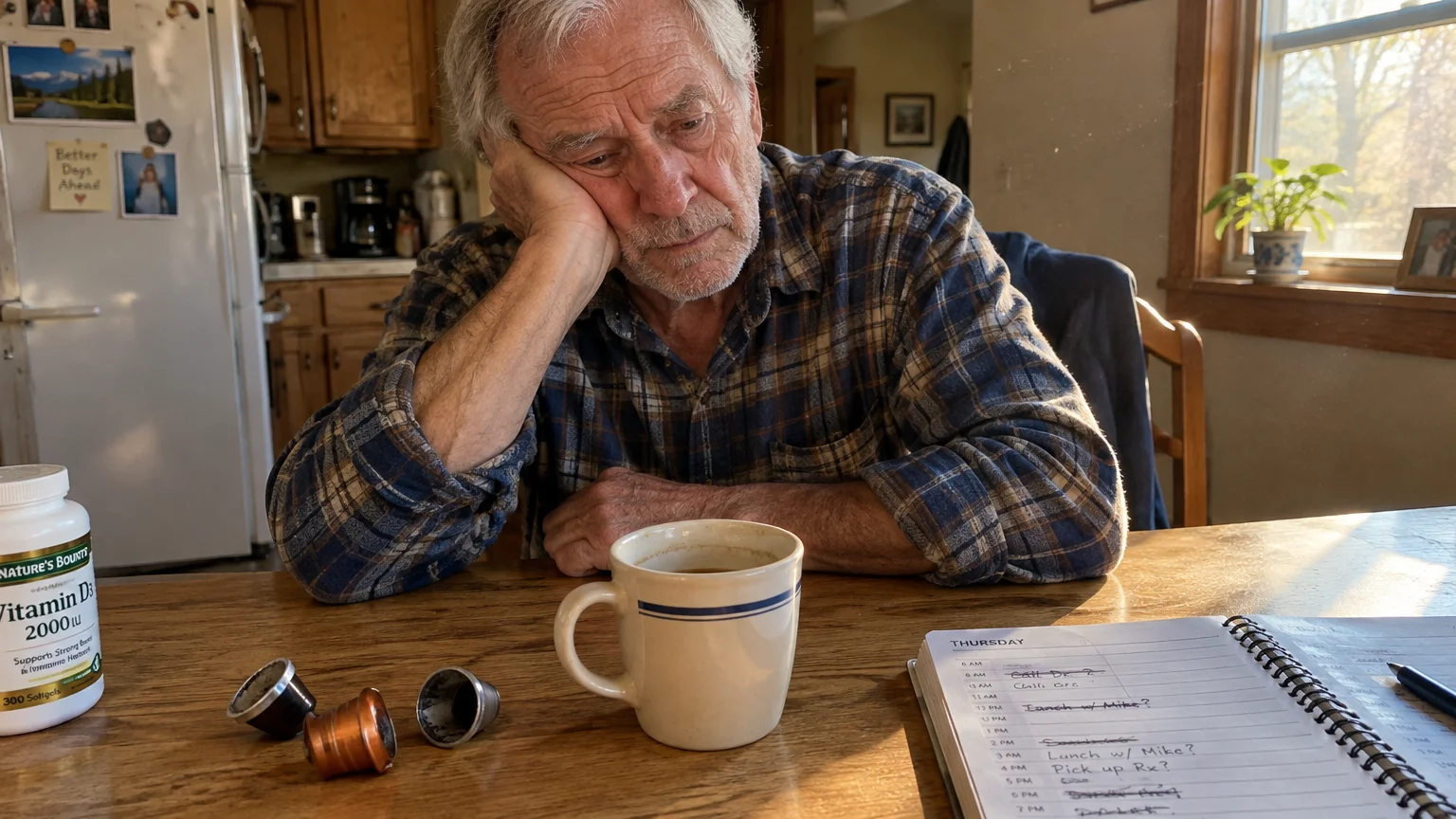
Overusing caffeine or over-the-counter energy supplements creates temporary alertness followed by deeper physical crashes. These stimulants can also elevate blood pressure and disrupt nighttime sleep patterns.
Another frequent mistake involves avoiding the doctor due to concerns over out-of-pocket costs. According to Medicare.gov, your annual wellness visit is fully covered and provides an ideal setting to discuss fatigue.
Some individuals abruptly stop taking prescription drugs because they suspect a medication side effect. Discontinuing therapies without supervision can cause dangerous rebound symptoms and acute complications.
Finally, assuming that debilitating tiredness is just an unavoidable part of aging keeps many seniors from getting better. Most chronic fatigue causes respond well to proper treatment once identified.
Fatigue Warning Signs That Require Emergency Care
While most fatigue develops gradually, certain acute warning signs demand immediate emergency medical intervention. Call 911 right away if your tiredness is accompanied by sudden physical distress.
Cardiovascular emergencies and acute neurological events can present primarily as severe weakness in older individuals. Acting quickly protects vital organs and significantly improves recovery outcomes.
- Crushing chest pain, pressure, or tightness
- Sudden shortness of breath while resting
- Sudden weakness or numbness on one side of your body
- Slurred speech or sudden confusion
- Fainting, blackouts, or sudden loss of consciousness
Never attempt to drive yourself to the hospital if you experience these symptoms. Emergency medical responders can begin life-saving evaluations the moment they arrive at your door.
How to Prepare for Your Doctor Appointment
You can maximize the value of your medical appointment by preparing detailed information in advance. Clear personal notes help your physician spot diagnostic patterns that standard exams might miss.
According to the Centers for Disease Control and Prevention (CDC), open communication with your healthcare team helps prevent chronic disease complications.
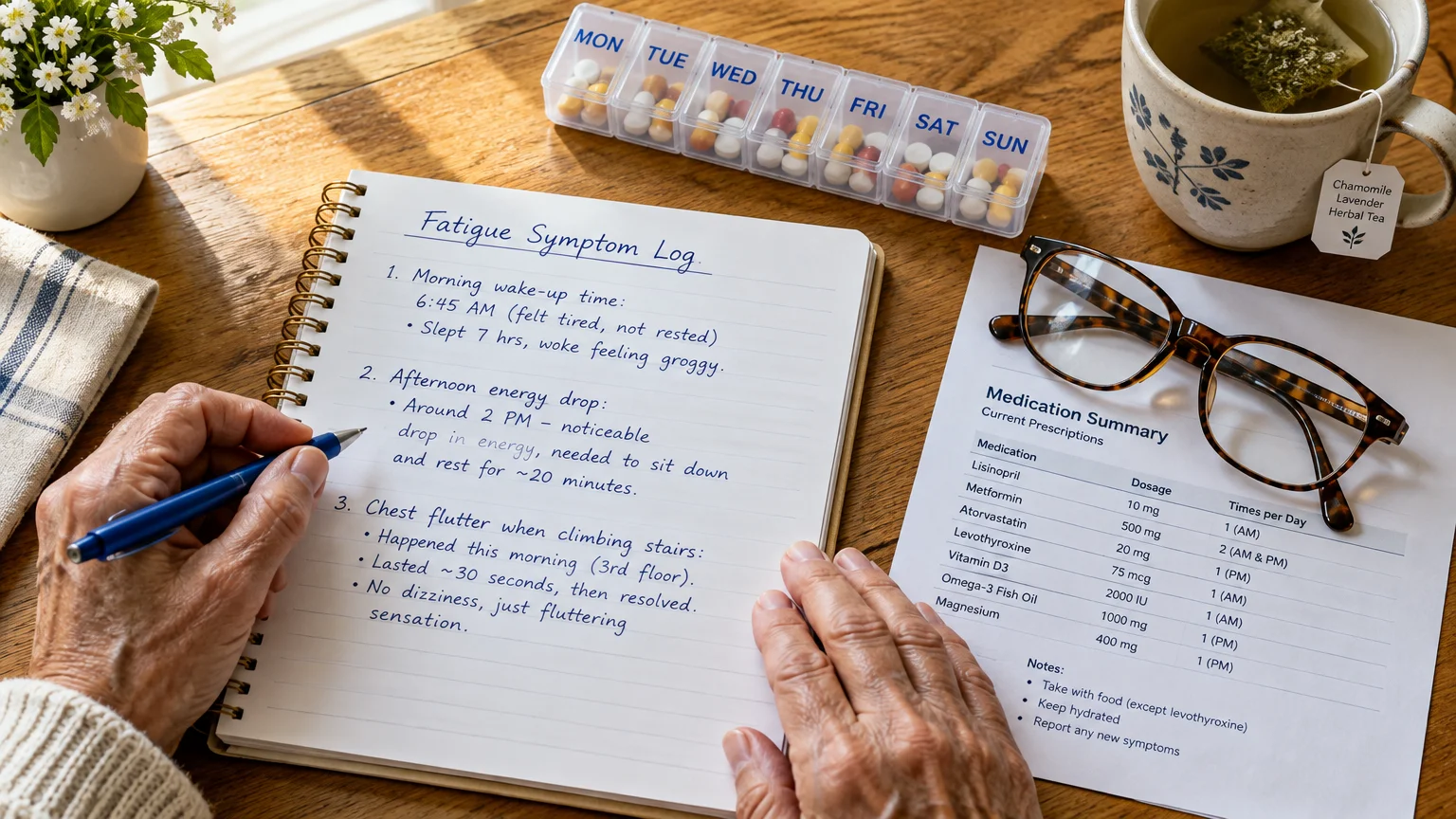
Keep a seven-day fatigue diary noting when your tiredness peaks and what activities precede it. Record your sleep hours, meals, and any accompanying physical symptoms like pain or dizziness.
Place all your prescription bottles, over-the-counter remedies, and dietary supplements into a bag to bring along. Your physician will want to inspect exact dosages and identify potential drug interactions.
Consider inviting a trusted family member or close friend to attend the appointment with you. An extra set of ears helps you capture all medical recommendations accurately.
Diagnostic Tests Your Doctor May Recommend
Diagnosing persistent exhaustion requires a structured clinical approach. Your physician will likely begin with straightforward blood work before considering more specialized imaging studies.
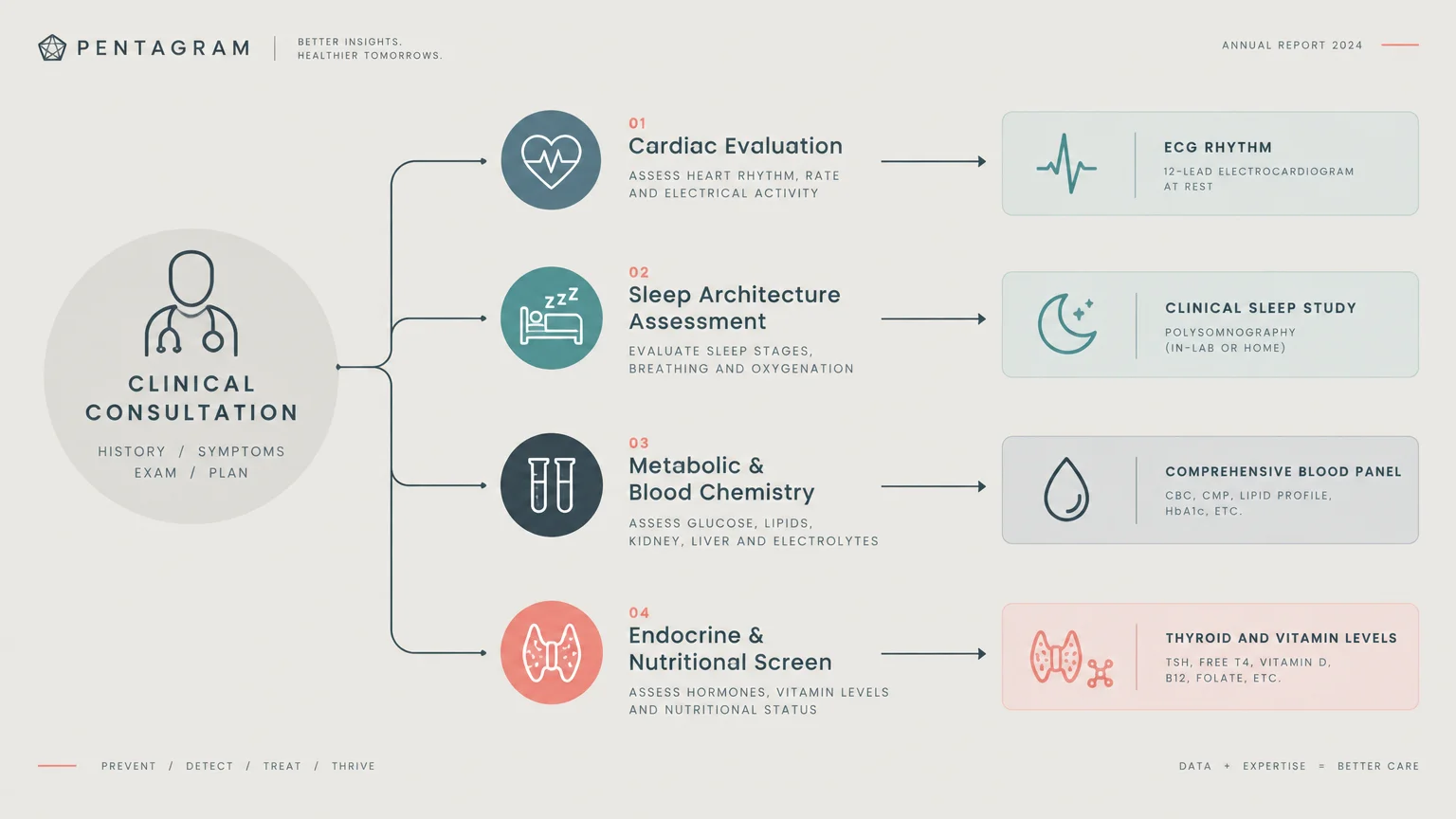
A complete blood count checks for anemia and active infections by evaluating red and white blood cells. Meanwhile, a comprehensive metabolic panel evaluates kidney performance, liver enzymes, and electrolyte balance.
Thyroid panels measure hormone production to detect whether your metabolic rate has slowed down. If nutritional deficiencies are suspected, tests for vitamin B12, vitamin D, and ferritin provide valuable insights.
Cardiovascular diagnostics, such as an electrocardiogram, ensure your heart rhythm and muscle contraction remain healthy. Overnight sleep studies evaluate oxygen flow and detect airway obstruction while you sleep.
These diagnostic tools eliminate guesswork and help your care team build an effective treatment plan. Finding the root cause is the first step toward regaining your vitality.
Frequently Asked Questions
How can I tell normal aging tiredness from medical fatigue?
Normal tiredness occurs after exertion and improves with restful sleep. Medical fatigue persists regardless of rest, interferes with daily activities, and often accompanies other physical symptoms.
Does Medicare cover testing and treatment for chronic fatigue?
Medicare Part B covers diagnostic blood tests, heart screenings, and annual wellness visits when ordered by your physician. These covered services help identify the root causes of persistent exhaustion.
Can over-the-counter vitamin supplements cure my unexplained tiredness?
Supplements only help if blood tests confirm a specific vitamin deficiency, such as low B12 or iron. Taking unneeded supplements without medical supervision can cause toxicity and delay proper diagnosis.
Is it safe to exercise when I feel constantly exhausted?
Gentle movement like walking or stretching often boosts energy, but you should consult your doctor first. In conditions involving post-exertional crashes, excessive exertion can trigger severe symptom flare-ups.
When to see a doctor for fatigue if it comes and goes?
You should schedule an appointment if tiredness lasts more than two weeks or impairs your daily routine. Intermittent fatigue can still indicate fluctuating thyroid levels, early heart strain, or sleep disorders.
For additional senior resources, visit
Alzheimer’s Association, American Heart Association, Benefits.gov, National Institute on Aging (NIA) and Centers for Disease Control and Prevention (CDC).
Disclaimer: The information in this article is for educational purposes only and is not intended to be a substitute for professional financial, legal, or medical advice. Always consult with a qualified expert for advice tailored to your personal situation.