

Meaningful social connection protects your health, sharpens your mind, and helps you maintain independence in the home you love. High-quality senior companion programs connect you with caring individuals who share conversation, assist with light daily routines, provide transportation, or simply offer a reassuring presence. Whether you seek free volunteer check-ins, intergenerational mentoring, or structured private assistance, several proven national and community-based initiatives stand ready to support your lifestyle. Exploring these companionship services for elderly adults allows you to build genuine friendships while lifting the day-to-day burdens of solo living. Discover the top companion care resources for older adults below to find the exact match for your routine, budget, and personal preferences.
Why Companion Care Matters for Healthy Aging
Living independently is a goal shared by millions of older adults, but aging in place often brings unexpected social isolation. As friends relocate, driving becomes difficult, or mobility declines, daily social interactions can dwindle. This reduction in contact is not just an emotional issue; it directly threatens your physical and cognitive well-being.
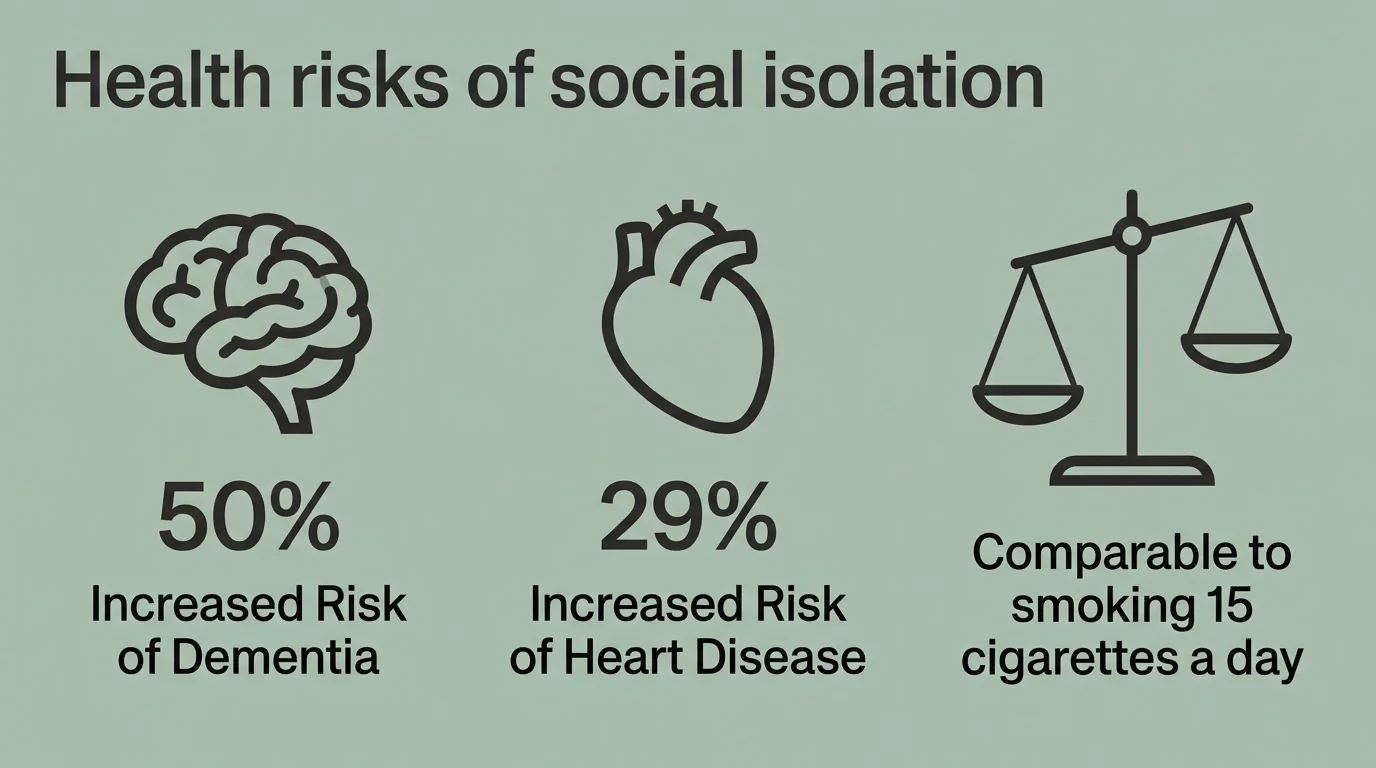
According to research highlighted by the Centers for Disease Control and Prevention (CDC), social isolation among older adults is associated with roughly a 50% increased risk of dementia, a 29% increased risk of heart disease, and a dramatically higher rate of premature mortality. Health experts note that prolonged isolation carries a physical toll comparable to smoking 15 cigarettes a day.
Companion care bridges this gap. Unlike skilled home health care—which involves licensed nurses managing wound dressings, physical therapy, or medication administration—companion care focuses on non-medical, emotional, and practical support. Companions help you maintain a vibrant social routine, encourage mental stimulation through hobbies, and provide peace of mind to family members who cannot always visit during busy workweeks.
1. AmeriCorps Seniors Companion Program
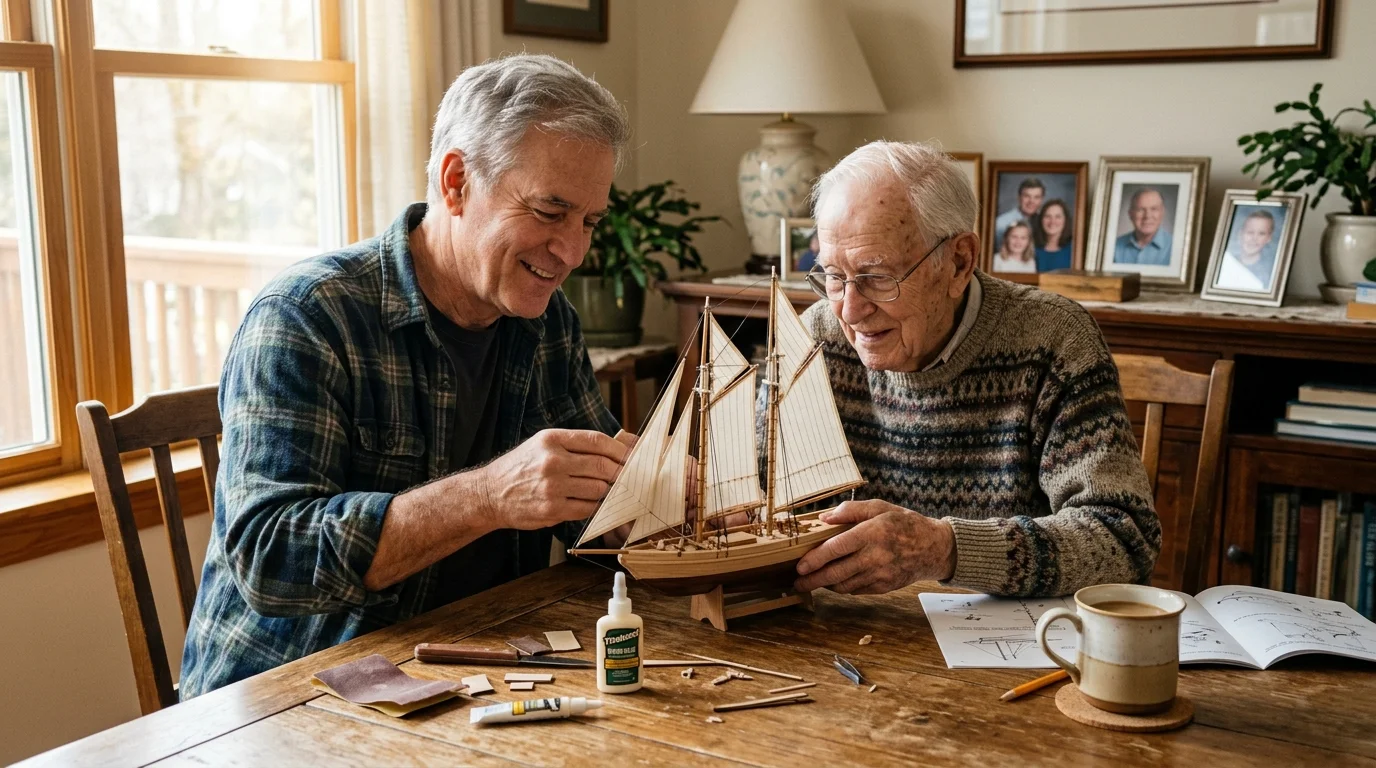
The AmeriCorps Seniors Companion Program (SCP) is one of the nation’s largest, most respected volunteer companion programs seniors rely on for trustworthy support. This federally funded initiative pairs healthy adults aged 55 and older with other seniors who need extra assistance to remain living independently in their own homes.
This peer-to-peer structure creates genuine, empathetic bonds. Because your companion is a fellow older adult, they understand your life stage, cultural references, and personal challenges. AmeriCorps companions assist with a variety of daily tasks:
- Sharing conversation, playing board games, or working on crafts.
- Accompanying you on walks to encourage gentle physical activity.
- Assisting with grocery shopping, pharmacy pickups, and errands.
- Providing vital respite relief for family caregivers who need a break.
For individuals serving as companions, AmeriCorps offers an empowering volunteer opportunity. Volunteers who meet specific income requirements (generally at or below 200% of the Federal Poverty Level) receive a modest, tax-free hourly stipend of around $4.00 per hour along with travel reimbursement. Crucially, federal regulations ensure this stipend does not reduce eligibility for benefits such as Supplemental Security Income (SSI) or the Supplemental Nutrition Assistance Program (SNAP).
2. Institute on Aging Friendship Line
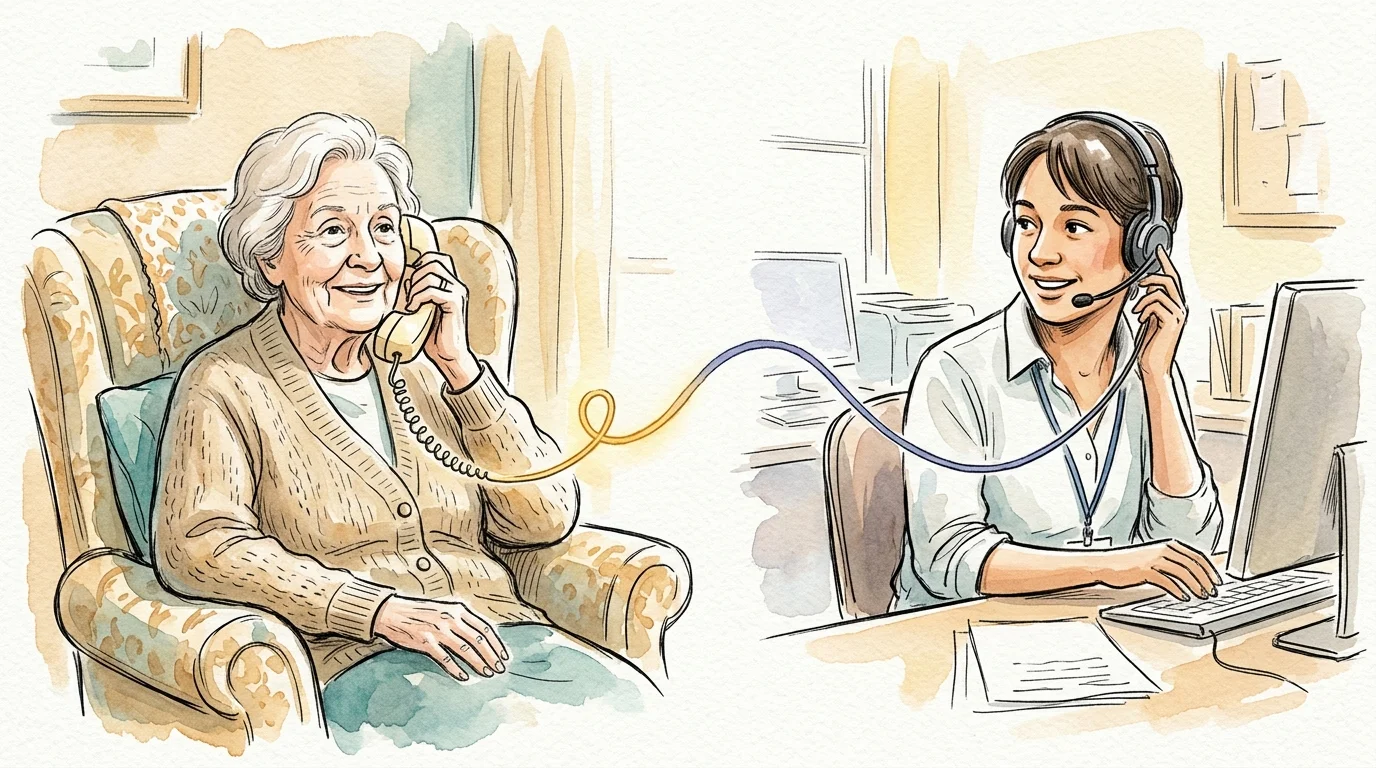
If you prefer social interaction over the telephone or cannot easily host visitors at home, the Institute on Aging’s Friendship Line is an extraordinary resource. Operating nationwide, it is the only accredited 24/7 toll-free crisis intervention and non-urgent “warmline” dedicated exclusively to older adults aged 60 and older and adults living with disabilities.
The Friendship Line offers two distinct, complimentary services:
- Inbound Warmline Support: You can call toll-free at 888-670-1360 or 800-971-0016 at any hour of the day or night. Whether you are dealing with grief, experiencing late-night anxiety, or simply wanting to share a friendly chat about your day, a trained volunteer or staff member is ready to listen with empathy.
- Scheduled Outbound Check-In Calls: If you thrive on routine, you or a loved one can arrange regular, scheduled calls. A volunteer will phone you at designated times throughout the week to check on your well-being, share updates, and provide consistent social connection.
This completely free service acts as an essential safety net, offering a warm voice and immediate emotional comfort whenever you need it most.

3. Medicare Advantage Supplemental Companion Benefits
When planning for companion care, understanding your health insurance coverage is essential. Traditional Original Medicare (Parts A and B) does not cover non-medical companion care or custodial homemaker services. However, private Medicare Advantage (Part C) plans have increasingly expanded their benefit packages to address social determinants of health.
Under Special Supplemental Benefits for the Chronically Ill (SSBCI) guidelines established by the Centers for Medicare & Medicaid Services, many Medicare Advantage plans now cover non-medical companionship services. As detailed on Medicare.gov, plan offerings vary by county and carrier, making it wise to review your annual Evidence of Coverage.
A leading example is the partnership between major insurance plans and “Papa Pals.” Through this service, plans provide members with a set number of subsidized or fully covered hours (often 20 to 60+ hours per year) of companion support. Vetted companions—frequently college students or energetic community members—visit your home to assist with:
- Basic technology setup, such as navigating video calls with family or using tablets.
- Light organization, laundry, and kitchen tidying.
- Rides to doctor appointments, community centers, and grocery stores.
- Companionship, reading, and shared hobbies.

4. Area Agencies on Aging Volunteer Networks
Your local Area Agency on Aging (AAA) serves as the primary gateway to public and non-profit eldercare programs in your community. Created under the Older Americans Act, AAAs coordinate localized, free, and low-cost companion care resources for older adults across all 50 states.
Local AAAs frequently manage volunteer visitor programs tailored to the needs of neighborhood seniors. These services range from weekly home visits by background-checked community members to telephone reassurance trees, where volunteers place morning check-in calls to ensure you are safe and healthy.
To locate the specific companion initiatives available in your city or county, you can contact the national Eldercare Locator, a public service of the U.S. Administration for Community Living, by visiting their website or calling 1-800-677-1116. Staff members will connect you directly with your local agency’s volunteer coordinator.

5. Little Brothers – Friends of the Elderly (LBFE)
Founded on the guiding philosophy of “flowers before bread,” Little Brothers – Friends of the Elderly (LBFE) is a national non-profit organization dedicated entirely to combating senior loneliness programs and isolation. LBFE focuses on older adults (typically age 65 and up) who have outlived their families or lack a close personal support system.
LBFE pairs you with a dedicated volunteer who visits on a consistent, long-term basis. Rather than treating companionship as a service transaction, LBFE emphasizes genuine, reciprocal friendship. Key features of LBFE programs include:
- Regular Home Visits: One-on-one visits for conversation, shared walks, coffee, or storytelling.
- Holiday Celebrations: Special holiday meals and birthday visits ensuring you never have to spend a milestone day alone.
- Group Outings: Coordinated group lunches, museum visits, and seasonal excursions that help you meet other neighborhood seniors.
LBFE chapters operate in several major metropolitan areas (including Chicago, Minneapolis, Boston, Philadelphia, and San Francisco), providing all services completely free of charge to enrolled seniors.

6. Meals on Wheels Friendly Visitor Programs
While most people know Meals on Wheels for delivering hot, nutritious meals to homebound seniors, the organization’s social impact extends much further. For many older adults, the delivery volunteer is the only person they see on any given day.
In addition to standard daily meal delivery check-ins, hundreds of local Meals on Wheels chapters offer dedicated “Friendly Visitor” and “Friendly Caller” companion programs. Once enrolled, you can receive:
- Extended weekly in-person visits from trained volunteers to chat, share lunch, or work on puzzles.
- Regular telephone calls to discuss your week and share news.
- Basic pet support programs that provide companionship for your furry friends by delivering pet food and assisting with pet care.
These visits provide both rich social engagement and a daily safety check, ensuring that someone will quickly notice and respond if you experience an unexpected health emergency or fall.

7. Faith in Action and Interfaith Caregiver Coalitions
Faith in Action networks and local Interfaith Caregiver Coalitions bring together volunteers from diverse religious congregations, civic groups, and community organizations to assist older neighbors. You do not need to belong to a specific church, synagogue, mosque, or faith group to receive help; these programs serve all older adults in their geographic area unconditionally.
Interfaith caregiver volunteers focus on helping you maintain independence through practical, everyday assistance and compassionate visits. Common services include:
- Escorted transportation to medical appointments, banking errands, and religious services.
- Assistance with reading mail, organizing paperwork, or managing non-financial correspondence.
- Seasonal outdoor chores, such as raking leaves, clearing walkways, or changing difficult-to-reach light bulbs.
- Friendly home visits for coffee, conversation, and companionship.
These volunteer programs are generally free, though some accept voluntary donations to cover administrative and volunteer background-screening expenses.

8. Foster Grandparent Intergenerational Program
If you are looking for companionship that provides a deep sense of purpose, consider an intergenerational program. The Foster Grandparent Program, also administered through AmeriCorps Seniors, flips the traditional companion model: instead of receiving assistance, you provide love, wisdom, and mentorship to children and teenagers in need.
Participants aged 55 and older serve in schools, daycare centers, hospitals, and juvenile facilities. As a Foster Grandparent, you might help a young child learn to read, assist a student with math homework, or comfort an infant in a pediatric clinic. Engaging with youth provides substantial health benefits:
- Mental Sharpness: Helping children with learning activities stimulates memory and executive cognitive function.
- Physical Vitality: Moving through classrooms and interacting with children keeps you physically active.
- Emotional Fulfillment: Knowing that a young person depends on your encouragement builds high self-worth and dispels feelings of isolation.
Like the Senior Companion Program, eligible lower-income Foster Grandparent volunteers receive an hourly tax-free stipend, transportation assistance, and an annual physical exam.
9. Private-Duty Companion Care Agencies
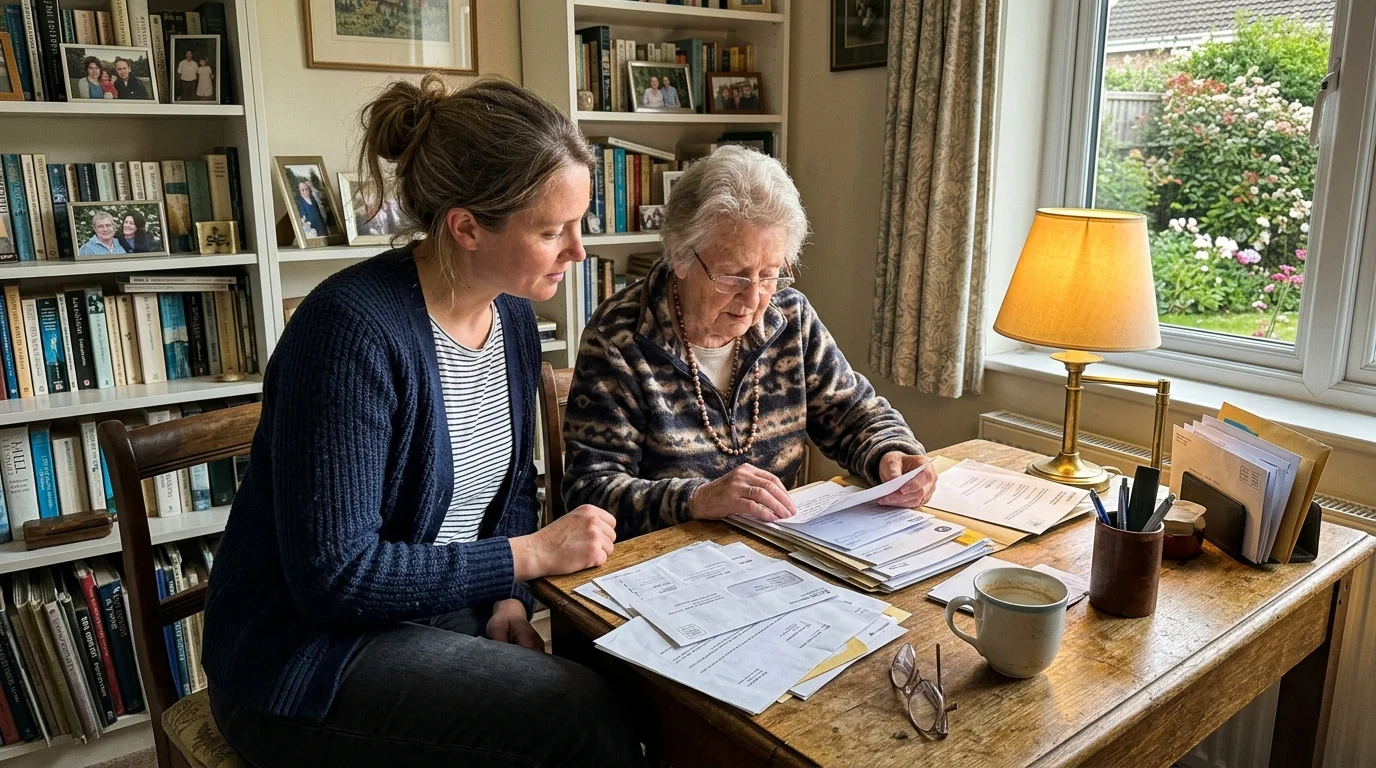
When you need scheduled, guaranteed companionship for several hours a day—or when family members desire professional oversight—private-duty companion care agencies provide an excellent, structured solution. These licensed non-medical agencies employ professional caregivers who assist with household routines and social engagement.
According to the Genworth and CareScout Cost of Care Survey, the national median cost for private, non-medical homemaker and companion care is approximately $33 to $35 per hour (equating to roughly $75,500 annually for 44 hours of care per week). Costs vary by state and local market demand.
Private companion aides can assist with:
- Meal planning, grocery shopping, and preparing nutritious dinners.
- Medication reminders and tracking fluid intake.
- Light housekeeping, vacuuming, dusting, and changing bed linens.
- Accompaniment to social events, hair appointments, and family gatherings.
- Cognitive stimulation through memory games, reminiscence therapy, and hobbies.
Private care is typically paid for out-of-pocket, through long-term care insurance policies, or via the Department of Veterans Affairs (VA) Aid and Attendance pension benefit for qualifying veterans and surviving spouses.
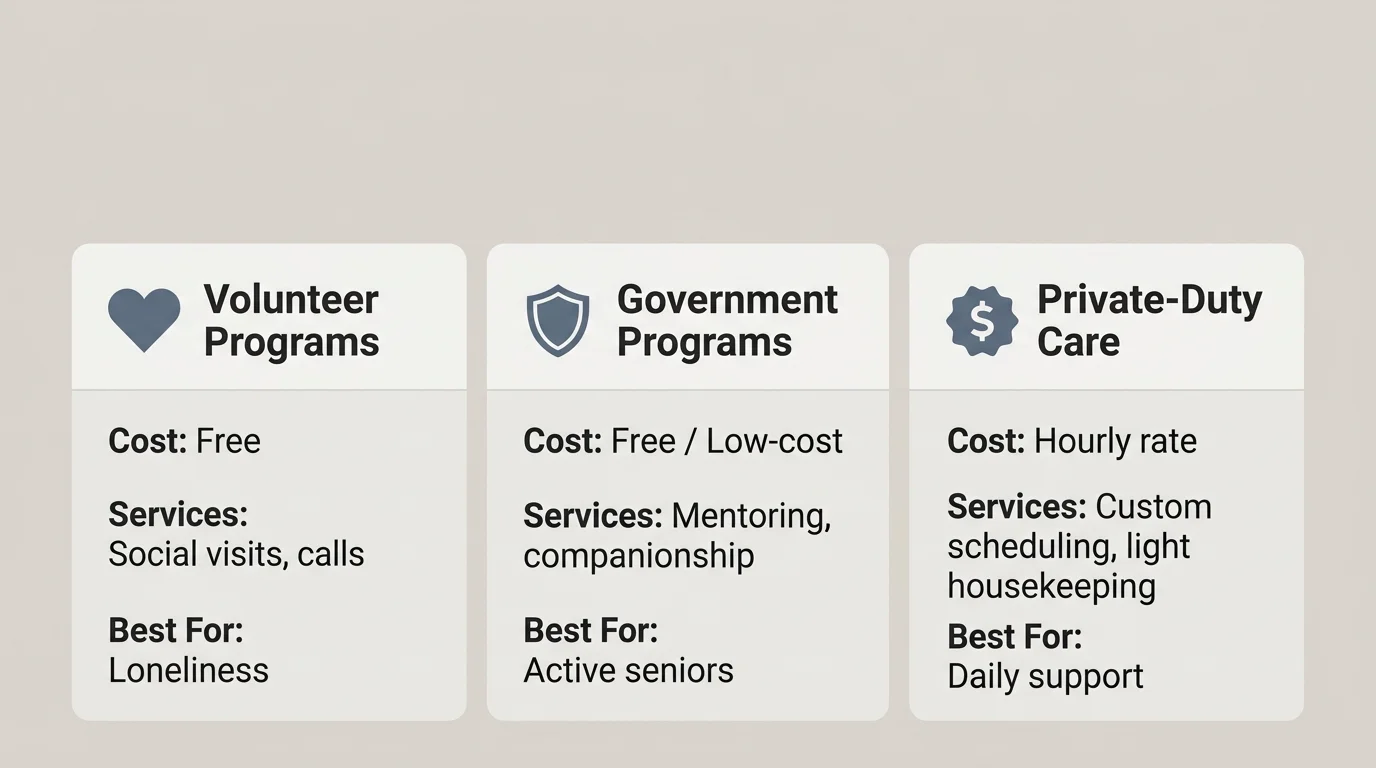
Comparing Senior Companion Options: Cost, Services, and Eligibility
Selecting the right companionship model depends on your budget, physical needs, and personal schedule. The table below outlines how these 9 programs compare across key criteria:
| Program Name | Primary Format | Typical Cost | Key Eligibility / Target Audience |
|---|---|---|---|
| AmeriCorps Senior Companions | In-person home visits & errands | Free | Adults 60+ needing daily support; volunteers must be 55+ |
| IOA Friendship Line | 24/7 Telephone inbound & outbound | Free | Adults 60+ and adults with disabilities nationwide |
| Medicare Advantage (e.g., Papa) | In-person visits, tech help & rides | Covered by plan ($0 copay) | Enrollees in participating Part C Medicare Advantage plans |
| Area Agencies on Aging (AAA) | In-person visits & phone trees | Free or low-cost donation | Local seniors age 60+; determined by regional agency |
| Little Brothers – Friends of the Elderly | Visits, parties & holiday events | Free | Seniors 65+ with limited family or social support |
| Meals on Wheels Visitors | Meal deliveries & social visits | Free or sliding-scale donation | Homebound seniors needing nutrition and connection |
| Faith in Action / Interfaith | Errands, chores & home visits | Free | Community older adults of any faith background |
| Foster Grandparent Program | Intergenerational youth mentoring | Free (Stipend for volunteer) | Adults 55+ seeking active community purpose |
| Private Companion Agencies | Dedicated home care & homemaking | $33 to $35 per hour (Median) | Anyone seeking customized, private daily assistance |

How to Choose Safely and Avoid Caregiver Scams
Inviting someone into your home requires caution and clear boundaries. While the vast majority of volunteer and professional companions are compassionate and trustworthy, older adults remain frequent targets for financial fraud and exploitation.
To safeguard your finances, privacy, and personal well-being, apply these safety practices when arranging companionship services for elderly family members or yourself:
- Demand Verified Background Checks: Ensure that any non-profit agency, volunteer coalition, or private firm performs comprehensive national criminal background checks and DMV driving record screenings on all visitors.
- Verify Bonding and Insurance: If hiring through a private agency, confirm the company is licensed, bonded, and insured. This protects you if property is damaged or if a caregiver is injured inside your home.
- Protect Personal Financial Records: Never give a companion access to your debit card, credit cards, checkbook, or online bank passwords. If a companion runs grocery errands for you, establish a prepaid card with a strict spending limit or request detailed itemized receipts.
- Avoid Independent, Unvetted Online Hires: Hiring private individuals from classified websites without background checks significantly elevates the risk of theft or caregiver fraud.
- Report Suspicious Activity Immediately: As recommended by the Consumer Financial Protection Bureau (CFPB), monitor your bank statements closely for unauthorized withdrawals or unexplained checks. Report any pressure to alter wills, power of attorney documents, or financial accounts to your local Adult Protective Services (APS) agency immediately.
Frequently Asked Questions
Does Original Medicare pay for non-medical senior companion programs?
No, Original Medicare (Parts A and B) does not pay for non-medical companion care, homemaker visits, or custodial assistance. Original Medicare only covers medically necessary, skilled home health care prescribed by a physician (such as skilled nursing or physical therapy). To access companion coverage through Medicare, you must be enrolled in a Medicare Advantage (Part C) plan that offers specialized companion benefits.
What is the difference between a companion and a personal care aide?
A companion provides non-medical socialization, conversation, light housekeeping, meal preparation, and transportation. Companions do not provide “hands-on” physical care. In contrast, a personal care aide or certified nursing assistant (CNA) assists with Activities of Daily Living (ADLs), such as bathing, dressing, toileting, transferring from beds to wheelchairs, and hygiene maintenance.
Can I receive a companion if I live in an assisted living facility?
Yes. Many seniors living in assisted living communities, memory care facilities, or nursing homes utilize companion programs. Companions can provide individualized conversation, escort you to dining halls, participate in facility activities with you, or accompany you on walks around the grounds, supplementing the facility’s general staff care.
How do I volunteer to become a companion for other seniors?
If you are an active older adult looking to serve, you can apply directly through the AmeriCorps Seniors website, your local Area Agency on Aging, or organizations like Meals on Wheels and Little Brothers – Friends of the Elderly. Most programs require an application, an interview, and a background screening before providing specialized training on active listening, elder safety, and communication.
Are telephone-based companion programs effective for relieving isolation?
Yes, clinical studies consistently demonstrate that structured telephone reassurance programs—such as the Institute on Aging’s Friendship Line—significantly decrease feelings of loneliness, alleviate symptoms of depression, and provide vital emotional grounding for older adults who are homebound or living alone.
For additional senior resources, visit
Benefits.gov, National Institute on Aging (NIA) and Centers for Disease Control and Prevention (CDC).
Disclaimer: The information in this article is for educational purposes only and is not intended to be a substitute for professional financial, legal, or medical advice. Always consult with a qualified expert for advice tailored to your personal situation.









Leave a Reply