

High prescription costs force millions of older adults to choose between vital medications and everyday expenses like groceries or utilities. If you struggle to afford your monthly prescriptions, pharmaceutical manufacturer patient assistance programs (PAPs) can supply brand-name medications directly to you at low or zero cost. Major drugmakers design these programs specifically to help individuals on fixed incomes, uninsured patients, and Medicare beneficiaries facing high out-of-pocket costs. Recognizing whether you meet manufacturer drug assistance program eligibility requirements is the crucial first step toward cutting your medical expenses. Here are seven clear signs that you qualify for these valuable programs, alongside practical steps to secure your medications without financial strain.

1. High Out-of-Pocket Prescription Costs Relative to Income
When prescription drug co-pays consume a significant portion of your monthly budget, you are facing financial hardship that pharmaceutical manufacturers actively look to alleviate. Many seniors live on fixed monthly incomes derived primarily from Social Security or small pensions; when a single drug costs $300 to $800 each month, maintaining treatment becomes nearly impossible.
According to research from AARP, over 80 percent of older adults consider the price of prescription drugs to be excessive, leading millions to compromise their medical treatments. Survey data indicates that up to 43 percent of seniors engage in cost-related nonadherence, such as splitting pills in half, skipping daily doses, or leaving prescribed medications unfilled at the pharmacy counter.
Pharmaceutical companies evaluate your total out-of-pocket medical burden relative to what you earn. If paying for your prescribed brand-name drugs creates a genuine burden where you choose between essential groceries and life-sustaining therapy, you present a primary candidate for prescription cost assistance programs. Patient assistance programs measure this hardship directly through your monthly medication statements, bank statements, or pharmacy receipts.

2. Household Income Falls Below Manufacturer Poverty Guidelines
Every pharmaceutical company establishes income criteria based on the Federal Poverty Level (FPL) published annually by the federal government. Most drug manufacturers cap eligibility between 200 percent and 500 percent of the FPL, depending on the retail price of the medication and the company’s internal rules.
Because these thresholds are generous compared to standard government welfare programs, many middle-income retirees mistakenly assume they earn too much to qualify. You do not need to live in extreme poverty to receive assistance; in fact, households earning $40,000 to $80,000 annually frequently qualify for brand-name drug assistance programs.
| Federal Poverty Level (FPL) Percentage | 1-Person Household (Annual Income) | 2-Person Household (Annual Income) |
|---|---|---|
| 100% FPL (Baseline) | $15,960 | $21,640 |
| 200% FPL | $31,920 | $43,280 |
| 300% FPL | $47,880 | $64,920 |
| 400% FPL | $63,840 | $86,560 |
| 500% FPL | $79,800 | $108,200 |
To confirm whether your household fits within manufacturer drug assistance program eligibility guidelines, compare your gross adjusted income from your latest federal tax return against these figures. If your household income rests below four times the baseline federal poverty guideline, you stand a strong chance of securing your brand-name medications without cost.
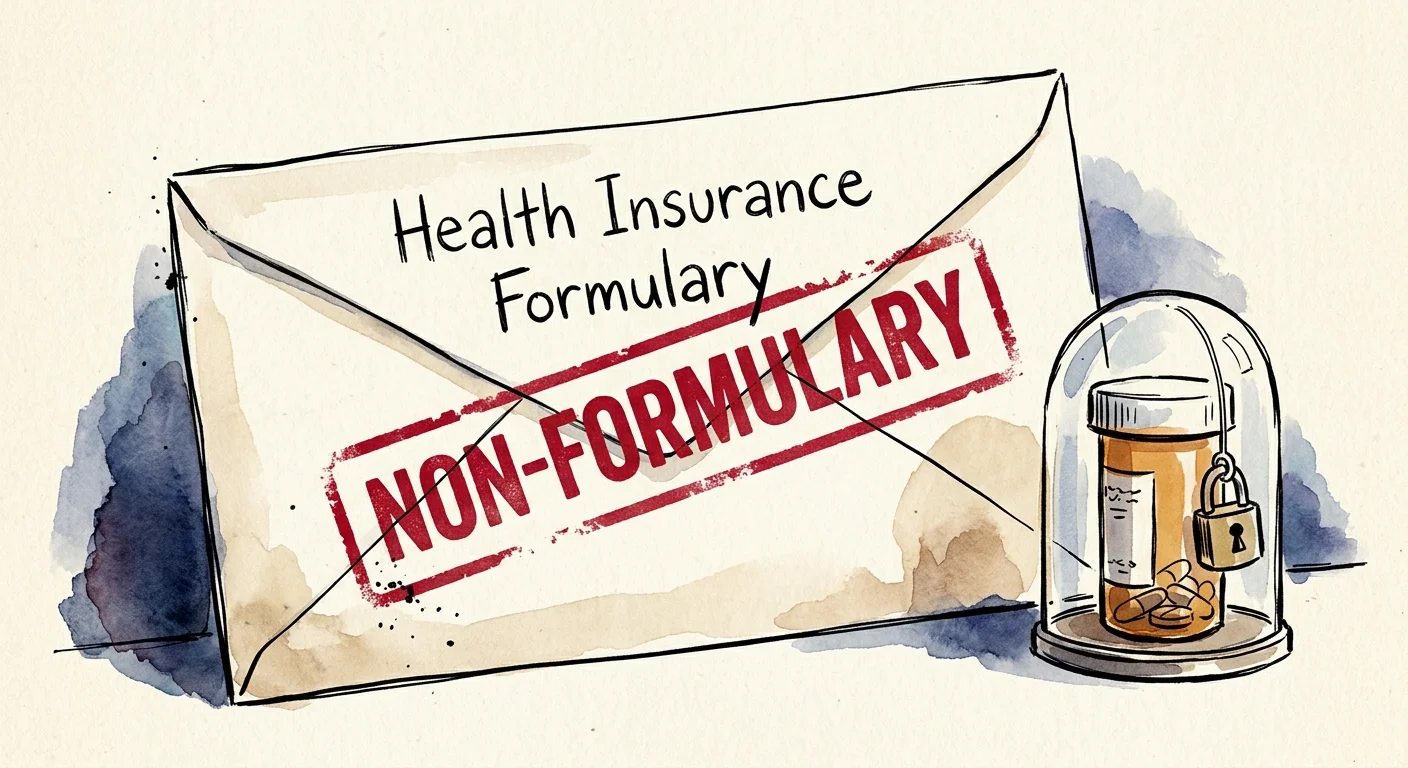
3. Insurance Denial or Non-Formulary Status for Your Medication
Private insurance policies and Medicare Part D plans use formularies—lists of medications they agree to cover—to control spending. When your doctor prescribes a medication that rests on Tier 4 or Tier 5, or if your insurance company excludes the drug entirely from its formulary, your out-of-pocket expense skyrockets.
Underinsurance is one of the strongest indicators that you qualify for assistance. If your insurer sends an official coverage denial letter, or if your plan requires “step therapy” (forcing you to try and fail lower-cost alternatives before approving the medication your physician requested), drug manufacturers often intervene. They recognize that commercial or government insurance barriers prevent patients from accessing their treatments.
If you encounter any of the following coverage hurdles, gather your documentation immediately for a PAP application:
- Your insurance plan classifies the medication as “non-formulary” and demands full retail cost.
- Your plan places the drug on a specialty tier with a coinsurance rate of 33 percent to 50 percent.
- Your insurer denied a prior authorization request submitted by your prescribing physician.
- You reached your commercial or plan-specific annual coverage limits.
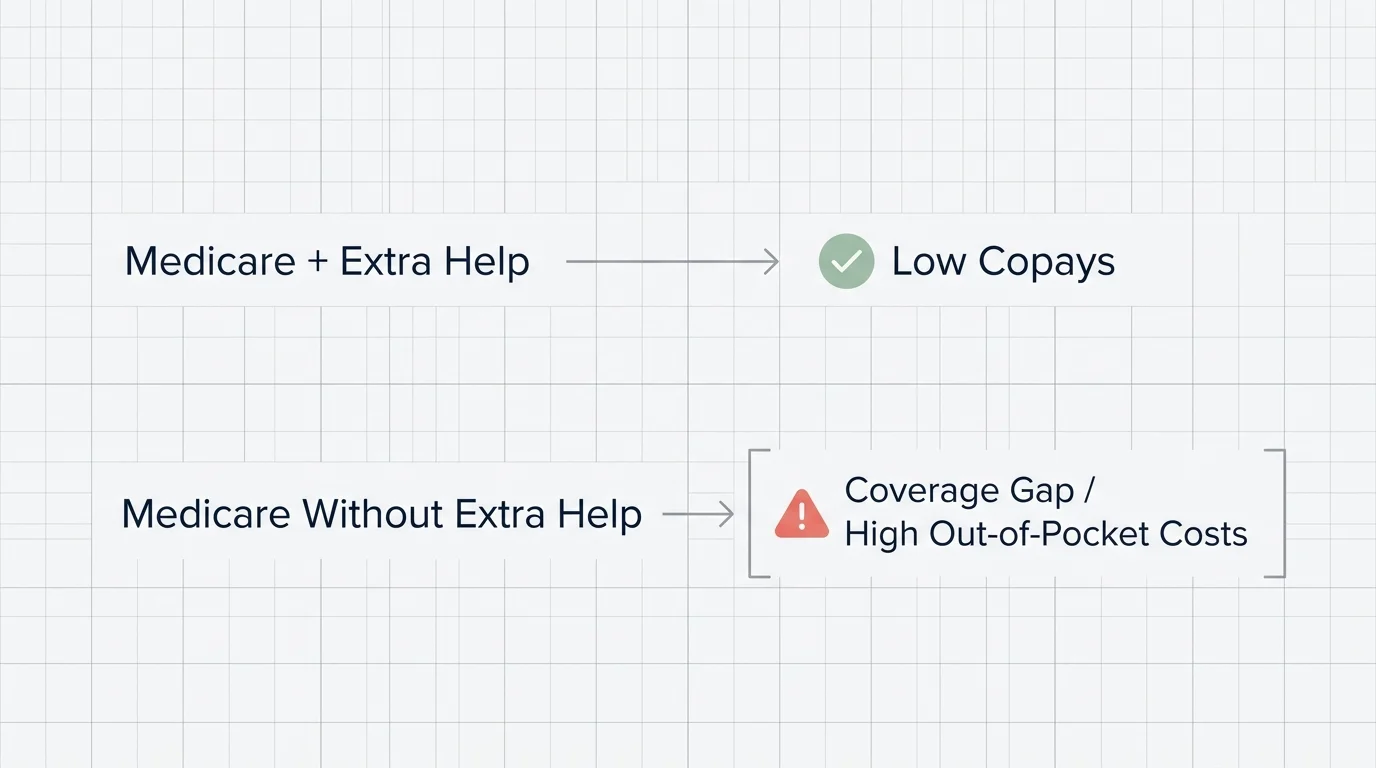
4. Enrollment in Medicare Without Extra Help (or Denied Extra Help)
If you participate in Medicare Part D, you know that out-of-pocket medication expenses fluctuate throughout the year. Under recent federal updates from the Inflation Reduction Act, out-of-pocket prescription costs for Part D enrollees are capped at $2,100 annually. While this cap offers relief, paying $2,100 out-of-pocket remains a severe burden for seniors living on modest fixed retirement incomes.
Many drug manufacturers—including AbbVie, Bayer, Bristol Myers Squibb, and Novo Nordisk—allow Medicare beneficiaries to join their assistance programs, provided specific rules are met. If your income falls below 150 percent of the Federal Poverty Level, federal rules require you to apply for Medicare’s Extra Help (Low-Income Subsidy) program first.
You can verify your eligibility or apply for assistance options directly through Medicare.gov. If the Social Security Administration denies your Extra Help application due to modest liquid assets (such as savings accounts or personal vehicles), manufacturer programs step in to fill the void. Submitting that official federal denial letter along with your PAP application satisfies patient assistance program requirements and unlocks access to manufacturer-provided medications.
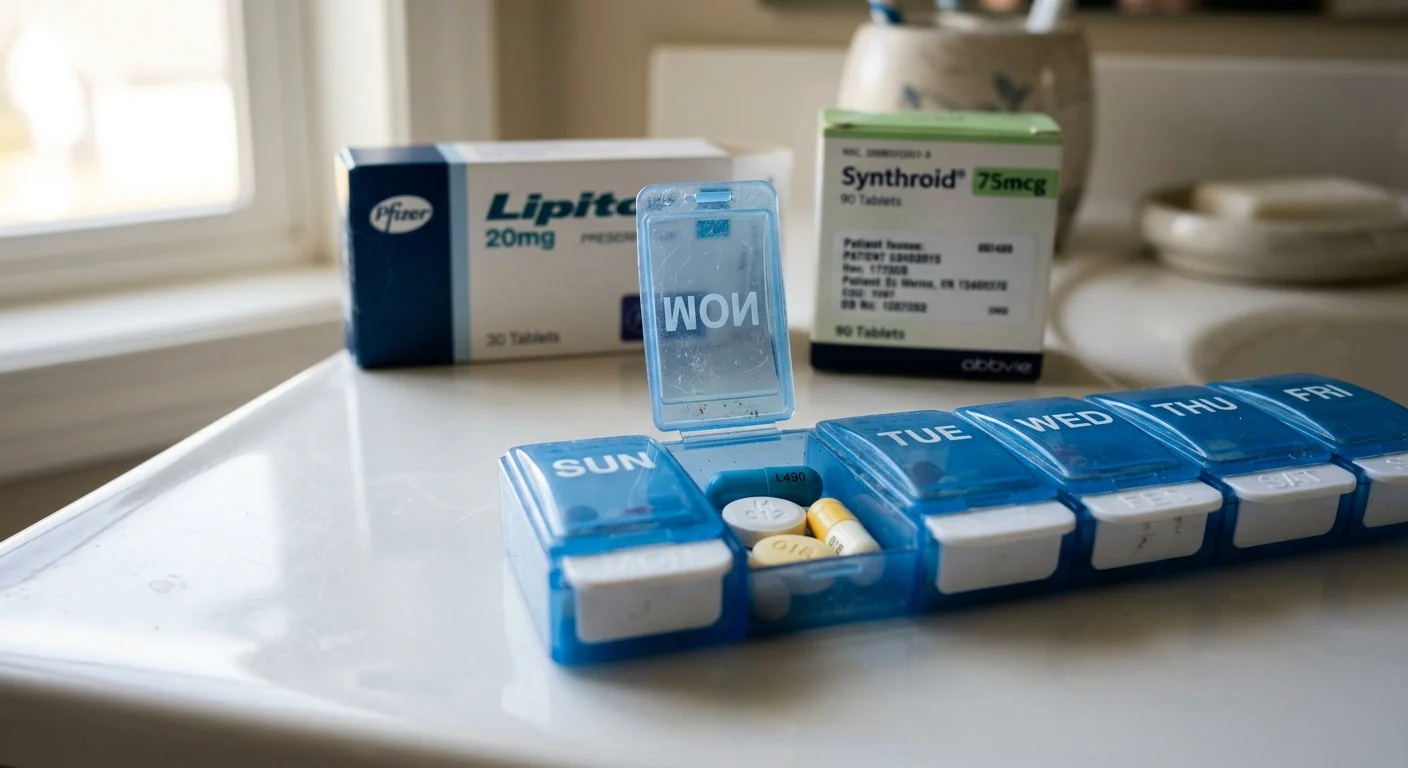
5. You Take Brand-Name Maintenance Drugs for Chronic Conditions
Manufacturer patient assistance programs rarely cover temporary prescriptions like short-term antibiotics or routine over-the-counter pain relievers. Instead, these foundation-backed programs focus almost exclusively on costly, brand-name maintenance medications designed to manage long-term chronic conditions.
Data from the Centers for Disease Control and Prevention (CDC) shows that the majority of adults aged 65 and older manage two or more chronic health conditions requiring continuous medication. When generic equivalents do not exist, drug companies establish assistance divisions to keep patients on their branded formulations.
You are highly likely to find an active assistance program if your physician prescribed brand-name therapies in the following categories:
- Injected insulin analogs and advanced GLP-1 medications for type 2 diabetes.
- Novel oral anticoagulants (blood thinners) for atrial fibrillation and stroke prevention.
- Biologic infusions or self-injections for rheumatoid arthritis, psoriasis, or Crohn’s disease.
- Advanced inhalers and maintenance medications for COPD and severe asthma.
- Targeted oncology therapies and oral cancer treatments.
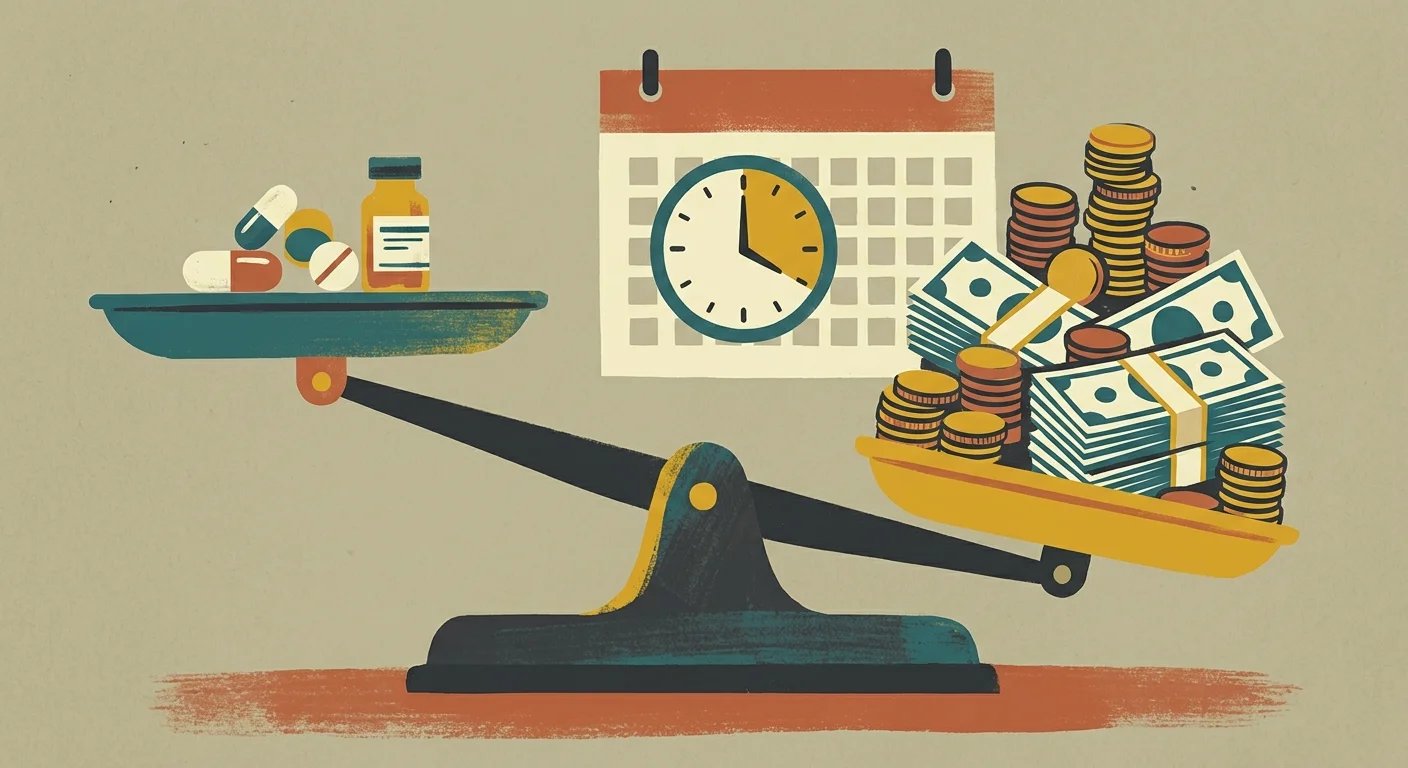
6. You Experience High Co-Pays Even After Reaching Coverage Limits
Even insured individuals with full coverage can experience unsustainable co-pays. If your insurance plan charges a percentage-based co-insurance rather than a flat dollar amount, a single specialty drug priced at $4,000 per month can still demand a $800 to $1,000 monthly out-of-pocket payment from you.
Most patient assistance programs calculate your financial hardship based on co-pay ratio formulas. If your monthly co-pay for a single medication exceeds 5 to 10 percent of your total monthly household income, manufacturer review committees flag your file for hardship approval. You do not need to be completely uninsured to receive help; you simply need to demonstrate that the required copayment creates a significant barrier to maintaining your health.
7. Valid U.S. Residency and a Prescription from a Licensed Doctor
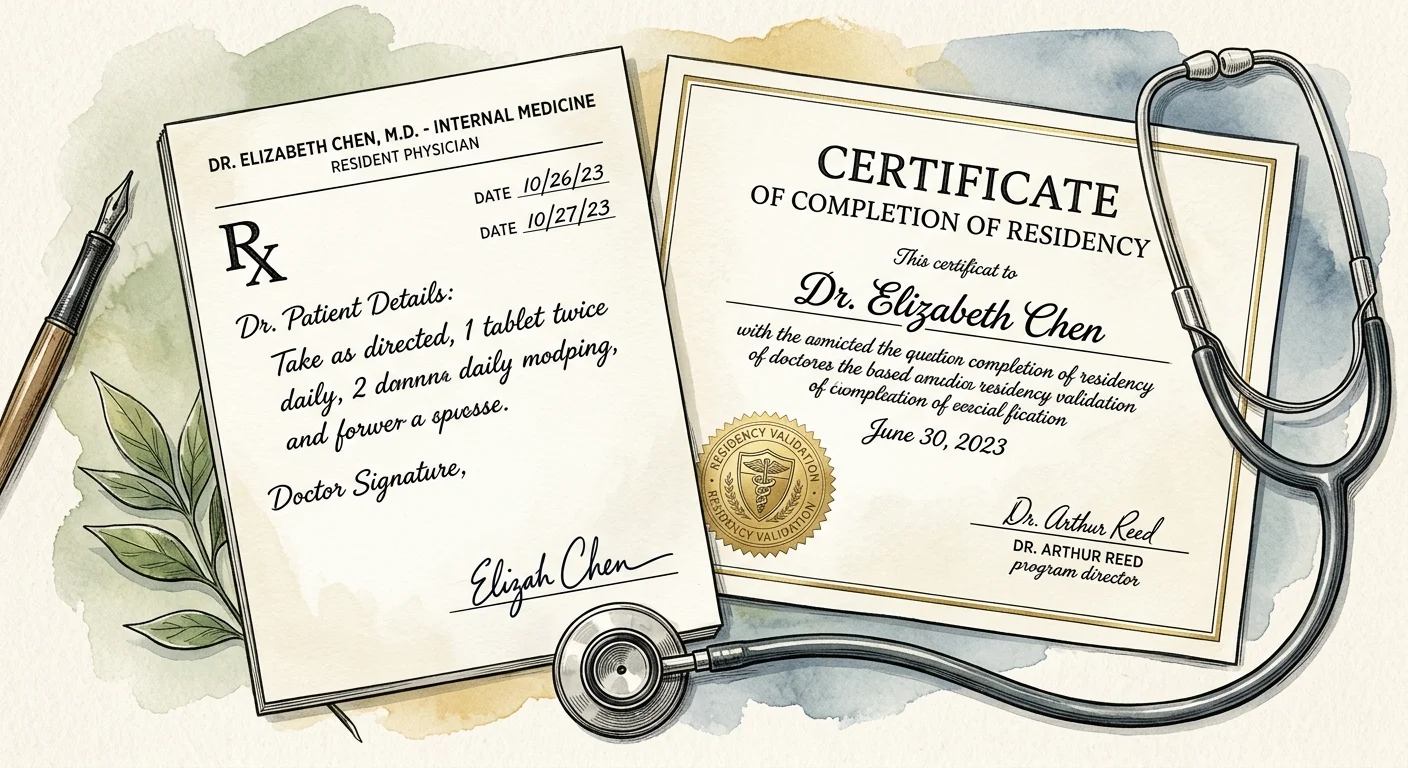
The final crucial sign that you qualify for assistance relies on your legal status and your medical treatment plan. Manufacturer programs require applicants to prove legal U.S. residency or physical presence inside the United States or its territories. You can establish residency with standard documents like a state driver’s license, utility bills, or a green card.
Additionally, you must hold an active, valid prescription written by a healthcare practitioner licensed to practice in the United States. Because manufacturers distribute these medications through regulated specialty pharmacies, your doctor must actively participate in your application process by confirming your diagnosis and prescribing details.

How to Apply for Patient Assistance Programs Step-by-Step
Once you identify that you meet manufacturer drug assistance program eligibility criteria, follow a systematic approach to complete your application quickly and accurately. Delays often occur due to missing paperwork or incomplete medical sections.
- Identify the Manufacturer: Look at your prescription bottle or consult your doctor to determine the exact brand name and the company that manufactures the drug.
- Download the Application: Visit the official manufacturer website or search dedicated program portals to download the official Patient Assistance Program PDF application form.
- Gather Financial Statements: Collect your most recent federal tax return (Form 1040), Social Security Benefit Statement (Form SSA-1099), pension statements, or recent bank statements to verify income.
- Obtain Insurance Documentation: If insured, gather copies of your insurance card, formulary denial letters, or pharmacy statements showing high out-of-pocket costs. If you have Medicare and low income, include your Extra Help approval or denial notice.
- Complete the Patient Section: Fill out your personal background, contact information, financial details, and sign the authorization forms.
- Send Form to Your Doctor: Hand the application to your prescribing physician. The doctor or medical staff must fill out the clinical section, attach a written prescription, sign the form, and fax or upload it directly to the program office.
- Follow Up Regularly: Call the program’s toll-free line two weeks after submission to confirm receipt and check the status of your approval.
For general benefit programs and support finding localized assistance, you can also check Benefits.gov to see if additional state or regional support programs match your financial situation.
Common Mistakes to Avoid and Scam Prevention
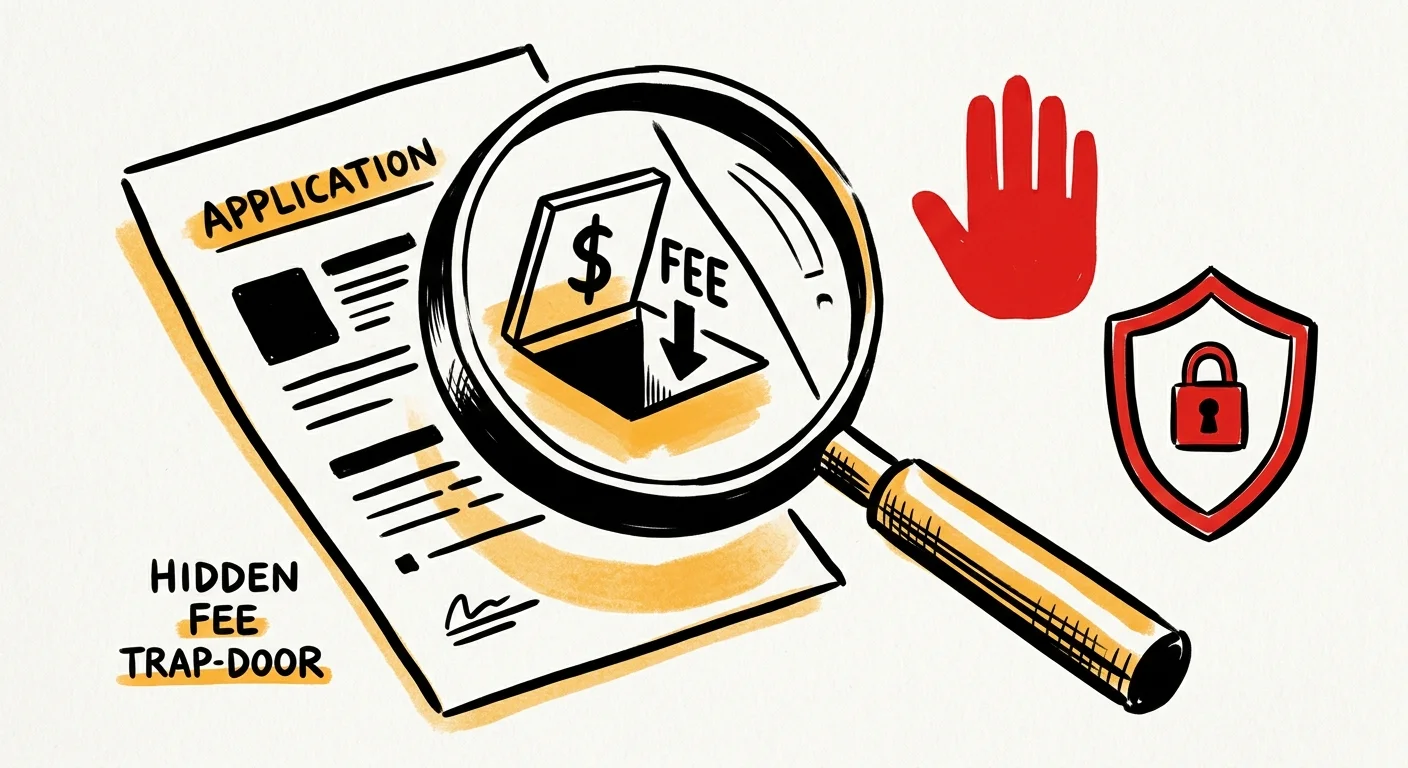
Navigating prescription cost assistance programs requires caution, especially when seeking help online. Legitimate manufacturer patient assistance programs run directly through corporate foundations or non-profit administrative portals. They NEVER charge application fees or ongoing monthly management fees to patients.
The Consumer Financial Protection Bureau (CFPB) warns consumers to beware of unverified third-party fee-charging entities that offer to submit free government or non-profit applications on their behalf. Unscrupulous application-processing businesses charge seniors initial setup fees of $50 to $100, followed by recurring monthly fees, simply to submit paperwork that you or your doctor’s office can submit for free.
Avoid these common pitfalls when applying for assistance:
- Paying Third-Party Companies: Avoid any service that asks for credit card information to “enroll” you in a manufacturer assistance program.
- Submitting Incomplete Applications: Missing signatures from either you or your doctor will delay processing by several weeks or lead to automatic rejection.
- Forgetting Annual Re-Enrollment: Approvals generally last for 12 months. Set a calendar reminder 60 days before your coverage end date to submit renewal paperwork so you do not experience gaps in receiving your medications.
- Ignoring Mail or Phone Calls: Program administrators frequently send follow-up requests for updated financial documents; respond promptly to avoid losing coverage.
Frequently Asked Questions
Can I qualify for a Patient Assistance Program if I am enrolled in Medicare Part D?
Yes, many pharmaceutical manufacturers permit Medicare Part D beneficiaries to enroll in their assistance programs. However, regulations require low-income seniors (earning under 150 percent of the Federal Poverty Level) to apply for Medicare Extra Help first. If denied Extra Help due to asset limits, or if your income falls within the manufacturer’s eligible range, you can join the program.
What documents do I need to show proof of income?
Most programs request a copy of your most recent federal income tax return (Form 1040). If you do not file income taxes, you can supply your Social Security Benefit Statement (Form SSA-1099), annual pension statements, or recent consecutive pay stubs. Some programs also accept a signed statement explaining your financial situation if you have no formal income sources.
How long does it take for a manufacturer PAP application to be approved?
Most manufacturers process completed applications within two to three weeks after receiving all required documents from both you and your doctor. If your health condition requires immediate medication delivery, your doctor can request expedited processing or emergency temporary supplies directly through the manufacturer’s medical liaison.
Will the manufacturer send the medications directly to my home or to my doctor’s office?
Delivery protocols depend on the type of medication and program rules. Self-administered oral medications (pills and capsules) and daily injections are typically shipped directly to your home address in 90-day supplies. Infusion therapies, specialty biologics, or medications requiring clinical administration are shipped directly to your doctor’s clinic or an outpatient medical facility.
Do I have to reapply every year to stay in the program?
Yes, manufacturer patient assistance approvals remain valid for one calendar year or 12 consecutive months from your start date. Because household income and insurance status change annually, drug companies require enrollees to re-submit financial proof and a renewed doctor’s prescription each year to maintain eligibility.
For additional senior resources, visit
National Institute on Aging (NIA), Centers for Disease Control and Prevention (CDC), Medicare.gov, National Institute of Mental Health (NIMH) and National Institutes of Health (NIH).
Disclaimer: The information in this article is for educational purposes only and is not intended to be a substitute for professional financial, legal, or medical advice. Always consult with a qualified expert for advice tailored to your personal situation.









Leave a Reply