

Trading snowy winters for ocean breezes sounds like the ultimate retirement dream. Yet the true price of beach living extends far beyond your initial real estate purchase price.
Unplanned coastal expenses can quickly erode your hard-earned nest egg if you do not prepare your budget. Understanding these real-world expenses preserves your financial security while letting you enjoy your sunset years.
Before you pack your bags, examine these seven major financial surprises that caught other relocating seniors off guard. Careful preparation ensures your coastal transition remains peaceful, affordable, and sustainable.
The Harsh Reality of Flood and Windstorm Insurance
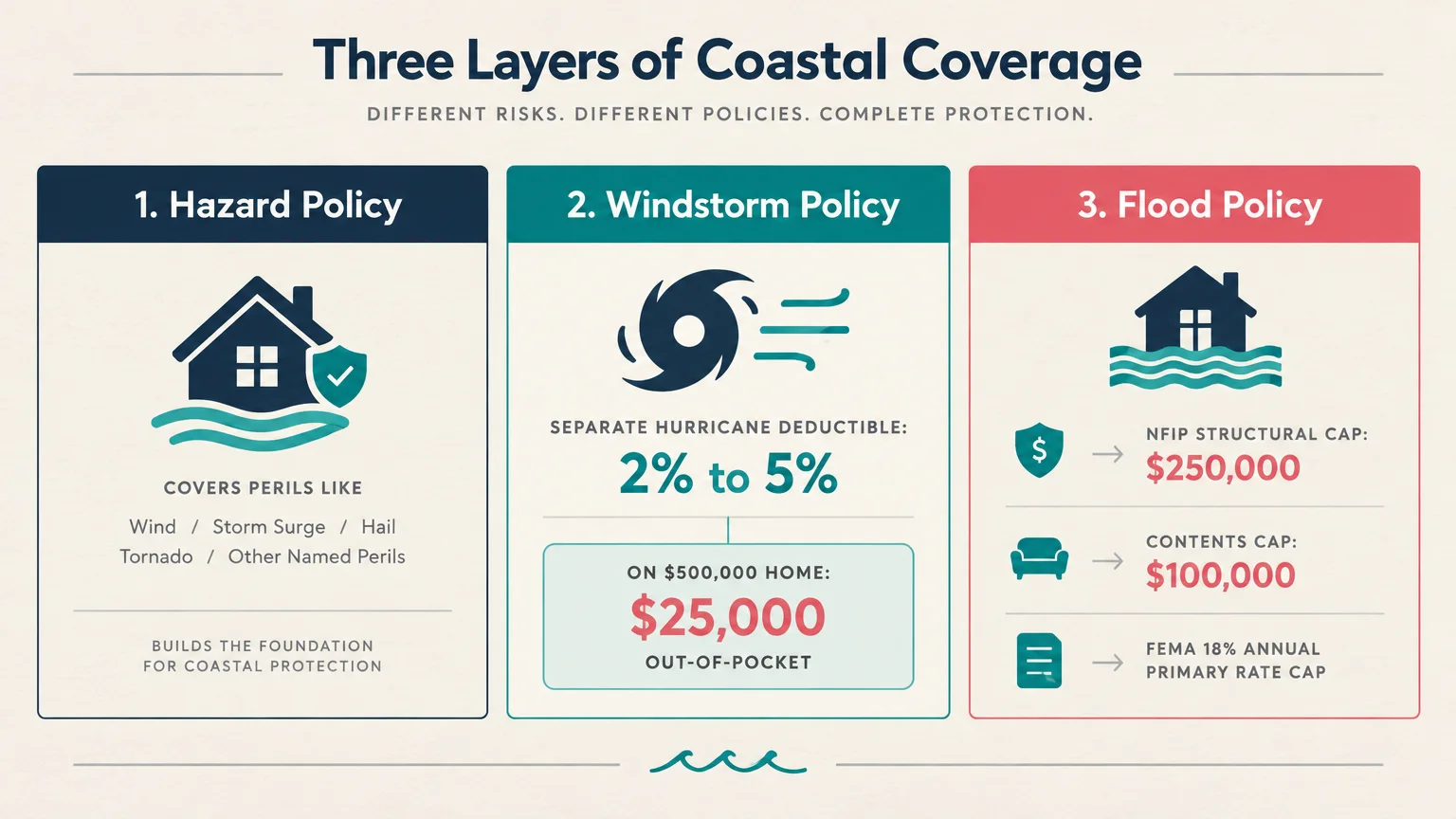
Homeowners insurance near the coast works quite differently than standard inland coverage. You must often purchase three separate policies: hazard, windstorm, and flood insurance.
Under FEMA’s Risk Rating 2.0 system, flood premiums reflect individual structure risk, elevation, and proximity to water. Although federal law caps annual rate hikes at 18% for primary residences, premiums continue climbing toward full-risk rates.
Standard policies through the National Flood Insurance Program cap structural coverage at $250,000 and personal contents at $100,000. If your home costs more to rebuild, you must buy expensive private excess flood insurance.
Windstorm coverage introduces another costly surprise: percentage-based hurricane deductibles. Most coastal insurers mandate separate storm deductibles between 2% and 5% of your home’s total insured replacement value.
On a $500,000 coastal home, a 5% hurricane deductible requires a $25,000 out-of-pocket payment before your policy pays a single dollar. That sudden expense can wipe out an emergency reserve fund in an afternoon.
As noted by experts at the Consumer Financial Protection Bureau (CFPB), you should evaluate total housing costs, including mandatory insurance escrows, before committing your retirement capital.
Property Tax Resets and Reassessment Shocks
Many seniors calculate their post-move housing budget based on the property taxes listed on real estate websites. Relying on those past figures often creates serious financial distress.
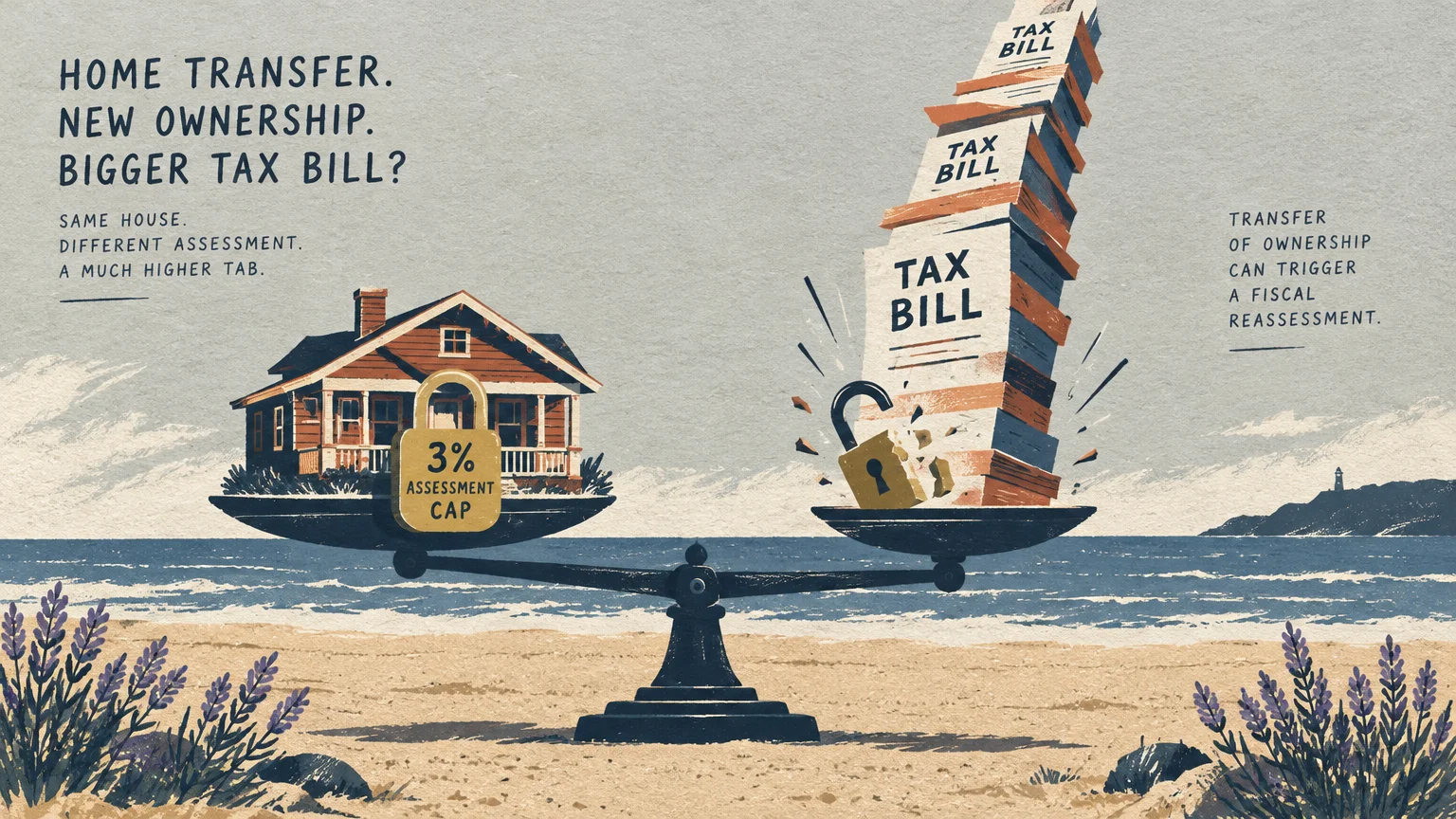
Coastal states like Florida protect long-term residents through caps like the Save Our Homes amendment. This rule restricts annual taxable assessment hikes to 3% or the prevailing inflation rate.
When an existing owner sells a coastal property, those legal assessment caps vanish immediately. The local tax appraiser reassesses the home at 100% of current fair market value for the new tax year.
As a newcomer, your property tax bill can easily double or triple compared to what the previous owner paid. You may face thousands of dollars in unexpected annual tax liability.
While you can eventually apply for homestead exemptions, they rarely offset massive initial value reassessments. Contact the county property appraiser beforehand to calculate your anticipated tax burden accurately.
Always review local municipal millage rates and upcoming infrastructure bond measures. Growing coastal communities often raise property tax rates to fund beach renourishment, seawall repairs, and road elevation projects.
Hidden Condo Fees and Mandatory Reserve Assessments
Downsizing into an oceanfront condominium seems like an ideal way to avoid exterior home maintenance. However, aging oceanfront buildings carry some of the steepest surprise fees in modern real estate.
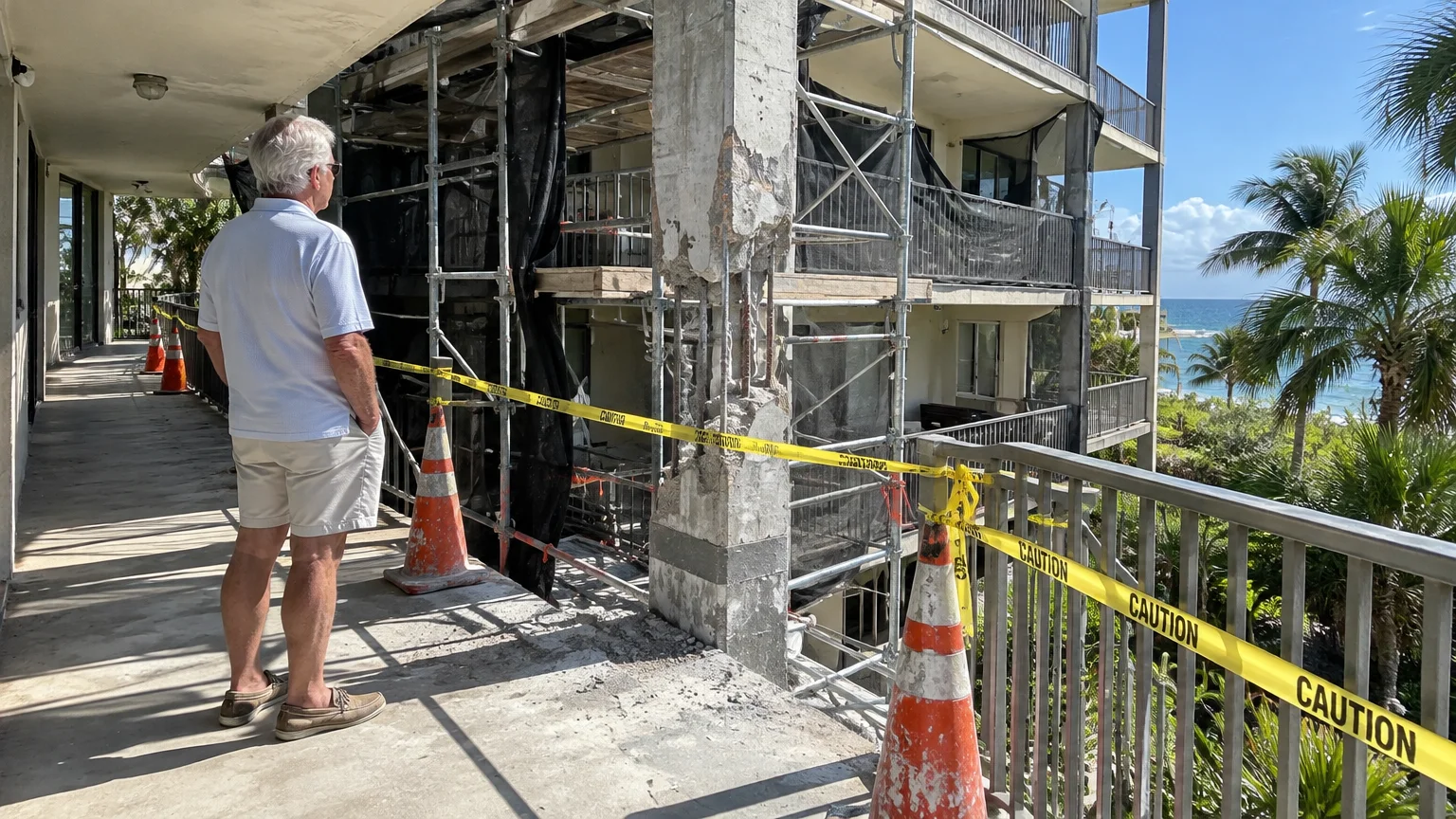
Following recent building tragedies, coastal states have enacted strict condominium regulations such as Florida’s Senate Bill 4-D. Buildings three stories or taller must now undergo rigorous Milestone Inspections once they reach 30 years of age.
Furthermore, associations must complete a Structural Integrity Reserve Study (SIRS). Under these updated laws, condo boards can no longer vote to waive or underfund structural reserve accounts.
To fund critical concrete restoration and roof repairs, boards are issuing sudden special assessments. These one-time bills frequently range from $30,000 to over $100,000 per individual unit owner.
Regular monthly homeowner association dues are also doubling across many coastal towers to meet legal reserve targets. Fixed-income seniors caught without liquid cash may face severe budget deficits or forced property sales.
Before purchasing any coastal condominium, examine the association’s structural reserve study and recent meeting minutes. Work with an independent real estate attorney to verify whether pending special assessments exist.
Accelerated Wear and Tear From Salt Air Corrosion
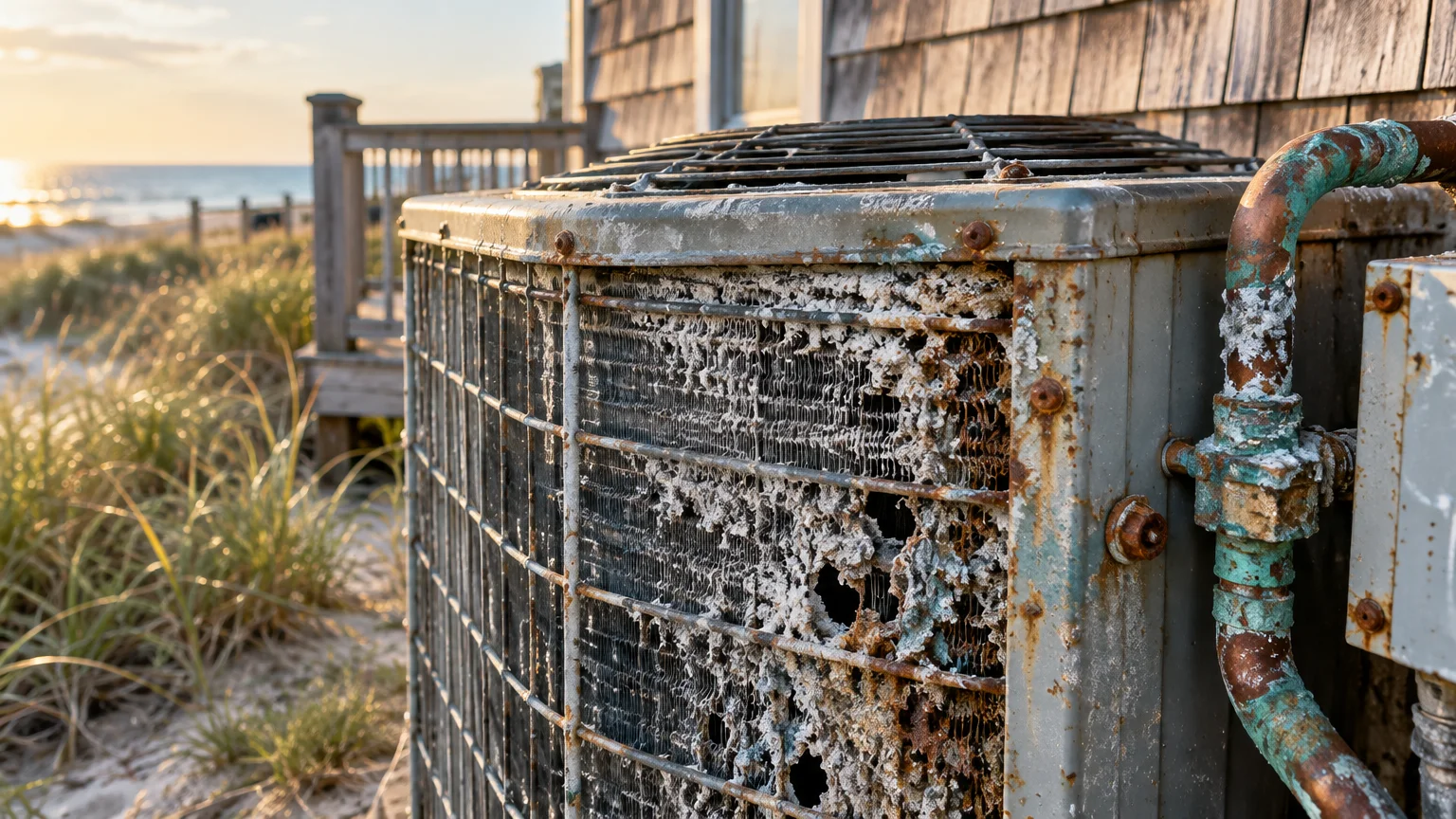
Salty ocean air creates a picturesque setting, but it relentlessly corrodes metal, wood, and concrete. Home maintenance cycles run twice as fast along the coast as they do inland.
Outdoor air conditioning condenser units suffer the greatest damage from airborne salt spray. Electrolytic rust attacks aluminum cooling fins and copper coils, causing premature system failure.
An HVAC system that lasts 15 to 20 years inland often survives only 5 to 10 years within three miles of the beach. You will replace cooling systems roughly twice as often as inland homeowners.
Replacing a coastal HVAC system with protective epoxy-coated coils typically costs between $8,000 and $15,000. You must also rinse outdoor coils monthly with fresh water to slow down deterioration.
Exterior painting, window seals, deck fasteners, and outdoor lighting fixtures also degrade rapidly under intense coastal humidity. Budget at least 2% to 3% of your home’s total value annually for ongoing exterior upkeep.
Impact-rated windows and hurricane shutters require periodic track cleaning and hardware lubrication. Neglecting this routine coastal maintenance can leave your protective storm equipment inoperable when bad weather arrives.
Elevated Costs for In-Home Care and Health Services
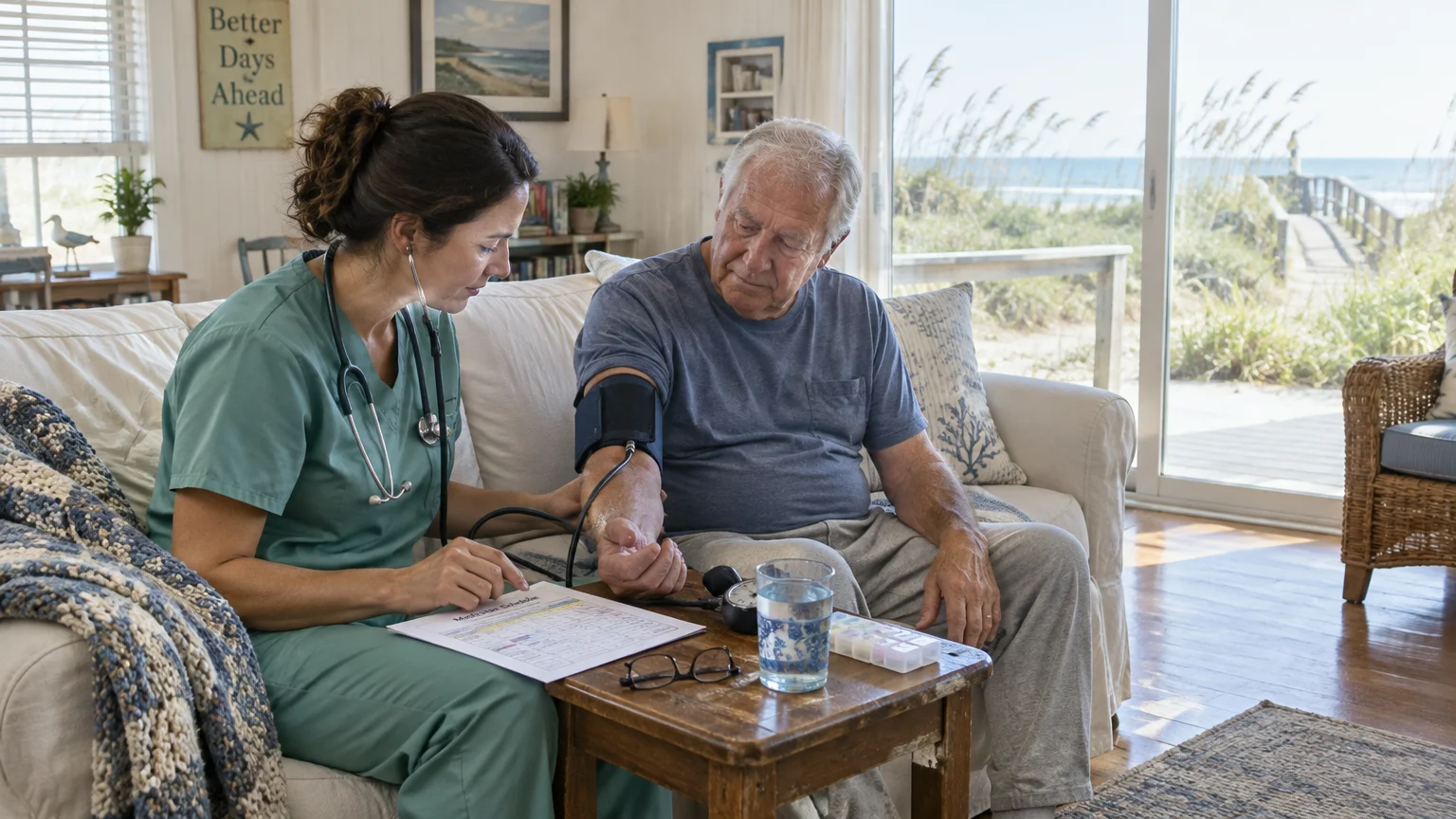
Active retirees rarely anticipate needing personal support when they first purchase an oceanfront home. Yet access to reliable caregiving becomes crucial as you advance into your seventies and eighties.
Coastal communities suffer from an acute shortage of certified nursing assistants and personal care aides. The high cost of island real estate drives direct care workers far inland.
Because direct care workers must commute across toll bridges and through heavy tourist traffic, local hourly agency rates surge. You will pay substantial premiums compared to standard inland rates.
National median benchmark figures set home health aide costs at $34 per hour and homemaker services at $33 per hour. In affluent coastal enclaves, local hourly rates frequently climb much higher.
Families seeking community support services can consult the Eldercare Locator to identify local resources and pricing trends. Planning for future care needs protects your independence as your physical needs evolve.
Specialized medical care also tends to be concentrated in major inland metropolitan centers. Visiting cardiologists, oncologists, or orthopedic specialists often requires long, tiring drives and bridge tolls.

The Tourist Premium on Daily Living Expenses
Moving to a beach community means living inside a seasonal playground designed for vacationers with generous travel budgets. Local merchants adjust their retail prices to capture visiting tourist dollars.
Grocery stores on barrier islands often charge 15% to 25% more for fresh produce, dairy, and meat. Island shipping logistics and expensive commercial retail rents directly inflate everyday shelf prices.
Dining out in coastal towns carries resort fees, peak-season surcharges, and elevated food prices. Even routine services like plumbing, landscaping, and house cleaning charge premium coastal rates.
According to research highlighted by AARP, retirees must carefully align daily discretionary spending with local cost-of-living adjustments. Failing to budget for seasonal retail spikes creates persistent cash flow strain.
Driving inland once a week to shop at major supermarket chains can help protect your grocery budget. However, you must weigh those savings against vehicle wear and heavy seasonal traffic delays.
Gasoline stations along coastal corridors and causeways also charge elevated prices compared to mainland stations. These minor price differences compound into hundreds of dollars in additional annual expenses.
Vehicle Maintenance and Transportation Surprises
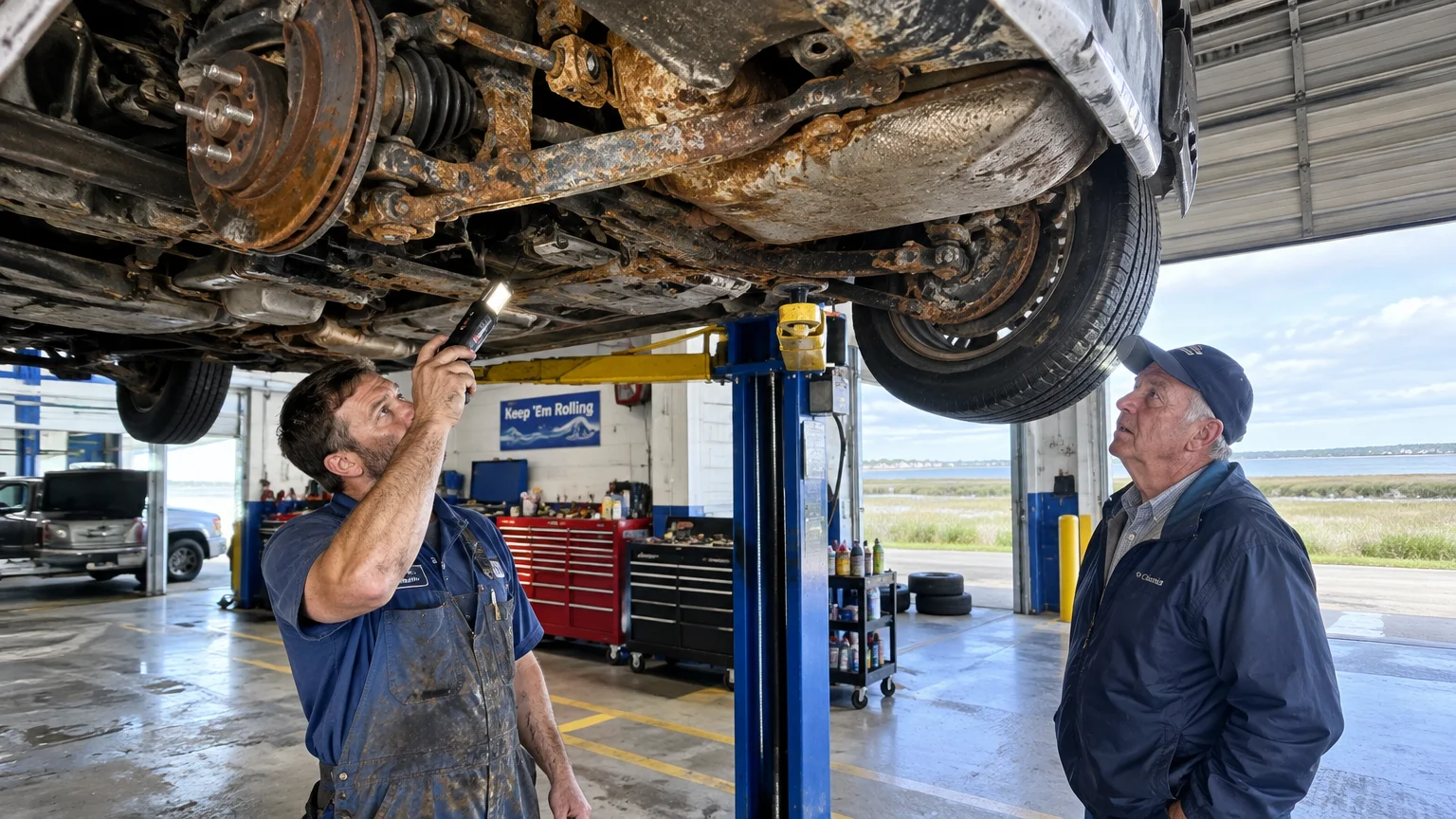
Coastal driving conditions inflict heavy wear on personal vehicles that inland drivers rarely anticipate. Salt fog, morning ocean dew, and sand accumulation quietly degrade metal undercarriages.
Brake calipers, exhaust hangers, and exposed suspension components corrode quickly when exposed to salty air. You will need routine undercarriage washes and more frequent brake replacements to remain safe.
Many beach retirees look forward to cruising neighborhood streets in low-speed electric golf carts. However, street-legal golf carts bring unexpected registration, title, and insurance expenses.
Replacing golf cart battery packs every four to five years adds $1,500 to $2,500 in periodic maintenance. Additionally, frequent bridge tolls and paid public parking passes add hidden travel expenses.
Car insurance rates also tend to be significantly higher in coastal counties. Insurers factor in increased risks from storm surges, hail, fallen palm fronds, and heavy tourist traffic accidents.
Comparing Inland and Coastal Retirement Expenses
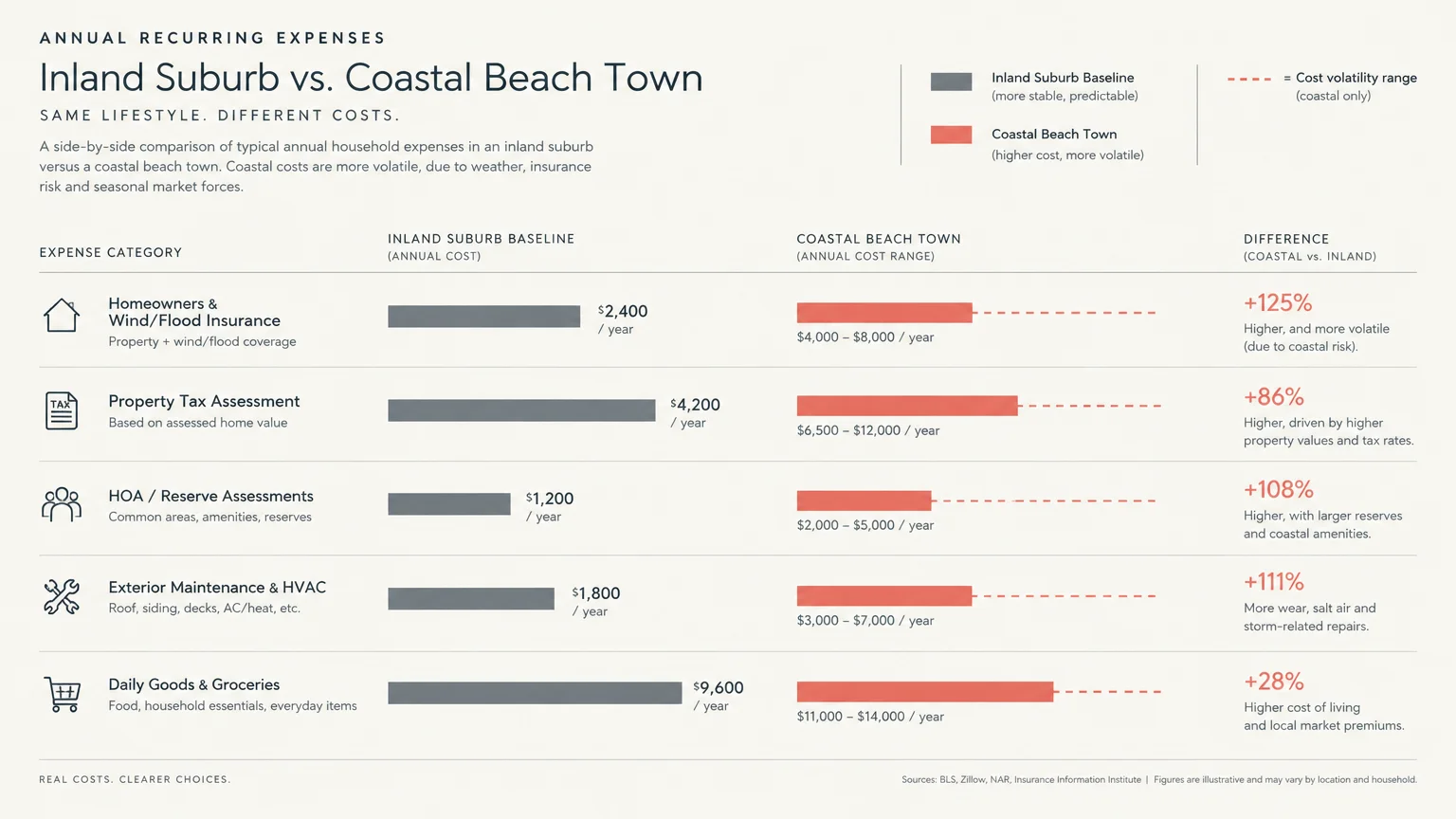
Reviewing coastal living expenses alongside typical inland expenses highlights where your budget will feel the greatest pressure. The differences extend far beyond baseline mortgage or rent payments.
| Expense Category | Typical Inland Budget | Coastal Town Budget | Key Financial Difference |
|---|---|---|---|
| Home & Hazard Insurance | $1,500 – $2,500 / year | $5,000 – $12,000+ / year | Separate flood and percentage hurricane deductibles. |
| HVAC System Lifespan | 15 – 20 years | 5 – 10 years | Corrosive salt air destroys outdoor condenser coils twice as fast. |
| Annual Maintenance Reserve | 1% of home value | 2% – 3% of home value | Constant exterior painting, sealing, and corrosion prevention. |
| Condo Reserve Assessments | Rare, modest fees | $30,000 – $100,000+ | Mandatory structural inspections and strict non-waivable reserves. |
| In-Home Caregiver Rates | $30 – $34 / hour | $38 – $48+ / hour | Severe worker housing shortages and travel surcharges drive up rates. |
| Groceries & Daily Goods | Standard retail pricing | 15% – 25% premium | Island logistics and tourist-focused retail pricing models. |
Evaluating these line items side by side helps you build a realistic cash reserve before packing your bags. Factoring in these coastal premiums prevents unwelcome financial surprises after closing.

Smart Financial Strategies Before You Relocate
You can protect your financial independence by taking deliberate defensive steps before purchasing coastal property. A successful relocation requires thorough research rather than impulse buying.
Consider renting a home or apartment for a full twelve months in your chosen coastal destination. This trial period reveals real summer heat, humidity, storm threats, and seasonal traffic congestion.
Before finalizing your move, check Medicare.gov to ensure that preferred local doctors and hospitals participate in your coverage plan. High-demand beach towns sometimes feature narrow medical provider networks.
Follow these essential financial action steps when evaluating any potential coastal home purchase:
- Request past utility and insurance bills directly from the seller to examine true carrying costs.
- Obtain insurance quotes for hazard, wind, and flood policies during your initial inspection window.
- Contact the county property appraiser to estimate your post-sale property tax assessment reset accurately.
- Hire an independent structural engineer to inspect coastal decks, pilings, concrete slabs, and roofs.
- Set up a dedicated liquid emergency fund that covers at least one maximum hurricane deductible.
Taking these precautionary measures ensures that your retirement dream remains fulfilling and stress-free. Smart planning protects your hard-earned savings against unforgiving coastal expenses.
Frequently Asked Questions
How much money should I set aside annually for coastal home maintenance?
You should set aside between 2% and 3% of your home’s total value each year for routine coastal upkeep. This dedicated reserve covers premature HVAC replacements, exterior repainting, and corrosion-resistant hardware upgrades.
Why did my coastal property taxes double after purchasing the home?
Many coastal states cap annual assessment hikes for long-term residents, but those protections disappear upon a sale. The county reassesses the property to current market value, resulting in a sudden tax jump for newcomers.
Does Medicare cover transportation costs if I must travel inland to see specialists?
Standard Medicare does not cover routine transportation costs or mileage for doctor visits. If you must travel to inland regional medical centers, you must pay for fuel, tolls, and lodging out of pocket.
How do percentage hurricane deductibles work on coastal insurance policies?
Unlike flat dollar deductibles, percentage hurricane deductibles equal 2% to 5% of your home’s total insured structural value. A 5% deductible on a $400,000 policy requires a $20,000 out-of-pocket payment before storm coverage pays.
Are older oceanfront condominiums safe investments for seniors on fixed incomes?
Older condominiums carry significant financial risks due to mandatory structural milestone inspections and non-waivable reserve laws. Seniors on fixed incomes can face sudden special assessments ranging from $30,000 to over $100,000 per unit.
For additional senior resources, visit
Alzheimer’s Association,
American Heart Association,
Benefits.gov and
National Institute on Aging (NIA).
Disclaimer: The information in this article is for educational purposes only and is not intended to be a substitute for professional financial, legal, or medical advice. Always consult with a qualified expert for advice tailored to your personal situation.









Leave a Reply