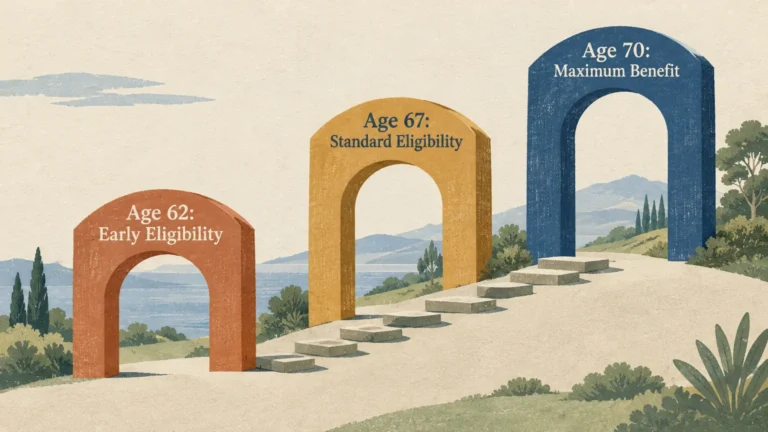

Your Social Security statement holds the key to your retirement security, yet most Americans overlook critical details hidden inside its pages. Reading this document correctly protects your monthly cash flow and prevents costly claiming mistakes.
A quick review helps you spot employer reporting errors, calculate realistic retirement income, and plan your claiming timeline. Understanding these numbers ensures you never leave hard-earned money on the table.
Recent policy changes and updated digital account rules make understanding your earnings history more vital than ever before. Discover the ten essential facts every retiree must know before claiming benefits.
In this guide13 sections
- 1. The 35-Year Calculation Rule and the Impact of Zeroes
- 2. Benefit Estimates Assume You Work Until Claiming Age
- 3. The Statement Now Displays Nine Claiming Ages
- 4. The Strict Time Limit for Correcting Earnings Errors
- 5. Estimated Payments Omit Medicare Premiums and Taxes
- 6. The Taxable Wage Base Creates Artificial Earnings Caps
- 7. Repeal of WEP and GPO Restores Benefits for Public Workers
- 8. Paper Statements Stop Arriving for Most Workers
- 9. Working Early Triggers the Retirement Earnings Test
- 10. Legacy Account Logins Are Officially Retired
- Key Social Security Figures for 2026 and 2027
- Step-by-Step Guide to Auditing Your Statement
- Frequently Asked Questions
01 The 35-Year Calculation Rule and the Impact of Zeroes
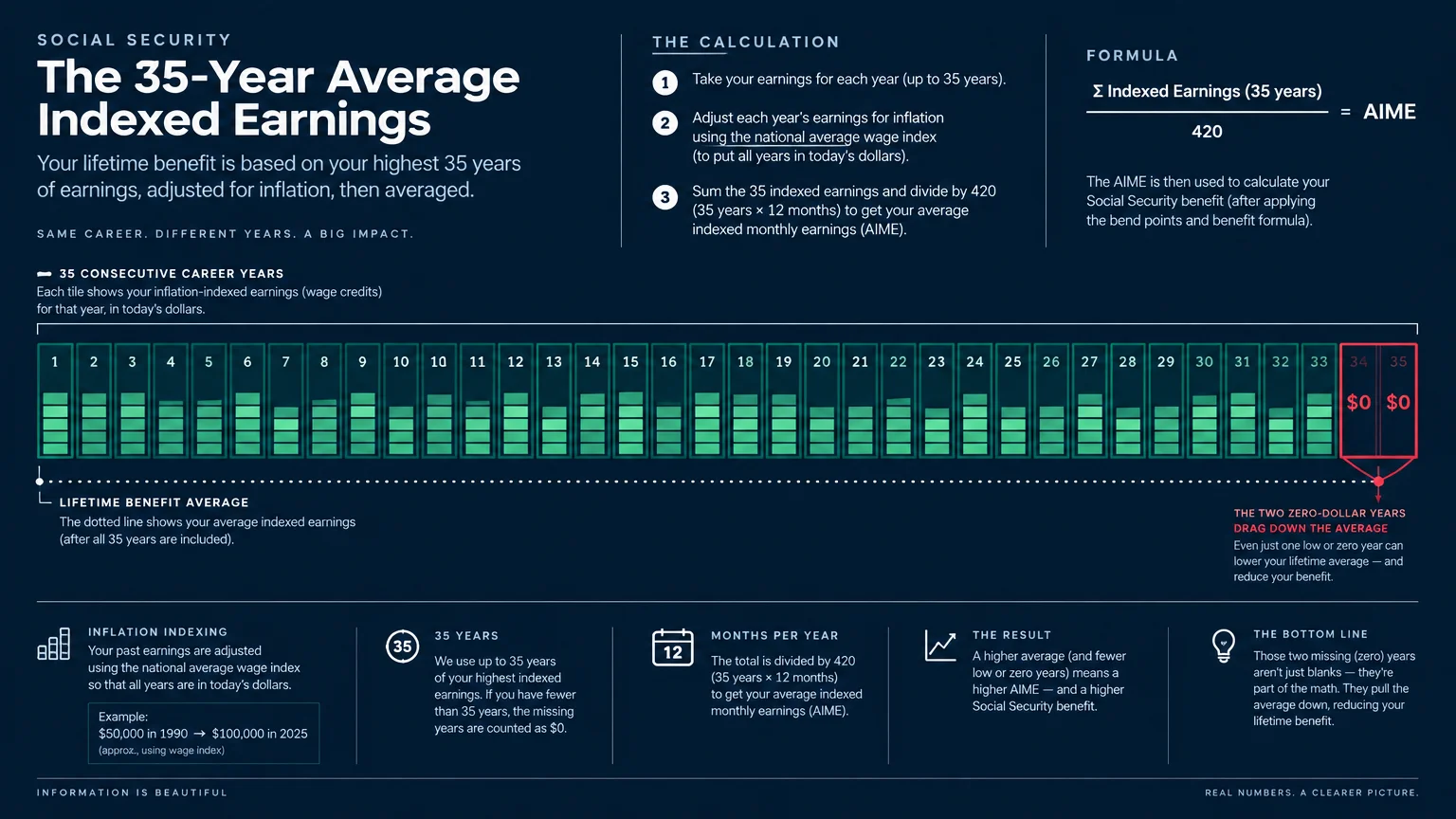
Many workers assume the government calculates benefits based on their final years of employment or their highest decade of earnings. In reality, your social security estimate reflects your 35 highest-earning years, with each year indexed for wage inflation.
If you worked for fewer than 35 years, the government enters a zero for each missing year. Even a single zero in that calculation significantly pulls down your lifetime monthly benefit amount.
Consider a worker with 33 years of covered earnings. The calculation includes two years of zero income, diluting decades of solid contributions.
Working just one or two additional years replaces those zero-dollar entries with actual wages. Even part-time earnings can lift your overall average and permanently increase your baseline payout.
Replacing an early low-wage year from your twenties with higher earnings in your sixties also boosts your benefit. Reviewing your earnings record reveals exactly how many full contribution years you have accumulated.
02 Benefit Estimates Assume You Work Until Claiming Age
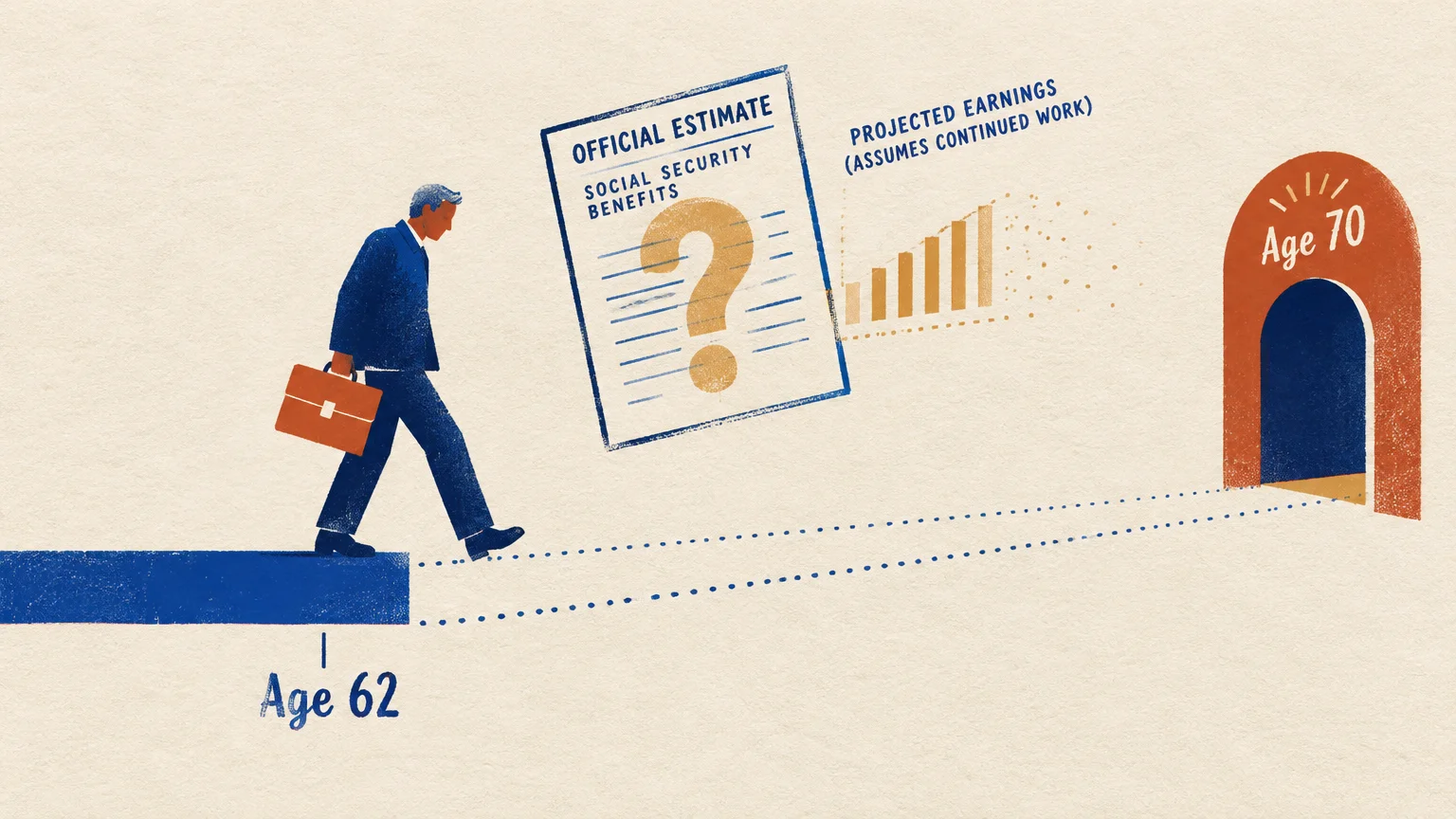
Your statement displays projected monthly payments for several claiming ages, but these numbers rely on an unstated assumption. The formula assumes you will continue earning your current salary every year until you claim.
If you step away from work at age 62 but plan to delay benefits until age 70, that assumption breaks down. The gap years between your retirement and your claim date will record zero earnings.
Those unexpected zero-earning years lower your actual monthly benefit below the figure printed on your current statement. Thousands of early retirees face unpleasant surprises because they planned their budgets around inaccurate projections.
According to Consumer Financial Protection Bureau (CFPB), claiming decisions can permanently change your lifetime retirement wealth. Understanding how wage assumptions influence your estimate helps you make sound choices.
If you plan to stop working before claiming, manually adjust your expectations downward. You can run customized estimates on official online portals to see your true projected income.

03 The Statement Now Displays Nine Claiming Ages
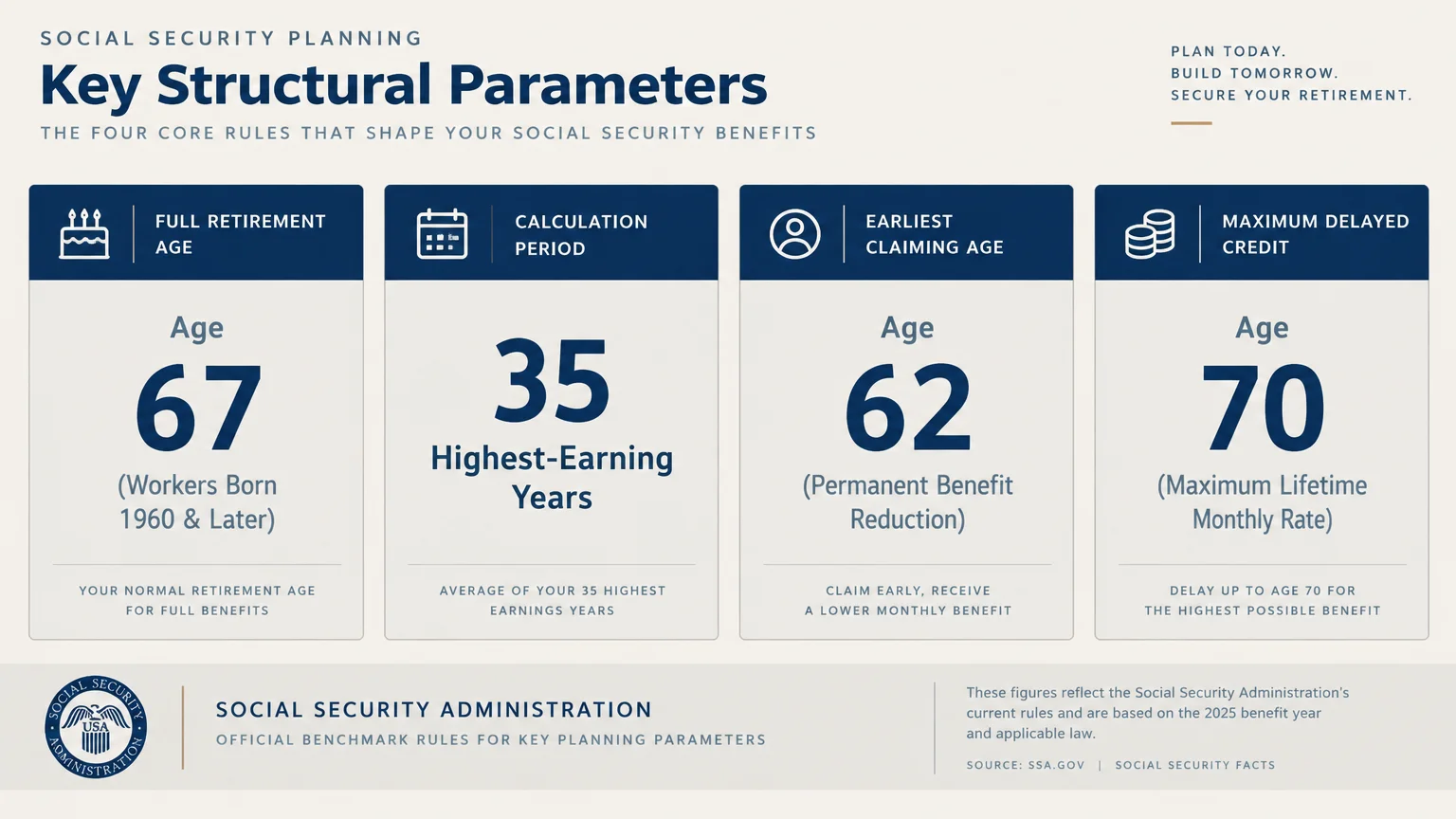
Older statement designs only highlighted three milestone claiming ages: age 62, Full Retirement Age, and age 70. This rigid layout led many retirees to believe they had to pick one of those three specific moments.
The redesigned statement now features a personalized bar chart showing estimated payments across nine distinct ages, from 62 through 70. This visual breakdown shows you the exact financial consequence of waiting each additional year.
Your Full Retirement Age depends entirely on the year you were born. For individuals born in 1959, Full Retirement Age is 66 years and 10 months.
For everyone born in 1960 or later, Full Retirement Age settles permanently at age 67. Claiming at age 62 rather than age 67 permanently reduces your monthly check by up to 30 percent.
Delaying your claim past Full Retirement Age earns you delayed retirement credits. Your benefit increases by 8 percent for every twelve months you delay up until age 70.

04 The Strict Time Limit for Correcting Earnings Errors
Employers do make clerical mistakes, and payroll processing errors can leave wages missing from your official record. When wages go unrecorded, your eventual retirement benefits shrink permanently.
Under Section 205(c) of the Social Security Act, a strict statutory deadline exists for correcting earnings record mistakes. You generally have 3 years, 3 months, and 15 days following the close of the taxable year to request a correction.
Once this statutory window closes, correcting your record becomes far more complicated. Fortunately, the government permits exceptions if you can provide definitive written evidence of your earnings.
Acceptable proof includes old W-2 forms, tax return copies, or official wage stubs from your employer. If you discover a mistake, you must file Form SSA-7008 along with your supporting financial documents.
Checking your statement annually ensures you catch wage discrepancies before old records vanish. Do not wait until the month you retire to review decades of recorded wages.
05 Estimated Payments Omit Medicare Premiums and Taxes
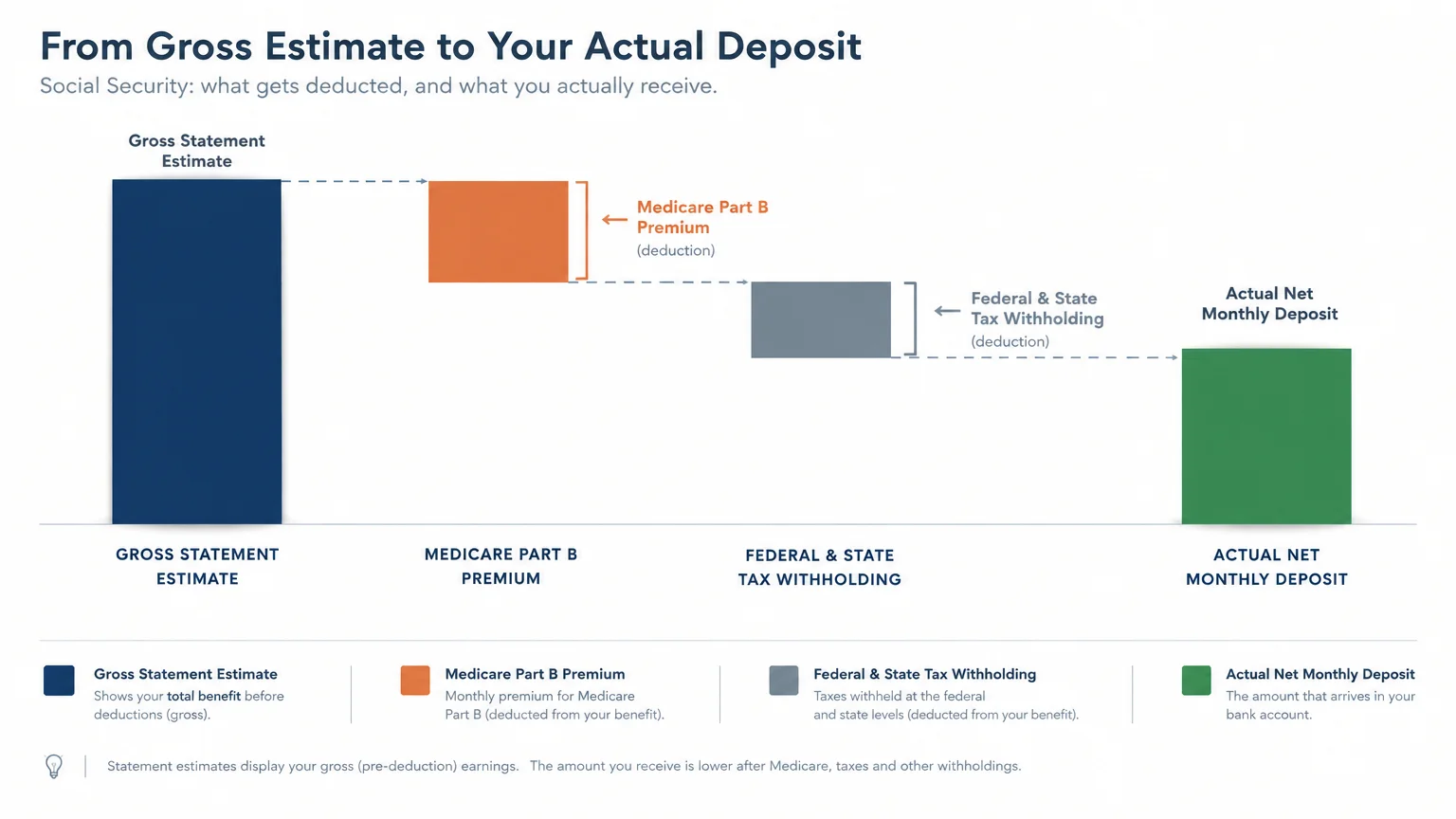
The dollar amounts displayed across your statement represent gross benefits rather than your take-home cash. In retirement, mandatory deductions can take a noticeable bite out of that monthly payment.
Once you enroll in Medicare at age 65, the government automatically deducts your Part B premium directly from your benefit. The standard Medicare Part B monthly premium is $202.90 in 2026.
According to guidelines from Medicare.gov, the federal government automatically deducts standard Part B premiums from your monthly Social Security benefit checks. Higher earners also pay income-related monthly adjustment amounts that increase that deduction.
Federal income taxes represent another common surprise for unprepared retirees. If your combined income exceeds $25,000 for single filers or $32,000 for married couples, your benefits become subject to income tax.
Up to 85 percent of your benefit amount can be taxed under federal rules. When planning your household budget, calculate your net retirement income rather than relying on gross statement figures.

06 The Taxable Wage Base Creates Artificial Earnings Caps
When you examine your lifetime earnings chart, you might notice that recorded wages for certain years look lower than your actual earnings. This difference does not mean your employer cheated you or filed incorrect tax returns.
Federal law caps the amount of annual income subject to Social Security payroll taxes. Any earnings you make above this annual threshold do not appear in the Social Security earnings column.
The maximum taxable earnings limit is $184,500 in 2026 and increases to $192,300 in 2027. You pay the 6.2 percent Social Security tax only on earnings up to that ceiling.
In contrast, Medicare taxes apply to all of your earned wages without any annual cap. As a result, the Medicare column on your earnings history will show your full salary, while the Social Security column caps out.
Understanding SSA statement columns prevents unnecessary panic over capped earnings figures. The benefit formula only factors in earnings up to that annual legal maximum.

07 Repeal of WEP and GPO Restores Benefits for Public Workers
For decades, public servants faced substantial reductions to their monthly benefits because of two controversial statutory rules. The Windfall Elimination Provision (WEP) and the Government Pension Offset (GPO) drastically slashed benefits for teachers, police officers, and municipal staff.
Historic statements warned these workers that their estimates were inaccurate if they received a government pension. The actual checks they received upon claiming were often hundreds of dollars smaller than estimated.
That unfair penalty has ended. The Social Security Fairness Act, signed into law on January 5, 2025, and retroactive to January 2024, permanently repealed both WEP and GPO.
Research from AARP highlights that the repeal restores rightful benefits to millions of public servants across the nation. Public-sector retirees now receive the full monthly checks they earned through their covered employment.
If you worked in public education or civil service, your printed statement numbers are now fully reliable. You no longer need to subtract statutory penalties from your retirement projections.

08 Paper Statements Stop Arriving for Most Workers
Many seniors remember receiving paper statements in the mail every year like clockwork. Today, the vast majority of American workers receive no mailed statements at all.
The government only automatically mails paper statements to workers age 60 and older who do not already have an active online account. These paper mailings arrive once a year, roughly three months before your birthday.
If you create an online profile, the agency immediately stops all physical mailings to save administrative resources. Younger workers under age 60 never receive paper copies automatically under current rules.
If you prefer reading a hard copy on paper, you must print your statement from the online portal. Alternatively, you can mail in Form SSA-7004 to request a physical printout by mail.
Keeping an eye on your numbers requires proactive effort. Setting a recurring calendar reminder each year helps you remember to download and inspect your updated statement.
09 Working Early Triggers the Retirement Earnings Test
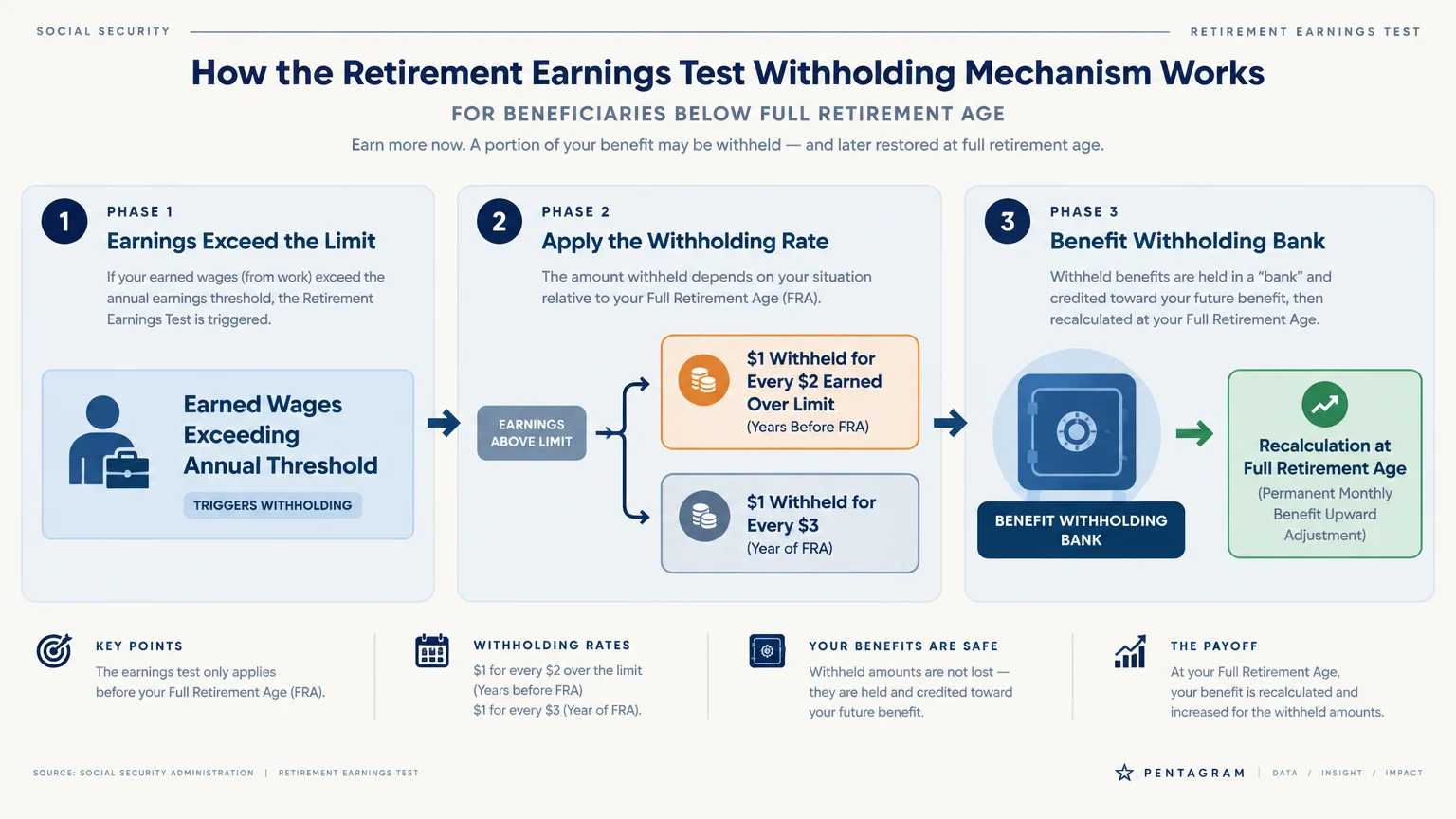
Your statement presents benefit figures for early retirement ages without explaining the rules on outside employment. If you claim benefits before Full Retirement Age while continuing to work, the Retirement Earnings Test applies.
For 2026, the annual earnings limit before Full Retirement Age is $24,480, rising to $25,560 in 2027. The government withholds $1 in benefits for every $2 you earn above that threshold.
A different threshold applies during the calendar year you reach your Full Retirement Age. In that year, the limit is $65,160 in 2026 and rises to $67,920 in 2027, with $1 withheld for every $3 over the limit.
Once you reach Full Retirement Age, the earnings test vanishes completely. You can earn an unlimited income with zero withholding starting the month you reach your milestone age.
Money withheld under the earnings test is not lost forever. The government recalculates your monthly benefit at Full Retirement Age to credit you for the withheld amounts over your lifetime.
10 Legacy Account Logins Are Officially Retired
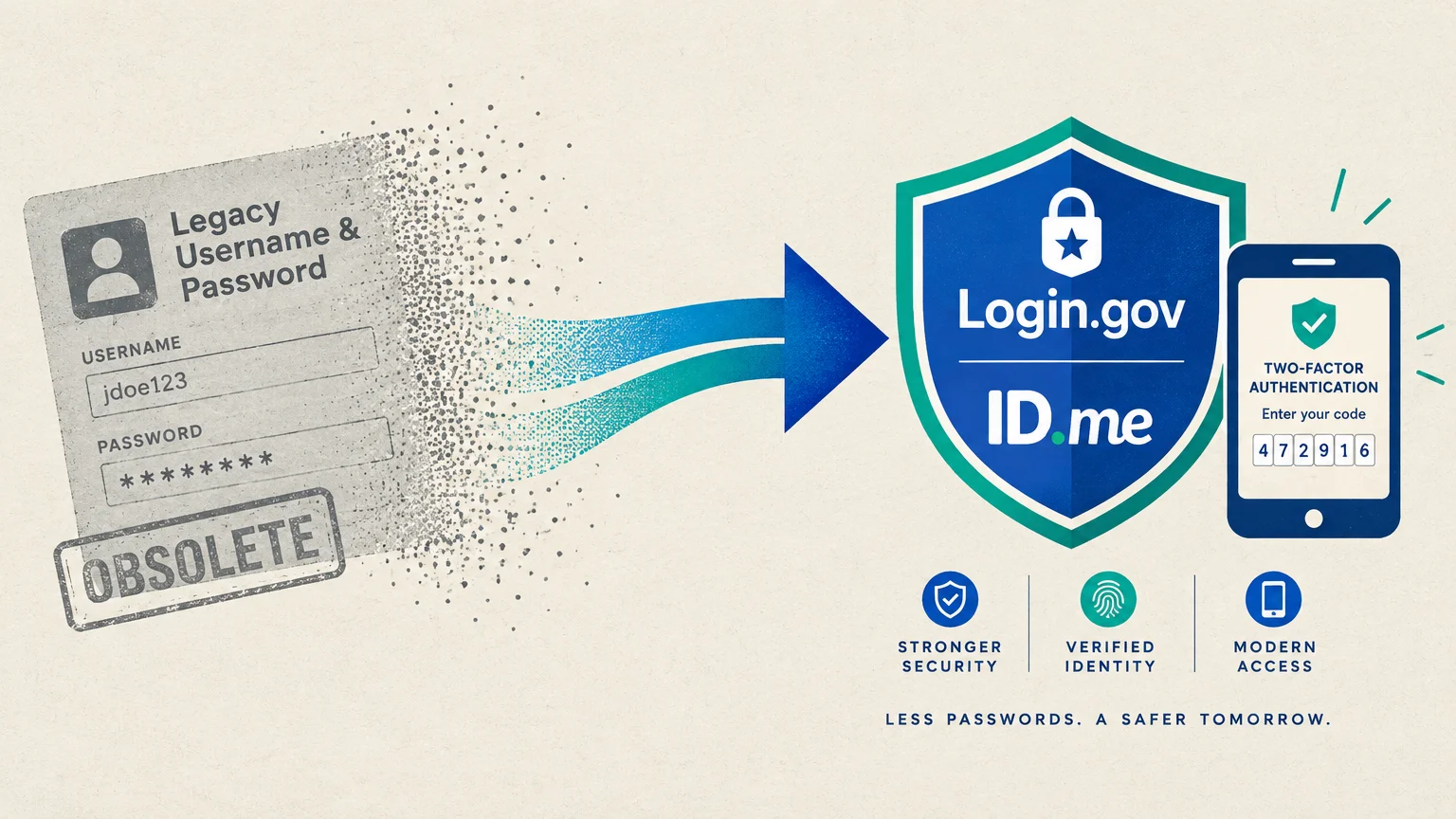
If you have not logged in to view your my social security statement recently, your old login information will no longer work. The federal government officially retired its legacy username and password system to improve digital security.
The Social Security Administration (SSA) requires all account holders who registered before September 2021 to migrate to modern identity partners. You must now access your digital records through Login.gov or ID.me.
This verification process requires an active email address, personal identification, and two-factor authentication. Seniors residing abroad who lack a domestic postal address must select ID.me for their verification.
Completing this digital transition ensures you retain access to annual updates and tax forms. For example, setting up your online account before November 18, 2026, allows you to view the 2027 COLA notice online weeks before paper notices arrive.
The 2027 Cost-of-Living Adjustment is 3.6 percent, following a 2.8 percent adjustment in 2026. Managing your digital account gives you instant access to these inflation updates as soon as they become official.
Key Social Security Figures for 2026 and 2027
Understanding the statutory limits and benchmark numbers helps you interpret your statement with complete accuracy. Below is an overview of the key regulatory figures that govern your benefits over the 2026 and 2027 calendar years.
| Metric | 2026 Value | 2027 Value |
|---|---|---|
| Annual Cost-of-Living Adjustment (COLA) | 2.8% | 3.6% |
| Average Monthly Retired Worker Benefit | $2,095 | $2,170 |
| Average Monthly Couple Benefit | $3,238 | $3,355 |
| Maximum Monthly Benefit at Full Retirement Age | $4,152 | $4,188 |
| Maximum Taxable Earnings (Wage Cap) | $184,500 | $192,300 |
| Earnings Needed for One Work Credit | $1,890 | $1,970 |
| Annual Earnings Needed for 4 Credits | $7,560 | $7,880 |
| Retirement Earnings Test Limit (Pre-FRA) | $24,480 | $25,560 |
| Retirement Earnings Test Limit (Year of FRA) | $65,160 | $67,920 |
| Standard Monthly Medicare Part B Premium | $202.90 | Subject to CMS update |
These benchmark figures change annually to reflect wage trends and inflation across the broader economy. Comparing your individual statement to these figures helps you contextualize where your benefits stand.
Step-by-Step Guide to Auditing Your Statement
Auditing your statement takes less than twenty minutes and protects your hard-earned benefits. Follow these clear steps to conduct a thorough annual checkup of your records.
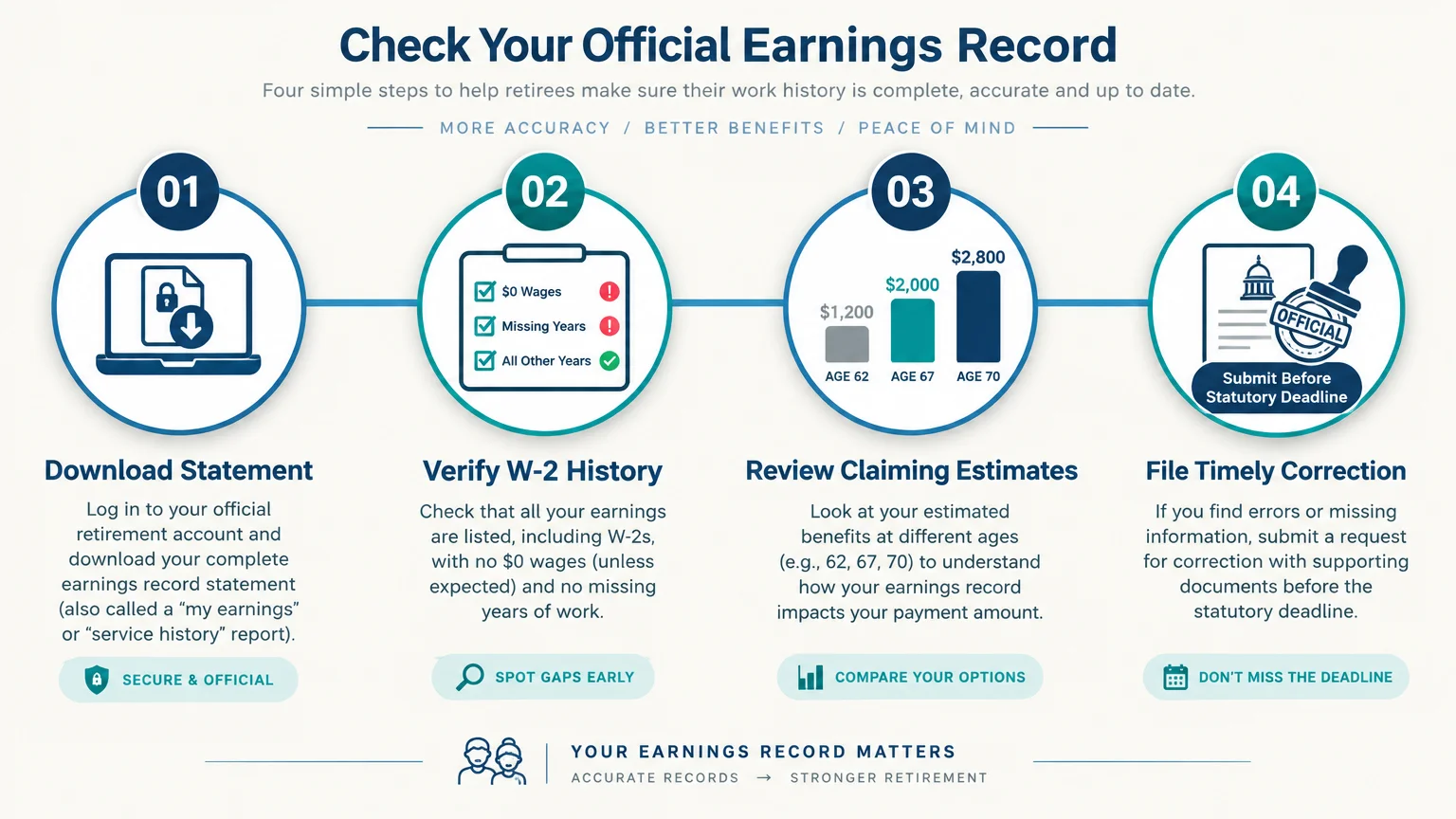
- Access your account: Log in using your verified Login.gov or ID.me credentials to download your latest statement.
- Verify your credits: Confirm that you have earned at least 40 work credits, which represents the legal minimum needed for retirement benefits.
- Check every earnings year: Compare past wage entries on the statement against old W-2 forms or federal income tax returns.
- Examine recent wage postings: Make sure your employer properly reported your earnings for the prior calendar year.
- Review benefit estimates: Evaluate how your estimated monthly check changes across ages 62, Full Retirement Age, and 70.
- Account for mandatory deductions: Subtract anticipated Medicare Part B premiums and federal income taxes to find your true net income.
- File corrections immediately: If you spot an error, locate your proof of income and submit Form SSA-7008 without delay.
As noted by experts at Benefits.gov, verifying federal entitlement records annually prevents unexpected disruptions to your financial security. Keeping an organized file of your past tax returns simplifies this audit each year.
Frequently Asked Questions
Can I view my statement if I already receive monthly benefits?
Once you claim benefits, your statement changes into a benefit verification letter. You can view your current payment amount, net deductions, and tax withholding online, but projected retirement graphs no longer appear.
How many work credits do I need to qualify for retirement benefits?
You need 40 lifetime work credits to qualify for Social Security retirement payments. You can earn a maximum of four credits per year, which means most workers qualify after ten full years of employment.
What should I do if my earnings record shows zero for a year I worked?
Gather supporting documentation immediately, such as your W-2 form, pay stubs, or a signed copy of your tax return for that year. Submit these documents along with Form SSA-7008 to your local agency office to correct the mistake.
Does my statement show how much my spouse can receive?
Statements do not list specific dollar figures for spousal benefits. A spouse can generally claim up to 50 percent of the primary earner’s Full Retirement Age benefit, provided they have reached their own Full Retirement Age.
Why does my Medicare taxed income differ from my Social Security income?
Social Security taxes apply only up to the statutory wage cap, which is $184,500 in 2026 and $192,300 in 2027. Medicare taxes apply to all covered wages without an annual ceiling, leading to higher reported Medicare wages for upper earners.
For additional senior resources, visit
National Institute of Mental Health (NIMH), National Institutes of Health (NIH), Centers for Medicare & Medicaid Services (CMS) and Social Security Administration (SSA).
Disclaimer: The information in this article is for educational purposes only and is not intended to be a substitute for professional financial, legal, or medical advice. Always consult with a qualified expert for advice tailored to your personal situation.