

Managing escalating prescription costs on a fixed retirement income often forces difficult financial trade-offs, even when you have Medicare coverage. High deductibles, restrictive plan formularies, and coinsurance requirements frequently leave older adults with steep out-of-pocket expenses for life-sustaining medications. Fortunately, viable prescription assistance programs beyond Medicare offer practical solutions to lower or eliminate your medication bills. Whether you take expensive brand-name specialty drugs or daily maintenance generics, alternative assistance models provide vital financial relief. Exploring patient assistance foundations, state safety nets, transparent cash pharmacies, and clinic discounts empowers you to safeguard your health while protecting your retirement savings.
Why Medicare Part D Leaves Coverage Gaps
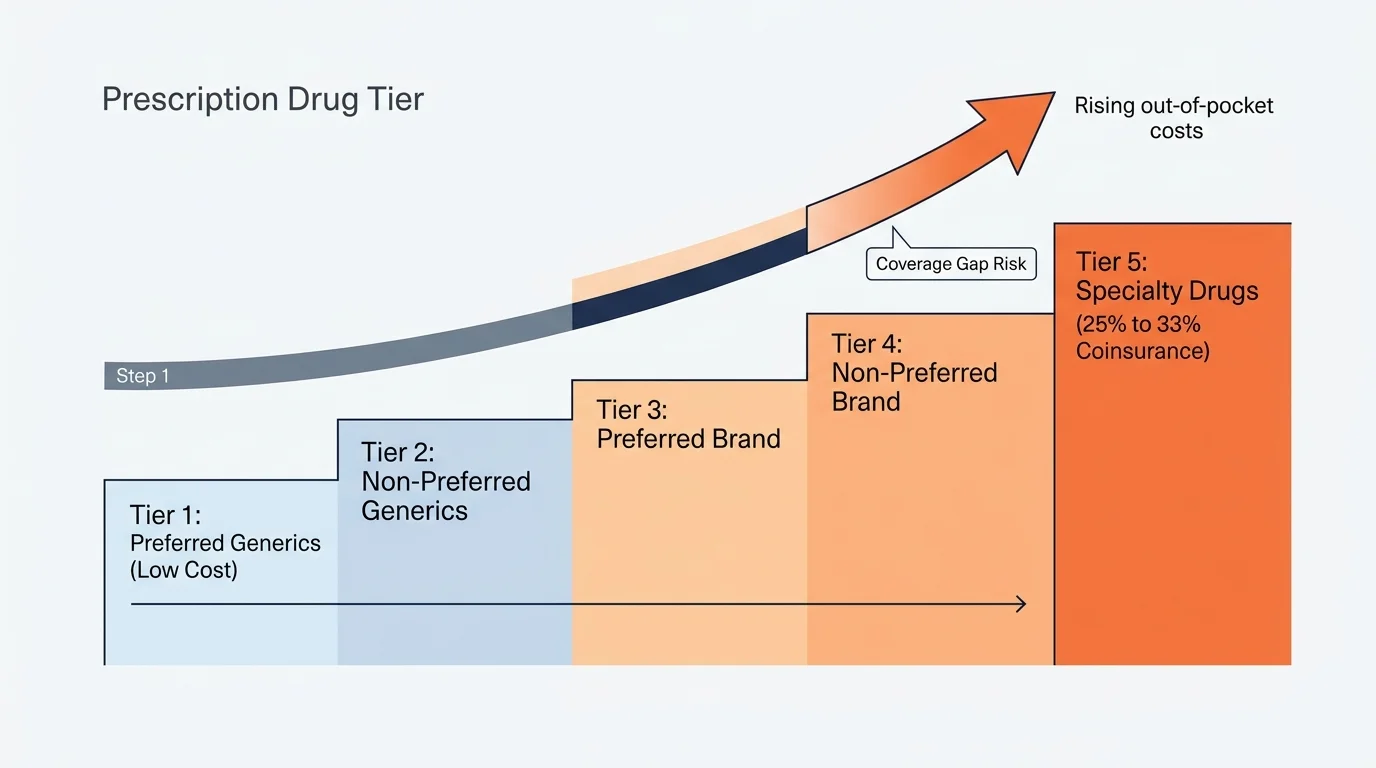
Enrolling in Medicare Part D or a Medicare Advantage plan provides essential baseline drug coverage, yet many older adults still face substantial out-of-pocket costs at the pharmacy counter. Private insurance companies administer these plans, and each insurer sets its own formulary—a specific list of covered generic and brand-name medications organized into pricing tiers. When your doctor prescribes a specialty drug or a non-preferred brand medication placed on Tier 4 or Tier 5, your plan may charge a coinsurance rate of 25% to 33% rather than a manageable flat copayment.
According to Medicare.gov, Part D plans establish unique annual deductibles and tiered formularies that can change from year to year. These structural shifts mean that a medication covered affordably last year might suddenly cost hundreds of dollars per month this year. If your prescribed drug is excluded from your formulary altogether, you bear 100% of the retail price unless your prescriber wins a formal coverage exception.
Furthermore, federal anti-kickback statutes prevent Medicare beneficiaries from using manufacturer commercial copay coupons at retail pharmacies. While commercial insurance policyholders can readily use manufacturer discount cards to lower their copays to $5 or $10, Medicare enrollees are legally barred from using those specific savings cards. Understanding this regulatory boundary highlights why you must seek legitimate drug cost assistance programs operating outside standard commercial channels.
1. Pharmaceutical Manufacturer Patient Assistance Programs (PAPs)
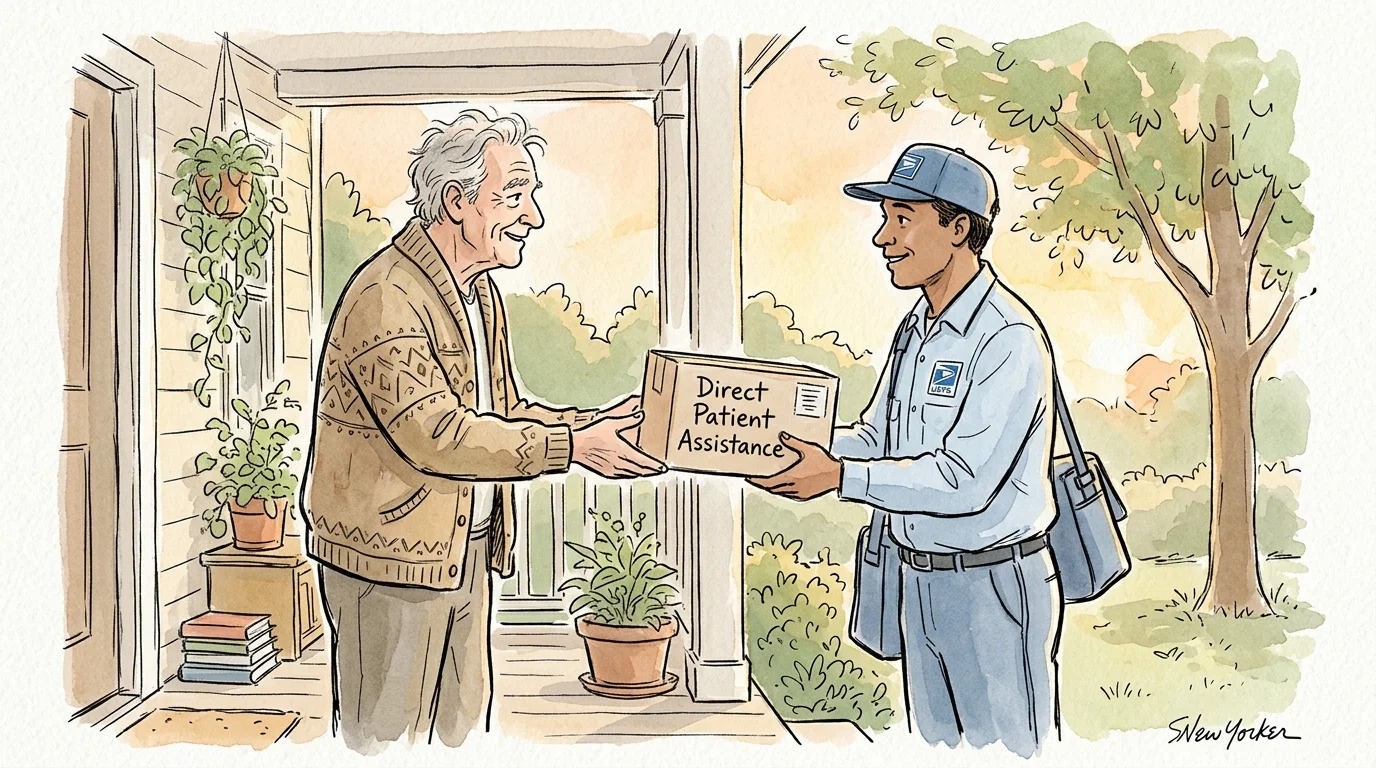
Major pharmaceutical companies operate Patient Assistance Programs (PAPs) to provide free or deeply discounted brand-name and specialty medications directly to individuals experiencing financial hardship. These charitable arms of drug makers supply treatments for chronic conditions such as diabetes, rheumatoid arthritis, heart disease, oncology, and macular degeneration.
While manufacturer copay coupons are off-limits for Medicare enrollees, manufacturer PAPs operate under separate regulatory standards. Many pharmaceutical companies permit Medicare Part D beneficiaries to enroll in their assistance programs if they meet specific income requirements and demonstrate that their current prescription coverage creates an unaffordable burden.
Eligibility criteria vary by drug manufacturer, but standard program parameters include:
- Income Limits: Household income thresholds generally range between 200% and 500% of the Federal Poverty Level (FPL), accommodating single seniors and couples living on modest retirement savings.
- Insurance Status: Programs accept uninsured individuals as well as underinsured Medicare enrollees who have reached high out-of-pocket spending limits or face formulary denials.
- Residency: You must provide proof of legal U.S. residence or citizenship.
To locate manufacturer programs for your specific medications, use trusted clearinghouse search aggregators such as NeedyMeds, RxAssist, or the Medicine Assistance Tool (MAT) maintained by the Pharmaceutical Research and Manufacturers of America. Once you identify the relevant program, download the application form, complete your personal and financial details, have your prescribing physician complete the clinical section, and submit the paperwork along with your proof of income.

2. Independent Charitable Co-Pay Foundations
Independent charitable foundations offer another vital lifeline for seniors with Medicare. Unlike manufacturer-run coupon programs, these 501(c)(3) non-profit organizations operate independent disease funds that award financial grants directly to patients. Because these foundations maintain strict operational independence from pharmaceutical donors, Medicare beneficiaries can legally receive assistance to pay their insurance copayments, coinsurance, and deductibles.
Prominent non-profit foundations providing copay assistance include:
- PAN Foundation (Patient Access Network): Offers disease-specific grants ranging from several hundred to several thousand dollars annually to help insured individuals cover medication copays and travel costs associated with treatment. Eligibility requires an income at or below 400% to 500% of the FPL.
- HealthWell Foundation: Provides 12-month renewable grants covering prescription copays, health insurance premiums, and deductibles for chronic and life-altering illnesses. Income eligibility extends up to 400% or 500% of the FPL, with adjustments based on local living costs.
- Patient Advocate Foundation (PAF) Co-Pay Relief: Delivers direct financial grants to insured patients diagnosed with specific chronic and life-threatening conditions, typically serving households earning up to 300% to 400% of the FPL (adjusted for local cost-of-living indices).
Foundation funding operates on a disease-specific basis. When a foundation receives donor funding for conditions such as macular degeneration, pulmonary fibrosis, or multiple myeloma, it opens the corresponding fund for new applications. Because fund allocations fill rapidly, check foundation portals regularly or sign up for automated email alerts that notify you immediately when relevant disease funds reopen.

3. State Pharmaceutical Assistance Programs (SPAPs)
More than 20 states and U.S. territories operate State Pharmaceutical Assistance Programs (SPAPs) designed to help low-to-moderate-income seniors and individuals with disabilities afford their medications. These state-funded initiatives wrap around your existing Medicare Part D plan to pay monthly plan premiums, reduce deductibles, cover copayments, or pay for medications that standard formularies exclude.
Well-known state programs include New York’s Elderly Pharmaceutical Insurance Coverage (EPIC), Pennsylvania’s PACE and PACENET programs, and New Jersey’s Pharmaceutical Assistance to the Aged and Disabled (PAAD) alongside Senior Gold. Each state establishes its own rules, but qualification typically depends on age (usually 65 and older), state residency, and annual income limits that are often higher than standard Medicaid thresholds.
According to Benefits.gov, state-administered assistance programs establish customized eligibility guidelines to help vulnerable seniors access essential medications and healthcare services. Participating in an SPAP also grants you a Special Enrollment Period (SEP), allowing you to switch your Medicare Part D or Medicare Advantage plan outside the standard Annual Election Period if your medication needs change during the year.

4. Transparent Direct-to-Consumer Cash Pharmacies
A rapidly growing alternative to traditional insurance-based pharmacies is the direct-to-consumer cash pharmacy model. These companies bypass traditional pharmacy benefit managers (PBMs) and complex insurance billing codes entirely. Instead, they buy generic medications directly from manufacturers in bulk and sell them directly to consumers at transparent, fixed-margin cash prices.
The most prominent example is the Mark Cuban Cost Plus Drug Company. This pharmacy prices generic medications using a strict mathematical formula: wholesale manufacturer cost, plus an exact 15% markup, a $5 pharmacy dispensing fee, and a $5 standard shipping charge. For thousands of older adults taking daily generics for cardiovascular health, mental health, or diabetes, this cash price is often significantly lower than a standard Medicare Part D copay.
Similarly, Amazon Pharmacy offers RxPass, a subscription service available to Amazon Prime members for a flat fee of $5 per month. RxPass covers more than 50 to 60 common generic maintenance medications—including treatments for high blood pressure, cholesterol, acid reflux, and osteoporosis—delivered directly to your door at no additional cost beyond the monthly subscription fee.
To use these services, ask your physician to send your prescription directly to the digital pharmacy’s dispensing hub. You pay out of pocket with a credit or debit card without submitting an insurance claim, providing immediate savings on routine generic maintenance prescriptions.
5. Retail Pharmacy Generic Discount Tiers
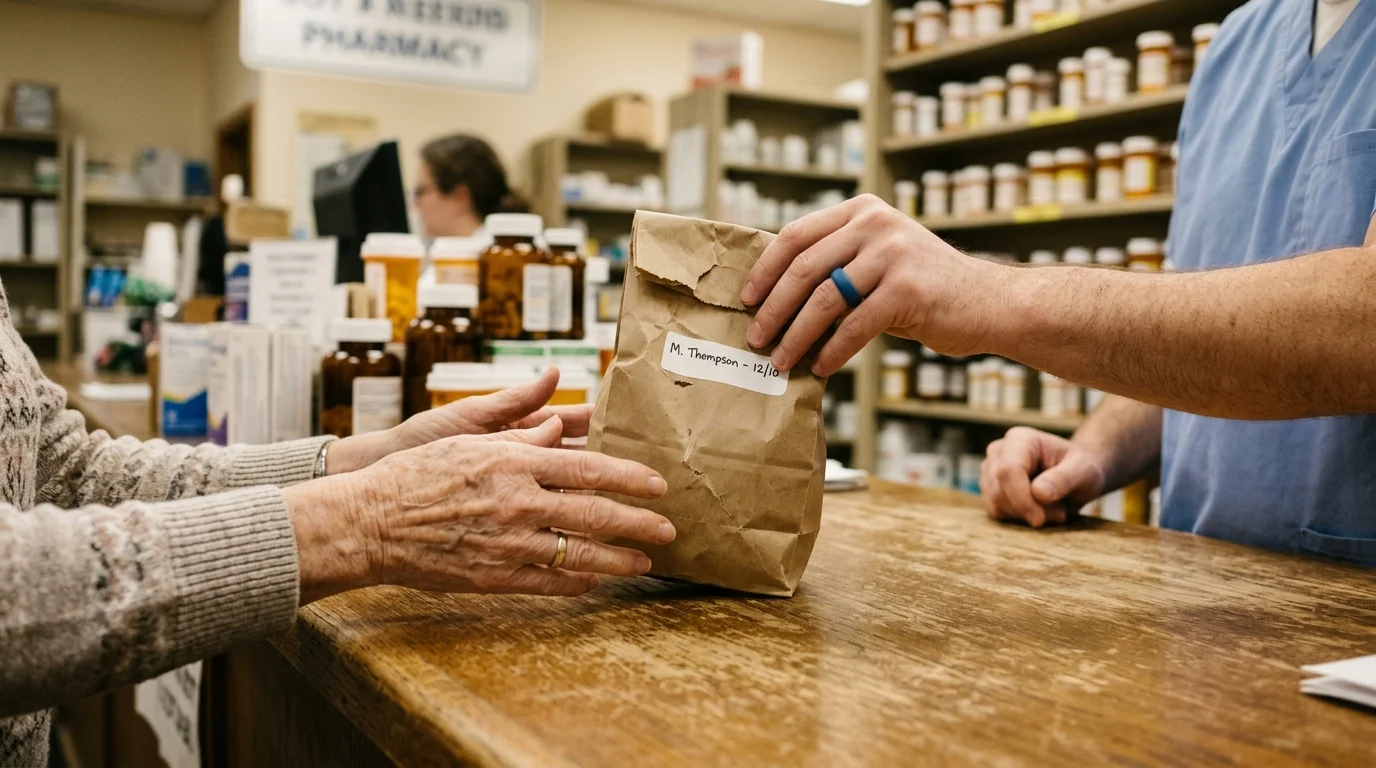
Many brick-and-mortar retail pharmacy chains and regional supermarket chains operate proprietary generic prescription discount programs. These programs offer a standardized formulary of widely prescribed generic medications at fixed cash price points, completely separate from your Medicare coverage.
For example, retail giants like Walmart maintain long-standing generic drug programs offering 30-day supplies of hundreds of common generic drugs starting at $4, and 90-day supplies starting at $10. Similar discount structures exist across grocery chains such as Kroger, HEB, Meijer, and Publix.
The key advantages of retail generic programs include:
- Universal Access: No income caps, application forms, waiting periods, or insurance requirements exist.
- Immediate Availability: You can fill your prescription on the spot at your local store counter.
- Predictable Budgeting: Fixed $4 and $10 pricing helps you forecast your monthly medication budget without worrying about plan deductible resets in January.
Whenever your doctor prescribes a new maintenance generic, ask your retail pharmacist to compare your Medicare Part D copay against their internal cash generic tier. If the retail cash price is lower, you can choose to purchase the medication as a cash customer.
6. Federally Qualified Health Centers and 340B Clinics
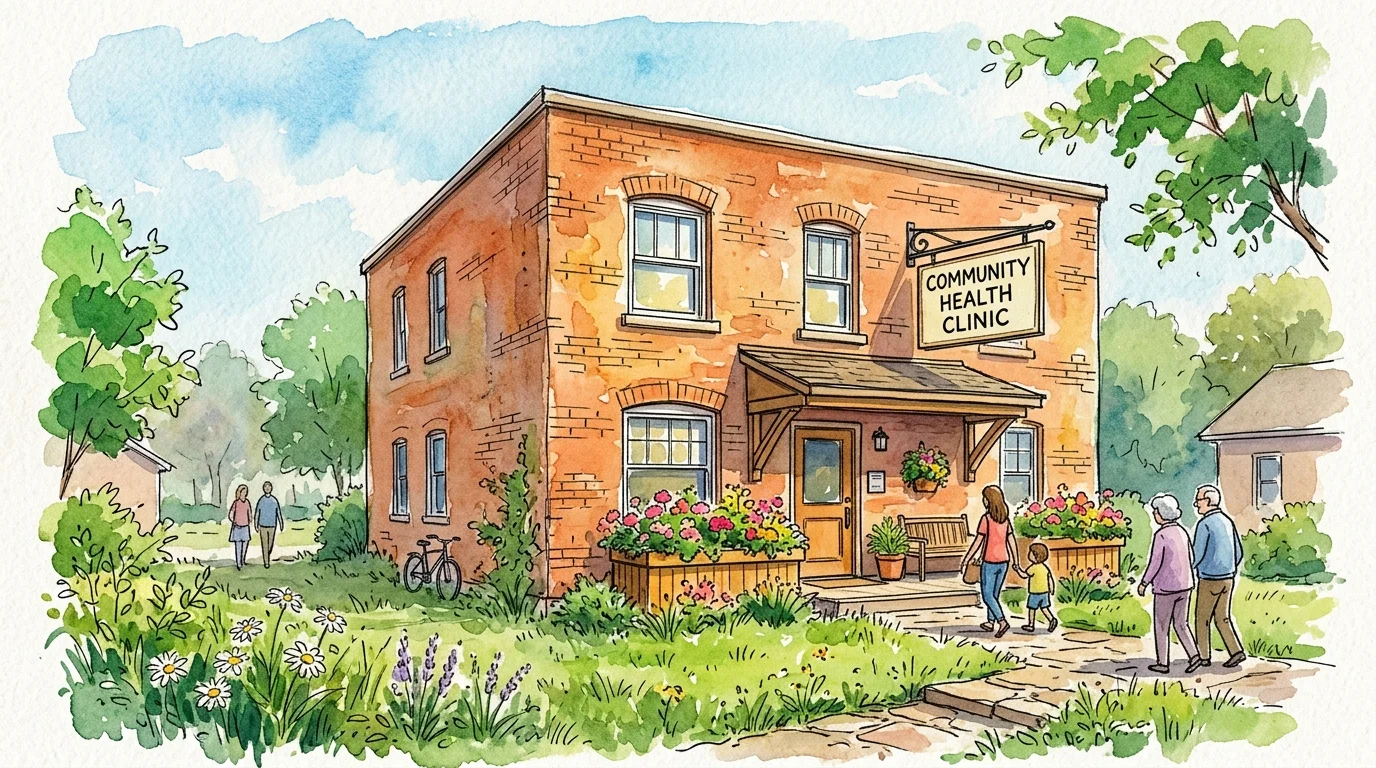
Community health centers and Federally Qualified Health Centers (FQHCs) serve as a foundational healthcare safety net across the United States. Under Section 340B of the Public Health Service Act, the federal government requires pharmaceutical manufacturers to sell outpatient drugs to these safety-net clinics at steep discounts, typically averaging 25% to 50% below standard wholesale prices.
FQHCs pass these statutory savings directly to their patients. If you receive primary care services at an FQHC or an affiliated clinic, you gain access to their 340B in-house pharmacy or contracted community pharmacies. Medications are priced according to a sliding-fee discount schedule tied directly to your household income and family size.
As highlighted by the Eldercare Locator, community health networks provide essential localized support and affordable healthcare services for older adults on fixed budgets. Even if you have Medicare Part B and Part D, receiving your routine primary care through a local 340B community health clinic can dramatically lower the cost of insulin, respiratory inhalers, and other high-cost maintenance prescriptions.
7. Prescription Discount Card Networks
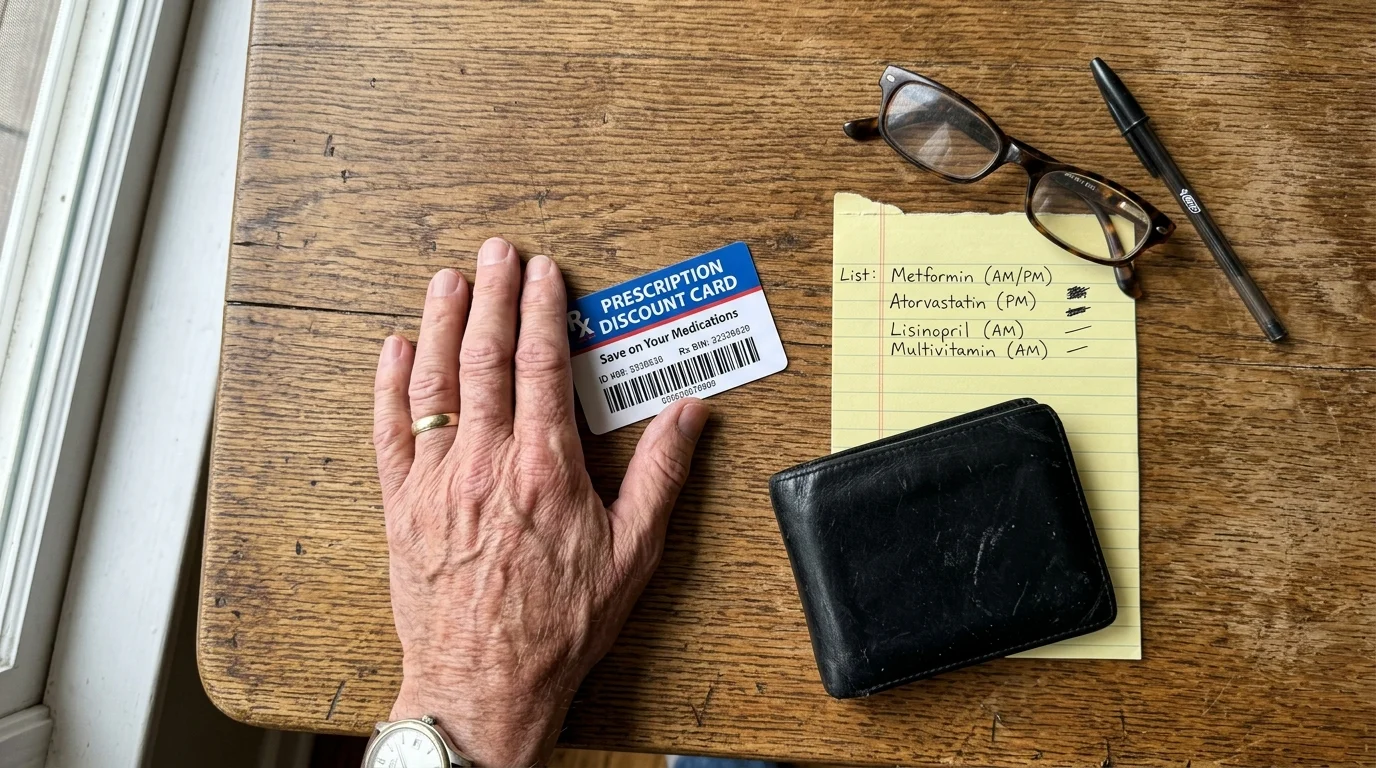
Digital prescription discount cards and mobile coupon platforms have transformed how consumers buy medications outside the insurance system. Free programs such as GoodRx, SingleCare, and RxSaver aggregate negotiated cash prices across more than 60,000 retail pharmacies nationwide.
These discount networks can provide cash savings of up to 80% off the standard “usual and customary” retail cash price of generic drugs and select brand medications. They are particularly useful when you need a short-term antibiotic, an acute medication excluded from your Medicare formulary, or a routine refill during your plan deductible phase.
To use a prescription discount card effectively, keep these essential operational rules in mind:
- Standalone Transactions: You cannot combine a discount card with Medicare Part D for the same prescription transaction. You must use either your Medicare Part D benefit or the discount card.
- Deductible Tracking: Money spent using a discount card outside of Medicare does not automatically count toward your Medicare Part D deductible or True Out-of-Pocket (TrOOP) spending limits.
- Price Comparison: Look up your medication dosage and zip code on the discount card app or website before visiting the pharmacy, then present the digital coupon code to the pharmacy technician at checkout.
Comparing Your Drug Cost Assistance Options
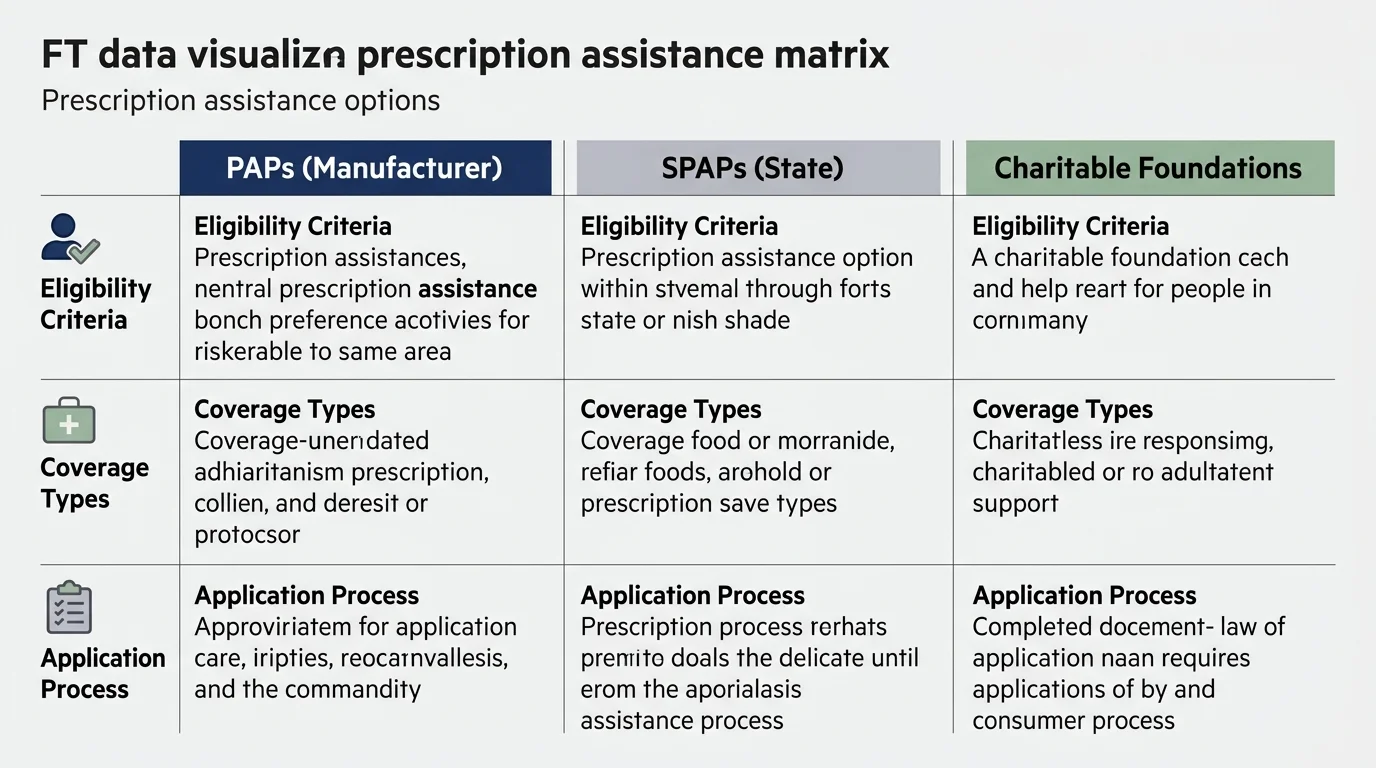
Finding the right program depends on the types of medications you take, your household income, and whether you are enrolled in Medicare. Use the comparison table below to evaluate which affordable prescription help resources best match your current healthcare needs.
| Program Category | Best Medication Match | Income Qualifications | Medicare Part D Compatible? | Primary Advantage |
|---|---|---|---|---|
| Manufacturer PAPs | High-cost, brand-name, and specialty medications | Typically 200% to 500% of FPL | Yes, if underinsured or facing coverage gaps | Provides free or nearly free brand-name drugs directly from makers |
| Charitable Copay Foundations | Expensive specialty treatments for chronic conditions | Typically 300% to 500% of FPL (often COLI-adjusted) | Yes, specifically pays Part D copays and coinsurance | Awards substantial annual grants directly for out-of-pocket costs |
| State Programs (SPAPs) | Comprehensive generic and brand coverage | Set by state statute (varies by state) | Yes, directly supplements Part D and adds enrollment flexibility | Subsidizes monthly premiums, deductibles, and non-formulary drugs |
| Direct-to-Consumer Cash Pharmacies | Common generic maintenance drugs (oral tablets/capsules) | None (open to all consumers) | Used outside Medicare (cannot bill Part D) | Transparent pricing without insurance middlemen or markups |
| Retail Generic Tiers | Standard first-line generic prescriptions | None (open to all consumers) | Used outside Medicare as a cash transaction | Immediate access at local stores for $4 to $10 flat rates |
| FQHC / 340B Clinics | Insulin, inhalers, and chronic care medications | Sliding scale based on household income | Yes, integrates with primary clinical care | Federal discounts of 25% to 50% passed directly to clinic patients |
| Prescription Discount Networks | Off-formulary generics and acute medications | None (open to all consumers) | Used as an alternative to Part D at point of sale | Instant mobile coupons saving up to 80% at retail pharmacies |
Avoiding Application Pitfalls and Prescription Scams
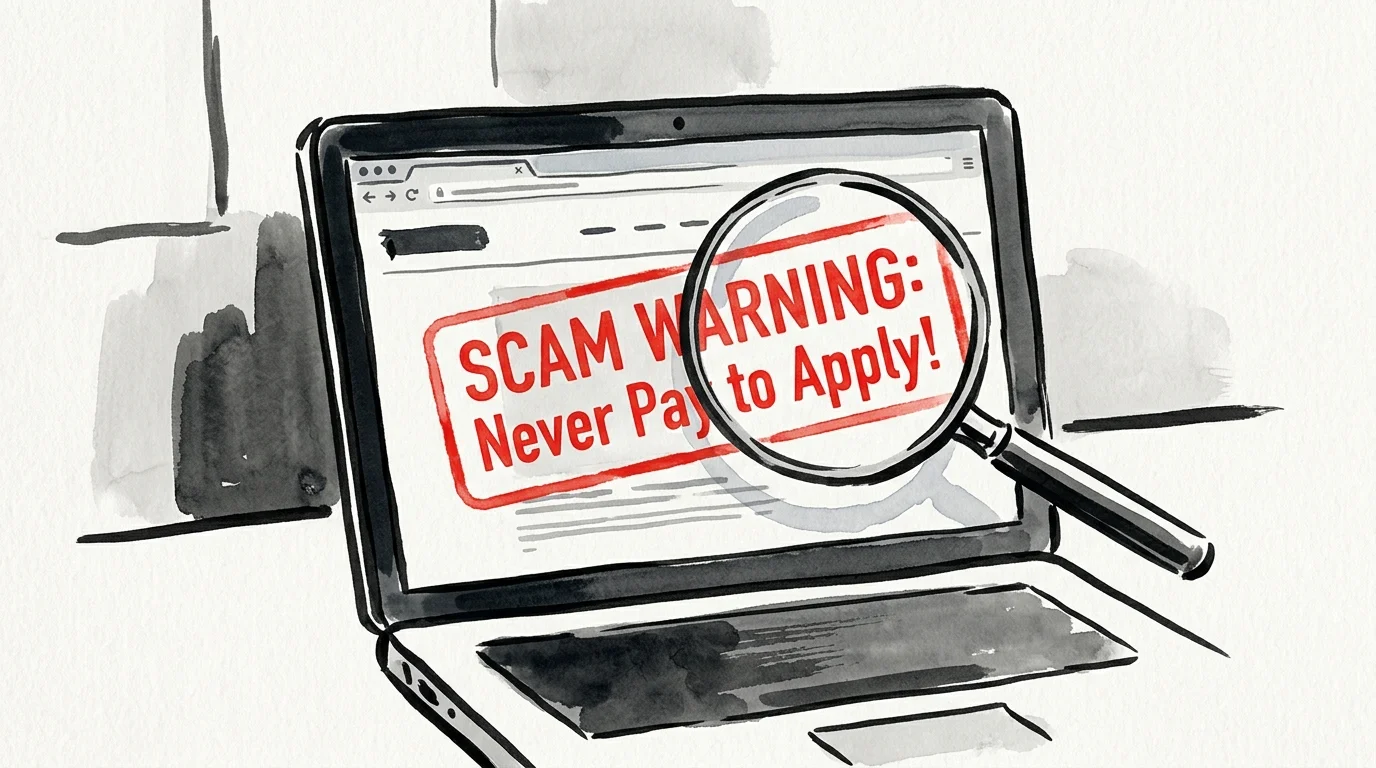
When searching for help paying for medications, you must navigate the application process carefully to avoid administrative delays and protect your personal financial information. Fraudulent operators often target older adults seeking financial relief by posing as government programs or prescription assistance coordinators.
According to guidance from the Consumer Financial Protection Bureau (CFPB), older adults must remain vigilant against predatory services charging upfront administrative fees for publicly available relief programs. Legitimate patient assistance programs, non-profit copay foundations, and digital discount cards never charge application fees, membership dues, or monthly processing charges.
Protect your health and finances by following these administrative best practices:
- Never Pay for PAP Applications: Any service demanding an upfront fee of $50 to $100 to submit a manufacturer assistance application on your behalf is charging you for paperwork you and your doctor can complete for free.
- Organize Financial Records Early: Most assistance programs require proof of household income. Keep recent copies of your federal tax return, Social Security award letters (Form SSA-1099), and pension statements organized in a single folder for fast submission.
- Track Annual Re-enrollment Deadlines: Manufacturer PAP approvals and charitable foundation grants typically last 12 months. Set a calendar reminder 60 days before your coverage expiration date to submit renewal documents before your drug supplies lapse.
- Coordinate Directly with Prescribers: Clinical documentation is the most common bottleneck in the approval process. Notify your doctor’s office staff when you submit an application so they can quickly return their portion of the clinical paperwork and prescription orders.
Frequently Asked Questions
Can I use a prescription discount card like GoodRx if I am already enrolled in Medicare Part D?
Yes, you can use a prescription discount card if you have Medicare Part D, but you cannot combine both on the same transaction. You must choose whether to process the prescription through your Medicare plan or use the discount card as a cash pay customer. If the discount card cash price is lower than your Part D copay or deductible price, tell the pharmacist you want to pay out of pocket using the discount coupon.
What should I do if a charitable co-pay foundation fund is closed for my condition?
Charitable disease funds close when allocated donor funding is exhausted and reopen when new donations arrive. If a fund is closed at the PAN Foundation or HealthWell Foundation, register on their websites for free email or text waitlist alerts. Additionally, check alternative organizations like the Patient Advocate Foundation, or contact your drug manufacturer’s Patient Assistance Program to explore direct supply relief.
Does buying generic medications through cash pharmacies count toward my Medicare deductible?
Prescription purchases made through direct-to-consumer cash pharmacies like Mark Cuban Cost Plus Drugs, Amazon RxPass, or retail $4 generic programs do not automatically count toward your Medicare Part D deductible or True Out-of-Pocket (TrOOP) threshold. However, if you are taking low-cost generics that keep your annual drug spending below the initial deductible threshold anyway, paying low cash prices directly can save you substantial money over the course of the year.
How do I prove my income when applying for Patient Assistance Programs?
Most manufacturer programs and independent foundations require documentation verifying your total household income. Standard acceptable documents include your most recent IRS Form 1040 federal tax return, your annual Social Security Benefit Statement (Form SSA-1099), W-2 wage forms, or monthly bank statements showing regular pension deposits. If you do not file federal taxes, programs usually offer a simple non-filing verification form.
Can I apply for multiple prescription assistance programs at the same time?
Yes, you can apply for multiple programs across different medications. For example, you might obtain a high-cost specialty brand drug for macular degeneration through an independent copay foundation, purchase your daily blood pressure generic through a retail $4 generic program, and use your standard Medicare Part D plan for your other maintenance prescriptions. Mixing and matching programs across your medication profile ensures you achieve the lowest possible total out-of-pocket costs.
For additional senior resources, visit
National Institute on Aging (NIA),
Centers for Disease Control and Prevention (CDC),
Medicare.gov and
National Institute of Mental Health (NIMH).
Disclaimer: The information in this article is for educational purposes only and is not intended to be a substitute for professional financial, legal, or medical advice. Always consult with a qualified expert for advice tailored to your personal situation.









Leave a Reply