

Retirees often assume that leaving the workforce eliminates their exposure to tax scrutiny. In reality, shifting from a single paycheck to multiple retirement income streams increases your tax complexity.
The Internal Revenue Service uses sophisticated automated screening tools to match every reported distribution, pension payment, and deduction. A single calculation discrepancy can flag your return for examination.
Understanding what triggers an IRS audit helps you safeguard your nest egg and file with confidence. Here are eleven specific red flags every retiree must watch closely.
How IRS Screening Changes in Retirement
During your career, filing taxes was usually straightforward because your employer withheld taxes and issued a single W-2 form. Retirement fundamentally transforms your tax profile by scattering your income across numerous providers.
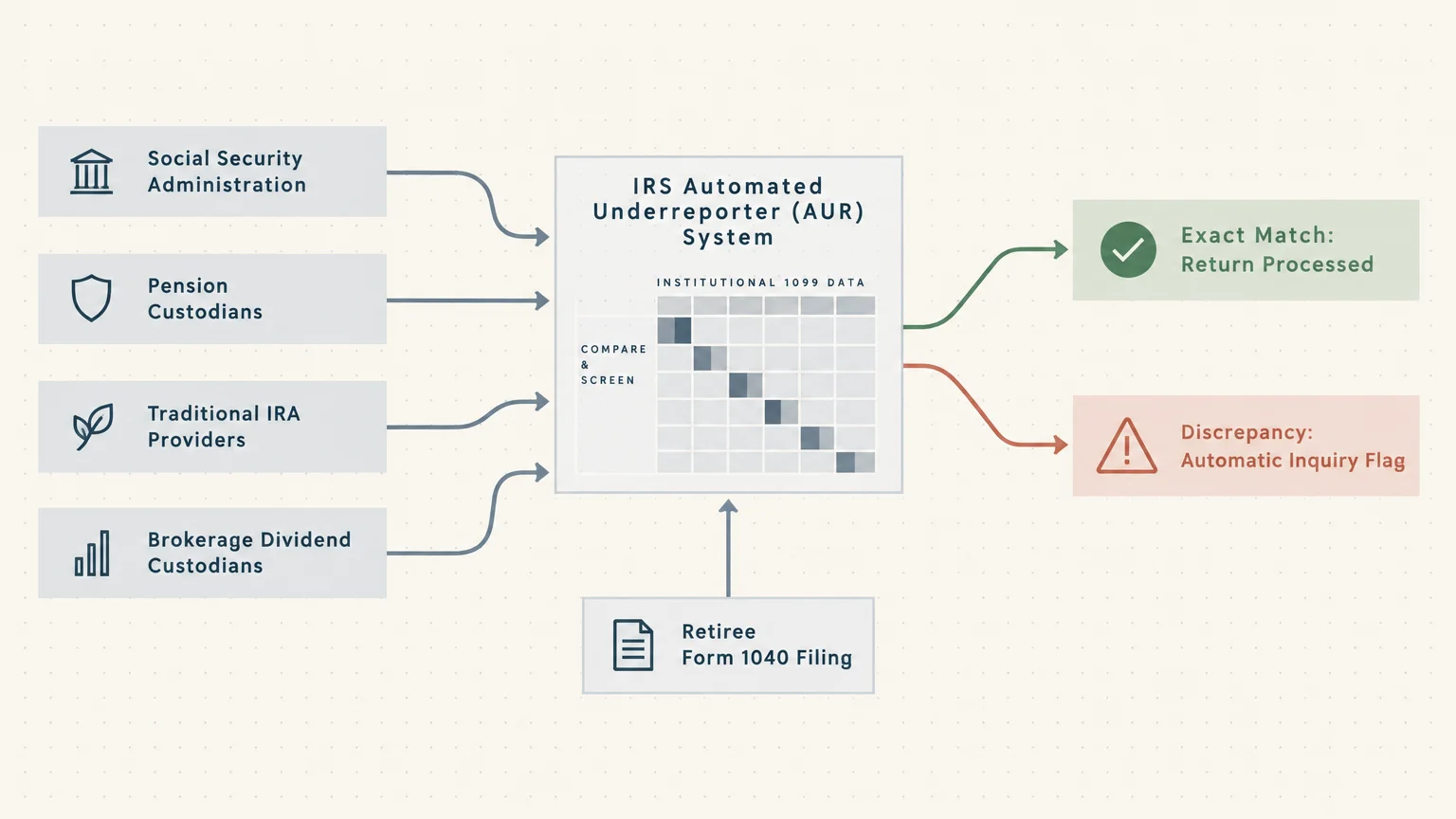
You may now receive income from Social Security, defined-benefit pensions, traditional IRAs, brokerage dividends, and annuities. Each financial institution files independent data documents directly with the IRS.
The IRS Automated Underreporter (AUR) system matches these third-party reports against your Form 1040. When figures do not match down to the exact dollar, the computer marks your return for immediate inquiry.
Understanding these automated systems allows you to organize your annual paperwork and dramatically reduce your retiree tax audit risk.
1. Required Minimum Distribution (RMD) Calculation Errors
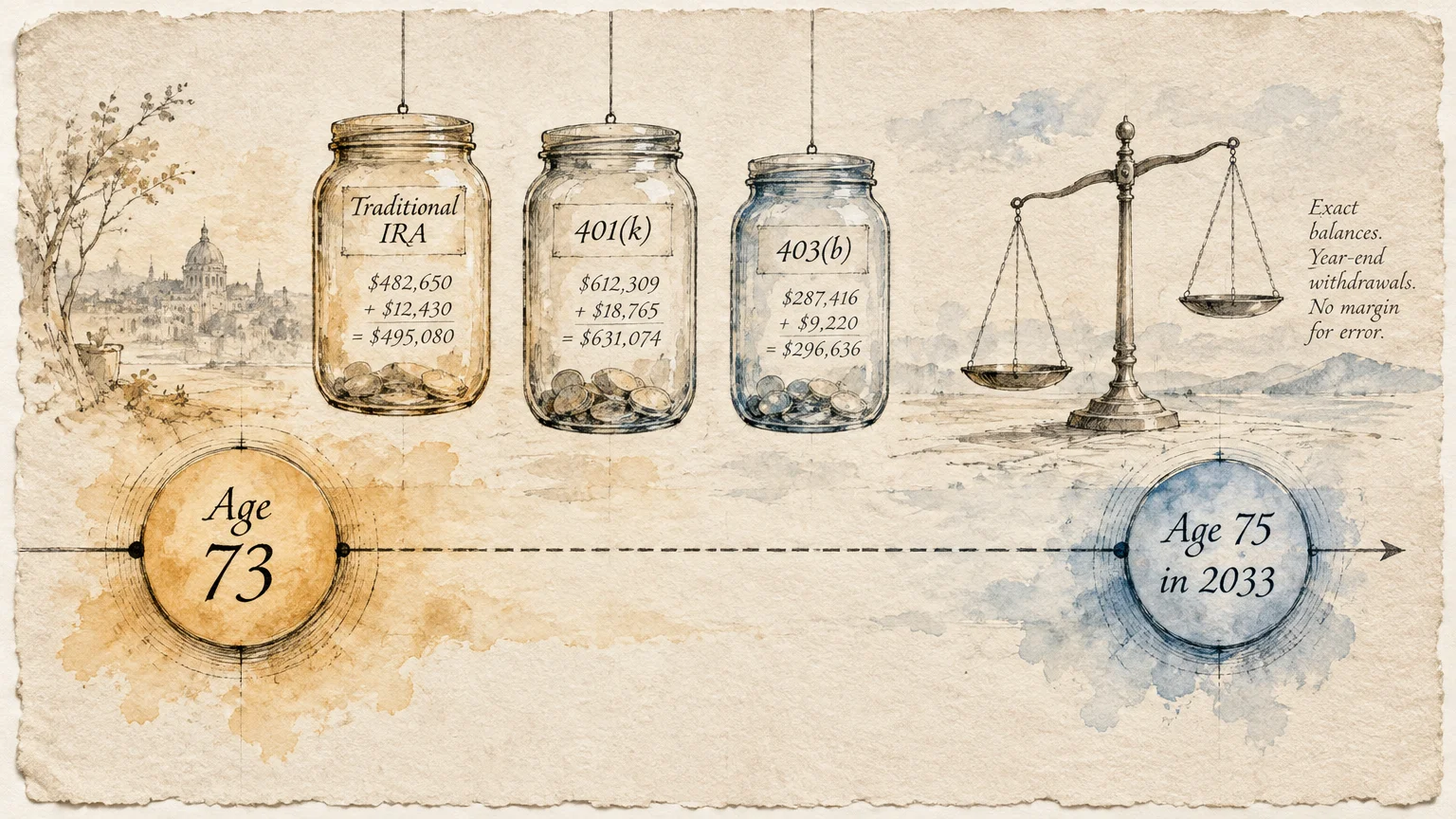
Failing to withdraw the proper Required Minimum Distribution is one of the quickest ways to attract IRS attention. Under the SECURE 2.0 Act, your mandatory starting age for RMDs is age 73, rising to age 75 in 2033.
You must calculate your RMD separately for each traditional IRA, 401(k), and 403(b) account based on your year-end balance and IRS life expectancy tables. Missing an RMD or miscalculating the amount triggers a steep 25% excise tax penalty on the shortfall.
You can reduce this penalty to 10% if you correct the error and submit IRS Form 5329 within the two-year correction window. The IRS cross-references Form 5498 from your custodian with your reported Form 1099-R to verify every dollar.
Never assume your financial custodian will calculate or distribute your RMD automatically without your explicit instruction.
2. Mishandling Qualified Charitable Distributions (QCDs)
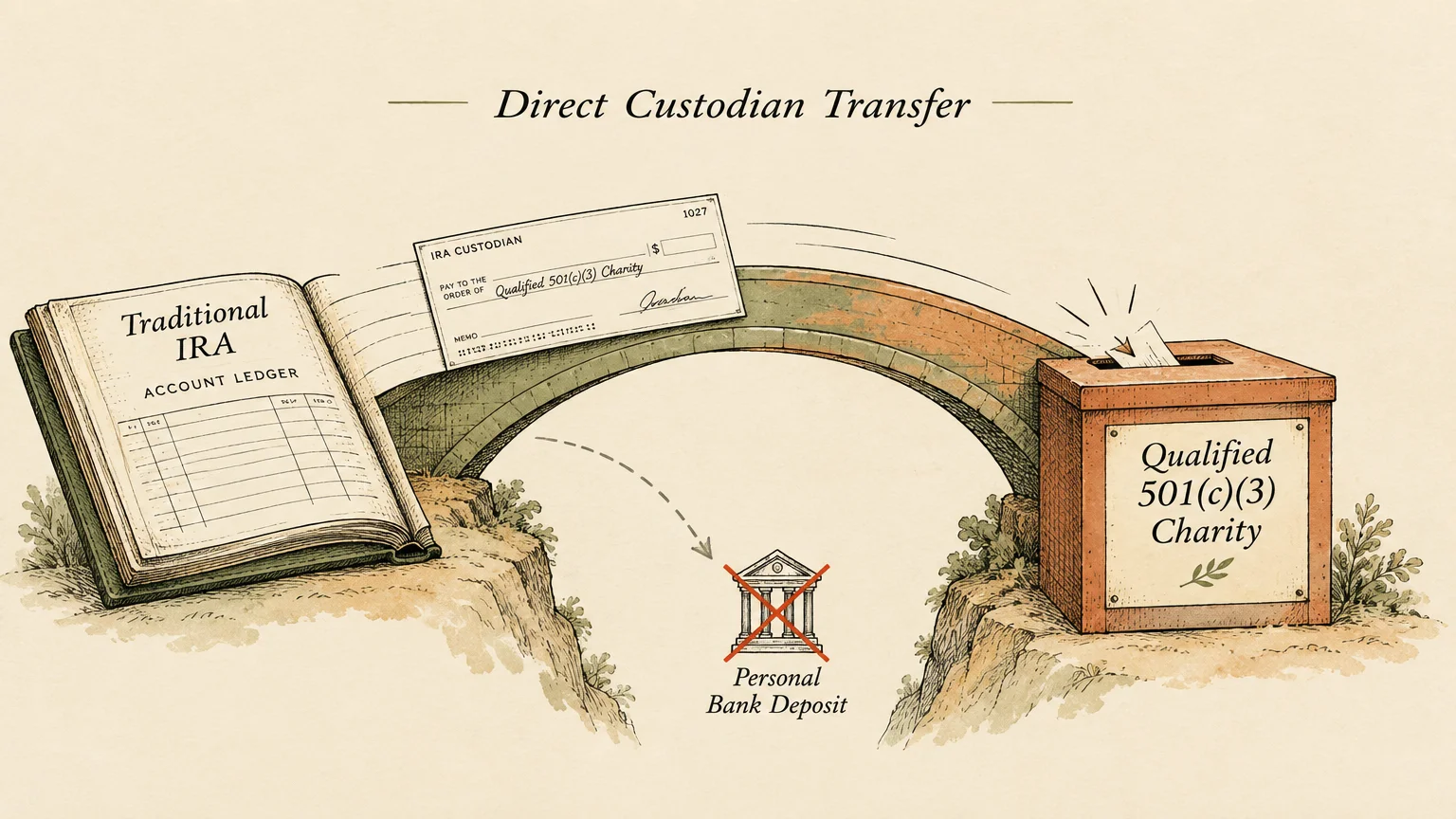
A Qualified Charitable Distribution allows retirees aged 70½ or older to donate up to $105,000 directly from an IRA to a qualified charity in 2024 ($108,000 in 2025). This transfer counts toward your RMD while excluding the withdrawal from your gross income.
However, custodial institutions report QCDs on Form 1099-R in Box 1 as normal distributions. The custodian does not designate the distribution as charitable on your tax document.
You must manually indicate the non-taxable amount on Form 1040 Line 4b and write “QCD” next to the line. An automated red flag occurs if you fail to delineate this amount properly.
A more severe audit trigger arises when retirees exclude the QCD from gross income and then claim an itemized charitable deduction on Schedule A. This illegal “double-dipping” guarantees an automated discrepancy notice.

3. Excessive Medical and Assisted Living Deductions
Seniors often experience surging healthcare costs and seek tax relief on Schedule A. You can only deduct qualified, unreimbursed medical expenses that exceed 7.5% of your Adjusted Gross Income (AGI).
Deducting standard assisted living or memory care expenses without meeting specific statutory guidelines frequently triggers audits. Under Internal Revenue Code Section 7702B, a resident must be certified as “chronically ill” by a licensed healthcare practitioner.
This certification requires that you cannot perform at least two activities of daily living without substantial assistance, or require supervision due to severe cognitive impairment. Without this official care plan, only the direct medical care portion is deductible—not standard room and board.
Claiming hundred-thousand-dollar assisted living deductions without maintaining formal medical certification invites immediate examination.
4. Overlooking Provisional Income and Social Security Formulas
Many retirees mistakenly believe that Social Security benefits are entirely tax-free. In reality, benefits become taxable once your “provisional income” crosses specific statutory limits.
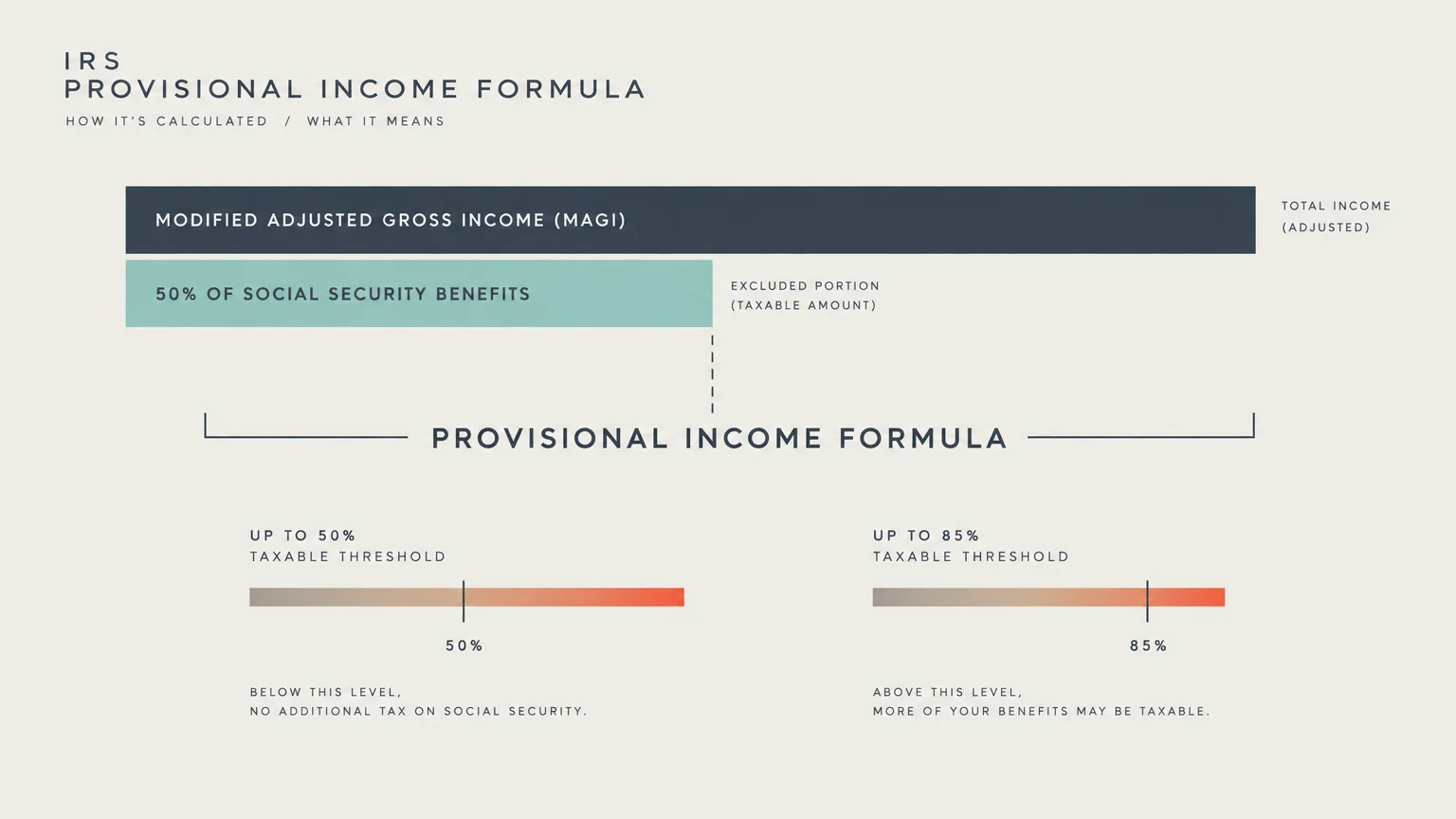
Provisional income equals your AGI plus any tax-exempt interest plus 50% of your annual Social Security benefits. Congress established these thresholds decades ago, and they remain unindexed for inflation:
- Single filers: Income between $25,000 and $34,000 makes up to 50% of benefits taxable; income over $34,000 makes up to 85% taxable.
- Married filing jointly: Income between $32,000 and $44,000 makes up to 50% of benefits taxable; income over $44,000 makes up to 85% taxable.
According to the Social Security Administration (SSA), up to 85% of your benefits face taxation when your total income exceeds these baseline amounts.
Failing to report municipal bond interest on Form 1040 Line 2a is a prime automated trigger. The IRS matches 1099-INT filings to recalculate your provisional income and penalize the underreported benefit tax.
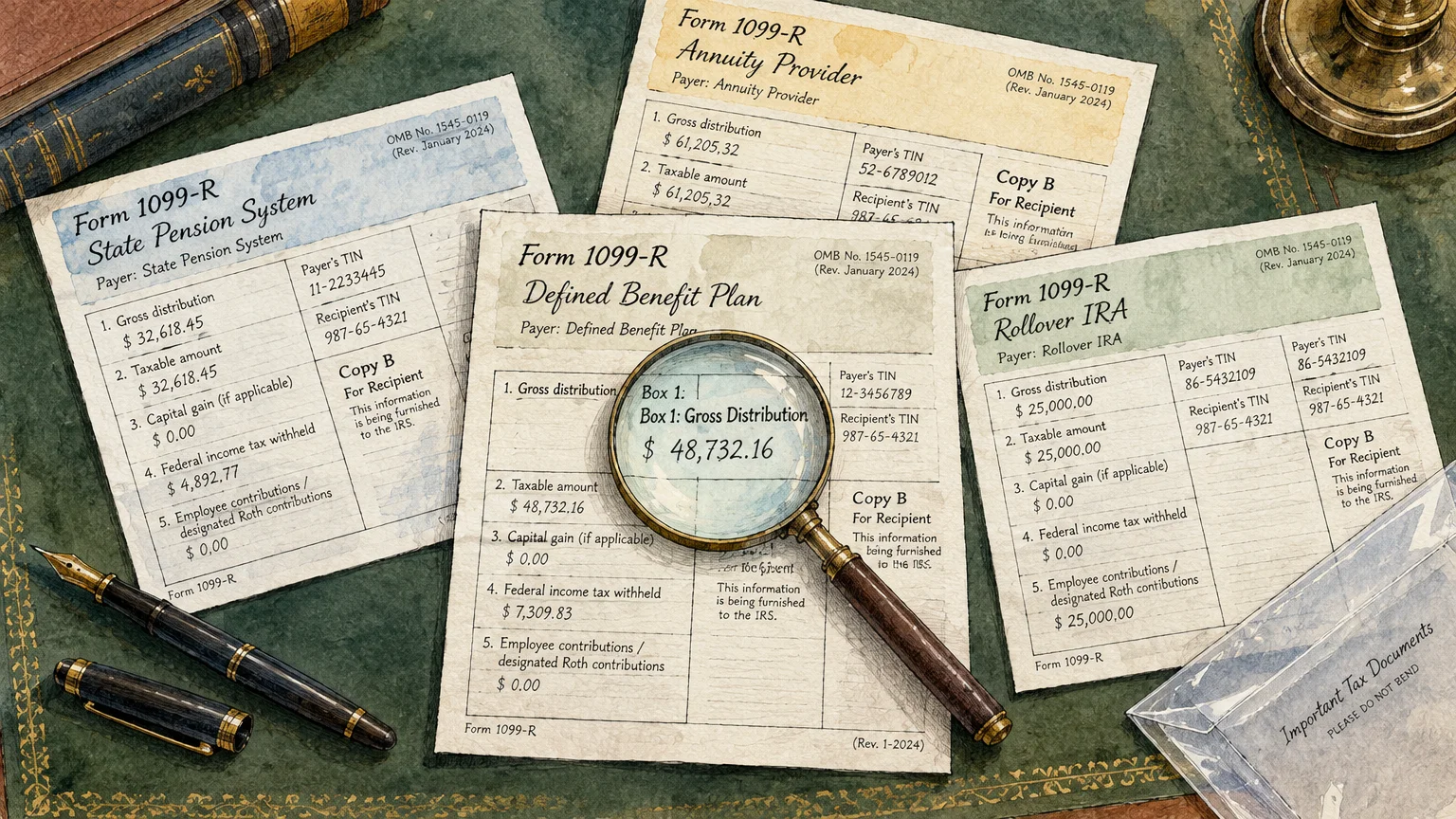
5. Overlooking Multiple 1099-R and Pension Forms
Retirees frequently accumulate multiple retirement accounts, annuities, and former employer pensions throughout their careers. Omitting even a minor Form 1099-R from a secondary pension creates retirement income audit red flags.
The IRS Automated Underreporter system flags missing documents within months of filing. If you receive a small $400 distribution from an old annuity and omit it, the system marks the return.
Always wait until you collect every Form 1099-R, SSA-1099, 1099-INT, 1099-DIV, and 1099-B before submitting your return. Filing an incomplete return early requires filing an amended return later, which increases scrutiny.
Maintain a master checklist of all institutions that hold your assets to ensure no tax document slips through the cracks.
6. Violating the Roth IRA Five-Year Rule
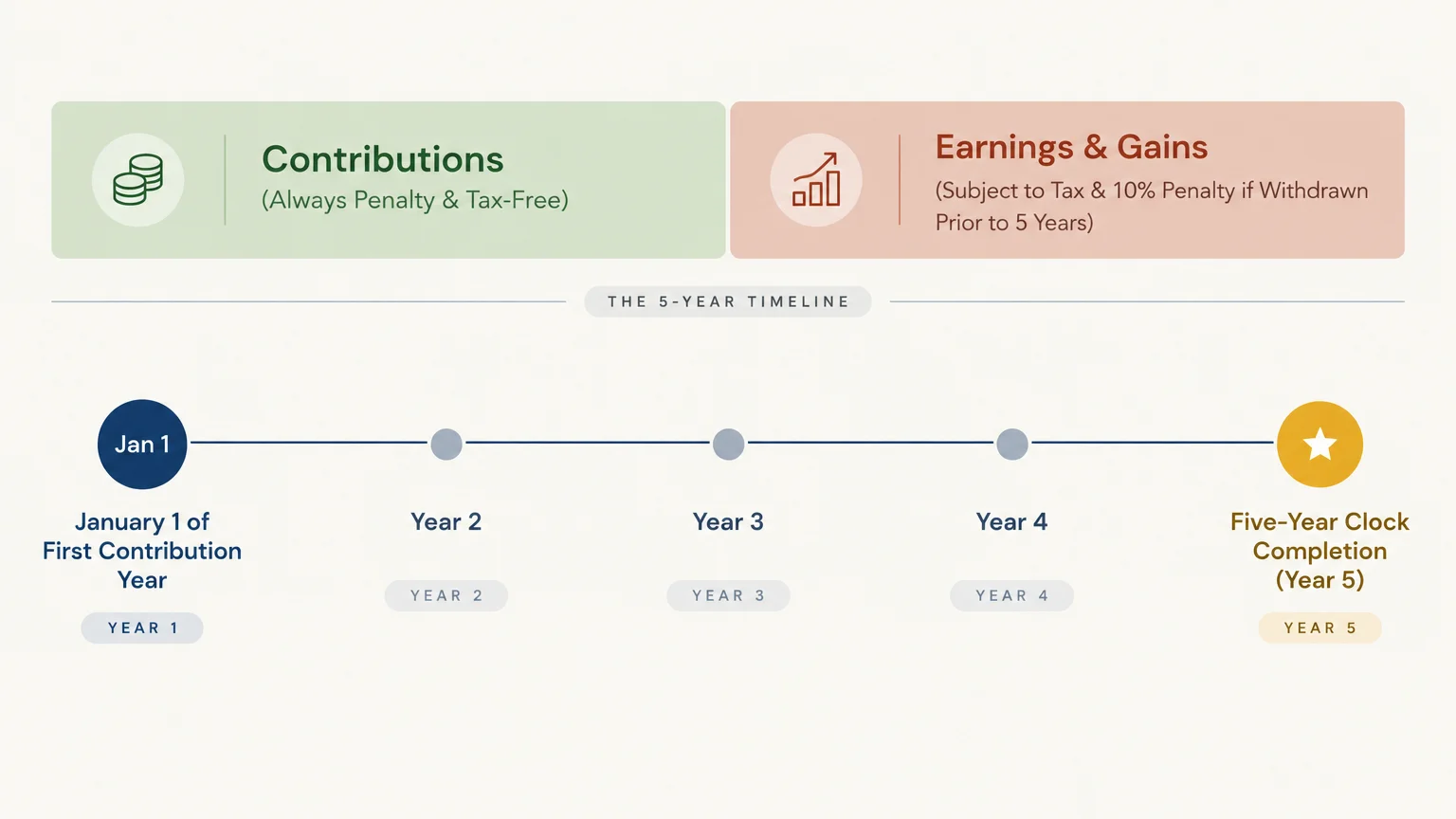
Roth IRAs are widely celebrated for tax-free withdrawals, but strict conditions govern when those earnings are genuinely exempt. To take tax-free distributions of earnings, you must be at least age 59½ and satisfy the five-year holding rule.
The five-year clock begins on January 1 of the tax year you made your first contribution to any Roth IRA. If you withdraw investment earnings before meeting this deadline, those earnings become subject to regular income taxes.
Withdrawing earnings prematurely without filing IRS Form 8606 to substantiate your cost basis triggers an automated penalty and tax assessment. The IRS receives account data from custodians and flags non-qualified distributions quickly.
Always track your cumulative regular contributions, conversion amounts, and earnings separately using Form 8606 records.

7. Downsizing and Improper Primary Home Sale Exclusions
Downsizing to a smaller residence or retirement community is a classic milestone. Under Section 121, you can exclude up to $250,000 of capital gains as a single filer, or up to $500,000 if married filing jointly.
To qualify for this exclusion, you must have owned and occupied the property as your primary residence for at least two of the five years preceding the sale. Settlement companies report the transaction directly to the IRS on Form 1099-S.
If you fail to report the sale, or claim the exclusion after converting the home into a rental property without meeting the occupancy test, audits follow. The IRS computer identifies the 1099-S proceeds and assumes the entire sale price represents taxable income.
Retain all capital improvement receipts from your decades of homeownership to increase your cost basis and minimize taxable gain.

8. Deducting Losses from Post-Retirement Hobbies
Many seniors start consulting practices, craft shops, or small ventures to stay active and supplement fixed incomes. However, deducting consistent business losses on Schedule C against your pension and investment income is a major audit trigger.
Under the IRC Section 183 “Hobby Loss” rule, the IRS presumes an activity is an enterprise only if it generates a net profit in at least three out of five consecutive years. If you report ongoing losses, the IRS may reclassify your business as a hobby.
Reclassification eliminates your expense deductions while leaving your gross revenue fully taxable. Furthermore, retirees operating genuine side businesses must pay the 15.3% self-employment tax on net earnings over $400.
Keep meticulous separate commercial bank accounts and professional business records to demonstrate your clear intent to earn a profit.

9. Unreported Foreign Accounts and Snowbird Assets
Retirees who spend winter months in Mexico, Canada, or Europe often open local bank accounts to manage residential expenses. However, federal laws require strict transparency regarding foreign assets.
You must file FinCEN Form 114 (FBAR) electronically if the aggregate value of all foreign financial accounts exceeds $10,000 at any point during the calendar year. This threshold applies to the total combined balance across all accounts, not per account.
Additionally, Form 8938 reporting under FATCA applies if your foreign assets exceed $50,000 for single filers or $100,000 for married couples on the last day of the tax year. International banking treaties allow foreign banks to report account balances directly to the IRS.
Penalties for non-willful failure to file an FBAR can exceed $10,000 per violation, making international compliance essential.
10. Miscalculating the Senior Additional Standard Deduction
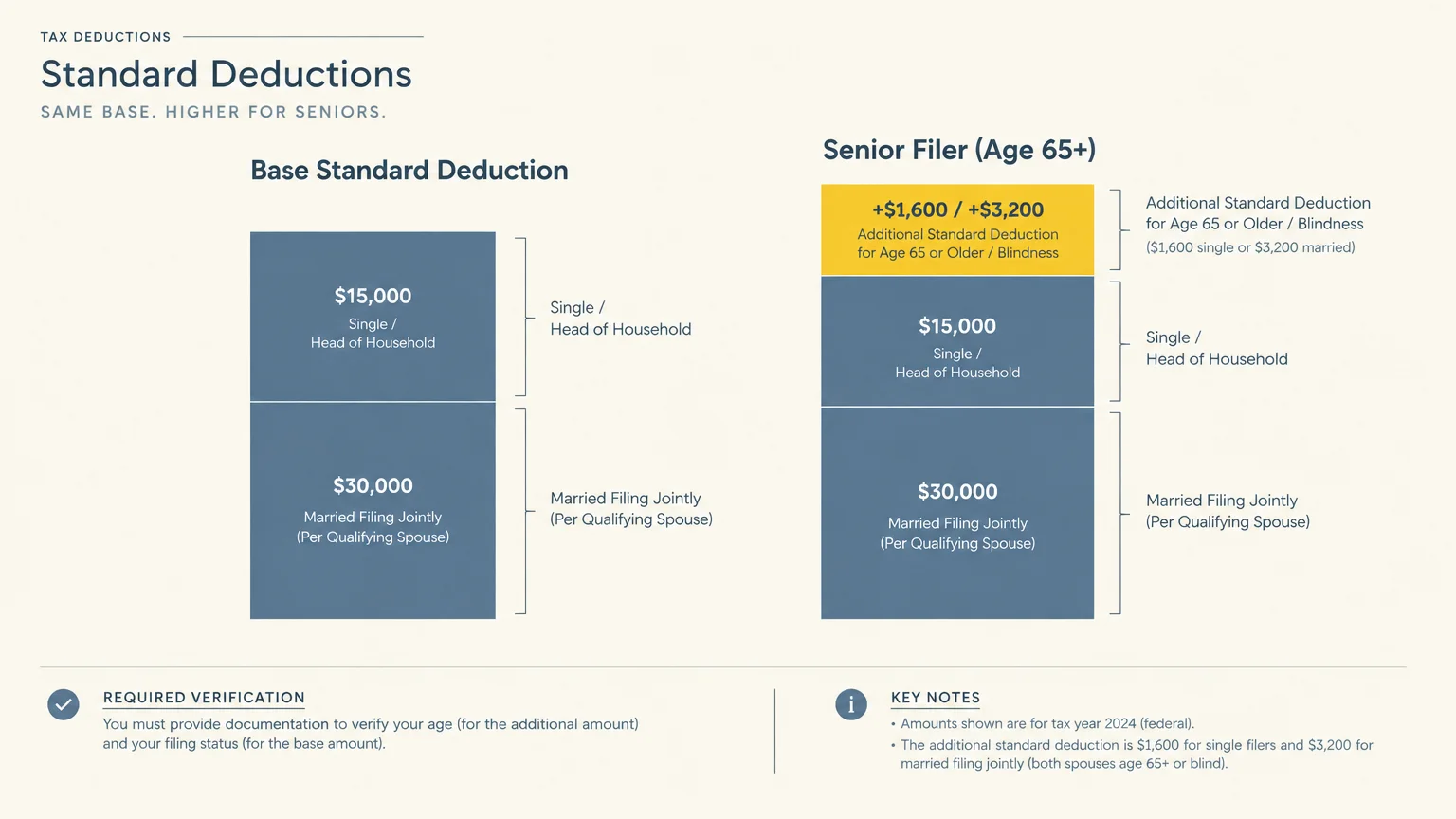
Taxpayers aged 65 and older receive an additional standard deduction beyond the baseline deduction available to younger taxpayers. For the 2024 tax year, this extra deduction is $1,950 for single or head-of-household filers, and $1,550 per qualifying spouse for married couples.
For the 2025 tax year, the extra allowance climbs to $2,000 for single filers and $1,600 per spouse. However, IRS rules state that you must turn 65 on or before January 1 of the following year to qualify.
Tax software errors or manual misunderstandings can lead individuals born after January 1, 1960 (for the 2024 tax year) to claim this benefit early. The IRS matches your birth date on file with the Social Security Administration automatically.
A mismatch between your reported birth date and standard deduction claim causes an instant return rejection or mechanical adjustment.

11. Large Non-Cash Charitable Donations Without Appraisals
Clearing out possessions before moving into a retirement community often leads seniors to donate furniture, heirlooms, books, and clothing. While donating goods is commendable, claiming large non-cash deductions raises audit flags.
If you claim more than $500 in total non-cash charitable gifts, you must complete and attach IRS Form 8283 to your return. For individual items or groups of similar items valued at over $5,000, you must obtain a formal written appraisal from a certified appraiser.
The appraiser and a representative of the receiving charity must sign Part IV of Form 8283. Simply writing down estimated replacement values from online resale websites does not satisfy IRS legal standards.
The IRS regularly rejects unsubstantiated non-cash deductions and assesses accuracy-related penalties when documentation is missing.
Retirement Audit Triggers and Verification Thresholds
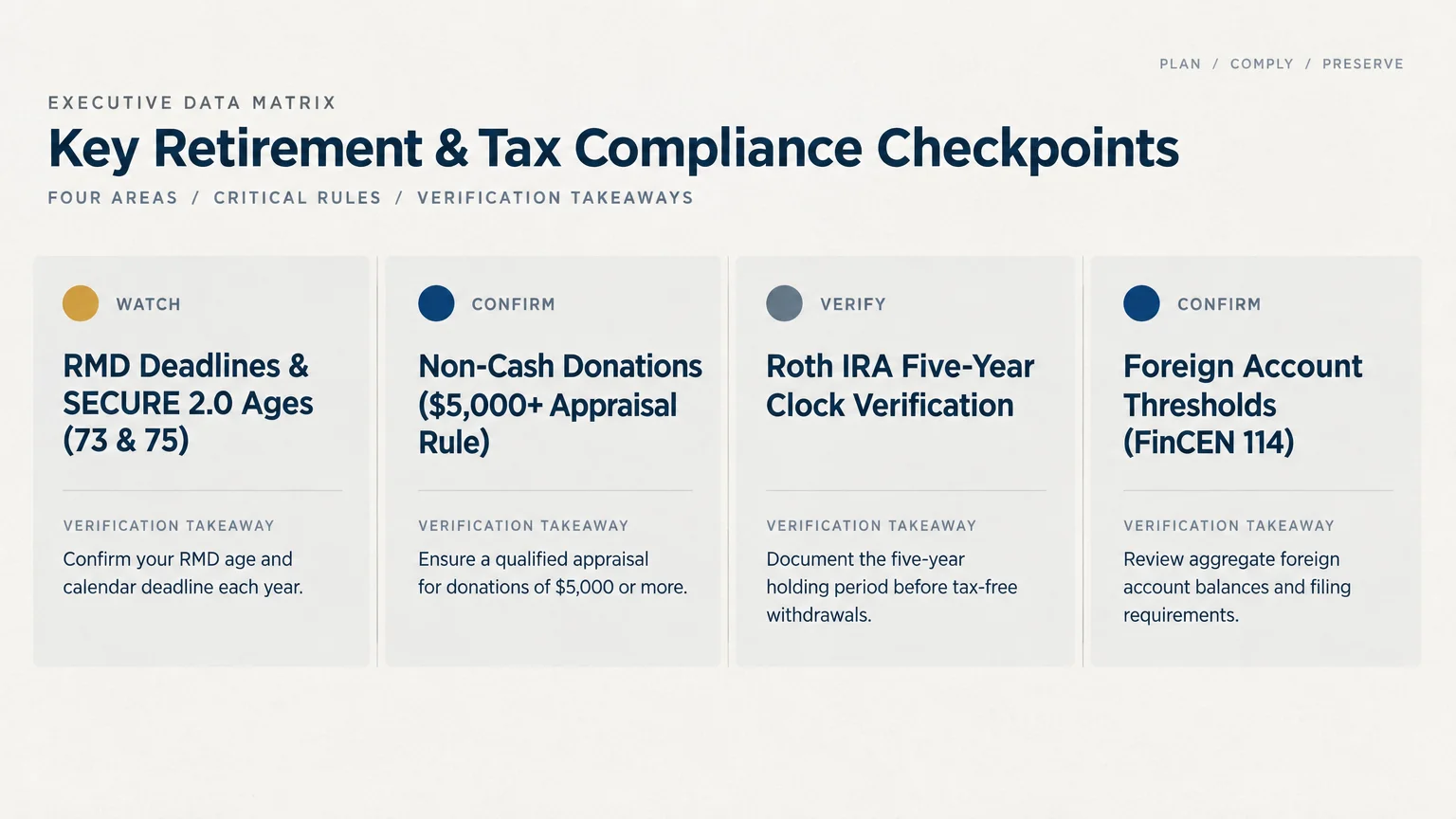
The following table outlines common retirement audit triggers, the critical dollar thresholds to monitor, and the tax forms involved.
| Audit Trigger Area | Key Threshold or Legal Rule | Primary IRS Form Involved | Audit Risk Level |
|---|---|---|---|
| Required Minimum Distributions | Mandatory at age 73; 25% penalty on shortfall | Form 5329 / Form 1099-R | High (Automated) |
| Qualified Charitable Distributions | $105,000 annual cap (2024); direct transfer | Form 1040 (Line 4b) | Moderate to High |
| Assisted Living Deductions | Must exceed 7.5% AGI; IRC § 7702B plan required | Schedule A (Form 1040) | High |
| Social Security Taxation | Provisional income over $25k (single) / $32k (joint) | Form 1040 (Lines 2a & 6b) | High (Automated) |
| Hobby Business Deductions | Profit in 3 of 5 consecutive years required | Schedule C (Form 1040) | High |
| Foreign Bank Accounts | Aggregate balances exceed $10,000 at any point | FinCEN Form 114 / Form 8938 | Severe |
| Senior Standard Deduction | Must reach age 65 by Jan 1 of following tax year | Form 1040 (Page 1) | High (Automated) |

Actionable Steps to Avoid an IRS Retirement Audit
Preventing tax complications begins with intentional organization. Understanding how to avoid IRS audit in retirement allows you to structure your finances defensively and protect your time.
According to AARP, keeping comprehensive financial records and organizing your documentation remains the most effective defense against IRS scrutiny. Implement these practical measures every tax season:
- Consolidate old accounts: Roll abandoned 401(k) plans and miscellaneous IRAs into a single institution to minimize the volume of annual 1099-R statements.
- Double-check Box 7 codes: Inspect the distribution code in Box 7 of Form 1099-R to verify that rollovers are not classified as taxable payments.
- Track your cost basis: Maintain a dedicated file for Form 8606 filings to prove after-tax contributions to traditional or Roth IRAs.
- Coordinate with charities: Secure written acknowledgments for all charitable gifts before filing, confirming that you received no goods or services in return.
You can also explore public guidance on Benefits.gov to ensure that you claim federal and state senior tax relief programs correctly without overstepping statutory guidelines.
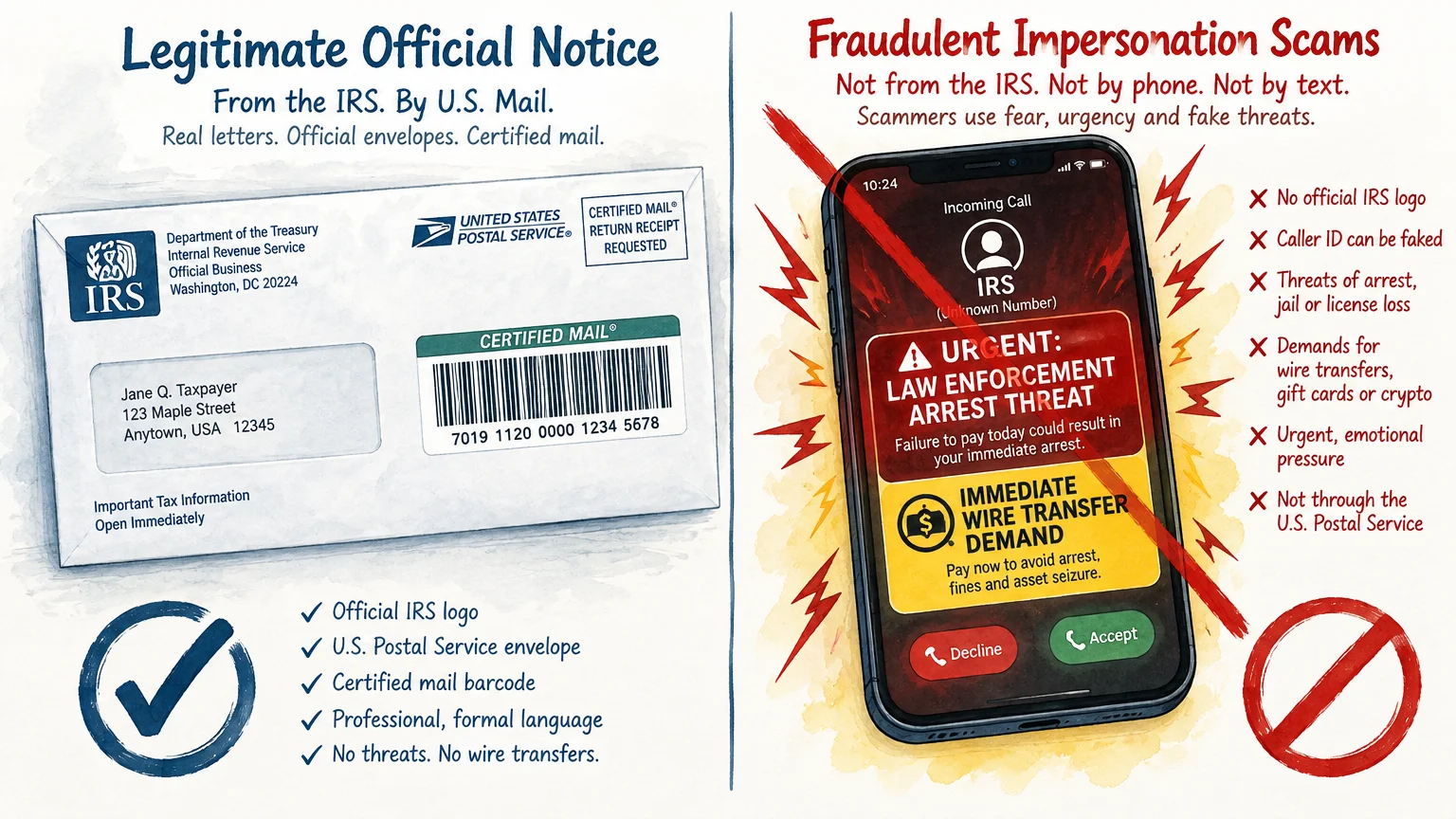
What to Do If the IRS Contacts You (And How to Spot Scams)
Receiving mail from the IRS can provoke anxiety, but most communications are simple inquiries rather than full-blown audits. The agency usually sends a computer-generated CP2000 notice proposing adjustments when income records do not align.
Read the notice carefully and review the proposed changes against your tax records. You have the right to agree and pay the difference, or formally contest the assessment with supporting documentation within 30 days.
Never ignore an IRS notice, as automated penalties and interest compound quickly when deadlines pass. If the discrepancy involves complex pension or medical issues, consult an enrolled agent or certified public accountant.
Be aware that phone and internet scammers actively target retirees by impersonating federal tax agents. The IRS initiates contact exclusively through official postal mail, never through threatening telephone calls, text messages, or emails.
According to the Consumer Financial Protection Bureau (CFPB), you should never share sensitive personal details or verify account numbers over unsolicited telephone calls. If a caller demands immediate payment using gift cards, prepaid debit cards, or wire transfers, hang up immediately.
Frequently Asked Questions
How far back can the IRS audit a retiree’s tax return?
The standard statute of limitations for an IRS audit is three years from the date you file your return. However, if you omit more than 25% of your gross income, the agency can examine returns up to six years back.
Does taking early retirement increase my audit risk?
Early retirement alone does not trigger an audit, but taking distributions before age 59½ requires reporting exemptions on Form 5329. Failing to substantiate an early withdrawal penalty exemption invites automated scrutiny.
Can I correct a missed RMD without paying the 25% penalty?
Yes, you can request a penalty waiver by filing Form 5329 with a reasonable cause explanation. You must withdraw the shortfall immediately and show that the error occurred due to reasonable circumstances rather than willful neglect.
Will moving to a state with no income tax trigger a federal audit?
Relocating does not increase your federal audit risk, but your former state may audit your residency status. High-tax states aggressively scrutinize departing seniors to ensure they established a genuine domicile elsewhere.
What happens if I make an honest math error on my return?
The IRS Automated Underreporter system will correct mathematical errors automatically and mail you an explanatory adjustment letter. You will receive an invoice for any unpaid taxes or an adjusted refund without facing a full audit.
For additional senior resources, visit
Consumer Financial Protection Bureau (CFPB), Administration for Community Living (ACL) and Eldercare Locator.
Disclaimer: The information in this article is for educational purposes only and is not intended to be a substitute for professional financial, legal, or medical advice. Always consult with a qualified expert for advice tailored to your personal situation.









Leave a Reply