

News of a federal government shutdown naturally sparks deep financial anxiety when you rely on monthly federal checks. Fortunately, your core retirement benefits remain safe, and your monthly payments will arrive in your bank account right on time.
Permanent trust funds and mandatory federal budget laws protect your routine Social Security and Medicare disbursements from congressional impasses. You do not need to worry about missing vital rent or utility payments.
However, administrative office closures and staffing furloughs will create frustrating customer service delays across several federal agencies. Knowing which services pause helps you navigate any shutdown with complete confidence and peace of mind.
How Shutdowns Affect Federal Benefit Funding
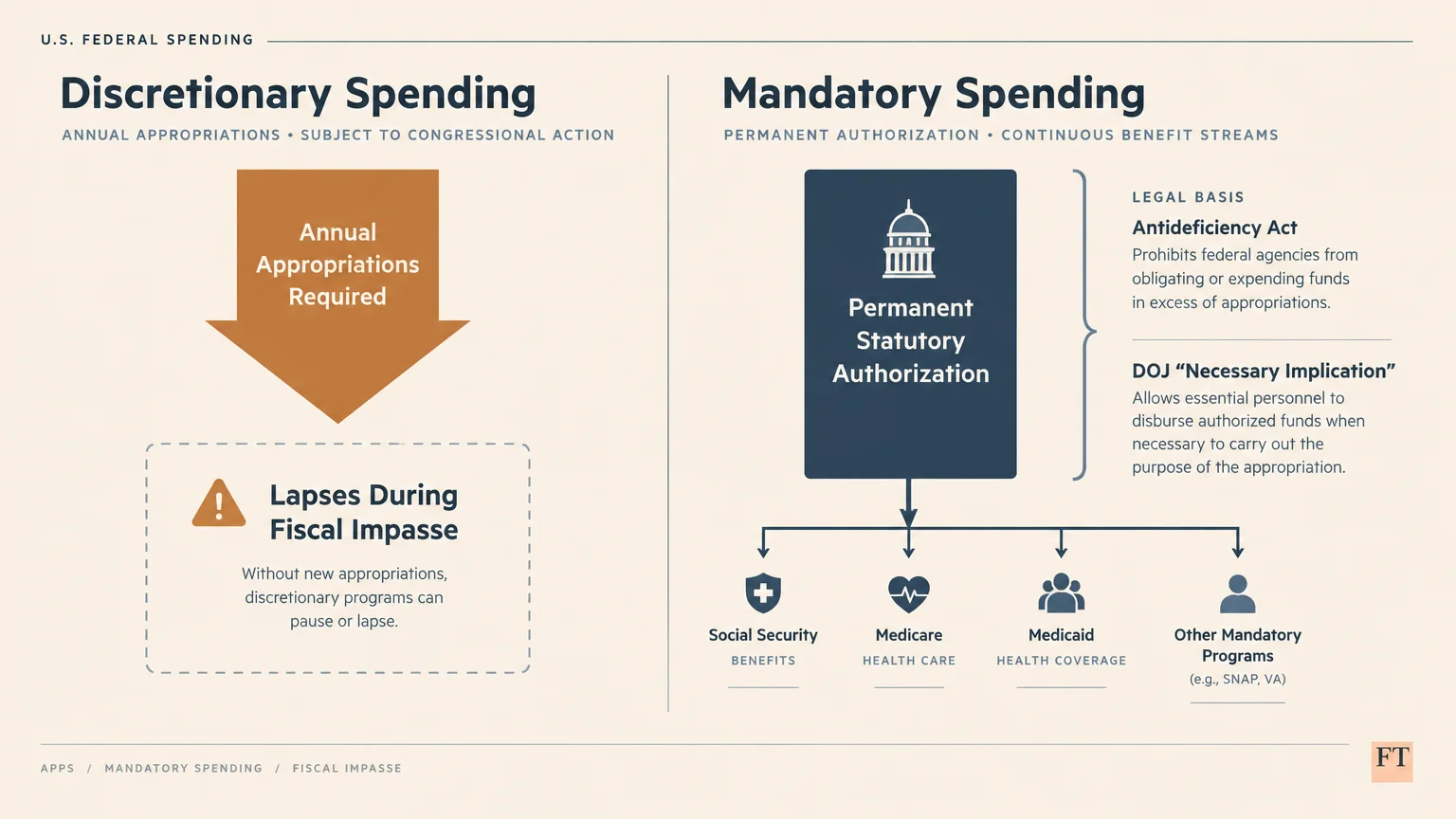
To understand the true government shutdown effect on retirees, you must understand how Congress funds federal programs. Federal spending falls into two primary buckets: discretionary spending and mandatory spending.
Discretionary programs require annual appropriation bills passed by Congress and signed by the president. When lawmakers fail to agree on these budgets before midnight on the fiscal deadline, funding lapses immediately.
In contrast, mandatory spending programs run on permanent statutory authorizations. These initiatives do not rely on annual budget negotiations to continue existing operations.
Under the Antideficiency Act, federal agencies cannot spend money without congressional approval. However, a crucial 1995 legal ruling by the Department of Justice established the “necessary implication” exception.
This exception allows essential personnel to work without active appropriations to disburse funds that are already legally authorized. Because of this legal framework, your core benefits during shutdown periods remain legally protected.
1. Social Security and SSI Checks Arrive on Schedule
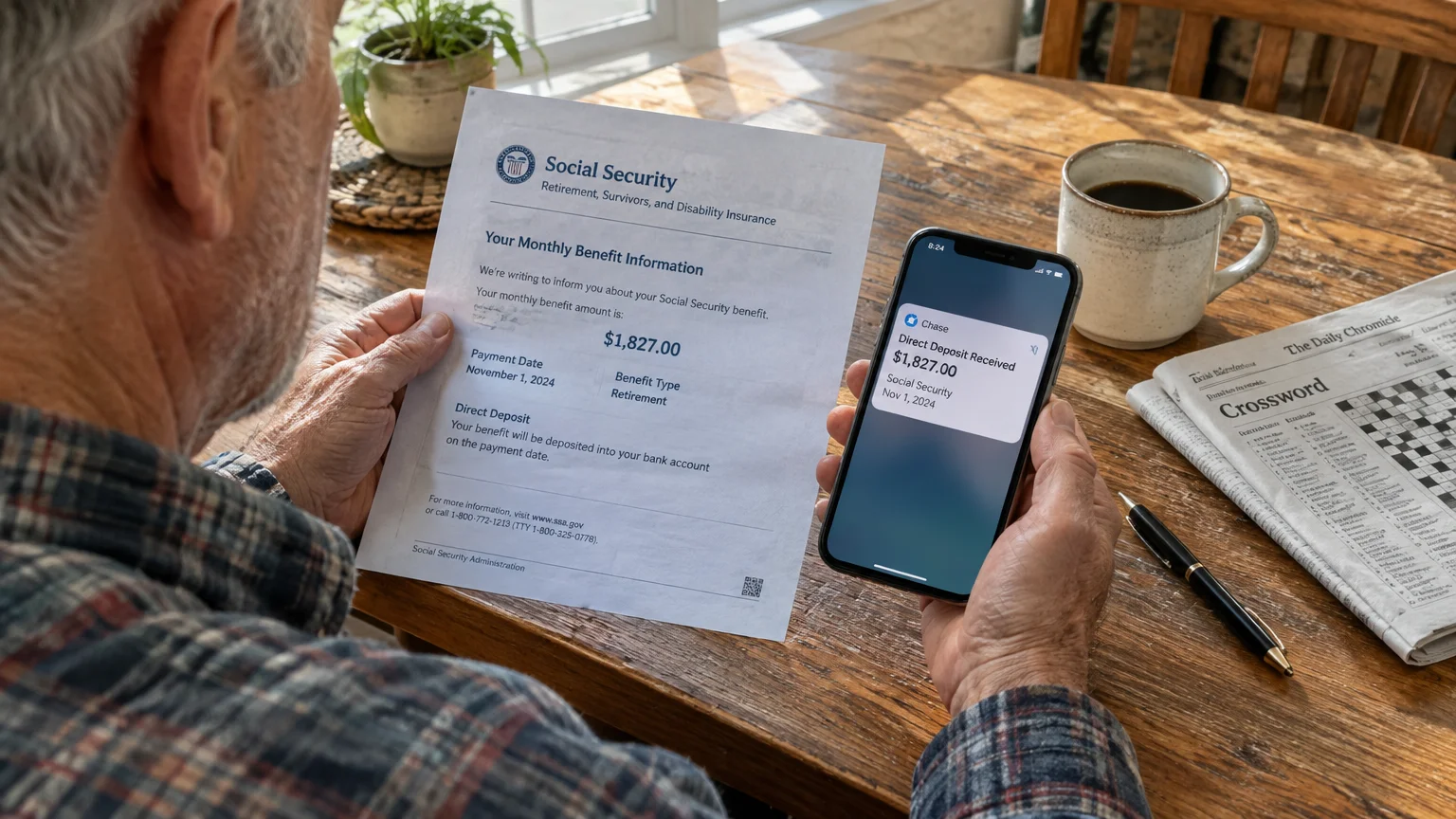
If you find yourself asking, does shutdown affect Social Security payments, the short answer is no. More than 71 million Americans rely on these monthly checks to cover their essential living expenses.
According to the Social Security Administration (SSA), retirement, survivor, and Supplemental Security Income (SSI) payments go out on their regular calendar cycles.
Your funds will arrive on the customary second, third, or fourth Wednesday of the month. SSI recipients will continue to see their deposits on the first day of the month as usual.
Because the government issues the vast majority of payments electronically through direct deposit or prepaid debit cards, computer systems handle the distribution automatically. You will not face missed payments or processing delays for existing benefits.
Paper checks mailed through the United States Postal Service also continue to travel without interruption. The postal service functions as an independent, self-funded agency and never halts deliveries during a federal shutdown.
2. Local SSA Field Offices Restrict Walk-In Services
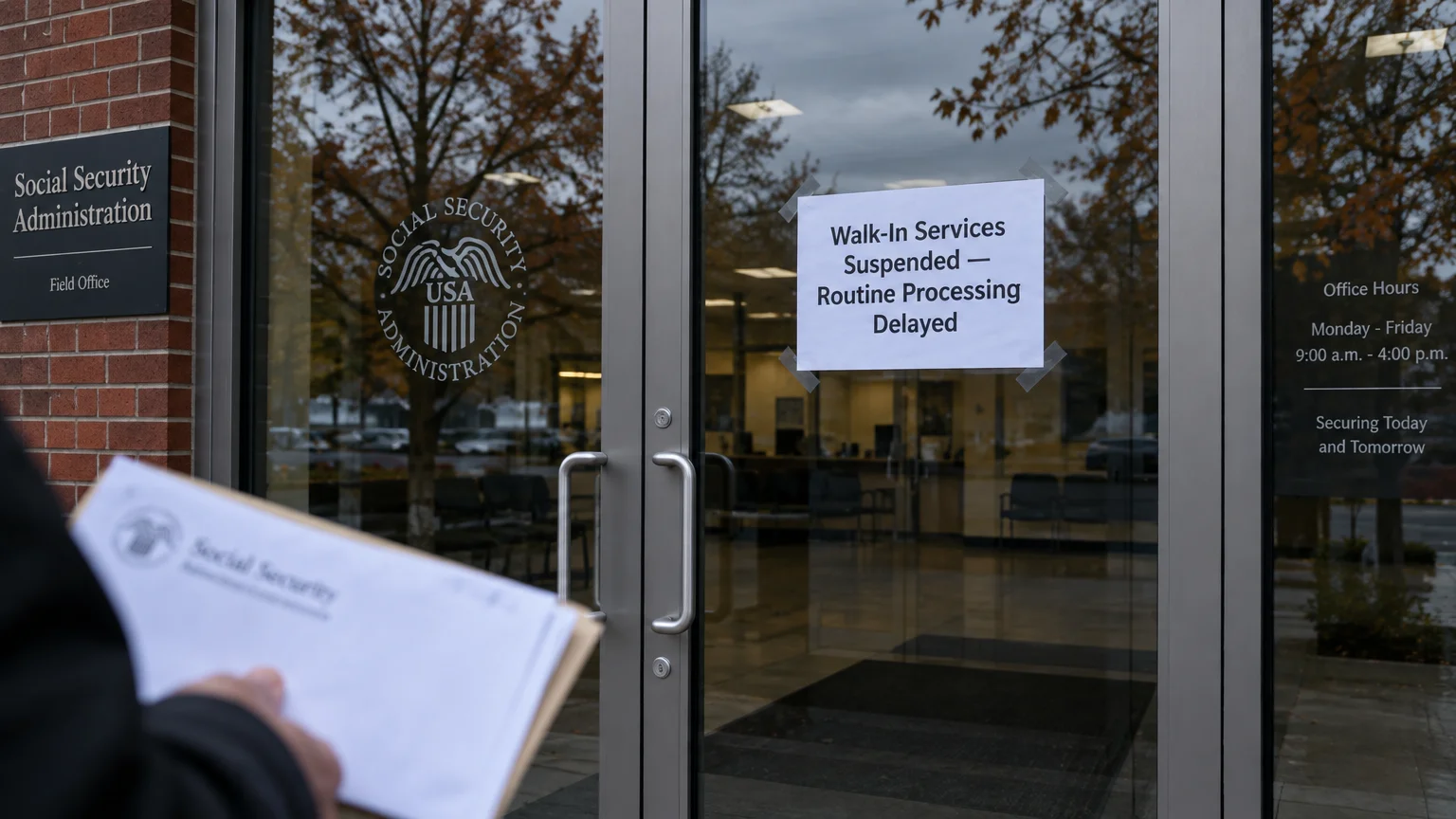
While benefit distribution continues seamlessly, the overall government shutdown Social Security impact hits hardest inside customer support operations. Thousands of agency employees face mandatory furloughs, leaving field offices operating on skeleton crews.
Under agency contingency rules, staff may only perform tasks deemed strictly necessary for ongoing benefit delivery. This means local field offices will drastically reduce their public offerings.
You can still submit an initial application for retirement or survivor benefits. Field office staff will also continue processing direct deposit updates, urgent appeals, and reports of a beneficiary’s death.
However, field offices will refuse walk-in requests for printed benefit verification letters. Staff will also turn away requests for non-claim earnings record corrections, replacement cards, and routine representative payee accountings.
Thankfully, the agency keeps its online portal operational around the clock. You can download and print official benefit verification letters directly from your personal account on the official agency portal.

3. Medicare and Medicaid Treatments Continue Without Interruption
Your healthcare access remains entirely secure throughout any federal budget deadlock. The federal government funds Medicare and Medicaid through mandatory spending entitlements, shielding them from annual funding gaps.
According to the Centers for Medicare & Medicaid Services (CMS), medical claims processing continues without pause. Doctors, hospitals, and pharmacies receive their routine reimbursements on schedule.
You can see your primary care physician, undergo planned surgeries, and fill your critical prescriptions under Medicare Part D. Private Medicare Advantage plans also remain completely active and accessible.
However, administrative support lines face substantial civilian staffing cutbacks. If you call federal agency hotlines with general billing questions, expect significantly longer hold times than normal.
Plan ahead if you need to submit complex coverage appeals or change enrollment details. While your access to medical treatment remains protected, processing paperwork through federal administrative channels will move slowly.

4. Disability Application Approvals Face Processing Bottlenecks
If you already receive Social Security Disability Insurance (SSDI) benefits, your direct deposits will arrive without incident. However, individuals waiting for decisions on initial disability applications face severe obstacles.
State-level Disability Determination Services (DDS) evaluate medical records and work histories for disability applicants. These state offices rely on federal administrative funding to finance their daily investigative operations.
When federal administrative funds freeze, state offices often pause consultative medical examinations. Without access to these diagnostic tests, examiners cannot finalize case evaluations or approve new disability claims.
Hearings before Administrative Law Judges generally proceed as scheduled to avoid unmanageable legal backlogs. However, the furloughs of support clerks, transcribers, and paralegals create major post-hearing slowdowns.
You may complete your hearing successfully but wait extra months for the written decision. This administrative bottleneck leaves vulnerable applicants waiting in financial uncertainty while agencies work through backlogs.
5. VA Healthcare and Disability Compensation Remain Stable
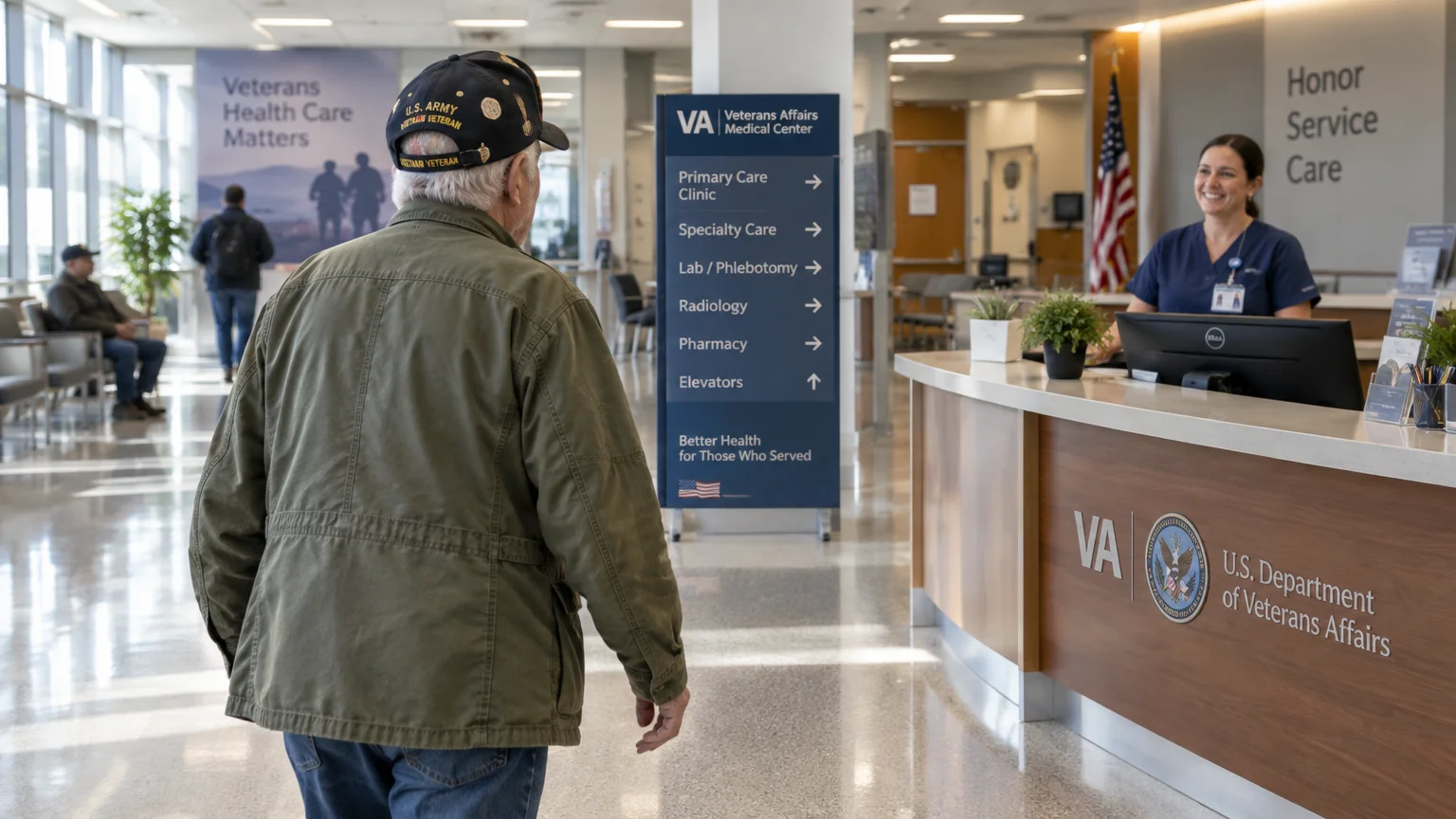
Military veterans enjoy robust statutory protections during government shutdowns. Congress provides advance appropriations for the Department of Veterans Affairs, ensuring healthcare services and disability pensions remain fully funded.
All VA medical centers, community-based outpatient clinics, and Vet Centers remain open for patient care. Inpatient wards, outpatient clinics, and emergency rooms operate at their standard capacity.
Monthly service-connected disability compensation, dependency indemnity compensation, and veterans pension payments arrive on their scheduled dates. The Treasury disburses these funds automatically without requiring ongoing legislative authorization.
Vital mental health resources also continue running uninterrupted. The 24/7 Veterans Crisis Line remains available by dialing 988 and pressing 1 for immediate, confidential support.
General information lines, such as 1-800-MyVA411, also remain open to answer veteran inquiries. You do not need to postpone scheduled medical appointments or delay necessary prescription refills.
6. Regional VA Benefit Offices Close to the Public
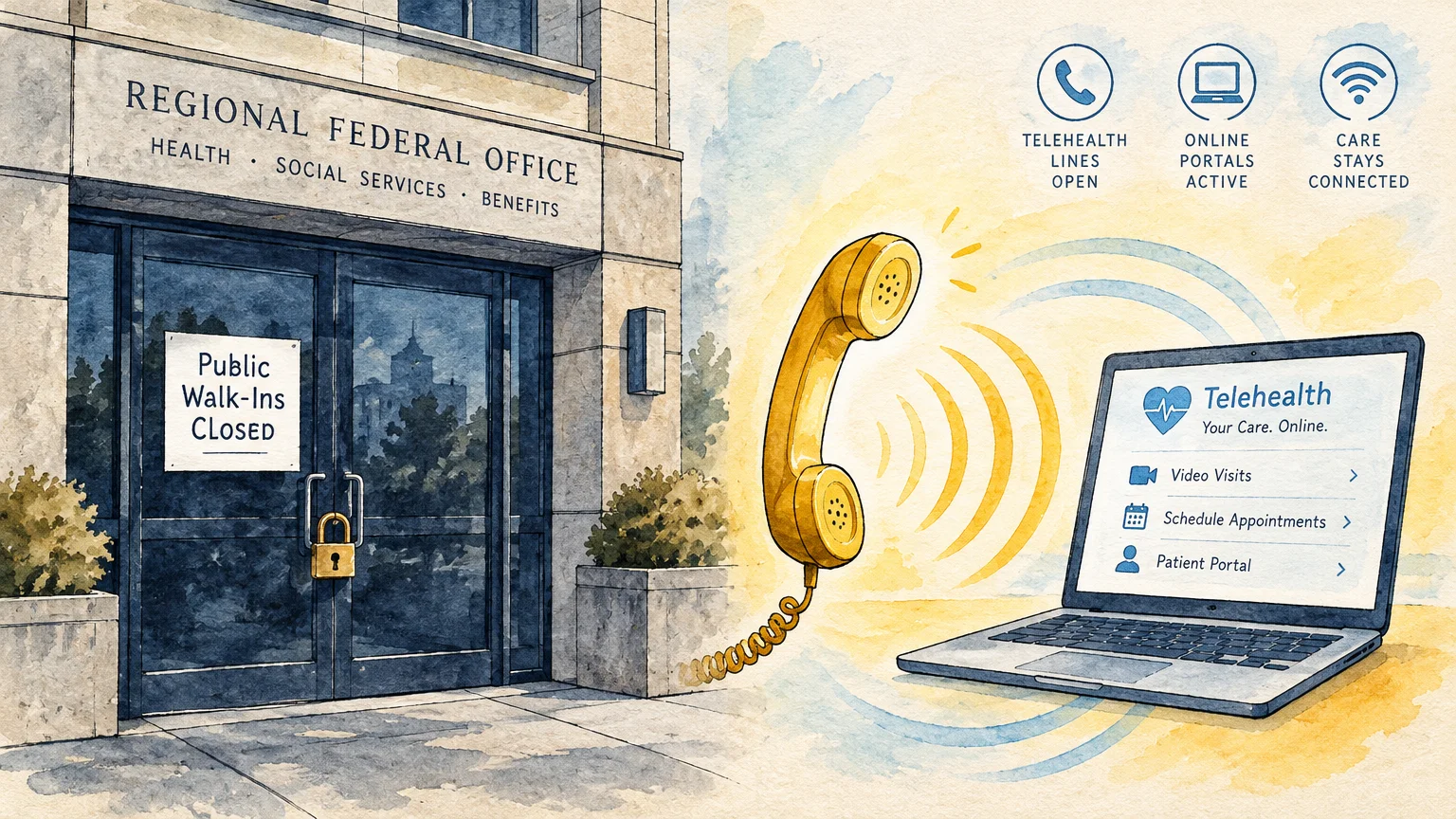
While medical facilities stay open, regional VA benefit administration offices face significant disruptions. These regional customer centers usually close their doors to walk-in visitors during funding lapses.
Staff members cannot provide in-person claims counseling, vocational rehabilitation meetings, or public outreach seminars. If you rely on face-to-face assistance to complete complex claims paperwork, you must wait for normal funding to resume.
Formal processing for new disability claims will slow down noticeably. Furloughs among civilian raters and administrative examiners generate noticeable queues for both initial claims and secondary appeals.
Burial operations at national cemeteries continue uninterrupted. Families can schedule interments for deceased veterans, but processing memorial marker applications may encounter administrative delays.
To avoid lost time, manage your benefits electronically through official digital portals whenever possible. Submitting applications and uploading medical evidence online preserves your effective filing date while offices remain closed.

7. SNAP and Senior Nutrition Programs Face a 30-Day Cliff
Nutrition assistance programs represent the most vulnerable area of federal support during an extended shutdown. Millions of older adults rely on the Supplemental Nutrition Assistance Program (SNAP) to purchase healthy groceries.
According to Benefits.gov, the federal government uses multi-agency funding mechanisms to support food security. SNAP relies on special contingency reserves to cover benefits during short-term funding gaps.
For the first 30 days of a shutdown, SNAP benefits usually arrive on electronic benefit transfer (EBT) cards normally. State agencies draw down emergency contingency funds authorized by previous federal legislation.
However, if a government shutdown extends beyond a month, those reserve funds risk total depletion. A prolonged standoff can delay monthly benefit replenishments, forcing seniors to turn to local community food pantries.
Senior congregate dining sites and Meals on Wheels programs draw funding through Title III of the Older Americans Act. Because these programs rely on advance federal grants, they can operate temporarily, but long shutdowns jeopardize meal delivery routes.

8. Federal and Military Retirement Pensions Continue Unbroken
Retired civil servants and military retirees often worry that a federal funding lapse will halt their monthly pensions. Fortunately, both federal civil service and military retirement payments remain fully protected.
Retirement annuities under the Civil Service Retirement System (CSRS) and Federal Employees Retirement System (FERS) draw from dedicated trust funds. These funds do not rely on annual congressional appropriations.
The Office of Personnel Management continues issuing monthly pension checks to retired federal workers on time. However, processing new retirement packages for recently departed federal workers will stall.
Military retired pay continues through the Defense Finance and Accounting Service on its regular monthly schedule. Retired service members will receive their designated pension deposits on the standard business day.
Survivor Benefit Plan annuities paid to surviving military spouses also continue without interruption. Your earned retirement annuities remain legally insulated from Capitol Hill budget disagreements.
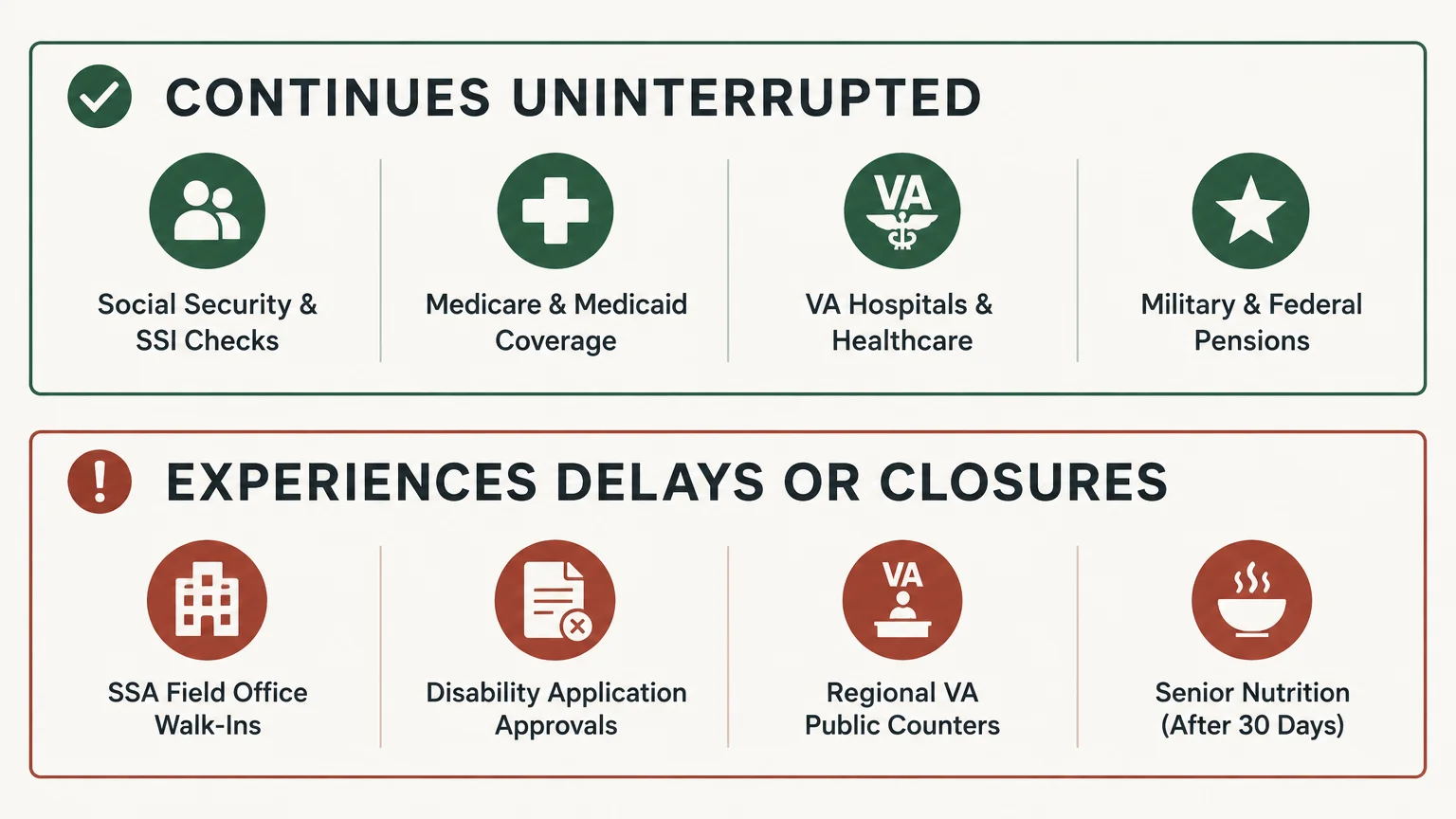
Shutdown Benefit Operations at a Glance
Evaluating which services continue and which services stall can feel overwhelming during a crisis. Review the quick summary below to see exactly how key federal programs perform during a funding lapse.
| Federal Program | Payment Status | Office Access | Key Administrative Impact |
|---|---|---|---|
| Social Security Retirement | Paid on schedule | Severely restricted | No walk-in proof letters; online access only |
| Supplemental Security Income (SSI) | Paid on schedule | Severely restricted | No in-person payee accounting updates |
| Medicare (Parts A, B, D, Advantage) | Claims paid normally | Operational | Longer telephone wait times for billing help |
| Social Security Disability (SSDI) | Paid on schedule | Severely restricted | New claims stall; medical exams paused |
| VA Healthcare & Pensions | Paid on schedule | Clinics open | Regional benefit offices closed to walk-ins |
| SNAP (Food Assistance) | Safe for 30 days | State-dependent | Funding cliff threatens checks after 30 days |
| Federal Civil Service Pensions | Paid on schedule | Online only | New retirement application backlogs |
Keep this operational chart accessible whenever national news reports signal an impending budget impasse. It helps you distinguish between sensational media headlines and the practical reality of your household finances.

Beware of Predatory Government Shutdown Scams
Financial predators always exploit the fear and confusion surrounding government shutdowns. Scammers target older Americans on fixed incomes by sending fraudulent texts, emails, and automated phone calls.
These criminals claim that your Social Security checks or Medicare benefits are frozen due to the congressional shutdown. They promise to restore your benefits immediately if you pay an administrative fee or verify sensitive information.
According to the Consumer Financial Protection Bureau (CFPB), official government agencies never contact citizens demanding immediate payment via wire transfer, gift cards, or cryptocurrency.
Legitimate agency representatives will never threaten you with arrest or benefit cancellation over the telephone. If you receive an urgent call demanding your Social Security number or banking details, hang up immediately.
Never click on links in unsolicited text messages claiming to provide emergency shutdown relief funds. Report these fraudulent attempts directly to the Federal Trade Commission to protect other vulnerable older adults in your community.
Practical Steps to Prepare Your Household
While your core retirement payments will arrive as scheduled, taking proactive steps reduces unnecessary stress during budget fights. Preparing your personal affairs ahead of time ensures total household stability.
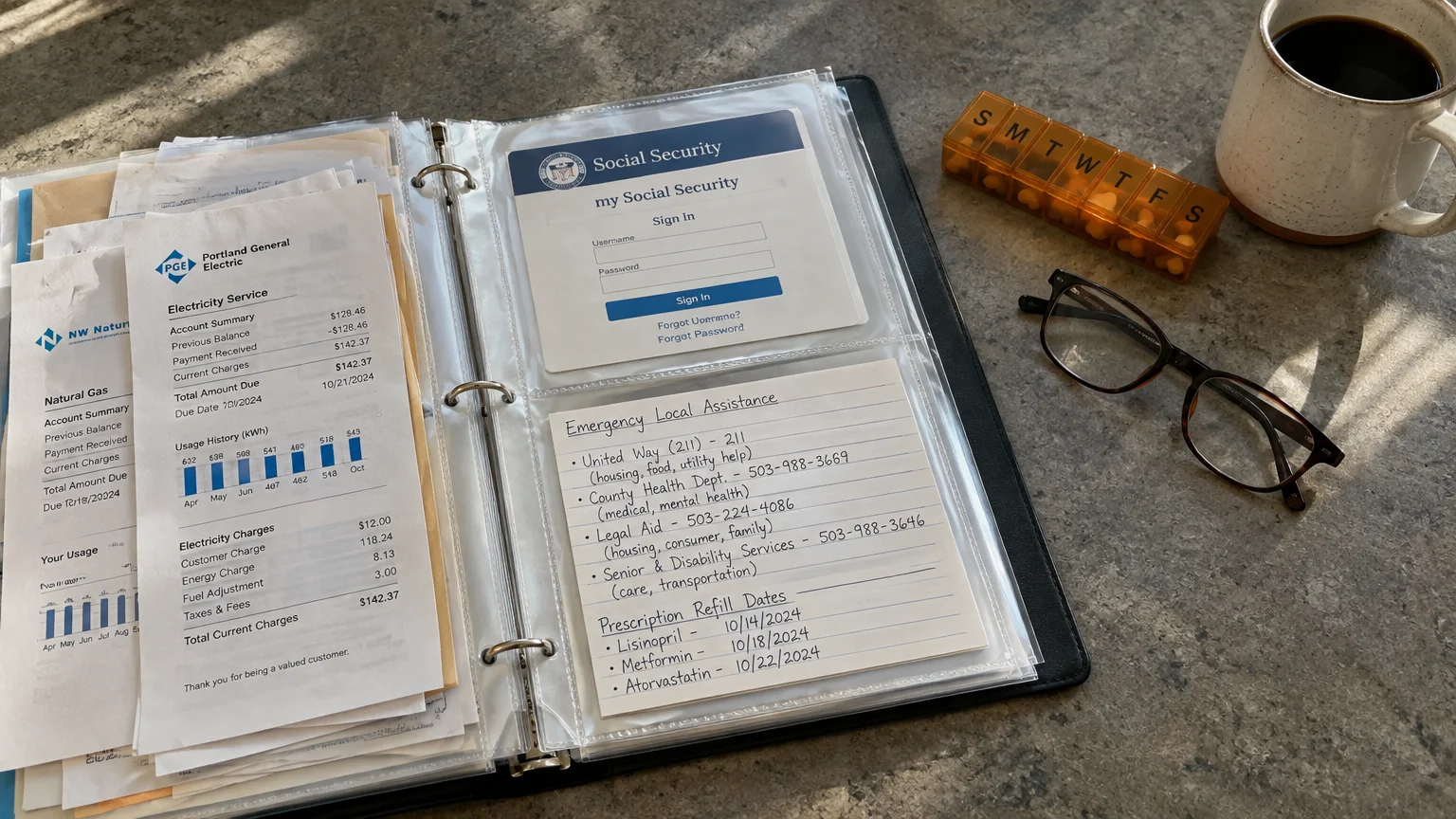
- Establish your digital accounts early: Set up your personal online profile with the Social Security Administration before any shutdown begins. Having active digital access allows you to download income verification letters and manage your account independently.
- Refill essential prescriptions in advance: While Medicare Part D coverage continues, avoid administrative headaches by filling 90-day maintenance medication prescriptions ahead of potential funding deadlines.
- Maintain a modest household cash cushion: Keep a modest reserve of emergency cash at home to cover immediate grocery or fuel expenses in the event of local banking system glitches.
- Locate local community food resources: If you rely on SNAP assistance, identify neighborhood food pantries and senior nutrition sites before a shutdown reaches the critical 30-day mark.
- Keep official contact numbers accessible: Save emergency telephone numbers, including the VA crisis line and local agency contacts, in a dedicated notebook near your home phone.
Taking control of these manageable logistical tasks eliminates panic. You can rest easy knowing your essential needs remain protected no matter how long politicians debate in Washington.
Frequently Asked Questions
Will my Social Security check be delayed during a federal shutdown?
No, your monthly Social Security payment will not experience any delays. The federal government funds Social Security benefits through mandatory spending trust funds that do not depend on annual congressional budget approvals.
Can I apply for Medicare Part B if a government shutdown occurs?
Yes, you can still submit initial enrollment applications for Medicare Part B online through the federal portal. However, paper applications submitted to local Social Security offices will experience processing delays due to staffing furloughs.
What happens to local Meals on Wheels services during a shutdown?
Meals on Wheels and community dining centers generally continue operating during short shutdowns using pre-allocated federal grants. However, if a funding lapse drags past 30 days, local community programs may face severe financial strain.
Can I replace a lost Social Security card while the government is closed?
Local field offices suspend in-person requests for replacement Social Security cards during a shutdown. However, you can order a replacement card online through your personal account if your state participates in online verification.
Does a federal shutdown stop Medicare prescription drug coverage?
No, your Medicare Part D prescription drug plan remains active and accessible. Private insurance carriers administer these drug plans, and pharmacies will continue processing your copays and filling authorized prescriptions as usual.
For additional senior resources, visit
Administration for Community Living (ACL), Eldercare Locator and AARP.
Disclaimer: The information in this article is for educational purposes only and is not intended to be a substitute for professional financial, legal, or medical advice. Always consult with a qualified expert for advice tailored to your personal situation.









Leave a Reply