

Navigating the Social Security Administration (SSA) phone system often feels like a test of endurance, but strategic timing drastically reduces your hold time. Callers waiting for a live representative frequently face average delays of nearly an hour, especially during peak afternoon hours early in the week. By dialing the official SSA toll-free number (1-800-772-1213) during low-traffic windows, you connect directly with customer service agents without wasting precious hours on hold. Knowing when SSA phone lines are less busy empowers you to manage your retirement benefits, request critical tax documents, or resolve claim questions efficiently; saving you both time and unnecessary stress.
Why Call Times Matter: Understanding SSA Call Center Congestion
Managing your retirement benefits requires timely answers, but calling government agencies can quickly turn frustrating. According to official performance records from the Social Security Administration (SSA), millions of beneficiaries dial the national customer service line every year to address retirement claims, Medicare enrollment steps, address updates, and tax statement requests. Because millions of Americans rely on these services simultaneously, high call volumes frequently overwhelm regional call centers.
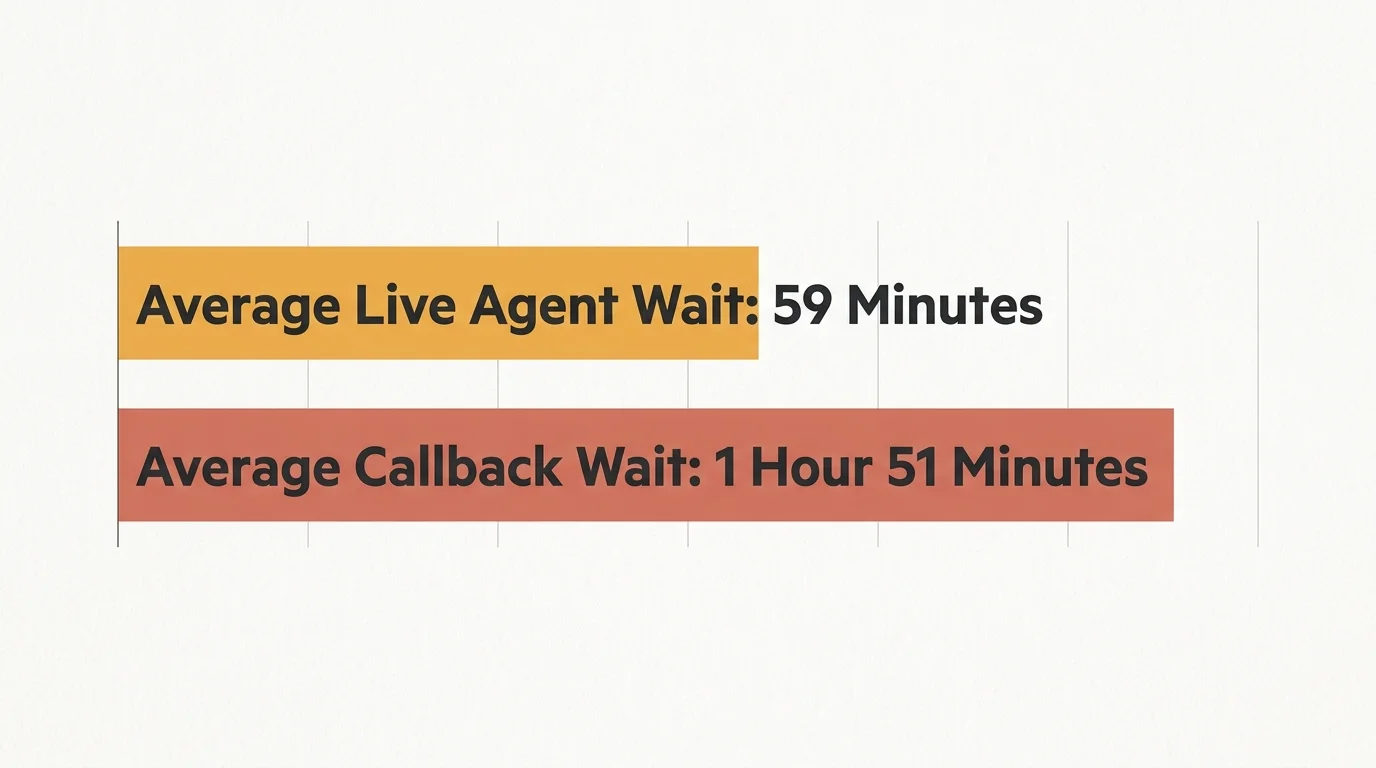
Understanding the actual hold-time data helps you plan your day more effectively. Recent audit reports from the SSA Office of Inspector General reveal that callers waiting on hold for a live representative experience an average wait time of 59 minutes. For beneficiaries who elect the automated callback option, the average wait stretches to 1 hour and 51 minutes before an agent returns the call. Spending two hours waiting near a ringing phone disrupts your daily routine and drains your phone battery unnecessarily.
For seniors living on a fixed income or managing chronic health conditions, prolonged phone holds create physical and emotional strain. Extended hold times can also consume limited cellphone plan minutes. By mastering the best time to call Social Security, you sidestep national phone queues, reach experienced representatives faster, and regain control over your daily schedule.
The 7 Least Busy Times to Call Social Security
Finding the fastest way to reach Social Security requires analyzing national calling patterns. The SSA national toll-free number (1-800-772-1213) provides live customer service representatives Monday through Friday, between 8:00 a.m. and 7:00 p.m. local time. Call center traffic rises and falls in predictable waves throughout the day and week. By aligning your call with these seven specific windows, you will encounter shorter queues and significantly reduced hold times.
1. Promptly at 8:00 AM Local Time (The Opening Bell)
Dialing the SSA toll-free line precisely when local lines open at 8:00 a.m. offers the single highest chance of connecting immediately. At 8:00 a.m. local time, agents log into the system to clear empty caller queues before nationwide backlogs accumulate. If you place your call at 8:01 a.m., you jump ahead of the thousands of callers who wait until mid-morning to reach out.
2. Late Afternoon Between 4:00 PM and 7:00 PM Local Time
Call volumes drop noticeably during the late afternoon and early evening hours. Most individuals place their administrative calls during morning hours or lunch breaks. As families prepare for dinner and wrap up daily activities between 4:00 p.m. and 7:00 p.m. local time, line congestion eases considerably. Representatives working late afternoon shifts often answer calls with minimal queue delays.
3. Wednesday Mid-Week Windows
Mondays and Tuesdays generate heavy call spikes because callers attempt to resolve issues that accumulated over the weekend. By Wednesday morning, the early-week call backlog subsides. Calling on Wednesday morning or early afternoon provides a far smoother experience than attempting to reach an agent during the heavy rush on Monday or Tuesday.
4. Thursday and Friday Afternoons
As the workweek winds down, general call volume declines nationwide. Thursday and Friday afternoons—specifically between 3:30 p.m. and 6:00 p.m. local time—represent some of the quietest periods on federal phone lines. Beneficiaries who call during these hours often experience hold times well below the national average.
5. The Last Two Weeks of the Calendar Month
Monthly payment cycles heavily influence Social Security phone traffic. Millions of beneficiaries receive monthly retirement or Disability payments during the first ten days of the month, triggering massive waves of payment status inquiries. In contrast, during the third and fourth weeks of the month, call traffic drops significantly; making late-month windows ideal for complex benefit discussions.
6. Mid-Month Days Outside Benefit Payment Dates
Social Security distributes benefit payments on specific Wednesdays throughout the month based on your birth date. Payments arrive on the second Wednesday for birth dates between the 1st and 10th, the third Wednesday for birth dates between the 11th and 20th, and the fourth Wednesday for birth dates between the 21st and 31st. Calling on non-payment Tuesdays or Thursdays mid-month allows you to avoid benefit-delivery phone surges.
7. Late Spring and Late Summer Seasonal Windows
Annual cycles create predictable seasonal lulls in call center activity. Phone traffic peaks severely in January due to annual Cost-of-Living Adjustment (COLA) updates and tax document requests, and surges again in October during Medicare open enrollment. Planning your routine benefit reviews or address updates during May, June, or August allows you to capitalize on lower seasonal call totals.
| Time Window / Option | Best Days to Call | Average Expected Wait | Recommended Purpose |
|---|---|---|---|
| 8:00 AM – 9:00 AM Local | Wednesday through Friday | 10 – 20 Minutes | Complex benefit claims and detailed record updates |
| 4:00 PM – 7:00 PM Local | Wednesday through Friday | 15 – 25 Minutes | General inquiries and status checks |
| 24/7 Automated Phone Line | Any Day / Any Time | 0 Minutes (Instant) | 1099 replacement copies and verification letters |
| Mid-Month (3rd & 4th Weeks) | Thursday or Friday | 15 – 30 Minutes | Applying for new benefits or changing payment routing |
Peak Times to Avoid: When SSA Lines Experience Maximum Delays
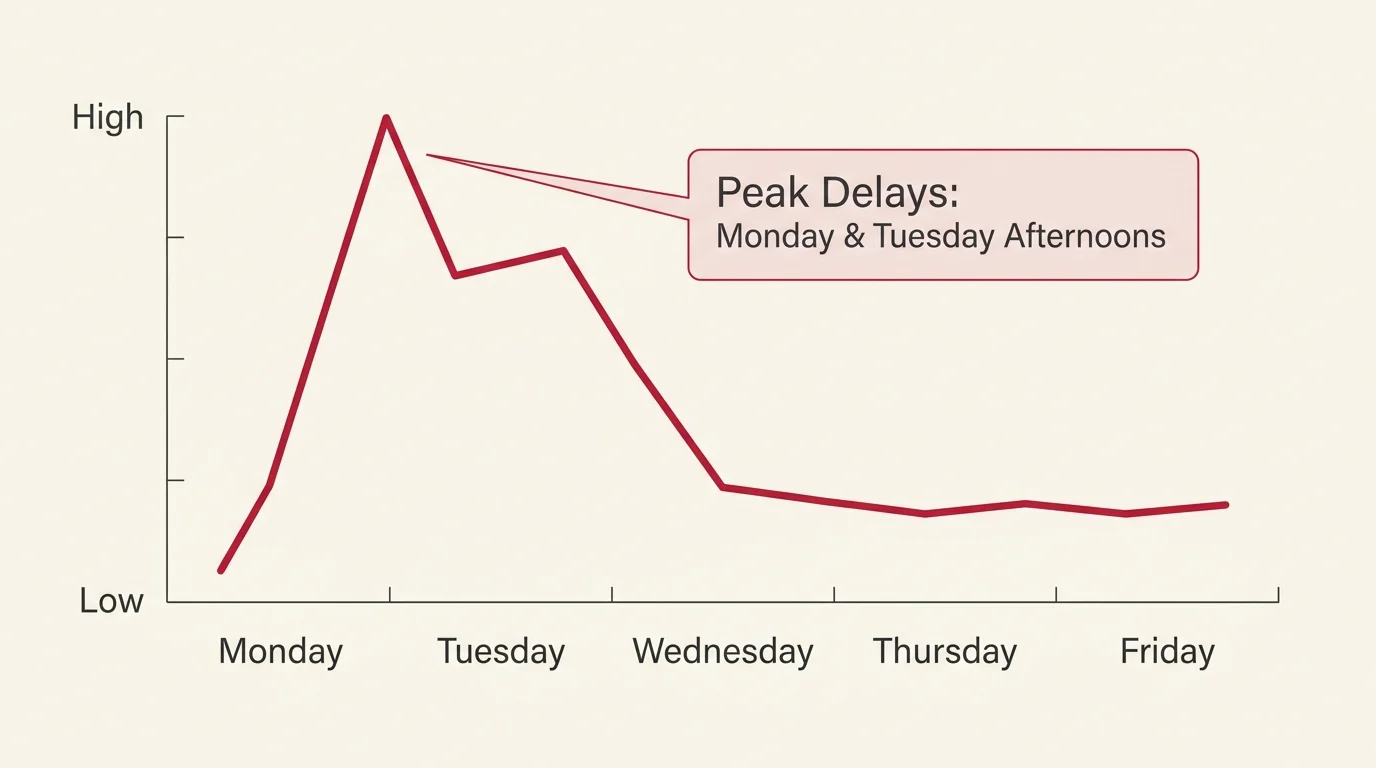
Knowing when SSA phone lines are less busy requires equal awareness of peak congestion periods. Dialing during high-volume windows leads directly to multi-hour delays, dropped calls, or busy signals. Avoiding long wait times SSA phone line queues starts with crossing these high-traffic periods off your calendar.
Avoid placing calls during these peak congestion periods:
- Mondays and Tuesdays: Weekend inquiries stack up, creating caller backlogs that persist throughout the entire day.
- Mid-day Rush (10:00 AM to 3:00 PM): Lunchtime availability prompts working family members and seniors alike to dial simultaneously, resulting in peak hold times.
- First Week of Every Month: Inquiries regarding arriving checks, direct deposit delays, and monthly payment adjustments flood the phone network.
- Early January (COLA Surge): Millions of beneficiaries call to ask about newly adjusted Cost-of-Living payment amounts and annual benefit changes.
- October (Medicare Enrollment): Questions regarding Medicare Part B premium changes and enrollment overlap create intense phone traffic.
- Days Surrounding Federal Holidays: The days immediately preceding or following federal closures (such as Labor Day, Thanksgiving, or Memorial Day) experience double the standard call volume.
Alternative Communication Channels: Beyond the Live Representative
You can complete many common tasks without waiting for a customer service representative at all. The SSA maintains an automated phone service operating 24 hours a day, 7 days a week, 365 days a year at 1-800-772-1213. Navigating the automated voice prompts allows you to fulfill routine requests instantly without entering a queue for live assistance.
You can execute several key administrative tasks directly through the 24/7 automated phone system:
- Requesting an official Benefit Verification Letter to prove your income for housing, loans, or state assistance programs.
- Ordering a replacement Form SSA-1099 or Form SSA-1042S for income tax filing purposes.
- Checking the current processing status of a pending application for retirement, survivor, or Disability benefits.
- Requesting an update on the status of a requested replacement Social Security card.
- Updating your personal contact address or home phone details on file.
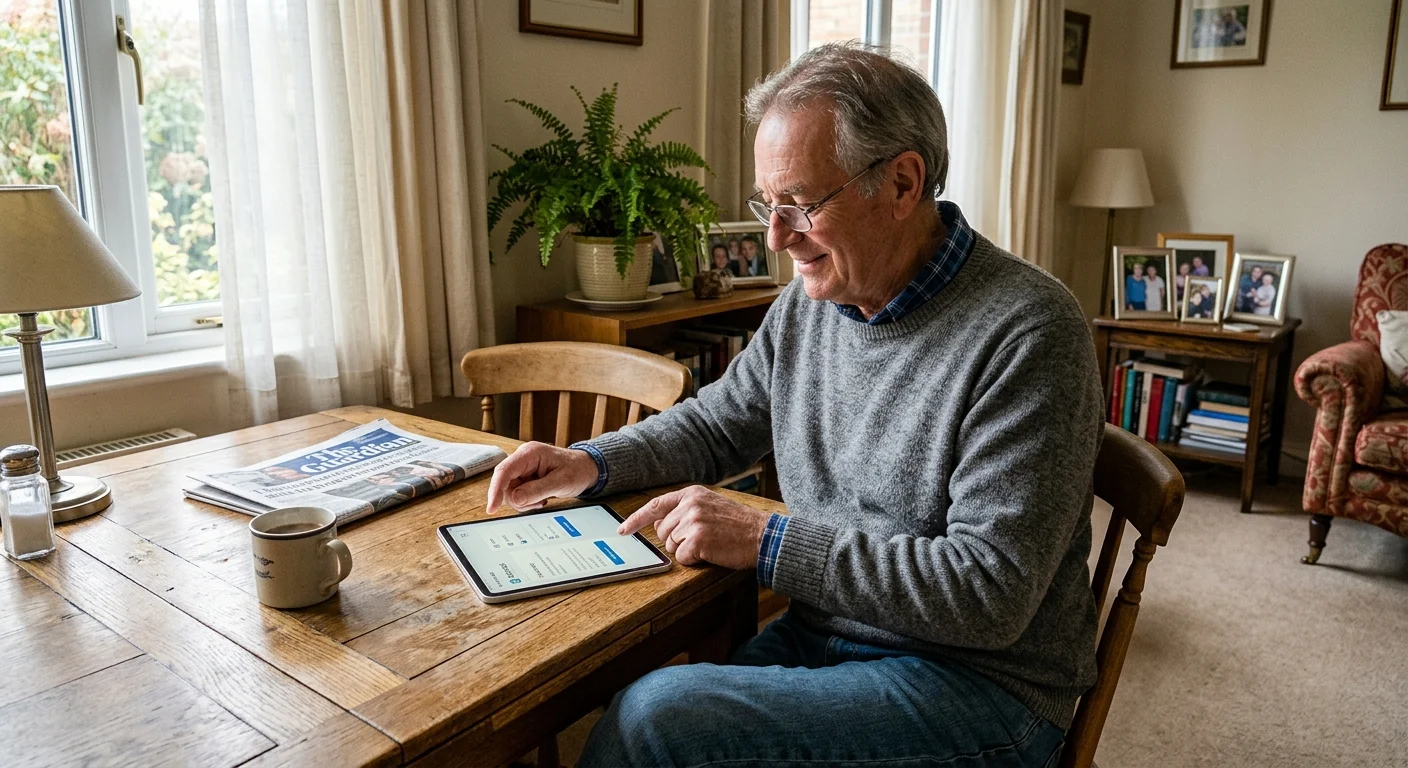
In addition to automated phone menus, managing your personal account online offers total convenience. By creating a secure personal profile on the official SSA website, you can view projected retirement statements, track earnable credits, print benefit verification letters, and manage direct deposit details instantly from your computer or tablet. Exploring federal assistance profiles on Benefits.gov also helps you identify additional support programs available to low-income seniors.
If your situation requires personal attention that a phone representative cannot deliver, consider calling your local Social Security field office directly. Local field offices maintain dedicated direct numbers that often feature shorter wait times than the national toll-free helpline. You can locate your regional office’s direct number using the official online field office locator tool.
Practical Call Preparation and Efficiency Strategies
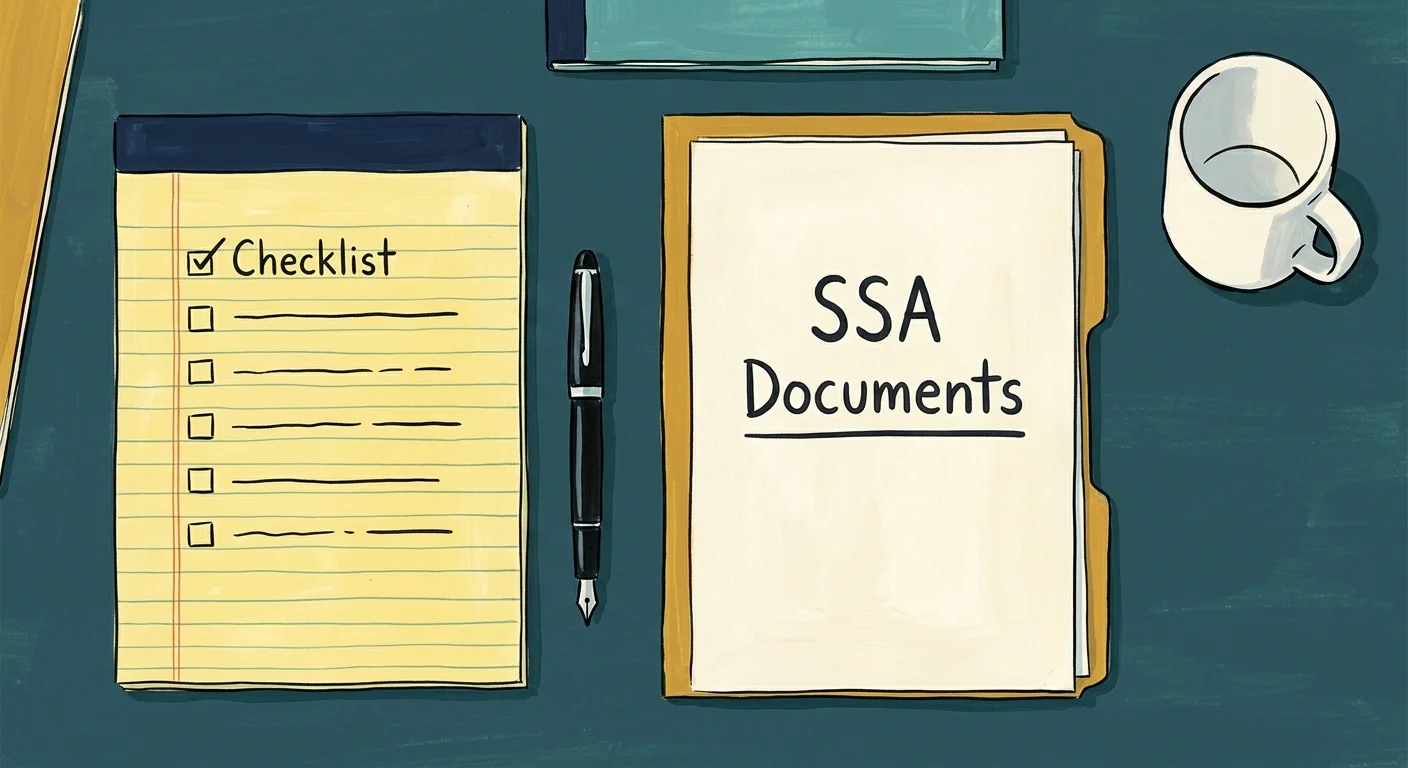
When you prepare thoroughly before dialing, you resolve your inquiry in a single call and shorten the overall duration of your conversation. Applying smart Social Security customer service tips ensures that you obtain accurate information without needing frustrating follow-up calls.
Gather all essential identity documents and financial details before dialing the phone number:
- Your Social Security Number: Keep your nine-digit number written down directly in front of you.
- Current Financial Records: Have your bank routing number and checking or savings account number ready if you plan to set up or change direct deposit details.
- Identity Documents: Keep your Medicare card, driver’s license number, or birth certificate details nearby for identity verification steps.
- Recent Tax Documents: Gather W-2 forms or self-employment tax returns if your call involves income history or benefit calculation disputes.
- Written Questions and Pen: Draft a simple list of specific questions to keep the conversation focused and brief.
Take full advantage of phone technology to maintain comfort during hold periods. Enable your phone’s speakerphone feature and set the device on a flat surface nearby; this frees your hands and prevents neck strain while listening to automated status updates. Keep a blank notepad nearby to write down the representative’s full name, unique identification number, call date, and specific guidance provided during your discussion.
When system queues are exceptionally long, the SSA interactive menu may offer an automated callback option. Accepting a callback preserves your place in line while allowing you to hang up your telephone. However, keep in mind that official callbacks originate from private or unlisted government numbers. Ensure your telephone accepts calls from private numbers so you do not accidentally block or miss the returning agent’s call.
Protecting Yourself from Social Security Phone Scams
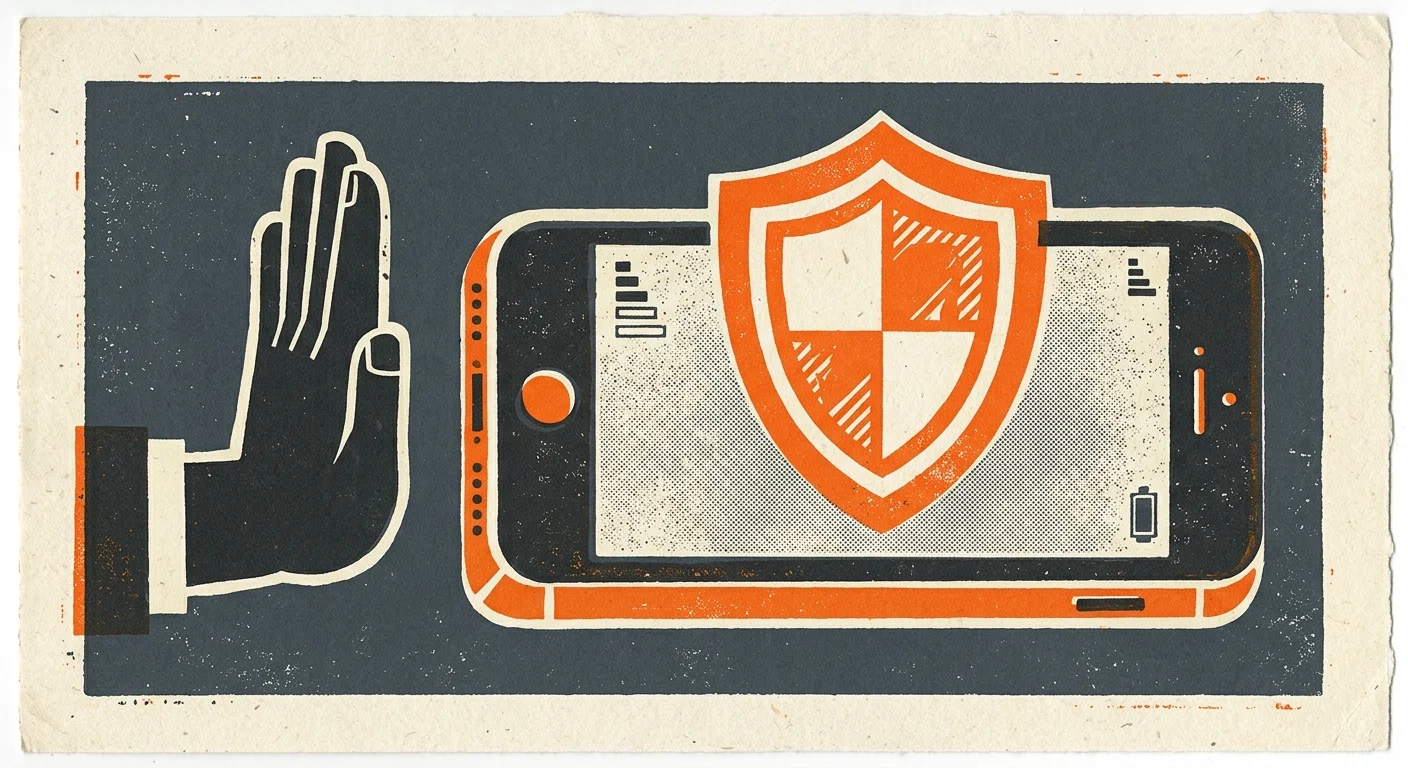
As seniors spend more time communicating with government agencies over the telephone, scam artists increasingly target older adults with aggressive phone fraud schemes. According to educational alerts from the Consumer Financial Protection Bureau (CFPB), imposter scams rank among the most financial damaging threats facing seniors today. Scammers manipulate caller ID displays to mirror official government numbers, deceiving trusting individuals.
Protect your identity and financial assets by learning official SSA communications protocols. The real Social Security Administration follows strict operational standards that legitimate representatives never violate.
Recognize these crucial warning signs of phone scams targeting seniors:
- Threats of Arrest or Legal Action: Scammers threaten law enforcement intervention, legal prosecution, or immediate asset seizure if you do not pay money right away. Real SSA agents never threaten legal arrest over the phone.
- Demands for Immediate Payment: Fraudsters demand instant bill payment using gift cards, prepaid debit cards, cryptocurrency, or wire transfers. The SSA never accepts these non-standard payment methods.
- Promises of Benefit Increases for Cash: Fraudulent callers promise to increase your monthly retirement checks in exchange for an upfront processing fee. SSA benefit changes occur automatically based on federal cost-of-living legislation.
- Demands for Bank Details to Prevent Suspension: Callers claim your Social Security number has been suspended due to illegal activity and demand personal banking information to clear your record. Social Security numbers are never suspended.
If you receive a suspicious call from an individual claiming to represent the SSA, hang up immediately. Never confirm your Social Security number, financial details, or home address to an unsolicited caller. Initiate a direct, secure connection yourself by dialing 1-800-772-1213 or reaching out to your local field office.
Frequently Asked Questions
What is the absolute best time to call Social Security to avoid long wait times?
The best time to call Social Security is right at 8:00 a.m. local time on a Wednesday, Thursday, or Friday. Calling the opening bell allows you to reach customer service representatives before nationwide daily call queues build up.
Does the 8:00 AM opening time apply to my local time zone?
Yes. The SSA national toll-free system routes your call based on the local time zone of the telephone number you dial from. Automated systems route your call to available regional centers operating between 8:00 a.m. and 7:00 p.m. in your local area.
Is the Social Security automated callback service reliable?
The automated callback system preserves your location in the queue, but hold-time audit data shows that returning calls take an average of 1 hour and 51 minutes. Furthermore, callbacks appear as unknown or toll-free numbers, which smartphone call-blocking features might automatically block or send to voicemail.
Can I complete my Social Security business without calling at all?
Yes. You can complete most standard benefit tasks online through a personal my Social Security account. You can request replacement 1099 forms, print benefit verification letters, estimate future retirement benefits, and update direct deposit information 24/7 without making a phone call.
What should I do if my call disconnects while waiting on hold?
If your call disconnects while waiting, you must redial and re-enter the main line queue. To minimize frustration, call back during off-peak hours—such as late afternoon between 4:00 p.m. and 7:00 p.m.—or utilize the automated 24/7 self-service telephone menu if your request involves basic document generation.
For additional senior resources, visit
Administration for Community Living (ACL),
Eldercare Locator,
AARP and
Alzheimer’s Association.
Disclaimer: The information in this article is for educational purposes only and is not intended to be a substitute for professional financial, legal, or medical advice. Always consult with a qualified expert for advice tailored to your personal situation.








Leave a Reply