

Securing nutritious, ready-to-eat food becomes challenging when physical limitations, health conditions, or transportation barriers keep you at home. Fortunately, a variety of federal, state, and private programs deliver balanced meals right to your doorstep at little to no cost. Whether you are recovering from surgery, managing a chronic health condition like diabetes, or living on a fixed retirement income, you have access to dependable food assistance. Navigating your options ensures you receive healthy, delicious food without straining your budget. This comprehensive guide details eight proven meal delivery programs designed to help homebound seniors maintain independence, health, and dignity every single day.

Why Nutrition Assistance Matters for Homebound Seniors
Maintaining a balanced diet is one of the most effective ways to protect your health, boost your energy, and remain independent at home. However, grocery shopping, carrying heavy bags, standing for long cooking sessions, and cleaning up can become overwhelming as physical stamina declines. According to the National Institute on Aging (NIA), older adults require nutrient-dense foods with fewer calories to combat age-related muscle loss and support metabolic health.
Across the United States, nearly 14 million older adults face food insecurity; furthermore, one in two single seniors lacks the income necessary to cover basic monthly necessities. When you are confined to your home, missing meals or relying on processed snacks can quickly lead to malnutrition, unintended weight loss, weakened immunity, and preventable hospital readmissions. Senior meal delivery assistance programs fill this critical gap, bringing wholesome, chef-prepared, or medically tailored entrees straight to your kitchen table.
1. Meals on Wheels and Older Americans Act Programs
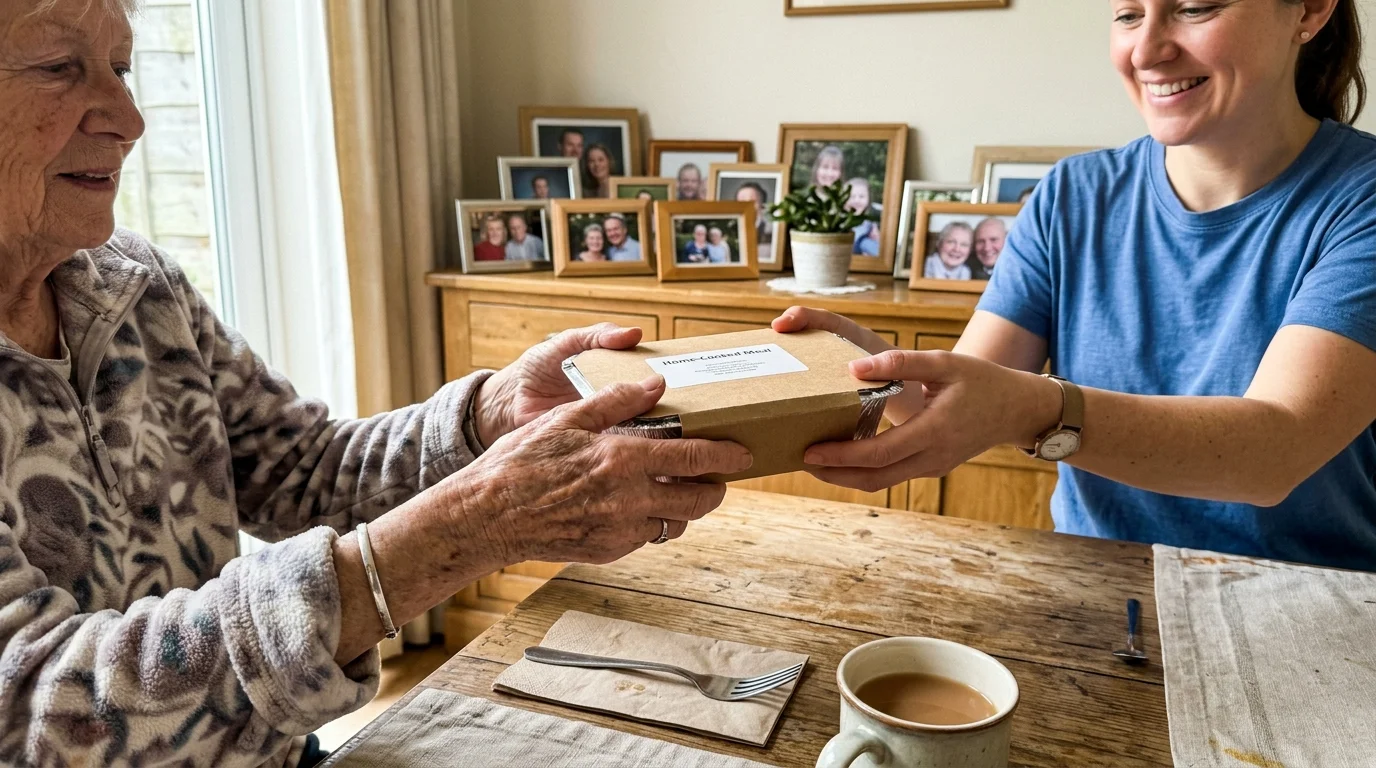
Meals on Wheels represents the nation’s largest and most recognizable food assistance network for homebound older adults. Operating through roughly 5,000 community-based programs nationwide, the network delivers approximately 244 million meals each year to 2.6 million older adults. The federal backbone of this service stems from Title III-C of the Older Americans Act, which receives funding and oversight through the Administration for Community Living (ACL).
To qualify for Meals on Wheels, you must generally meet the following guidelines:
- You must be age 60 or older (spouses or adult dependents with disabilities may qualify in many jurisdictions).
- You must be homebound or experience significant difficulty preparing meals due to physical mobility, cognitive impairment, or illness.
- You must lack a dedicated family caregiver or support system able to prepare hot, nutritious meals on your behalf.
Meals are typically provided for free or for a modest, voluntary donation ranging from $0 to $9 per meal, depending on your local provider’s funding model. Crucially, local chapters operate under a strict policy: no eligible senior is ever turned away due to an inability to contribute financially. In addition to delivering hot, chilled, or frozen meals tailored to diabetic or low-sodium requirements, volunteer drivers perform a vital wellness check during each visit, providing peace of mind to both you and your family.
2. Medicare Advantage Post-Discharge and Chronic Care Meals
Many seniors are surprised to learn that private Medicare health plans can pay for meal delivery under specific medical circumstances. While Original Medicare (Part A and Part B) does not cover routine food delivery, Medicare Advantage (Part C) plans have expanded their supplemental wellness benefits considerably. You can review plan rules and supplemental options directly on Medicare.gov during annual enrollment periods.
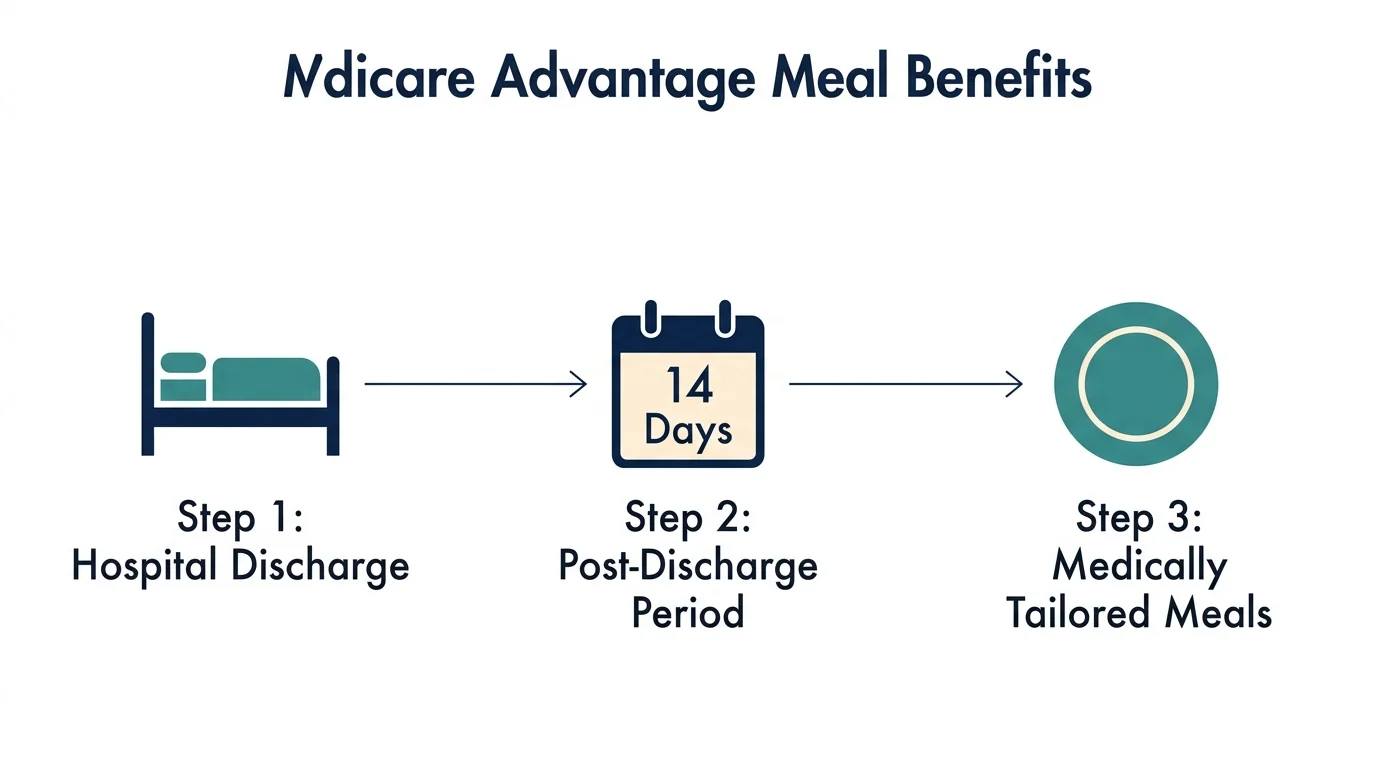
Over 70% of Medicare Advantage plans provide temporary home-delivered meal coverage following an inpatient hospital stay, observation stay, or skilled nursing facility discharge. This post-acute benefit typically supplies two fully prepared meals per day for 14 to 28 consecutive days at a $0 copayment. The primary goal is reducing 30-day hospital readmissions by ensuring you receive proper nourishment while resting and recovering.
Additionally, plans offering Special Supplemental Benefits for the Chronically Ill (SSBCI) provide ongoing meal support for individuals diagnosed with qualifying chronic conditions. Common eligible conditions include:
- Congestive heart failure (CHF)
- Diabetes mellitus
- Chronic obstructive pulmonary disease (COPD)
- End-stage renal disease (ESRD)
- Severe hypertension
If you qualify, your plan coordinates with commercial meal vendors to ship frozen, ready-to-heat boxes to your doorstep every week or month at no out-of-pocket cost.

3. Medicaid Home and Community-Based Services (HCBS) Waivers
If you have limited monthly income and low assets, state Medicaid programs offer comprehensive long-term care supports outside of institutional nursing homes. Known as Section 1915(c) Home and Community-Based Services (HCBS) waivers, these state-managed initiatives help frail seniors remain safely inside their private residences.
Under HCBS waivers, home-delivered meals are fully covered at 100% with no cost-sharing or copayments. To access this benefit, you must undergo a clinical assessment showing that you require a nursing-facility level of care—meaning you need help with daily activities such as bathing, transferring, dressing, or meal preparation—yet you choose to receive care at home. Your assigned Medicaid case manager includes home-delivered nutrition directly in your individualized plan of care, contracting with certified meal vendors to deliver fresh or flash-frozen entrees directly to your home.

4. Program of All-Inclusive Care for the Elderly (PACE)
The Program of All-Inclusive Care for the Elderly (PACE) provides a complete, coordinated model of medical and social care for older adults who want to avoid nursing home placement. PACE covers all Medicare and Medicaid health services through an interdisciplinary team consisting of doctors, nurses, social workers, physical therapists, and registered dietitians.
PACE enrollment requirements include the following criteria:
- You must be age 55 or older.
- You must live within the designated geographic service area of an operational PACE organization.
- Your state must certify that you meet the clinical criteria for a nursing home level of care.
- You must be able to live safely in the community with PACE support services at the time of enrollment.
Nutrition forms a cornerstone of the PACE model. When you attend an adult day health center, PACE provides hot, diet-compliant lunches and social dining. For days spent at home, PACE arranges and delivers fully prepared meals directly to your door. If you qualify for Medicaid or dual-eligible Medicare-Medicaid status, PACE services, including all meal deliveries and medical care, carry a $0 out-of-pocket cost.

5. USDA Commodity Supplemental Food Program (CSFP)
Administered by the United States Department of Agriculture (USDA) alongside regional food banks, the Commodity Supplemental Food Program (CSFP)—often referred to simply as the “Senior Food Box”—specifically targets low-income seniors aged 60 and older. Rather than providing hot prepared entrees, CSFP supplies a monthly package of wholesome, shelf-stable groceries valued at approximately $50 in retail groceries.
To qualify for CSFP, your household income must fall at or below 130% to 150% of the Federal Poverty Level. For a single-person household, this generally corresponds to a gross income limit under $2,000 per month. A typical 40-pound monthly box contains high-protein and nutrient-rich staples:
- Canned meats, poultry, and wild-caught salmon or tuna
- Canned vegetables and unsweetened fruit juices
- Dry or canned beans, peanut butter, and shelf-stable milk
- Whole grain oats, brown rice, pasta, and fortified breakfast cereals
- American cheese blocks
While CSFP traditionally requires pick-up at local community centers, many local food banks now partner with volunteer groups to offer direct home delivery for homebound seniors who cannot travel.

6. SNAP Restaurant Meals Program (RMP)
The Supplemental Nutrition Assistance Program (SNAP) helps millions of households purchase groceries; however, standard SNAP rules prevent participants from buying hot, prepared, ready-to-eat foods. For homebound seniors with physical disabilities or severe arthritis, raw grocery ingredients are difficult to prepare. The SNAP Restaurant Meals Program (RMP) solves this problem.
The RMP allows eligible elderly individuals (age 60 or older), individuals with disabilities, and their spouses to purchase warm, prepared meals at participating restaurants, grocery delis, and meal centers using their Electronic Benefit Transfer (EBT) cards. Participating vendors often provide discounted pricing to make benefits stretch further.
State participation in the Restaurant Meals Program is optional. Active programs currently operate in select counties and municipalities across several states, including:
- Arizona
- California
- Illinois
- Maryland
- Massachusetts
- Michigan
- New York
- Rhode Island
- Virginia
If you live in an RMP-eligible jurisdiction and receive SNAP, your EBT card automatically activates for restaurant purchasing without a separate application process.
7. Mom’s Meals Medically Tailored Delivery
Mom’s Meals is a leading nationwide provider specializing in refrigerated, medically tailored meal delivery for seniors and individuals managing chronic health conditions. The organization holds contracts with more than 500 Medicaid, Medicare Advantage, and Older Americans Act plans across the country, allowing eligible members to receive meal shipments with full insurance subsidy.
Every meal is packaged in individual trays, delivered via climate-controlled shipping directly to your doorstep, and remains fresh in your refrigerator for up to 14 days. You can reheat entrees in a standard microwave in under two minutes. Professional dietitians formulate menus across distinct health categories:
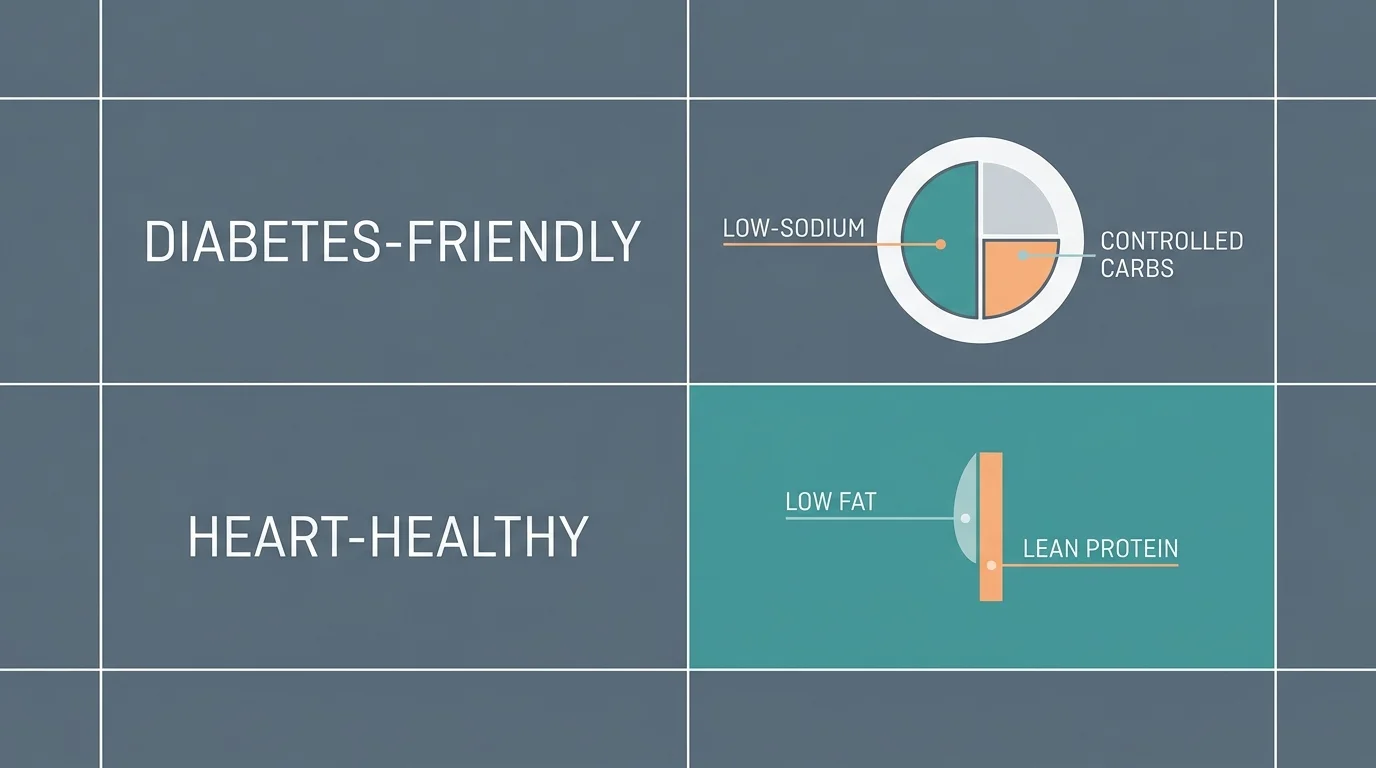
- Heart-Friendly: Low in sodium and saturated fat to manage hypertension and cardiovascular disease.
- Diabetes-Friendly: Formulated with under 75 grams of complex carbohydrates per serving to maintain stable blood glucose levels.
- Renal-Friendly: Strictly controlled phosphorus, potassium, and sodium levels for individuals with kidney impairment.
- Pureed and Dysphagia: Smooth textures designed for seniors with chewing difficulties or swallowing disorders.
- Gluten-Free and Vegetarian: Specialized dietary alternatives for distinct wellness preferences.
If you do not have insurance coverage, Mom’s Meals offers a transparent direct-pay model. Out-of-pocket meals range from approximately $7.50 to $8.99 per entree, making it a cost-effective alternative to grocery store shopping and restaurant takeout.

8. Specialized Senior Services: Silver Cuisine and Magic Kitchen
When insurance coverage is unavailable or you prefer complete menu control without income testing, private meal delivery services tailored specifically for seniors offer flexibility and convenience. Two leading providers in this category are Silver Cuisine (by bistroMD) and Magic Kitchen.
Silver Cuisine: Created by board-certified physicians, Silver Cuisine caters specifically to adults aged 50 and older. Entrees range from $8.95 to $13.50+ each and require no long-term contracts or recurring subscription commitments. You can order meals a la carte whenever needed. Silver Cuisine offers heart-healthy, diabetic, low-sodium, menopause-supportive, and gluten-free selections, alongside regular member discounts for AARP cardholders.
Magic Kitchen: Specializing in flash-frozen, chef-prepared entrees, Magic Kitchen provides an extensive menu of medically tailored options, including dialysis-friendly, low-carb, and soft-food diets. Entrees range between $9.50 and $14.00 per meal. Magic Kitchen also holds contracts with select regional managed care programs and long-term care insurance policies, allowing some seniors to bill meal costs through insurance.

Comparing Senior Meal Delivery Programs at a Glance
Finding the right assistance program depends on your age, financial situation, insurance coverage, and health status. The comparison table below outlines the differences between each program to help you choose the best fit.
| Program Name | Primary Eligibility | Typical Cost | Delivery Type |
|---|---|---|---|
| Meals on Wheels | Age 60+, homebound, frail, or isolated | Free or voluntary donation ($0–$9) | Hot, chilled, or frozen; regular volunteer check-ins |
| Medicare Advantage | Plan enrollees post-hospitalization or with chronic illness | $0 copay with plan authorization | Weekly frozen meal boxes via courier |
| Medicaid HCBS Waivers | Low-income seniors qualifying for nursing home care | $0 out-of-pocket cost | Scheduled fresh or frozen home delivery |
| PACE Program | Age 55+, certified nursing home level of care | $0 for Medicaid-eligible enrollees | Home-delivered meals plus day center dining |
| USDA CSFP (Senior Box) | Age 60+ with income ≤ 130%–150% poverty level | 100% Free | Monthly 40-lb shelf-stable grocery box |
| SNAP Restaurant Meals | Age 60+ or disabled SNAP recipients in participating states | SNAP EBT balance; restaurant discounts apply | Dine-in, pick-up, or third-party delivery |
| Mom’s Meals | Contracted insurance members or private-pay seniors | $0 via insurance; $7.50–$8.99 out-of-pocket | Refrigerated, fresh meals lasting 14 days |
| Silver Cuisine & Magic Kitchen | Open to all seniors; no financial eligibility rules | $8.95–$14.00+ per entree | Flash-frozen, a la carte home delivery |
How to Apply and Navigate Eligibility Requirements
Securing meal assistance requires contacting the right agency for your specific medical or financial circumstances. You can research federal assistance programs through Benefits.gov, but taking the following sequential steps will streamline your enrollment process:
- Contact Your Local Area Agency on Aging (AAA): Your local AAA serves as the gateway to Older Americans Act funding, Meals on Wheels, and regional senior services. A specialist will assess your mobility, living arrangement, and nutritional risk over the telephone.
- Review Your Medicare Advantage Evidence of Coverage: Check your health plan’s summary of benefits for “Post-Discharge Meal Benefits” or “Chronic Condition Nutrition Support.” Ask your primary care doctor to submit a formal authorization request to your insurer.
- Reach Out to Your State Medicaid Office: If you receive Medicaid or have low monthly retirement earnings, request a Home and Community-Based Services (HCBS) assessment to see if you qualify for long-term waiver benefits.
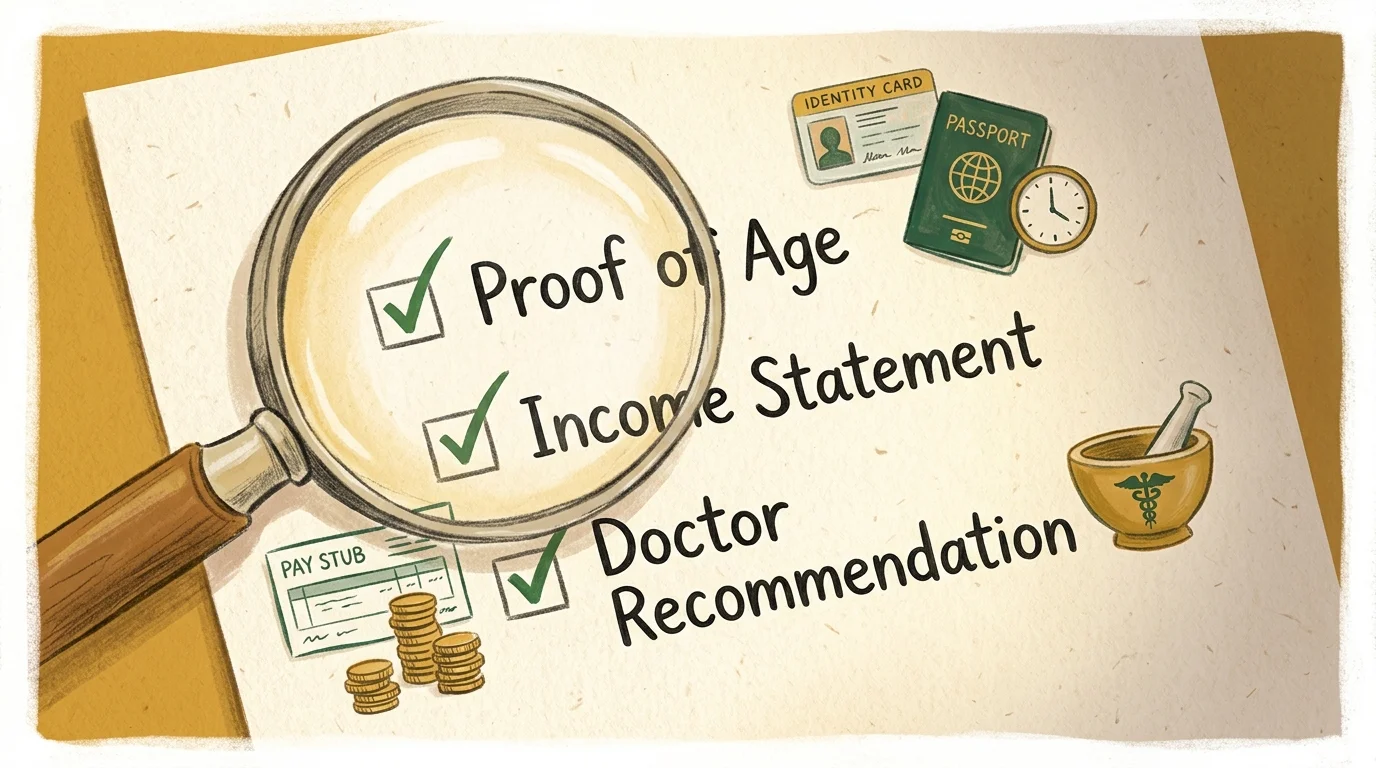
- Prepare Necessary Documentation: Keep verification documents organized. You will typically need proof of age (driver’s license or birth certificate), proof of income (Social Security award letters or bank statements), and documentation of medical diagnoses from your physician.

Common Pitfalls, Application Delays, and Meal Scams
While meal assistance programs provide crucial daily support, navigating application requirements can present challenges. Being aware of potential pitfalls helps you protect your benefits and your personal finances.
Underestimating Application Processing Times: Public programs like Meals on Wheels and Medicaid waivers often maintain waiting lists due to high regional demand. Apply as soon as you notice mobility or cooking challenges; do not wait until your pantry is empty.
Overlooking Dietary Needs: Accepting standard meals that conflict with your medical conditions can worsen chronic illnesses. Always notify meal coordinators if you require low-sodium, diabetic, pureed, or gluten-free options.
Falling for Telemarketing and Food Assistance Scams: Scammers frequently target older adults by posing as government officials or meal delivery representatives. Remember these rules:
- Legitimate programs like Meals on Wheels or Medicaid will never demand immediate payment via gift cards, wire transfers, or cryptocurrency.
- Never provide your Medicare number, Social Security number, or bank details to unsolicited telephone callers promising “free government groceries.”
- Verify every caller by hanging up and calling your local Area Agency on Aging or insurance plan directly using the phone number on your membership card.
Frequently Asked Questions
Can I receive Meals on Wheels if I am still able to walk inside my house?
Yes. Being “homebound” does not mean you must be strictly bedridden. If physical weakness, severe joint pain, respiratory issues, memory loss, or dizziness makes standing at a stove or driving to a grocery store unsafe, you meet the functional criteria for homebound nutrition support.
Does Original Medicare pay for daily meal deliveries?
No. Original Medicare (Part A hospital insurance and Part B medical insurance) does not cover routine food delivery or grocery costs. To receive meal coverage through Medicare, you must enroll in a Medicare Advantage (Part C) plan that offers specialized post-hospital discharge or chronic condition meal benefits.
What happens if I cannot afford the voluntary donation for Meals on Wheels?
You will continue to receive your meals without interruption. The Older Americans Act strictly mandates that meal delivery providers cannot deny service to any eligible senior because of an inability to pay or donate.
Can family members apply for meal delivery programs on behalf of an aging parent?
Yes. Adult children, appointed legal guardians, and designated caregivers can contact the Area Agency on Aging, insurance case managers, or private delivery providers to initiate the intake and assessment process for an elderly relative.
How do medically tailored meals differ from standard commercial meal kits?
Standard commercial meal kits send raw, pre-portioned ingredients that require extensive cutting, seasoning, and stove-top cooking. In contrast, medically tailored senior meals arrive fully cooked, portioned, and scientifically adjusted for specific health parameters, requiring only two minutes of microwave heating.
For additional senior resources, visit
Eldercare Locator, AARP and Alzheimer’s Association.
Disclaimer: The information in this article is for educational purposes only and is not intended to be a substitute for professional financial, legal, or medical advice. Always consult with a qualified expert for advice tailored to your personal situation.









Leave a Reply