
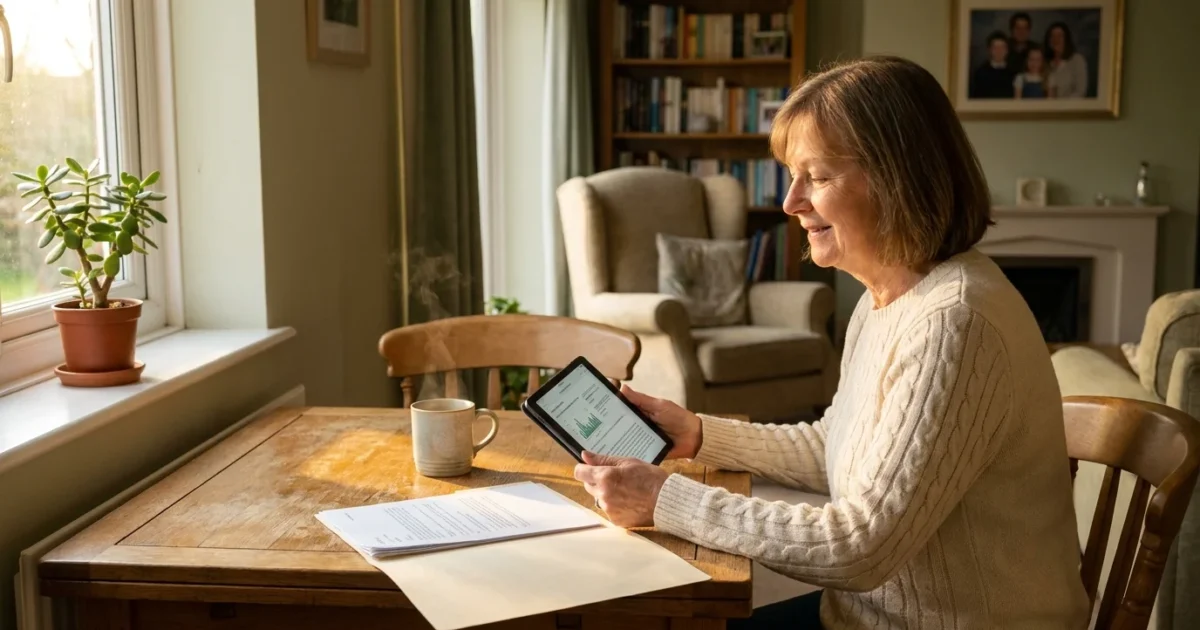
Managing household expenses on a fixed retirement income requires strategy, foresight, and an understanding of the resources available to you. In 2026, the cost of heating, cooling, and powering a home continues to take a substantial bite out of monthly budgets. For many retirees, a sudden spike in winter heating costs or a prolonged summer heatwave can disrupt carefully planned finances, forcing difficult choices between groceries, medications, and keeping the lights on.
You do not have to navigate these financial pressures alone. A broad network of federal programs, local initiatives, and utility company policies exists specifically to protect older adults from extreme energy costs. Whether you need immediate emergency relief to prevent a service disconnection or long-term structural upgrades to permanently lower your monthly usage, understanding your options is the first step toward financial security. This guide provides clear, actionable steps to secure the assistance you deserve, lower your monthly overhead, and protect your hard-earned retirement savings.
The Impact of Energy Costs on Fixed Incomes
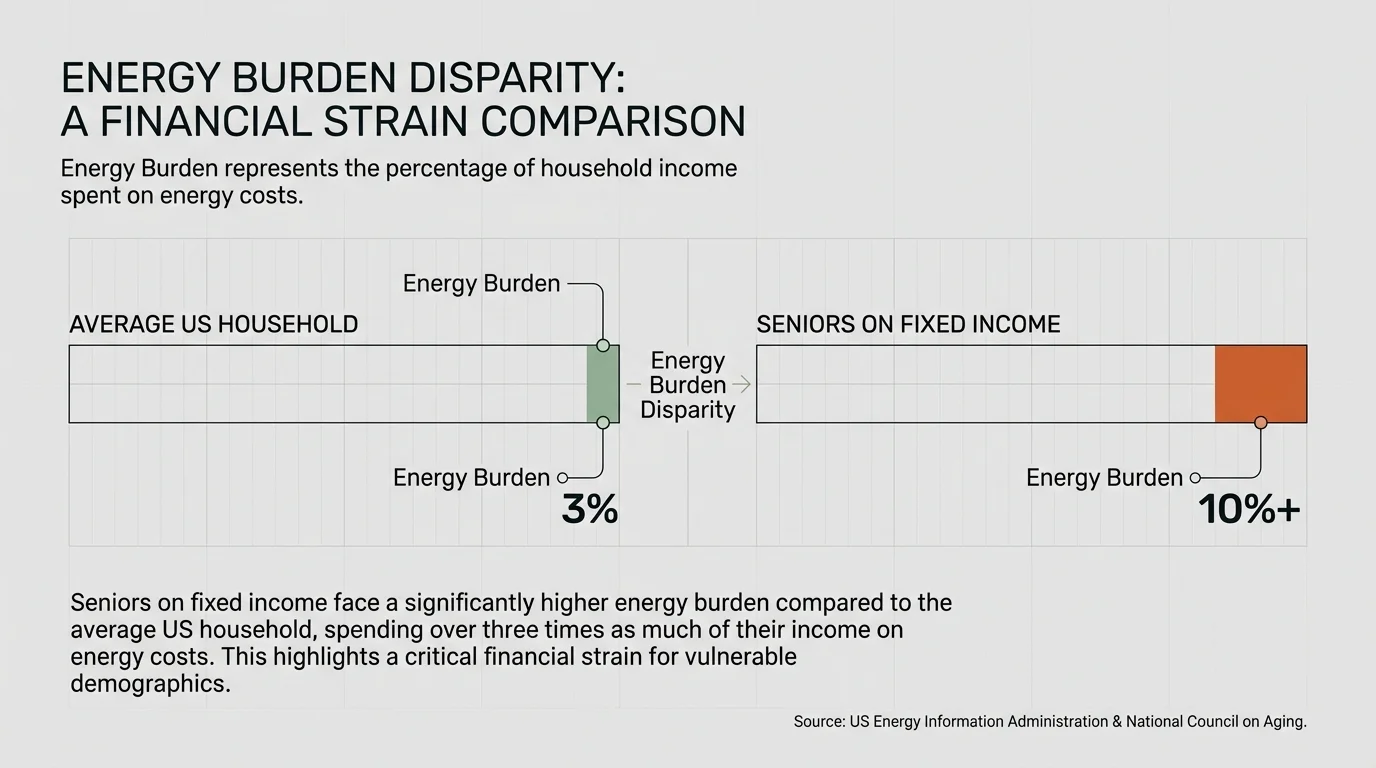
Utility expenses are a unique line item in your monthly budget because they are highly variable and completely unavoidable. Unlike discretionary spending on dining out or travel, you cannot simply stop heating your home in January or turn off your refrigerator to save money. This creates what financial experts call an “energy burden”—the percentage of your gross household income spent on energy costs.
While the average American household spends roughly 3% of its income on energy, seniors living solely on Social Security or modest pensions often face energy burdens exceeding 10%. When utility costs consume double digits of your monthly income, it restricts your ability to build an emergency fund or cover unexpected healthcare costs. Exploring government aid utilities programs is not a handout; it is a strategic financial move to rebalance your household budget and maintain your independence.
Furthermore, maintaining a safe home temperature is a critical health issue. Older adults are physically more susceptible to extreme heat and cold. Keeping your home at a safe, comfortable baseline prevents medical emergencies that could result in devastating hospital bills. Therefore, treating your utility bills as both a financial and a healthcare priority is essential.
Understanding the LIHEAP Program and How to Apply
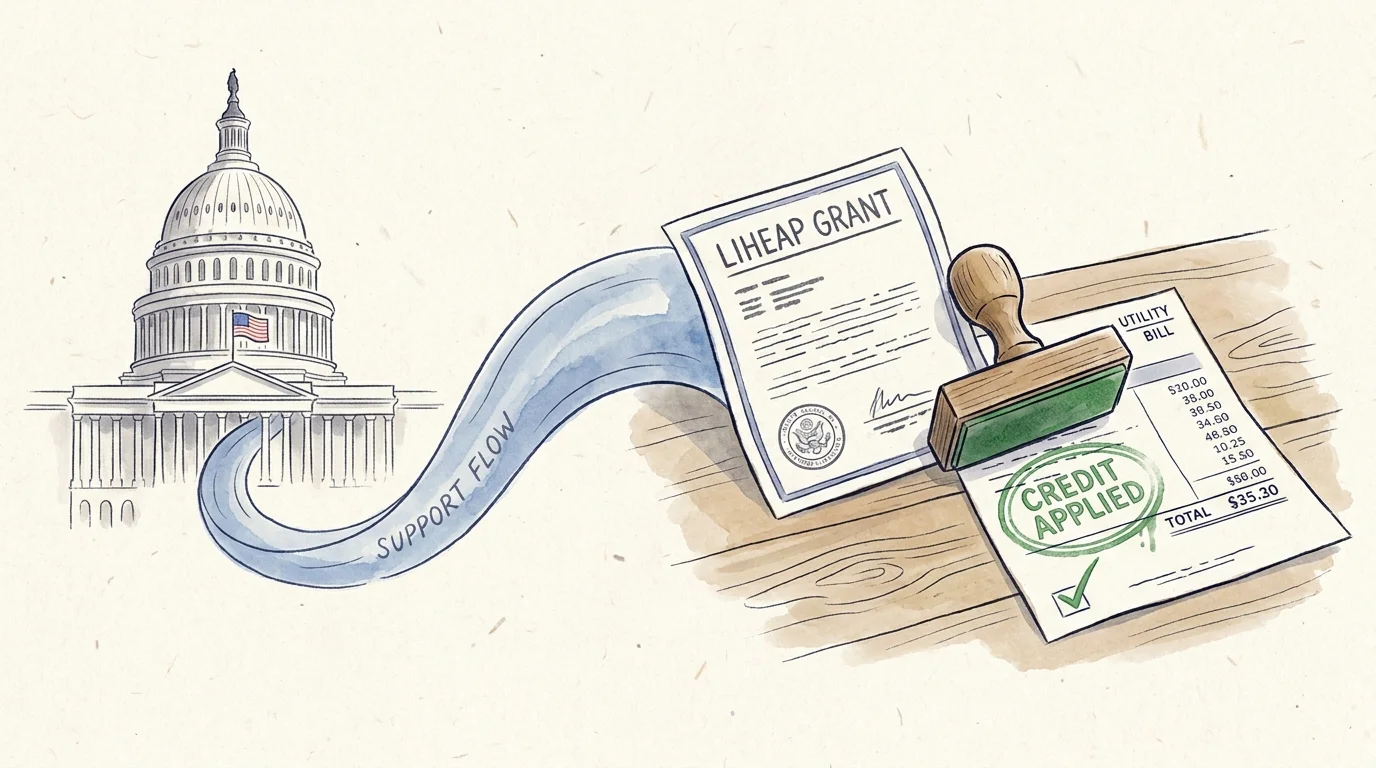
If you need immediate financial relief, the Low Income Home Energy Assistance Program (LIHEAP) is the single most important resource to understand. Funded by the federal government and administered at the state level, the LIHEAP program provides direct financial assistance to help low-income households manage costs associated with home energy bills, energy crises, and minor weatherization.
LIHEAP does not send cash directly to you. Instead, once approved, the program typically sends a grant payment directly to your utility company, which is then credited to your account. This lowers the balance you owe for the month or covers past-due amounts to prevent a shutoff.
Eligibility for LIHEAP varies depending on where you live, as states have the flexibility to set their own income limits within federal guidelines. Generally, your household income must be below 150% of the federal poverty level or 60% of your state’s median income.
To begin the application process, gather the following documentation:
- Recent copies of your utility bills (heating and cooling).
- Proof of income from all sources (Social Security benefit letters, pension statements, dividend reports).
- Identification documents (driver’s license or state ID).
- Proof of residence (a lease agreement or property tax bill).
Because application windows and funding limits vary, you should apply as early in the season as possible. Funding often runs out before the end of the year. You can determine your baseline eligibility and find your local application office by utilizing the official tools provided by Benefits.gov, which aggregates federal benefit information into a single, searchable database.
Free Home Weatherization Services for Lasting Relief
While LIHEAP helps pay the bill you have today, the Weatherization Assistance Program (WAP) helps reduce the bills you will receive tomorrow. Administered by the Department of Energy, WAP provides free home energy upgrades to income-eligible households. For seniors looking to permanently reduce bills, retiree focused weatherization is a highly effective strategy.
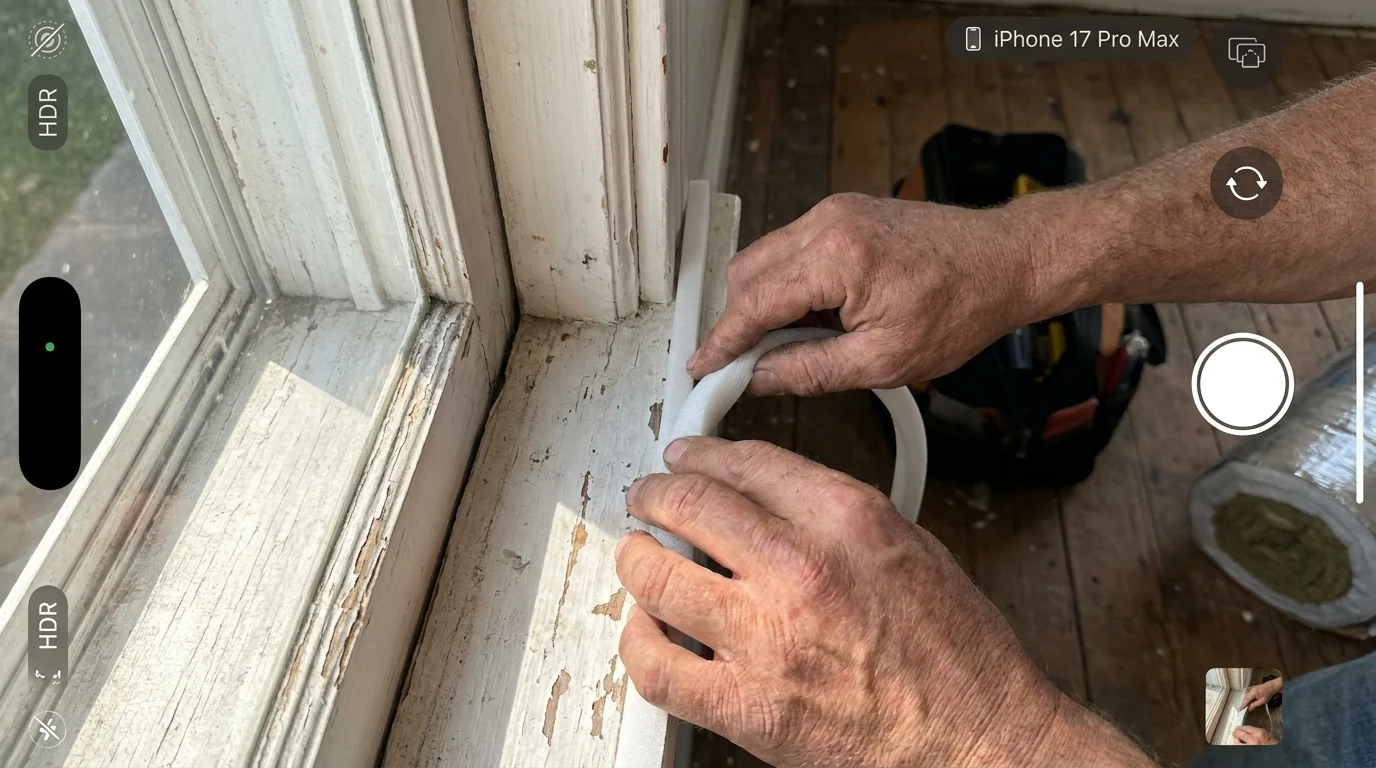
Homes built decades ago often lack modern insulation and energy-efficient systems, causing expensive heated or cooled air to literally leak out the windows and roof. Through WAP, professional contractors will visit your home to conduct a comprehensive energy audit. Based on their findings, they may perform several high-value upgrades at no cost to you.
Typical weatherization services include:
- Adding insulation to the attic, walls, and floors to stabilize indoor temperatures.
- Sealing cracks and gaps around doors and windows (caulking and weatherstripping).
- Repairing or replacing highly inefficient heating and cooling systems.
- Installing programmable thermostats and low-flow showerheads to reduce water heating costs.
The financial impact of weatherization is substantial. Households that receive these services save an average of $372 per year on energy costs. If you plan to remain in your home throughout your retirement, these cumulative savings can add thousands of dollars back into your pocket over the next decade. Priority for WAP services is legally required to be given to older adults, families with children, and individuals with disabilities.
How to Negotiate Directly with Your Utility Providers
You do not always need a federal program to lower your energy burden. Your utility company itself is often the fastest route to stabilizing your monthly costs. Providers would much rather work out a payment arrangement with you than spend money dispatching a technician to shut off your service and sending your account to a collection agency.
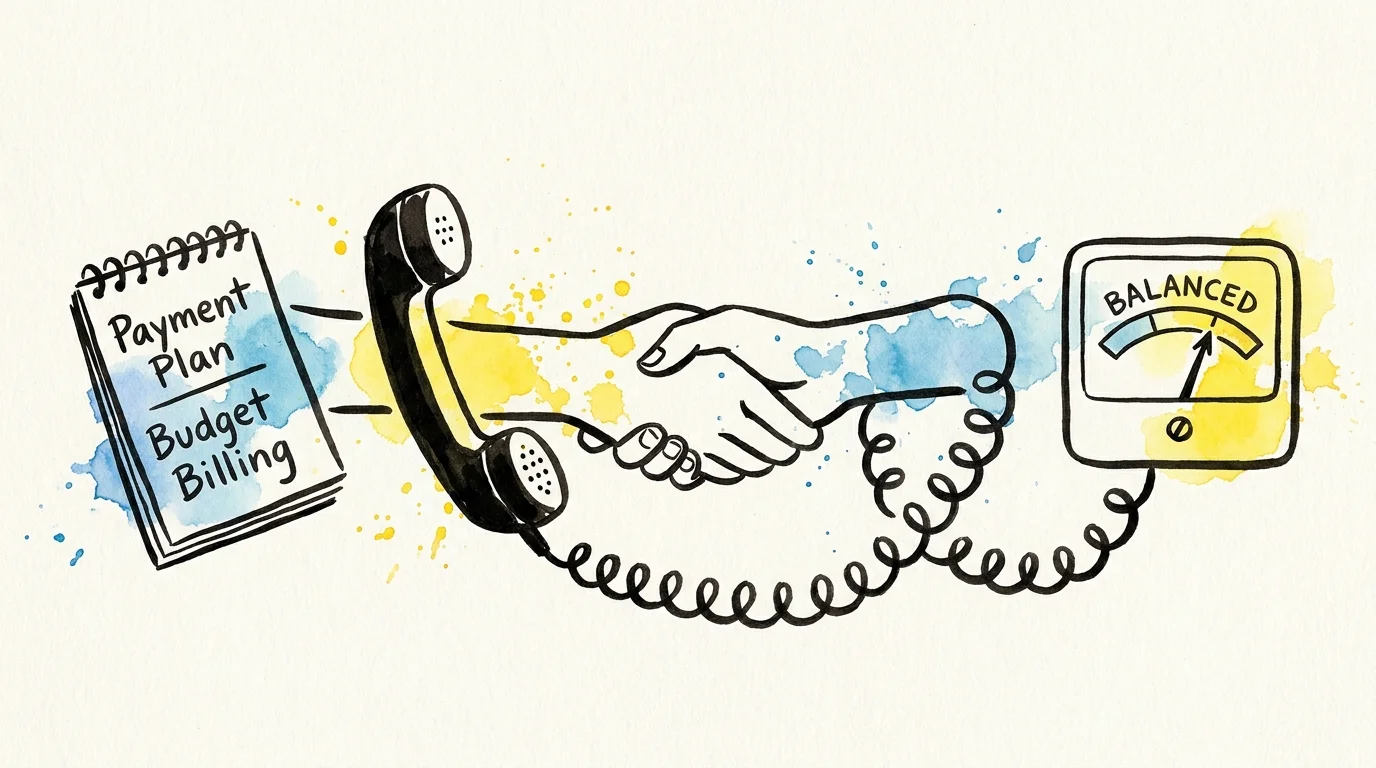
The most effective tool available directly from your provider is Budget Billing (also known as Levelized Billing). Rather than paying $400 in January and $80 in May, budget billing calculates your average annual energy use and divides it into 12 equal monthly payments. This predictable structure is ideal for fixed-income retirees because it eliminates seasonal bill shock.
Here is a simplified example of how Budget Billing smooths out your cash flow compared to standard billing:
| Month | Standard Bill (Fluctuating) | Budget Billing (Predictable) |
|---|---|---|
| January (Peak Heating) | $310 | $145 |
| February (Peak Heating) | $285 | $145 |
| April (Mild Weather) | $75 | $145 |
| July (Peak Cooling) | $220 | $145 |
| October (Mild Weather) | $80 | $145 |
In addition to budget billing, many companies offer senior-specific discount programs. If you are over the age of 65 and meet certain income thresholds, you may qualify for a percentage discount on your base rate or a waiver of late fees.
Furthermore, if you require electricity to run vital medical equipment—such as an oxygen concentrator, a CPAP machine, or a motorized wheelchair—you must notify your utility provider immediately. Ask for an application for a “Medical Baseline Allowance.” This program provides additional electricity at the lowest possible rate and places a flag on your account that prevents the company from shutting off your power without exhaustive prior notification.
State, Local, and Charitable Relief Initiatives
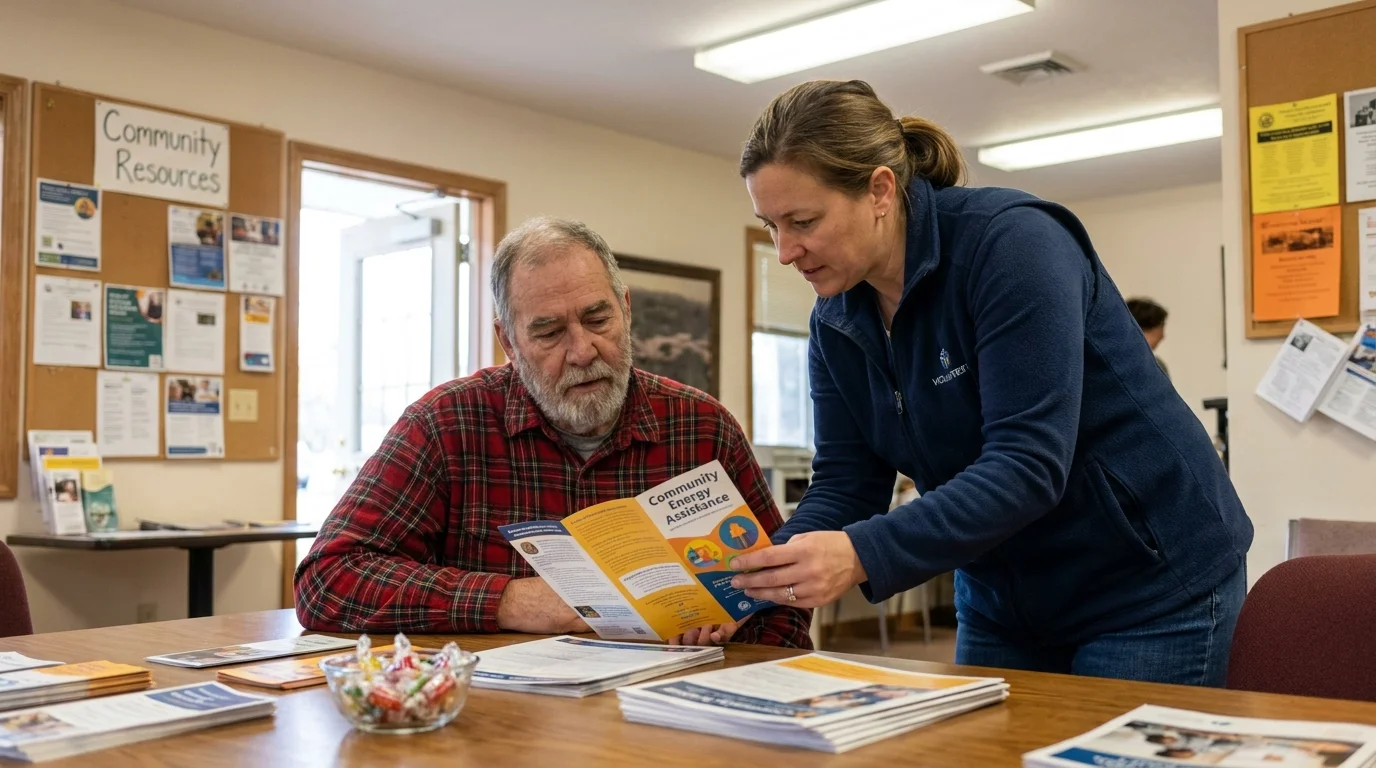
When federal funds are exhausted, or if your income is slightly too high for LIHEAP, local community organizations often bridge the gap. When seeking utility bill help, seniors should look closely at resources within their own county or city.
Community Action Agencies (CAAs) are local hubs that connect low-income individuals to various support systems. They often administer emergency crisis funds designed to prevent utility disconnections. Non-profit organizations like the Salvation Army, the Society of St. Vincent de Paul, and local faith-based coalitions also run dedicated utility assistance programs, particularly during the winter months.
To locate these hyper-local resources without spending hours calling random phone numbers, use the Eldercare Locator. This public service connects you directly to your local Area Agency on Aging, whose caseworkers are specifically trained to know exactly which local charities have active funding for energy assistance, elderly housing support, and food delivery in your specific zip code.
Leveraging Tax Credits and Energy Rebates
If you have some savings set aside for home maintenance, replacing failing appliances with highly efficient models can dramatically reduce your utility bills. While the upfront cost can be intimidating, the tax code offers significant financial incentives to offset the expense.
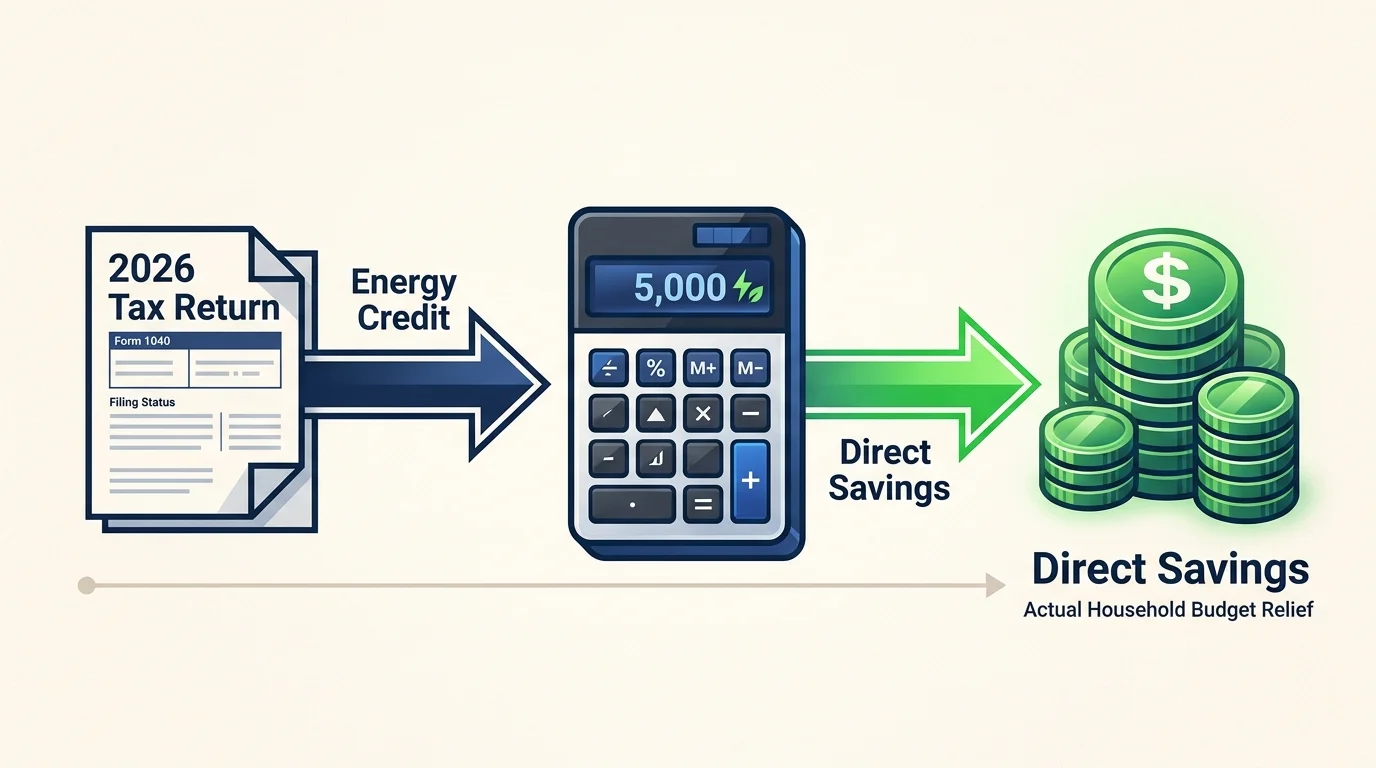
In 2026, provisions from recent federal legislation continue to offer strong incentives for energy efficiency. If you install an energy-efficient heat pump, water heater, or upgraded electrical panel, you can claim a significant percentage of the cost as a tax credit on your annual return. A tax credit directly reduces the amount of income tax you owe dollar-for-dollar.
Additionally, state-administered rebate programs provide upfront point-of-sale discounts for low- and moderate-income households purchasing efficient electric appliances. Before you purchase a new refrigerator or HVAC system, review the current federal tax rules. According to guidelines maintained by IRS.gov, understanding the specific technical requirements for qualifying equipment ensures you do not miss out on hundreds or thousands of dollars in tax credits when filing your return.
Avoiding Utility Scams Targeting Retirees
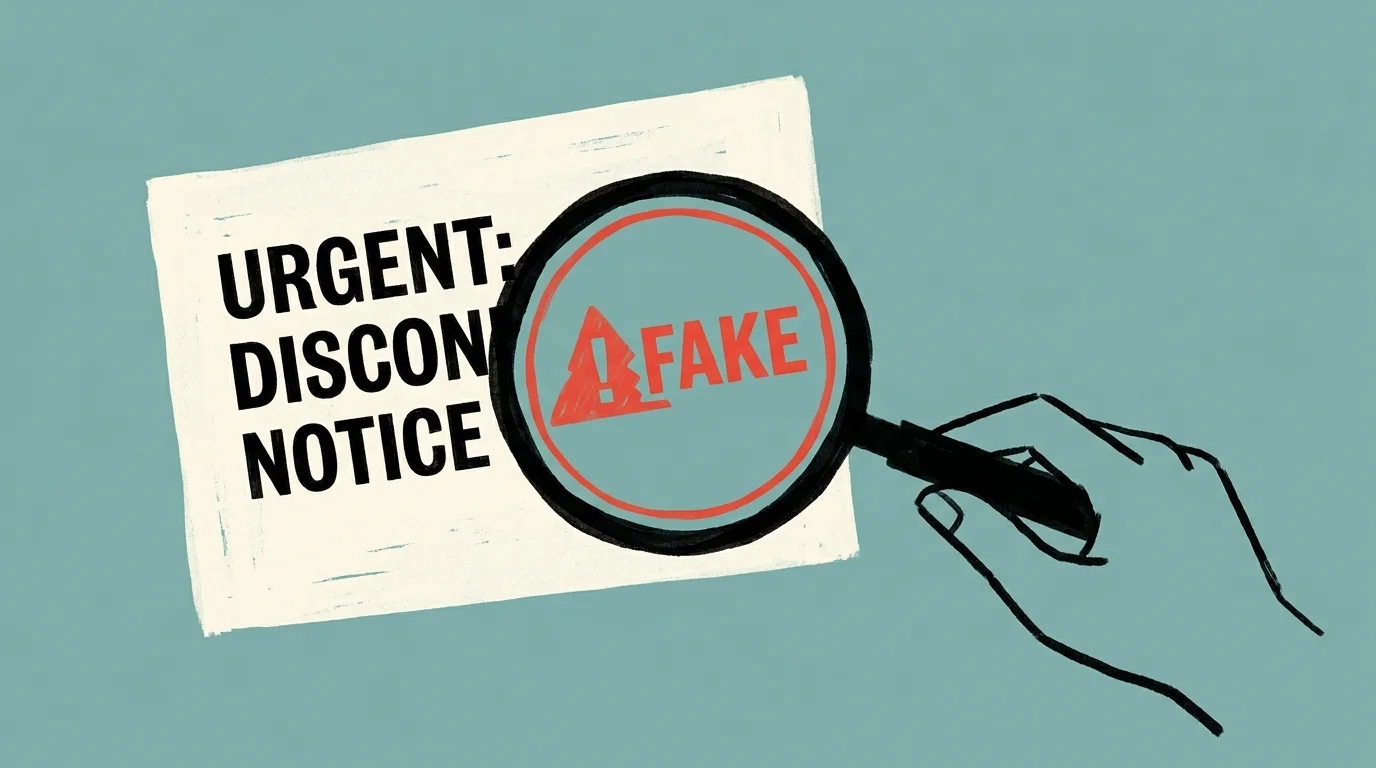
Unfortunately, financial predators view fixed-income seniors as prime targets, especially during periods of extreme weather. Utility impostor scams are highly sophisticated and rely on creating a sense of panic to bypass your logical decision-making.
The most common scam involves a phone call from someone claiming to represent your power or water company. They will aggressively state that your payment is late and that a technician is en route to shut off your service within 30 minutes unless you pay immediately over the phone. To make the threat seem authentic, they often use caller ID spoofing so the name of your utility company appears on your phone screen.
Protect your finances by adhering to these strict rules:
- Never pay with untraceable methods: Real utility companies will never demand payment via gift cards, cryptocurrency, or wire transfers (like Western Union). If a caller asks for payment via a prepaid Visa or Target gift card, it is a scam.
- Do not trust Caller ID: Scammers can easily fake the name and number displayed on your phone.
- Hang up and verify: If you receive a threatening call, hang up immediately. Find a recent utility bill, locate the customer service number printed directly on the paper, and call the company yourself to verify your account status.
According to the Consumer Financial Protection Bureau (CFPB), taking a moment to pause and independently verify financial demands is the most effective defense against fraud. Scammers rely on rushed emotional reactions; slowing down protects your money.
Frequently Asked Questions
Does applying for utility assistance affect my Social Security benefits?
No. Utility assistance grants, such as those provided by LIHEAP, are not considered taxable income. Receiving help to pay your heating or cooling bills will not reduce your monthly payments from the Social Security Administration (SSA), nor will it impact your Medicare eligibility or SNAP (food stamp) benefits. These programs are designed to work together to support your financial independence.
Can I get energy assistance if I rent my home instead of owning it?
Yes. Renters are fully eligible for utility assistance programs like LIHEAP. If you pay your utility bills directly to the provider, the grant is credited to your account just as it would be for a homeowner. If your utilities are included in your rent, you may still qualify for assistance, but the application process may require a letter from your landlord detailing the portion of your rent that goes toward energy costs.
What happens if my income is slightly too high for LIHEAP?
If you miss the federal income cutoff, do not panic. Start by calling your utility provider to request enrollment in a budget billing plan to stabilize your costs. Next, contact local charitable organizations, such as the Salvation Army or your local Community Action Agency, as they often have secondary emergency funds with more flexible income requirements than federal programs.
Can the utility company shut off my power during the winter?
In many states, there are strict legal protections preventing utility shutoffs during extreme weather months (often November through March) for vulnerable populations, including seniors and those with medical conditions. However, you must actively notify your utility company of your age or medical needs to ensure these protections are applied to your account. Do not assume they know your birth year or medical status.
How long does it take to get approved for utility help?
Processing times vary wildly by state and the time of year. During peak winter months, standard processing can take up to 30 to 45 days. However, if you have received a shutoff notice or are completely out of heating fuel, most states have a “crisis intervention” protocol that fast-tracks your application, often providing emergency funds to your utility company within 48 hours to keep your home safe.
For official financial guidance for seniors, visit
National Institute on Aging (NIA), Administration for Community Living (ACL) and Eldercare Locator.
Disclaimer: This article is for informational purposes and is not a substitute for professional financial or tax advice. Consult with a certified financial planner or tax professional for guidance on your specific situation.






Leave a Reply