
TSA Screening Rules for Travelers 75 and Older
Airport security is notoriously stressful, involving taking off shoes, unpacking laptops, and standing in confined spaces. Fortunately, the Transportation Security Administration (TSA) provides modified screening procedures for older adults, designed to reduce physical strain and speed up the process.
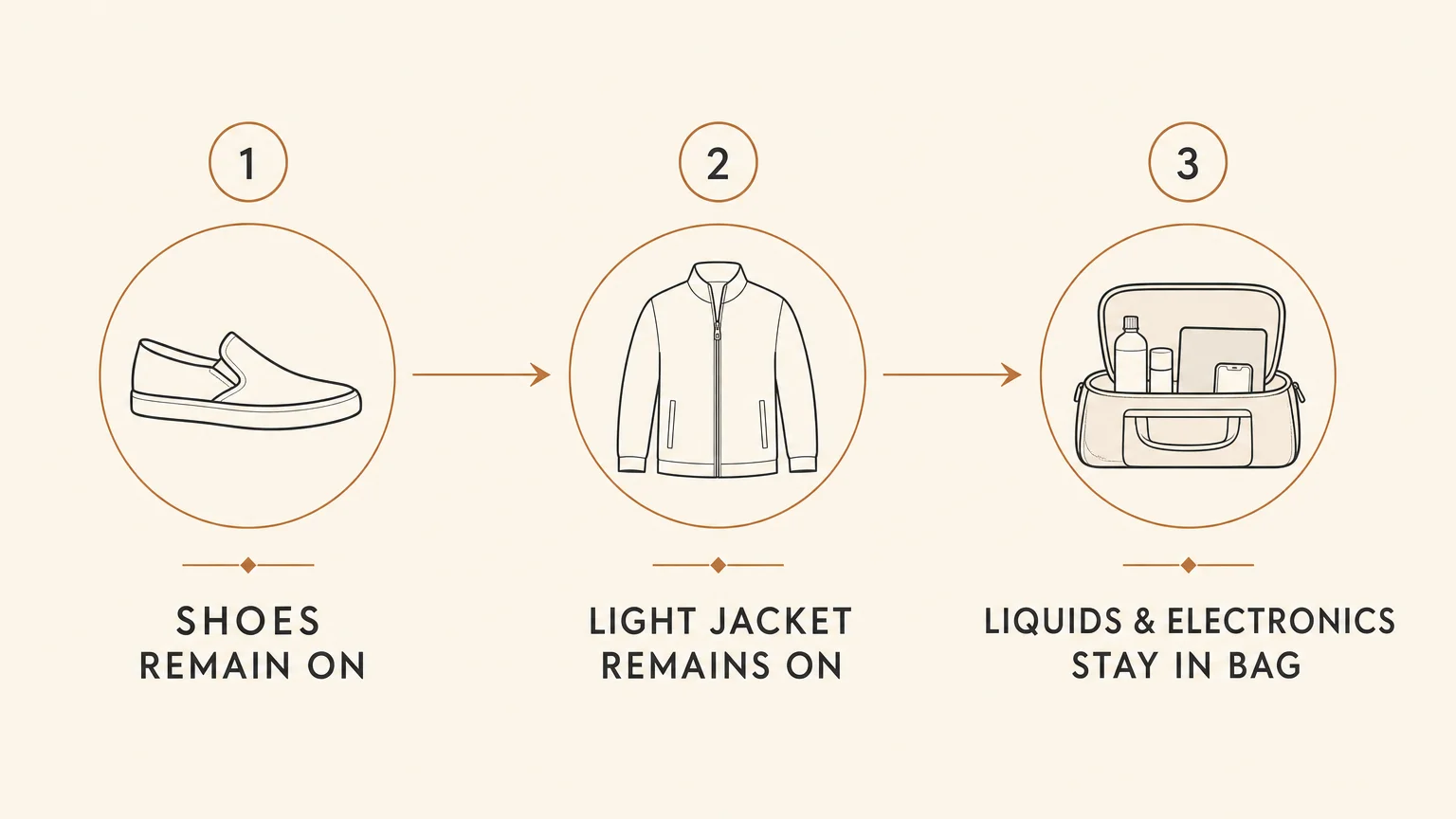
If you are 75 years of age or older, you are automatically eligible for expedited screening rules, even if you do not pay for TSA PreCheck. Under these modified guidelines, you can leave your shoes on while passing through the metal detectors. You are also permitted to leave light jackets on. If you trigger an alarm during the initial walk-through, you will not be forced to endure a rigorous physical pat-down while standing. Instead, TSA officers are trained to offer you a chair, allowing you to undergo secondary screening while comfortably seated.
If you have medical implants, such as a pacemaker, artificial hip, or knee replacement, communication is critical. Before you step into the scanner, simply inform the TSA officer about your device. They will guide you to the advanced imaging technology scanner or provide a specialized manual screening that will not interfere with your medical equipment. You are never required to lift or remove clothing to display a surgical scar or medical device.
While the 75-and-older rule is standard policy, opting for the official TSA PreCheck program is still highly recommended for travelers in their 60s and early 70s. The modest enrollment fee covers you for five years and guarantees access to shorter, less physically demanding security lines every time you fly.









Leave a Reply