
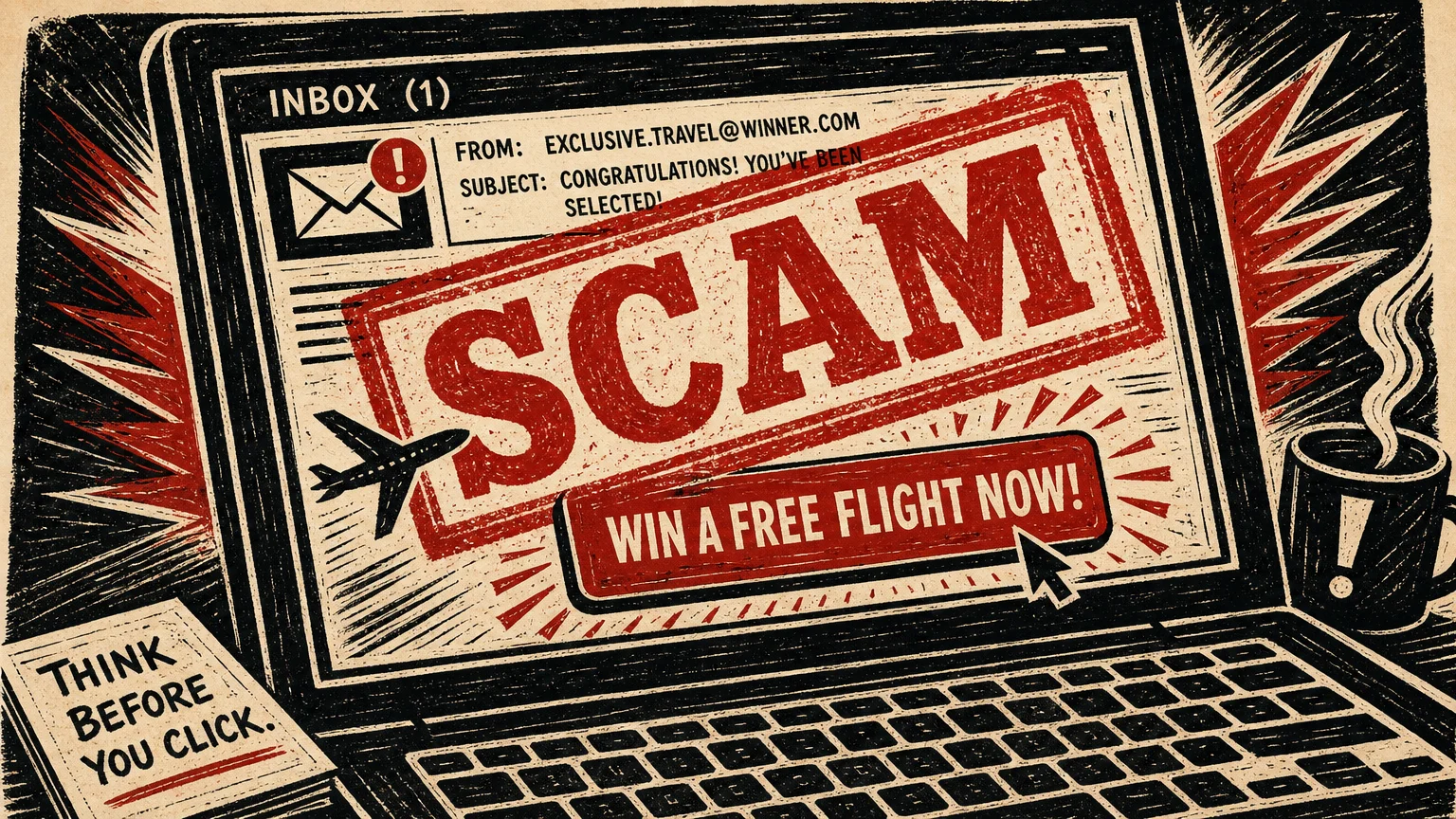
Common Booking Mistakes and Scams to Avoid
The travel industry is unfortunately rife with individuals looking to exploit unsuspecting consumers. Older adults are frequently targeted by elaborate travel scams, particularly during the booking process. Staying vigilant and recognizing red flags can protect your fixed income from devastating losses.
One of the most prevalent threats today is customer service phone number spoofing. Scammers create fake websites that look exactly like an airline’s official page and list a fraudulent toll-free number. When you call to ask about a senior discount or change a flight, the person on the other end claims to be an airline representative. They will quickly tell you that they can process your request, but only if you pay a “security deposit,” an “upgrade fee,” or a “rebooking charge.”
Research from the Consumer Financial Protection Bureau (CFPB) emphasizes the importance of verifying you are speaking directly to the official airline before handing over your credit card information. A legitimate airline will never ask you to pay for a flight using gift cards, cryptocurrency, or peer-to-peer cash transfer apps. To avoid this trap, always type the airline’s web address directly into your browser rather than relying on search engine results for phone numbers.
Another common mistake is booking through third-party discount sites (like Expedia or Orbitz) without reading the fine print. While these websites might show a price that is twenty dollars cheaper than the airline’s website, they often strip away your rights. If a flight is delayed or you need to cancel due to a sudden illness, the airline will often refuse to help you, directing you back to the third-party agency. These agencies are notorious for terrible customer service and massive cancellation fees. As a rule of thumb, use third-party sites to research prices, but always book directly with the airline.









Leave a Reply