
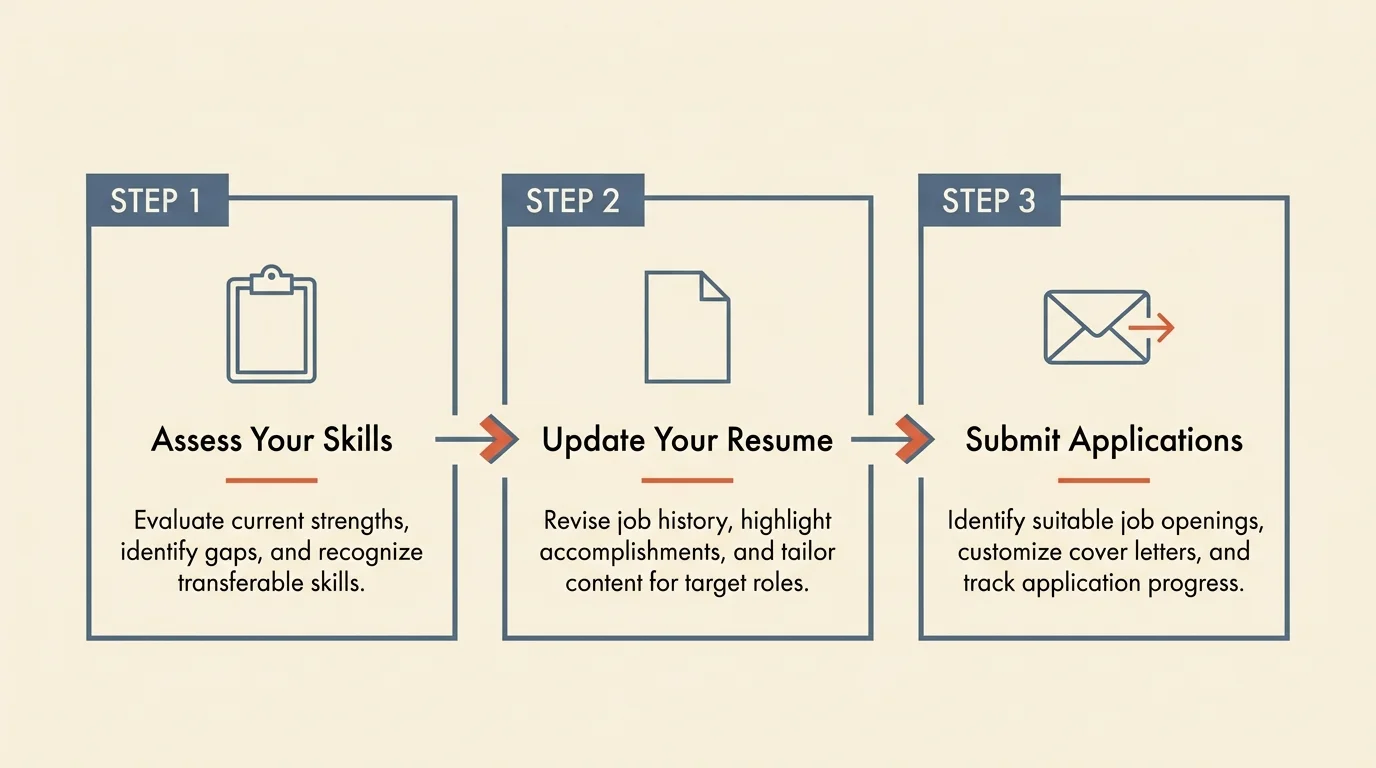
Preparing for Your New Part-Time Job
Even for no-experience jobs, a little preparation goes a long way. Setting yourself up for success ensures that your transition back into the workforce is smooth and stress-free.
- Update Your Resume: Keep it simple. You do not need to list every job you have held since 1980. Focus on your most recent roles and emphasize soft skills like reliability, problem-solving, and communication. A one-page resume is perfect for entry-level roles.
- Assess Your Technology: If you are applying for remote work, verify that your equipment is ready. Run a free internet speed test online to ensure your connection is fast enough for video calls. Make sure your computer’s webcam and microphone work properly.
- Set Clear Boundaries: Decide exactly how many hours you want to work before you start interviewing. Protect your free time. If you only want to work Tuesday through Thursday, communicate that clearly to potential employers.
- Practice Video Interviews: Many interviews are now conducted over video calls. Practice setting up your camera in a well-lit room. Look directly at the camera when speaking, and dress professionally from the waist up.
It is perfectly normal to feel a bit of anxiety when starting something new. Give yourself grace during the first few weeks.
You are learning new systems, meeting new people, and adjusting your daily routine. Take it one day at a time.
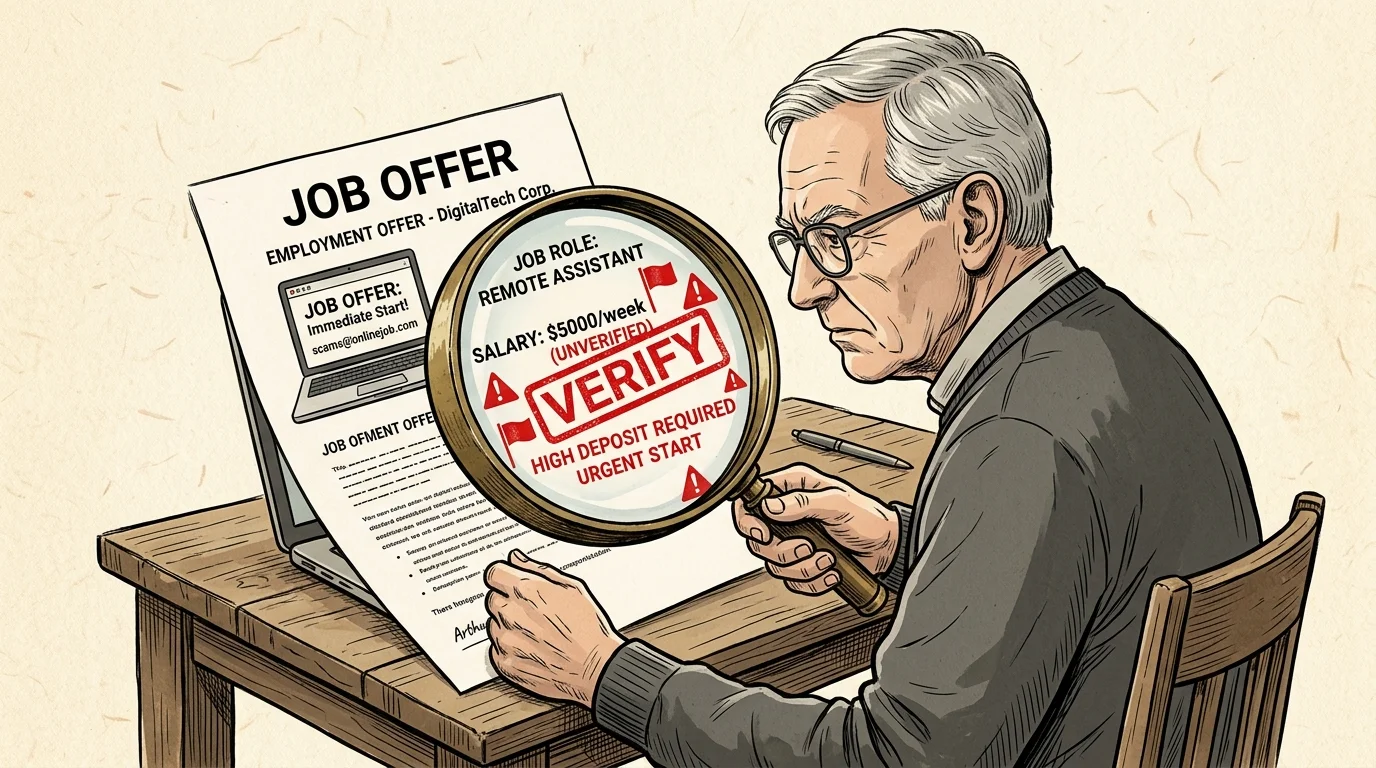
Protecting Yourself from Employment Scams
Unfortunately, scammers frequently target seniors looking for part-time or remote work. They use deceptive tactics to steal your personal information or your money.
You must remain vigilant when applying for jobs online.
As noted by experts at Consumer Financial Protection Bureau (CFPB), older adults must be wary of scams that promise unreasonably high pay for very little work. If a job offer sounds too good to be true, it almost certainly is.
Watch out for these massive red flags:
- Upfront Fees: A legitimate employer will never ask you to pay money to get a job. If they ask you to pay for a background check, training materials, or software before you start, stop communicating with them immediately.
- The Fake Check Scam: Scammers will mail you a check to buy “home office equipment” and tell you to wire the leftover funds to their “supplier.” The check will eventually bounce, and your bank will hold you responsible for the wired money.
- Unprofessional Communication: Be skeptical of recruiters who use personal email addresses (like Gmail or Yahoo) instead of corporate domains. Poor spelling, aggressive demands for your Social Security number upfront, or conducting interviews entirely via text message are all warning signs.
- Vague Job Descriptions: If you cannot figure out exactly what the company does or what your daily tasks will be, proceed with extreme caution.
Always research the company independently. Open a new web browser, search for the company’s name alongside the word “scam” or “reviews,” and see what other people have experienced.
Trust your instincts. If a hiring process feels rushed or secretive, walk away.






I have interest in delivery driver
i have interest in any driving jobs
I have an interest in dog/pet sitter or walker!
Looking for driving job
I have interest in data entry.