

Transforming your passion for plants into part-time gardening work offers financial perks, mental clarity, and physical vitality during retirement. Data from the federal government shows that nearly 38% of working seniors choose part-time schedules to stay active while maintaining lifestyle flexibility. Working in horticulture lets you share practical plant knowledge, connect with fellow outdoor enthusiasts, and supplement your retirement income without committing to exhausting full-time hours. Whether you prefer guiding visitors through public botanical displays, tending commercial greenhouse crops, or advising local retail customers, horticulture jobs part-time deliver therapeutic benefits tailored to your physical capabilities. Explore these ten rewarding positions to cultivate extra cash and personal fulfillment today.
Why Gardening Jobs Appeal to Retirees
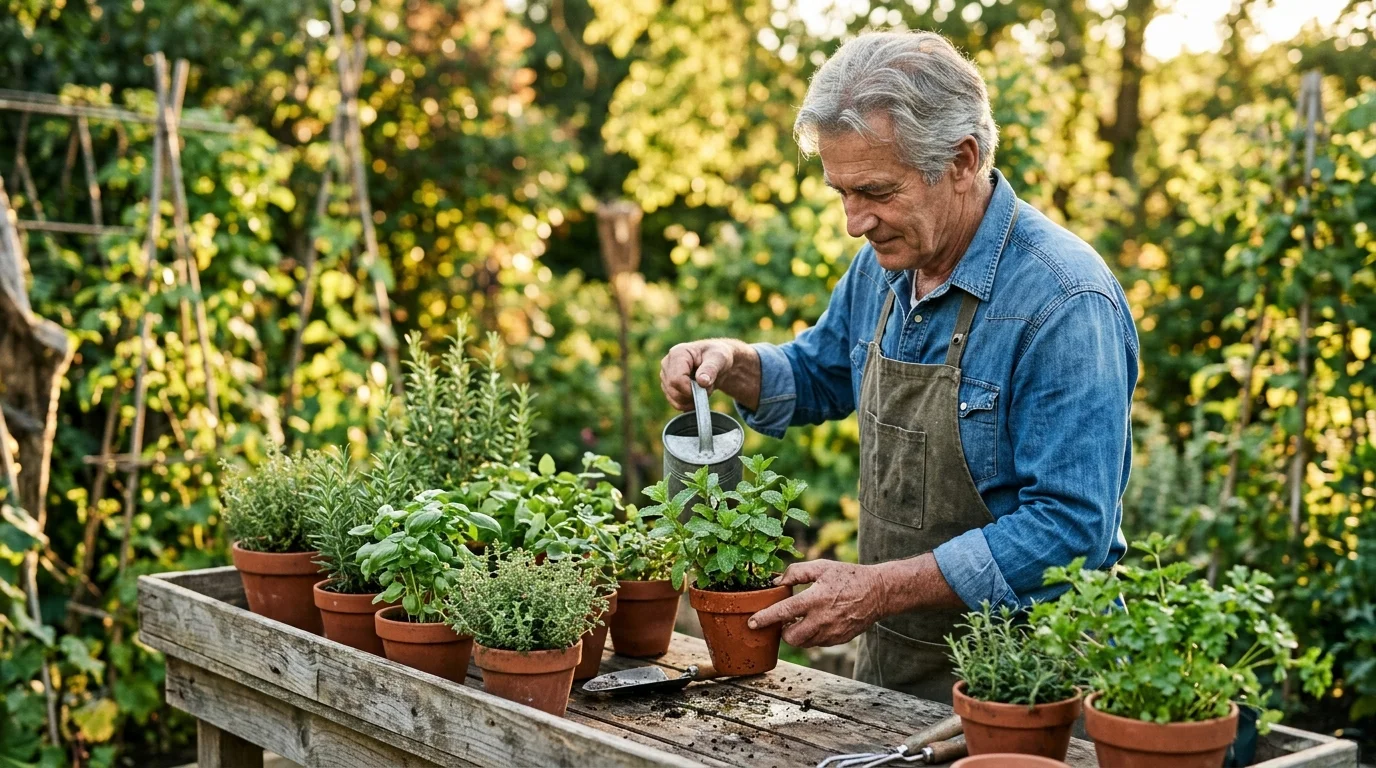
Retirement offers you the freedom to redesign your daily routine around activities that bring real joy. If you love spending time outdoors and working with your hands, transitioning into part-time gardening work creates a ideal bridge between full retirement and active employment. Unlike high-stress corporate roles, plant-focused positions allow you to work surrounded by nature while setting reasonable limits on your weekly hours.
Research underscores the profound wellness benefits of staying active in nature during your golden years. According to the National Institute on Aging (NIA), participating in regular moderate physical activity—such as outdoor gardening, walking, and light lifting—helps seniors preserve muscle strength, improve joint flexibility, and maintain cognitive sharpness. Outdoor work also increases your daily exposure to natural sunlight, boosting your Vitamin D levels and enhancing your overall mood.
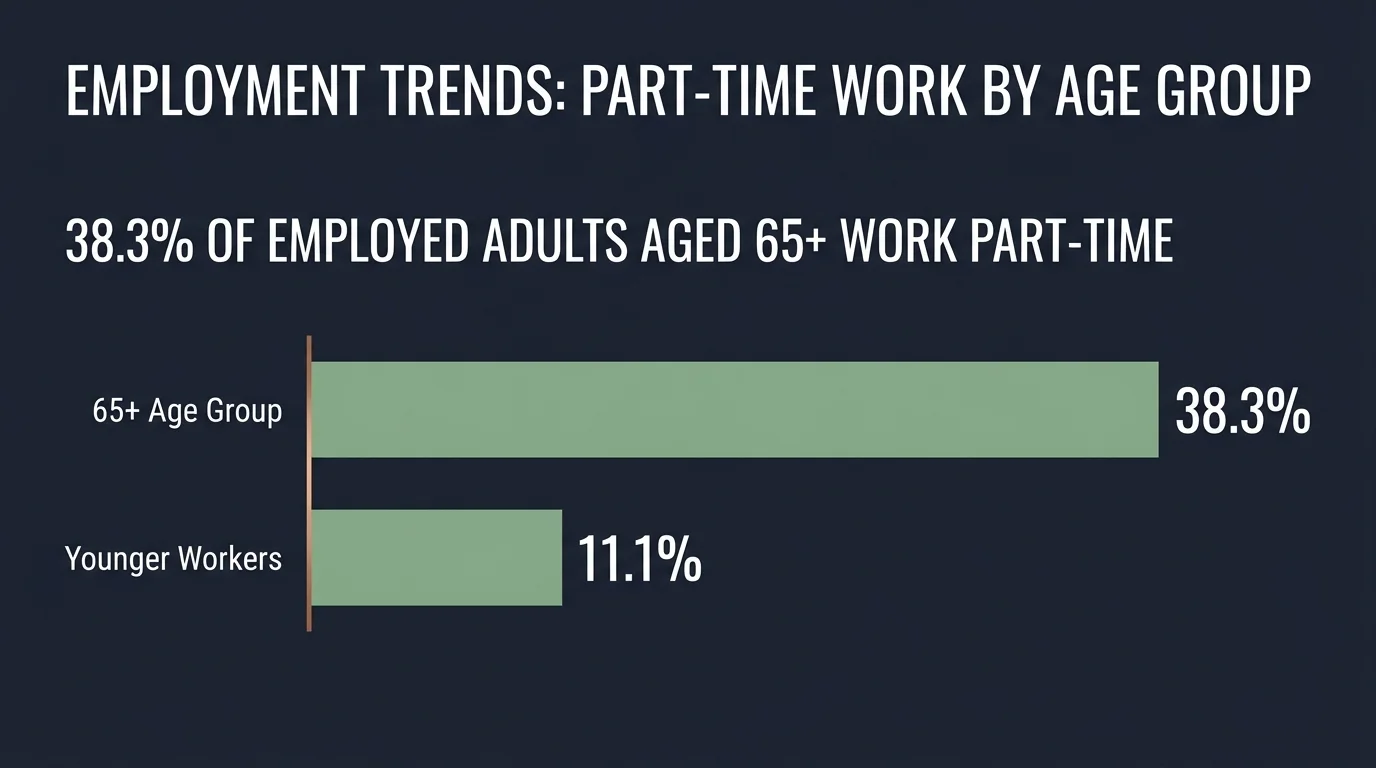
The flexibility of horticulture jobs part-time aligns perfectly with senior lifestyle preferences. Data from the U.S. Bureau of Labor Statistics reveals that 38.3% of employed adults aged 65 and older choose part-time schedules, compared to just 11.1% of younger workers. This statistical trend demonstrates that standard full-time employment rarely fits senior priorities. Taking a part-time role in a greenhouse, nursery, or community garden gives you predictable earnings to offset inflation without sacrificing your freedom to travel, spend time with grandchildren, or pursue personal hobbies.
Additionally, gardening jobs provide meaningful social interaction. Retirement can sometimes lead to unexpected isolation, but working alongside fellow gardeners and helping enthusiastic homeowners solve plant problems fosters a sense of community. You get to pass on your decades of practical life experience while continually learning new horticultural techniques.

10 Best Part-Time Gardening and Horticulture Jobs
The horticulture industry offers diverse positions that cater to different physical abilities, knowledge levels, and scheduling needs. Whether you want a customer-facing retail position or a quiet role working directly with plant propagation, you can find a setting that matches your strengths.
1. Retail Garden Center Associate
Retail garden centers and independent nurseries frequently seek knowledgeable seniors to assist customers during spring planting and summer maintenance seasons. In this position, you answer questions about plant care, recommend local varieties, assist shoppers with selecting fertilizers, and organize plant displays. Because many home gardeners feel overwhelmed by choices, your patient advice builds customer trust. Most garden centers offer flexible shifts ranging from 12 to 25 hours per week, making this one of the most popular retiree gardening jobs.
2. Nursery and Greenhouse Crop Worker
If you prefer working behind the scenes directly with plants, a commercial nursery or greenhouse environment provides an ideal setting. Duties include sowing seeds, transplanting delicate seedlings into larger pots, monitoring drip irrigation systems, and pruning container plants. U.S. median hourly wages for nursery and greenhouse crop workers range between $16.57 and $17.37 per hour. Greenhouses offer climate-controlled work environments, protecting you from harsh winds or direct sun, though humidity levels can run high during peak summer months.
3. Botanical Garden Docent or Educational Tour Guide
Public botanical gardens, arboretums, and historical estates employ docents to lead walking tours, conduct educational programs, and welcome visitors. If you possess strong public speaking skills and a passion for plant history or conservation, this role lets you share that enthusiasm. Tour guides in botanical settings earn a median wage of around $17.63 per hour. The physical demands remain modest—primarily walking along paved or gravel pathways at an easy pace—making it an excellent choice if you require light physical activity.
4. Community Garden Coordinator
Local municipalities, non-profit organizations, and land trusts often hire part-time coordinators to manage community gardens. In this position, you oversee plot assignments, maintain shared tool sheds, enforce garden rules, and host workshops on compost management or organic pest control. This role combines administrative tasks with hands-on gardening, offering rewarding opportunities to bring neighbors together and promote local food security.
5. Floral Design Assistant
Retail florists and event planning companies rely on floral assistants to process incoming fresh flower shipments, trim stems, assemble simple arrangements, and keep studio space clean. According to the Bureau of Labor Statistics, floral designers earn a median wage of $17.37 per hour ($36,120 annually). This job allows you to express your artistic creativity indoors while standing or sitting at comfortable design benches, avoiding heavy outdoor labor while working with beautiful blooms year-round.
6. Light Lawn and Landscape Care Assistant
If you enjoy invigorating outdoor physical work, landscaping jobs seniors can perform often focus on light maintenance rather than heavy construction. Duties typically include deadheading flower beds, edging walkways, applying mulch around ornamental shrubs, and weeding garden borders. The landscaping industry is growing steadily, with federal projections showing 3% to 4% growth through 2034 and over 158,000 annual openings nationwide. Median hourly wages for landscape maintenance workers range from $18.31 to $18.82 per hour. Seek employers who assign you gentle maintenance tasks rather than heavy stone masonry or commercial mowing operations.
7. Extension Master Gardener Program Assistant
State university extension offices frequently hire experienced gardeners to manage administrative logistics for local Master Gardener programs, operate diagnostic plant hotlines, or staff county fair educational booths. These positions leverage your technical plant knowledge to solve pest, disease, and soil issues for local residents. Work often takes place in comfortable office settings or community centers, combining computer research with phone and in-person consultations.
8. Interiorscaper (Indoor Plant Care Specialist)
Interiorscaping companies specialize in installing and maintaining live indoor plants inside corporate office buildings, hotel lobbies, shopping malls, and healthcare facilities. As an indoor plant specialist, you travel a set local route to water, prune, clean, and fertilize potted foliage. Because you work inside climate-controlled buildings, you avoid variable weather conditions entirely. Shift hours are highly predictable and typically fall during standard morning business hours.
9. Seed Production or Seed Library Assistant
Heirloom seed companies, agricultural research stations, and regional seed libraries hire part-time assistants to harvest, clean, package, and catalog seeds. This meticulous, detail-oriented work requires good fine motor skills and patience. Tasks include hand-sorting seed pods, operating small winnowing machinery, labeling seed packets, and maintaining inventory records. It provides a peaceful, low-impact environment perfect for seniors seeking quiet, seated work.
10. Farmers Market Vendor or Urban Farm Assistant
Small urban farms and organic market gardens often need extra help harvesting produce on harvest days and staffing market stalls on weekends. Responsibilities include gently washing vegetables, packing boxes, arranging produce displays, weighing items, and handling cash or digital customer transactions. Working at a weekend farmers market places you right at the center of your local food community, connecting you directly with chefs, home cooks, and fellow food lovers.
| Job Title | Median Wage Range | Physical Demand Level | Primary Work Environment | Key Senior Advantage |
|---|---|---|---|---|
| Retail Garden Center Associate | $16.50 – $18.00/hr | Moderate (Walking/Standing) | Outdoors / Covered Retail | High customer interaction & social engagement |
| Nursery & Greenhouse Worker | $16.57 – $17.37/hr | Moderate to High | Climate-Controlled Greenhouse | Steady hands-on plant propagation work |
| Botanical Garden Tour Guide | $17.63/hr | Low to Moderate (Walking) | Public Gardens / Historic Parks | Intellectually stimulating & light exercise |
| Community Garden Coordinator | $17.00 – $20.00/hr | Low to Moderate | Outdoors / Community Centers | Fulfilling community leadership role |
| Floral Design Assistant | $17.37/hr | Low (Seated/Standing) | Indoor Floral Studio | Creative artistic expression, indoors |
| Light Landscaping Assistant | $18.31 – $18.82/hr | Moderate to High | Residential / Commercial Grounds | Excellent physical workout & outdoor air |
| Extension Program Assistant | $17.50 – $21.00/hr | Low (Seated/Desk Work) | University Office / Extension Hub | Focuses on research, teaching, & problem-solving |
| Indoor Plant Specialist | $17.00 – $19.50/hr | Low to Moderate | Commercial Indoor Offices | Year-round climate-controlled work environment |
| Seed Library Assistant | $15.50 – $17.50/hr | Low (Seated) | Seed Bank / Research Facility | Low physical strain with high detail orientation |
| Farmers Market Assistant | $16.00 – $18.50/hr | Moderate | Outdoor Open-Air Markets | Vibrant weekend work connecting with community |
Earnings Potential and Social Security Rules
Before taking on part-time gardening work, you must understand how your wages interact with your Social Security benefits. Earning extra money can strengthen your financial cushion, but crossing key income thresholds might temporarily reduce your monthly benefit payments if you have not yet reached your Full Retirement Age (FRA).
If you claim Social Security retirement benefits before your FRA—which is age 67 for anyone born in 1960 or later—the federal government applies an earnings limit test. According to rules enforced by the Social Security Administration (SSA), you can earn up to $24,480 annually without losing any of your benefit payments. If your part-time wages exceed $24,480, the SSA withhold $1 in benefits for every $2 you earn over that limit.
The rules become significantly more generous during the specific calendar year you reach your Full Retirement Age. In that year, the earnings limit increases substantially to $65,160. For earnings above this higher threshold, the SSA withholds $1 for every $3 you earn until the exact month you reach full retirement age. Once you reach your FRA date, your earnings become completely unlimited; you can earn any amount from your horticulture work without facing any benefit reductions whatsoever.
Keep in mind that any benefits withheld due to the earnings test are not permanently lost. Once you reach your Full Retirement Age, the SSA recalculates your monthly benefit amount upward to account for the payments previously withheld. To keep your earnings under the threshold while working a job paying $18.00 per hour, limit your schedule to approximately 20 to 25 hours per week throughout the year.
Protecting Your Physical Health on the Job
Working around soil and plants keeps your body moving, but repetitive bending, heavy lifting, and intense summer heat pose real physical challenges for older workers. Protecting your joints and staying safe requires intentional ergonomic habits and self-advocacy on the job site.
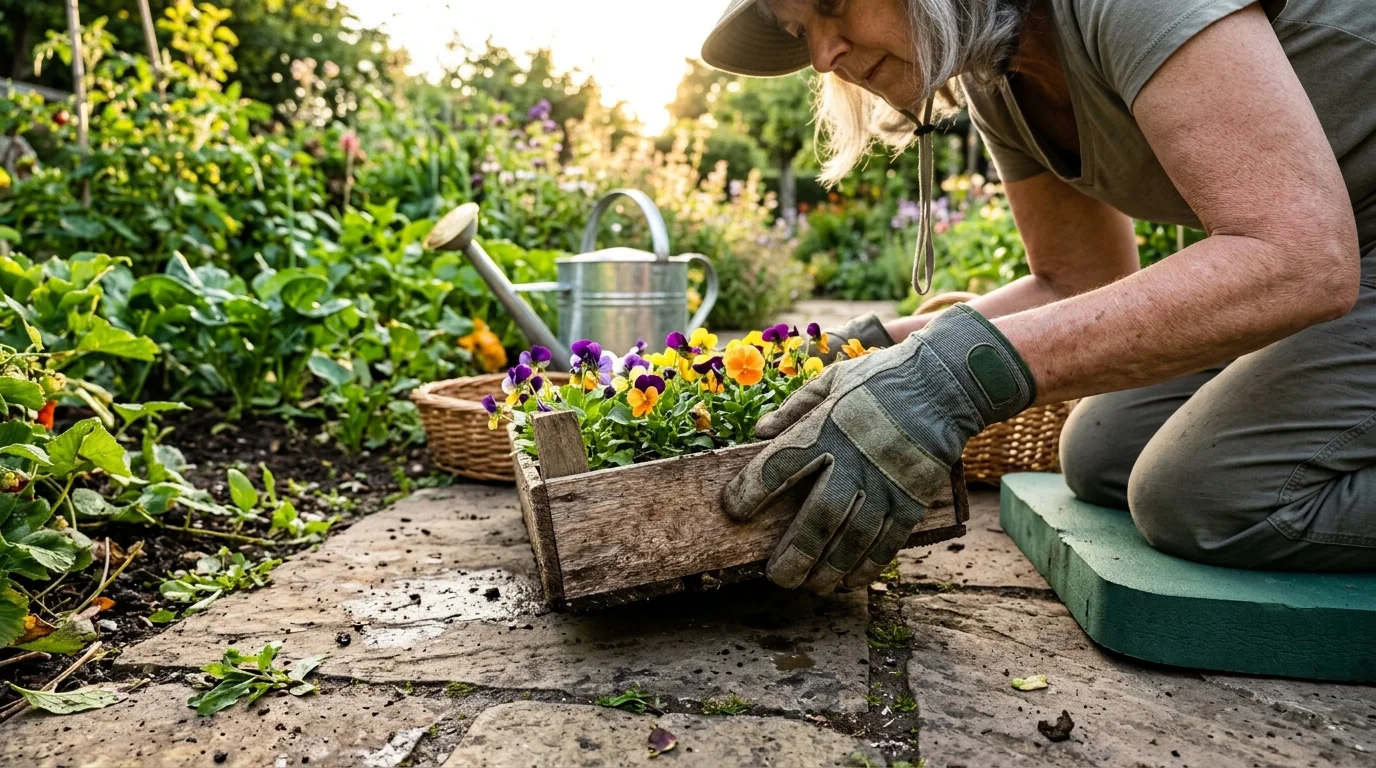
Official health recommendations from the Centers for Disease Control and Prevention (CDC) emphasize the importance of protecting aging joints during repetitive outdoor work. When weeding or potting plants, avoid bending from your waist for prolonged periods; instead, use long-handled tools, squat using your leg muscles, or sit on a rolling garden stool. Invest in dense foam kneeling pads or soft gel knee pads to shield your knee joints from hard concrete greenhouse floors and damp outdoor soil.
Managing heat exposure is equally critical during summer nursery and landscaping peak seasons. Senior bodies adjust to temperature changes less efficiently than younger bodies, raising your risk of heat exhaustion. Follow these essential physical wellness strategies while working:
- Pace your lifting: Never lift heavy bags of soil, fertilizer, or large container trees alone. Ask a coworker to perform a team lift, or use hydraulic hand carts and wheelbarrows to transport heavy materials.
- Protect your hands: Wear durable, puncture-resistant synthetic work gloves with textured grip palm coatings. Gardening gloves prevent painful blisters, insect bites, exposure to plant sap allergens, and skin tears.
- Use ergonomic hand tools: Choose pruners and trowels equipped with spring-assisted handles and contoured rubber grips. These tools reduce thumb and wrist strain when making repetitive cuts on woody plants.
- Stay hydrated constantly: Drink small amounts of cold water every 15 to 20 minutes while outdoors, even if you do not feel thirsty yet. Avoid relying solely on caffeinated sodas or coffee.
- Schedule shade breaks: Work outdoors during early morning hours whenever possible, and take regular 10-minute rest breaks in shaded or air-conditioned areas during peak heat periods.
How to Find and Secure Part-Time Horticulture Roles
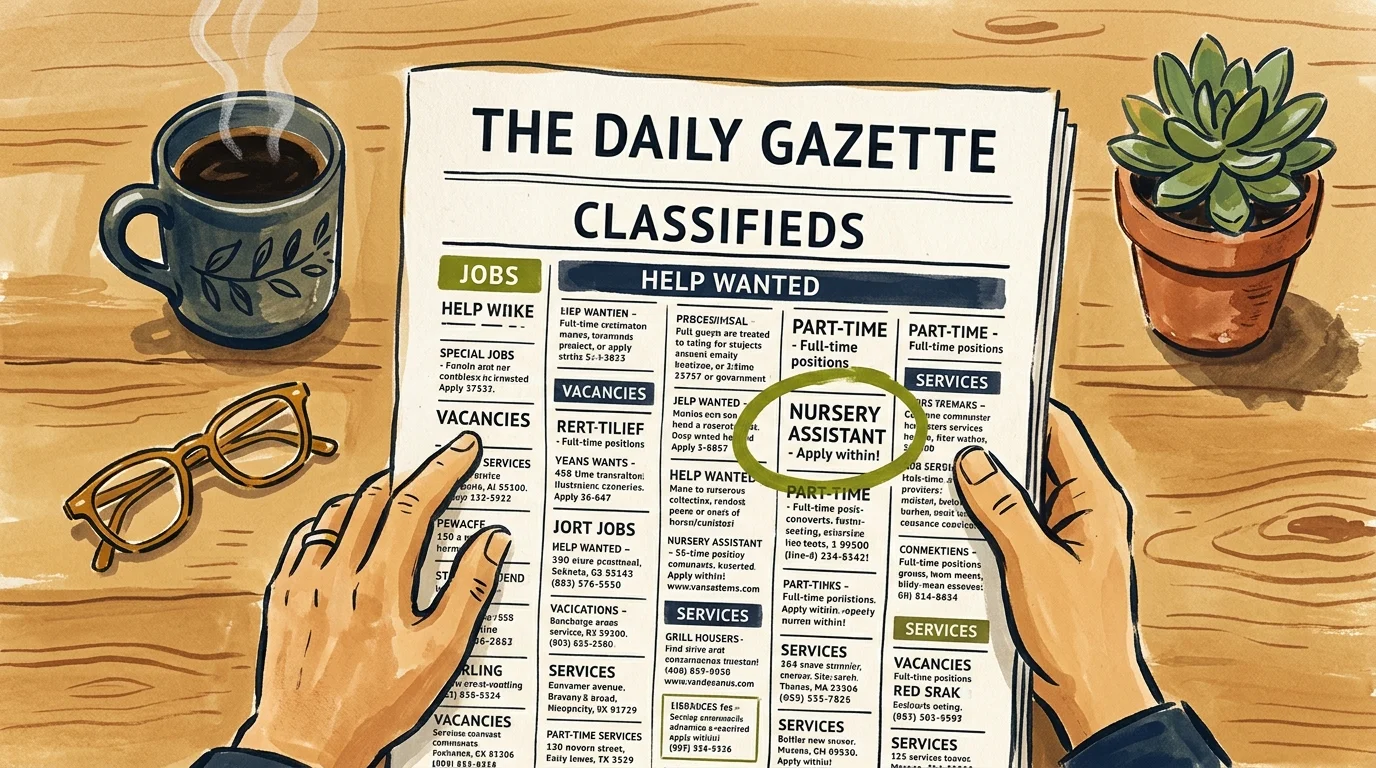
Securing a rewarding part-time job in gardening requires a different search approach than traditional corporate hiring. Local independent nurseries, garden centers, and agricultural businesses value practical experience, reliability, and local plant familiarity over formal resume formatting.
Timing your application is crucial in the horticulture industry. Most retail nurseries and landscape companies hire seasonal staff in late winter and early spring (February through April) to prepare for the spring planting rush. Apply early before positions fill up. However, year-round environments like botanical gardens, indoor plant maintenance firms, and floral shops recruit staff consistently throughout the year.
Advice from job search experts at AARP highlights that older job seekers win positions by showcasing soft skills—such as punctuality, active listening, teamwork, and strong customer communication. When applying, tailor your application to emphasize how your life experiences translate to customer satisfaction and workplace reliability.
Follow these practical steps to land your ideal part-time position:
- Visit local businesses in person: Drop by independent garden centers during quiet morning hours on weekdays. Ask to speak with the manager directly, hand them a simple print resume, and express your genuine interest in their plant inventory.
- Highlight your home gardening history: If you have spent decades maintaining your own home flower beds, vegetable plots, or backyard greenhouse, treat that practical experience as valuable work experience on your application.
- Leverage community connections: Talk to members of local garden clubs, Master Gardener associations, and farmers markets. Word-of-mouth recommendations often reveal unadvertised openings at local plant nurseries or public gardens.
- Be clear about your availability: Employers appreciate part-time workers who offer consistent availability on specific weekdays or weekends. Clearly state the exact hours and days you prefer to work from the start.
Common Pitfalls and Scams to Avoid
While most horticulture employers offer honest, rewarding employment, you must guard your health and finances against common industry pitfalls and employment scams targeting retirees.
One common workplace pitfall is failing to establish clear physical boundaries early on. Some landscape and nursery managers expect all employees to lift 50-pound soil bags continuously or work 10-hour days during peak season. Be honest about your physical limitations during your job interview. Explicitly confirm that your daily schedule and physical assignments will remain within your safe comfort zone.
Watch out for uncompensated labor practices. Some community gardens or non-profit nature centers attempt to classify operational positions as unpaid volunteer work while expecting strict, scheduled job performance. Ensure the employer offers clear hourly wage compensation, legal worker compensation insurance coverage, and formal pay statements for all worked hours.
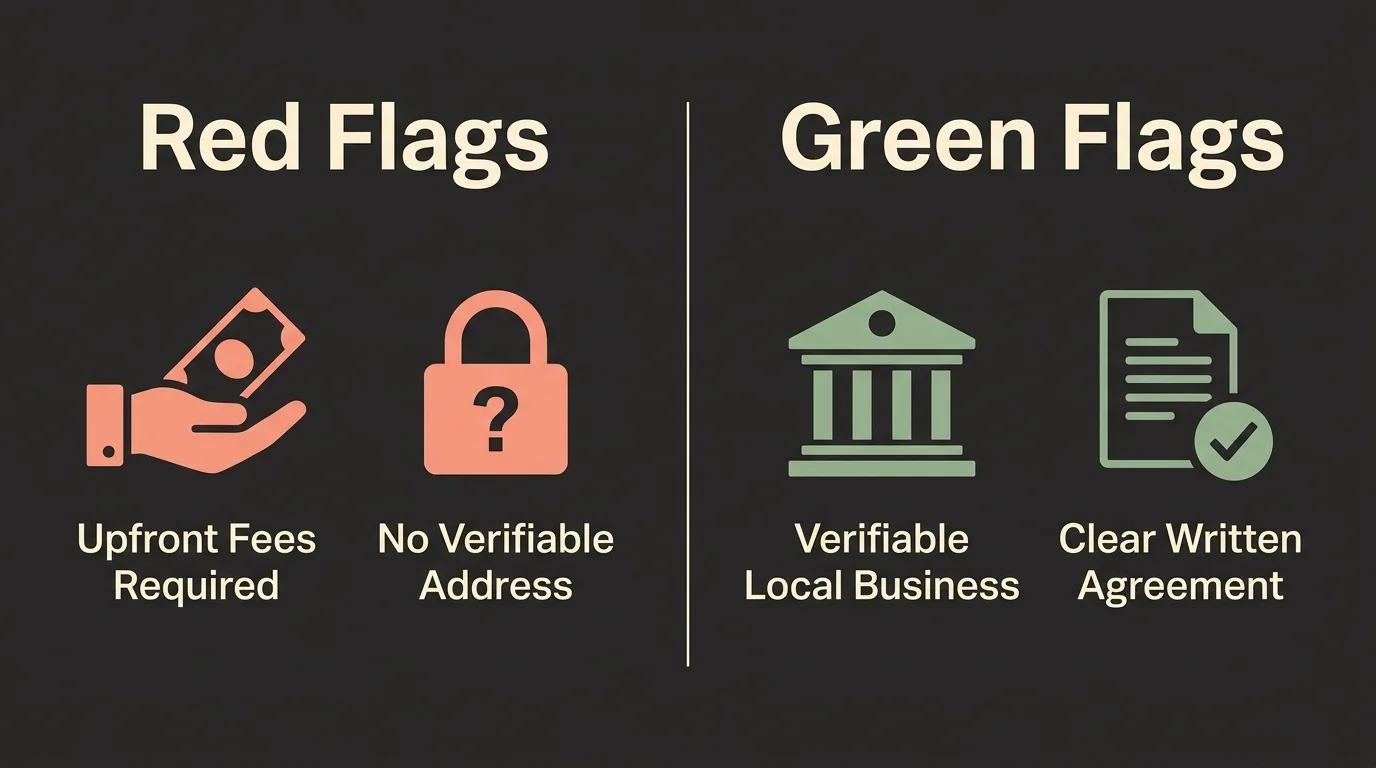
Be vigilant against online employment scams. Fraudulent websites targeting seniors often advertise fake work-from-home jobs involving “seed packaging,” “exotic plant starter kits,” or “craft floral assembly.” These scams typically demand that you pay an upfront fee for training materials or starter supplies. Legitimate employers will never ask you to pay money to receive job materials or secure employment. Always verify a business’s local physical address and state registration before providing personal tax details or banking information.
Frequently Asked Questions
Do I need a formal degree in horticulture to get a part-time gardening job?
No, formal degrees in horticulture are rarely required for entry-level or customer service positions in garden centers, nurseries, or light landscaping teams. Employers value your practical home gardening experience, enthusiasm for plants, physical reliability, and willingness to learn. Professional credentials like state Master Gardener certifications can boost your hiring chances, but hands-on familiarity with local plants is usually more than enough.
Will earning income from a part-time gardening job affect my Medicare benefits?
Part-time wage income does not affect your eligibility for traditional Medicare Part A or Part B. However, if your earnings significantly raise your overall modified adjusted gross income (MAGI), your higher income could trigger an Income-Related Monthly Adjustment Amount (IRMAA). This adjustment places a surcharge on your Medicare Part B and Part D premiums. Check current Medicare income brackets if you earn a substantial income from multiple sources.
What if I cannot lift heavy bags of soil or fertilizer?
You can easily find low-impact positions that do not require heavy lifting. Roles such as botanical garden tour guide, floral design assistant, seed library coordinator, and extension program assistant involve minimal physical strain. Always inform employers during your interview about your lifting capabilities so they can assign you suitable tasks or provide mechanical transport carts.
Are part-time gardening jobs strictly seasonal, or can I work year-round?
While retail garden centers and outdoor landscaping companies operate heavily during spring and summer, many horticulture opportunities exist year-round. Interiorscaping (indoor corporate plant care), floral design shops, commercial climate-controlled greenhouses, and educational extension offices maintain steady part-time staffing levels throughout all four seasons.
How do I negotiate a schedule that protects my retirement leisure time?
Set firm schedule expectations during your initial job interview before accepting an offer. State the maximum number of hours you are willing to work per week—such as 15 to 20 hours—and specify which days you want off. Most horticulture employers appreciate transparent communication and welcome reliable staff who cover specific morning or weekend shifts consistently.
For additional senior resources, visit
Centers for Disease Control and Prevention (CDC), Medicare.gov and National Institute of Mental Health (NIMH).
Disclaimer: The information in this article is for educational purposes only and is not intended to be a substitute for professional financial, legal, or medical advice. Always consult with a qualified expert for advice tailored to your personal situation.









I need part time gardening job