

Leaving the workforce marks a massive milestone, yet many retirees quickly discover that freedom from the daily grind creates an unexpected emotional vacuum. Stepping away from a decades-long career often strips away daily structure, social connections, and a deeply ingrained sense of purpose. If you find yourself pacing around the house, checking email out of habit, or feeling a strange disconnect from your new reality, you are experiencing a common transition. Research shows that a substantial portion of retirees eventually miss the cognitive engagement and community of employment. Recognizing these subtle psychological and behavioral cues allows you to take charge, reclaim your daily fulfillment, and effectively redefine what a meaningful retirement looks like for you.
1. Understanding the Post-Retirement Shift: Why Work Was More Than a Paycheck
For decades, your job provided far more than just financial compensation; it served as an invisible anchor for your identity, time management, and daily interactions. When you step away from employment, you lose a multifaceted support system that automatically met several fundamental human needs. Understanding this shift helps you recognize why missing work after retirement is a completely natural reaction rather than a failure to enjoy your hard-earned leisure.
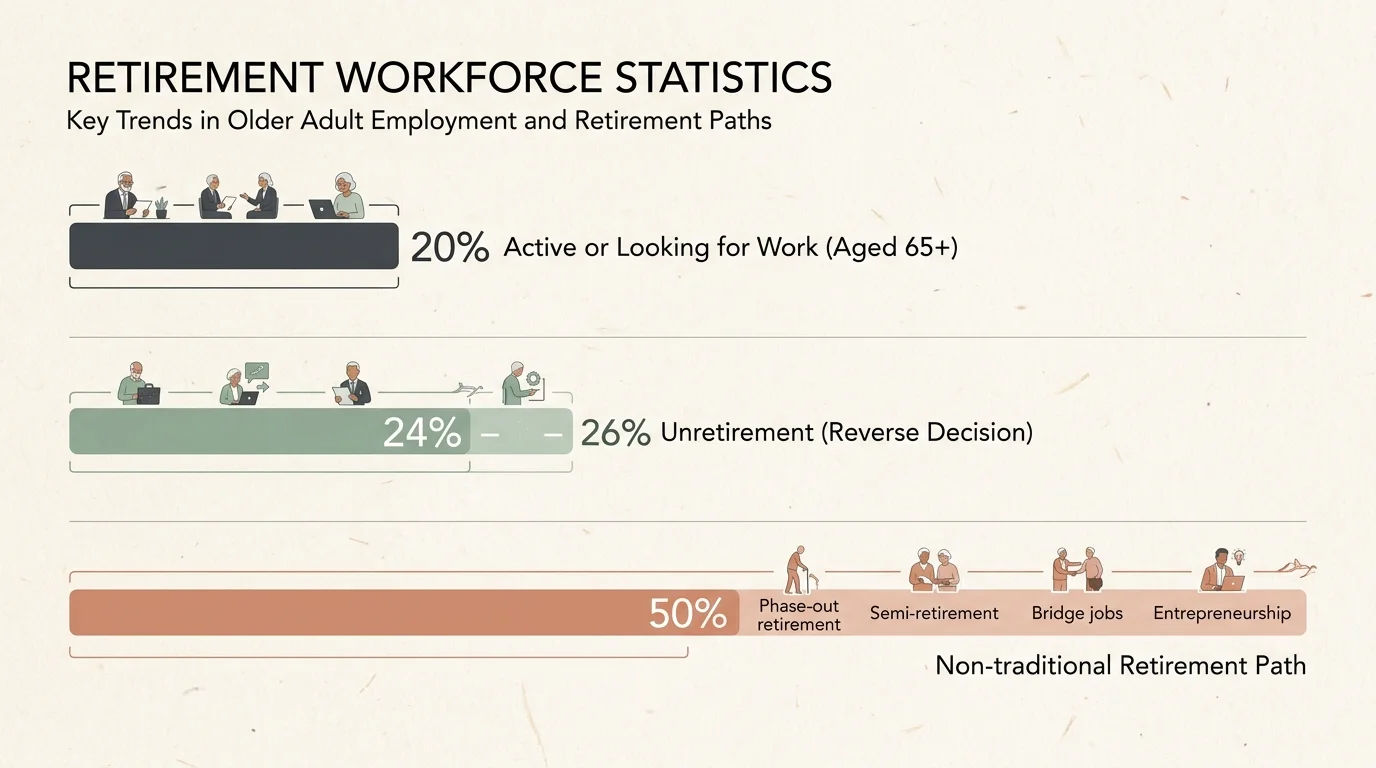
Work naturally organizes your calendar, compels you to interact with diverse groups of people, and challenges your brain to solve complex problems. Furthermore, employment offers external validation—a steady stream of feedback, accomplishments, and tangible progress. When those elements vanish overnight, the sudden transition from work to retirement can leave you feeling adrift. Data from the U.S. Bureau of Labor Statistics indicates that nearly 20% of adults aged 65 and older remain actively employed or looking for work, reflecting a broad cultural shift toward continuous engagement.
According to research published by the National Bureau of Economic Research (NBER), approximately 24% to 26% of retirees eventually reverse their retirement decision and return to the workforce, a phenomenon often referred to as “unretirement.” Additionally, nearly 50% of older adults follow a non-traditional retirement path that includes phased retirement or part-time work. Survey data from AARP demonstrates that while financial needs drive many workers back into the labor force, non-financial factors—such as overcoming boredom, staying active, and pursuing mental stimulation—account for roughly 15% of retirees who reenter the workforce.
If you find yourself reflecting fondly on your career or feeling unsatisfied with passive leisure, you are far from alone. Recognizing the specific signs you miss your job allows you to evaluate what your professional life provided and reintroduce those missing elements into your current lifestyle.
2. Sign 1: You Struggle with a Loss of Daily Structure and Routine
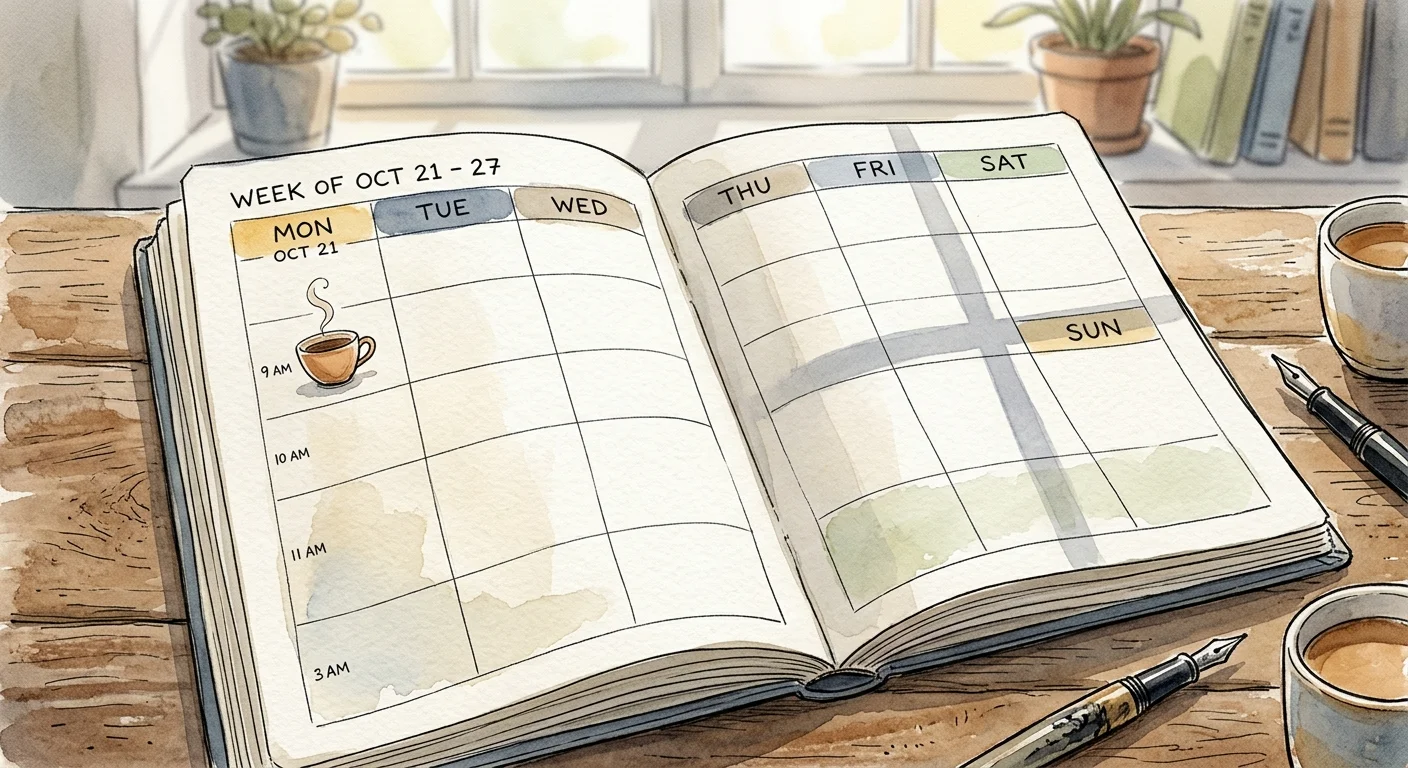
During your career, your alarm clock set off a predictable sequence of events. You dressed for the day, navigated a commute, attended scheduled meetings, completed tasks, and returned home at a set hour. This regular schedule created a natural rhythm that governed your waking hours. In retirement, total freedom can initially feel liberating—until the lack of boundary lines creates discomfort.
If you wake up every morning without a clear plan and watch your days bleed together, you are experiencing a classic symptom of retirement adjustment struggles. Without external commitments, simple decisions like deciding when to eat lunch or start a project require conscious willpower. Over time, this lack of framework can induce a subtle form of fatigue; having endless choices often proves more draining than following an established schedule.
According to the National Institute on Aging (NIA), maintaining structured daily routines and engaging in purposeful tasks supports emotional balance and cognitive health as you age. When you lack a reliable cadence, you may notice that time seems to slip away without giving you a sense of accomplishment. If you spend your afternoons constantly checking the clock or waiting for the day to finish, your mind is likely signaling a desire for the rhythm that employment once provided.

3. Sign 2: You Experience Unintended Social Isolation
Workplaces function as pre-built social communities. Every day, you engaged in casual conversations near the coffee machine, laughed with teammates during lunch breaks, and collaborated on shared goals. These low-pressure interactions provided built-in social connection without requiring meticulous planning on your part.
Once you retire, those passive social touchpoints vanish instantly. Maintaining a social circle in retirement requires intentional effort; you must schedule lunches, join clubs, or organize gatherings yourself. If you find your house quiet for days at a time, or if your conversations are limited to short transactions with grocery clerks, you are likely missing the effortless camaraderie of the workplace.
Research supported by the National Institute of Mental Health (NIMH) highlights that prolonged social isolation can negatively affect mood, energy levels, and overall mental health in older adults. You might miss having a sounding board for your ideas or simply miss the informal humor shared among colleagues. Missing work often stems less from the labor itself and far more from the built-in community that shared labor creates.
4. Sign 3: Restlessness and Feeling Bored in Retirement Take Over
Many people enter retirement with a long list of leisure goals: golfing, gardening, traveling, or catching up on reading. However, recreational activities hit differently when they no longer serve as a reward for hard work. When leisure becomes your entire schedule, it can lose its appeal and lead to persistent boredom.
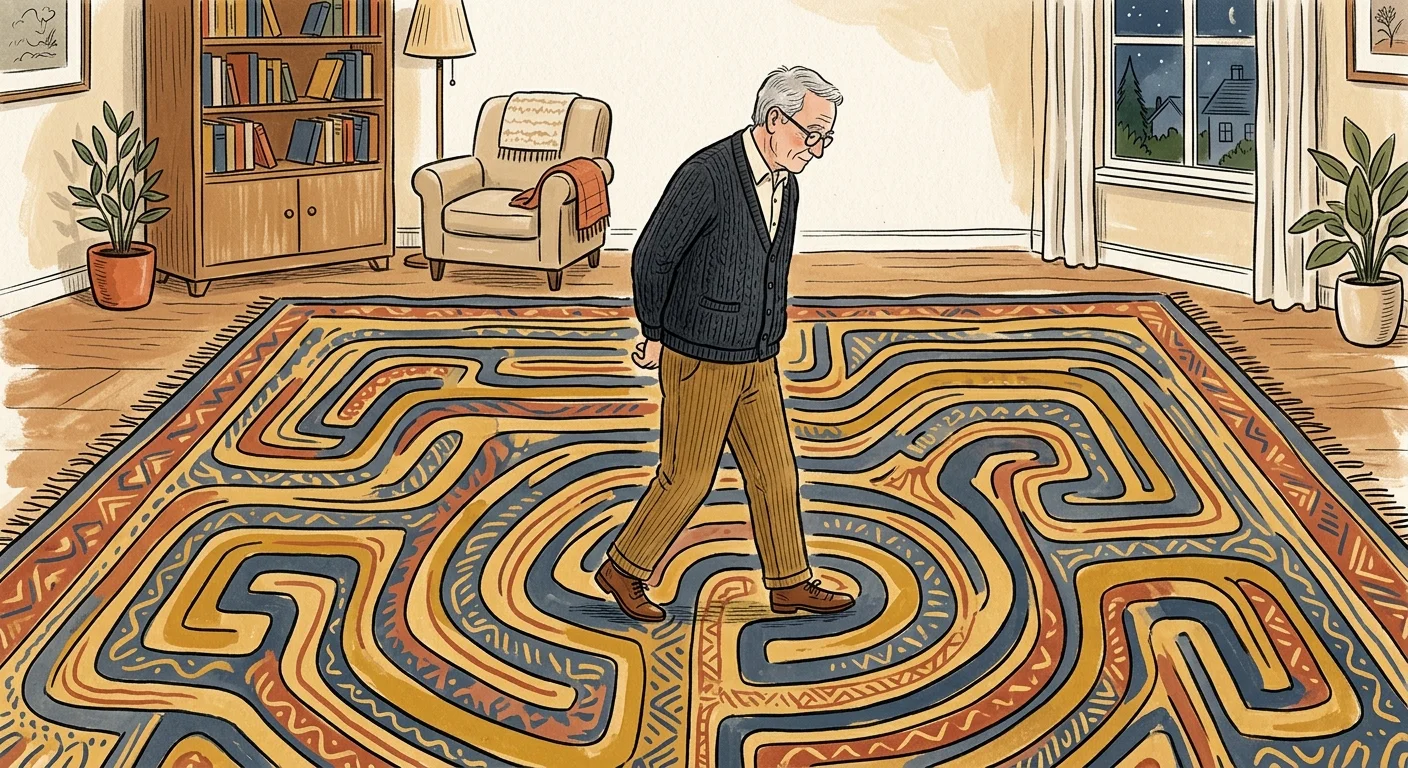
You may notice that your hobbies no longer satisfy you the way they did on weekends during your working years. Playing golf once a week feels like a welcome treat; playing four times a week can start to feel like a tedious chore. If you find yourself pacing through rooms, flipping through television channels aimlessly, or reorganizing closets for the third time this month, you are dealing with chronic restlessness.
This persistent feeling bored in retirement occurs because recreational activities rarely offer the same stakes, urgency, or tangible productivity as career objectives. When your day-to-day actions lack meaningful consequences or milestones, your brain resists the passivity. Missing the momentum of real productivity is one of the clearest indicators that your mind craves structured, high-value activity.
5. Sign 4: You Feel a Loss of Personal Identity and Status
When you met someone new during your working years, the standard introductory question was almost always, “What do you do?” Your answer connected you to an industry, a title, and a specific skill set developed over decades. That title offered a defined social role and a sense of pride.
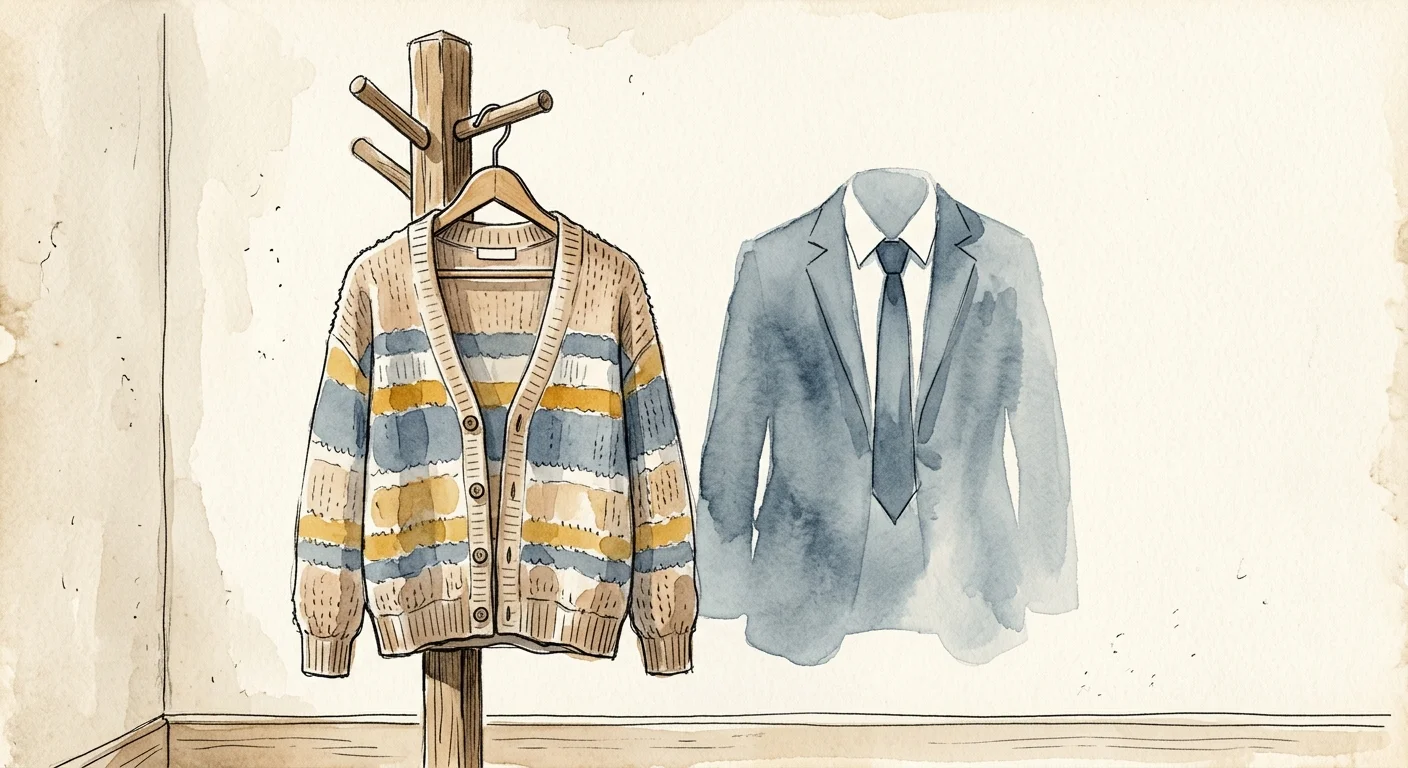
When you transition away from work, answering that same question with “I am retired” can feel uncomfortable or incomplete. You might feel as though a significant part of your identity disappeared the day you turned in your keys or badge. This shift can trigger an identity crisis, leaving you questioning your ongoing value and contribution to society.
Consider whether you miss the following professional dynamics:
- Being sought out by colleagues for your specialized expertise and guidance.
- Exercising authority, managing budgets, or making operational decisions.
- Receiving public recognition, promotions, or performance compliments.
- Feeling like an essential gear in a larger organizational engine.
Losing this status can leave an emotional void. If you frequently bring up past career accomplishments in casual conversation or feel a pang of envy when talking to working friends, your sense of professional identity remains strong and active.

6. Sign 5: Your Mind Craves Mental Challenges and Complex Problem-Solving
Careers subject your mind to continuous exercise. You analyzed complex data, negotiated deadlines, adapted to new software, resolved conflicts, and mastered changing regulations. This constant requirement to adapt keeps your brain sharp and fully engaged.
In retirement, daily mental demands drop dramatically unless you actively seek out rigorous cognitive challenges. While word puzzles and memory games offer light mental exercise, they rarely match the deep problem-solving requirements of a professional career. If you feel like your brain is running on low power or slipping into a cognitive haze, your intellect is missing real engagement.
You may find yourself seeking out complex problems to solve around the house, picking debates on local issues, or meticulously researching intricate topics online just to keep your mind working. Your brain thrives on active problem-solving; when you deprive it of meaningful challenges, it responds with cognitive dissatisfaction and restlessness.
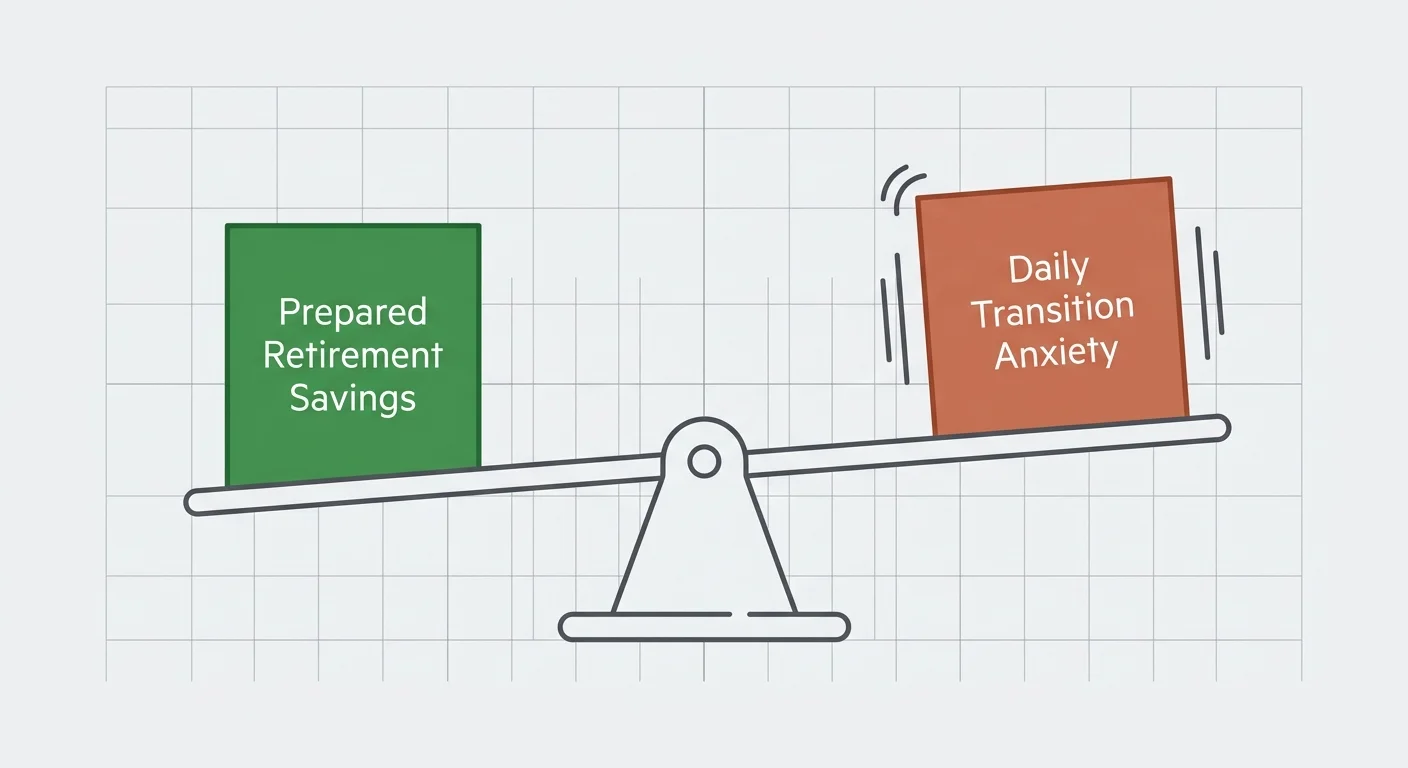
7. Sign 6: You Experience Anxiety Over Financial Transition Despite Being Prepared
Transitioning from earning money to spending saved assets represents one of the most challenging psychological hurdles in retirement. During your career, a steady paycheck arrived every two weeks or month, providing psychological security and validating your labor.
Even if your financial planner assures you that your savings, pension, and Social Security benefits cover your expenses, shifting from capital accumulation to portfolio withdrawals creates genuine friction. As noted by the Consumer Financial Protection Bureau (CFPB), managing finances on a fixed income requires distinct behavioral adjustments and can induce emotional stress if not carefully managed.
You might find yourself checking your bank balance daily, stressing over small purchases, or worrying excessively about market fluctuations. Often, this financial anxiety is not actually about running out of money—it is about missing the reliable, predictable inflow of earned income. The desire to earn a regular paycheck often stems as much from a need for psychological security as it does from actual financial need.

8. Sign 7: You Keep Seeking Work-Adjacent Tasks and Industry Updates
Do you still read industry trade publications, monitor news in your former field, or check LinkedIn multiple times a day? Do you reach out to former colleagues to offer unsolicited advice on company projects? These habits reveal that your interest in your field remains very much alive.
Some retirees attempt to replace their career by applying strict work logic to home life. You might create elaborate spreadsheets for minor household chores, draft detailed schedules for vacations, or approach volunteer efforts with corporate intensity. While these behaviors demonstrate great organizational skills, they also highlight a subconscious effort to recreate the operational environment of your former job.
When you constantly gravitate toward work-adjacent tasks, your actions speak clearly: you still possess energy, talent, and drive that want an output. Acknowledging this desire allows you to channel that energy productively instead of scattering it on minor household projects.
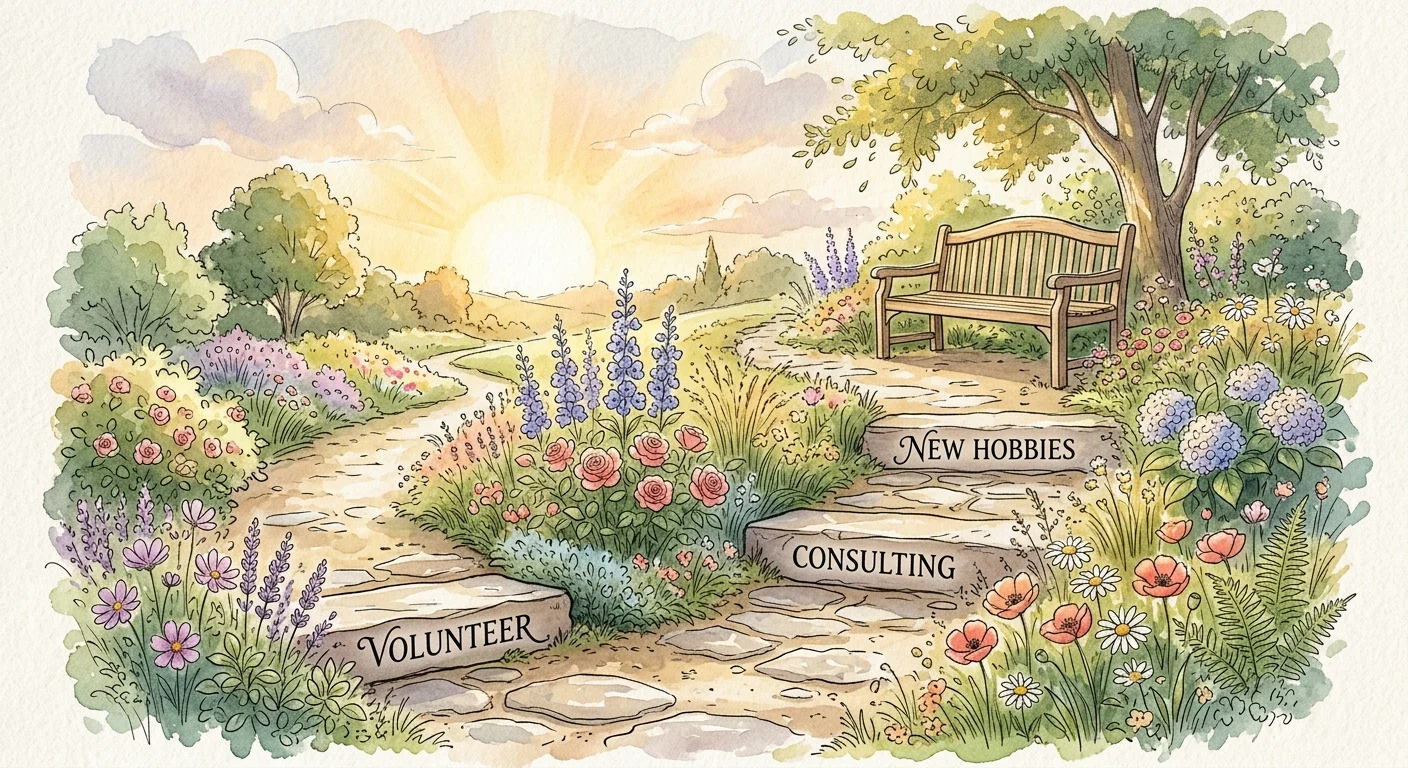
9. Actionable Steps: How to Bridge the Gap and Transition Smoothly
Identifying these signs does not mean your retirement is a failure, nor does it force you to choose between standard full-time labor and absolute leisure. Instead, it offers a clear opportunity to redesign your daily life around what actually brings you fulfillment. You can selectively reintroduce structure, social interaction, and purpose back into your routine.
According to survey data from AARP, nearly 28% of retirees feel they left the workforce too early, but returning to a grueling 50-hour work week is rarely the ideal fix. The modern labor market provides flexible, customized ways to work on your own terms. Consider the primary pathways detailed in the comparison table below to determine which option aligns best with your needs.
| Re-Engagement Option | Structure Level | Financial Impact | Social Connection | Primary Benefit |
|---|---|---|---|---|
| Part-Time Employment | Moderate (Set hours) | Steady supplemental income | High (Colleagues & customers) | Replaces routine without full-time burnout |
| Freelance Consulting | Flexible / High control | Variable, potentially high rates | Moderate (Clients & networks) | Capitalizes directly on lifetime expertise |
| Skills-Based Volunteering | Flexible to Moderate | None (Unpaid) | Very High (Community focus) | Delivers deep purpose and community impact |
| Mentorship & Teaching | Low to Moderate | Stipend or Unpaid | High (Generational connection) | Passes knowledge to the next generation |
To successfully navigate this transitional phase and rebuild your sense of daily fulfillment, implement these practical, step-by-step strategies:
- Conduct an Audit of Your Career Needs: Write down what you miss most about working. Is it the social interaction, the technical challenge, the routine, or the paycheck? Identifying the core gap prevents you from taking on commitments that do not fulfill your actual needs.
- Establish an Intentional Weekly Schedule: Treat your non-working hours with intention. Set consistent wake-up times, block out dedicated hours for exercise, learning, and socializing, and create clear boundaries for your week.
- Explore Phased or “Unretirement” Opportunities: If you want to work again, look into fractional consulting, seasonal employment, or adjunct teaching. A research study from T. Rowe Price indicates that roughly 20% of retirees maintain part-time or full-time employment, combining financial flexibility with mental engagement.
- Leverage Local Community Networks: Access official community tools to find rewarding civic roles. Resources provided by the Eldercare Locator, a public service of the U.S. Administration for Community Living, can link you directly with local leadership boards, educational programs, and volunteer centers that need experienced leadership.
- Start a High-Stakes Passion Project: If traditional employment no longer appeals to you, launch an initiative that demands real focus and accountability. Write a detailed memoir, build an intricate woodworking piece for sale, or organize a major local charity drive.
10. Frequently Asked Questions
Is it normal to feel depressed or lost after retiring?
Yes, feeling lost, anxious, or down after leaving the workforce is a widespread experience known as the retirement adjustment blues. Leaving a job involves grieving the loss of a major life identity, daily social connections, and structured routines. Adopting a new routine, staying physically active, and building new social connections typically helps resolve these feelings over time.
How do I know if I should go back to work or just find new hobbies?
If your dissatisfaction stems from lack of structured daily time, expanding existing hobbies or joining local clubs usually helps. However, if you crave intellectual pressure, high-stakes decisions, professional feedback, or extra financial margin, returning to work through part-time employment, consulting, or starting a small business is often the best choice.
Will returning to work after claiming Social Security affect my monthly benefits?
If you return to work after reaching your Full Retirement Age (FRA), your earned income will not reduce your monthly Social Security retirement benefits regardless of how much you earn. However, if you are under your FRA and earn above specific annual limits, the Social Security Administration will temporarily withhold a portion of your benefits. These withheld funds are recalculated and added back to your benefit once you reach full retirement age.
How can I explain to my family that I want to return to work without causing worry?
Communicate clearly that returning to work is a proactive personal choice focused on mental stimulation, social interaction, and fulfillment rather than financial distress. Explain that you enjoy using your skills and that working on your own terms provides energy, structure, and purpose that enhance your overall well-being.
What are the best flexible part-time jobs for retirees?
Great options include independent consulting in your former industry, seasonal tax preparation, corporate mentoring, customer support roles, museum docent work, and adjunct teaching at local community colleges. These roles offer human connection and mental engagement without the heavy hours of a full-time career.
For additional senior resources, visit Centers for Disease Control and Prevention (CDC), Medicare.gov and National Institute of Mental Health (NIMH).
Disclaimer: The information in this article is for educational purposes only and is not intended to be a substitute for professional financial, legal, or medical advice. Always consult with a qualified expert for advice tailored to your personal situation.









Leave a Reply