

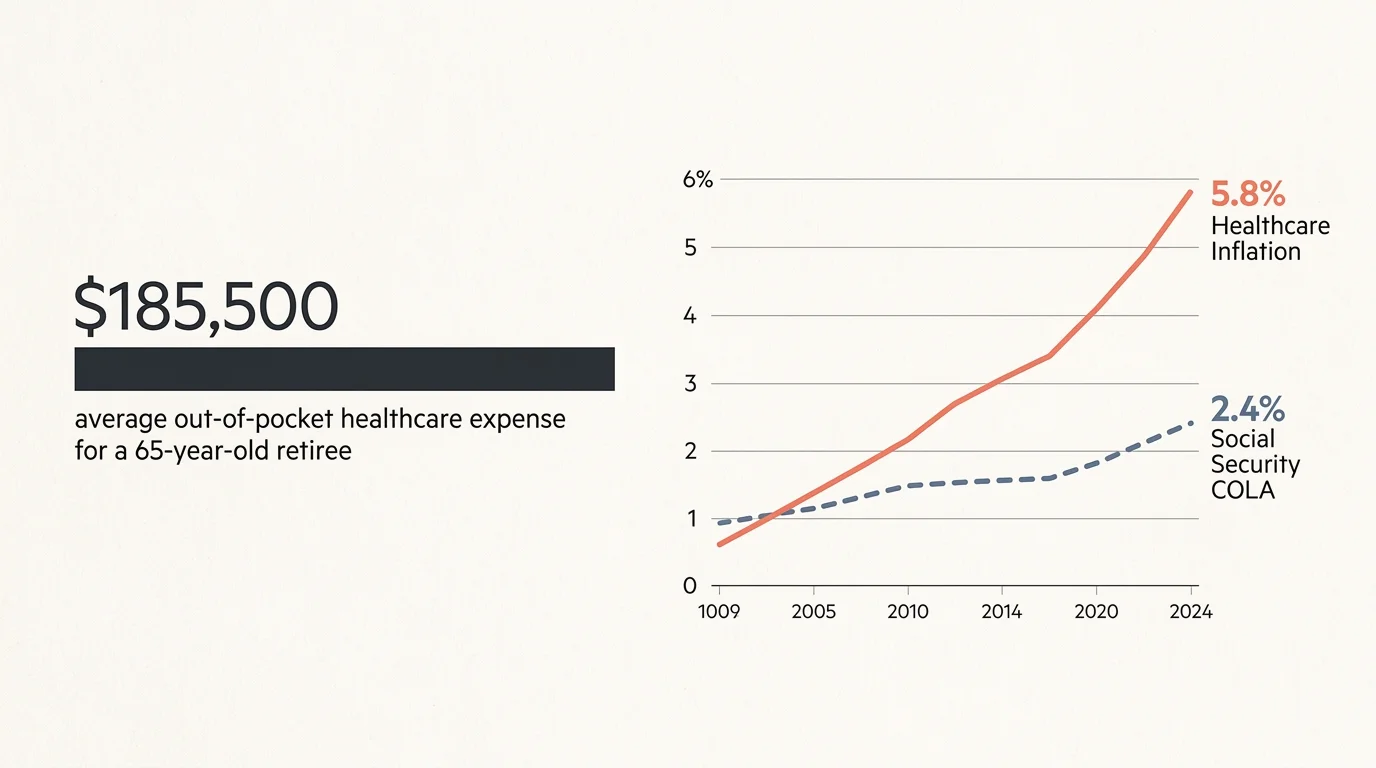
Securing top-tier healthcare access in retirement protects both your physical well-being and your hard-earned nest egg against overwhelming medical bills. Choosing the right city ensures you live within minutes of renowned specialists, leading teaching hospitals, and comprehensive emergency care while maintaining an active lifestyle. Fidelity Investments estimates that a 65-year-old retiring today will need approximately $185,500 to cover out-of-pocket medical expenses throughout retirement. By relocating to premier healthcare-focused retirement towns, you can lower costs and access specialized medical infrastructure designed around senior care. This guide details top medical care retirement locations, key evaluation metrics, and actionable steps to help you find the perfect healthcare destination.
Why Healthcare Access Defines Your Retirement
Medical care represents one of the largest single expenses you will face during your post-career years. Recent industry estimates highlight a steep upward trend in lifetime medical spending for older adults. Fidelity Investments reports that a 65-year-old individual retiring in 2026 needs an estimated average of $185,500 out-of-pocket for healthcare expenses across their remaining lifespan—a 7.5% jump in just one year. When you factor in long-term medical inflation, which historical projections from HealthView Services place at roughly 5.8% annually, healthcare spending outpaces typical Social Security cost-of-living adjustments (which average around 2.4%). In fact, medical outlays can absorb up to 84% of a healthy retired couple’s lifetime Social Security income if they do not manage care strategically.
The macroeconomic realities of healthcare also impact local care availability. Research published by the Kaiser Family Foundation shows that Medicare outlays account for 14% of total U.S. federal budget outlays and roughly 21% of total national health spending. According to official data maintained by the Centers for Medicare & Medicaid Services (CMS), federal policies continuously adjust reimbursement rates and network structures, affecting how regional hospital systems operate. Living near robust, well-funded medical hubs ensures that you experience fewer disruptions in physician availability, gain direct access to cutting-edge clinical trials, and enjoy shorter wait times for crucial procedures.
Beyond the financial ledger, proximity to top medical centers grants unmatched daily peace of mind. When chronic conditions arise—such as cardiovascular disease, arthritis, or early-stage memory loss—having world-class specialists minutes away drastically improves your treatment outcomes and long-term quality of life. Proximity eliminates the physical strain of multi-hour highway drives to regional centers, allowing you to focus your energy on staying active, engaged, and independent in your community.
Key Factors When Evaluating Retiree Healthcare Locations
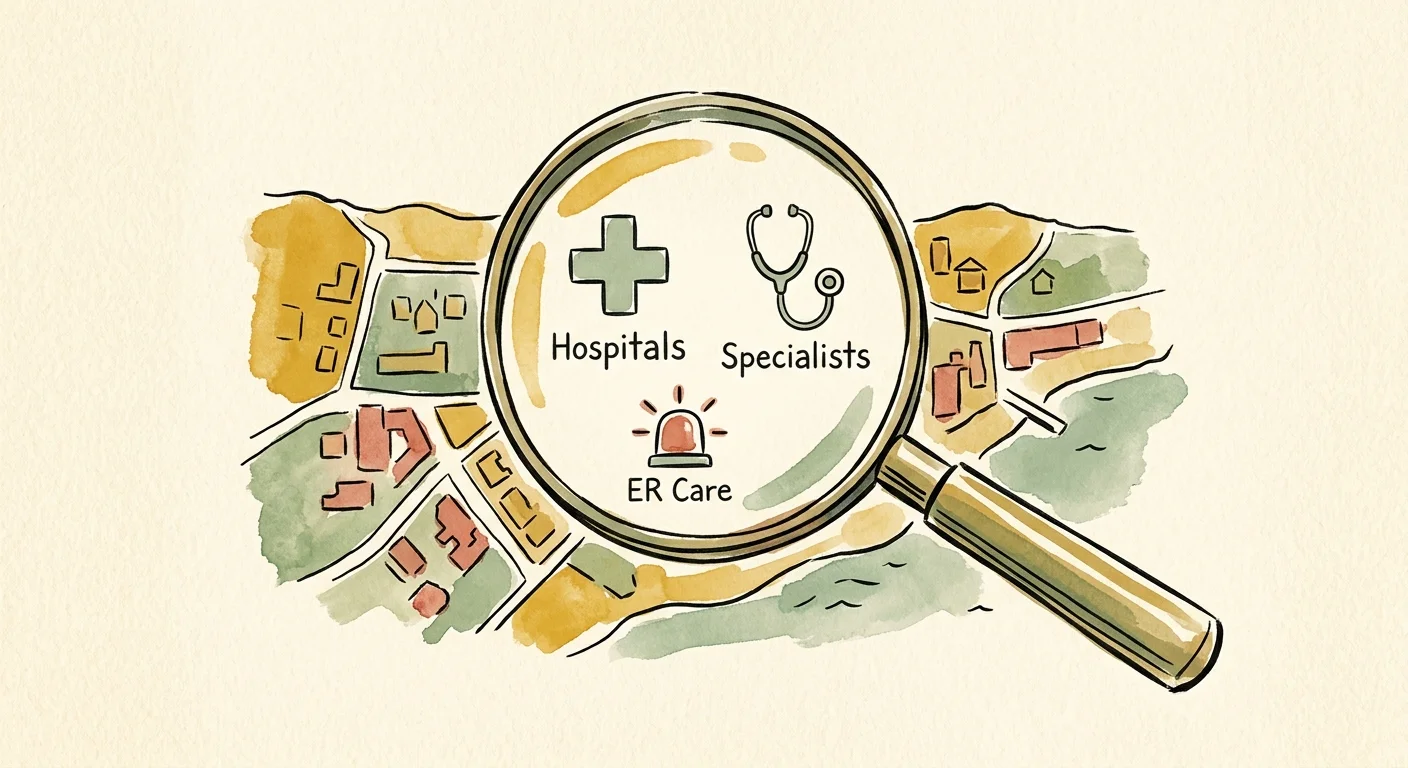
Evaluating potential retirement locations requires looking past sunny weather and golf courses; you must systematically analyze a region’s health infrastructure. Official retiree healthcare rankings synthesize several complex datasets to help families make informed decisions. For example, in its annual analysis of hundreds of metropolitan areas, U.S. News & World Report assigns a significant 16% weighting specifically to Healthcare Quality, measuring hospital performance, nursing home availability, and specialist density alongside overall affordability and lifestyle scores.
When shortlisting prospective cities with best hospitals for seniors, pay close attention to primary care capacity and specialized geriatric services. Essential evaluation metrics include:
- Primary Care Physician Density: High ratios of board-certified primary care doctors per 10,000 residents ensure you can establish primary care without waiting six to nine months for an initial checkup.
- Geriatric and Specialized Care Centers: Research from the National Institute on Aging (NIA) emphasizes that multidisciplinary teams trained specifically in elder medicine deliver superior outcomes for age-related chronic conditions. Look for cities with dedicated institutes for cardiology, oncology, orthopedics, and memory care.
- Hospital Quality and Safety Ratings: Look for facilities awarded Magnet status for nursing excellence and high ratings for clinical safety, patient outcomes, and low readmission rates.
- Emergency and Trauma Response Infrastructure: Check local emergency department capacity and whether regional facilities hold Level 1 or Level 2 trauma certifications for critical care.
- Affordable Long-Term Care and Home Support: According to CareScout’s national cost survey, non-medical home care services reached a median cost of $35 per hour, while adult day healthcare averaged $95 per day. Local supply directly impacts what you will pay out-of-pocket for home health aides or respite care.

Best Cities for Healthcare Access Retirees
Several American cities stand out as world-class medical centers while maintaining active, welcoming environments for older adults. When choosing among the best cities for healthcare access retirees, balancing clinical excellence with everyday quality of life yields the best long-term outcomes.
Cleveland, Ohio
Cleveland stands as a global titan in medical innovation while offering remarkable housing affordability. Anchored by the world-renowned Cleveland Clinic—consistently ranked among the top heart care centers in the nation—and University Hospitals, Cleveland provides unparalleled access to complex medical care. The Motley Fool named Cleveland #4 overall in its best places to retire rankings, specifically citing its premier medical infrastructure paired with real estate prices well below national averages.
Rochester, Minnesota
Rochester is the ultimate healthcare-built community. As the birthplace and main campus of the Mayo Clinic, the city’s economy and urban planning revolve around world-class medicine. Seniors in Rochester enjoy an exceptional doctor-to-patient ratio and direct access to pioneering clinical treatments. While Midwestern winters require preparation, local climate-controlled subway and skyway systems allow retirees to walk directly into hospital appointments without navigating ice or snow.
Tucson and Green Valley, Arizona
For retirees seeking warm climates alongside top-tier care, the Tucson metropolitan area—including the dedicated retirement community of Green Valley—offers an ideal match. Tucson features the Banner – University Medical Center, a top teaching facility, along with convenient outpatient clinics managed by the Mayo Clinic network. Green Valley offers custom-tailored senior services, rapid emergency response times, and an extensive network of specialized wellness programs geared toward active older adults.
Naples, Florida
Located along Florida’s Gulf Coast, Naples combines luxury coastal living with top-rated healthcare services. The NCH Healthcare System and Physicians Regional Healthcare System provide high-end, senior-focused care across multiple campuses. Naples features an extraordinarily high concentration of board-certified specialists, concierge medicine providers, and specialized rehabilitation facilities catering specifically to retirees.
The Woodlands, Texas
Situated just north of Houston, The Woodlands provides a master-planned community environment complete with state-of-the-art medical campuses, including Houston Methodist, St. Luke’s Health, and Memorial Hermann. Furthermore, residents live less than an hour away from the Texas Medical Center in downtown Houston—the largest medical complex in the world. Texas retirees also benefit from zero state income tax, making their retirement savings stretch further.
| City / Region | Primary Hospital Systems | Key Medical Strengths | Housing Cost Index | Senior Amenities |
|---|---|---|---|---|
| Cleveland, OH | Cleveland Clinic, University Hospitals | Cardiology, Cardiac Surgery, Oncology | Well Below Average | Cultural centers, lakefront parks, low tax options |
| Rochester, MN | Mayo Clinic Campus | Complex Care, Rare Disorders, Research | Average | Skyway system, active senior centers |
| Tucson / Green Valley, AZ | Banner Health, Mayo Clinic Affiliates | Geriatrics, Orthopedics, Rheumatology | Near Average | Warm climate, outdoor recreation, active communities |
| Naples, FL | NCH Healthcare, Physicians Regional | Orthopedic Surgery, Concierge Medicine | Above Average | Beaches, golf, high specialist-per-capita ratio |
| The Woodlands, TX | Houston Methodist, Memorial Hermann | Trauma, Neurology, Oncology | Slightly Above Average | Master-planned trails, no state income tax |

Healthcare-Focused Retirement Towns with Affordable Living
Relocating to a top medical care retirement location does not require sacrificing your lifetime financial security. Many retirees fall into the trap of moving to high-cost coastal cities for healthcare, only to find that inflated property taxes, insurance premiums, and daily expenses drain their nest eggs prematurely. Choosing secondary markets and specialized healthcare-focused retirement towns lets you stretch your fixed income while securing top-tier medical treatment.
According to financial guidelines published by AARP, keeping your housing costs below 30% of your gross retirement income allows you to maintain adequate cash reserves for out-of-pocket prescription costs, Medigap premiums, and unexpected dental or vision needs. Mid-sized cities in the Midwest and Southeast often deliver the perfect balance of low property taxes and premier academic medical centers.
Cities like Winston-Salem, North Carolina (home to Atrium Health Wake Forest Baptist) and Pittsburgh, Pennsylvania (anchored by UPMC) offer dense medical networks alongside affordable real estate. In these communities, median home prices remain significantly lower than national averages, allowing you to convert home equity from high-cost markets into liquid savings. Lower housing expenses insulate your portfolio against market downturns, ensuring you can comfortably afford long-term health plan supplements and home health support as you age.
Evaluating Medicare Coverage and Local Provider Networks
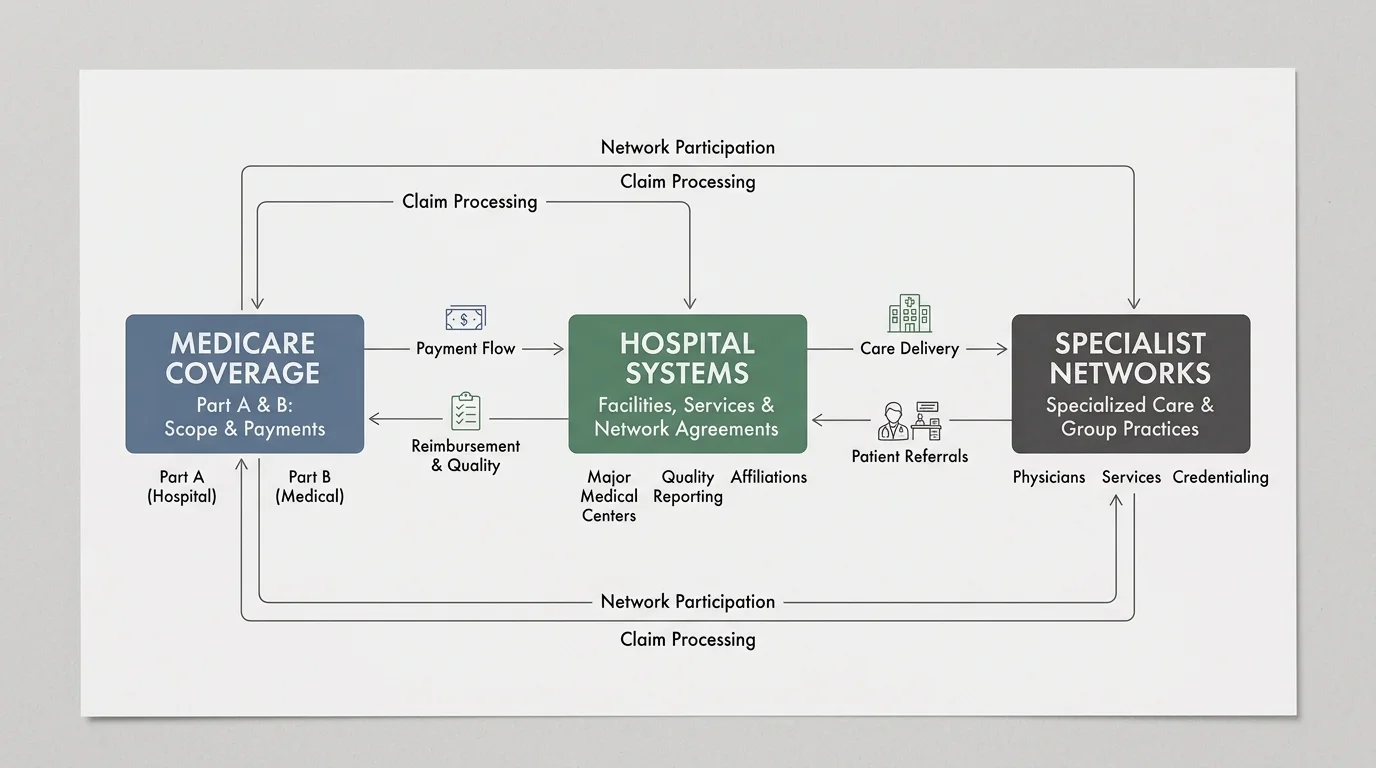
Moving across state or county lines directly impacts your healthcare coverage and doctor access. You must evaluate how your insurance choice interacts with the medical infrastructure in your prospective target city before signing a contract on a new home.
If you rely on Original Medicare (Part A and Part B) combined with a Medicare Supplement (Medigap) insurance policy, you enjoy broad flexibility. Original Medicare allows you to visit virtually any doctor or hospital nationwide that accepts Medicare assignment. This is particularly valuable if you plan to move to hub locations like Rochester or Cleveland, where major flagship hospitals treat complex referral cases from all over the country.
However, if you choose a Medicare Advantage (Part C) plan, your coverage depends heavily on localized networks (HMOs or PPOs). A Medicare Advantage plan that provided robust coverage in your previous home county may not offer comparable coverage in a new state. Some renowned medical systems, including premier academic medical centers, restrict or limit participation in certain Medicare Advantage HMO plans.
Take these actionable steps when planning a move:
- Verify Network Status: Call clinic billing departments directly to confirm whether specific specialists, imaging centers, and hospitals accept your target insurance plan.
- Utilize Official Comparison Tools: Use the plan comparison tools available on Medicare.gov to check local drug formularies, monthly plan premiums, and star ratings for your new ZIP code.
- Understand Special Enrollment Periods: Under guidelines set by the Centers for Medicare & Medicaid Services (CMS), moving out of your current plan’s service area qualifies you for a Special Enrollment Period (SEP). This window allows you to switch Medicare Advantage plans or return to Original Medicare without penalty.

Common Pitfalls When Relocating for Medical Care
Relocating during retirement involves complex emotional, personal, and financial trade-offs. Seniors who focus exclusively on hospital rankings without evaluating practical daily logistics often run into preventable challenges. Avoid these four common pitfalls:
1. Assuming Top Hospitals Accept All Insurance Plans: Do not assume that moving near a famous health system guarantees automatic access. High-profile medical institutions frequently decline regional managed care plans or limit access to narrow provider networks. Always confirm insurance acceptance in writing before moving.
2. Confusing Specialist Availability with Primary Care Access: A metropolitan area can feature world-famous surgical units while experiencing severe shortages of primary care physicians. If you cannot secure a local primary care doctor to manage routine prescriptions and offer timely referrals, your overall care coordination will suffer.
3. Ignoring Climate and Physical Mobility Barriers: A city with outstanding healthcare might present severe environmental obstacles. Steep hills, freezing weather, or heavy snow ice can create fall hazards and isolate you at home during winter months. Make sure local infrastructure includes accessible public transit, flat walking routes, and well-maintained winter road clearing.
4. Severing Social Support Networks: Relocating far from adult children, long-time neighbors, and trusted friends to be near a hospital can lead to social isolation. Physical health depends heavily on social connection and emotional well-being. Ensure your target location offers vibrant senior centers, social clubs, or family nearby to maintain strong personal support systems.

Practical Steps for Testing a New City’s Healthcare System
Rather than making an immediate permanent move, perform a thorough, real-world audit of your prospective retirement destination. Taking a systematic approach removes guesswork and prevents costly relocation errors.
- Conduct an Extended Medical Trial Stay: Rent a furnished home or apartment in your target city for four to eight weeks. Practice driving to major medical campuses, emergency rooms, and outpatient centers during morning and evening rush hours to evaluate real transit times.
- Test Local Appointment Scheduling: Contact local primary care practices and specialty clinics while on your trial stay. Ask about new patient wait times, check-in procedures, and whether doctors offer telehealth consultations for routine follow-ups.
- Audit Senior and Support Services: Connect with community agencies using the federally funded Eldercare Locator tool. Evaluate local door-to-door senior transportation programs, adult day health centers, and home meal delivery availability.
- Review Local Emergency Infrastructure: Visit the neighborhood fire station or urgent care clinic nearest to your prospective home. Inquire about average ambulance response times and destination hospital routing procedures for medical emergencies.
Frequently Asked Questions
How does moving to a new state affect my Medicare coverage?
Moving out of your plan’s service area triggers a Special Enrollment Period (SEP). This rule allows you to enroll in a new Medicare Advantage or Medicare Part D plan in your new location, or switch back to Original Medicare. You generally have from 1 month before your move until 2 months after you move to make these official plan changes.
What is the best city for retiree healthcare on a modest budget?
Cleveland, Ohio offers one of the best combinations of world-class care and low living expenses. Home to the Cleveland Clinic and University Hospitals, the region provides top-tier cardiovascular and oncological care alongside real estate costs well below the national average.
Why is primary care availability as important as hospital rankings?
While tertiary hospital systems excel at complex surgeries and rare conditions, primary care physicians handle routine wellness checks, chronic disease management, and prescription maintenance. High primary care density ensures you receive prompt preventive care, preventing minor issues from turning into emergency hospitalizations.
Do major systems like the Mayo Clinic accept all Medicare Advantage plans?
No, major health systems do not accept every Medicare Advantage plan. Flagship institutions often limit participation to select networks or out-of-network arrangements. Always verify that a specific facility and physician group accepts your exact plan network before scheduling care.
How far in advance should I arrange local doctors before relocating?
You should begin researching doctors and scheduling initial new-patient appointments three to six months before your move. Specialist waitlists for new patients can extend several months, so booking appointments early ensures unbroken continuity of care and prescription management.
For additional senior resources, visit
National Institutes of Health (NIH), Centers for Medicare & Medicaid Services (CMS), Social Security Administration (SSA) and Consumer Financial Protection Bureau (CFPB).
Disclaimer: The information in this article is for educational purposes only and is not intended to be a substitute for professional financial, legal, or medical advice. Always consult with a qualified expert for advice tailored to your personal situation.









Leave a Reply