


Welcome. If you’ve found your way here, it’s likely because a good, restorative night’s sleep feels harder to come by than it used to. You are not alone. As we age, our sleep patterns naturally change, and it’s common to experience lighter sleep, more frequent awakenings, or difficulty falling asleep. But this does not mean you have to accept poor sleep as a fact of life.
Think of this guide as your personal roadmap to achieving more restful sleep. We’re not going to talk about “miracle cures,” but instead, we will walk through a series of practical, gentle, and effective steps you can take to reclaim your nights. Improving your sleep is a journey, not a race. By making small, consistent changes to your daily habits and environment, you can send powerful signals to your body that it’s time for deep, healing rest.
Together, we will explore how to build a routine that supports sleep, create a bedroom sanctuary, and understand when it might be time to chat with your doctor. You have the power to improve your sleep after 60, and this guide will show you how.

Understanding Why Your Sleep Has Changed
Before we dive into the “how,” it’s helpful to understand the “why.” Knowing why your sleep is different now can help you feel more in control and less frustrated. Several factors contribute to changing sleep patterns in older adults.
First, our internal body clock, or circadian rhythm, shifts as we get older. The brain produces less melatonin, the hormone that signals sleepiness, and its release can happen earlier in the evening. This might make you feel tired earlier and wake up earlier in the morning, sometimes before you feel fully rested.
Second, the very structure of our sleep changes. We tend to spend less time in deep, restorative sleep and more time in lighter sleep stages. This makes us more susceptible to being awakened by noise, light, or discomfort. Those nighttime awakenings can make it feel like you’re just skimming the surface of sleep all night long.
Finally, health conditions that are more common later in life—such as arthritis, heartburn, or the need to use the bathroom more frequently—can interrupt sleep. Medications for other conditions can also have side effects that interfere with your rest. Recognizing these factors is the first step toward addressing them effectively.

Step 1: Build a Powerful Daily Routine for Better Nights
Your body loves consistency. A predictable daily routine is perhaps the single most powerful tool you have for improving your sleep. It helps regulate your internal clock, training your brain and body to expect sleep at a certain time each night. This is the foundation of good sleep hygiene for older adults.

Set a Consistent Wake-Up Time
Why it works: This may sound backward, but your wake-up time has a bigger impact on your sleep cycle than your bedtime. Waking up at the same time every day—yes, even on weekends—stabilizes your circadian rhythm. It sets a clear anchor for your day and helps your body learn when it should be alert and when it should be sleepy.
How to do it:
- Choose a wake-up time that you can stick to every single day. If you currently wake up at 8:00 AM on weekdays and 10:00 AM on weekends, try shifting to 8:00 AM every day.
- Once you’re out of bed, don’t linger. Start your day. This reinforces the signal to your body that the sleep period is over.
- Let your bedtime be flexible at first. Go to bed when you feel genuinely sleepy, not when the clock says you should. Your consistent wake-up time will eventually help you feel tired at a consistent time each evening.

Get Morning Sunlight Exposure
Why it works: Bright light, especially sunlight, is a primary cue for your internal clock. Exposing yourself to light shortly after waking up tells your brain to stop producing melatonin and to start the “daytime” clock. This helps you feel more alert during the day and promotes a stronger sleep drive in the evening.
How to do it:
- Within the first hour of waking up, try to get 15 to 30 minutes of natural light.
- This can be as simple as drinking your morning coffee or tea while sitting by a bright window.
- If you are mobile and the weather permits, a short, gentle walk outside is a fantastic way to get both light and a bit of exercise. Safety first: be sure to wear sturdy shoes and be aware of your surroundings.

Rethink Your Napping Habits
Why it works: While a short nap can be refreshing, long or late-afternoon naps can steal “sleepiness” from the night, making it harder to fall asleep at bedtime. Think of your need for sleep like an appetite; a big nap is like a large snack that can ruin your dinner.
How to do it:
- If you feel you need a nap, keep it short—around 20 to 30 minutes is ideal. Set an alarm so you don’t oversleep.
- Try to nap in the early afternoon, before 3:00 PM. Napping later than this is more likely to interfere with your nighttime sleep.
- If you find you’re not sleepy at bedtime, your naps might be the cause. Try cutting them out for a week to see if your nighttime sleep improves.

Step 2: Optimize Your Diet and Hydration for Sleep
What, when, and how you eat and drink can have a surprising impact on your ability to get restful sleep. Paying gentle attention to your intake, especially in the hours before bed, is a key part of our plan to improve sleep after 60.

Be Mindful of “Sleep Stealers” Like Caffeine and Alcohol
Why it works: Caffeine is a stimulant that can stay in your system for many hours, making it difficult to fall asleep. Alcohol, while it might make you feel drowsy initially, disrupts the quality of your sleep later in the night, leading to more awakenings and less deep sleep.
How to do it:
- Try to make a rule to have your last caffeinated beverage (coffee, tea, soda) at least 8 hours before your typical bedtime. For many, this means no caffeine after 2:00 PM.
- Remember that caffeine can hide in places like chocolate and some pain relievers. Check labels if you are sensitive.
- Limit alcohol in the evening. If you enjoy a drink, have it with dinner and avoid drinking in the 2-3 hours right before you go to bed.

Manage Your Fluids to Reduce Nighttime Awakenings
Why it works: One of the most common reasons for interrupted sleep is the need to get up and use the bathroom. While staying hydrated is crucial for your overall health, timing your fluid intake can significantly reduce these disruptions.
How to do it:
- Focus on drinking plenty of water and other fluids throughout the morning and afternoon. Don’t try to “catch up” in the evening.
- Begin to taper off your fluid intake about 2 hours before you plan to go to sleep. You can still have small sips if you are thirsty or need to take medication.
- Make sure to use the bathroom one last time right before you get into bed.

Plan Your Evening Meal for Comfort
Why it works: Going to bed overly full can lead to discomfort, indigestion, and heartburn—all of which can keep you awake. Conversely, going to bed hungry can also cause you to wake up. The goal is a comfortable middle ground.
How to do it:
- Aim to eat your evening meal at least 3 hours before bedtime. This gives your body ample time to digest.
- Keep the meal relatively light. Heavy, spicy, or very fatty foods can be harder to digest and may trigger acid reflux when you lie down.
- If you feel hungry before bed, a small, sleep-friendly snack like a banana, a few almonds, or a small bowl of oatmeal can be helpful.

Step 3: Create a Peaceful and Predictable Wind-Down Ritual
You can’t expect your brain to go from full speed to a dead stop the moment your head hits the pillow. A wind-down ritual is a sequence of calming activities you do in the hour before bed to signal to your mind and body that the day is over and it’s time to prepare for rest. This is one of the most important senior sleep tips you can implement.
Why it works: A consistent routine lowers stress and anxiety. It eases the transition from the alertness of your day to the calmness needed for sleep. By repeating the same steps each night, you create a powerful psychological cue for sleep.
How to do it:
- Declare a “Power-Down Hour”: About 60 minutes before bedtime, make a conscious decision to stop doing chores, paying bills, or engaging in stressful conversations. This hour is for you and your relaxation.
- Dim the Lights: Lower the lights in your living room and bathroom. Bright overhead lights can inhibit melatonin production. Use soft lamps instead.
- Turn Off the Screens: The blue light from TVs, computers, tablets, and smartphones is particularly disruptive to sleep. Put them away for this final hour. This is a non-negotiable for better sleep.
- Engage in a Calming Activity: Choose something you find genuinely relaxing. This could be reading a physical book or magazine (not on a screen!), listening to calm music or a podcast, doing a puzzle, or knitting.
- Try a Warm Bath or Shower: The rise, and then fall, in body temperature after a warm bath can help promote feelings of drowsiness. Add some Epsom salts for extra muscle relaxation.
- Practice Gentle Stretching or Breathing: Simple, slow stretches can release physical tension. Deep breathing exercises (inhale slowly for four counts, hold for four, exhale slowly for six) can calm your nervous system dramatically.
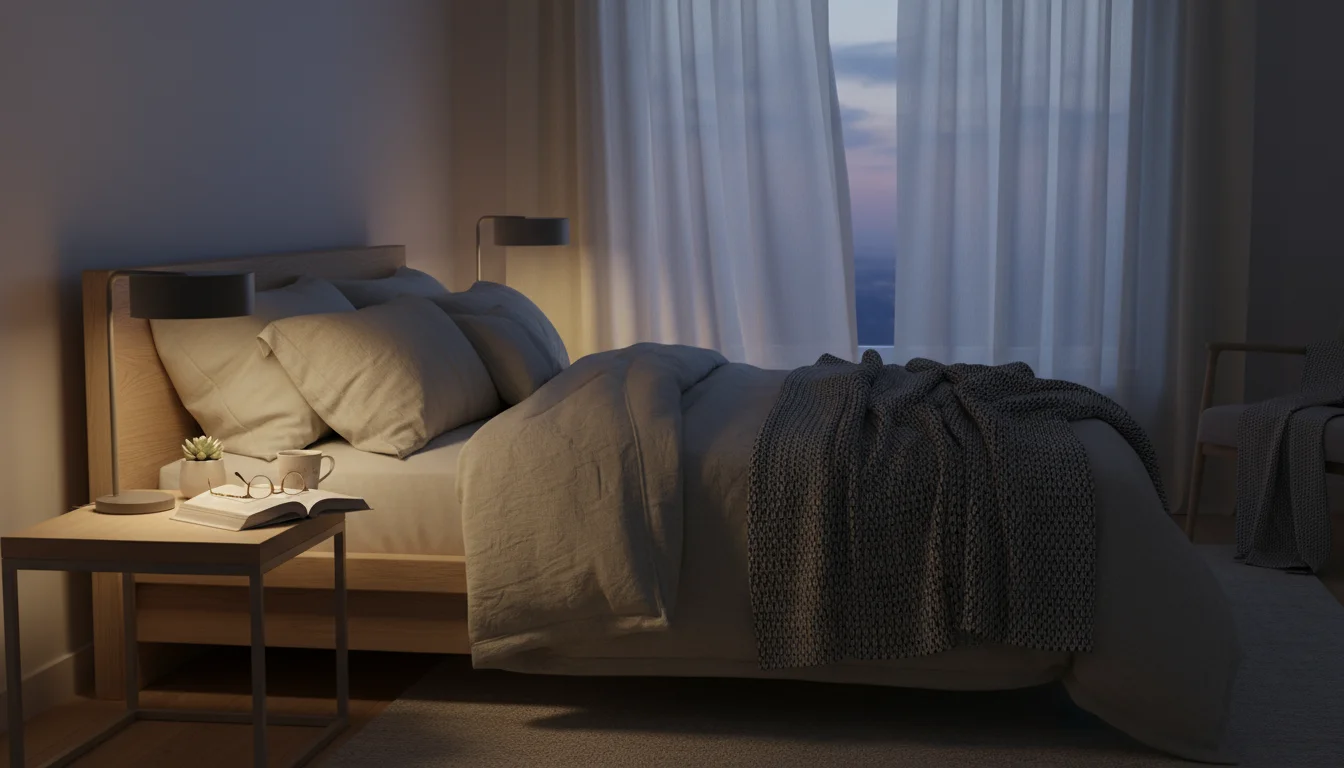
Step 4: Design a Bedroom Sanctuary for Restful Sleep
Your bedroom environment plays a huge role in the quality of your sleep. It should be a space that you associate only with rest and relaxation. If your bedroom is also your office, TV room, and dining area, your brain can get confused about its purpose. Let’s make it a true sanctuary.

Keep it Cool, Dark, and Quiet
Why it works: These three elements are the pillars of a sleep-conducive environment. Darkness cues melatonin. A cool temperature supports your body’s natural temperature drop during sleep. Quiet prevents disruptions.
How to do it:
- Darkness: Invest in good blackout curtains or shades to block outside light. Cover or remove any electronics with glowing lights (like clocks or charging indicators). Even a tiny amount of light can disrupt sleep.
- Temperature: Most experts recommend a cool room, between 60-67°F (15-19°C). Experiment to find what is comfortable for you. A fan can help circulate air and keep you cool.
- Quiet: If you are bothered by noise, consider a white noise machine or a simple fan to create a consistent, soothing sound that masks abrupt noises. Comfortable foam earplugs can also be very effective.

Reserve the Bed for Sleep and Intimacy Only
Why it works: When you consistently use your bed for activities like watching TV, working, or eating, your brain forms an association between your bed and wakefulness. We want to break that association and build a powerful new one: bed equals sleep.
How to do it:
- Make a firm rule to move all other activities out of the bedroom, or at least out of the bed itself. Read in a comfortable chair instead of in bed.
- If you wake up in the middle of the night and can’t fall back asleep after 20 minutes, get out of bed. Go to another dimly lit room and do a calming activity (like reading) until you feel sleepy again, then return to bed. This prevents you from associating your bed with the frustration of being awake.

A Crucial Final Step: When to Talk to Your Doctor
While improving your sleep hygiene can solve many sleep problems, some issues require a medical professional. It is essential to see your doctor to rule out or treat underlying conditions that may be interfering with your sleep.
Please make an appointment with your doctor if you experience any of the following:
- Loud, chronic snoring, especially if it’s accompanied by gasping or pauses in breathing (signs of sleep apnea).
- An uncomfortable, irresistible urge to move your legs, particularly in the evening (a sign of restless legs syndrome).
- Chronic pain from arthritis or another condition that regularly wakes you up.
- Frequent, severe heartburn at night.
- Concern that your prescription medications may be affecting your sleep.
- Feelings of depression or anxiety that are keeping you awake.
Before your appointment, it can be very helpful to keep a simple sleep diary for a week or two. Note when you go to bed, when you wake up, how many times you wake during the night, and how you feel during the day. This information will be invaluable to your doctor.

Your Journey to Better Sleep Starts Tonight
We’ve covered a lot of ground, but please don’t feel overwhelmed. Remember, the goal is not perfection, but progress. You don’t have to implement every single one of these senior sleep tips at once. Choose one or two that feel most achievable for you right now—perhaps starting with a consistent wake-up time or creating a “power-down” hour.
Be patient and kind with yourself. It took time for your sleep patterns to change, and it will take a little time to guide them back to a healthier rhythm. By taking these small, deliberate steps, you are investing in your health, your energy, and your overall well-being. A night of truly restful sleep is possible, and you are now equipped with the knowledge to find it.
For expert guidance on senior health and finance, visit Eldercare Locator, AARP, Alzheimer’s Association and American Heart Association.
|
Fact-Checked Content
Our editorial team reviews all content for accuracy and updates it regularly. Learn about our editorial process →
|









Leave a Reply